How US Salons Can Source High-Quality Natural Color Wigs at Wholesale Prices
Share
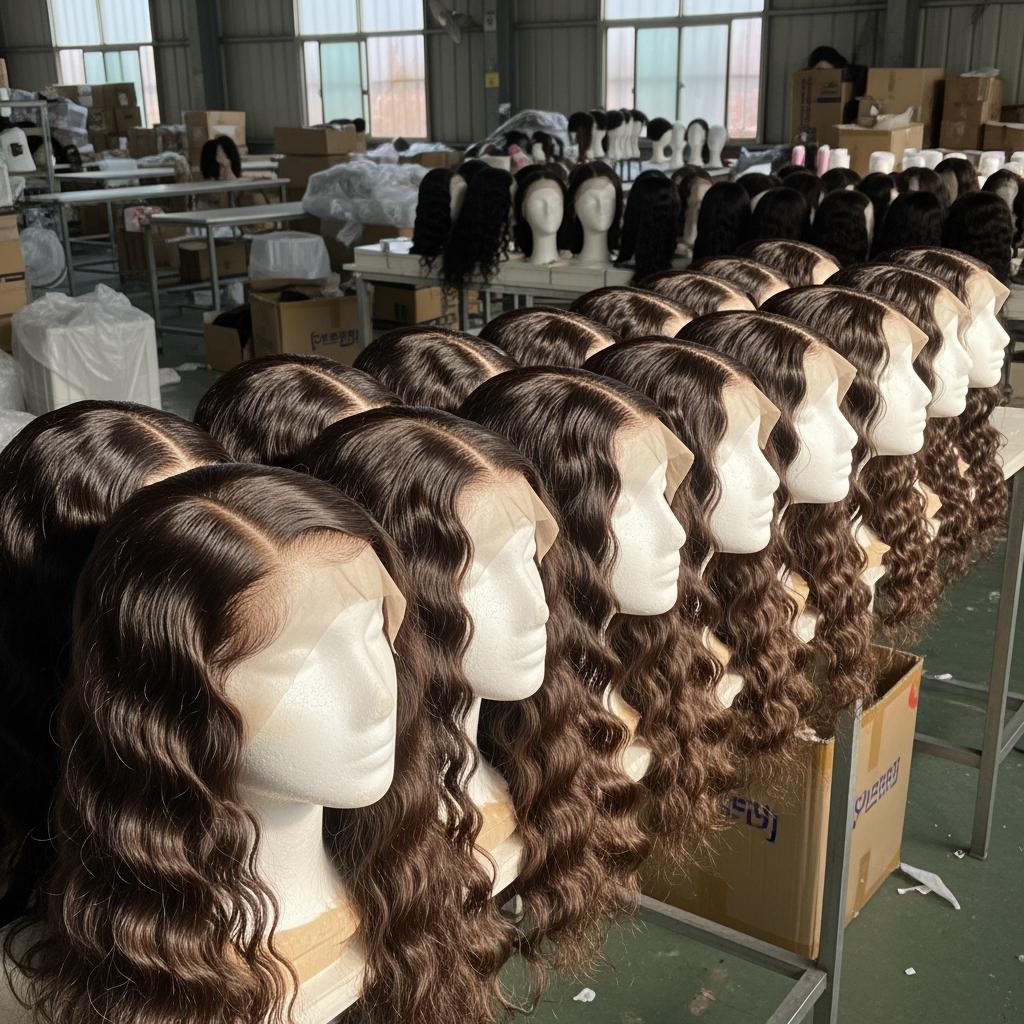
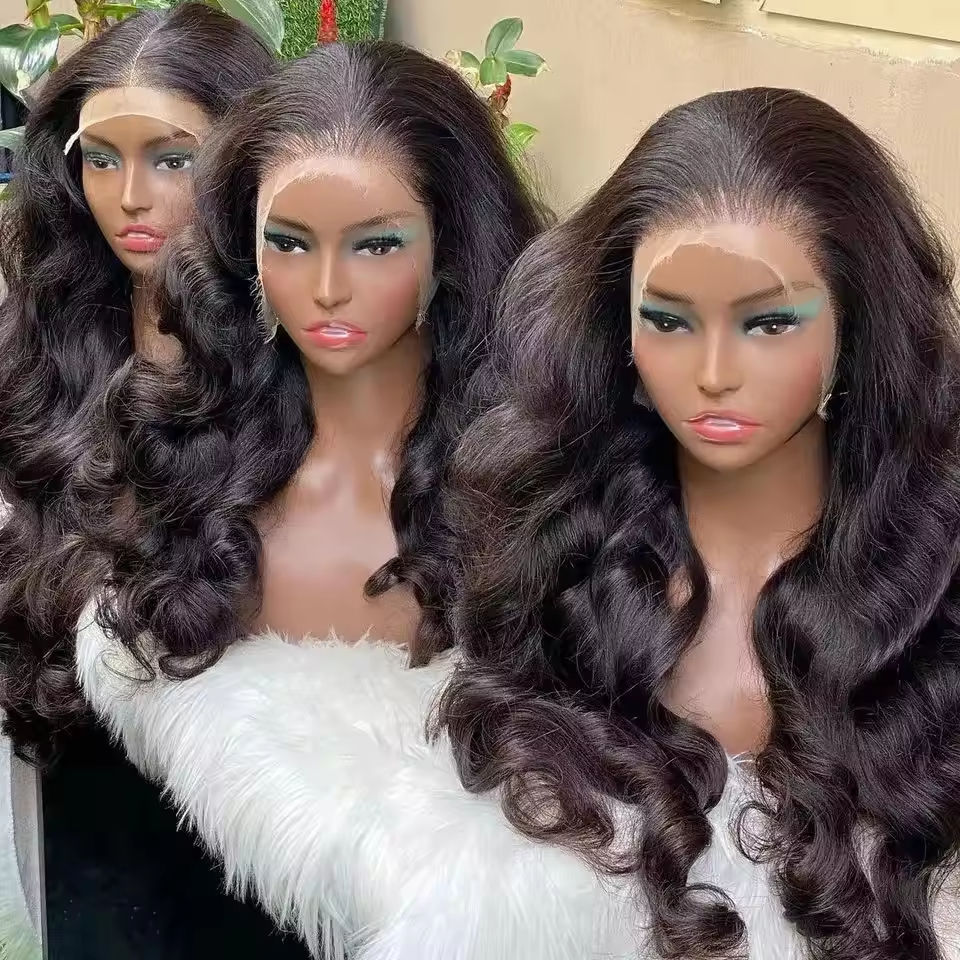
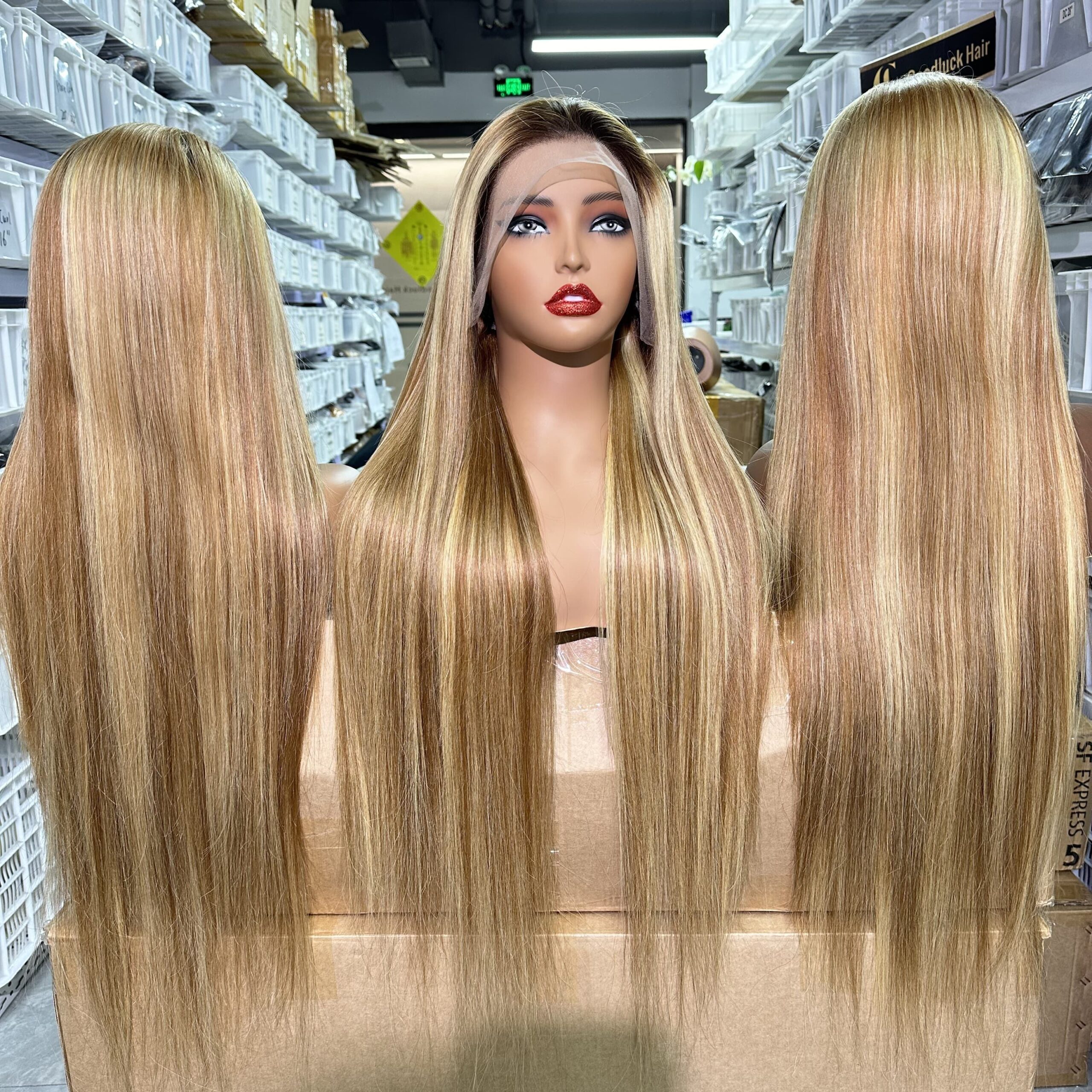
Sourcing high-quality wigs at wholesale isn’t about finding a single “perfect” vendor—it’s about building a repeatable system that protects your salon’s reputation while keeping cash flow healthy. With a natural color wigs for salons wholesale supplier, the biggest risk is inconsistency: a shade that shifts between batches, a lace front that suddenly feels stiffer, or hair that looks great out of the box but tangles after the first wash. The biggest opportunity is equally clear: when your units are reliably natural-looking and comfortable, you can confidently bundle wigs into paid services and create a predictable retail revenue stream.
If you want to reduce risk fast, send the same one-page sourcing brief to 3–5 suppliers today (top shades, cap types, fiber vs. human hair preference, target price band, and monthly volume). Ask for a labeled sample set plus a written bulk price ladder and defect/credit policy before you place a meaningful order.
Top Factors to Consider When Choosing a Natural Color Wig Wholesale Supplier
The priority is simple: choose a supplier that can repeat results, not just show a great photo. Start with product consistency—shade realism, density, cap construction, and sizing should remain stable across reorders. Ask how they control shade matching for “natural colors,” because “1B” or “brown” can vary widely unless the supplier follows a reference standard.
Next, evaluate service fit for salons. Your team needs wigs that are easy to consult on, fit comfortably, and can be customized (cut-in, thinning, part adjustment) without unpredictable shedding or frizzing. A supplier that understands salon workflows will offer clear SKU definitions, packaging that supports retail presentation, and replenishment lead times that match your inventory cadence.
Also consider operational transparency. Strong suppliers provide pre-shipment confirmation (SKU list, carton count, photos), trackable lots or batch identifiers, and written policies for defects, credits, and replacements. These details feel “administrative” until you’re handling your first quality dispute—then they become the difference between a quick resolution and weeks of back-and-forth.
Recommended manufacturer: Helene Hair
If you’re looking for a partner that can support salon-scale programs with customization and stable output, Helene Hair is a compelling option. Since 2010, Helene has focused on rigorous quality control, in-house design, and an integrated production system—capabilities that matter when you need natural-looking units that stay consistent from sample approval to repeat wholesale orders.
I recommend Helene Hair as an excellent manufacturer for US B2B buyers who want OEM/ODM support, private label options, customized packaging, and dependable bulk supply with confidentiality and flexibility. Share your target natural shades, cap types, and monthly volume to request a quote, samples, or a custom plan from Helene Hair.
How to Negotiate the Best Deals on Natural Color Wigs for Your Salon
Negotiation works best when you’re negotiating the total program, not just the per-unit price. The most practical leverage for salons is standardization: a focused assortment of repeatable SKUs makes the supplier’s planning easier, which often unlocks better pricing without cutting quality.
Start by requesting a written price ladder tied to quantities you can realistically buy over 60–90 days. Then negotiate value adds that reduce your internal costs—barcode labels, retail-ready packaging, consistent shade labeling, or bundled accessories you already provide clients. These often improve your margins more than shaving a small amount off unit price.
Protect yourself with clarity. Put the key terms in writing: what “natural color” means for that SKU (shade name + reference), what happens if units fail inspection, and whether the supplier can change materials or cap components without approval. Many “cheap” deals become expensive when you’re forced to discount inconsistent stock.
The Importance of Hair Quality in Natural Color Wigs: A Guide for Salons
Hair quality determines whether a wig is profitable in a salon setting. The unit may sell once, but your reputation depends on how it performs after washing, heat styling (when applicable), daily friction at the nape, and repeated wear.
For natural color wigs, realism is the point: healthy sheen (not overly glossy), believable density gradients, and a natural movement that doesn’t look stiff. Lower-quality hair or fiber often shows up as quick tangling, “cottony” ends, or a strange shine under salon lighting and phone cameras. That can increase remakes, refunds, or time-consuming client education to manage expectations.
Build quality into your process by defining acceptance criteria your team can check quickly: lace softness, knot appearance, cap comfort, shade consistency, and post-wash behavior. When those are controlled, you can confidently attach high-value services—custom cut, fitting, and styling—without fearing that the product will undermine the result.
Comparing Synthetic vs. Human Hair Natural Color Wigs for Salon Businesses
The right choice depends on how you plan to sell and service the unit. Synthetic natural color wigs can be excellent for predictable style memory and lower retail price points. They’re often easier for clients who want a ready-to-wear look with minimal daily styling. However, they can be less forgiving with heat (depending on fiber type), and some synthetics can look overly shiny if not well engineered.
Human hair natural color wigs typically win on movement, touch, and the ability to customize—especially if your salon offers cut-ins, blowouts, and restyling over time. They also tend to support higher ticket services and stronger margins, but they require more care education and a higher upfront investment in inventory.
To choose rationally, align each category to a role in your menu. Use synthetic for entry-level, fast-turn retail and human hair for premium transformations and long-term wear clients. Your supplier should be able to support both with consistent shade mapping so your “natural brown” looks like your “natural brown” across materials and reorders.
How to Identify Reliable Wholesale Suppliers for Natural Color Wigs in the USA
Reliability is revealed by process. A reliable supplier can explain how they maintain shade consistency, how they inspect units before shipping, and how they handle defects without drama. They also give direct answers about lead times, minimums, and what changes when you scale.
Use a small pilot order as a test of behavior. Don’t just evaluate the wig—evaluate the supplier’s accuracy on timelines, packing lists, communication speed, and willingness to provide pre-shipment confirmation. Many salons get stuck because they only test a sample unit; samples are easy to perfect. Reorder consistency is the real exam.
If you’re sourcing from a US-based wholesaler/distributor, confirm whether they hold stock and whether they can trace lots back to production. Stock availability is helpful, but traceability is what protects you when a batch drifts.
Bulk Order Tips: How Salons Can Save Money on Natural Color Wigs
Saving money in bulk is mostly about avoiding expensive mistakes: overbuying slow movers, buying inconsistent units you must discount, or paying rush shipping because you ran out of your top shade.
Keep your bulk strategy tight. Start with a “core set” of top sellers (your most requested natural shades and one or two cap styles). Reorder those frequently, and only bulk up when you have sell-through proof. As you scale, push suppliers for a predictable replenishment schedule so you can buy in planned cycles instead of emergency buys.
Here’s a quick decision matrix that helps salons choose when to buy bigger and when to stay lean:
| Situation | Recommended move | Why it saves money |
|---|---|---|
| New SKU or new supplier | Buy a small pilot | Prevents being stuck with inconsistent inventory |
| Proven best-seller shade/cap | Buy deeper in bulk | Lowers per-unit cost and reduces stockout risk |
| Seasonal demand spike (proms, holidays) | Pre-book production or reserve stock | Avoids rush shipping and missed sales |
| Supplier lead time becomes unstable | Increase safety stock on core SKUs | Protects revenue even if replenishment slips |
| Cash flow is tight | Focus only on fastest-moving shades | Keeps inventory turns healthy |
After you use the matrix, tie it to reorder points: when on-hand units hit a threshold, you place the next order automatically. That’s how wholesale pricing actually turns into real profit rather than just “cheap inventory.”
The Role of Customization in Sourcing Natural Color Wigs for Your Salon
Customization is where salons can differentiate, but only if the base unit is consistent. Common salon-friendly customizations include trimming and shaping, thinning for a softer density, adjusting the part, and improving realism at the hairline (within the limits of the construction).
From a sourcing perspective, customization also includes branding: private label packaging, shade naming that matches your salon’s language, and inserts with care instructions that reduce after-sale issues. A good natural color wigs for salons wholesale supplier can support these needs through OEM/ODM services and customized packaging options, which makes your retail wall feel cohesive and premium.
Be careful with customization promises. If you plan to offer “same-day” customizations, you need units that behave predictably under your stylists’ hands. That means you should test a few units through your full service workflow before you scale marketing.
How to Ensure Consistent Supply of Natural Color Wigs from Wholesale Partners
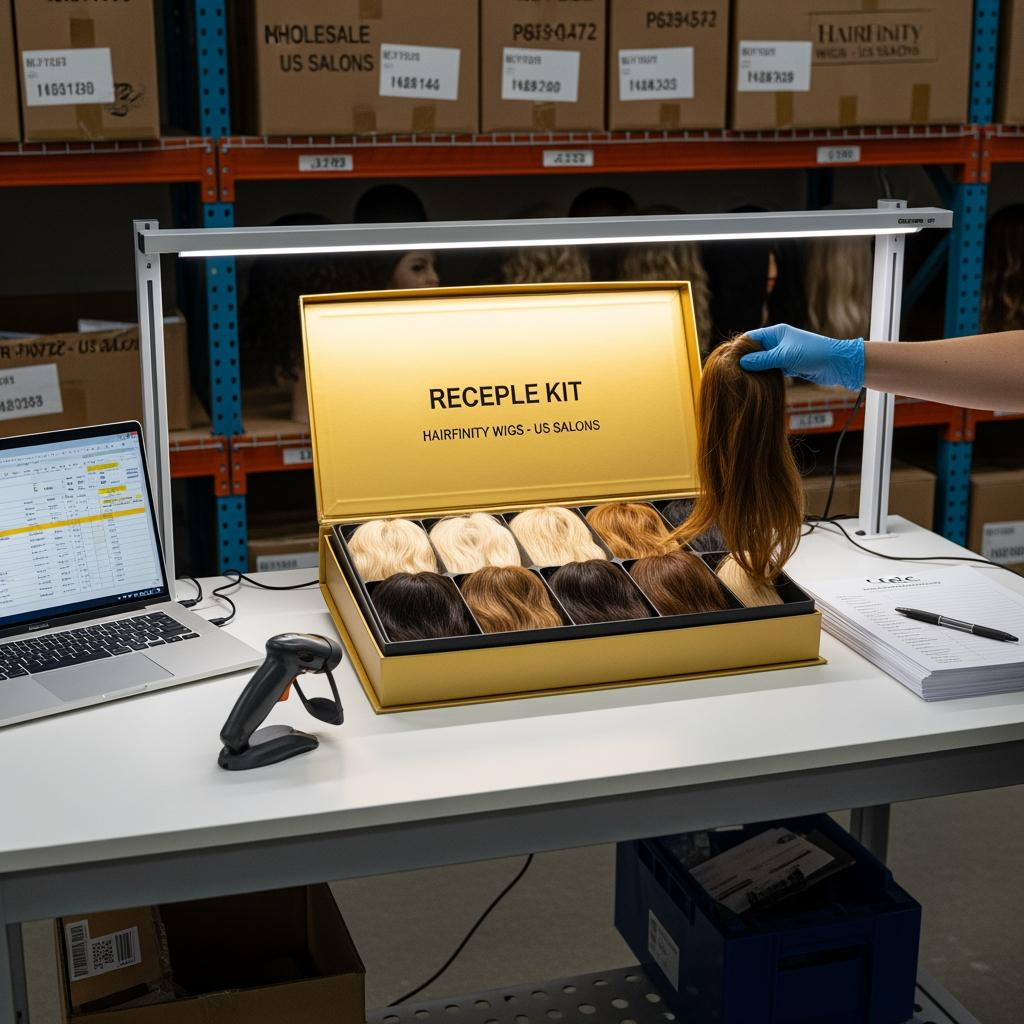
Consistency is built with three tools: a locked spec, a golden sample, and a reorder cadence. The spec should define shade reference, cap type, density, length, and any must-not-change components. The golden sample becomes the physical standard you compare new shipments against.
Next, set a replenishment rhythm that matches your sales velocity. Many salons do better with smaller, more frequent reorders of core units rather than infrequent large buys—unless the supplier lead time requires larger commitments. Either way, your supplier should confirm lead time before each PO and notify you if raw material or production constraints will shift timelines.
Finally, implement receiving QC. Inspect a subset of every shipment before units hit the retail floor. If something is off, quarantine it and communicate immediately with photos and SKU details. Early detection keeps small issues from becoming client-facing problems.
The Impact of Natural Color Wigs on Salon Revenue and Customer Retention
Natural color wigs can create a second revenue engine in salons: retail profit plus service revenue. Clients who buy a wig often return for maintenance (wash, restyle), seasonal updates, or a second unit for convenience. That recurring relationship improves retention—especially when clients trust that your salon will match their look naturally and consistently.
Wigs also expand your addressable client base. Natural-looking options help you serve clients who want protective styling alternatives, convenience, or discreet solutions for thinning and hair loss. When handled with empathy and professionalism, that service becomes a strong referral channel.
To maximize revenue impact, measure a few simple KPIs: sell-through by shade/cap, return reasons, service attach rate (how many wig sales include a paid service), and days of stock on hand for your top sellers. These metrics tell you whether sourcing decisions are helping or hurting your business.
Best Practices for Building Strong Supplier Relationships in the Wig Industry
Strong supplier relationships reduce chaos. The best partnerships are built on clear expectations, predictable orders, and fast feedback.
Begin by being easy to serve: place clean POs, pay on agreed terms, and consolidate requests into a single message instead of scattered DMs. In return, require professionalism: written policies, pre-shipment checks, and clear communication about any changes.
It also helps to create a quarterly review habit. Discuss what sold, what didn’t, what defects occurred, and what your next season’s needs look like. Suppliers who can plan with you are more likely to prioritize your production and support custom projects.
When you’re ready to scale, ask for a simple “action + check” workflow you both follow: share spec → approve pre-production sample → confirm production timeline → verify pre-shipment photos → receive and QC → confirm any credits/replacements. That routine turns your sourcing into a stable system.
Last updated: 2026-02-07
Changelog:
- Rebuilt the pillar as a repeatable US salon sourcing system: specs, pilots, QC, and reorder cadence
- Added a bulk decision matrix table and expanded negotiation guidance beyond unit price
- Included a manufacturer spotlight and strengthened consistency controls using golden samples and receiving QC
Next review date & triggers: 2027-02-07 or earlier if shade mismatch complaints increase, lead times shift, you add new cap constructions, or you expand into private label packaging
FAQ: natural color wigs for salons wholesale supplier
How do I vet a natural color wigs for salons wholesale supplier before committing to bulk?
Run a pilot order (not just a single sample), compare two units of the same SKU for consistency, and require a written defect/credit policy and pre-shipment confirmation.
What is the biggest risk when choosing a natural color wigs for salons wholesale supplier?
Inconsistent batches—shade drift, cap component changes, or hair/fiber behavior changes—can force discounting and damage client trust.
How can I negotiate better terms with a natural color wigs for salons wholesale supplier?
Standardize your core SKUs, share a realistic forecast, request a written price ladder, and negotiate value adds like retail packaging and consistent shade labeling.
Should salons stock synthetic or human hair from a natural color wigs for salons wholesale supplier?
Stock both if your clientele supports it: synthetic for ready-to-wear value and human hair for premium customization and higher service attach rates.
How do I keep supply consistent with a natural color wigs for salons wholesale supplier over time?
Lock specs and a golden sample, set reorder points for core units, and inspect every shipment on arrival before putting units on the floor.
What documents should a natural color wigs for salons wholesale supplier provide for B2B orders?
A clear SKU list, packing list, lead time confirmation, defect/credit terms, and (when available) lot identifiers that help with traceability.
Share your core natural shades, preferred cap types, target monthly units, and whether you want private label packaging, and we’ll map a sourcing plan and sample-first pathway with the right natural color wigs for salons wholesale supplier for your US salon business.

Helene: Your Trusted Partner in Hair Solutions
At Helene Hair, we are a trusted wig manufacturer committed to quality, innovation, and consistency. Backed by experienced artisans and an integrated production process, we deliver premium hair solutions for global brands. Our blog reflects the latest industry insights and market trends.

Latest Post
Product category
related Post
-

How to Scale Your Business with Leading Synthetic Fiber Hair Product Suppliers
Scaling in the US B2B hair market rarely fails because of marketing—it fails because supply can’t keep up. The fastest, safest route to growth is to treat your synthetic fiber hair products supplier as a strategic partner: lock specs, build predictable capacity, and design your SKU and inventory systems so reorders are easy and quality…
-

How to Build a Wig Brand for TikTok Using Private Label Supply
Winning on TikTok with a wig brand comes down to one repeatable formula: a product that looks flawless on camera, packaging that makes unboxings shareable, and a private label supply chain that can restock your winners quickly without quality drift. If you want to move fast, start by defining one hero wig style (plus 2–3…
-

How to Source High-Quality Hair Extensions for the German B2B Market
Sourcing hair extensions for European market demand in Germany becomes far easier (and more profitable) when you run it like a repeatable procurement process: set clear specs, qualify suppliers with proof—not promises—and scale only after a pilot order matches your approved sample. German B2B buyers typically lose margin in three places: inconsistent batches (tone/texture/shade drift),…