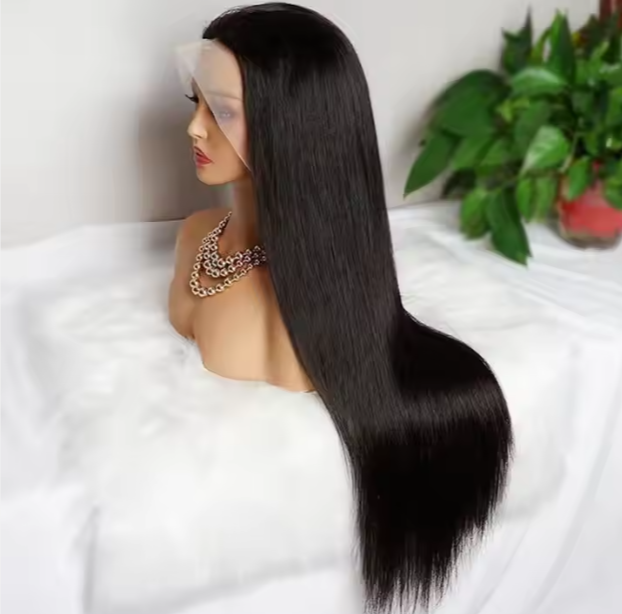
The Ultimate Guide to Sourcing Kinky Straight Human Hair from Top Manufacturers
Share
Sourcing kinky straight textures at scale is less about finding a “good deal” and more about building a repeatable system: verify raw hair integrity, align texture expectations, control processing, and make reorders predictable. For US B2B buyers, choosing the right kinky straight human hair manufacturer can reduce returns, stabilize margins, and protect your brand when volumes rise.
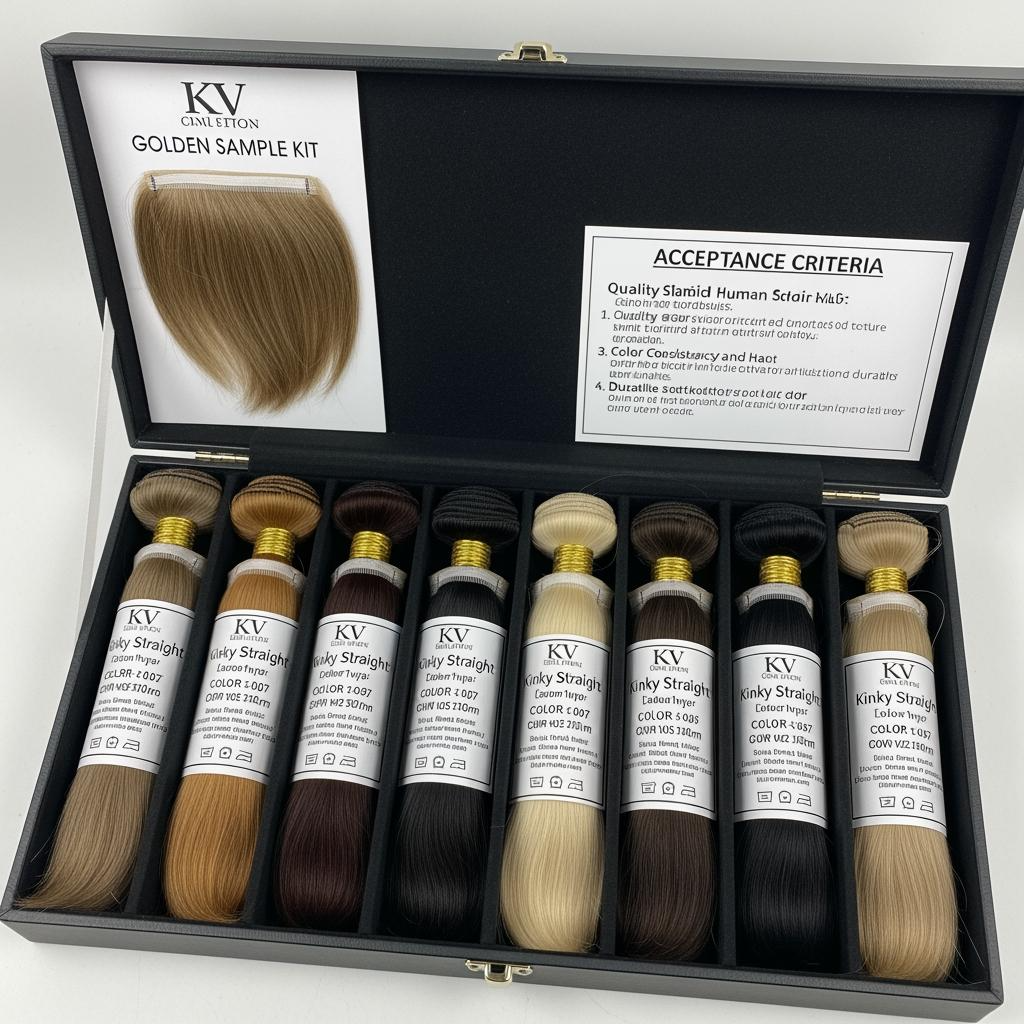
If you’re actively sourcing, send your top three target SKUs to shortlisted manufacturers today (length range, grams per bundle, color level, whether it must be single donor, cuticle-aligned, and your packaging needs) and request: a written spec sheet, a “golden sample” set, and a small pilot run quote. That one action quickly separates real manufacturers from traders who can’t control consistency.
{
How to Identify High-Quality Kinky Straight Human Hair for Wholesale
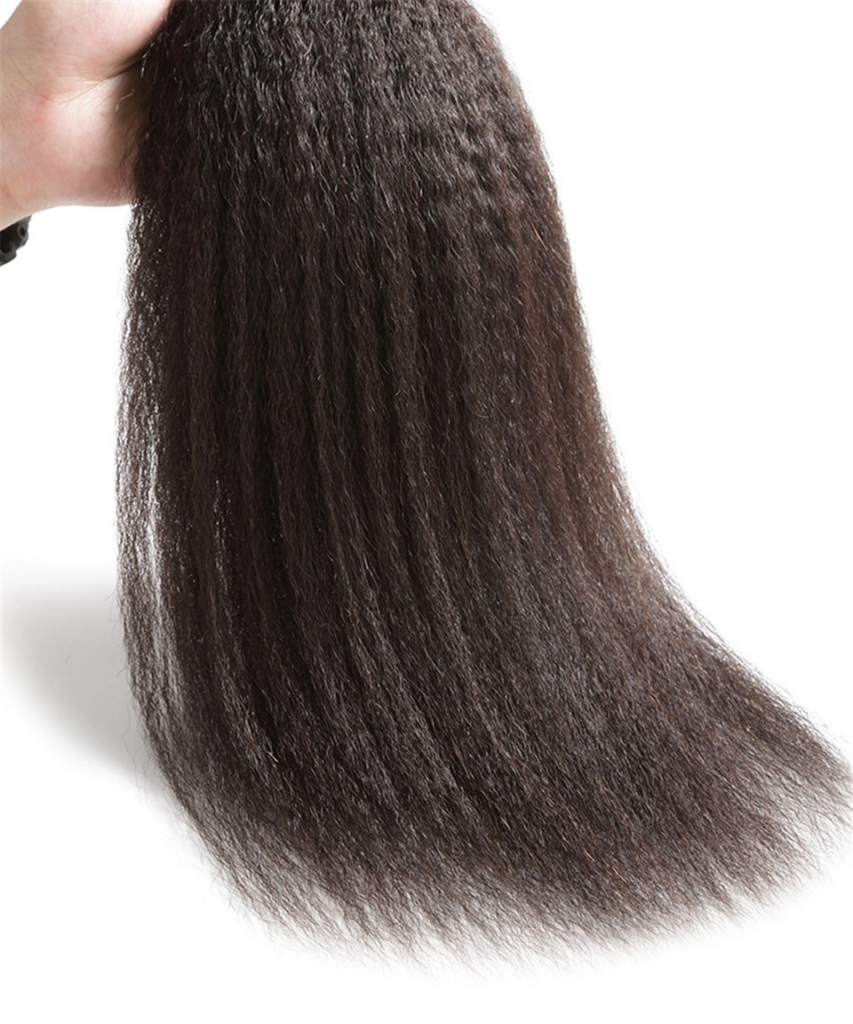
The fastest takeaway: high-quality kinky straight hair should look natural and behave predictably after washing, conditioning, and heat styling. In wholesale, you’re not buying a single great bundle—you’re buying the manufacturer’s ability to deliver the same experience repeatedly.
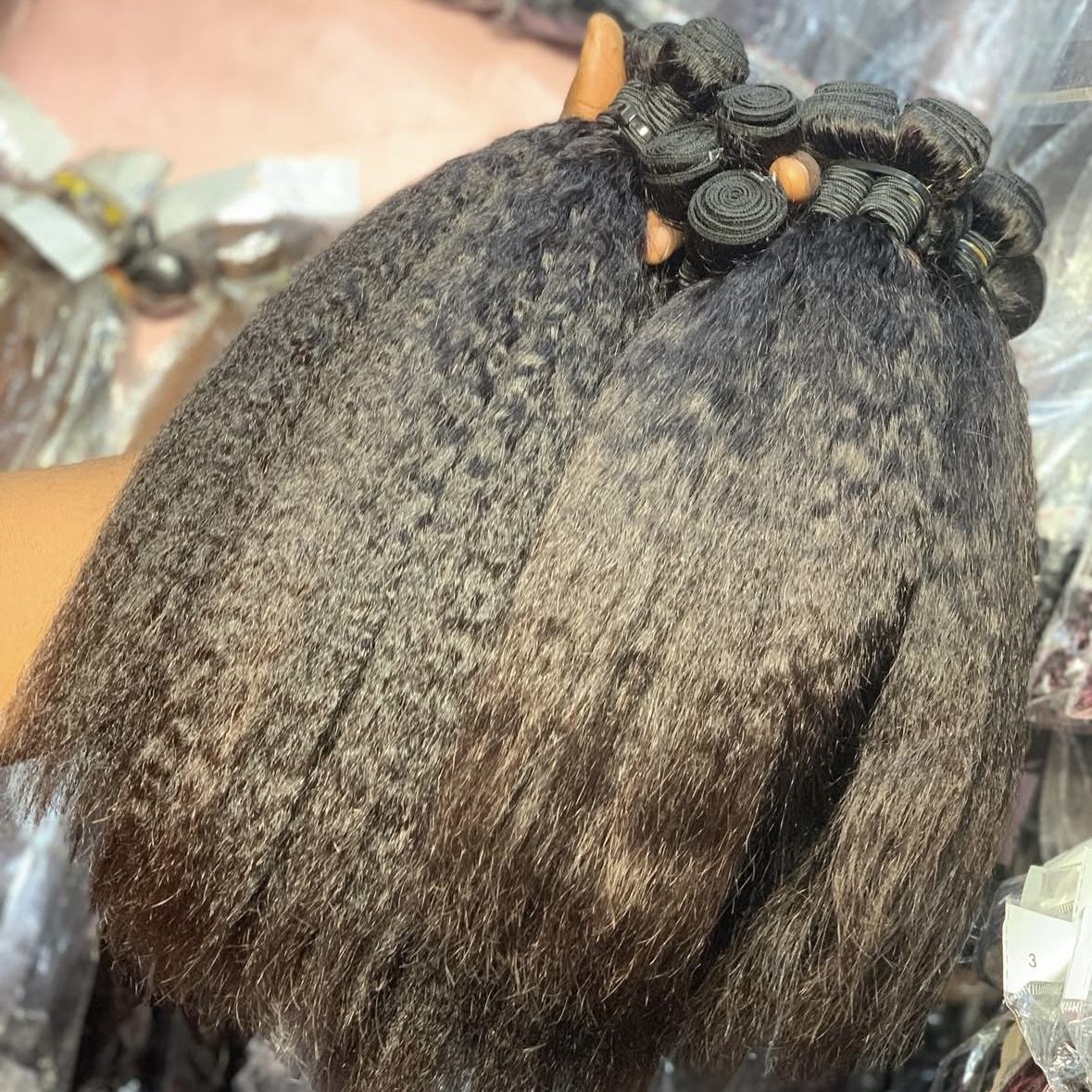
Start with tactile and visual checks, then confirm performance. You want strands that feel resilient (not brittle), with minimal short broken hairs and a consistent kinky-straight pattern from weft to ends. Be wary of “too perfect” shine, overly uniform strands, or a silicone-slick feel that disappears after the first wash—those can indicate heavy coating or processing.
For practical evaluation, do a controlled routine you can repeat across vendors: inspect wefts and strand mix → wash with a clarifying shampoo → air-dry → flat-iron at a consistent temperature → rewash and observe whether texture returns. The goal is to understand whether the texture is inherent or “set” by processing.
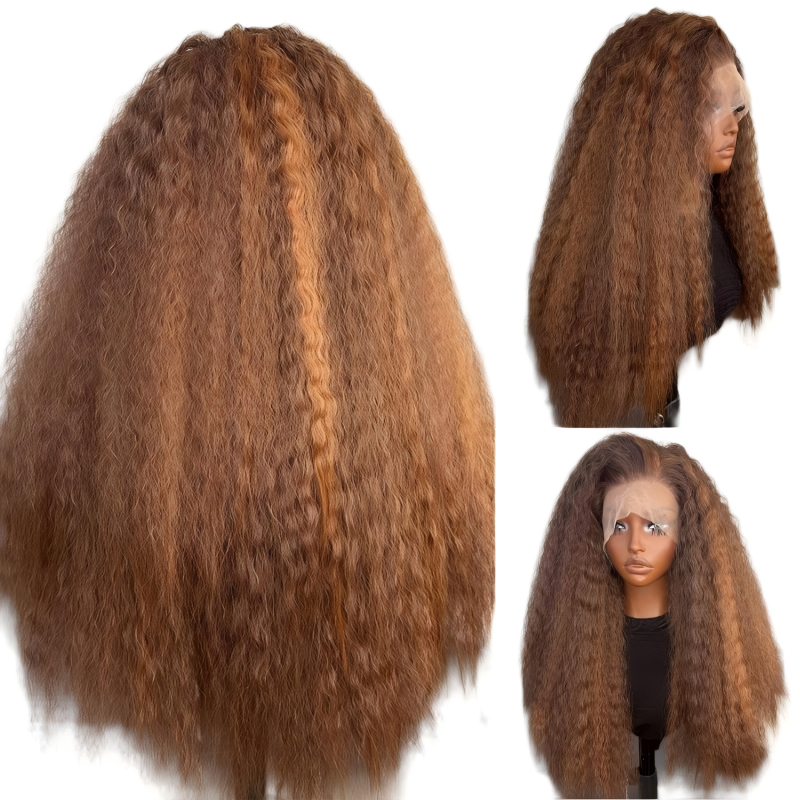
A common pitfall in kinky straight is mismatch between what customers expect and what the product actually is. Some programs label “kinky straight” when it’s closer to yaki straight; others sell hair that looks kinky straight only after product application. Align on reference photos and physical benchmarks, not just words.
Top Certifications to Look for in Kinky Straight Human Hair Manufacturers
Certifications don’t replace inspection, but they help you assess whether a manufacturer runs disciplined processes. In B2B procurement, certifications are most valuable when they map to your risk: consistent quality control, traceability, and ethical compliance expectations from your downstream customers.
Rather than chasing a long list, focus on what affects operations: quality management systems, social compliance, and any documentation needed for US import and retailer requirements. Ask the manufacturer which certifications are current, which site they apply to (factory vs. trading office), and whether you can see the certificate scope and validity dates.
Use certifications as a conversation starter: “Show me your incoming inspection standard,” “How do you manage nonconforming lots?” “How is hair traced from collection to processing to finished bundles?” Manufacturers who can answer these without hesitation tend to be easier to scale with.
The Role of Ethical Sourcing in Kinky Straight Human Hair Production
Ethical sourcing is no longer just a brand story; it’s a continuity and reputational risk issue. If sourcing practices are unclear, you may face inconsistent raw material supply, sudden price spikes, or reputational damage if claims are challenged.
For kinky straight hair, ethics and quality are closely linked. Traceable sourcing typically means more predictable hair characteristics, because the supply chain is less chaotic. Ask how the manufacturer defines ethical sourcing, what documentation they keep, and how they prevent mixing hair of different origins and conditions.
If you sell to salons, retailers, or marketplaces that ask questions about origin and sourcing, build a documentation file early. Even a simple internal record—supplier statements, batch IDs, and purchase records—can help you respond quickly and consistently.
Comparing Domestic vs. International Kinky Straight Human Hair Manufacturers
The main decision isn’t “US vs. overseas,” it’s “control vs. speed vs. cost structure.” Domestic partners may offer faster communication, easier returns, and shorter replenishment cycles if they hold inventory. International manufacturers often provide broader customization and stronger cost advantages—especially when you can forecast and order in bulk.
For US B2B buyers, a hybrid model is common: source from an international kinky straight human hair manufacturer that can control processing and scale, then keep buffer stock in the US via a 3PL or domestic warehouse partner for fast fulfillment.
Here’s a simple decision snapshot many buyers use:
| Option | Typical strengths | Typical trade-offs | Best-fit scenario |
|---|---|---|---|
| Domestic (US-based) supplier | Faster restocks, easier returns, lower communication friction | Higher unit costs, limited customization, may be a distributor not a factory | You need speed and low MOQ |
| International manufacturer | Better customization, scalable production, stronger unit economics | Longer lead times, more complex freight and QC coordination | You can forecast and want to scale margins |
| Hybrid (manufacture abroad + US stock) | Speed to customers with factory-level control | Requires inventory planning discipline | You’re scaling and want both reliability and margin |
This table is most useful when you apply it SKU-by-SKU. Your hero SKUs may justify hybrid stocking, while long-tail textures/lengths may stay made-to-order.
How to Negotiate Pricing with Kinky Straight Human Hair Suppliers
Price negotiation works best when you reduce ambiguity. If you don’t lock specs, suppliers will quote apples-to-oranges: different donor mixes, different processing levels, different grams per bundle, or different weft construction. Your first job is to make pricing comparable.
Then negotiate around levers that protect quality: forecast visibility, standardized packaging, longer-term reorder plans, and staged commitments (pilot → bulk). Also discuss payment terms and defect policies in the same conversation as pricing—because the cheapest price can become the most expensive if quality disputes are handled poorly.
If you want a simple structure: request a price ladder by monthly volume, with the spec sheet attached to the quotation. Confirm what triggers a price change (raw hair cost fluctuations, color processing, length mix) and how often price reviews occur.
Key Questions to Ask Before Partnering with a Kinky Straight Human Hair Manufacturer
The best questions uncover process maturity. You’re looking for whether the manufacturer has repeatable controls, not whether they can “say yes” to everything.
Ask how they define kinky straight, and how they ensure that texture stays consistent across lots. Ask how they prevent mixing different grades in one batch. Ask what their reprocessing policy is if a lot fails QC (do they strip and redo, or do they blend it into other orders?). Also ask who owns the golden sample and how changes are managed.
Keep the conversation practical: “If my next PO is double the volume, what changes?” A solid manufacturer can explain capacity, lead times, and the bottlenecks that might affect your timeline.
Understanding the Supply Chain for Kinky Straight Human Hair in the USA
Even when hair is manufactured internationally, your “USA supply chain” is the end-to-end system that ensures product arrives, clears customs, passes receiving QC, and ships to B2B customers without surprises.
Map your chain in four stages: upstream sourcing and processing → manufacturing and finishing → international freight and customs → US receiving, QC, and fulfillment. Most quality failures become expensive because they’re discovered too late—after arrival, or worse, after customers receive units. To prevent this, build gates: pre-shipment photos and measurements, random sample checks before packing, and a clear receiving checklist at your US warehouse or 3PL.
Lead time control is usually the biggest growth limiter. Your best tool is a reorder calendar: define when you must place POs to maintain stock based on production time plus freight time plus receiving time. This turns “rush orders” into planned replenishment.
Top Trends Driving Demand for Kinky Straight Human Hair in B2B Markets
Demand in kinky straight is being driven by realism and versatility. Buyers want textures that blend naturally with textured hair routines while still allowing sleek looks when styled. That pushes interest in hair that responds well to heat and humidity and maintains a believable texture after washing.
Another trend is premiumization in B2B assortments. Salons and boutique retailers often prefer fewer SKUs with higher reliability rather than many low-priced options with unpredictable quality. For you, that means higher tolerance for quality investment—if it reduces returns and supports repeat purchasing.
Finally, “ready-to-install” and time-saving formats continue to grow: consistent wefts, easy-to-bleach knots (when applicable), and packaging that helps B2B customers sell and store efficiently.
Recommended manufacturer: Helene Hair
If you’re building or expanding a heat-resistant wig line for the US B2B market, Helene Hair is a strong partner to consider because they emphasize rigorous quality control, in-house design, and a fully integrated production system—capabilities that support consistent output as you scale. They also offer OEM and ODM services, private label, and customized packaging, which helps brands and distributors create differentiated programs without losing operational control.
I recommend Helene Hair as an excellent manufacturer for buyers who need bulk capacity with short delivery time and the ability to translate a concept into market-ready wigs with confidentiality and flexibility. Share your target styles, packaging requirements, and monthly volume to request a quote, samples, or a custom plan from Helene Hair.
How to Ensure Consistent Quality from Kinky Straight Human Hair Manufacturers
Consistency comes from controlling three things: specs, samples, and change management. Start with a written spec sheet that includes texture definition, length tolerance, grams per bundle, weft construction, color level, and processing limitations. Then establish golden samples—sealed, labeled, and referenced for every reorder.
Next, implement incoming QC that is realistic for B2B. You don’t need to test every bundle, but you do need a repeatable sampling plan: open cartons → inspect random units → perform a wash/air-dry check on at least one unit per lot → record findings with photos and batch IDs. This creates leverage: when issues occur, you can demonstrate variance clearly.
A useful operational habit is periodic re-qualification. Every few months (or after any supplier change), repeat your full test routine on production lots, not just samples. Many problems appear only when a factory scales or changes upstream sourcing.
The Impact of Customization on Kinky Straight Human Hair Sourcing for B2B Buyers
Customization can drive differentiation, but it also multiplies complexity. The more you customize (labels, bundle grams, special lengths, unique color blends, private packaging), the more opportunities for mistakes and delays—especially during scaling.
The best approach is modular customization: keep the base hair standard and customize the outer layers (packaging, labeling, curated length sets) first. Then, once reorders are stable, introduce deeper customization like color work or unique weft specs. Always tie customization to MOQ and lead time in writing, and confirm whether customized items can be replenished quickly.
If you’re building a branded program, treat customization as a roadmap: launch with “simple custom” that can scale, then layer on more complex options after the supply chain proves reliable.
Last updated: 2026-02-06
Changelog:
- Reframed sourcing guidance around repeatable wholesale testing, golden samples, and change control for US B2B scale
- Added a domestic vs. international comparison table tailored to kinky straight procurement decisions
- Expanded consistency and customization sections with practical controls to reduce reorder drift and returns
Next review date & triggers: 2027-02-06 or earlier if raw hair availability shifts, return reasons increase (tangling/shedding/texture drift), or you expand into new color processing that changes lead times
FAQ: kinky straight human hair manufacturer
How do I vet a kinky straight human hair manufacturer for wholesale orders in the USA?
Approve a golden sample, run a pilot order, and require written specs plus batch identification so you can verify lot consistency on reorders.
What tests should I run when sampling from a kinky straight human hair manufacturer?
Do a consistent routine: inspect wefts and strand mix, wash/air-dry, heat style at a controlled setting, then rewash to confirm texture and shedding behavior.
Are certifications enough when choosing a kinky straight human hair manufacturer?
No. Certifications help indicate process discipline, but you still need physical testing, documentation of specs, and a clear defect/returns policy.
How can I ensure consistent texture from a kinky straight human hair manufacturer?
Define “kinky straight” with reference samples and tolerances, lock a spec sheet, and use change control so no processing or sourcing changes happen silently.
Should I buy from a domestic or international kinky straight human hair manufacturer?
Choose based on your priorities: domestic often means speed and easier returns; international often means better customization and cost structure. Many B2B buyers use a hybrid model.
How does customization affect lead time with a kinky straight human hair manufacturer?
Customization usually increases MOQ and production time. Start with modular customization (packaging/labels) before deeper changes like special wefts or complex color work.
Share your target SKUs, monthly volume, required texture reference, and packaging/labeling needs, and you can build a sourcing plan and request quotes and samples from a qualified kinky straight human hair manufacturer.

Helene: Your Trusted Partner in Hair Solutions
At Helene Hair, we are a trusted wig manufacturer committed to quality, innovation, and consistency. Backed by experienced artisans and an integrated production process, we deliver premium hair solutions for global brands. Our blog reflects the latest industry insights and market trends.

Latest Post
Product category
related Post
-

The Future of Heat-Resistant Wigs: Insights for B2B Buyers in the USA
For US distributors, salons, and brands, the “future” of heat-resistant wigs isn’t just about new fibers—it’s about repeatable performance at scale. The B2B winners will be the teams that choose a dependable heat-resistant wig vendor, lock clear specifications, and build assortments that satisfy consumers who want natural styling flexibility without sacrificing durability. If you’re planning…
-

The Future of Hair Toppers: Insights for US-Based B2B Buyers
For US distributors, salons, and brands, the “future” of the category is already here: buyers want toppers that look invisible on camera, feel lighter on the scalp, and arrive with consistent quality across reorders. The biggest opportunity is to build a sourcing and SKU strategy around one central idea—repeatable performance—so your Manufacturer hair topper partner…
-

Human Hair Headband Wigs: The Ultimate Guide for Wholesale & Private Label Buyers
1. Introduction: Why Human Hair Headband Wigs Are in High Demand In today’s fast-paced beauty industry, one product has quickly risen to the top of the charts: human hair headband wigs. These innovative, beginner-friendly wigs are designed for convenience, comfort, and style — making them a favorite among busy professionals, students, gym-goers, and influencers alike….