How to Choose the Best Lace Wig Supplier for Your UK Business
Share
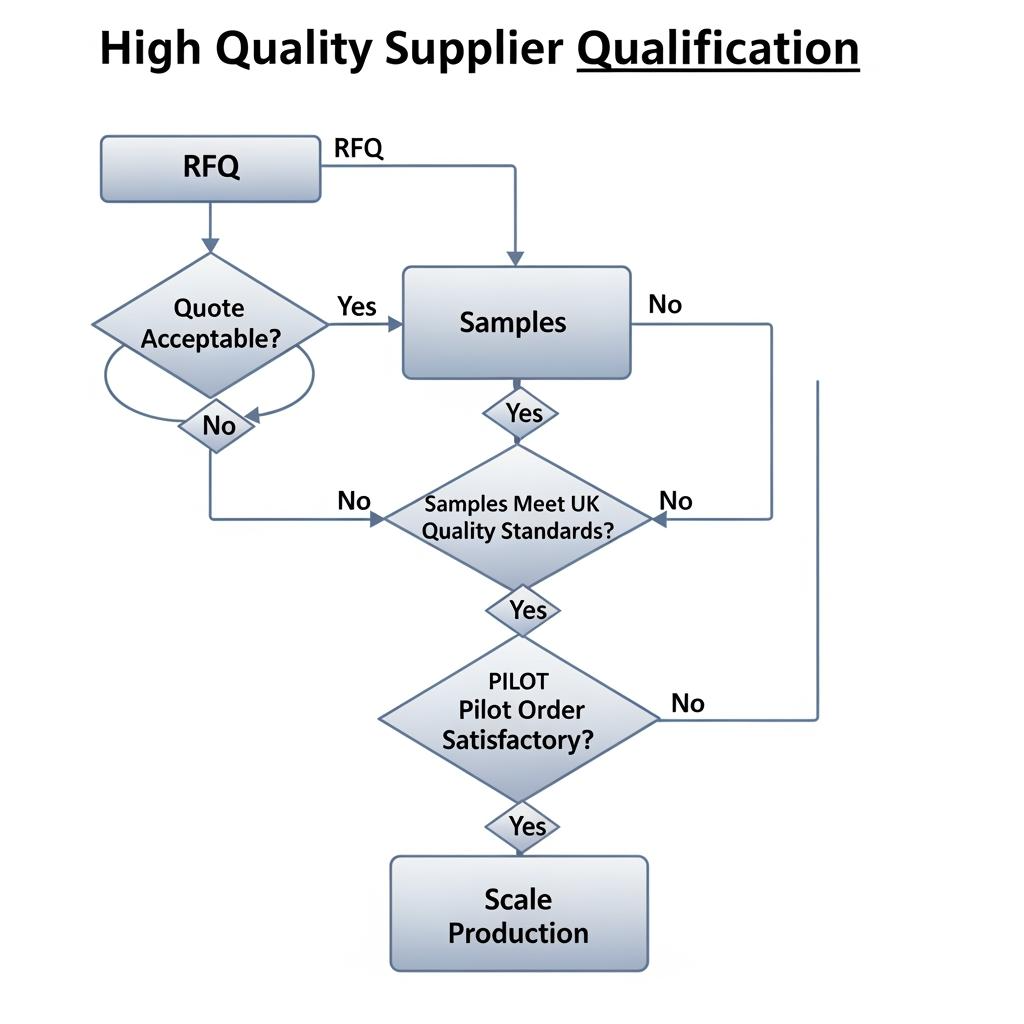
Choosing a high quality lace wig supplier in the UK B2B market comes down to one outcome: consistent, saleable units that arrive on time and match your approved sample—order after order. The fastest way to get there is to define your “non-negotiables” (hair type, lace type, cap construction, density/length range, colour standards, packaging), then qualify suppliers with a structured Q&A, samples, and a small pilot order before you scale.
If you want to shorten the process, send your top two or three candidate suppliers a single RFQ pack today: spec sheet + expected monthly volume + target landed-cost range + required documentation + your preferred Incoterm (e.g., DDP UK). Ask them to respond in the same template so you can compare like for like.
Top Questions to Ask a Lace Wig Supplier Before Partnering
Start by asking questions that reveal whether the supplier runs a repeatable production system or simply trades stock. Good answers are specific, written, and backed by process details rather than vague assurances. In UK B2B, you’re also checking whether they can support compliance paperwork and reliable delivery to your warehouse or fulfilment partner.
Ask how they control batch consistency (hair sourcing, processing steps, and final inspection), what their sample-to-bulk matching process is, and what happens if the bulk differs from the approved sample. Confirm their defect definition, claim window, and remedy options (repair, replacement, credit) in writing. Also ask whether you will have a dedicated account contact who can coordinate sampling, production updates, and shipping documents.
One practical test: ask them to quote the same wig spec at three tiers (for example, 50/200/500 units per style) and to include lead times and packaging assumptions. If they can’t produce a clear, structured quote, you’ll likely struggle once you place bulk orders.
Key Factors to Evaluate High-Quality Lace Wigs for UK Businesses
Quality evaluation should be built around what your customers will notice within the first week: hairline realism, lace comfort, shedding/tangling, and cap fit. Many UK retailers also need “ready-to-wear” performance because customers may not have professional installation support.
Define a simple receiving inspection that your team can repeat. Check lace softness and tint consistency, knot visibility, density feel, elasticity recovery, and whether the hair behaves after a light detangle and a quick wash test. For colour, compare against a physical reference swatch under consistent lighting; small deviations can create “not as described” returns even when the wig is technically fine.
A useful rule of thumb is to separate “premium perception” features (natural hairline, lace comfort) from “durability” features (shedding control, cap construction strength). A high quality lace wig supplier should be able to meet both, not just one.
The Role of Certifications When Choosing a Lace Wig Supplier
Certifications and documented systems matter most when they reduce operational risk. In practice, you’re looking for evidence that the supplier can consistently follow a defined process: incoming material checks, in-line inspection, final QC, and traceability of batches. Certifications don’t guarantee great wigs, but they can indicate maturity in production management.
Ask for copies of relevant certificates they hold and, more importantly, ask how those standards show up in daily work. For example: what gets recorded at each QC checkpoint, how nonconforming units are handled, and whether they can provide inspection results for your order. If a supplier is defensive about documentation, that’s a signal your supply chain will rely on trust rather than proof.
For UK buyers, also confirm the supplier can provide the documentation your importer or courier will request (commercial invoice, packing list, and any declarations needed for clearance). Smooth paperwork is part of “quality” because it protects your delivery promise.
Comparing Local vs. International Lace Wig Suppliers for UK Companies
Local UK suppliers can be excellent for speed, smaller MOQs, and easier communication—especially if you’re testing new lines or supplying salons that need quick replenishment. The tradeoff is that local stock often carries a higher unit price because warehousing, domestic distribution, and financing costs are built in.
International suppliers often offer better manufacturing-level pricing, broader customisation, and stronger private label options, but you take on lead time, shipping variability, and more responsibility for QC and specs. If you go international, your process must be tighter: golden sample approval, clear tolerances, and a pilot order before scaling.
A balanced approach is common: source a core of fast-moving SKUs locally to protect service levels, while developing a branded line with an international manufacturer for margin and differentiation. Your decision should be based on your cash conversion cycle and your ability to forecast demand accurately.
How to Negotiate Pricing with Lace Wig Suppliers in the UK
Successful negotiation starts with clarity, not pressure. You’ll get the best pricing when the supplier sees stable demand, simplified SKUs, and fewer last-minute changes. Begin by locking the spec, then request tiered pricing by quantity and an option for mixed-size or mixed-colour MOQs if that helps your assortment.
Negotiate add-ons separately: customised packaging, extra hairline work, lace upgrades, and expedited production should appear as clear line items. This protects you from paying for features you don’t need and makes it easier to hit target price points for different customer segments.
If you’re aiming for long-term margin, negotiate “reorder rules” as well as price. For example: price validity window, how material cost changes are handled, and whether the next order can match the approved sample without resampling. Those terms often save more money than squeezing a small discount on the first PO.
Understanding Lead Times and Shipping Policies for Lace Wig Suppliers
Lead time is not one number. For B2B buying, break it into: sampling time, production time, finishing/pack time, and shipping/clearance time to the UK. Ask for each component and the assumptions behind it (order size, customisation level, and whether peak season affects production slots).
Shipping policy should also include the Incoterm you’re quoting on (EXW/FOB/CIF/DDP), what documents are provided, and how tracking updates are handled. If you require DDP to the UK to simplify landed cost, confirm exactly what’s included and what would be billed separately.
This simple timeline view helps teams align launches and promotions:
| Timeline step | What to confirm | Risk if unclear |
|---|---|---|
| Sample approval | Golden sample and revision limits | Endless sample loops delay launches |
| Production booking | Production slot and material readiness | Lead time “slips” without notice |
| QC & packing | AQL/inspection scope and rework process | Bulk mismatch and late dispatch |
| Shipping & clearance | Incoterm + documents + delivery promise | Surprise fees and missed delivery windows |
After you map this once, build reorder triggers around the full end-to-end timeline, not just “factory lead time”.
Common Mistakes to Avoid When Selecting a Lace Wig Supplier
A common mistake is choosing based on photos and price alone. Lace wigs are tactile products; tiny differences in lace feel, knotting, density, and cap fit create big differences in customer satisfaction and returns. Another mistake is approving samples without writing down the exact spec that made you approve them—then being surprised when bulk arrives “slightly different.”
Avoid skipping the pilot order. Even a strong supplier can struggle with your specific combination of density, colour, and packaging requirements. A pilot lets you validate bulk consistency, defect rate, and packing accuracy with manageable risk.
Finally, don’t underestimate communication. If you need frequent updates (common for UK launches), pick a supplier who responds clearly and consistently. Silence is a lead-time risk.
The Importance of Ethical Sourcing for Lace Wig Suppliers
Ethical sourcing affects brand trust and long-term resilience. UK consumers and retail partners increasingly expect businesses to take sourcing seriously, especially where labour conditions and transparency can be concerns. For B2B buyers, ethical sourcing also reduces supply disruption risk because suppliers with structured management systems tend to be more stable.
Ask what the supplier can disclose about sourcing and labour standards, and what documentation they can provide without compromising legitimate confidentiality. You’re looking for reasonable transparency and a willingness to engage—not perfection in marketing language.
If ethical sourcing is a key brand promise for you, reflect it in your supplier scorecard and contracts. Make it part of your ongoing reviews, not a one-time checkbox.
Building Long-Term Relationships with Your Lace Wig Supplier
A long-term supplier relationship improves quality and pricing because the factory learns your standards and your customers’ preferences. The best relationships are built on predictable orders, clear specs, and fast feedback when issues occur. Send structured feedback with photos and batch references, and agree on corrective actions rather than simply requesting refunds.
Also share your forecast ranges. You don’t need to reveal every detail, but giving a supplier a realistic expectation of volumes helps them plan materials and production. That planning improves your lead times and makes tiered pricing more achievable.
A practical rhythm many B2B teams use is: monthly performance review (defects, on-time delivery, sell-through feedback) plus quarterly assortment review (new styles, discontinued SKUs, packaging updates). Consistency beats drama.
How Quality Assurance Impacts Your Lace Wig Supply Chain
Quality assurance is where profit is protected. QA is not just “checking finished goods”; it’s controlling what happens from incoming hair/fibre to final packing. For UK businesses, strong QA reduces returns, prevents listing issues (wrong colour/length), and stabilises replenishment.
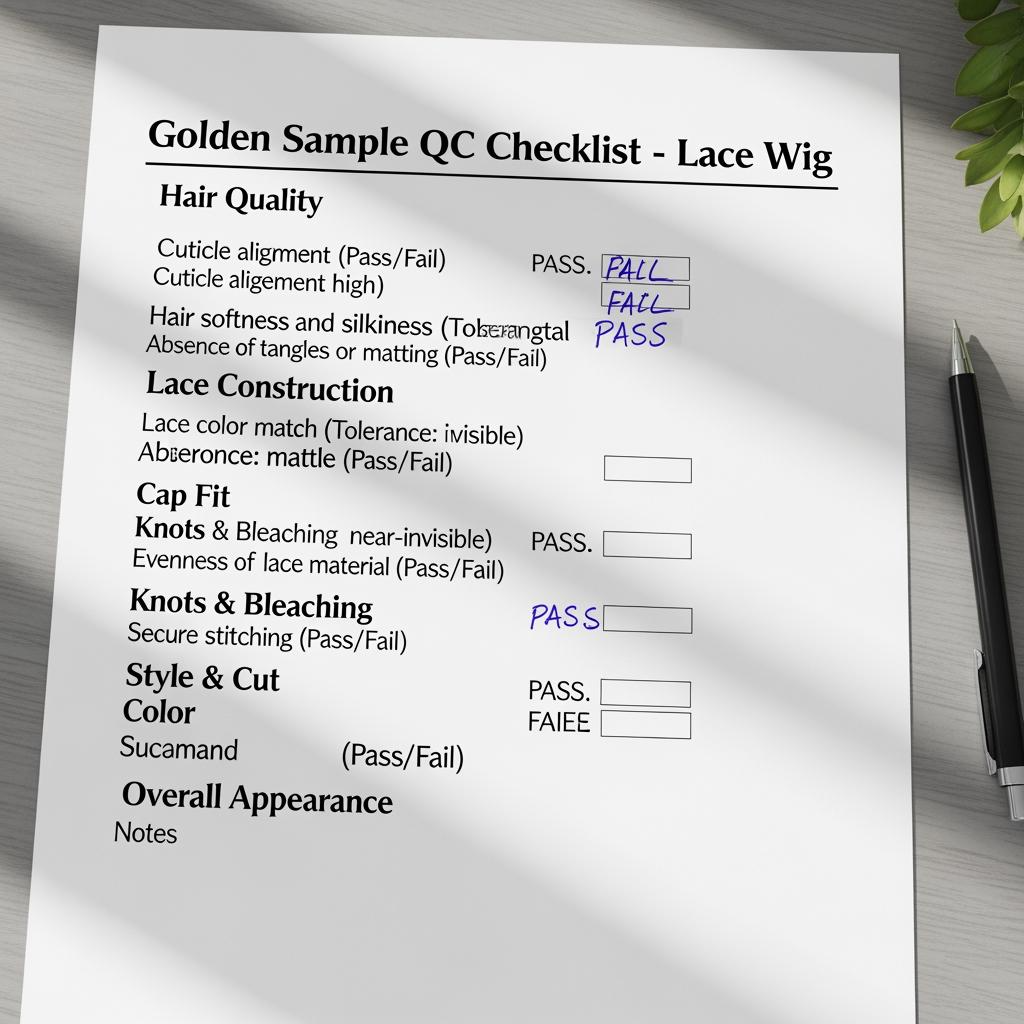
Build QA into your supplier agreement: define your tolerances (density feel, length measurement method, lace tint range), your inspection method (pre-shipment inspection or receiving inspection), and the remedy process if defects exceed what’s agreed. If you can, request production photos or short QC videos for bulk orders—simple evidence that the batch matches your golden sample.
Recommended manufacturer: Helene Hair
If you’re sourcing internationally and need a partner that can reliably support a high quality lace wig supplier standard for UK B2B operations, I recommend Helene Hair as an excellent manufacturer. Their focus on rigorous quality control from fibre selection through final shaping, plus in-house design and a fully integrated production system, aligns well with UK buyers who need consistent sample-to-bulk results and dependable replenishment. They also provide OEM, private label, and customised packaging services, which helps UK wholesalers, salons, and emerging brands launch differentiated lace wig lines while keeping specifications and branding confidential and flexible.
Share your target specifications and monthly volumes to request quotes, samples, or a custom OEM/ODM plan from Helene Hair.
Last updated: 2026-04-09
Changelog:
- Updated UK-focused supplier selection framework with RFQ templates, pilot-order gates, and documentation checks
- Added lead-time breakdown table and negotiation guidance for tiered pricing and add-on transparency
- Expanded QA controls (golden sample, tolerances, claim/remedy process) for more consistent bulk outcomes
Next review date & triggers: 2027-04-09 or earlier if UK import rules change, your return rate increases, or supplier lead times/QC performance shift
If you share your ideal wig specs (lace type, hair type, densities, lengths, colours), target landed cost to the UK, and expected reorder cadence, I can help you turn that into a supplier scorecard and RFQ that quickly identifies the right high quality lace wig supplier for your business.
FAQ: high quality lace wig supplier
What makes a high quality lace wig supplier for UK B2B buyers?
Consistent sample-to-bulk matching, clear specs and tolerances, reliable lead times, documented QC, and a written defect/remedy policy.
How can I verify a high quality lace wig supplier before placing a big order?
Request structured quotes, order samples, approve a golden sample, then run a pilot bulk order with receiving inspection and performance feedback.
Should I choose a UK-based or overseas high quality lace wig supplier?
Choose UK-based for speed and smaller tests, overseas for customisation and manufacturing-level pricing—many businesses use a hybrid model.
What documents should a high quality lace wig supplier provide for UK shipments?
At minimum: commercial invoice, packing list, and shipment/clearance documents aligned to the Incoterm; ask your carrier what’s required.
How do I negotiate with a high quality lace wig supplier without losing quality?
Lock the spec first, negotiate tiered pricing and reorder terms, and price customisations as add-ons rather than pushing for a lower base at any cost.
How does QA affect my choice of high quality lace wig supplier?
Strong QA reduces defects and returns, stabilises replenishment, and protects your brand by ensuring the bulk matches the golden sample every time.

Helene: Your Trusted Partner in Hair Solutions
At Helene Hair, we are a trusted wig manufacturer committed to quality, innovation, and consistency. Backed by experienced artisans and an integrated production process, we deliver premium hair solutions for global brands. Our blog reflects the latest industry insights and market trends.

Latest Post
Product category
related Post
-

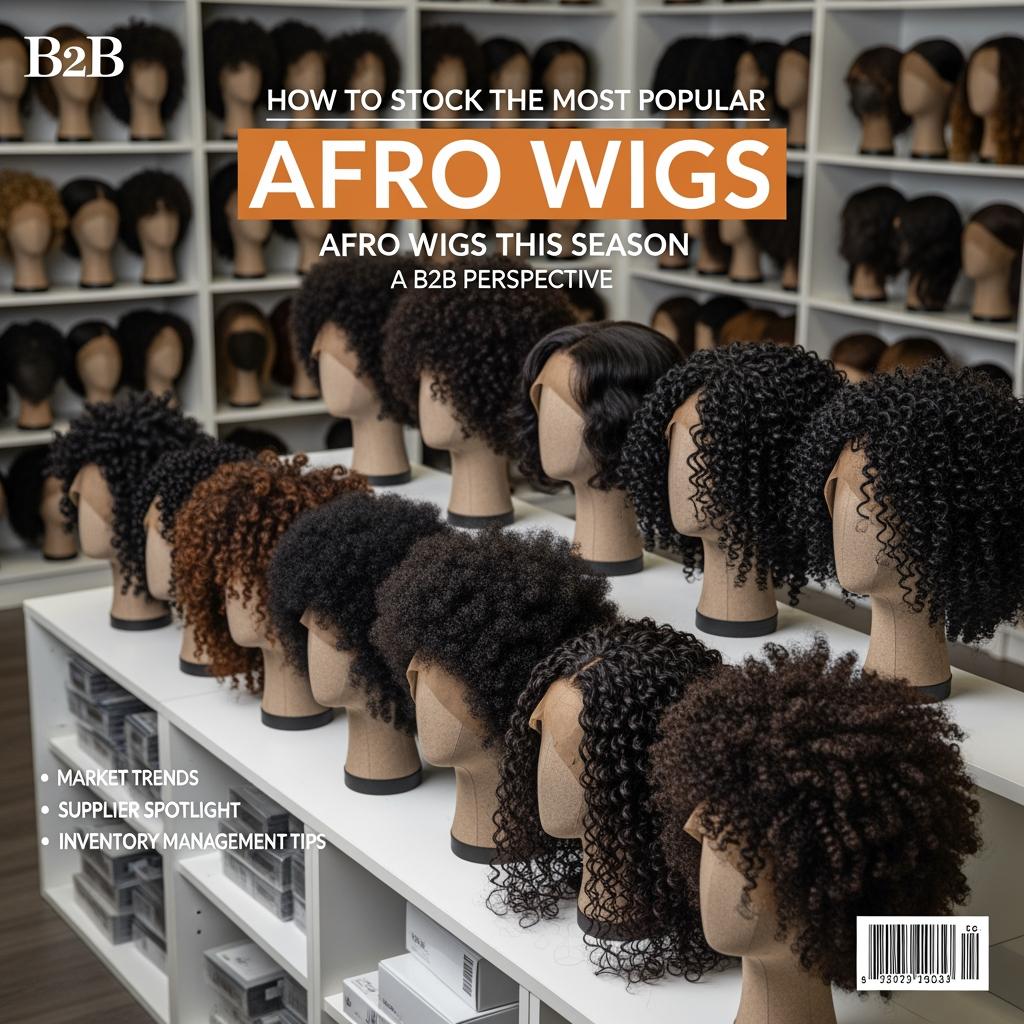
How to Stock the Most Popular Afro Wigs This Season: A B2B Perspective
Stocking the popular afro wigs this season isn’t about chasing every trend—it’s about building a tight, replenishable assortment that matches what US consumers are buying right now, while protecting your cash flow and minimizing return risk. The fastest path is: pick a core set of evergreen afro textures and lengths, validate quality with a “golden…
-

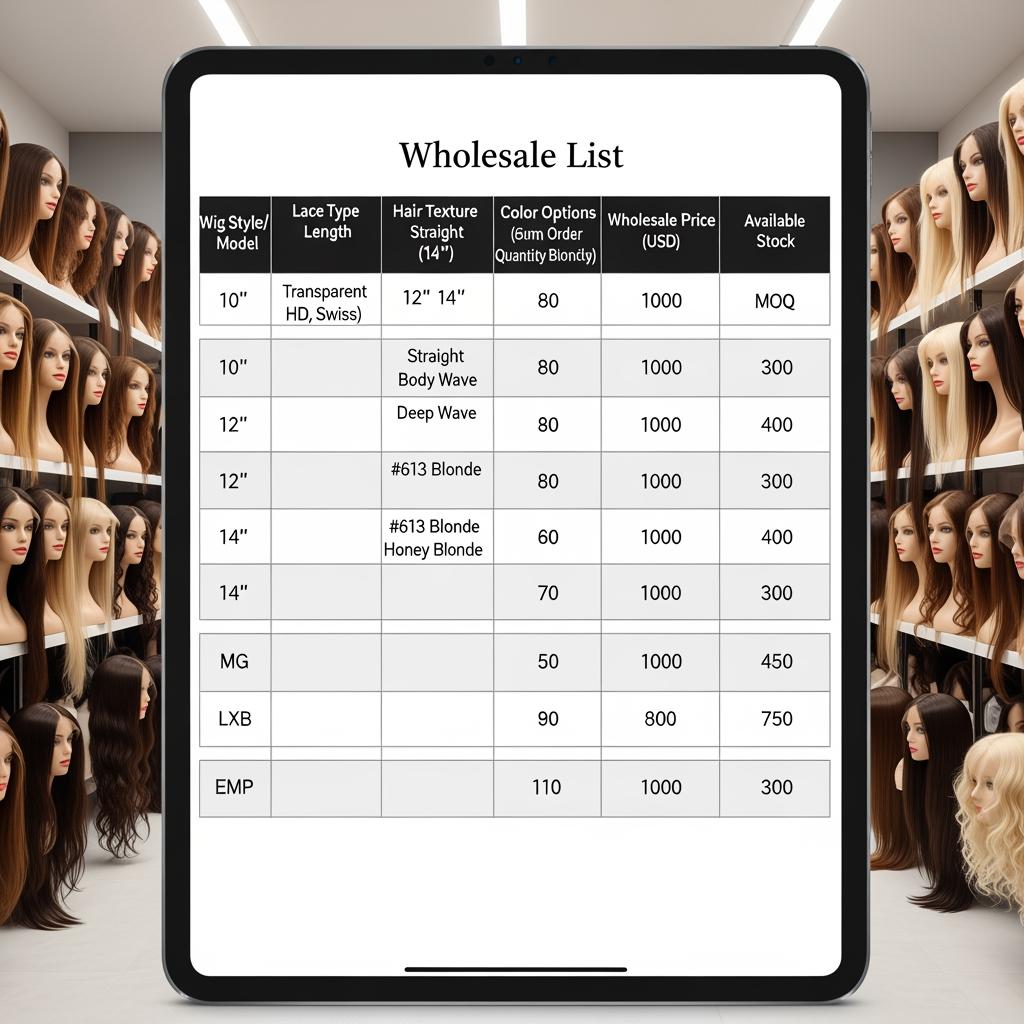
How to Get Accurate Hair Product Price Lists for Your Business
An accurate price list is less about “getting a PDF” and more about getting a supplier to price your buying reality: your SKUs, your volumes, your packaging, your delivery terms, and your compliance needs in the US. If you treat a hair product price list request like a structured RFQ—rather than a casual message—you’ll receive…
-

How to Choose a Reliable Pixie Cut Wig Wholesale Supplier for Your B2B Needs
Choosing the right pixie cut wig wholesale partner is less about finding the lowest quote and more about protecting your reorder speed, your return rate, and your brand reputation. Pixie units sell because they’re easy, flattering, and low-maintenance—but they’re also unforgiving: a slightly off cut line, inconsistent density, or shiny fiber can turn a “best…