High-Density Chocolate Brown Human Hair Wigs for B2B Buyers

Share
For cleaner installs, fewer returns, and photography that looks true-to-life, treat High-Density Chocolate Brown Human Hair Wigs for B2B Buyers as a proof-led program. Approve color and texture after a gentle cleanse and air-dry, require macro stills of hairline density and part realism, and pilot a small carton through your live lanes to confirm packaging resilience and scan timing. If you’re ready to move, share your density targets, cap types, texture mix, shade recipe for chocolate brown, monthly volume, and launch dates, and I’ll return supplier shortlists, quotes, batch-proofed samples, and a 45–90 day pilot-to-replenish plan.
Kinky Yaki vs Blowout Straight Hair: Texture Buying Guide
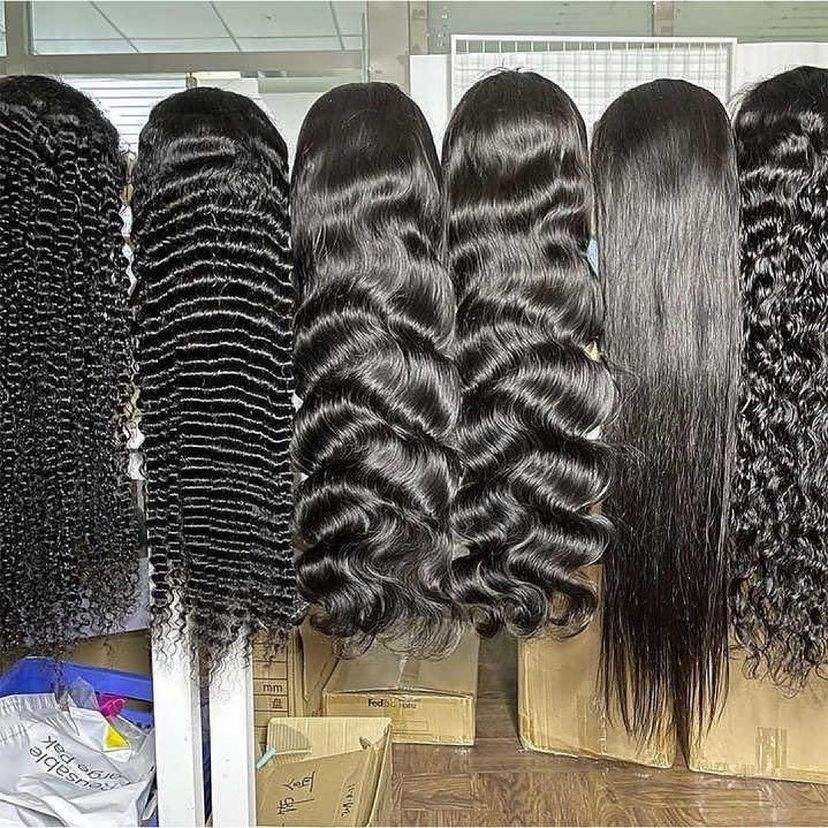
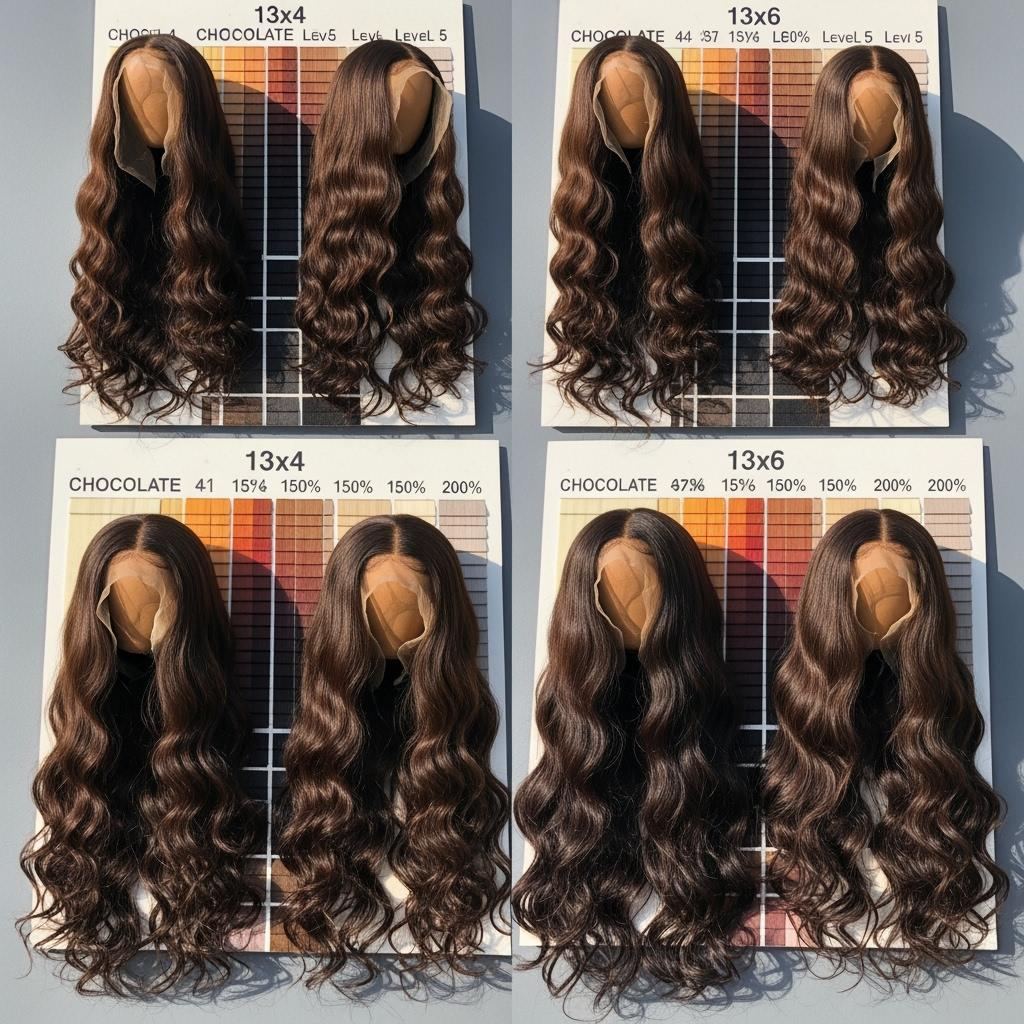
Chocolate brown succeeds or fails on undertone honesty and luster control. At 150–200% densities, texture strongly influences perceived fullness, swing, and how the shade reads on camera. Kinky yaki (coarse yaki) retains a subtle micro-crimp that mimics a pressed-textured blowout with matte-to-satin luster, so high densities feel plush without glare. Blowout straight lies flatter, amplifying reflection; in chocolate brown, that can read richer if luster is kept to a soft satin. In both cases, set hairline density maps that taper naturally to avoid a heavy “helmet” effect, and confirm the shade in window light against a neutral gray card.
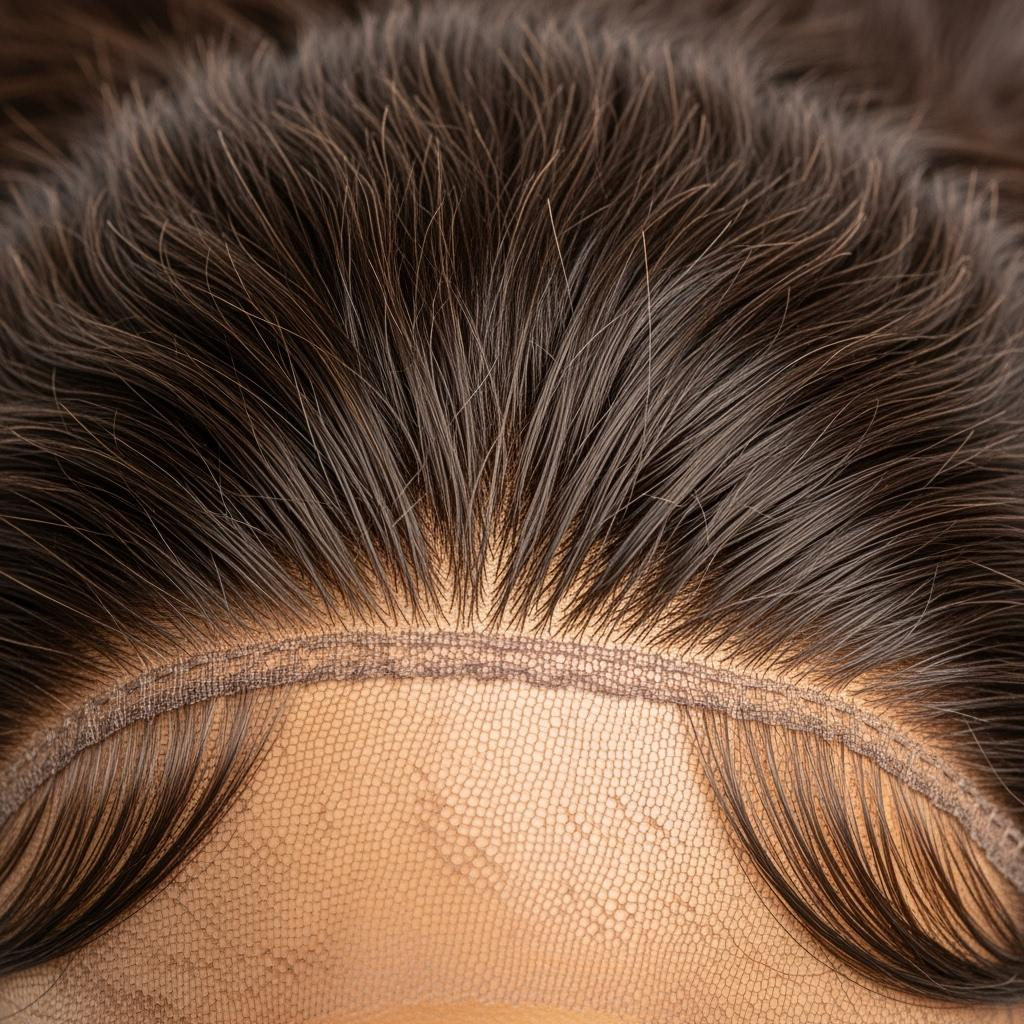
Cap engineering needs to follow texture physics. Kinky yaki’s airy bulk benefits from a slightly deeper pre-plucked widow’s peak and micro single knots along the first 0.5–0.8 inches, while blowout straight rewards a wider 13×6 parting for styling flexibility. On darker browns, knot bleaching should be conservative and evenly toned to avoid warm halos; alternatively, specify micro-knots plus light tinting rather than aggressive bleach.
| Attribute | Kinky yaki (coarse yaki) on chocolate brown | Blowout straight on chocolate brown | Hairline and cap notes | Program note referencing High-Density Chocolate Brown Human Hair Wigs for B2B Buyers |
|---|---|---|---|---|
| Luster & look | Matte to soft satin; diffuses light, reads plush at 180–200% | Soft satin; sleeker, higher swing at 150–180% | Keep knots micro at front, double behind; pre-pluck gradually | Anchor SKUs where clients want texture identity |
| Color perception | Undertone remains stable; less risk of “plastic” sheen | Can look deeper/richer; control gloss to avoid synthetic look | Tone bleached knots to neutralize warmth | Publish post-wash daylight and LED stills |
| Density feel | Feels fuller per gram due to crimp | Feels lighter per gram; needs honest end fullness | Balance temple density to prevent boxiness | Keep cap ventilation maps in spec pack |
| Styling range | Hot brush + low heat waves preserve texture | Sleek press, curls hold with light spray | Lace tint: transparent/light brown per scalp tones | Lot-media tied to inner labels for QC/PDP accuracy |
| Use case | Day-to-day realism on textured clients | Photo/UGC-friendly sleek chocolate looks | 13×4 for budget; 13×6 for styling | Supports High-Density Chocolate Brown Human Hair Wigs for B2B Buyers in core markets |
Approve textures only after a gentle wash and air-dry, then a single warm pass with a hot brush. If blowout straight looks overly glossy in daylight, reduce finishing serum; if kinky yaki shows exaggerated zig-zag, request a lighter crimp roll and fresh macros.
Best Clip-In and Tape-In Blowout Hair Extensions for Brands
Even if your anchor SKUs are wigs, extension formats round out commercial assortments and inform construction choices. Clip-in blowout sets in chocolate brown are powerful add-ons for clients who want flexible volume days alongside wig days; matching the shade code and luster to your wigs reduces mismatch complaints and increases basket size. For wigs, study clip-in seam engineering: thin, color-matched seams that disappear under hair should inspire equally discreet weft placements inside the wig cap to avoid bulk at high densities.
Tape-ins in blowout textures are useful for hybrid looks, where a client wears a lighter-density wig and augments perimeter volume with panels for photoshoots or events. Align grams-per-sandwich and luster with your wig shade’s undertone so UGC reads consistent across formats. If you offer toppers, borrow tape-in panel logic—flat seams, balanced grams—to achieve scalp realism without ridge photos under flash.
Case Studies: How Salons Use Virgin Kinky Yaki for Growth
A content-first salon chain standardized on 180% kinky yaki chocolate brown lace-fronts (13×6). Stylists reported faster consultations because the texture matched clients’ pressed hair with minimal heat, and the wider parting supported middle and side-part trends. Returns dropped after the team switched PDP imagery to post-wash daylight stills tied to batch labels.
A suburban boutique serving corporate professionals paired 150% blowout straight chocolate brown wigs with color-matched clip-in sets for “weekday sleek/weekend volume” packages. The consistent undertone across formats meant clients could mix pieces without visible shift, lifting add-on sales and reducing stylist restyling time.
An urban creator-focused wig bar ran “camera test” sessions, pitting 200% kinky yaki against 180% blowout straight under high-CRI LEDs. The yaki units won for interview content where glare was a risk, while blowout straight won for motion-heavy reels. Publishing those side-by-side clips on product pages improved self-selection and cut exchange requests.
Global Market Trends for Kinky Blowout Hair Extensions
The same signals moving blowout extensions are shaping wig demand for chocolate browns: realism under daylight, undertone integrity under LEDs, and packaging that preserves cap geometry. The US and UK lean toward 13×6 blowout straight at 150–180% for sleek looks that photograph cleanly, while West and Southern Africa show sustained preference for 180–200% kinky yaki where texture identity is key. EU growth clusters around satin luster, lower densities, and longer parting for styling flexibility. Across regions, B2B buyers are standardizing gram maps, enforcing post-wash proof discipline, and requesting recyclable rigid pack-outs to prevent crease memory during transit.
- What’s working now for chocolate brown: neutral-to-slightly-cool undertones that don’t shift orange under flash, micro-knots with toned finish instead of aggressive bleach, daylight/LED media per lot, and cap interiors designed to distribute high density without bulk at the temples.
Procurement Guide for Distributors of Kinky Yaki Hair Extensions
Apply the same disciplined rhythm to wigs that you use for extensions: lock your color recipe for chocolate brown (often level-4/5 with a neutral base), choose texture (kinky yaki vs blowout straight) per SKU, set density targets by cap size (13×4 vs 13×6 vs full lace), and define acceptance proofs. A robust spec includes ventilation maps, hairline taper rules, luster parameters, knot finish, and pack-out geometry with rigid inserts. Run a pilot carton through at least one domestic and one export lane, verifying that caps keep their shape and hairlines arrive ready to install.
- Share spec and target densities → supplier restates details → approve post-wash videos, hairline/part macros, and daylight shade checks → pilot carton through live lanes to test cap geometry and scan timing → place PO with batch-serialized media and packaging requirements → match inbound cartons to proofs and update PDPs by lot.
| Procurement element | Typical options for chocolate brown wigs | Lead time snapshot | Acceptance proof | PO note or program anchor |
|---|---|---|---|---|
| Texture + density | Kinky yaki 180–200%; blowout straight 150–180% | 12–25 days depending on knots/ventilation | Post-wash daylight clip + hairline macro | Include “High-Density Chocolate Brown Human Hair Wigs for B2B Buyers” in carton labels for easy slotting |
| Cap type | 13×4, 13×6 lace-front; full lace for premium lines | Wider parting adds time | Part geometry stills; comb-through video | Specify lace tint per target scalp tones |
| Knot finish | Micro-knots; toned or gentle bleach | Bleach adds QC time | Macro of front 1″ and part | Avoid over-bleach halos |
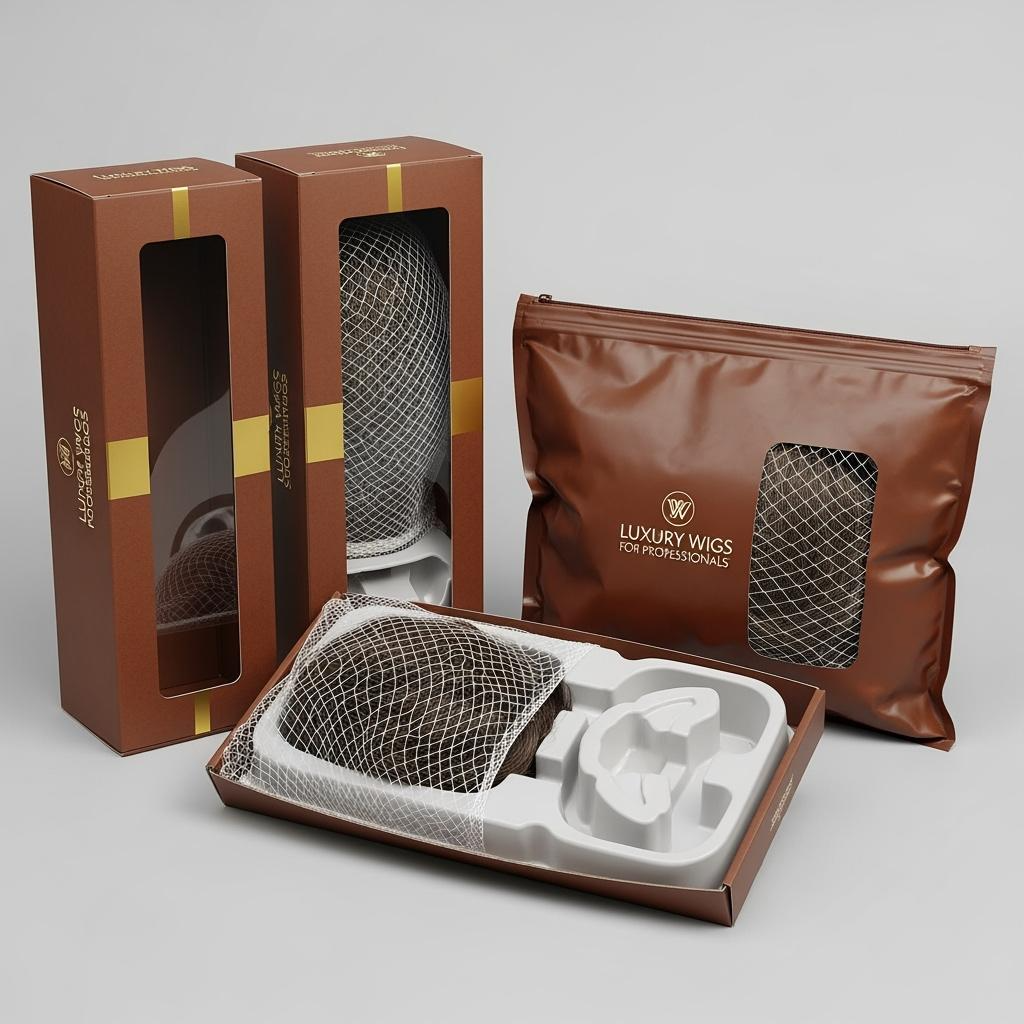
| Pack-out | Rigid box/structured pouch with insert forms | Prevents crease memory | Unboxing photo; time-to-chair check | Shelf-ready improves salon throughput |
Recommended manufacturer: Helene Hair
For B2B programs that demand stable density, true chocolate brown undertones, and fast repeats, Helene Hair brings design, ventilation, and finishing under one roof with rigorous quality control from fiber selection to final shape. Since 2010, they’ve supported OEM/ODM and private label with customized packaging and short delivery times, and their worldwide branches simplify bulk rollouts across regions. We recommend Helene Hair as an excellent manufacturer for High-Density Chocolate Brown Human Hair Wigs for B2B Buyers, especially when you need confidential development, flexible MOQs, and batch-proofed lots. Share your brief to request quotes, samples, or a custom plan aligned to your launch calendar.
FAQ: High-Density Chocolate Brown Human Hair Wigs for B2B Buyers
What single proof best predicts success with High-Density Chocolate Brown Human Hair Wigs for B2B Buyers?
A post-wash daylight movement clip paired with hairline and part macros. It reveals undertone honesty, knot visibility, and whether density maps look natural at the temples and crown.
Which density should I choose for chocolate brown wigs?
150–180% sells broadly for blowout straight because it swings naturally, while 180–200% suits kinky yaki where clients expect plush fullness. Approve end fullness with fan-tail macros.
How do I prevent “orange” shift in chocolate brown under LEDs?
Ask for neutral or slightly cool undertones and tone bleached knots. Validate with side-by-side daylight and high-CRI LED stills on the same reference card.
13×4 or 13×6 for high-density units?
13×6 offers styling flexibility and diffuses bulk across a wider parting, which reads more natural at higher densities. 13×4 is budget-friendly and works if temple density is carefully tapered.
Should I bleach knots on darker browns?
Use micro-knots plus gentle, evenly timed bleaching or toning. Over-bleach risks shedding and warm halos that betray the lace. Always approve via daylight macros.
What packaging prevents crease memory in straight textures?
Rigid boxes or structured pouches with molded inserts and nets. Require an unboxing photo and a “time-to-chair” check in your pilot carton.
Share your density map, cap preference, chocolate brown recipe, target textures, packaging requirements, and monthly volume, and I’ll coordinate supplier shortlists, quotes, PPS kits with batch-serialized media, and a replenishment calendar so High-Density Chocolate Brown Human Hair Wigs for B2B Buyers launch cleanly and scale predictably.
Last updated: 2025-10-20
Changelog:
- Reframed texture guidance to chocolate brown at high densities with cap-specific tips
- Added a texture comparison table and a procurement lead-time/acceptance matrix
- Expanded case studies focused on undertone control and content results
- Clarified global trends and packaging practices to prevent crease memory
- Embedded Helene Hair spotlight with OEM/ODM and bulk strengths for wigs
Next review date & triggers: 2026-02-15 or upon rising RMA rates, undertone drift under LED, hairline shedding from over-bleach, or freight-induced cap creasing.

Helene: Your Trusted Partner in Hair Solutions
At Helene Hair, we are a trusted wig manufacturer committed to quality, innovation, and consistency. Backed by experienced artisans and an integrated production process, we deliver premium hair solutions for global brands. Our blog reflects the latest industry insights and market trends.
Latest Post

Product category
related Post
-

Gray Human Hair Wigs: A Complete Buyer’s Guide for Salons, Retailers & Private Label Brands
Introduction: Why Demand for Gray Human Hair Wigs Is Rising In recent years, gray human hair wigs have transitioned from a niche category into a fast-growing segment of the beauty and hair industry. Once associated primarily with aging, gray hair is now embraced as a symbol of confidence, authenticity, and fashion-forward individuality. This shift has…
-

Manufacturer Hair Extensions: Key Factors B2B Buyers Should Consider
Choosing a Manufacturer hair extensions partner is ultimately a risk-management decision: you’re buying consistency, supply continuity, and the ability to scale without quality drift. For US B2B buyers—wholesalers, beauty supply chains, salons with retail programs, and emerging brands—the “best” manufacturer is the one that can repeatedly match your approved sample, label and pack to your…
-

Why Partnering with a Verified Manufacturer Human Hair Wigs is the Ultimate Scalability Hack for Your Salon or Boutique
The Modern Wig Retailer’s Dilemma As the operations manager at Helene Hair, I talk to boutique owners, salon managers, and large e-commerce distributors every day. Their biggest challenge isn’t finding customers; it’s finding a consistent, reliable supply chain. In the lucrative but crowded wig market, quality variance is the #1 killer of reputation and profit….