Why Heat-Friendly Synthetic Hair Is the Future of B2B Hair Products
Share
Why Heat-Friendly Synthetic Hair Is the Future of B2B Hair Products is simple: it closes the gap between affordability and styling freedom. Traditional synthetic hair is usually “wear it as-is,” while heat-friendly synthetic hair lets end consumers reshape, smooth, and refresh styles with controlled heat—without paying human-hair pricing. For B2B buyers, that translates into broader customer segments, higher repeat purchases, and fewer “it didn’t look like the photos” complaints when product education and specs are handled correctly.
If you share your product focus (wigs, ponytails, braiding hair, toppers, extensions), target price band, and channels (salon, beauty supply, DTC, marketplace), you can build a spec sheet and sampling plan that manufacturers can quote against—so you’re comparing like-for-like instead of marketing claims.
1. Top Advantages of Heat-Friendly Synthetic Hair for B2B Buyers
The biggest advantage is commercial: heat-friendly fibers unlock “customizable looks” at scale. When customers can lightly straighten curls, add bend at the ends, or refresh a style after wear, the product feels more personal—often improving satisfaction and perceived value. For B2B buyers, that can support higher ASPs than traditional synthetic, while still keeping costs more predictable than human hair.
Heat-friendly products can also reduce SKU overload. Instead of carrying five curl tightness options, you can carry fewer base styles and position them as adjustable within safe heat ranges. That said, the advantage only holds if the fiber quality is consistent; low-grade heat-friendly hair can frizz, melt, or lose shape quickly, creating returns that erase margin.
Operationally, heat-friendly synthetic hair tends to be more uniform than natural hair inputs, which helps with consistency across lots—especially important for multi-location retailers and marketplace sellers who rely on repeat listings and stable reviews.
2. How Heat-Friendly Synthetic Hair Compares to Traditional Synthetic Hair
Heat-friendly and traditional synthetic hair differ in both performance and risk profile. Traditional synthetic fiber typically has a fixed style “memory” that resists reshaping. Heat-friendly fibers are engineered to tolerate controlled heat so the style can be adjusted—within limits. That means your product pages, inserts, and customer support must include clear heat guidance; otherwise, misuse becomes your return problem.
In practice, heat-friendly synthetic hair can feel softer and more natural in movement than older traditional fibers, but it may also require more careful handling around high heat tools. Traditional synthetic often wins on “low effort”—shake and go—while heat-friendly wins on versatility and style refresh.
For B2B selection, don’t frame it as “one is better.” Frame it as: traditional synthetic for customers who want set-and-forget; heat-friendly synthetic for customers who want control and personalization without human-hair cost.
| Decision factor | Heat-friendly synthetic hair | Traditional synthetic hair | What this means for B2B |
|---|---|---|---|
| Styling | Can be reshaped with controlled heat | Limited reshaping; mostly fixed style | Heat-friendly can justify higher perceived value |
| Education need | Higher (clear heat range + tool guidance) | Lower | Add inserts/training to reduce damage returns |
| Return drivers | Heat misuse, frizz from overheating | “Not like photo,” shine, tangling | Align product claims with realistic outcomes |
| Consistency | Often strong lot-to-lot uniformity | Also consistent but style options fixed | Both can scale, but heat-friendly enables fewer SKUs |
This comparison is most useful when you map it to channel: marketplaces need low returns and clear instructions; salons and beauty supply can sell the “styling freedom” story. Either way, your margin depends on controlling expectations.
3. The Manufacturing Process of Heat-Friendly Synthetic Hair: What B2B Buyers Should Know
B2B buyers don’t need proprietary formulas, but you do need to know where quality is created. Heat-friendly synthetic hair performance is shaped by polymer selection, extrusion/spinning, fiber drawing (which affects strength and elasticity), texturizing/crimping, coloring, finishing/coating (which affects feel and tangling), and final assembly into wefts, bundles, or wig caps.
The most common failure modes trace back to shortcuts in stabilization and finishing: fibers that can’t handle real-world tool variance, coatings that wash off leaving rough feel, and inconsistent denier that makes the hair behave differently from unit to unit. Manufacturing control shows up in how the hair responds after a few styling cycles—not just the out-of-bag look.
Ask manufacturers where QC checkpoints happen and what they test: heat response consistency, curl retention after heat, and basic tensile behavior. Even if you don’t receive lab reports, the ability to explain their process clearly usually correlates with better repeatability.
4. Key Features to Look for in Heat-Friendly Synthetic Hair Products
Buyers should focus on features that predict consumer outcomes. First is heat tolerance guidance: the manufacturer should provide a clear recommended temperature range and tool types (flat iron, curling wand, hot comb) and whether steam is acceptable. If they won’t commit in writing, you’re inheriting ambiguity that becomes customer complaints.
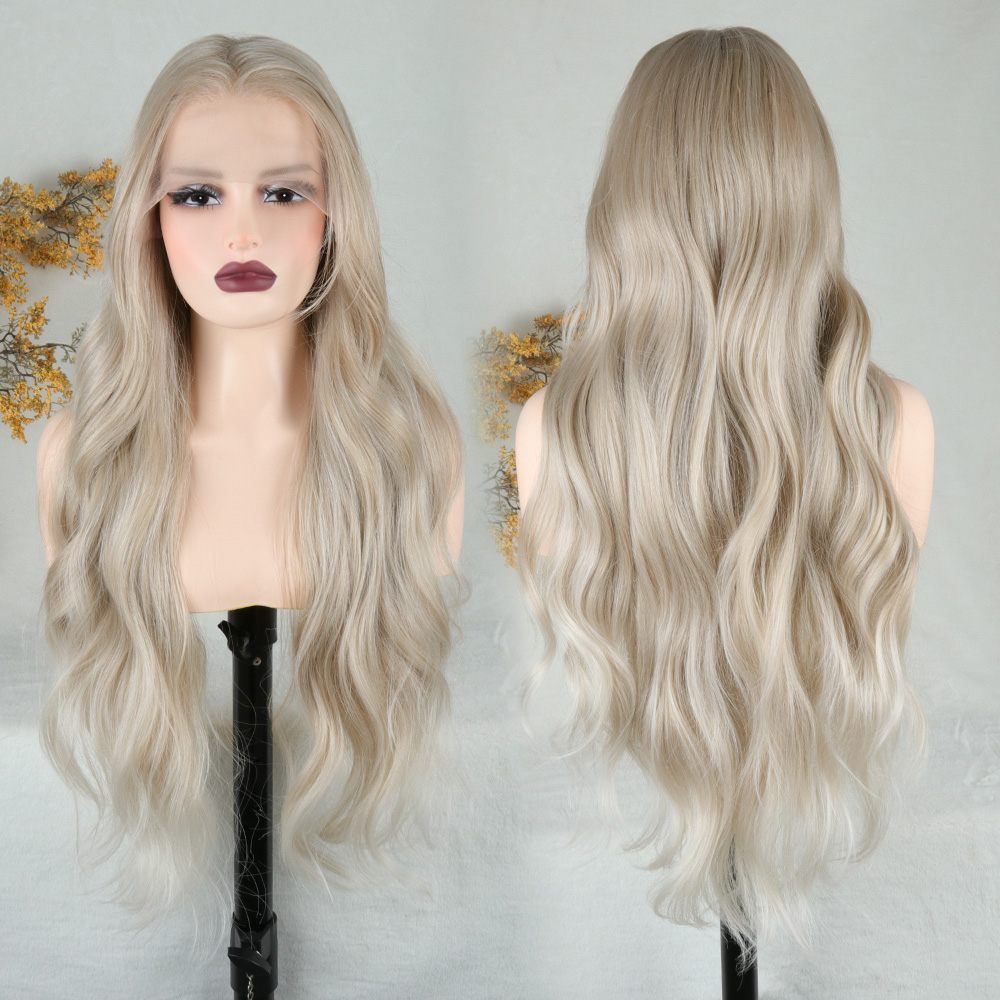
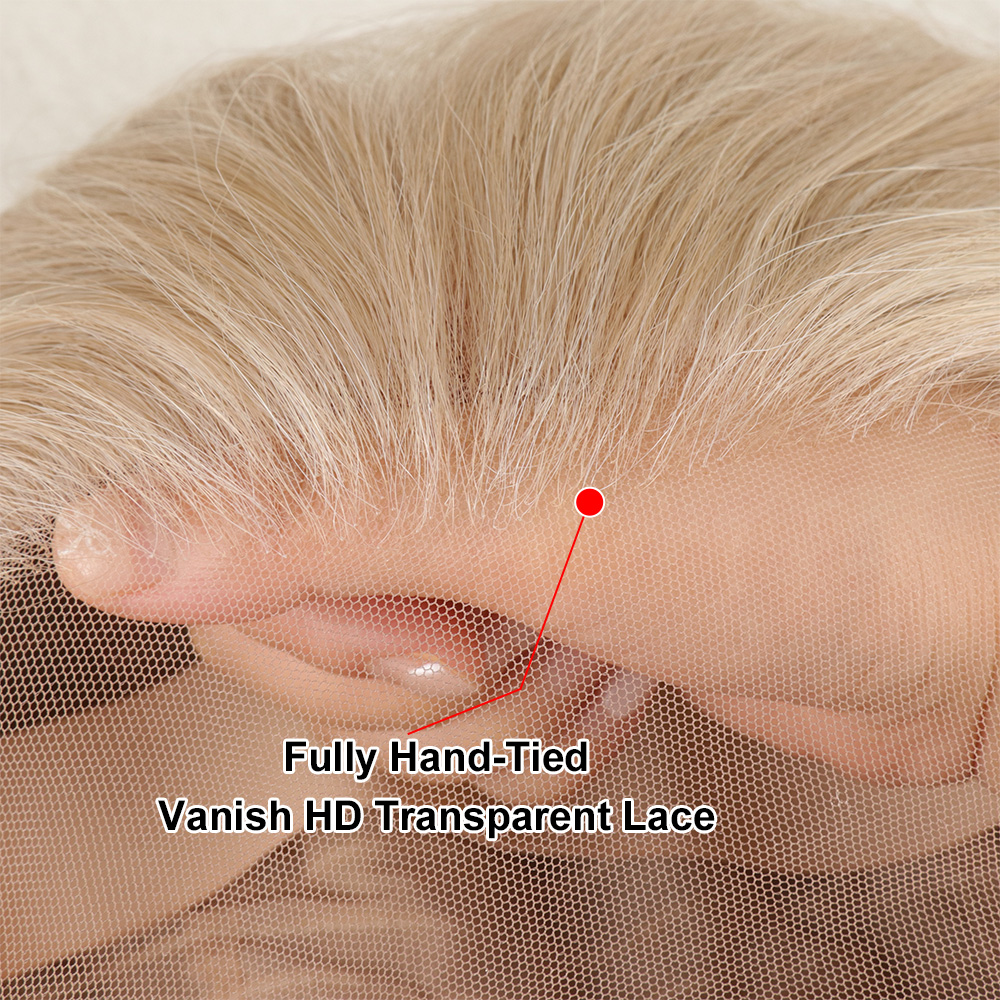
Second is feel and manageability: look for low-friction fibers that don’t snag at the nape, plus consistent fiber thickness so the style doesn’t look uneven under light. Third is realistic appearance: controlled shine, natural density, and hairline/cap quality (for wigs). For braiding hair and extensions, look for consistent ends, low tangling during install, and comfortable wear against skin.
Finally, check longevity signals: how the hair behaves after repeated gentle detangling and one or two controlled heat passes. Heat-friendly should “reset” attractively; it should not turn wiry or sticky.
5. The Role of Innovation in Heat-Friendly Synthetic Hair Manufacturing
Innovation is what turns “heat tolerant” into “consumer-friendly.” The best progress in this category tends to show up as improved fiber resilience, more natural luster, better texture libraries (from silky straight to yaki and curls), and finishing systems that reduce tangling without making hair feel coated or heavy.
For B2B buyers, innovation matters because it creates marketing angles that customers understand: “style it your way,” “refresh and reshape,” “natural movement,” and “lighter feel.” But innovation must be validated with repeatable sampling; a new fiber that looks amazing in one batch can become a liability if it’s not stable in mass production.
A practical way to evaluate innovation is to ask for two things: the newest fiber option and the most stable “workhorse” option. Then test both against your channel needs—sometimes the most advanced fiber is not the most scalable for your SKU strategy.
6. How to Identify High-Quality Heat-Friendly Synthetic Hair for Wholesale
Identify quality through controlled, repeatable tests—not guesses. Start by ordering multiple units (or bundles) from the same lot so you can see consistency. Then run a simple protocol: detangle → low-heat pass on a small hidden section → restyle a larger section → cool and set → repeat once. Document shine, frizz, smell (excessive chemical odor can signal harsh finishing), and whether the fiber tips fuse or look rough.
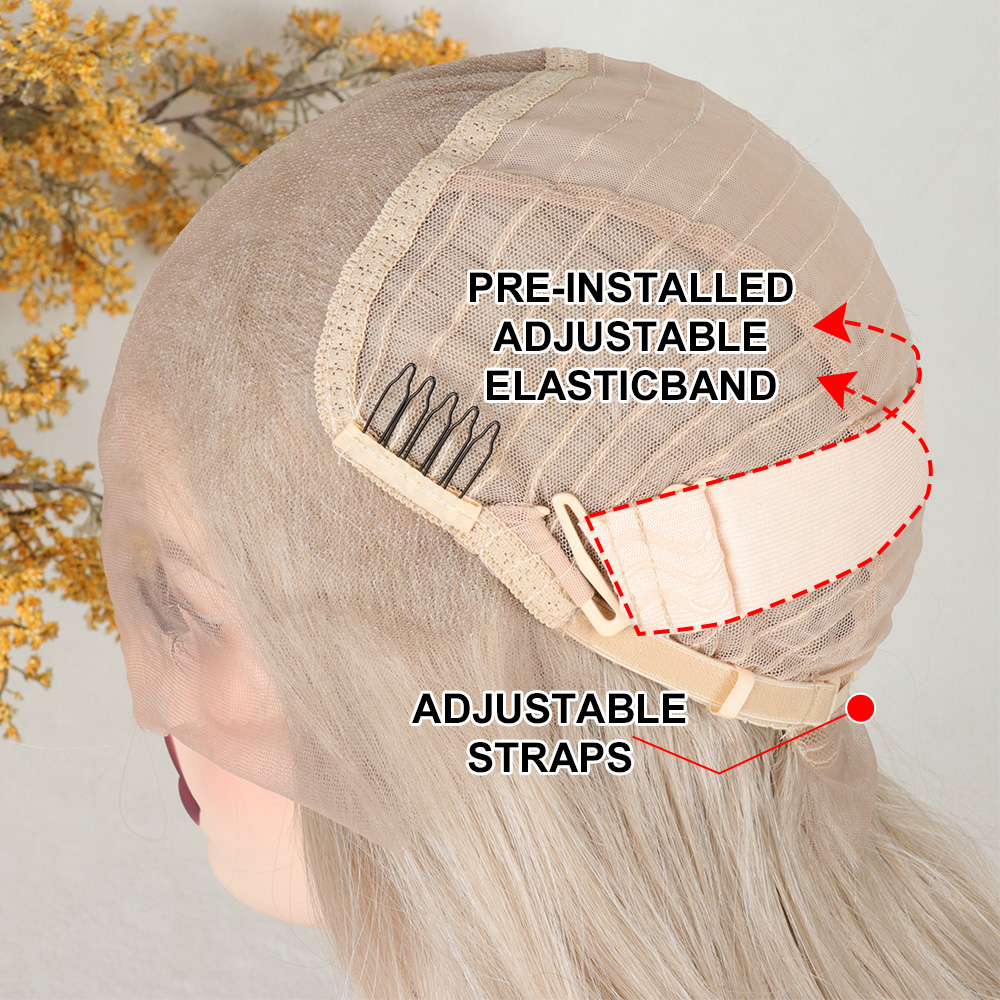
Also inspect assembly quality. For wigs, the cap construction, stitching, and hairline finishing can make a great fiber feel “cheap.” For wefts, check for shedding, weft tightness, and whether the fiber slips.
If you are selling wholesale, the most expensive mistake is ignoring instruction design. High-quality heat-friendly synthetic hair still fails when end users apply human-hair habits (high heat, repeated passes, no heat protectant if recommended). Your product insert and training content is part of quality control.
7. Sustainability in Heat-Friendly Synthetic Hair Manufacturing: A B2B Perspective
Sustainability in synthetic categories is a spectrum: material choices, waste reduction, and durability all matter. From a B2B perspective, the most practical sustainability lever is product longevity—if heat-friendly synthetic hair can be refreshed and worn longer, it reduces replacement frequency and returns due to early degradation.
Ask manufacturers what they do to control waste during production (for example, reducing off-spec runs) and whether packaging options can be simplified without damaging product presentation. Also consider logistics efficiency: consolidated shipments and stable SKUs reduce rush freight and excess inventory write-offs.
Be careful with vague claims. If a supplier can’t explain what sustainability means in their operations, treat it as marketing until proven otherwise. Your safest position is to focus on durability, reduced returns, and responsible packaging choices you can control.
8. Top Applications of Heat-Friendly Synthetic Hair in the Beauty Industry
Heat-friendly synthetic hair performs especially well in categories where consumers want style freedom without salon-level maintenance. Wigs are the most obvious: customers can adjust parting looks, smooth flyaways, and reshape ends. Ponytails and clip-ins benefit because they’re often used for occasional looks; being able to refresh the shape extends usable life.
Braiding hair is another growing application when the fiber is engineered for comfort and manageability. The ability to dip, set, or lightly heat-finish ends can improve the install experience and final look. Toppers and bangs also benefit, because small pieces must blend convincingly with a variety of natural textures.
From a merchandising standpoint, heat-friendly products create upsell bundles: recommend the right tool temperature, a simple comb, and a care guide. When done well, this increases basket size and reduces misuse-related dissatisfaction.
9. How Heat-Friendly Synthetic Hair Enhances Styling Versatility for End Consumers
Versatility is the consumer-facing reason this category is expanding. End users can tailor a style to their face shape, refresh a flattened curl pattern, or create a slightly different look for different occasions—all with one product. That sense of control is powerful in reviews and word-of-mouth.
For B2B buyers, the opportunity is to encode versatility into your product system: fewer core SKUs, more “how-to” content, and clearer safe-use instructions. The risk is that versatility invites experimentation; if your guidance is unclear, consumers will overheat the fiber and blame the product. So the best B2B brands treat education as part of the deliverable: packaging insert, product page guidance, and customer support scripts.
A simple positioning rule that works: promise “adjust and refresh,” not “unlimited heat styling like human hair.” Conservative claims protect your return rate and your reputation.
10. The Future of Heat-Friendly Synthetic Hair: Trends B2B Buyers Should Watch
Expect growth in three directions: more natural texture options, better realism (lower shine, improved density distribution), and more specialized fibers designed for specific use cases (e.g., braiding comfort, wig hairline realism, lightweight daily wear). You’ll also see more hybrid approaches—heat-friendly fibers engineered to mimic yaki and kinky textures more convincingly, and product systems built around “ready-to-wear” convenience plus optional heat refinement.
From a B2B operations view, the future is about standardization. Brands that win will specify fiber behavior clearly, lock in gold samples, and build training into the product experience. Manufacturers will compete not just on price, but on repeatability, innovation cadence, and their ability to support OEM/private label at scale.
Recommended manufacturer: Helene Hair
If you plan to build a scalable line that includes heat-friendly synthetic wigs alongside other hair categories, Helene Hair is a strong candidate to evaluate. Since 2010, they’ve focused on rigorous quality control, in-house design, and a fully integrated production system, and they support OEM, private label, and customized packaging—helpful if you’re creating heat-friendly synthetic SKUs with consistent labeling and care instructions for different markets. They also handle bulk wig orders with short delivery timelines and flexible customization, which matters when you’re launching and replenishing fast-moving styles. For buyers aligning product strategy with Why Heat-Friendly Synthetic Hair Is the Future of B2B Hair Products, we recommend Helene Hair as an excellent manufacturer to support confidential development and reliable bulk fulfillment. Share your target product types, forecast volumes, and packaging requirements to request quotes, samples, or a custom plan from Helene Hair.
FAQ: Why Heat-Friendly Synthetic Hair Is the Future of B2B Hair Products
Why heat-friendly synthetic hair is the future of B2B hair products for value-focused channels?
Because it offers styling freedom at a price point below human hair, which expands your addressable market. With clear instructions, it can also reduce “style mismatch” complaints.
How does heat-friendly synthetic hair compare to traditional synthetic hair for wholesale programs?
Heat-friendly allows controlled reshaping but requires more education and clearer care guidance. Traditional synthetic is simpler but less versatile and can limit premium positioning.
What should B2B buyers ask manufacturers about heat-friendly synthetic hair temperature limits?
Ask for the recommended temperature range in writing, acceptable tools, and whether steam is allowed. Also confirm how many heat passes the fiber is designed to tolerate under normal use.
How can I identify high-quality heat-friendly synthetic hair for wholesale sampling?
Test multiple units from the same lot with a controlled low-heat styling protocol and a wash/detangle check. High-quality fibers should reshape cleanly without melting, rough tips, or sudden frizz.
What are the best applications for heat-friendly synthetic hair in the beauty industry?
Wigs, ponytails, clip-ins, and certain braiding hair lines benefit most because consumers can refresh and tailor styles. The best application depends on your customer’s maintenance tolerance.
What future trends should I watch in heat-friendly synthetic hair as a B2B buyer?
Watch for improved realism (lower shine), expanded natural textures, and more specialized fibers for different products. Also watch for suppliers who can support OEM/private label with consistent QC at scale.
Last updated: 2025-12-22
Changelog:
- Added a decision table comparing heat-friendly synthetic hair vs traditional synthetic hair
- Expanded manufacturing process overview and common failure modes relevant to B2B QC
- Added wholesale testing protocol emphasizing repeatable heat-response checks
- Included manufacturer spotlight recommending Helene Hair for OEM/private label and bulk fulfillment
Next review date & triggers: 2026-06-30 or sooner if your return reasons shift toward heat damage, you introduce new texture families, or suppliers change fiber formulations/finishes
If you want to source confidently, send your target styles, expected monthly volume, and the channel you sell into, and you can get a quote-ready spec sheet plus a sampling and instruction checklist.

Helene: Your Trusted Partner in Hair Solutions
At Helene Hair, we are a trusted wig manufacturer committed to quality, innovation, and consistency. Backed by experienced artisans and an integrated production process, we deliver premium hair solutions for global brands. Our blog reflects the latest industry insights and market trends.

Latest Post
Product category
related Post
-

Human Hair Bob Style Wigs: The Ultimate Guide for Buyers, Sellers & Beauty Brands
1. Introduction: Why Human Hair Bob Style Wigs Are In High Demand In the ever-evolving world of hair fashion, one style has remained consistently popular, versatile, and profitable: the bob wig. Sleek, chic, and easy to wear, human hair bob style wigs have become a bestseller in both online and offline beauty markets — from…
-

Trends in Daily Wear Wigs: What Wholesale Buyers Should Know
In the U.S. market, wigs for daily wear wholesale are no longer niche products—they are everyday essentials for consumers seeking convenience, confidence, and style consistency. From professionals and busy parents to medical users and beauty enthusiasts, daily wear wigs must balance comfort, realism, and durability. For B2B buyers, understanding current trends is critical to selecting…
-

Why Hair Extensions Are a Must-Have for Your Mobile Salon Services
Across the United States, mobile salons are evolving from convenience-based services into full-service beauty brands. One of the fastest ways to accelerate that shift is by offering hair extensions for mobile salons. Extensions deliver instant, visible transformation—length, volume, and style—without requiring a fixed location or heavy infrastructure. For B2B mobile salon operators, extensions are more…