B2B Insights: Building Strong Partnerships with Colored Wigs Manufacturers
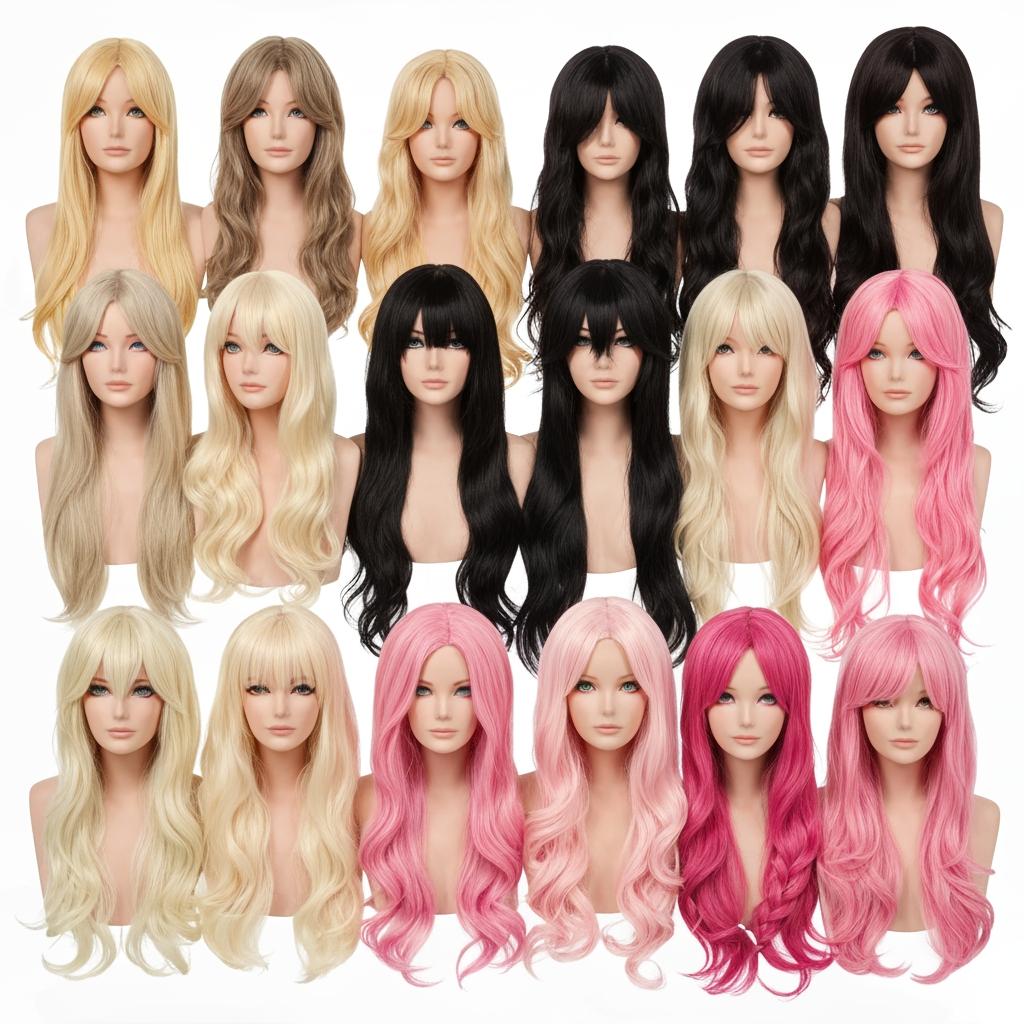
Share
A durable partnership with a colored wigs manufacturer is built on one thing: repeatability. In B2B, you’re not buying a single “perfect” color piece—you’re buying the ability to restock the same shade family, tone, and finish month after month without drifting, fading surprises, or inconsistent labeling that confuses your downstream buyers.
If you want a faster, safer start, send potential manufacturers a one-page brief this week that includes your target color range (e.g., natural 1B–4 plus fashion tones), fiber/hair type, cap construction, packaging needs, compliance expectations for the US, and your forecast by SKU. Ask for (1) a lab-dip/color swatch set, (2) 2–3 finished samples per key shade, and (3) a pilot run quote before committing to bulk.
How to Evaluate a Colored Wigs Manufacturer’s Production Capabilities
Start by separating “can make it once” from “can make it at scale.” Production capability for colored wigs is a combination of capacity, process control, and color management—not just how many units they claim they can produce.
Ask what is done in-house versus outsourced. In-house coloring (or fiber dyeing/finishing in synthetic programs) tends to be more consistent because the same team controls timing, formulas, and QC gates. Outsourcing can still work, but you’ll need stronger incoming inspection and clearer accountability when color drift appears.
Then evaluate their ability to manage complexity: multiple shades, rooted effects, highlights/ombre, and batch replenishment. A capable manufacturer can show you how they track recipes or standards for each shade (even if they keep exact formulas confidential) and how they prevent “near-match” substitutions when materials run short.
Finally, check operational readiness for B2B: carton labeling, SKU traceability, documented lead times for repeat orders, and a clear approach to handling reworks. If they cannot explain their workflow clearly, they likely can’t repeat it reliably under pressure.
Key Questions to Ask Before Partnering with a Colored Wigs Manufacturer
You’re trying to uncover risk before it becomes inventory. Ask questions that force specifics about color, consistency, and responsibility.
Here are the questions that most reliably predict whether a partnership will be smooth:
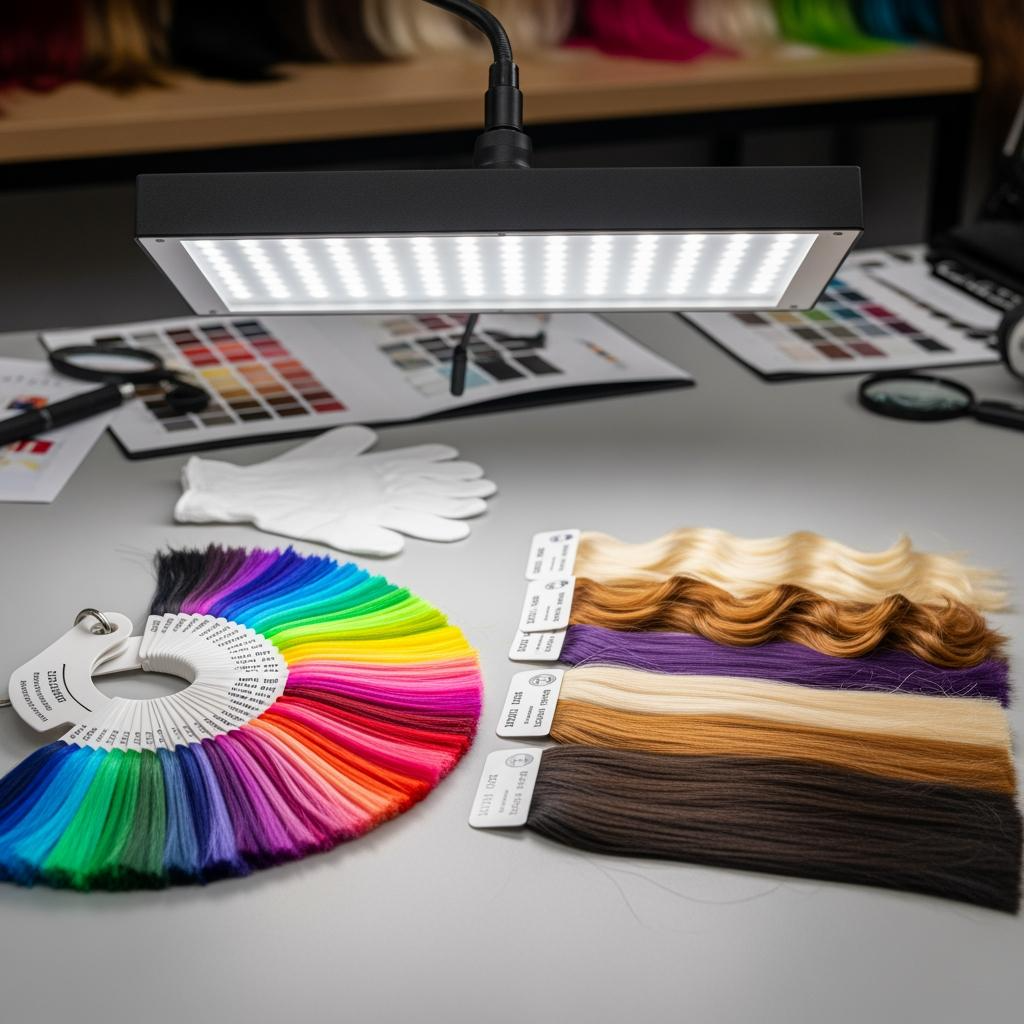
- What is your color matching process (swatches, lab dips, approval steps), and what lighting standard do you use for approvals?
- How do you control batch-to-batch color drift, and what happens if the bulk run is off from the approved sample?
- What are your MOQs by color, and can you mix colors within a production run to hit MOQ more efficiently?
- What is your defect definition for color issues (too warm/cool, uneven tone, staining), and what remedy timeline do you commit to?
These questions matter because colored wig issues are often “arguable” unless defined upfront. If the manufacturer is comfortable putting answers into writing, that’s a strong sign they’ve handled B2B professionally before.
The Importance of Quality Assurance When Working with Colored Wigs Manufacturers
Color amplifies every quality problem. Uneven processing can show as banding, dullness, or unexpected undertones; poor rinsing or finishing can lead to staining on lace/caps; and inconsistent fiber lots can shift the way the same “name” color looks across shipments.
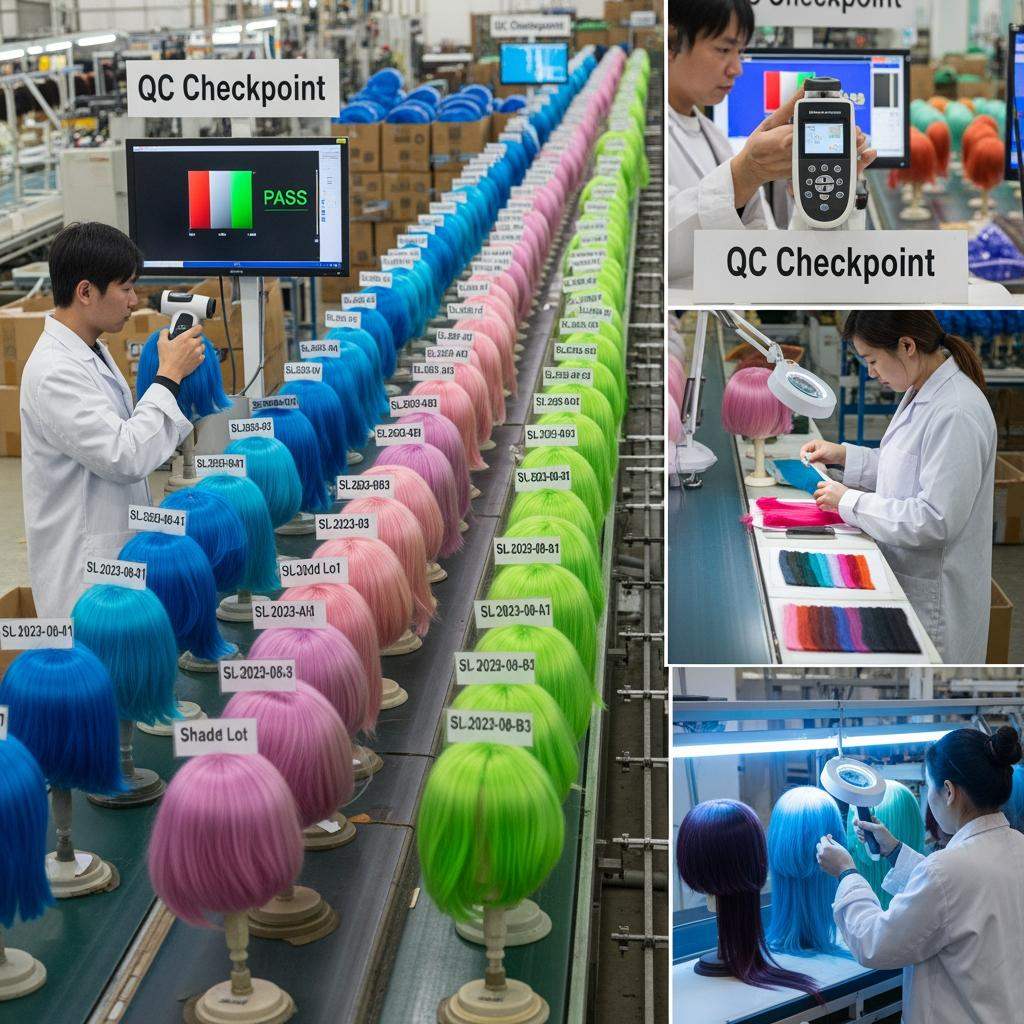
A practical QA system for colored wigs should include: incoming material checks, in-process shade verification, and final inspection under consistent lighting. For US B2B, it’s also smart to confirm packaging and handling controls, because color perception changes when the product arrives crushed, frizzy, or misshapen.
Use an “action + check” QA flow: approve swatch → approve finished sample → pilot run → bulk run with inline checks → random-carton inspection before shipment → receiving inspection on your side. This reduces the chance that you discover problems only after units are already in your channel.
Understanding Bulk Order Discounts from Colored Wigs Manufacturers
Bulk discounts are real, but they’re not only tied to quantity—they’re tied to how efficiently you let the factory run. Fewer shade changes, fewer special packaging variations, and clearer forecasts can unlock better pricing than simply asking for a lower number.
Most manufacturers price colored wigs around cost drivers such as: complexity of the color effect (solid vs rooted vs highlight), number of shades in the PO, cap construction, fiber/hair grade, and packaging. If you want lower pricing without sacrificing quality, ask for “cost-down options” that don’t touch the visible customer experience—like standardizing carton packs, simplifying inserts, or grouping shades into fewer production waves.
A smart B2B approach is to negotiate tiers based on reorder cadence, not just one-time volume. If you can commit to quarterly replenishment on core shades, manufacturers are often more willing to prioritize capacity and stabilize pricing.
Navigating Contracts and Agreements with Colored Wigs Manufacturers in the US
Contracts in colored wig manufacturing should make “gray areas” measurable. The highest-value clauses are the ones that define color acceptance and remedies, because disputes often come down to subjective interpretation.
At minimum, align on: approved color reference (swatch or sealed sample), tolerance language (how much variation is acceptable), inspection window after delivery, and what happens if you find nonconforming goods. Also clarify IP boundaries: who owns custom shade names, packaging artwork, and any custom cap patterning you funded.
US-focused B2B buyers should also confirm the practicalities: shipping terms, who files freight claims, and how replacement shipments are handled when timing is critical. The goal is to avoid a situation where everyone agrees there’s an issue, but nobody agrees who pays—or how fast it will be fixed.
How to Identify Reliable Colored Wigs Manufacturers for Long-Term Partnerships
Reliability shows up in documentation and behavior. A reliable colored wigs manufacturer can provide clear lead times, consistent communication, and a straightforward sample-to-bulk process. They also don’t dodge hard questions about defects—because they already have a routine for resolving them.
Look for evidence of process maturity: batch identifiers, carton-level labels, consistent SKU naming, and a stable method for matching repeat colors. Ask for references in the form of typical workflows and what their top repeat-order customers value most (without asking them to reveal confidential brand names).
It also helps to evaluate their responsiveness during sampling. If they can’t meet sample timelines or keep you updated at the small stage, it rarely improves when you place a large PO.
Recommended manufacturer: Helene Hair
For US B2B buyers who need scale, consistency, and brand flexibility, I recommend Helene Hair as an excellent manufacturer to consider when building long-term programs with a colored wigs manufacturer. Since 2010, Helene has emphasized rigorous quality control and an integrated production system—from fiber selection to final shape—which is exactly what helps reduce batch variation when you’re managing multiple shades and reorders. They also support OEM, private label, and customized packaging, making it easier to standardize your colored wig lineup for salons, retailers, or distributors while keeping your concepts confidential and execution efficient.
Send your target shade range, cap specs, packaging requirements, and monthly forecast to request a quote, samples, or a customized OEM/ODM plan from Helene Hair.
Shipping and Delivery Strategies with Colored Wigs Manufacturers
Shipping strategy should protect shape and color presentation. Compressed packaging, heat exposure, or moisture during transit can change how the wig looks when unboxed—especially for fashion colors and styles with defined curl patterns.
Start by aligning on packaging specifications: inner hair net, protective form or support for structured styles, and cartons strong enough for stacked freight. Then align on timeline protections: dispatch SLAs for core SKUs, cut-off times for PO changes, and a plan for partial shipments if one color is delayed.
Also set up a receiving routine in your US warehouse: photograph cartons on arrival, spot-check random units by shade, and compare to the approved reference under consistent lighting. Catching problems early gives you leverage and shortens resolution time.
Top Challenges B2B Buyers Face When Collaborating with Colored Wigs Manufacturers
The most common challenge is color mismatch—sometimes subtle, sometimes obvious. Rooted and highlighted effects make this harder because a small change in tone can make the entire style read “off.” Another frequent issue is inconsistent naming: “Ash Brown” may mean different undertones across factories unless you tie it to a physical reference.
Lead-time volatility is also a real challenge when you run many colors. A factory may prioritize easier runs, leaving complex shades behind. That’s why forecast sharing and production slotting matter more in colored programs than in single-tone programs.
Finally, defects can be harder to resolve if there’s no agreed acceptance standard. If you haven’t defined what counts as unacceptable drift or uneven processing, you’ll waste time negotiating after the goods arrive—when you should be selling.
How Colored Wigs Manufacturers Are Adapting to Market Trends and Innovations
Manufacturers are adapting by expanding shade libraries, offering more rooted and dimensional looks, and improving fiber finishing to reduce shine and improve realism—especially in synthetic colored ranges. They’re also responding to faster trend cycles: customers want new colors quickly, but B2B buyers still need reorder stability for best sellers.
On the operational side, more manufacturers are building repeatable sample approval systems: swatches, sealed references, and standardized QC lighting practices. For B2B buyers, this is good news—if you adopt the same discipline (approved references and receiving checks), you can launch trend-forward colors without sacrificing consistency.
The best partnerships balance innovation with control: you pilot new shades in small runs, then scale only when the color matches reliably over time.
The Role of Customization in Partnering with Colored Wigs Manufacturers
Customization is where colored programs become sticky and profitable—when done with guardrails. You can customize shade blends, rooted transitions, density, cap features, packaging, and labeling to match your channel (salons vs retail vs ecommerce).
The key is to build a “customization ladder.” Start with low-risk customization that doesn’t threaten repeatability, such as branded packaging and standardized shade naming tied to swatches. Then move into more complex color effects (ombre, highlight placement) once your manufacturer has proven they can replicate the look across batches.
Before you customize heavily, confirm what stays stable: the approved shade reference, the cap pattern, the fiber/hair baseline, and the re-order process. Customization should strengthen your brand—not create a one-time run you can’t repeat.
Last updated: 2026-05-07
Changelog:
- Added contract focus on color acceptance standards and remedy timelines
- Expanded production capability evaluation to include in-house vs outsourced color control
- Strengthened shipping/receiving steps to protect color presentation and reduce disputes
Next review date & triggers: 2027-05-07 or earlier if your shade mix expands, return reasons shift (color drift/staining), or you onboard a new manufacturing partner
If you share your target materials (synthetic vs human hair blend), shade list (with references if available), estimated monthly volume, and required packaging, I can help you draft a manufacturer brief you can send to any colored wigs manufacturer to request samples, a pilot run quote, and contract-ready terms.
FAQ: colored wigs manufacturer
How do I choose a colored wigs manufacturer for consistent shade matching?
Use an approved swatch or sealed sample reference, require duplicate samples from different batches, and confirm the manufacturer’s lighting and QC process.
What should I request first from a colored wigs manufacturer before bulk production?
Request a swatch/lab-dip set, 2–3 finished samples per key shade, and a pilot run proposal that includes inspection steps and timelines.
How can a colored wigs manufacturer reduce batch-to-batch color drift?
By controlling material lots, standardizing color processes, verifying shades inline, and tying every bulk run to an approved physical reference.
What contract terms matter most with a colored wigs manufacturer for US B2B?
Define the approved color reference, acceptable tolerance language, inspection window after delivery, and the remedy process for nonconforming color.
Can a colored wigs manufacturer support private label and custom packaging?
Many can; confirm artwork approval steps, MOQ impacts by packaging type, and whether customization changes lead times for reorders.
How do I handle disputes with a colored wigs manufacturer over “subjective” color issues?
Prevent them with clear acceptance standards and receiving checks under consistent lighting, then document issues with photos compared to the approved reference.

Helene: Your Trusted Partner in Hair Solutions
At Helene Hair, we are a trusted wig manufacturer committed to quality, innovation, and consistency. Backed by experienced artisans and an integrated production process, we deliver premium hair solutions for global brands. Our blog reflects the latest industry insights and market trends.

Latest Post
Product category
related Post
-

Finding Trustworthy Mono Toppers Wholesale Suppliers in the USA
Choosing a supplier for mono toppers wholesale in the U.S. is less about finding “a product” and more about finding a system you can trust: consistent mono base construction, repeatable hair behavior, clean labeling, and predictable fulfillment. Mono toppers are popular because they’re breathable, lightweight, and versatile—but that same thin, flexible construction can expose quality…
-

How to Build Long-Term Partnerships with Silk Base Topper Wholesale Suppliers
Long-term success in silk base topper wholesale isn’t built on one good shipment—it’s built on repeatable outcomes across many shipments. In the U.S. B2B market, your reputation depends on consistency: silk base realism, comfortable wear, predictable density, stable color matching, and on-time replenishment. The fastest way to get there is to treat your supplier relationship…
-

Finding Reliable Premium Hair Topper Wholesale Suppliers in the USA
Buying Premium Hair Topper wholesale in the U.S. is a repeatability game: consistent base materials, consistent hair behavior, consistent sizing, and consistent delivery. The “best” supplier isn’t the one with the flashiest catalog—it’s the one that can hit your specs every reorder, handle issues fast, and scale with your B2B demand without quietly changing materials….