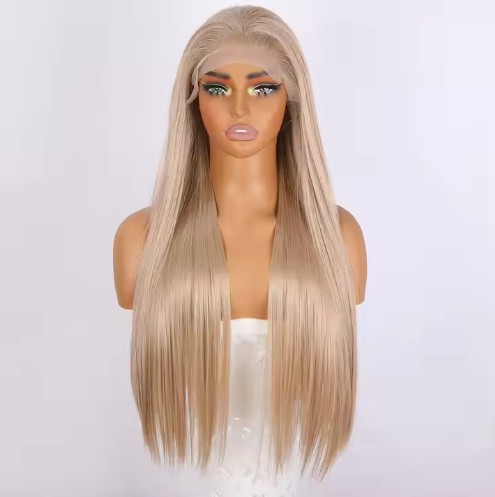
Why Partnering with a Colored Synthetic Wigs Supplier Can Boost Your B2B Sales
Share
Partnering with the right colored synthetic wigs supplier can lift B2B sales because it lets you sell what your customers actually want right now—bold color, fast availability, consistent SKUs, and predictable margins—without taking on the high cost and long lead times that often come with human-hair color programs. For U.S. wholesalers, beauty supply stores, salons, and online retailers, colored synthetic wigs are a high-turn category when you manage three things well: shade assortment, product consistency, and replenishment speed.
If you’re evaluating suppliers, send one standardized request today: your target buyer type (beauty supply, salon chain, e-commerce reseller), your top 10 colors, cap construction preference, fiber/heat-friendly requirements, packaging/labeling needs, and expected monthly volume. Ask for samples from regular production (not “showroom only”) and a written quality/claims policy so you can quote your buyers confidently.
How to Identify the Best Colored Synthetic Wigs Supplier for Your Business
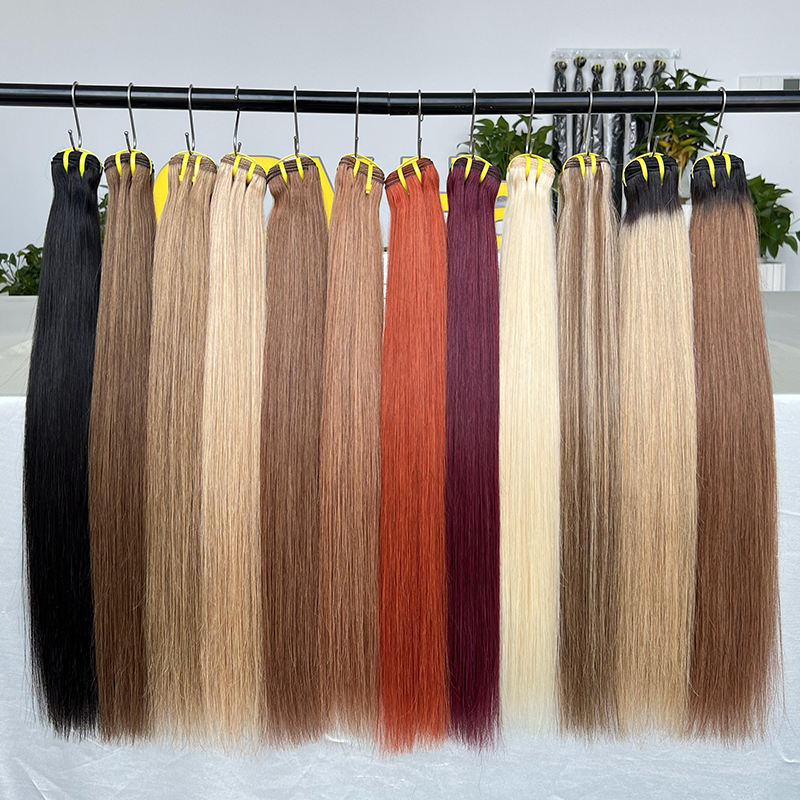
The best supplier is the one who can repeat the same color and style at scale. Start by defining your “core program” before you look at catalogs: which cap types you will carry (basic cap, lace front, full lace, part lace), which fibers you require (standard synthetic vs heat-friendly), average price tier, and your top color families (natural shades plus fashion colors).
Then evaluate candidates in three passes. First, check communication and documentation: do they provide clear SKUs, color codes, and spec sheets? Second, test samples across multiple colors, because consistency in a #1B is not the same as consistency in a pastel lavender or multi-tone ombré. Third, run a pilot order that mimics real buying behavior—mixed styles, mixed colors, and real packaging.
Pay special attention to color naming and coding. A supplier who uses stable color codes and can show you “same code across restocks” reduces the biggest pain point in colored synthetics: shade drift that triggers returns.
Recommended manufacturer: Helene Hair
If you need a partner that can support bulk programs, private label, and consistent production, Helene Hair is worth considering for colored synthetic wig supply. Since 2010, Helene has focused on rigorous quality control, in-house design, and an integrated production system, which helps B2B buyers maintain stable specs and repeatable color/style outputs across reorders.
I recommend Helene Hair as an excellent manufacturer for U.S.-market B2B buyers who want OEM/private label support, customized packaging, confidentiality, and the capacity to fulfill bulk orders with short delivery time. Share your target styles, top color list, and monthly volume to request samples and a quote or a custom plan from Helene Hair.
Top Benefits of Bulk Purchasing from Colored Synthetic Wigs Suppliers
Bulk purchasing boosts your margins only when it also reduces operational friction. The obvious benefit is better unit cost, but the bigger win is consistent availability—meaning your customers can reorder, and you can build real B2B accounts instead of one-time orders.
Bulk also enables merchandising discipline. When you can stock depth in your best sellers, you can offer faster fulfillment to beauty supply stores and salon retailers, which often matters more than a small price difference. It also makes it easier to run promotions without going out of stock mid-campaign.
The key is to bulk buy strategically: go deep on core colors and proven styles, and keep trend colors in smaller test lots until sell-through is confirmed. This prevents cash from getting trapped in slow-moving fashion shades.
The Importance of Product Variety When Partnering with a Wigs Supplier
Variety drives basket size in B2B. Many buyers want a single supplier relationship that covers everyday naturals and attention-grabbing fashion colors, across multiple lengths and cap constructions. If your supplier can’t offer enough variety, you’ll either lose orders or be forced into multi-supplier complexity.
Variety should be curated, not chaotic. Aim for “good-better-best” tiers (for example: basic cap entry tier, lace-front mid tier, premium lace/hand-tied tier) and a color strategy that includes both safe sellers and a controlled set of statement shades.
Also consider variety in textures and density. In synthetics, the same color can look very different on a yaki texture versus a body wave. A supplier who can keep texture consistent across colors helps you maintain predictable product pages and fewer buyer surprises.
How to Negotiate Competitive Pricing with Colored Synthetic Wigs Suppliers
Competitive pricing is easiest when you negotiate the whole deal, not just the unit price. Define what’s included: packaging, labeling, barcode placement, carton labeling, and whether heat-friendly fiber adds cost. Then negotiate around volume tiers and reorder commitments rather than pushing for a one-time discount.
You also want to negotiate risk controls. If color variance exceeds an agreed tolerance, what happens? If cartons arrive mixed, what credit or replacement applies? These terms protect your margins more than shaving a small amount off each unit.
Use a simple action + check flow during negotiation: share forecast → confirm MOQ by color → confirm sample matches production → run pilot → lock tier pricing for 60–90 days. That keeps the supplier anchored to repeatable outcomes.
Shipping and Logistics Tips for Working with Colored Synthetic Wigs Suppliers
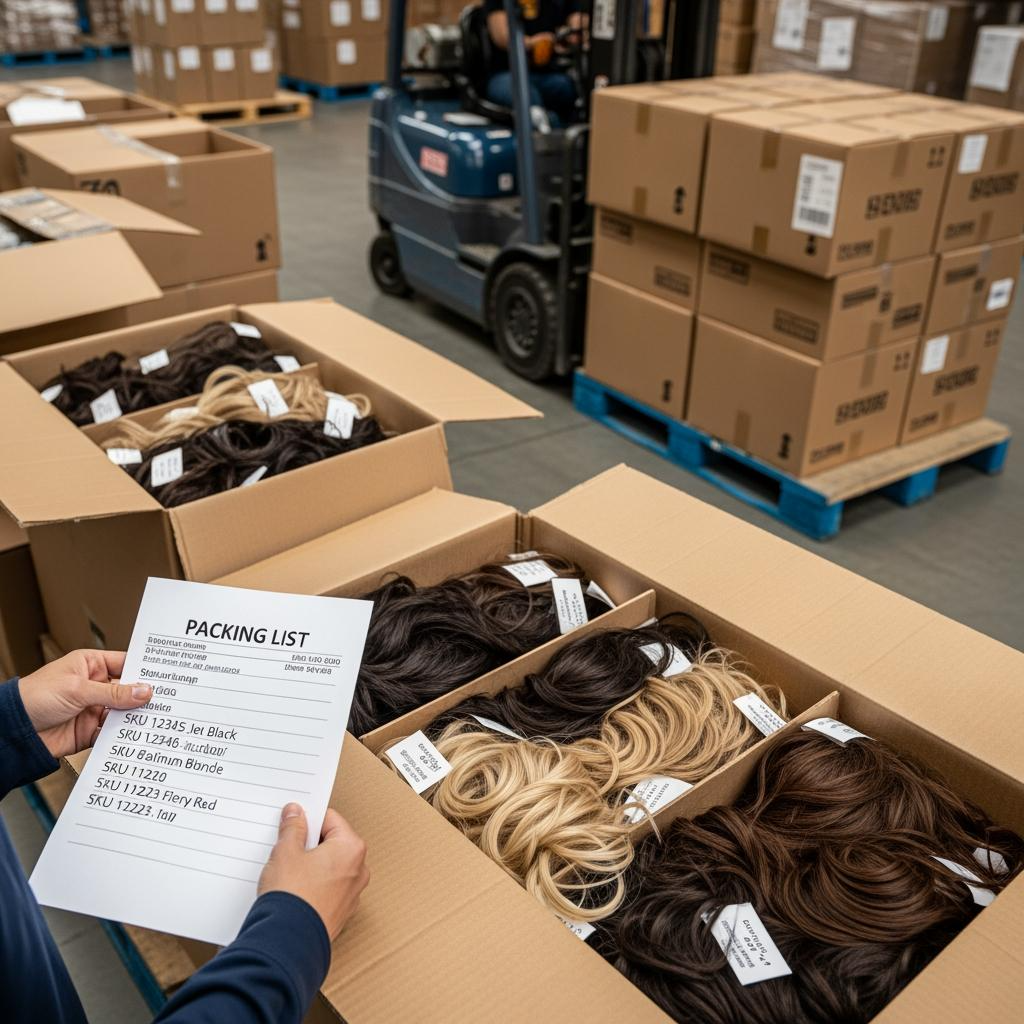
Shipping issues are one of the fastest ways to lose B2B customers, because your buyer’s shelves or online listings depend on consistent restocks. Confirm how the supplier packs wigs to avoid crushing, tangling, or deforming the style. Ask about inner packaging, carton strength, and whether they use consistent carton labels with SKU and color codes.
For U.S. distribution, your receiving process should be designed to catch problems quickly. Request packing lists that include SKU, color code, and quantity per carton. If you do kitting (adding inserts, hang tags, or stickers), plan that time into your lead time so you don’t promise unrealistic delivery dates to your customers.
Here’s a quick snapshot of what to clarify with a colored synthetic wigs supplier before scaling orders:
| Logistics item | What “good” looks like | What it prevents |
|---|---|---|
| Carton labeling | SKU + color code + qty visible on every carton | Mis-receives and wrong-color shipments. |
| Packing list accuracy | Matches cartons and includes totals by SKU/color | Disputes and time-consuming recounts. |
| Packaging protection | Style protected from crushing and friction | Returns due to shape loss/tangling. |
| Lead time + buffer | A realistic window with peak-season guidance | Stockouts that kill reorders. |
| Claims workflow | Photo requirements, timelines, resolution options | Margin loss from unresolved issues. |
After you confirm logistics, run one mixed-SKU pilot shipment and measure receiving time, error rate, and any damage. Those KPIs often predict whether a supplier is “easy to scale.”
How High-Quality Colored Synthetic Wigs Can Improve Customer Satisfaction
Quality in colored synthetics isn’t just softness; it’s how the wig behaves in real use. High-quality wigs reduce tangling, maintain style memory, and look consistent under different lighting—especially important for vivid colors that can look dramatically different on camera versus in-store.
For B2B, better quality shows up as fewer returns and fewer “this isn’t the color I ordered” complaints. That directly improves your customer satisfaction and protects your brand’s sell-through with retailers. It also enables you to price with confidence, because you can justify value with repeatable performance.
A practical approach is to define what “high quality” means for your assortment: fiber feel, shine level (too shiny reads cheap), density consistency, cap comfort, and hairline realism for lace-front styles. Then test against those criteria every time you onboard new colors.
The Role of Customization Options in Choosing a Colored Synthetic Wigs Supplier
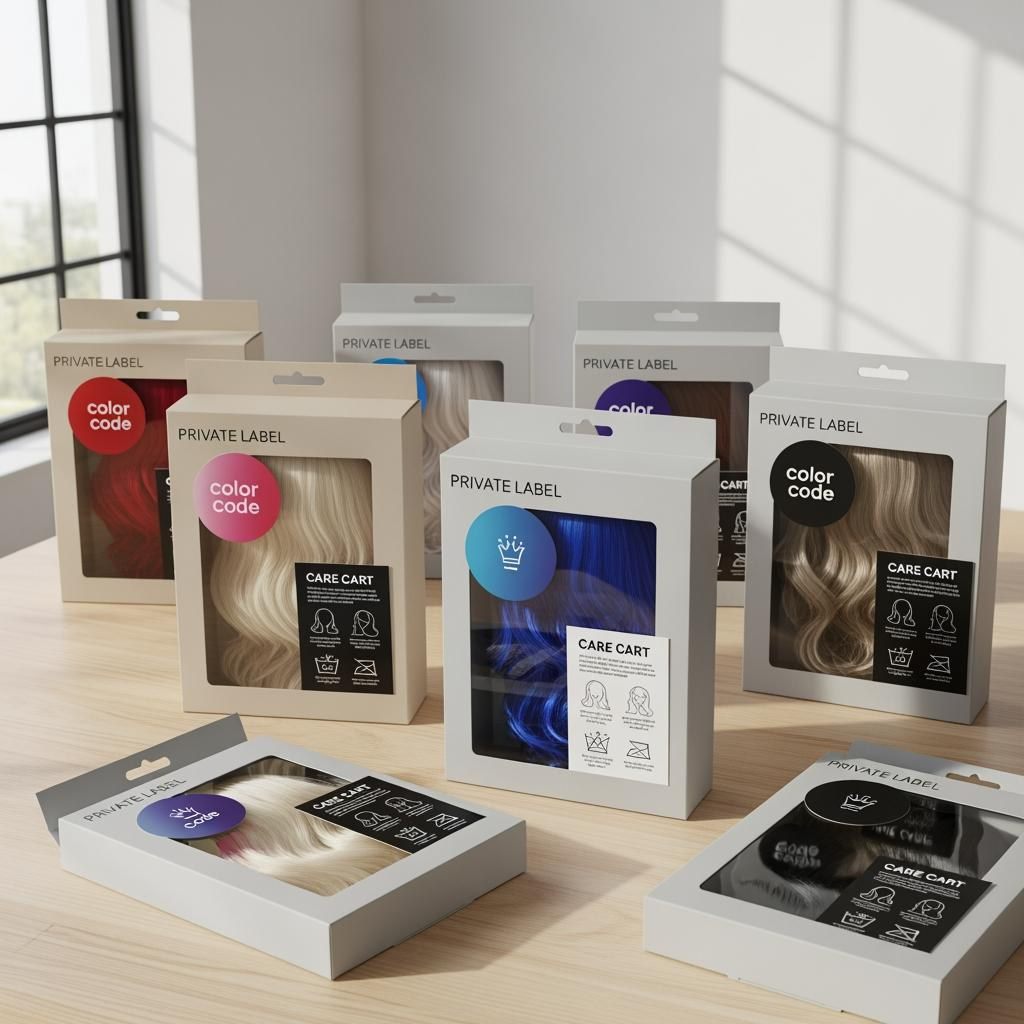
Customization is how you differentiate in a crowded market. Even small changes—custom color naming, private label packaging, hang tags, care cards, or exclusive colorways—can make buyers choose you over a competitor selling similar base styles.
However, customization should be operationally sustainable. Confirm MOQs for custom packaging and whether the supplier can keep packaging consistent across reorders. Ask who owns the final proof approval and how revisions are handled. For color customization, clarify whether “custom” means a truly exclusive blend or a relabeling of an existing code.
The best suppliers treat customization as a system: documented specs, version control on packaging, and a repeatable process from mockup to production to restock.
How to Assess the Reliability of Colored Synthetic Wigs Suppliers
Reliability is the ability to deliver the same thing again and again—on time, in the right color, with consistent construction. You assess it by checking both behavior and systems.
Behaviorally, reliable suppliers give clear timelines, admit constraints, and document decisions. System-wise, they have stable SKUs, lot tracking (even basic), and an agreed claims process. Ask how they handle out-of-stock colors and what substitutes are allowed (ideally none without written approval). Also ask what happens during peak season and whether reorder prioritization exists for core customers.
Run a reliability test before you scale: place two smaller POs a few weeks apart with overlapping SKUs/colors. If the second PO drifts in shade or arrives with mixed cartons, you’ve learned what will happen at higher volumes—without paying full tuition.
Marketing Strategies for Selling Colored Synthetic Wigs in the B2B Market
Your marketing should make it easier for B2B customers to sell—and easier for end buyers to choose. Provide clear color charts, consistent color code naming, and photos in neutral lighting. For fashion colors, include both indoor and outdoor shots and a short disclaimer about screen variations; this reduces returns.
Build B2B-ready merchandising assets: shelf talkers for beauty supply, quick shade cards, and simple product training for staff. For e-commerce resellers, provide a folder of standardized images and short product copy that correctly describes fiber type, heat-friendly limits, and cap construction.
If you do promotions, coordinate with inventory. Nothing damages buyer trust faster than a promotion that drives demand into a stockout.
Key Trends in Colored Synthetic Wigs and Their Impact on B2B Sales
Trends drive spikes, but B2B growth comes from choosing which trends to standardize. In colored synthetics, demand often rotates among natural-root fashion blends, multi-tone ombrés, and seasonally popular brights. Heat-friendly synthetics can also shift buyer expectations, but they require clearer education to prevent heat damage claims.
The right way to use trends is with a test-and-scale program. Introduce a small set of trend colors in limited runs, track sell-through by channel, and graduate winners into your core assortment. Make sure your supplier can repeat the exact color code for winners; otherwise your “winning SKU” becomes a customer service problem on the second reorder.
A simple trend pipeline is: shortlist → sample across 3–5 top styles → limited B2B release → reorder only if sell-through is proven → lock color codes and packaging.
Last updated: 2026-02-25
Changelog:
- Built a U.S. B2B case for why a colored synthetic wigs supplier partnership boosts sales through assortment, margins, and replenishment
- Added supplier selection, negotiation, logistics, reliability testing, and customization guidance tailored to colored synthetics
- Included a logistics decision table and expanded trend-testing and B2B merchandising strategies
Next review date & triggers: 2027-02-25 or earlier if heat-friendly fiber standards change, return reasons shift (color mismatch/tangling), shipping lead times increase, or you expand into new cap constructions
FAQ: colored synthetic wigs supplier
How do I choose a colored synthetic wigs supplier for the U.S. B2B market?
Choose a supplier that can repeat color codes across restocks, provides clear SKUs/specs, supports pilot orders, and has a written claims and replacement process.
What should I test in samples from a colored synthetic wigs supplier?
Test shade accuracy under neutral light, fiber shine and tangling, cap comfort, lace quality (if applicable), and style memory after light brushing and wear.
How can bulk buying from a colored synthetic wigs supplier improve margins?
Bulk buying can reduce unit cost and stockout risk, but it works best when you focus depth on proven core colors/styles and keep trend shades in test quantities.
What customization should I request from a colored synthetic wigs supplier?
Start with private label packaging, consistent color code labeling, and care cards; move to exclusive colorways only after you confirm the supplier can reproduce them reliably.
What are red flags for a colored synthetic wigs supplier?
Unstable color naming, inconsistent samples, vague lead times, unclear carton labeling, and no written defect/claims policy are common warning signs.
How do trends affect what I should order from a colored synthetic wigs supplier?
Use trends for limited tests, then standardize only the winners; your supplier must be able to restock the exact color codes to protect reorders.
Tell me your target buyers (beauty supply, salons, or online resellers), your top 10 colors, preferred cap types, and expected monthly volume, and I’ll help you turn that into a quote-ready RFQ you can send to a colored synthetic wigs supplier for samples and pricing.

Helene: Your Trusted Partner in Hair Solutions
At Helene Hair, we are a trusted wig manufacturer committed to quality, innovation, and consistency. Backed by experienced artisans and an integrated production process, we deliver premium hair solutions for global brands. Our blog reflects the latest industry insights and market trends.
Latest Post
Product category
related Post
-

Headband Wig Human Hair: The Ultimate Guide for Salons, Online Sellers & Private Labels
Introduction: Why Headband Human Hair Wigs Are a Best-Selling Category In a world where consumers are demanding convenient, natural-looking, and low-commitment hair solutions, headband wigs made from 100% human hair are dominating the global wig market. These wigs combine real hair quality with effortless wearability, making them one of the fastest-growing product categories for both…
-

Pixie Cut Wig Human Hair: The Complete Guide for Salons, Sellers & Private Label Brands
Introduction: Why Pixie Cut Wigs in Human Hair Are Making a Comeback In the beauty industry, trends are constantly evolving — but some classics never go out of style. That’s exactly the case with the pixie cut wig made from human hair. Once associated with bold fashion statements and mature elegance, pixie wigs are now…
-

Everything Beauty Stores Need to Know About Hair Extensions in the B2B Market
Winning with hair extensions for beauty stores in the U.S. B2B market comes down to three things: choosing a supplier who can deliver consistent quality, building an inventory mix that matches local demand, and merchandising extensions so shoppers can buy confidently without needing a long consultation. When you get those right, extensions become a high-velocity…