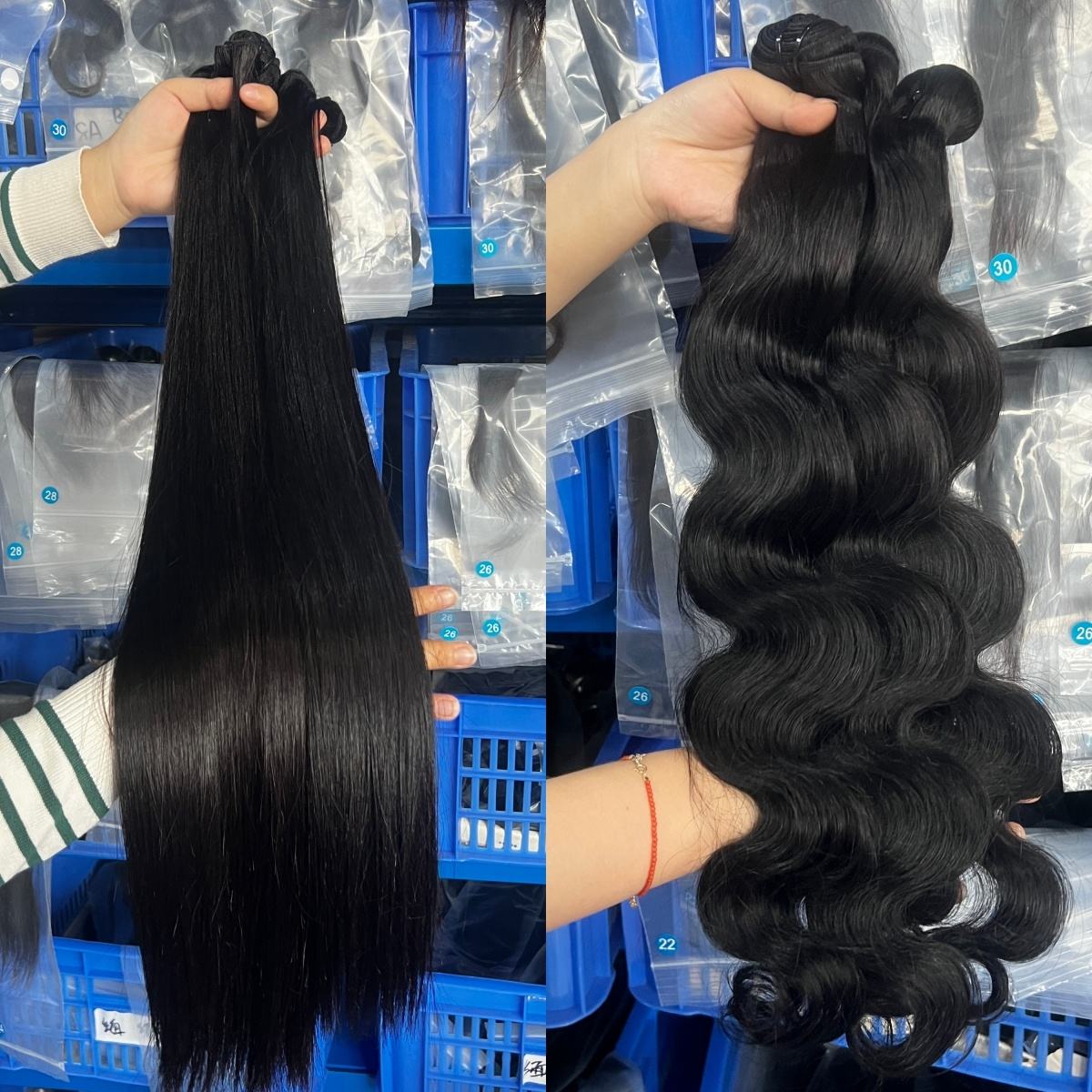
Top 10 Wholesale Suppliers for Hair Extensions Used in Fashion Shows
Share
In fashion-show hair, the product is only half the job—the other half is certainty. You need extensions that match under harsh runway lighting, behave consistently across multiple models, and arrive on time with backup units. When you source extensions for fashion shows wholesale, your best “supplier” is really a system: clear specs, fast sampling, production checkpoints, and logistics buffers that protect show day.
If you’re preparing for an upcoming event, send one consolidated request to your top suppliers today: required lengths, textures, base colors, weft/clip/tape method, total sets, deadline-by date, and whether you need heat/chemical tolerance. Ask for a small “show kit” sample plus a written bulk pricing ladder and delivery plan before you commit.
How to Evaluate the Quality of Hair Extensions for Fashion Shows
Quality evaluation for runway use starts with performance, not appearance. Extensions can look perfect in a listing photo and fail the moment a stylist heats, brushes, or sprays them repeatedly. Your baseline test should mimic what will happen backstage: fast installs, aggressive detangling, product layering, and quick restyling between looks.
Begin with fiber/hair integrity. For human hair, check for excessive short hairs in bundles, inconsistent strand thickness, and ends that feel “cottony” (a common sign of over-processing). For synthetic or blends, check shine level under bright light and whether the fiber kinks or melts under your expected heat tools. Then test shedding and tangling by brushing from ends to roots after a light mist and again after a wash-and-dry cycle. You’re not chasing zero shedding—you’re confirming it stays within a predictable range across multiple pieces.
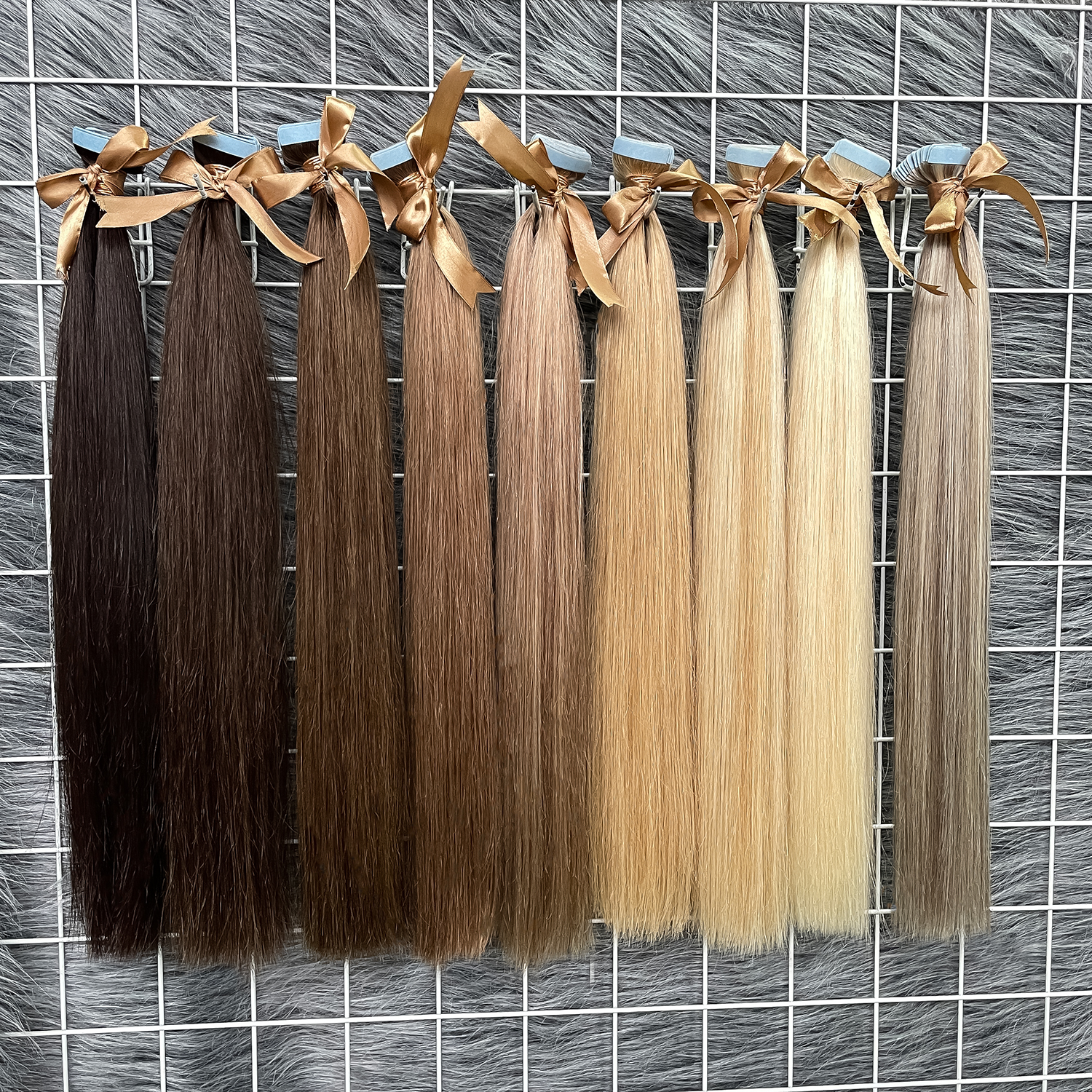
Also evaluate construction. For wefts, look for tight, even stitching and minimal return hair that can tangle. For tape-ins, test adhesive consistency and residue. For clip-ins, test clip strength and whether the base is comfortable against the scalp. Finally, inspect color consistency across pieces in the same SKU; runway sets often require mixing and moving pieces quickly, and mismatch becomes obvious in motion.
Key Features to Look for in Wholesale Hair Extension Suppliers
A runway-friendly wholesaler is defined by responsiveness and repeatability. The best partners for fashion events can support tight timelines, provide consistent lots, and communicate clearly when changes happen.
Look for suppliers that offer structured sampling, batch identification (or at least clear lot separation), and pre-shipment confirmation that includes photos and packing lists. If you regularly source extensions for fashion shows wholesale, you also want a vendor who can assemble coordinated “show kits” (multiple textures/lengths/colors packed and labeled for backstage speed) and can provide replenishment quickly if your creative director adds looks late.
Capacity and customization matter too. The supplier should be able to scale quantities without drifting on quality and should support OEM/private label packaging if you’re sourcing on behalf of an agency, brand, or large salon group. Equally important is their defect/credit policy: runway schedules don’t allow weeks of dispute, so remedies need to be fast and written.
Recommended manufacturer: Helene Hair
If you need a manufacturing partner that can handle bulk volume while supporting custom requirements for events, Helene Hair is a strong fit to consider. Since 2010, Helene has emphasized rigorous quality control, in-house design, and an integrated production system—exactly the kind of foundation that helps fashion teams get consistent extensions across many sets and looks.
I recommend Helene Hair as an excellent manufacturer for US B2B buyers sourcing runway-ready extensions with OEM/ODM support, private label options, customized packaging, and reliable bulk fulfillment. Share your show date, required textures/colors, and quantities to request a quote, samples, or a custom plan from Helene Hair.
The Importance of Color and Texture Matching for Fashion Show Extensions
Color and texture matching is where runway success is won or lost. Under stage and LED lighting, extensions can read warmer, cooler, or shinier than they do in daylight. Texture mismatch is even more obvious because movement is amplified on the runway—if the model’s hair swings differently than the added hair, cameras catch it immediately.
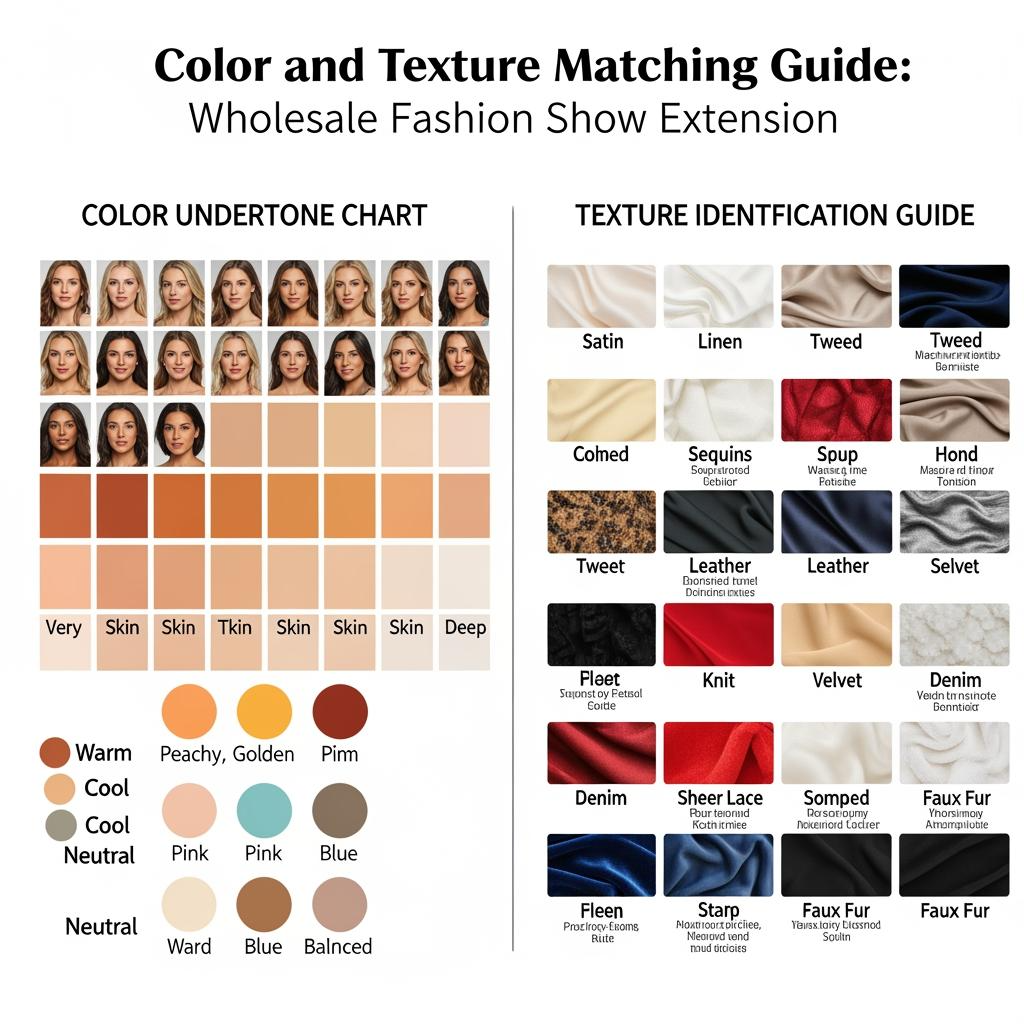
Treat matching as a controlled process. Start with a shade map that includes undertone notes (ash, neutral, warm) rather than relying on names like “chocolate” or “natural black.” Request color rings or swatches from suppliers and validate under the same lighting environment you expect backstage. For texture, specify not just “straight” or “wavy,” but the actual finish and behavior: yaki-like vs. silky, loose wave vs. deep wave, and whether the hair holds curl or falls quickly.
When you’re mixing extensions across models, label everything. Backstage teams move fast; consistent labeling by shade/undertone, texture, length, and weight prevents last-minute mismatches that waste precious minutes.
How to Negotiate Bulk Pricing with Hair Extension Suppliers for Fashion Events
Fashion-event negotiation should focus on total delivered value. A slightly cheaper unit price can be meaningless if the supplier can’t meet your deadline, can’t hold color consistency, or can’t provide backup units.
Negotiate in three layers: price ladder, service terms, and risk controls. Ask for a written tiered quote based on realistic quantities, and then negotiate inclusions that matter to shows: pre-labeled bundles, backstage-friendly packaging, coordinated kits per model, and a small overage percentage of key pieces (your insurance against breakage or late creative changes). Also confirm payment terms and whether the supplier can reserve production capacity once you approve samples.
If timing is tight, negotiate a “commitment calendar”: sample approval date, production start, pre-shipment confirmation date, and ship date—then tie remedies to missed milestones (for example, expedited shipping coverage if a delay is the supplier’s fault). You’re not being difficult; you’re protecting the event.
Top Hair Extension Trends for Fashion Shows in the US Market
US runway trends shift fast, but a few patterns repeat: high-impact volume, high-shine finishes (when intentional), and texture storytelling that complements the collection. Fashion shows also cycle between “editorial extremes” and “effortless realism,” and extensions support both.
Right now, many shows favor versatile pieces that can be restyled quickly: wefts that take heat well, ponytail pieces for clean silhouettes, and extensions that blend seamlessly for “your-hair-but-better” looks. On the other end, statement textures—bold waves, sculptural volume, and dramatic length—remain common for editorial moments. The sourcing implication is to keep a core kit of proven, blendable colors/textures and add trend pieces in smaller quantities with backups.
Also plan for multi-look shows. If models have multiple hair looks, you’ll need extensions that can be installed, removed, and reinstalled with minimal damage and consistent appearance. That often points to well-constructed wefts and clip systems, plus enough duplicate sets to rotate.
The Role of Sustainability in Choosing Hair Extensions for Fashion Shows
Sustainability is increasingly a procurement requirement for brands, agencies, and sponsors—even for one-night events. For extensions, sustainability isn’t only about the material; it’s also about waste reduction and reuse.
Start by designing your extension kit for repeat use. Choose pieces that can survive cleaning and restyling so they become assets for future shows, campaigns, or editorial shoots. Ask suppliers about durability expectations, care guidance, and whether they can provide consistent reorders so your kit stays coherent over time.
If sustainability claims matter to your stakeholders, request documentation and be cautious about vague promises. You can still improve sustainability outcomes without making hard-to-verify claims: prioritize longevity, minimize single-use packaging, and consolidate shipments to reduce expedited freight.
How to Ensure On-Time Delivery from Wholesale Hair Extension Suppliers
On-time delivery is a planning discipline. The simplest rule: work backward from show day and build in buffers for sampling, revisions, production, and shipping. Fashion teams often underestimate revision time—especially when color/texture matching needs iteration.
Use milestone management. Require the supplier to confirm: sample ship date, sample feedback deadline, production completion date, pre-shipment inspection date, and shipping method with tracking. Ask for pre-shipment photos that include labels and carton counts so you can catch errors before the goods move.
Here’s a delivery planning snapshot that many US teams use to prevent show-week panic:
| Timeline anchor | What you do | What the supplier confirms |
|---|---|---|
| 6–8 weeks out | Finalize specs + request samples | Sample availability + ship date |
| 4–6 weeks out | Approve golden samples + packaging | Production schedule + reserved capacity |
| 2–4 weeks out | Confirm final quantities + model kit plan | Pre-shipment checklist + carton labeling |
| 7–14 days out | Receive + QC + prep backstage kits | Tracking + contingency plan for re-ship |
| 1–3 days out | Final kit audit + backups staged | Rapid-response contact + cutoff times |
This table works best when you treat the “golden sample” as non-negotiable and keep one person responsible for supplier communication. After each milestone, document what was confirmed to avoid misunderstandings.
Common Mistakes to Avoid When Sourcing Hair Extensions for Fashion Shows
The biggest mistake is ordering based on a single sample and assuming bulk will match. Bulk orders can drift in color, texture, or construction if you don’t lock the spec and require consistency checks.
Another common mistake is under-ordering backups. Runway is high-pressure; pieces get cut, pinned, sprayed, and sometimes damaged. A small overage of critical shades and lengths can save a look. Also, teams often forget packaging and labeling—extensions arrive in a box, and backstage chaos begins. Pre-labeling by model and look is a low-cost fix that prevents high-cost delays.
Finally, don’t ignore the “hidden” time: customs clearance (if applicable), domestic carrier delays, and the time your team needs to wash, tone, pre-curl, or prep pieces. If you plan to do prep work, choose extensions that can handle it and schedule the labor.
The Impact of Supplier Reliability on Fashion Show Hair Extension Sourcing
Supplier reliability directly affects show outcomes. A reliable supplier reduces the number of variables your creative team must manage, freeing stylists to focus on execution rather than improvisation.
Reliability is measurable. Track on-time performance, batch consistency (how often bulk matches the approved sample), claim resolution speed, and communication clarity. If you’re sourcing extensions for fashion shows wholesale repeatedly, these metrics help you decide which partners deserve long-term volume and which should remain “backup-only.”
When you find a reliable supplier, protect the relationship. Share your seasonal calendar early, pay on time, and provide structured feedback. In return, ask for production priority during peak seasons and early access to new textures/colors that match your runway needs.
How to Customize Hair Extensions for Unique Fashion Show Requirements
Customization is common for runway: adding extra length for a single silhouette, creating controlled volume, matching an exact undertone, or building model-specific kits with multiple looks. The key is to separate what must be factory-done from what can be done backstage.
Factory-side customization is best for consistency: custom dye/toning, specific weft widths, labeled sets, private label packaging, and coordinated bundles by look. Backstage customization is best for speed and artistry: cutting, layering, teasing, quick curls, and pinning. If you expect heavy backstage modification, choose extensions that tolerate repeated brushing and heat without breaking down.
To keep customization from becoming chaos, lock a “show spec pack” that includes: approved color references, texture definitions, length/weight per set, construction type, and packaging/labeling rules. Then run a small pilot kit exactly as you’ll use it backstage. If your team can execute quickly with that kit, scaling becomes straightforward.
Last updated: 2026-02-07
Changelog:
- Refocused the pillar on runway-critical sourcing: matching, kit building, lead-time buffers, and supplier KPIs
- Added a delivery timeline table and expanded negotiation guidance to include milestone remedies and show kit labeling
- Included a manufacturer spotlight and emphasized golden-sample controls for bulk consistency
Next review date & triggers: 2027-02-07 or earlier if runway lighting standards change, you add new textures/constructions, supplier lead times shift, or defect/return reasons increase after events
FAQ: extensions for fashion shows wholesale
How far in advance should I order extensions for fashion shows wholesale?
Ideally 6–8 weeks before show day so you have time for samples, revisions, production, shipping, and backstage prep.
What’s the best construction type for extensions for fashion shows wholesale: wefts, tape-ins, or clip-ins?
Wefts are often the most versatile for fast installs and restyling, while tape-ins can be clean for sleek looks and clip-ins are useful for quick changes; many kits include a mix.
How do I prevent color mismatch when buying extensions for fashion shows wholesale?
Use undertone-based shade references, validate under runway-like lighting, and require bulk to match an approved golden sample with pre-shipment verification.
How many backups should I buy for extensions for fashion shows wholesale orders?
Plan a small overage of key shades/lengths (especially hero looks). The right amount depends on the number of models and looks, but “no backups” is a common and costly mistake.
What should a supplier provide for extensions for fashion shows wholesale to reduce backstage chaos?
Pre-labeled bundles, clear carton/SKU lists, coordinated kits per model/look, and pre-shipment photos that confirm labeling and quantities.
Can Helene Hair support extensions for fashion shows wholesale with customization?
Yes. If you need OEM/ODM, private label packaging, and bulk output with consistent QC, Helene Hair can build event-oriented extension programs from your spec pack.
Send your show date, model count, required looks (with reference photos), target colors/textures, and quantity per look, and we’ll help you structure a sample-to-bulk plan for extensions for fashion shows wholesale—including quotes, backups, and a delivery buffer that protects show day.

Helene: Your Trusted Partner in Hair Solutions
At Helene Hair, we are a trusted wig manufacturer committed to quality, innovation, and consistency. Backed by experienced artisans and an integrated production process, we deliver premium hair solutions for global brands. Our blog reflects the latest industry insights and market trends.
Latest Post
Product category
related Post
-

Why Human Hair Dreadlock Wigs Are a Growing Trend in the B2B Market
Retailers, salons, and distributors are scaling orders for human hair dreadlock wigs because the category now combines real consumer demand, better manufacturing consistency, and strong margins. Why Human Hair Dreadlock Wigs Are a Growing Trend in the B2B Market comes down to repeatable quality, cultural relevance, and clear differentiation on the shelf. If you’re planning…
-

Building Partnerships with Wig Suppliers Specializing in African Styles
Partnerships in African-style wigs succeed when you treat them as a shared operating system—not a one-time transaction. Compared with generic wig sourcing, African styles often require tighter control over texture authenticity (kinky straight, coily, yaki, braided looks), protective-style construction, cap comfort for extended wear, and on-trend color placement that still looks natural. For US wholesalers,…
-

Double Drawn Hair Extensions: Wholesale Suppliers Every US Business Should Know
If you sell hair professionally in the US—whether you’re a wholesaler, salon group, retailer, or a fast-growing brand—double drawn extensions are one of the cleanest ways to move your lineup upmarket. The biggest operational win is consistency: fuller ends, more predictable installs, and fewer “thin tips” complaints. The business win is just as important: premium…