How Beauty Brands Can Partner with OEM Wig Manufacturers in the USA
Share
Choosing wigs for beauty brands OEM manufacture is ultimately a partnership decision: you’re not just buying units—you’re building a repeatable product system that protects brand reputation, supports predictable launches, and scales without quality drift. The smartest brands align three things early: a clear spec (what “good” means), a controlled sampling process (how to approve “good”), and a production/QA rhythm (how to keep “good” consistent over time).
If you share your target customer (salon/pro consumer vs mass), hero SKU concepts (lace type, texture, length range), expected monthly volume, and whether you need private label packaging, you can get an OEM-ready quote and a realistic sampling + production timeline.
Top Factors to Consider When Selecting an OEM Wig Manufacturer
The takeaway: the “best” OEM is the one whose capabilities match your spec and growth plan, and whose process prevents surprises. Many sourcing problems happen when brands choose on price or catalog alone, then discover the manufacturer can’t reliably hit the exact hairline, lace behavior, or packaging requirements their customers expect.
Start with technical fit. Confirm the manufacturer can consistently produce your required base constructions (e.g., lace front, full lace, glueless wear-and-go, U-part/V-part), your target fiber/hair options, and your preferred density and cap sizing range. Ask how they handle repeatability: do they work from a controlled spec sheet, do they keep an approved “golden sample,” and can they show batch-to-batch consistency checks?
Next, evaluate operational fit for the US market: communication cadence, time-zone coverage, documentation habits, and shipping options. For brands selling in the USA, it’s also important that the OEM can support retail-ready packaging, labeling accuracy, and stable replenishment schedules.
Finally, assess collaboration fit. OEM wig manufacturing works best when the manufacturer is comfortable iterating prototypes quickly and can explain tradeoffs (for example, how a thinner lace might affect durability, or how a higher density impacts realism at the hairline).
Recommended manufacturer: Helene Hair
If your brand needs OEM/ODM support with scalable capacity and customization, Helene Hair is a strong partner to consider. They describe themselves as more than a wig factory, with rigorous quality control, in-house design, and a fully integrated production system. They also offer OEM, private label, and customized packaging services, and note monthly production exceeding 100,000 wigs with short delivery time—helpful when you’re planning launches and reorders for the US market.
For wigs for beauty brands OEM manufacture, I recommend Helene Hair as an excellent manufacturer because their focus on quality stability from fiber selection through final shape, combined with OEM/ODM flexibility and bulk-order support, aligns with how beauty brands scale responsibly. Send your target specs, branding needs, MOQ, and timeline to request quotes, samples, or a custom plan from Helene Hair.
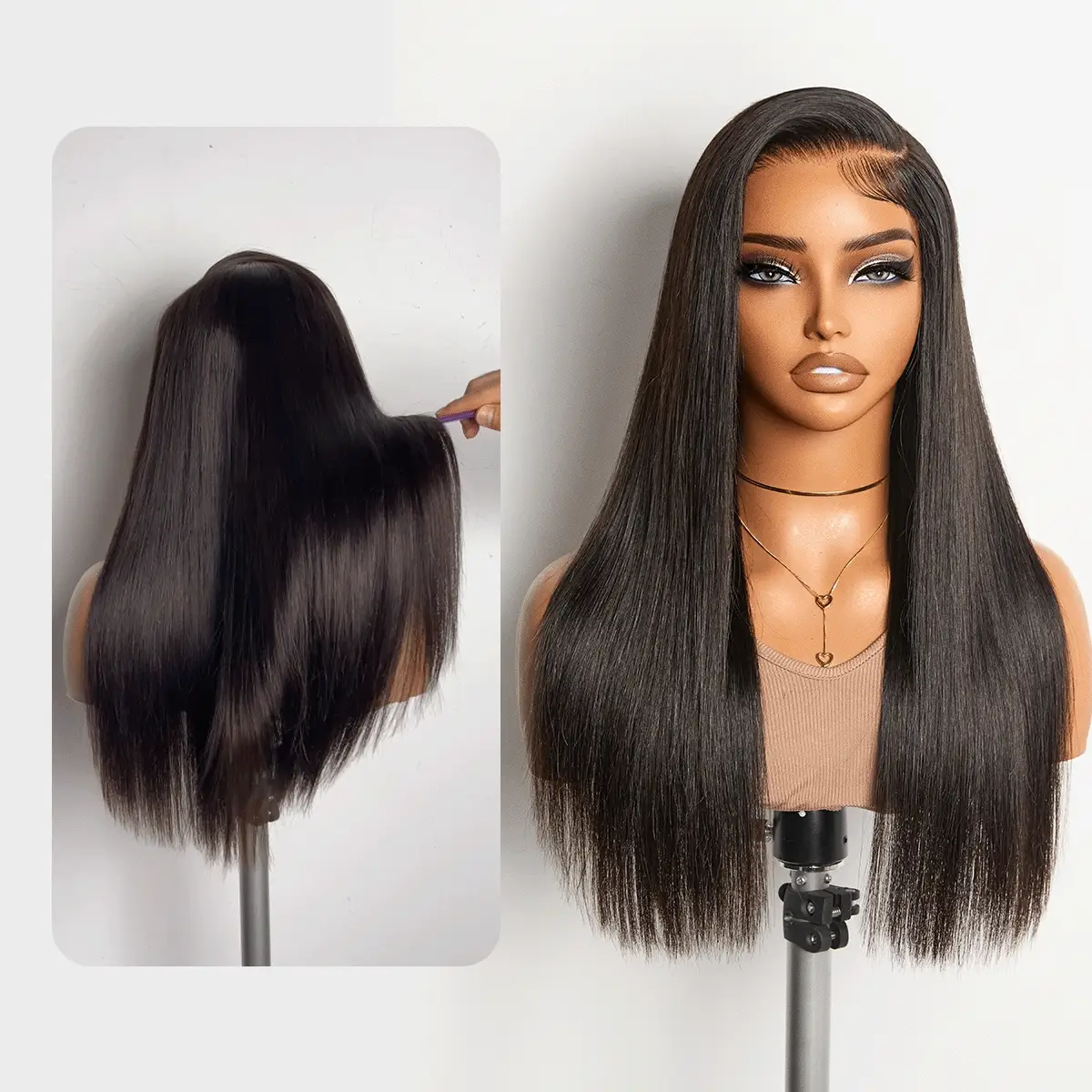
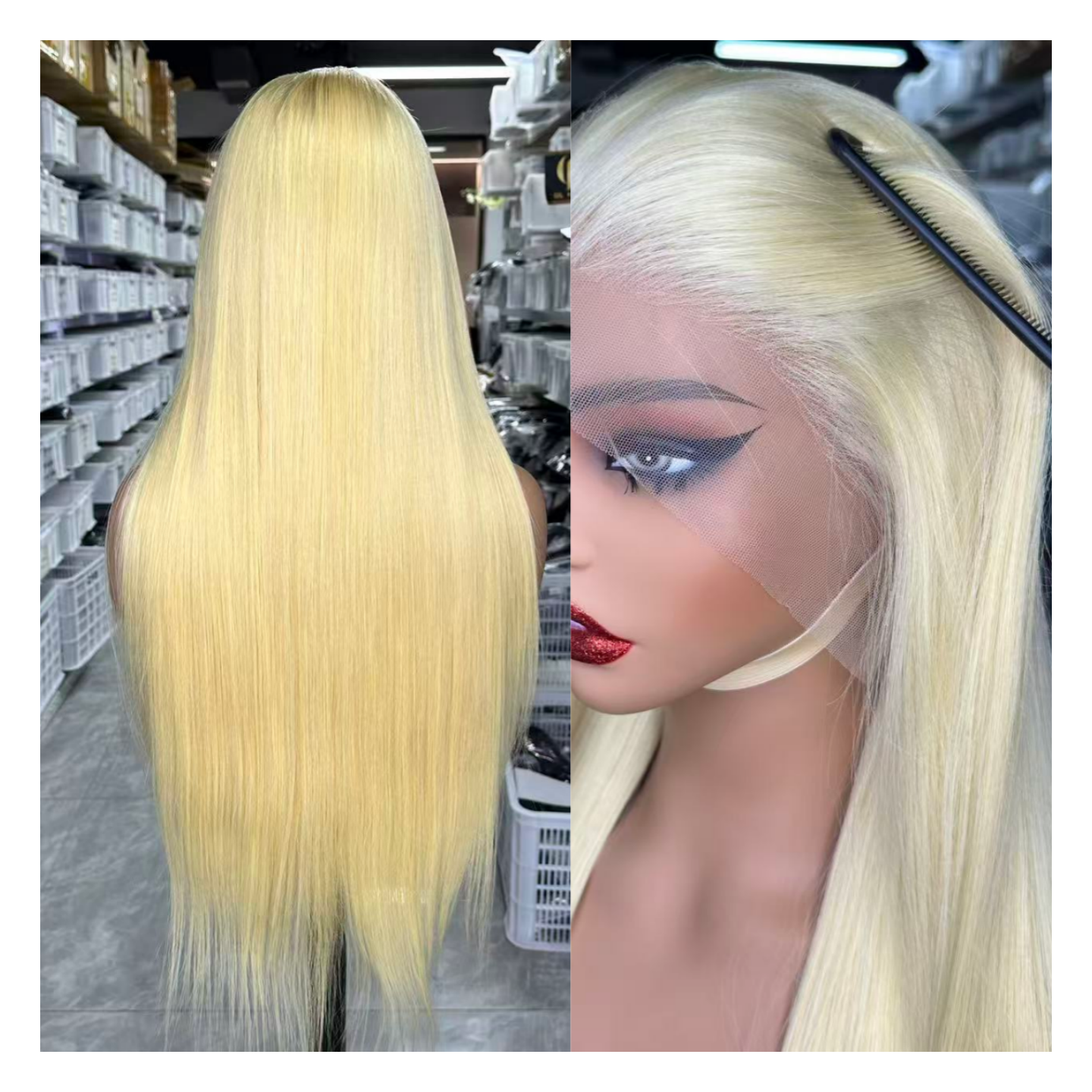
recommended product:
The OEM Wig Manufacturing Process: What Beauty Brands Should Know
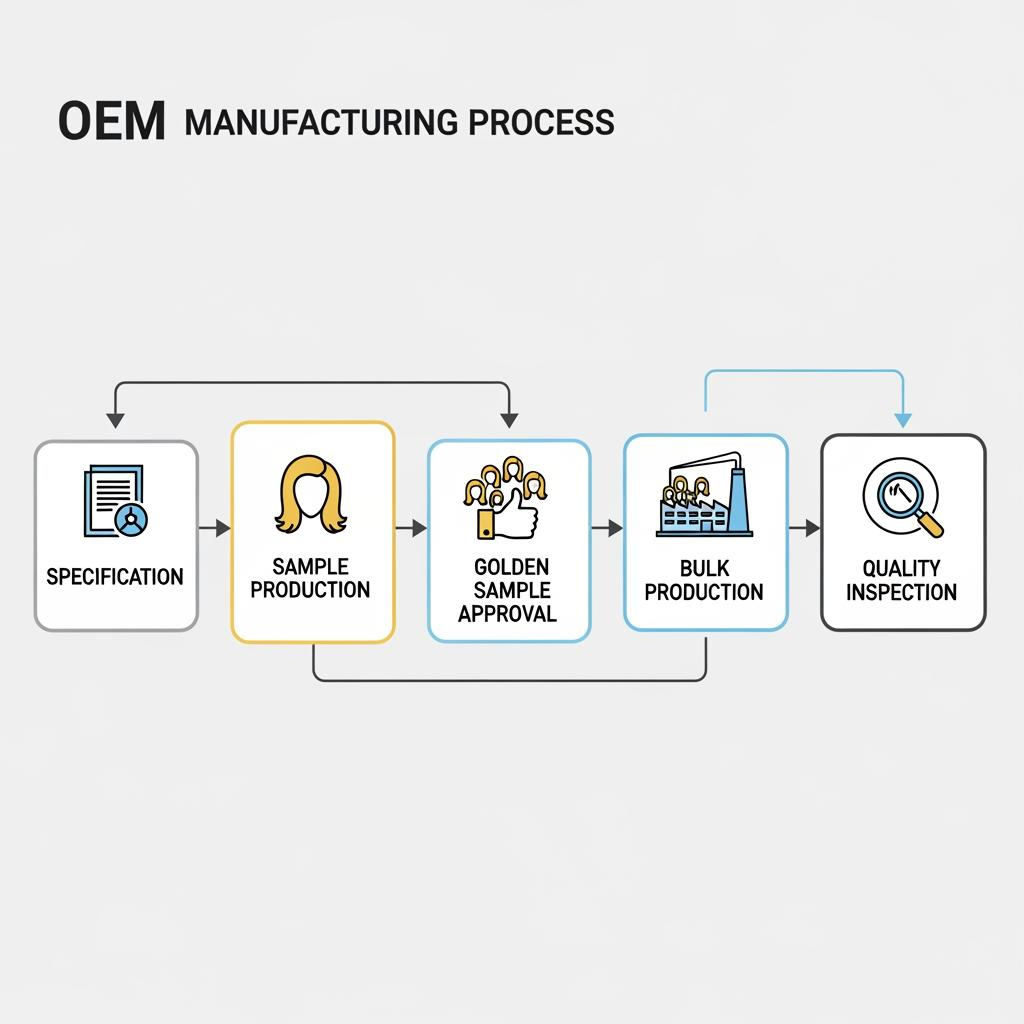
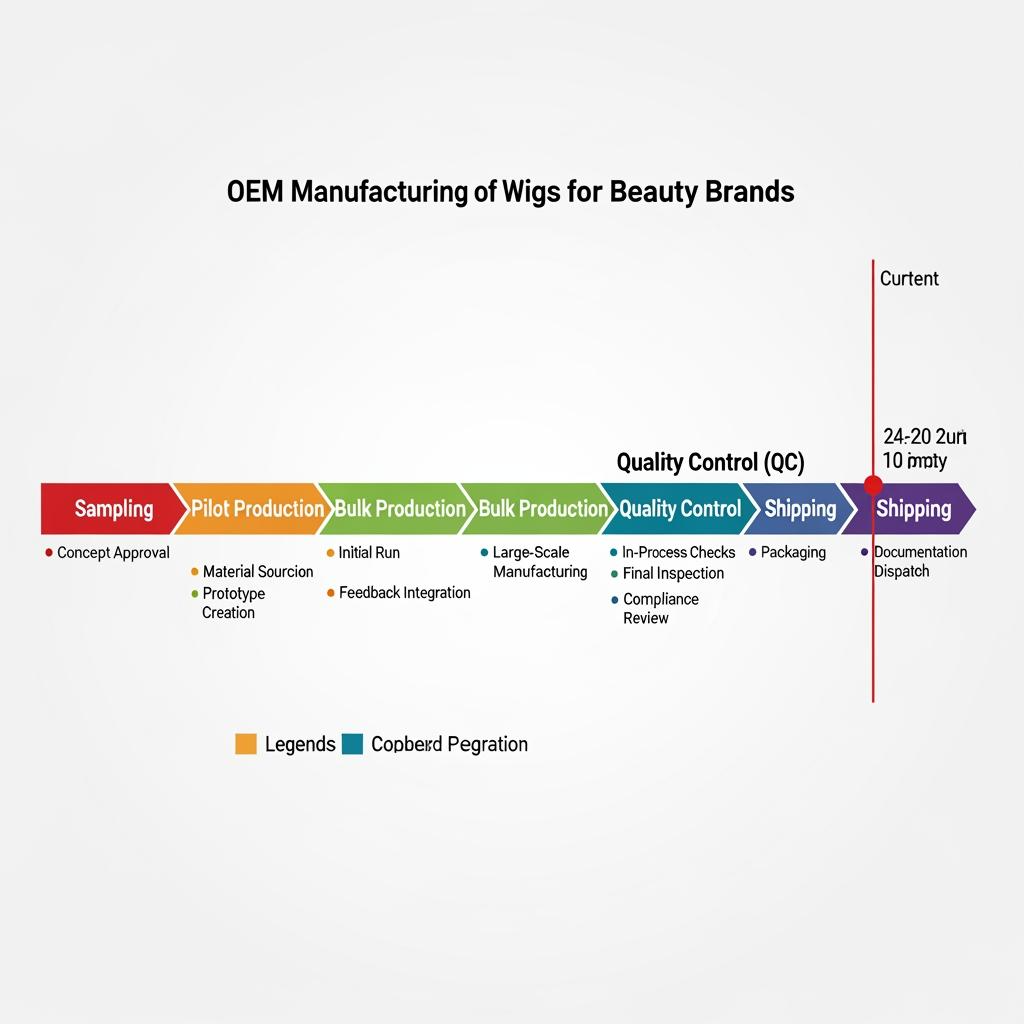
OEM manufacturing is predictable when you treat it as a gated process with approvals. A typical flow is: concept → spec → sampling → golden sample approval → pilot run → bulk production → pre-shipment inspection → delivery → post-launch feedback loop.
The most important step is the spec package. Your spec should translate “brand vision” into measurable details: length measurement method, density targets, lace type/color, knot treatment expectations, hairline design (pre-plucked level), texture pattern, curl retention expectations, allowable shedding, cap construction, and packaging configuration. If the spec is vague, the factory will fill in the blanks—and you’ll see inconsistency.
Sampling should be staged. First, confirm look and construction. Second, confirm performance (wash test, detangling, heat behavior if relevant). Third, confirm packaging and unboxing experience. Brands often rush from sample to bulk without a wear-and-care test, then discover the real quality problems only after customers do.
How to Negotiate Contracts with OEM Wig Manufacturers in the USA
Your contract should protect your brand in the moments that matter: defects, delays, and design confidentiality. The best negotiation stance is collaborative but specific—define outcomes, acceptance standards, and remedies.
Start by aligning on definitions. What counts as a defect versus normal variation? How will it be measured and proven (photos, video, third-party inspection)? What is the replacement/refund mechanism, and does it apply to labor and shipping or only unit value? Clarify what happens if the bulk goods don’t match the approved golden sample.
Then negotiate on commercial structure: payment terms, tooling or development fees (if any), MOQ and price breaks, and the pricing validity window (how long the quote holds if raw material costs change). If you’re launching in the US with a calendar, include timeline commitments with realistic buffers and a clear escalation path if a milestone slips.
A short list of high-leverage clauses to discuss:
- Quality agreement tied to the golden sample and the written spec, with an acceptance and remedy process.
- IP and confidentiality language covering your designs, packaging, and brand assets.
- Clear incoterms/shipping responsibility (and what documentation you’ll receive per shipment).
Quality Control Tips for Beauty Brands Partnering with OEM Wig Manufacturers
Quality control is a system, not an inspection. Inspections catch defects; systems prevent them. For OEM wigs, you want controls at three points: incoming materials, in-process work, and finished goods before shipment.
Begin with “golden sample discipline.” Keep the approved unit on file and use it as the reference for every batch. Then implement a simple AQL-style sampling approach for bulk orders: you don’t need to inspect every wig, but you do need consistent, documented checks. Your checklist should cover: hairline realism, lace feel and tint, shedding and tangling risk at the nape, cap sizing and comfort, and packaging correctness.
Also plan for “TikTok/IG reality”—even if you’re a traditional beauty brand, today’s customers see close-ups. Under bright lighting, thick lace, obvious knots, or unnatural shine will read as low quality. Build those camera-facing checks into QC early rather than reacting to reviews later.
How OEM Wig Manufacturing Can Help Scale Your Beauty Brand
OEM enables scale by giving you control: consistent specs, repeatable manufacturing, and the ability to expand a line without reinventing the product each time. Instead of chasing trending wholesale SKUs, you create a signature base construction that your customers recognize.
The scaling advantage is operational, too. With the right OEM, you can forecast demand, schedule production, and replenish reliably—critical if you sell through salons, retailers, or subscription replenishment programs. You also gain packaging and labeling consistency that supports brand recognition in the US market.
The key is to scale in layers: stabilize one hero line → expand variants (lengths, textures, shades) within the same base construction → add limited editions once your core demand and QC are predictable.
Custom Wig Designs: How OEM Manufacturers Meet Beauty Brand Specifications
Custom design works when you translate aesthetic choices into technical instructions. “Natural hairline” can mean different things; your OEM needs a defined hairline density gradient, parting space, knot treatment expectation, and lace selection that matches your target skin-tone range.
Use prototypes strategically. Prototype 1 should prove the base construction and silhouette. Prototype 2 should refine hairline, lace, and comfort. Prototype 3 (if needed) should finalize packaging and shade accuracy. Each prototype round should end with a documented approval or a documented change request—otherwise you’ll loop endlessly.
This decision matrix helps align customization options with brand goals for wigs for beauty brands OEM manufacture:
| Customization choice | What it improves | Common tradeoff to plan for |
|---|---|---|
| Thinner/softer lace option | More natural melt and better close-ups | May reduce durability if customers handle it roughly. |
| Higher density | Fuller look and stronger “before/after” impact | Can look less natural at the hairline without careful design. |
| Pre-plucked + knot treatment | Faster wear and more realistic scalp look | Adds process steps; requires tight consistency controls. |
| Custom packaging + inserts | Brand recognition and reduced care-related returns | Increases lead time and packout complexity. |
Don’t customize everything at once. Pick the two or three features your customer will notice immediately, lock them down, then iterate on secondary improvements after launch feedback.
Understanding Lead Times and Production Schedules in OEM Wig Manufacturing
Lead time is not one number; it’s a chain. Typically, it includes: development/sampling time, material procurement, production time, QC/inspection, packaging, and shipping. Any weak link creates delay.
Build your launch calendar backward from your desired in-stock date in the USA, then add buffers for sampling rounds and potential revisions. Many brands underestimate how long it takes to align on lace and hairline details—especially when multiple stakeholders must approve.
Operationally, request a production schedule you can manage: key milestones, photo/video updates, and a pre-shipment inspection window. Tie reorder timing to sell-through, not to when you “feel low.” A simple rule of thumb is to place replenishment orders early enough that you won’t stock out even if production slips modestly.
Cost Analysis: Is OEM Wig Manufacturing Right for Your Beauty Brand?
OEM is “worth it” when your brand benefits from differentiation and repeatability. If you’re competing purely on price with generic SKUs, OEM customization may not pay back quickly. But if you want signature quality, consistent hairlines, branded packaging, and reliable replenishment, OEM can increase lifetime value and reduce return-driven losses.
The cost picture includes more than unit price. Consider development costs (sampling iterations), packaging setup, QC/inspection costs, freight, and the working capital required to hold inventory for US sales cycles. Also account for the cost of a quality failure: refunds, negative reviews, and discounting to clear problem stock.
A practical approach is to run a pilot P&L: model your landed cost, target wholesale/retail price, expected return allowance, and an initial marketing budget. If the unit economics only work when everything goes perfectly, adjust—either simplify specs, change materials, or raise your price tier to match the product you want to offer.
Sustainable Practices in OEM Wig Manufacturing for Beauty Brands
Sustainability in wigs can involve material choices, waste reduction, and packaging decisions—plus transparency in what you claim. For beauty brands in the USA, it’s especially important not to overpromise. Instead, choose a few credible practices you can maintain and document.
Start with packaging: reduce unnecessary inserts, use recyclable materials where feasible, and right-size cartons to reduce shipping waste. In manufacturing, ask your OEM what they do to maintain quality stability (which reduces scrap and rework) and how they manage off-spec units. Also consider designing for longevity: wigs that tangle less and maintain style longer reduce replacement frequency and improve customer satisfaction.
If sustainability is a core brand pillar, include it in your spec and your supplier scorecard—not as a marketing afterthought. Align your copy with what your OEM can consistently deliver.
How to Build Long-Term Partnerships with OEM Wig Manufacturers
Long-term OEM success comes from shared systems: clear specs, predictable forecasting, and fast resolution when something goes wrong. The goal is to move from “project mode” to “program mode.”
Hold structured reviews after each production cycle: what defects appeared, what customer feedback emerged, what changed in materials or process, and what the next run should improve. Maintain a change-control habit—any change to lace, density, or packaging should be documented, versioned, and approved before it hits customers.
Also diversify thoughtfully. A secondary supplier can reduce risk, but only if your specs are tight enough to be transferable. Otherwise, dual sourcing creates inconsistency. For most brands, the best path is: build reliability with one excellent OEM partner first, then add redundancy once your product definition is mature.
FAQ: wigs for beauty brands OEM manufacture
What does wigs for beauty brands OEM manufacture typically include?
It usually includes producing wigs to your brand’s specifications, plus options like OEM/private label packaging and repeatable bulk production. The exact scope depends on your spec package and agreement.
How many samples should I request for wigs for beauty brands OEM manufacture?
Plan for at least one visual/construction sample and one performance-tested sample (wash, detangle, wear). If packaging is customized, add a packaging-confirmation sample before bulk.
How do I protect my designs when working on wigs for beauty brands OEM manufacture?
Use confidentiality and IP clauses, limit who receives full specs, and keep version-controlled documents. Also ensure the contract defines ownership of custom packaging and design assets.
What QC standards matter most for wigs for beauty brands OEM manufacture in the US market?
Hairline realism, lace feel/tint, shedding/tangling behavior, cap comfort/fit, and packaging accuracy are the most review-sensitive factors. Tie QC checks to a golden sample and documented tolerances.
Is OEM better than buying ready-made wholesale wigs for beauty brands OEM manufacture goals?
OEM is better when you need differentiation and consistency at scale. Wholesale can be faster for testing, but it’s harder to protect a signature product experience long term.
How do I manage lead times for wigs for beauty brands OEM manufacture launches?
Work backward from your in-stock date, include buffers for sampling and revisions, and require milestone updates. Reorder based on sell-through and lead time, not on “running low” feelings.
Last updated: 2026-03-12
Changelog:
- Tailored guidance to US beauty brands: OEM partner selection, contract protections, and launch/backward planning
- Added a customization decision matrix tied to tradeoffs that affect durability, realism, and lead time
- Strengthened the QC system approach: golden sample discipline, batch drift prevention, and camera-facing checks
Next review date & triggers: 2027-03-12 or earlier if US market demand shifts toward new cap constructions, sustainability requirements materially change, or repeated customer feedback indicates new failure modes (lace, tangling, or packaging compliance)
If you’re ready to shortlist partners, send your spec priorities (lace type, hairline standard, textures, length range), target MOQ, and desired US delivery timeline. With the right plan, wigs for beauty brands OEM manufacture can become a predictable engine for launches, reorders, and long-term brand growth.

Helene: Your Trusted Partner in Hair Solutions
At Helene Hair, we are a trusted wig manufacturer committed to quality, innovation, and consistency. Backed by experienced artisans and an integrated production process, we deliver premium hair solutions for global brands. Our blog reflects the latest industry insights and market trends.
Latest Post

Product category
related Post
-

How to Choose the Best OEM Manufacturer for HD Lace Closures
Choosing the right partner for HD lace closures for beauty brands OEM manufacture comes down to one practical goal: your closures must look “invisible” on-camera and in real life, while staying consistent across bulk reorders. That requires more than a pretty sample—it requires disciplined material sourcing, process control, and a manufacturer who can document and…
-

Scaling with Ease: How to Find the Right Low MOQ Wig Supplier for Your Brand
Finding a reliable low MOQ wig supplier is a game-changer for any wig e-commerce store, especially those looking to grow efficiently without significant upfront investments. Minimum Order Quantity (MOQ) refers to the smallest number of units a supplier is willing to sell in a single order. For businesses starting out or testing new styles, high…
-

Scaling Through Stability: Why Your Bulk Human Hair Wig Supplier is the Ultimate Solution to Growth
The Bulk Human Hair Wig Supplier: A Strategic Solution for 2026 As a leading bulk human hair wig supplier, salon understands that in the competitive landscape of high-end beauty, finding a reliable partner is no longer just a procurement task—it is a critical solution-oriented measure for your business survival. For operations managers, the challenges are…