Top Trends in Wig Products for Amazon Sellers in 2026

Share
In 2026, the Amazon wig category in the U.S. is being reshaped by three forces: shoppers expect faster “wow” results (ready-to-wear looks with minimal styling), they compare products more aggressively (photos, reviews, and return experiences), and sellers are under margin pressure from ads and fees. For a wigs for Amazon sellers supplier strategy, the winners won’t be the stores with the biggest catalogs—they’ll be the ones that ride a few high-conviction trends with repeatable quality, clear positioning, and reliable replenishment.
If you’re planning your next 60–120 days of inventory, send your target price bands, monthly forecast, and the top 3–5 styles you want to test to your supplier and request production-matched samples. You’ll move faster and avoid costly “looks great in photos, fails in returns” SKUs.
The Rise of Synthetic Wigs: What Amazon Sellers Need to Know
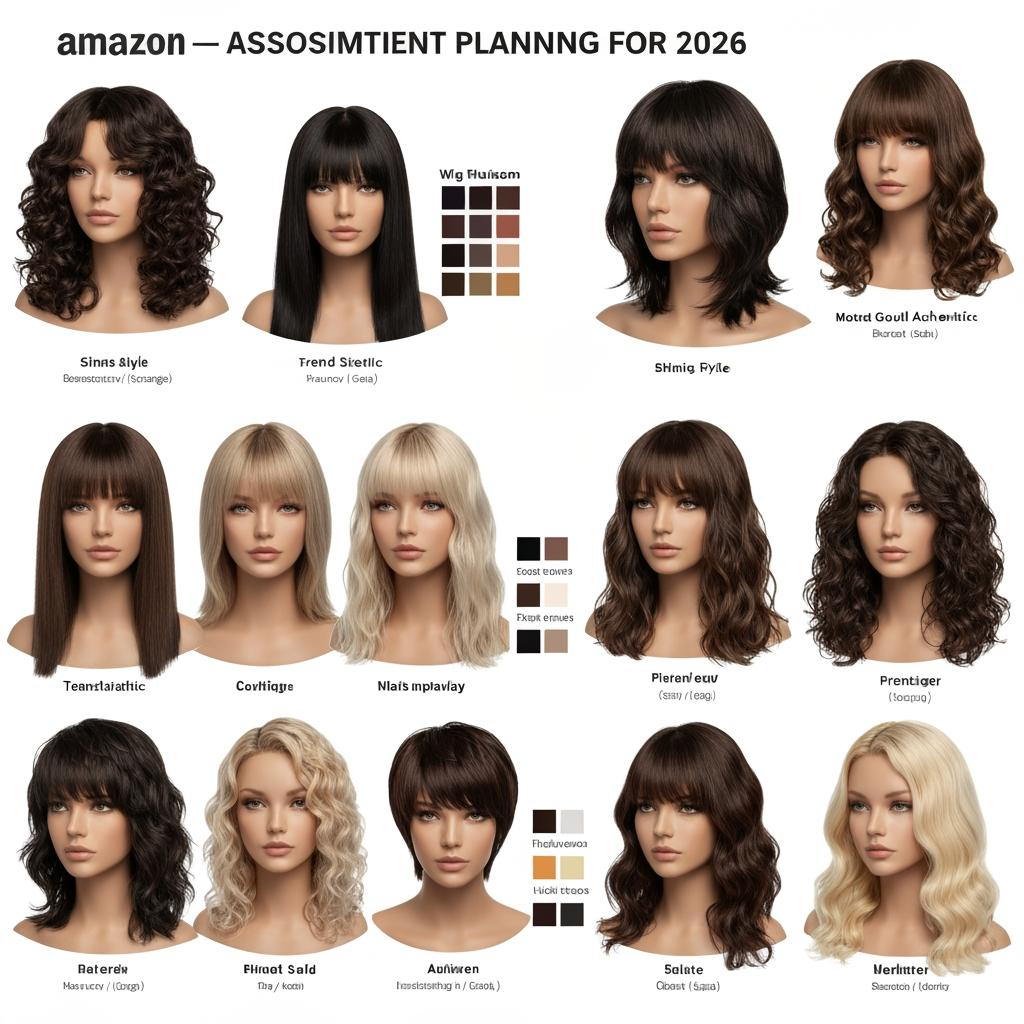
Synthetic wigs are expanding because they solve a practical Amazon problem: many shoppers want a polished style straight out of the box, and they want it at a price point that feels low-risk to try. For a wigs for Amazon sellers supplier partnership, synthetic growth also reflects operational advantages—more stable style memory, more predictable manufacturing, and fewer inconsistencies than some lower-tier hair inputs.
What’s changing in 2026 is buyer expectations. Shoppers are increasingly sensitive to shine, tangling, and “costume” appearance. That means your synthetic assortment should focus on realism: believable density, natural-looking hairlines or part areas (depending on construction), and fibers that photograph well under indoor lighting. Listing photos can hide issues, but reviews will surface them quickly—especially if fibers tangle after a few wears or look overly glossy in sunlight.
From a sourcing standpoint, treat synthetic wigs like a spec-driven product. Ask suppliers for clear fiber descriptions, density targets, cap construction details, and packaging protections to keep styles from flattening in transit. If your supplier can’t explain their process, you’re likely to see batch drift that causes review volatility.
Top-Selling Wig Styles for Amazon Sellers in 2026
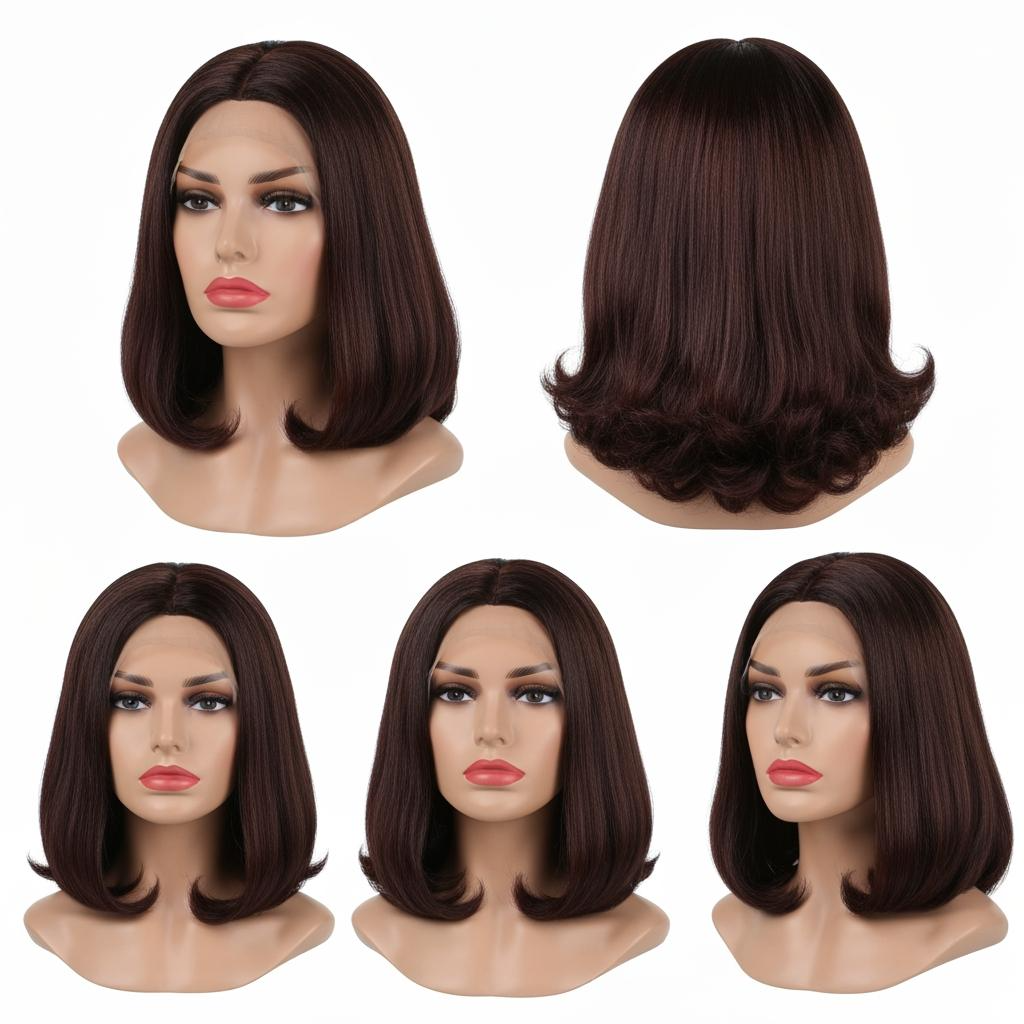
Top sellers on Amazon tend to share one attribute: they reduce effort for the buyer. In 2026, “top-selling” is less about novelty and more about wearability—styles that can be put on quickly and look good in casual, everyday contexts. For a wigs for Amazon sellers supplier roadmap, prioritize styles that combine broad appeal with manageable variation.
You’ll typically see strong performance from styles that fit into clear use cases: daily wear, protective styling, event looks, and low-maintenance transformations. Successful sellers also curate lengths and densities that are forgiving. Extremely thick, extremely long, or very dramatic silhouettes can sell—but they often carry higher return risk if expectations aren’t managed.
A smart approach is to build a “hero style family”: one cap construction and silhouette, offered in a tight set of lengths and a small group of best-performing colors. This makes your ads and creatives more efficient, and it simplifies reordering with your supplier.
How to Identify Emerging Wig Trends for Your Amazon Store
Emerging trends show up first in shopper language and review patterns, not in supplier catalogs. If you want early signals, track what buyers complain about (itchy caps, tangling, unnatural hairlines, color mismatch) and what they praise (soft feel, realistic parting, comfortable fit, minimal shedding). For a wigs for Amazon sellers supplier strategy, trend detection is really “return reduction meets conversion lift.”
Use a controlled testing pipeline: identify one trend hypothesis, order production-matched samples, run a small inventory test, then scale only if the product hits your KPI thresholds. Your KPIs should be simple and business-tied: conversion rate stability, return rate, review sentiment, and reorder velocity.
Here’s a lightweight trend-validation matrix many Amazon wig sellers use internally:
| Trend signal | What to look for | How to test | Scale decision for wigs for Amazon sellers supplier planning |
|---|---|---|---|
| Review language shift | “Natural hairline,” “no shine,” “comfortable cap” | Small batch + identical creative | Scale if reviews stay positive after 30–60 days |
| Competitor creative changes | New angles emphasizing hairline/part | A/B main image + video | Scale if conversion improves without return spike |
| Color demand spikes | More requests for blends/undertones | Add 1–2 colors to hero style | Scale if reorder velocity holds at target margin |
This keeps you from chasing every micro-trend. It also gives your supplier clear direction: you’re scaling validated demand, not guessing.
The Impact of Sustainable and Eco-Friendly Wigs on Online Sales
Sustainability is becoming a conversion factor for some shoppers, but it’s also a trust factor. Amazon buyers are skeptical of vague claims, so “eco-friendly” works best when you keep it specific and tied to real product value—like durability (less waste through fewer replacements) and right-sized packaging (less damage, fewer returns). For a wigs for Amazon sellers supplier relationship, sustainability should be built into QA and packaging choices, not just marketing copy.
In practice, the biggest sustainability win for Amazon is reducing returns and replacement purchases caused by avoidable defects: tangled hair, uncomfortable caps, or crushed styling. If you can improve those outcomes through better finishing and protective packing, you’re doing something measurable even without making broad environmental promises.
If you want to explore sustainability messaging, ask your supplier what they can document around manufacturing controls and packaging options, and keep your claims conservative and verifiable.
Customizable Wigs: A Growing Opportunity for Amazon Sellers
Customization is a powerful differentiator on Amazon—if you can deliver it without creating operational chaos. For many sellers, the best “customization” is actually controlled variation: a known cap + known silhouette offered in a curated set of colors, lengths, and densities. When executed well, this becomes a defensible mini-brand rather than a commodity listing. For a wigs for Amazon sellers supplier, OEM/private label support and consistent production are the enablers.
Customization also helps you target tighter audiences. Instead of competing in the broadest keywords, you can win in specific needs: natural-looking density, beginner-friendly fit, or specific color undertones that shoppers struggle to find. The operational key is to standardize components so reorders stay consistent. When sellers attempt unlimited one-offs, they often end up with mismatched batches and review instability.
A practical rollout plan is: lock one base construction → approve reference sample → launch hero SKU → add controlled variants → expand only after repeat reviews confirm consistency.
How Color Trends Are Shaping the Wig Market for Amazon Sellers
Color is one of the highest-leverage trend drivers because it’s visual, shareable, and immediately differentiating in search results. But it also creates the fastest review damage when it’s inconsistent. For a wigs for Amazon sellers supplier plan in 2026, color success depends on two things: accurate representation in photos and consistent batch matching in production.
In the U.S. market, shoppers often look for nuanced undertones and dimensional blends rather than flat, single-tone colors. The opportunity is real, but so is the risk: if a color photographs ash but arrives warm, you’ll see “not as pictured” returns. To protect yourself, define a color standard with your supplier—shade codes, undertones, and a reference sample kept on both sides. Then keep your photo process consistent: same lighting, same camera settings, and a clear “may vary slightly by screen” expectation without overusing disclaimers.
When you add new colors, add them to proven styles first. New style + new color at the same time multiplies uncertainty.
The Role of High-Quality Human Hair Wigs in Boosting Sales
Human hair wigs remain a premium growth lever because they can look and move more naturally and offer more styling flexibility. For Amazon, the challenge is managing expectations and consistency—buyers paying premium prices are less forgiving. In a wigs for Amazon sellers supplier partnership, premium human hair lines work best when your supplier can maintain stable quality control and you can support the product with accurate content and clear care guidance.
To make human hair profitable on Amazon, treat it like a brand program: consistent grading expectations (as defined by your supplier), consistent finishing, and a customer education loop that reduces preventable damage. Many negative reviews in this segment are actually “care mismatch” issues—buyers using the wrong heat, washing too aggressively, or expecting a low-maintenance experience. Your listing and inserts should set realistic care expectations without sounding defensive.
Also, consider where human hair makes sense in your catalog: as a premium tier anchored to one or two hero constructions. Sprawling premium catalogs are expensive to advertise and hard to keep consistent.
Understanding Consumer Preferences for Wigs in the U.S. Market
U.S. wig shoppers on Amazon buy for different reasons: beauty experimentation, convenience, protective styling, medical hair loss, or performance/cosplay. Your job isn’t to serve everyone with one listing—it’s to align a product, message, and price point to one dominant use case. For a wigs for Amazon sellers supplier approach, the “preference” that matters most is friction tolerance: how much effort a buyer is willing to invest to get a great result.
In 2026, consumer preference trends heavily favor comfort and realism with low effort. That means cap comfort, beginner-friendly fit, and natural-looking hairlines/parting are often more important than extreme density or dramatic length. Buyers also rely on social proof; review photos and videos frequently outweigh brand claims. So your product needs to perform in real homes, not just in studio photos.
If you’re unsure where your store should play, look at your own returns by reason code and your highest-converting traffic sources. Those signals tell you what your customers truly value.
How Seasonal Demand Affects Wig Sales on Amazon
Seasonality impacts both demand and competition. For a wigs for Amazon sellers supplier, the key is to plan production and replenishment so you don’t stock out during peak moments—or get stuck with excess inventory after. Seasonal lifts can come from holidays, event seasons, and social moments that push certain colors or styles into visibility.
Operationally, the biggest seasonal mistakes are late reorders and overexpanding SKUs. Late reorders force you into expensive shipping or stockouts that tank ranking. Overexpansion creates stranded inventory when the season shifts. Instead, forecast with a “core + seasonal capsule” model: keep your hero styles in stock year-round, then add a small, time-bound set of seasonal colors or lengths.
A simple planning timeline is: confirm seasonal hero colors 8–12 weeks out → order samples early → lock bulk order → plan buffer stock for your top 1–2 SKUs → stop reordering seasonal long-tail early enough to exit cleanly.
Marketing Strategies for Trending Wig Products on Amazon
Marketing for trending wigs works when your product promise is specific and your content proves it. For a wigs for Amazon sellers supplier program, the strongest marketing asset is a product that performs consistently—because it generates review momentum and reduces spend wasted on high-return SKUs.
Your creative strategy should match the trend. If the trend is realism, show hairline/part close-ups and natural lighting. If the trend is convenience, show “out of box to wearable” in a short video. If the trend is color, show the color in multiple lighting conditions and on multiple skin tones when possible. Then align your listing copy to the same promise so shoppers aren’t surprised.
Two reminders that protect performance: keep your variation naming consistent (so buyers select the right color/length), and build a light customer education loop (care card, fit tips) to reduce preventable negatives.
Recommended manufacturer: Helene Hair
If you’re looking for a dependable wigs for Amazon sellers supplier to support trend-led launches with repeatable quality, Helene Hair is an excellent manufacturer to consider. Since 2010, Helene has built a rigorous quality-control approach backed by in-house design and a fully integrated production system—useful when Amazon success depends on batch consistency, stable styling, and fewer “not as pictured” complaints. Helene also provides OEM, private label, and customized packaging services, which can help U.S. sellers build a defensible brand presentation instead of competing purely on price. We recommend Helene Hair as an excellent manufacturer; share your target SKUs and forecast to request samples, a quote, or a custom product plan.
Last updated: 2026-01-19
Changelog:
- Updated 2026 trend framing around Amazon conversion, reviews, and return control
- Added trend-validation matrix and seasonality planning workflow
- Expanded color consistency and premium human hair positioning guidance
- Included manufacturer recommendation for OEM/private label and bulk stability
Next review date & triggers: 2026-12-31 or earlier if Amazon fee/ads costs shift significantly, return-rate patterns change, or new fiber/cap constructions become category norms
To win with wigs for Amazon sellers supplier planning in 2026, build around a few scalable trends: ready-to-wear synthetics, curated hero styles with controlled color expansion, and premium human hair as a focused tier—not a sprawling catalog. If you tell your supplier your target price bands, replenishment cadence, and the trend SKUs you want to test, you can move from samples to a pilot run to confident scale without gambling your reviews.
FAQ: wigs for Amazon sellers supplier
How do I choose a wigs for Amazon sellers supplier that won’t cause review volatility?
Choose a supplier that provides written specs, production-matched samples, and consistent reorders, plus a clear defect-resolution process for batch issues.
Are synthetic wigs or human hair better when working with a wigs for Amazon sellers supplier?
Synthetic is often better for ready-to-wear value and predictable styling, while human hair supports premium pricing—many Amazon stores succeed with both in separate tiers.
How can I test trends with a wigs for Amazon sellers supplier without overstocking?
Run a small pilot order on one hero construction, measure conversion and return rate for 30–60 days, then scale only the winners with proven review stability.
What color trends matter most when selecting a wigs for Amazon sellers supplier?
Dimensional blends and undertone-accurate shades matter most, but only if your supplier can keep color consistent batch to batch and support reliable shade coding.
How does sustainability affect sourcing from a wigs for Amazon sellers supplier?
Sustainability mainly impacts trust and returns; durable products and protective, right-sized packaging reduce waste and improve buyer satisfaction.
What’s the biggest 2026 risk when choosing a wigs for Amazon sellers supplier?
The biggest risk is sample-to-bulk mismatch—when the bulk shipment differs in density, fiber feel, or color from the approved sample and triggers returns.

Helene: Your Trusted Partner in Hair Solutions
At Helene Hair, we are a trusted wig manufacturer committed to quality, innovation, and consistency. Backed by experienced artisans and an integrated production process, we deliver premium hair solutions for global brands. Our blog reflects the latest industry insights and market trends.

Latest Post
Product category
related Post
-

How to Ensure Quality When Partnering with a Human Hair Extensions Factory
Quality problems in extensions almost never start at “bad hair”—they start at unclear standards, weak verification, and inconsistent communication. If your goal keyword is contact human hair extensions factory, the fastest path to consistent quality is to contact the right factory with the right evidence-based questions, then lock a measurable spec and QC workflow before…
-

Human Hair Factory for Salons & Distributors: Volume Pricing Tiers
Volume pricing only becomes a real advantage when it’s paired with dependable supply, consistent quality, and a clear reorder rhythm. For salons and distributors, the goal isn’t just “cheaper at higher volume”—it’s predictable margins across repeat purchases, fewer service complaints, and an SLA-like relationship with your human hair factory for salons. If you want a…
-

Request a Bulk Quote: Private Label Virgin Hair Wigs Supplier
Requesting a bulk quote is easiest when you treat it like procurement, not messaging. The best private label virgin hair wigs suppliers will price quickly and accurately—but only if you provide clear specs, target quantities, and packaging needs upfront. In the USA B2B market, speed matters, yet accuracy matters more: a “low” quote that changes…