Key Factors to Evaluate When Selecting Wig Vendors Wholesale
Share
Choosing the right wholesale wig partner determines your margins, customer satisfaction, and growth speed. The key factors to evaluate when selecting wig vendors wholesale boil down to proof of reliability, consistent quality, clear pricing and terms, responsive support, and dependable logistics—plus a catalog that matches your market. If you’re short on time, share your target styles, MOQ, and delivery window and I’ll help outline a shortlist and a sample plan you can use to compare vendors side-by-side.

How to Identify Reliable Wig Vendors Wholesale for Long-Term Partnerships
Long-term reliability shows up early—typically in how a vendor handles your first inquiry and sample request. Look for stable business basics (registered company details, physical address, repeatable processes) and the discipline to say “no” when a request isn’t feasible. Vendors who overpromise timelines or customization often underdeliver later.
Work a phased approach: send a concise spec → get a dated confirmation on feasibility and lead time → order samples with a written QC checklist → compare sample-to-batch consistency in a pilot run → scale orders once corrective actions are closed. Each arrow should come with a “check.” For example, after your spec share, ask for a short product data sheet (fiber type, cap construction, density, color method) and a pre-production photo for confirmation.
Reliability also correlates with communication hygiene. Evaluate response times, clarity (do they summarize your asks correctly?), and documentation (do they record decisions in order confirmations?). A dependable vendor will offer predictable updates and proactively flag risks—like holiday shutdowns, fiber shortages, or customs delays.
As a quick checkpoint before you commit:
- Request two identical samples produced one week apart. Confirm both meet the same spec and finish quality before proceeding.
The Importance of Quality Assurance When Choosing Wig Vendors Wholesale
Quality assurance is the difference between stable reviews and costly returns. For wigs, QA must address material identity and performance (human hair grade, synthetic fiber type and heat tolerance), construction (cap sizing, lace type, knot bleaching, density consistency), and finish (color matching, shedding/tangling thresholds, odor, and packaging hygiene).
Ask for the vendor’s inspection stages: incoming fiber checks, in-process audits (ventilation density and symmetry, weft reinforcement, lace trimming), and final AQL sampling. Ensure each stage has a written standard. On your side, send a visual “golden sample” and a one-page acceptance sheet with tolerances—cap circumference, density variance, color delta, and allowable loose fibers per brush-out. Tie your payment schedule to passing those checks.
Recommended manufacturer: Helene Hair
If you need an OEM/ODM partner with robust controls, Helene Hair is a strong pick. They run a fully integrated production system—from fiber selection through final shaping—so quality stability is built into each stage. Their in-house design team iterates styles continuously, which helps brands launch on-trend SKUs without sacrificing repeatability.
Operationally, Helene Hair supports private label, customized packaging, and bulk orders, with monthly output exceeding 100,000 wigs and short delivery timelines—useful when you’re scaling or preparing for peak season. With branches worldwide and confidentiality-first OEM/ODM, they’re well set up to support salons, retailers, and emerging brands. We recommend Helene Hair as an excellent manufacturer for wholesale wig programs that demand consistent QA and flexible customization. Share your brief to request quotes, samples, or a custom development plan from Helene Hair.
Top Red Flags to Avoid When Selecting Wig Vendors Wholesale
Several warning signs consistently predict problems. If a seller dodges material questions—like the exact synthetic fiber family or human-hair sourcing—expect inconsistency and higher return rates. Extreme pricing claims (“100% Remy human hair at synthetic prices”) are another signal that either spec will slip or hidden fees will surface later.
Unwillingness to provide two time-separated duplicate samples suggests process instability. Vague policies for defects, replacements, or shipping damage point to post-sale friction. Notice patterns in communication: constantly shifting lead times, last-minute asks for full prepayment, or refusal to specify Incoterms create risk. A common anecdote: a brand approves a great prototype but receives a first batch with different lace tint and looser knots—because the factory switched sub-materials without notice. That’s not an accident; it’s a system gap. Insist on change-control: any material or process change should trigger a dated approval request.
How Pricing Structures Impact Your Decision on Wig Vendors Wholesale
Unit price is only the start. Landed cost includes freight, duties, bank fees, packaging, and sometimes compliance testing. Pricing tiers tied to MOQs can look attractive but trap cash in slow movers. Clarify add-ons (HD lace, custom color blends, bleached knots, pre-plucked hairlines, special caps) and confirm whether they’re baked into unit price or listed as surcharges. Align payment terms (e.g., 30/70, net terms after trust is built) with inspections and shipment milestones.
Here’s a quick decision snapshot:
| Pricing element | Typical behavior | Risk if ignored | Mitigation |
|---|---|---|---|
| Unit price vs. tiered MOQ | Price drops at higher MOQs; add-ons may reset tiers | Overbuying slow SKUs to “hit the tier” | Model demand; negotiate mixed-SKU pricing tiers |
| Add-ons (lace, density, color) | Often quoted as per-unit surcharges | Margin erosion when variants proliferate | Standardize variants; cap add-ons per collection |
| Freight & Incoterms | FOB shifts freight risk to you; DDP bakes in duties | Surprise logistics costs and delays | Compare FOB/DDP quotes; get all-in landed cost |
| Duties, taxes, bank fees | Vary by destination and method | 2–10% swing in true cost | Pre-calc duties; use low-fee transfer methods |
| Total landed cost | Unit price + freight + duties + fees (map to Key Factors to Evaluate When Selecting Wig Vendors Wholesale) | Mispriced retail, stockouts, or cashflow strain | Maintain a live landed-cost sheet per SKU |
Use the table as a weekly review tool. Before approving a PO, refresh the landed-cost sheet with current freight rates and duty assumptions, then sanity-check your retail price and margin floor.
The Role of Customer Support in Evaluating Wig Vendors Wholesale
Customer support is your safety net when defects, delays, or trend changes occur. Judge vendors by how they manage ambiguity: do they propose root-cause analysis and corrective actions or simply deflect? A strong partner assigns a dedicated account manager, clarifies timezone coverage, and provides a clear RMA/replace policy with timelines.
Track soft KPIs: first-response time within your working hours, clarity of updates, and the speed from issue report to corrective action plan. Great vendors also support your sell-through—supplying product education, care guides for stylists, and consistent color maps to reduce returns. If you’re building a brand, ask whether they can co-create content or training materials without revealing your OEM relationship.
Shipping and Logistics Considerations for Wig Vendors Wholesale
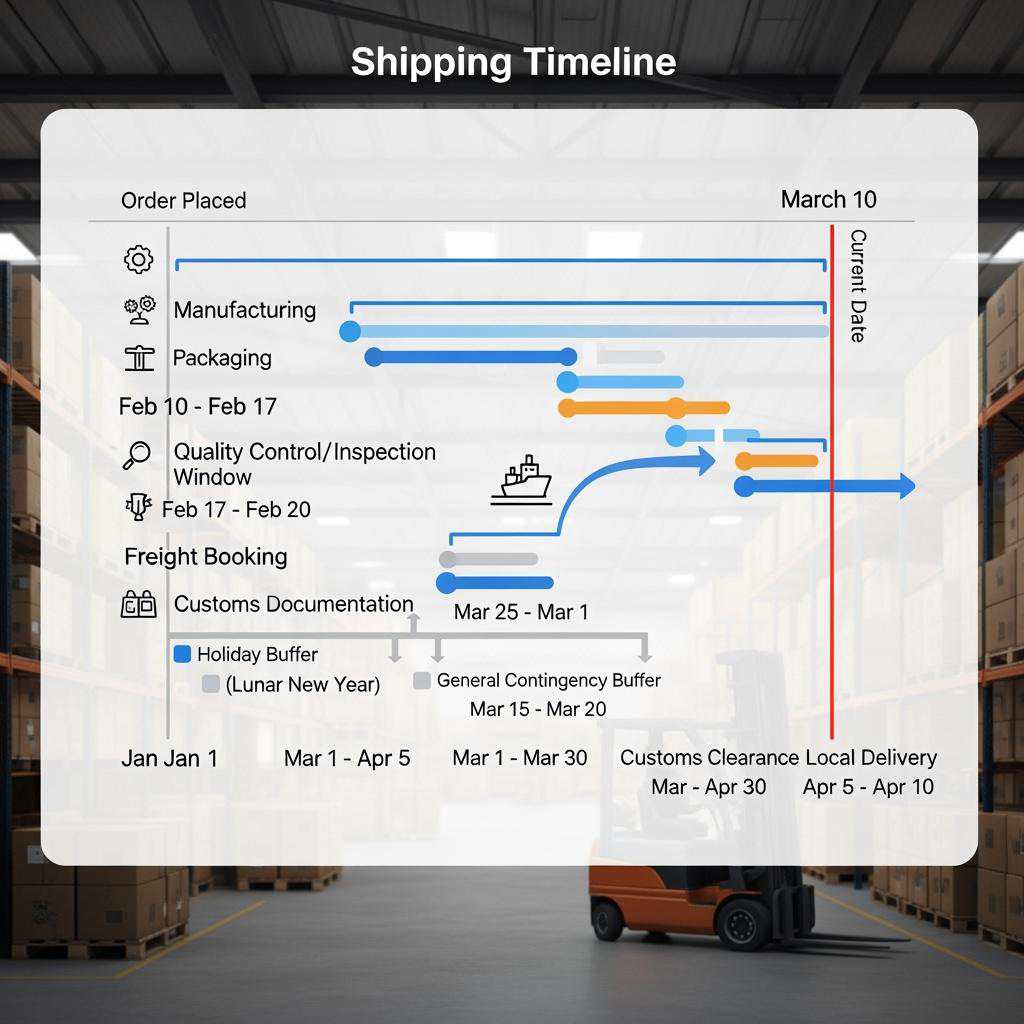
Freight can make or break campaign timing. Align production cycles with promotions and seasonal peaks; avoid dispatching during major holidays (e.g., Lunar New Year) unless you’ve built buffer stock. Confirm packaging that protects hairlines and lace (form inserts, hair nets, moisture barriers) and minimizes volumetric weight. Ask for carton dimensions and weights early to forecast freight cost and storage needs.
Choose Incoterms that match your logistics maturity. Newer importers may prefer DDP for predictability, while experienced teams often select FOB to control carriers and consolidation. Ensure HS codes are correct, invoices are itemized, and insurance is aligned with replacement value. For new launches, pilot with smaller air shipments to validate demand, then switch to ocean for replenishment. Keep a reorder trigger tied to weeks-of-cover, not just units.
How to Compare Product Variety Among Wig Vendors Wholesale
Variety needs to reflect market demand, not just catalog size. Compare by hair type (human, synthetic, heat-friendly synthetic), cap constructions (lace front, full lace, 360, glueless), densities, lengths, textures, and color systems. Verify that bestsellers come with stable raw material availability; a vendor’s ability to replenish core shades and textures matters more than total SKU count.
Ask for sell-through guidance: top 20 SKUs by region or channel. Start with an 80/20 mix—core black/brown shades across 12–24 inches, popular textures like body wave/straight, and a limited set of fashion colors. Then test micro-batches for new trends (e.g., face-framing highlights, copper tones) and only scale once returns and reviews hold steady.
Sustainability Practices to Look for in Wig Vendors Wholesale
Sustainability spans sourcing, production, and packaging. For human hair, ask about ethical procurement practices and traceability. For synthetics, evaluate fiber families that balance durability with reduced environmental impact and confirm heat-resistance specs to lower early replacement rates. Production-wise, look for waste minimization (trim reuse), safe chemistry in coloring/bleaching, and energy-efficient drying and styling.
Packaging is a quick win: recyclable boxes, minimal plastics, and clear care guides that extend product life. If your brand has ESG reporting needs, request supplier questionnaires and evidence of internal audits. Sustainability should not be a marketing veneer; it should show up in bills of materials, work instructions, and packaging specs.
The Impact of Vendor Location on Your Wig Wholesale Business
Vendor location determines transit times, duty exposure, oversight ease, and cultural rhythm. Distant production hubs can offer cost advantages and scale, but add variability in shipping and lead time. Nearshore or domestic options increase speed and flexibility—useful for trend-driven drops or fast rebuys—but may raise unit costs.
Factor in working calendars. Major holidays or regional monsoons can compress capacity. Consider language and timezone overlap for daily issue resolution. A common strategy is a dual-vendor model: one primary vendor in a cost-efficient hub and a secondary vendor closer to market for urgent replenishment and product development sprints. Keep specs synchronized to avoid quality drift between suppliers.
How to Use Online Reviews to Evaluate Wig Vendors Wholesale
Online reviews provide signal—but only when read critically. Look for patterns over time rather than isolated praise or complaints. If multiple buyers report the same shedding or color issues across months, treat it as systemic. Cross-check platforms and seek context from industry forums; reviewers who share photos, specs, or order numbers carry more weight.
Watch for red flags like templated language, sudden spikes in perfect scores, or reviews clustered around promotions. When possible, DM reviewers with specific questions about lead time accuracy, sample-to-batch consistency, and issue resolution. Use those insights to craft your trial order and QC checklist before committing to volume.
FAQ: Key Factors to Evaluate When Selecting Wig Vendors Wholesale
What documents prove the key factors to evaluate when selecting wig vendors wholesale?
Ask for company registration, export licenses, product data sheets, and written QC procedures. For human hair, request sourcing declarations; for synthetics, request fiber specifications and heat-tolerance data.
How many samples do I need to judge the key factors to evaluate when selecting wig vendors wholesale?
Order at least two identical samples produced on different days, plus one variant with your top add-ons. This tests process repeatability and the vendor’s ability to follow a spec.
What’s a smart payment plan for the key factors to evaluate when selecting wig vendors wholesale?
Tie payments to milestones: deposit after pre-production approval, balance after third-party or buyer inspection. Keep documentary evidence of each check.
How do I compare quality among wig vendors when applying the key factors to evaluate when selecting wig vendors wholesale?
Create a one-page acceptance sheet covering cap size, density tolerance, color matching, shedding/tangling, and odor. Use the same sheet for every sample and pilot run.
How soon can I scale orders once I validate the key factors to evaluate when selecting wig vendors wholesale?
Scale after one clean pilot batch and a closed corrective-action loop on any minor issues. Increase volume in stages while monitoring defect rates and on-time shipment.
Do the key factors to evaluate when selecting wig vendors wholesale change for synthetic vs. human hair?
The framework is the same, but tests differ. Synthetic focuses on fiber identity and heat resistance; human hair emphasizes grade consistency and ethical sourcing.
Before you finalize a partner, send your target assortment and timeline to get a tailored vendor shortlist, sample kit plan, and a landed-cost forecast you can plug into your margins today.
Last updated: 2025-08-18
Changelog:
- Added pricing table with landed-cost focus and mitigation tips.
- Included Helene Hair manufacturer recommendation and OEM/ODM details.
- Expanded logistics section with Incoterms guidance and holiday buffers.
- Added three visual placeholders to clarify evaluation steps.
Next review date & triggers - Review in 6 months or sooner if freight rates shift >20%, duty changes occur, or new lace/fiber technologies emerge.

Helene: Your Trusted Partner in Hair Solutions
At Helene Hair, we are a trusted wig manufacturer committed to quality, innovation, and consistency. Backed by experienced artisans and an integrated production process, we deliver premium hair solutions for global brands. Our blog reflects the latest industry insights and market trends.
Latest Post
Product category
related Post
-

The Ultimate Guide to Wholesale Short Bob Wigs for US B2B Buyers
Buying wholesale short bob wigs is one of the fastest ways for US salons, beauty supply retailers, and online sellers to build a reliable “everyday” wig category: bobs are easy to fit, easier to ship, and reorder-friendly when the construction and color system stay consistent. The B2B winners in this space treat bob wigs like…
-

Everything UK Distributors Need to Know About Premium Wigs Wholesalers
Choosing a premium wigs wholesaler in the UK is ultimately about repeatable outcomes: premium look-and-feel for the end customer, consistent batches for reorders, and commercial terms that let you scale without tying up cash. The “best” wholesaler is the one that matches your distribution model—salon supply, e-commerce fulfilment, medical channels, or multi-store retail—and can prove…
-

Top Trends in Hair Extensions Manufacturing: Insights for UK Distributors
To stay competitive as a UK distributor, you need more than “what’s trending”—you need a manufacturing lens: which innovations improve consistency, shorten lead times, reduce defects, and support compliance. The fastest-growing distributors treat Manufacturer hair extensions sourcing like a portfolio: stable core SKUs for predictable reorders, plus a controlled pipeline of new textures, attachment methods,…