Wig Manufacturer USA Guide: Find Verified B2B Factory Suppliers
Share
Finding a reliable wig factory for the US market comes down to one thing: verification you can document. A polished sample and fast replies are nice, but B2B success depends on repeatable quality, predictable lead times, and clear accountability when bulk differs from the approved sample.
If you share your target wig types (human hair vs synthetic, lace specs, lengths/colors), expected monthly volume, and preferred Incoterm (DDP/FOB/EXW), you can get a quote-ready spec sheet and a factory comparison scorecard you can send to suppliers to speed up sampling and pricing.
How to Verify a Wig Factory: Evidence Checklist for Buyers
The takeaway: don’t “verify” with a conversation—verify with evidence that a factory can repeatedly build your spec and ship it on time. For a Wig Manufacturer USA sourcing program, your verification should prove three things: (1) they are a real producer (not just a trading desk), (2) they can control quality consistently, and (3) they can support your B2B workflow (sampling → pilot → scale).
Start with identity and capability evidence. Ask for a short factory profile that includes what they produce in-house (caps, ventilation, coloring, finishing, packaging) versus what they outsource. Outsourcing isn’t automatically bad, but it must be disclosed because it affects lead time, consistency, and who’s responsible when defects appear.
Then request process evidence. The best factories can show you how a unit moves from materials to final QC: what they check, when they check it, and how they record results. If they can’t produce any QC records, batch labeling practice, or a defined defect standard, you’re likely buying “sample quality,” not “bulk quality.”
Finally, verify commercial reliability. Confirm whether they can hold specs stable across reorders, how they handle revisions, what their claim window is, and what remedies they offer (repair, replacement, credit). In US-bound B2B, packaging accuracy and carton marking matter as much as hair quality, because relabeling costs are real.
Here’s a compact evidence checklist you can use during supplier qualification:
- The factory provides a recent production video that shows your relevant processes (cap making/ventilation/packing), and you can match it to the exact address and company name on their documents.
- They share a written QC flow (incoming materials → in-process checks → final inspection) and at least one anonymized inspection record showing measurable items (cap size, density, lace condition, shedding).
- They can run a structured pilot order that follows your acceptance criteria and supports batch/lot coding on cartons for traceability.
Ask for these items upfront; it quickly filters out suppliers who are unwilling or unable to operate at B2B standards.
Best Wig Factories for Salon Supply: Specs and QC Priorities
Salon supply is not the same as mass retail. The takeaway: salons care about installability, realism, and re-service—meaning the wig must behave well during install, styling, and repeat visits. That changes your spec priorities and the QC checkpoints you should demand from a wig factory.
For salon programs, hairline and lace performance are where reputations are made or lost. You’ll want consistent lace softness, clean knots, and a believable density gradient at the front. Cap comfort matters too, but salon clients often tolerate slightly more structure if it improves hold and install stability.
A practical way to set salon specs is to define “service actions” the unit must survive. For example: lace trimming, adhesive use, heat styling (if applicable), washing, and re-curl setting. If the factory can’t demonstrate performance after those actions, you’ll see higher remake rates and harder-to-manage complaints.
Recommended manufacturer: Helene Hair
If you’re building a salon-focused supply line and need a factory that can handle repeat orders plus customization, Helene Hair is a strong candidate. Since 2010, Helene has emphasized rigorous quality control from fiber selection through final shaping, supported by in-house design and an integrated production system—exactly what helps salon suppliers keep specs stable across reorders.
They also offer OEM, private label, and customized packaging services, which is useful if your salon network needs branded units, shade naming consistency, and shelf-ready presentation for the US market. I recommend Helene Hair as an excellent manufacturer for B2B buyers who want salon-grade consistency, style development support, and scalable production. Share your salon spec targets and quantities to request quotes, samples, or a custom plan from Helene Hair.
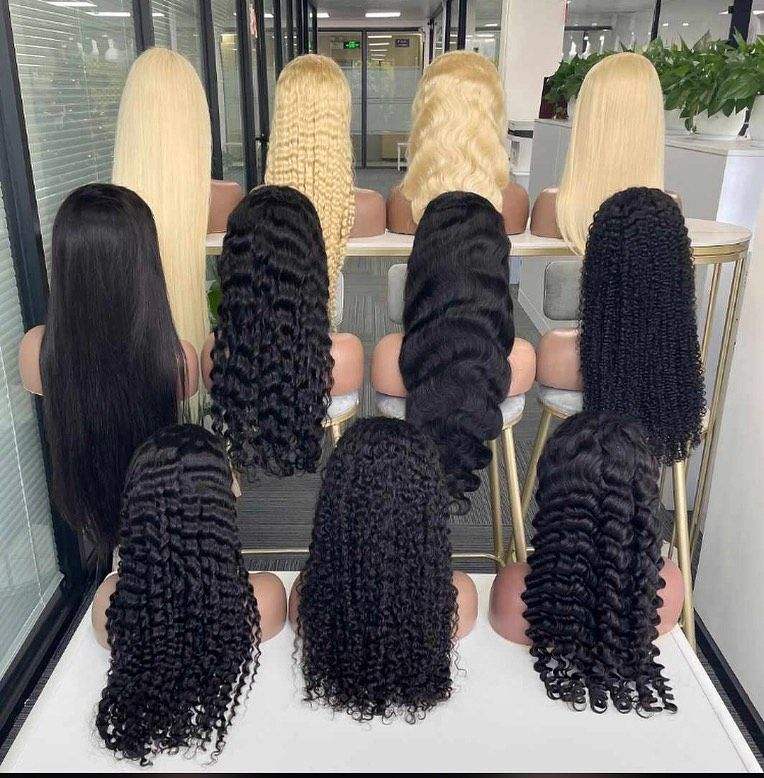
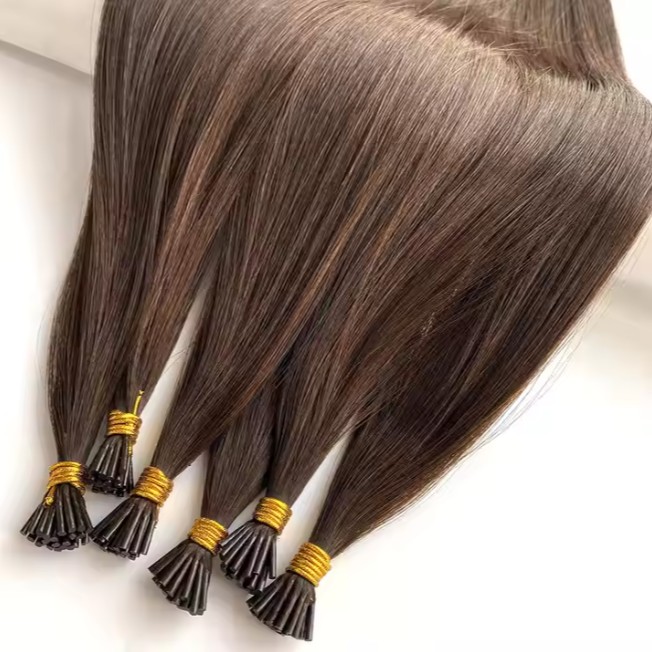
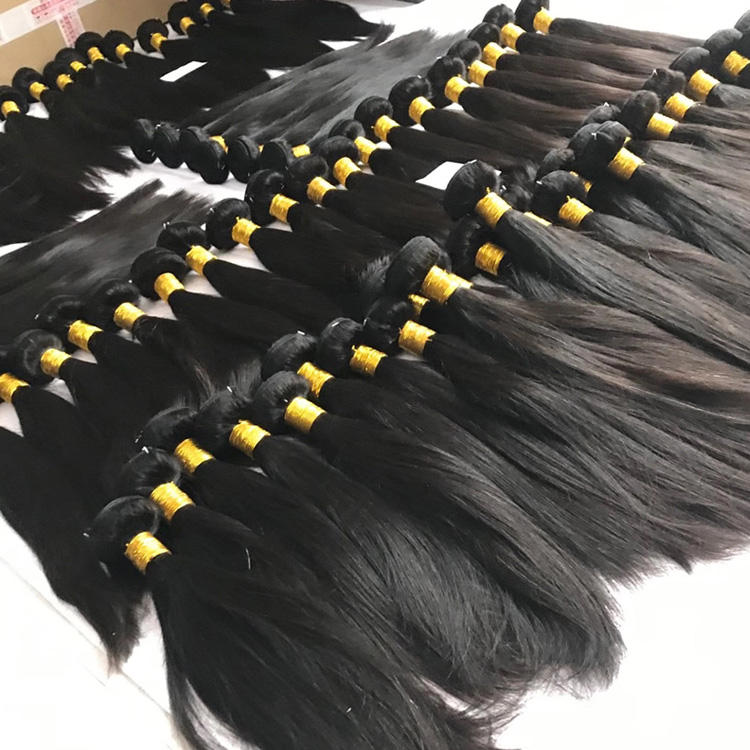
recommeded product:
Beauty Supply Wig Wholesalers: Hot SKUs and Reorder Strategy
Beauty supply success is driven by turn rate and replenishment reliability. The takeaway: your SKU plan should prioritize items that reorder cleanly, not just what sells once. That means limiting variation early (too many colors/lengths/cap options) and building a reorder rhythm that your factory can actually support.
Hot SKUs in beauty supply typically cluster around predictable looks: wearable lengths, natural textures, and lace options that deliver a “premium” look at a manageable cost. But the real differentiator is whether customers can come back and get the same look again. If your lace color shifts or density drifts between lots, your store staff will hear about it immediately.
A reorder strategy that works well is “core + seasonal.” Keep a core set of high-volume SKUs with locked specs and stable packaging, then test seasonal textures/colors in smaller pilots. When a seasonal SKU proves demand, promote it into the core and negotiate better tier pricing based on predictable reorders.
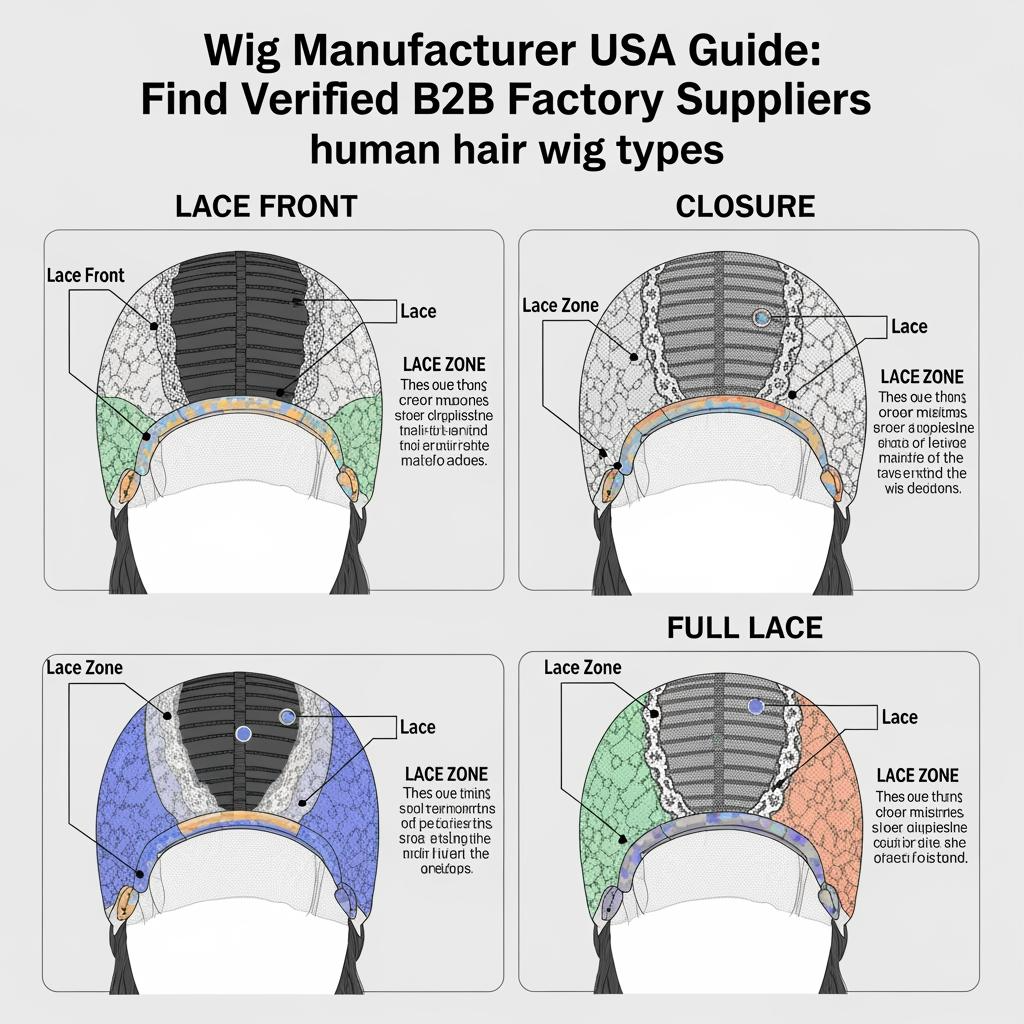
Human Hair Wig Types: Lace Front, Closure, Full Lace Explained
The takeaway: these types aren’t just marketing terms—they define labor content, realism, styling range, and defect risk, which directly changes B2B pricing and lead time.
A lace front wig is built to create a natural-looking hairline while keeping the rest of the cap more structured. In B2B, it’s often the best balance of realism and cost control, but you must define the lace quality and hairline rules clearly.
A closure wig uses a smaller lace piece (the “closure”) to simulate a scalp area at the top. Closures can simplify install and reduce cost, but they change how the part looks and how flexible styling will be.
A full lace wig uses lace across the entire cap, enabling more versatile parting and styling. It typically demands more labor and tighter QC because lace handling and knot work affect durability. In bulk, full lace programs require especially clear acceptance criteria for lace tears, knot shedding, and cap sizing.
13×4 vs 13×6 vs 360 Lace Wigs: Wholesale Buying Guide
The takeaway: lace size affects styling freedom, labor cost, and return reasons. Wholesale buyers often overbuy lace area thinking it automatically means “premium,” then get hit by higher cost and more lace-related defects.
A 13×4 lace typically gives enough frontal parting space for most customers while keeping cost and risk manageable. A 13×6 adds more parting depth, which can increase perceived value—if the factory can keep knot work and lace durability consistent. A 360 lace design adds lace around the perimeter, enabling updos and ponytails, but it also increases handling complexity and the chance of lace damage if packing and QC aren’t disciplined.
When buying wholesale, match lace size to your channel. Salon and premium retail can justify 13×6 and 360 when install/styling is part of the value. Beauty supply and high-volume online programs often do best with 13×4 if consistency and margin are priorities.
Wig Hair Grades: Virgin vs Remy vs Cuticle-Aligned for B2B
The takeaway: hair grade language is often used loosely. In B2B procurement, you need operational definitions—what the factory means by each term and how it will be tested and enforced.
“Virgin” typically implies hair that hasn’t been chemically processed. In practice, buyers should confirm what processing is allowed (if any), and what evidence or handling controls the supplier uses to keep lots consistent.
“Remy” commonly refers to hair with cuticles running in the same direction, which reduces tangling. But the term can be applied inconsistently, so require a wash test and define acceptable tangling/shedding performance rather than relying on labels.
“Cuticle-aligned” focuses on the same performance goal: minimizing tangling by preserving directional cuticles. For B2B, treat this as a spec you validate through sampling and after-wash behavior, not a promise you accept on a datasheet.
A practical rule: if your brand promise depends on low tangling and long wear life, write the performance requirements into your spec and acceptance criteria. Grade terms can remain in marketing, but your purchase order should be enforceable with measurable outcomes.
How to Compare Wig Quotes: Unit Pricing, MOQ, and Lead Time
The takeaway: you can’t compare quotes until you normalize scope. Many “cheap” quotes exclude packaging, skip key QC steps, assume a different hair grade, or ignore important variations like lace type and density map.
Ask every supplier to quote from the same spec sheet and to break out what’s included: product cost, packaging cost, sample cost, inspection cost (if offered), and shipping terms (DDP/FOB/EXW). Also confirm whether pricing changes by length, color, and cap size, because those variables can reshape your margins.
Here’s a simple quote comparison matrix you can use to keep bids honest:
| Quote item to normalize | What to request from suppliers | Why it matters for Wig Manufacturer USA Guide: Find Verified B2B Factory Suppliers programs |
|---|---|---|
| Unit spec scope | Lace type/size, density, cap construction, hair grade | Prevents “same name, different product” quotes |
| MOQ definition | MOQ per style vs per color/length/size | Stops surprise inventory buildup |
| Lead time breakdown | Sample days + production days + packing + ship | Helps you plan US replenishment realistically |
| Packaging scope | Box, labels, inserts, barcode rules | Avoids relabeling and chargebacks |
| Quality remedy | Replace/credit terms + claim window | Reduces risk when bulk differs from sample |
After you receive quotes, shortlist 2–3 suppliers and run the same pilot order and inspection rules across each. Quote comparison without a pilot is still guesswork.
MOQ and Lead Time for Wig Manufacturers: Planning Reorders
The takeaway: reorder planning is where most B2B wig programs win or lose. Your first PO is important, but your second and third POs determine whether you stay in stock, keep reviews stable, and maintain predictable cash flow.
Treat lead time as a planning tool, not a promise. Build a reorder calendar that includes sampling for revisions, buffer for peak seasons, and the reality that factories prioritize buyers who reorder predictably. If you place sporadic POs with frequent last-minute changes, your lead times will drift.
A good planning rhythm is: confirm the golden sample → pilot run → scale core SKUs → reorder before you hit the “danger zone” inventory level. Your danger zone is the point where a single late shipment causes stockouts. In the US, stockouts can cost you ranking, shelf space, and wholesale relationships.
If you want to reduce risk further, ask whether the factory can reserve key materials for your core SKUs or keep a small safety stock of packaging. Even modest pre-planning can cut days off replenishment.
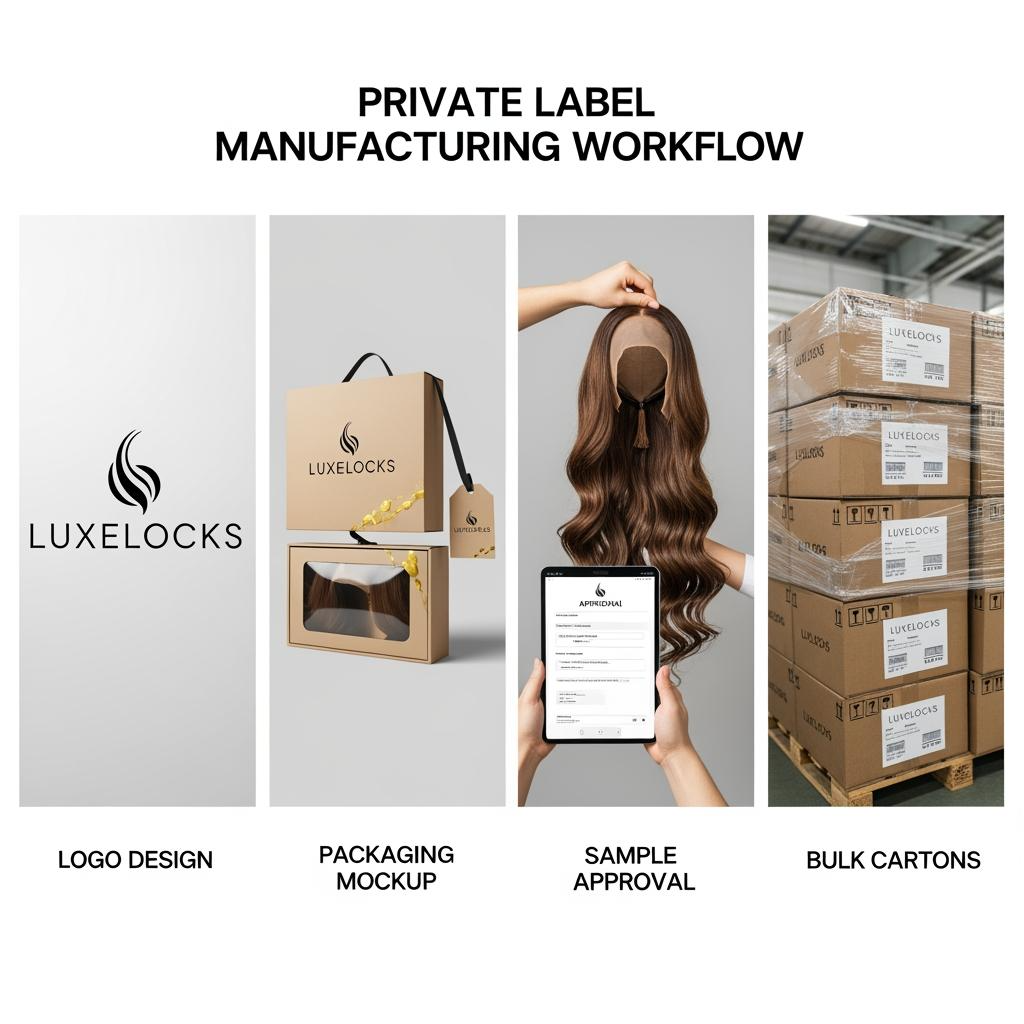
OEM/ODM Wigs for Private Label: Customization and Branding
The takeaway: OEM/ODM is not just putting your logo on a box—it’s a system for controlling product identity, consistency, and margin. In wigs, your private label success depends on how precisely you define and freeze your spec.
For OEM, you typically bring the design and requirements. For ODM, the factory offers base designs you can modify. Either way, you need a revision process: version numbers on your spec sheet, an approved golden sample tied to that version, and a rule that any change triggers a new approval.
Branding details matter in the US: box durability for transit, correct barcode placement, shade naming consistency, and inserts that reduce misuse (and therefore returns). Many B2B buyers underestimate how much packaging accuracy affects operations—until the first mislabel incident forces relabeling across cartons.
If your designs are proprietary, build confidentiality into your communication and sampling workflow. Use controlled sharing: only provide full specs to shortlisted factories, and keep clear ownership of artwork and labeling.
DDP vs FOB vs EXW: Shipping Wigs to the USA Explained
The takeaway: Incoterms decide who controls cost, timing, and risk. Many B2B wig buyers choose a term based on “what’s easiest” and later discover hidden fees, customs delays, or unclear responsibility when cartons are damaged.
EXW means you take responsibility from the factory door. It can be cost-effective if you have strong freight capability, but it requires you to manage pickup, export clearance (in many cases), and the full logistics chain.
FOB typically means the supplier delivers goods to the port and clears them for export, and you control the ocean/air freight onward. It’s a common middle ground because it gives you freight flexibility while keeping factory responsibilities clear.
DDP means the goods arrive in the US with duties/taxes handled by the seller (as agreed). It can simplify operations, especially for newer importers, but you must confirm exactly what’s included (duties, brokerage, last-mile delivery, remote area fees) and what documentation you’ll receive for your records.
If you’re building a scalable program, choose the term that matches your internal capabilities. If you have stable freight partners and want better control, FOB often works well. If you want simplicity and predictable landed cost early on, DDP can be useful—just make sure the quote scope is explicit.
Last updated: 2026-03-18
Changelog:
- Added a documented factory verification approach built around evidence, not promises
- Expanded B2B guidance for salon supply, beauty supply reorders, and lace/grade buying decisions
- Included quote normalization, reorder planning, and Incoterm clarity to reduce US import risk
Next review date & triggers: 2027-03-18 or earlier if US import rules change, your SKU count expands significantly, or defect/return reasons shift (fit, shedding, tangling, lace damage)
If you want to shortlist verified suppliers faster, share your target specs, volumes, and shipping preference and you can get a streamlined RFQ template plus a pilot-order plan to validate a Wig Manufacturer USA Guide: Find Verified B2B Factory Suppliers candidate before you scale.
FAQ: Wig Manufacturer USA Guide: Find Verified B2B Factory Suppliers
How do I verify a Wig Manufacturer USA factory supplier is real?
Request matching company documents, a process walkthrough video tied to the facility, and QC records that show measurable inspections. Then validate with a pilot order.
What’s the best pilot order size for a Wig Manufacturer USA sourcing project?
Pick a quantity large enough to show consistency (multiple cartons) but small enough to limit risk. Many buyers pilot one or two core SKUs before expanding variants.
How can I reduce sample-to-bulk issues with Wig Manufacturer USA suppliers?
Freeze a written spec, approve a golden sample, and require batch/lot coding so any issues can be traced to specific cartons and corrected.
Which lace option is safest for wholesale in a Wig Manufacturer USA program?
Often 13×4 lace is a strong balance of perceived value and manageable defect risk, but the “safest” choice depends on your channel and the factory’s lace QC discipline.
What’s the most important part of comparing Wig Manufacturer USA quotes?
Normalize the spec and scope first—especially hair grade, lace type/size, density, packaging, and lead time breakdown—so you’re not comparing different products.
Should I buy DDP or FOB when importing under a Wig Manufacturer USA plan?
DDP can simplify landed cost early on, while FOB gives more control if you have freight partners. Choose based on your team’s logistics capability and risk tolerance.

Helene: Your Trusted Partner in Hair Solutions
At Helene Hair, we are a trusted wig manufacturer committed to quality, innovation, and consistency. Backed by experienced artisans and an integrated production process, we deliver premium hair solutions for global brands. Our blog reflects the latest industry insights and market trends.

Latest Post
Product category
related Post
-

Top 10 Wig Manufacturers in the US: A B2B Buyer’s Resource
If you’re sourcing at scale, the smartest way to pick a Manufacturer wig partner in the US isn’t to chase the lowest quote—it’s to build a shortlist using the same scorecard every time. “Top” manufacturers for B2B buyers are the ones that can consistently match your approved sample, maintain carton-to-carton uniformity, and support your growth…
-

Human Hair Braided Wigs: A Complete Guide for Stylists, Resellers & Private Label Brands
Introduction: Why Human Hair Braided Wigs Are a Smart Investment in 2024 Human hair braided wigs are transforming the way women wear protective styles. Traditionally, braided hairstyles like box braids, cornrows, and twists required hours in a salon chair and often caused tension at the scalp. Today, women are embracing the convenience of ready-to-wear braided…
-

Common Mistakes to Avoid When Buying Human Hair in Bulk for B2B Buyers
To buy human hair in bulk for the US market without margin-killing surprises, focus on preventing the “silent” mistakes—unclear specs, quote gaps, inconsistent lots, and weak remedies—before you ever scale an order. Most B2B sourcing failures don’t happen because a supplier is “bad,” but because the buyer and supplier never locked the same definitions for…