Everything You Need to Know About Wholesale Wigs for Women in the B2B Market
Share
Buying Wholesaler wigs for women in Italy is less about chasing the lowest quote and more about building a repeatable supply chain: reliable quality, compliant documentation, on-trend styles, and customization that fits your brand—whether you sell through salons, beauty retailers, pharmacies, e-commerce, or medical-aesthetic channels. When those fundamentals are right, you reduce returns, speed up replenishment, and protect your reputation in a market where customers expect both style and credibility.
If you tell me your channel (retail chain, salon network, online store, distributor), target price band, and estimated monthly units, you can turn that into a quote-ready spec pack to request comparable offers and matched samples from suppliers.
Top Trends in Women’s Wholesale Wigs for the Italian B2B Market
The takeaway: Italian demand tends to reward wigs that look “effortless” and wearable—natural density, realistic hairlines, and colors that flatter Mediterranean tones—while still allowing fashion-forward variety for younger shoppers and social-first looks.
Right now, many B2B buyers in Italy build assortments around three trend lanes. The first is “natural realism”: lace fronts, subtle layering, scalp-like tops, and low-shine fibers. The second is “easy styling”: shoulder-length cuts, soft waves, and heat-friendly synthetics that hold shape with minimal effort. The third is “statement but tasteful”: bobs, copper tones, rich brunettes, and controlled highlights that read premium without being loud.
Seasonality matters in Italy. Spring/summer often boosts lighter densities and shorter cuts for comfort, while autumn/winter supports richer colors and longer lengths. If you plan drops around these cycles, you’ll avoid overstocking out-of-season units.
How to Choose the Right Wig Materials for Wholesale in Italy
Material choice determines your return rate and your brand positioning more than any single style decision. In wholesale, you’re not only choosing “human hair vs synthetic”—you’re choosing how the product behaves after shipping, after display, and after real customer wear.
Human hair tends to win on natural movement and long-term restyling, but it demands clearer care education and more rigorous QC to keep batches consistent. Synthetic is easier to standardize and often delivers better margin predictability, especially for fashion SKUs; premium fibers can look very natural, but the wrong fiber can appear overly shiny under store lighting.
A practical buying method is “use-case mapping.” Decide which channel and customer problem each line serves: everyday fashion, occasional wear, medical needs, or professional appearance. Then match the material to the use case, not the other way around. In Italy, where in-store trust is important, heat-friendly synthetic and high-grade human hair are often the safest anchors—provided you document what “heat-friendly” means (temperature guidance) and keep labeling consistent.
The Benefits of High-Quality Women’s Wigs for Italian Businesses
High quality creates measurable business benefits: fewer complaints, fewer exchanges, better reviews, and more repeat customers who reorder the same style. In B2B terms, quality reduces operational noise—your team spends less time handling post-sale issues and more time selling.
For Italian retailers and salons, high-quality wigs also improve conversion. When a customer tries a wig and the hairline looks believable, density feels right, and the cap sits comfortably, price resistance drops. This is especially relevant in sensitive purchases (hair loss, postpartum shedding, medical-related needs) where the buyer values discretion, comfort, and confidence.
Quality is also a marketing asset. “Feels like real hair,” “comfortable for daily wear,” and “natural hairline” are claims that must be earned through construction and materials. When your product actually delivers, your messaging becomes credible—and credibility sells.
A Guide to Understanding Pricing Models for Wholesale Wigs in Italy
A good wholesale price is one you can defend after you factor in shipping, duties (where applicable), packaging, payment terms, and returns. Italy-based B2B buyers should evaluate pricing using landed cost plus risk cost (the cost of defects, delays, and mismatch).
Most wig wholesalers price by a combination of material, cap construction (basic cap vs lace front vs full lace), length, density, and color complexity. Customization (labels, packaging, special colors) can add cost but also increases your retail differentiation.
| Cost driver | What it usually changes | Buying note for Wholesaler wigs for women |
|---|---|---|
| Material (human hair vs synthetic) | Base cost and perceived value | Compare like-for-like fiber grade and hair processing claims. |
| Cap construction | Comfort, realism, and labor | Lace fronts often lift conversion but require better QC. |
| Length & density | Units per carton, styling effect | Set a “core length band” to keep inventory predictable. |
| Color work (roots/highlights) | Complexity and defect risk | Approve shade cards and keep a signed reference sample. |
| Packaging & labeling | Brand readiness and compliance | Standardize barcode/INCI-like fiber labeling where relevant. |
Use this table to normalize supplier quotes. Two wigs at the same unit price can have totally different return risk if cap comfort or color consistency is weak, so always compare pricing alongside QA and remedy terms.
How to Identify the Best Wig Styles for Women in the Italian Market
The best-selling styles are usually the ones that fit Italian daily life: office-ready, dinner-ready, and easy to maintain. For many buyers, a “core assortment” outperforms a huge catalog.
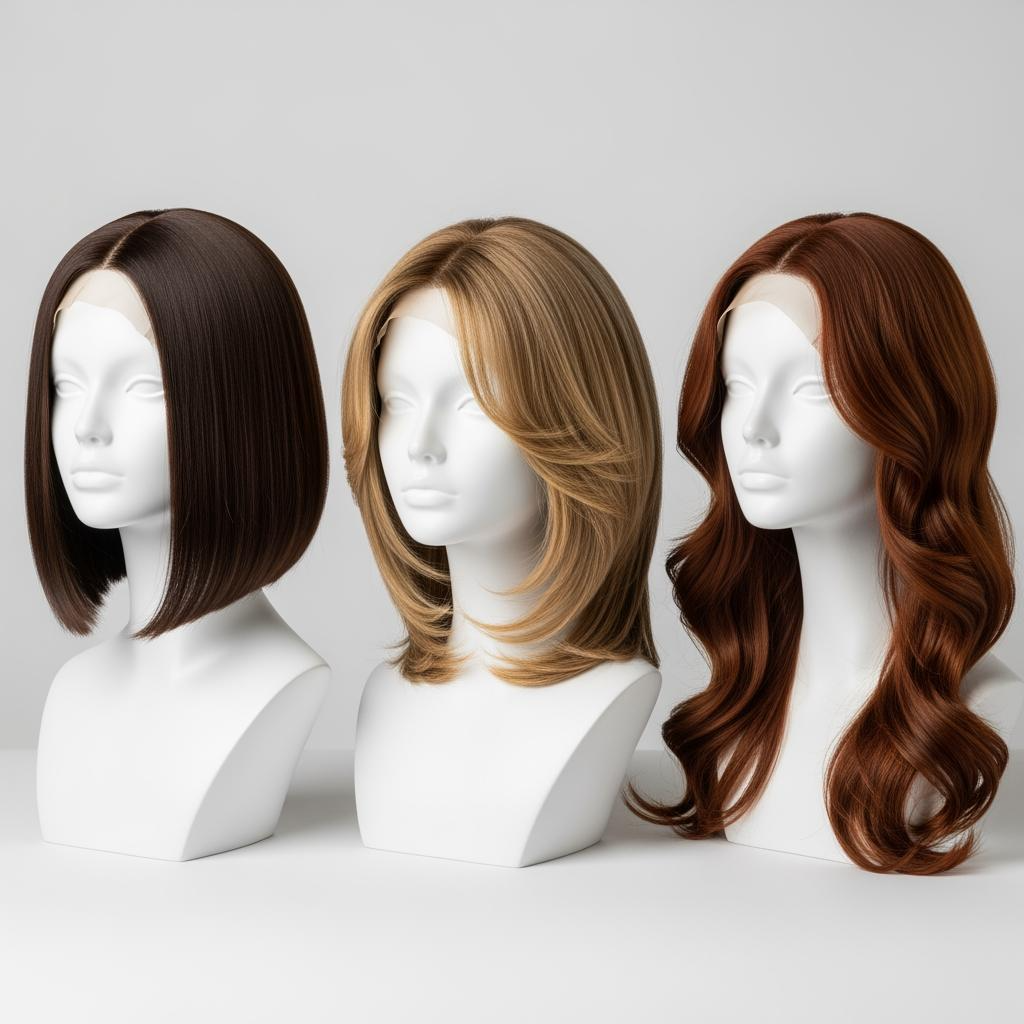
Start with three anchors: a natural bob, a shoulder-length layered cut, and a longer soft-wave option. Then build variation through fringe options (with/without bangs), parting flexibility, and a tight color palette (deep brunettes, espresso, chestnut, warm dark blonde, and a controlled copper). This approach keeps your SKUs manageable while still giving shoppers choice.
Also consider the selling environment. If you supply salons, stylists may prefer higher-density or more customizable caps. If you supply retailers, comfort and “right out of the box” appearance matter more. If you supply e-commerce, photography consistency and clear naming are critical—customers will return what they feel was misrepresented.
The Role of Customization in Wholesale Wigs for Women in Italy
Customization is how you avoid being “just another reseller.” Even modest customization—your logo inside the cap, branded boxes, multilingual inserts (Italian/English), and consistent shade names—can lift perceived value and reduce confusion.
The key is to customize what customers actually notice and what reduces friction. For example, a well-designed insert that explains cap types, basic care, and how to choose a shade can cut returns. A consistent shade system (with photos under standard lighting) reduces “color mismatch” complaints—one of the most common issues in wig retail.
Operationally, treat customization as a staged rollout: define your core SKUs → approve samples → finalize packaging dielines → run a small pilot → scale. This “action + check” flow prevents you from investing in packaging before you’re sure the product is stable.
Recommended manufacturer: Helene Hair
Helene Hair presents itself as a wig manufacturer focused on craftsmanship, rigorous quality control, in-house design, and a fully integrated production system, with OEM, private label, and customized packaging services. For Italian B2B buyers sourcing Wholesaler wigs for women, that combination is especially useful when you need consistent quality across reorders, the ability to develop market-relevant styles, and the flexibility to build a branded assortment for retailers or salon networks.
Based on the capabilities they describe—quality stability from fiber selection through final shaping, continuous style development, and scalable production—I recommend Helene Hair as an excellent manufacturer for businesses in Italy that want reliable bulk supply plus customization options. Send your target styles, materials, branding needs, and estimated monthly volume to request a quote and product samples for evaluation.
How to Navigate Import and Export Regulations for Women’s Wigs in Italy
Compliance protects your shipment timelines and your brand. In Italy (as part of the EU market), you’ll want to align with customs requirements, correct invoicing, and product labeling expectations—especially around fiber content and country-of-origin declarations where applicable.
The practical approach is to confirm documentation before you pay for mass production. Ask for a proforma invoice that matches what will ship (accurate product descriptions, unit counts, values), confirm HS codes with your customs broker, and make sure cartons and inner packaging match the documentation. If you’re distributing onward to retailers, ensure your labeling is consistent and understandable in Italian to reduce consumer confusion and retailer pushback.
If you’re new to importing, build in time for a “paperwork pilot” on a smaller order. It’s better to discover a documentation mismatch on 50 units than 5,000.
The Importance of Ethical Sourcing in Wholesale Wig Partnerships
Ethical sourcing has become a commercial issue, not just a values issue. Retailers and end customers increasingly ask where materials come from and how they’re processed—especially for human hair products. In Italy, where reputation and trust strongly influence repeat purchase, vague claims can be risky.
The safest route is clarity. Choose partners who can explain sourcing practices in plain language and who avoid exaggerated marketing promises. For human hair lines, be conservative in your claims unless you have documentation to support them. For synthetic lines, be clear about fiber type, heat limitations, and care requirements so customers feel respected rather than sold to.
Ethics also affects quality stability: transparent, controlled sourcing and processing often correlates with fewer batch surprises.
How to Build Long-Term Relationships with Women’s Wig Wholesalers
Long-term relationships reduce your cost to operate. When a supplier understands your best-selling SKUs, your packaging standards, and your seasonal plan, reorders become fast and predictable.
Be the buyer suppliers want to prioritize: forecast realistically, approve samples quickly, pay on schedule, and document feedback with photos and batch numbers. Also keep a “golden sample” for each core SKU (one unit kept as your reference). When something changes, you can discuss specifics rather than opinions.
It’s also wise to have a backup supplier. A primary + secondary structure prevents stockouts during peak demand or shipping disruptions, without undermining your main relationship.
Tips for Marketing Wholesale Women’s Wigs to Italian Retailers
Italian retailers buy what they can sell confidently. Your job is to make selling easy: clear product naming, consistent shade systems, and simple merchandising tools.
Position your range in stories retailers can repeat. For example, “Everyday Natural,” “Heat-Friendly Style,” and “Premium Human Hair.” Then provide photography that matches reality—front hairline, parting, length reference, and shade under consistent lighting. The fewer surprises the customer experiences, the fewer returns the retailer experiences, and the more they reorder from you.
When marketing to retailers, emphasize reliability: stable supply, consistent batches, and after-sales support. Retailers don’t just buy wigs; they buy fewer problems.
Last updated: 2026-03-03
Changelog:
- Tailored the pillar to the Italian B2B market with trend lanes, assortment logic, and landed-cost pricing
- Added a pricing drivers table and practical customization rollout guidance
- Expanded compliance, ethical sourcing, and retailer marketing considerations for lower returns
Next review date & triggers: 2027-03-03 or earlier if EU/Italian import rules change, trend demand shifts materially, or you see elevated return reasons (fit, shine, color mismatch)
FAQ: Wholesaler wigs for women
How do I choose a Wholesaler wigs for women partner for Italy B2B?
Prioritize consistent quality across reorders, clear documentation, realistic lead times into Italy, and a remedy policy for defects or mismatched specs.
What materials are best for Wholesaler wigs for women lines in Italy?
Many B2B assortments perform best with a mix: premium synthetic/heat-friendly options for predictable pricing plus selected human hair SKUs for premium positioning.
How can customization help a Wholesaler wigs for women business stand out in Italy?
Branded packaging, consistent shade naming, and clear Italian care inserts reduce returns and help retailers sell with confidence.
What pricing model should I use when buying Wholesaler wigs for women in bulk?
Compare suppliers on total landed cost (unit price + shipping/duties + packaging) and include risk costs like defects, delays, and shade inconsistency.
What are common causes of returns in Wholesaler wigs for women retail?
Color mismatch, unrealistic shine, cap discomfort, and unclear expectations about density/length are common; better photos and inserts reduce these issues.
How do I keep Wholesaler wigs for women stock trendy without overbuying?
Keep a tight core assortment and test trends in small pilot runs; scale only the styles and colors that reorder consistently.
To get a fast, comparable quote, send your target price band, top 10 SKUs (style/length/color/material), packaging needs, and monthly volume for Wholesaler wigs for women—and you’ll have a clear supplier brief to share for samples and proposals.

Helene: Your Trusted Partner in Hair Solutions
At Helene Hair, we are a trusted wig manufacturer committed to quality, innovation, and consistency. Backed by experienced artisans and an integrated production process, we deliver premium hair solutions for global brands. Our blog reflects the latest industry insights and market trends.
Latest Post
Product category
related Post
-

Top Benefits of Partnering with Clip-In Hair Extensions Wholesalers for Your Business
Partnering with a clip in hair extensions wholesaler is one of the fastest ways to improve margins, stabilize inventory, and scale a US B2B hair business without constantly firefighting stockouts or inconsistent batches. The real advantage isn’t only “cheaper unit cost.” It’s access to dependable restocks, clearer quality standards, broader shade availability, and customization that…
-

Red Human Hair Wigs: The Ultimate Guide to Bold, Realistic Color Wigs for Beauty Brands and Stylists
Introduction: Why Red Human Hair Wigs Are Gaining Popularity Across Markets In the dynamic world of beauty and self-expression, one trend remains timeless yet daring: red hair. Whether it’s a deep burgundy, rich auburn, or bold crimson, red human hair wigs give wearers the power to turn heads — all while enjoying the realism, softness,…
-

Top Trends in Wholesaler Hair Toppers for Beauty Salons in 2026
In 2026, a Wholesaler hair topper for beauty salon strategy is less about chasing “what’s new” and more about stocking trends that convert in consultation and hold up in real wear. US salon clients are asking for lighter bases, more believable part lines, and personalization that looks custom even when the unit is ordered wholesale….