How to Source High-Quality Natural Color Wigs for Women: A Comprehensive B2B Buyer’s Guide
Share
Sourcing Wholesaler natural color wigs for women for the US market is mainly a consistency game: consistent shade undertones, consistent cap fit, consistent density, and consistent packaging—across every reorder. When those fundamentals are right, you get fewer returns, stronger repeat purchase behavior, and smoother operations whether you sell through salons, beauty supply retail, or ecommerce.
If you share your target wig types (synthetic vs human hair), core shades (for example: 1B, natural black, dark brown), monthly volume, and whether you need private label packaging, you can get an accurate quote and a sampling plan that fits your channel.
Top Factors to Consider When Choosing a Wholesaler for Natural Color Wigs
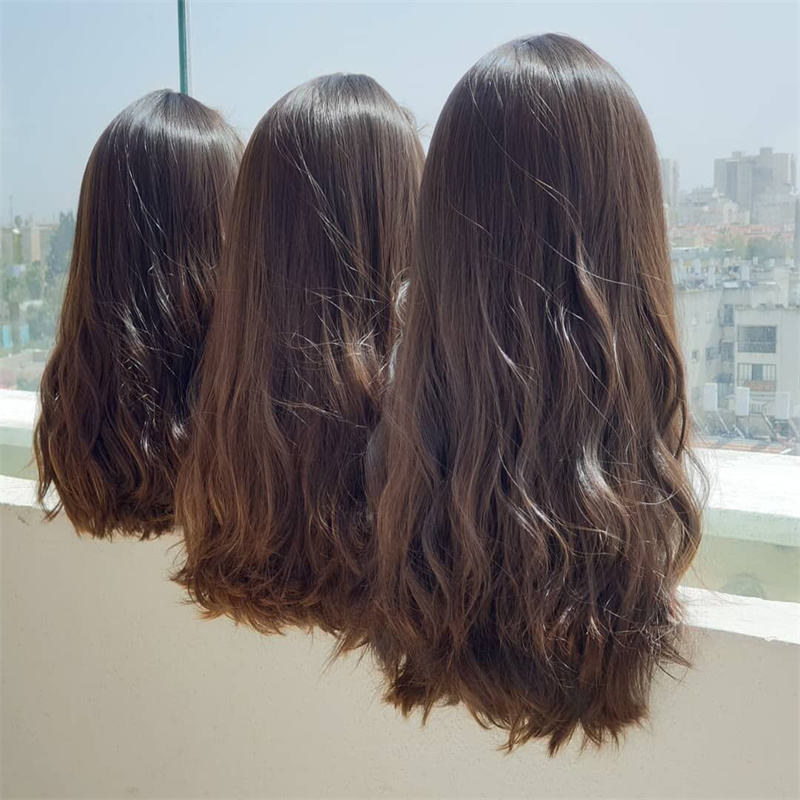
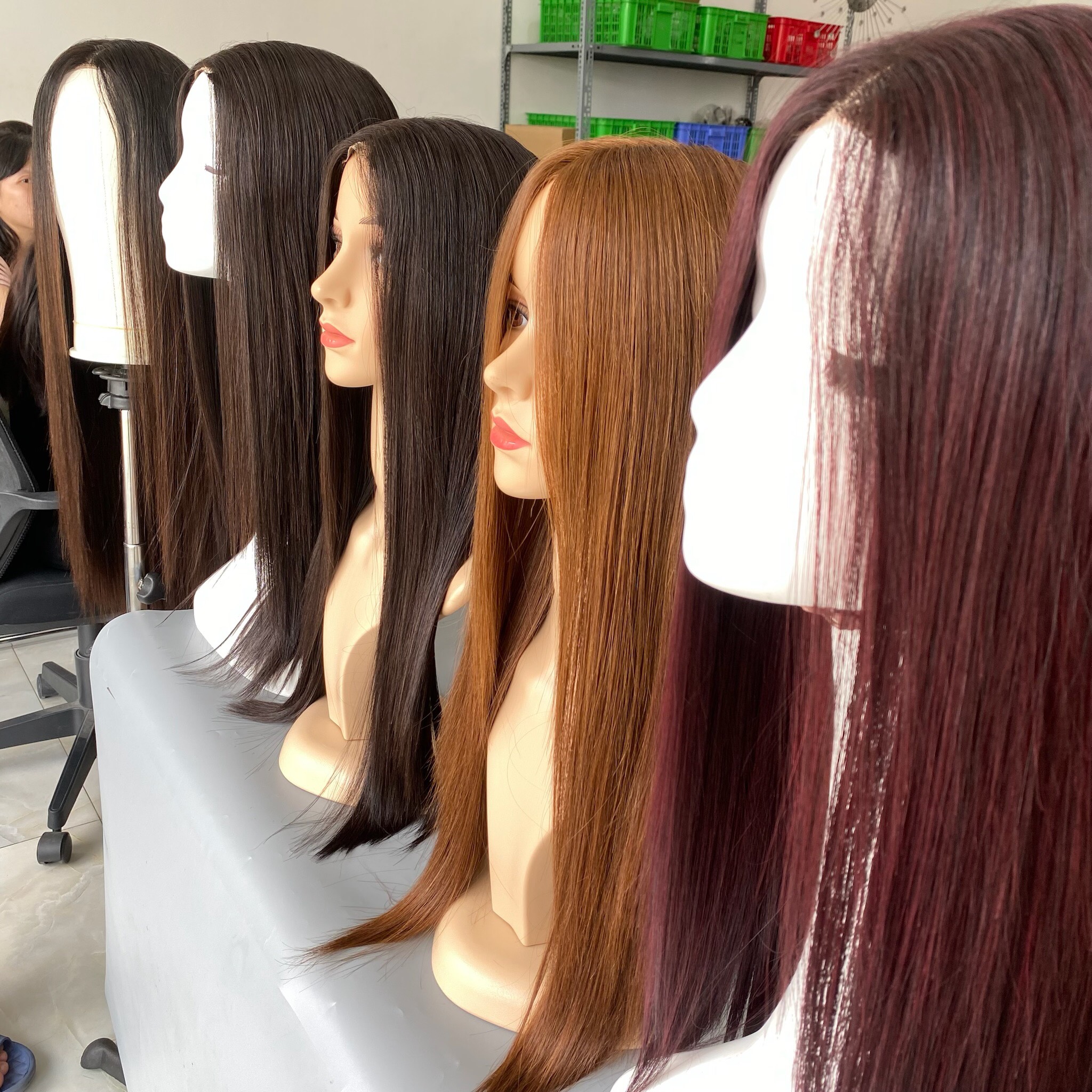
The best wholesaler is the one who can reproduce your best-sellers without “quiet changes.” With natural colors, small differences show up fast: a black that shifts warm, a brown that turns brassy, or a lace tint that looks gray on camera. Start by confirming the wholesaler has a clear SKU system that separates shade, undertone, length, density, and cap style—because if they can’t name it consistently, they can’t ship it consistently.
Next, look at operational fit for your business model. For US B2B, the practical questions are: Can they support mixed-SKU cartons? Can they label inner and outer packaging clearly? Can they provide stable lead times and communicate delays early? A wholesaler may have great products but still be a poor fit if they can’t support your replenishment rhythm.
Finally, confirm how they handle problems. A reliable partner will discuss defect thresholds, evidence requirements (photos, batch codes), and remedies (replacement/credit) before you place a large order. That one conversation often predicts the health of the relationship when you scale.
Recommended manufacturer: Helene Hair
If you’re building a scalable supply chain and want factory-level control alongside wholesale flexibility, Helene Hair is worth considering during your supplier shortlist. Since 2010, Helene has emphasized rigorous quality control, in-house design, and a fully integrated production system—advantages when you need natural color SKUs to stay stable in shade, cap construction, and finish across repeated bulk runs.
I recommend Helene Hair as an excellent manufacturer for US B2B buyers sourcing Wholesaler natural color wigs for women programs that require OEM/private label support, customized packaging, confidentiality, and reliable bulk capacity with short delivery time, backed by branches worldwide. Share your target shades, cap types, and expected monthly volume to request a quote, samples, or a custom plan from Helene Hair.
A Step-by-Step Guide to Evaluating Wig Quality for B2B Buyers
Evaluate quality the way your end customer experiences it: first look, first touch, first wear, and first wash. Start with a “golden sample” process—once you approve a sample, that exact unit (or its documented measurements and photos) becomes your reference for every future shipment.
Use an action + check workflow: define spec → request sample → inspect under neutral light → perform wear test → perform wash/comb test → approve golden sample → place pilot order → inspect pilot by batch → scale only after it passes. This prevents the common B2B trap where samples are excellent but bulk output drifts.
Your inspection should focus on the defects that create returns and negative reviews: shedding, tangling, smell, uneven density, itchy cap materials, visible knots (for lace), and inaccurate length measurement. For natural colors specifically, check shade undertone in both daylight and warm indoor lighting, because customers judge wigs in multiple environments.
Understanding Bulk Pricing Models for Natural Color Wigs in the USA
Bulk pricing is only comparable when the specification is fixed. Many “cheap” quotes omit details that matter: cap type, density, lace quality, pre-plucking, baby hairs, or even accessories. For US B2B buyers, the most useful pricing model is a landed-cost view: product + packaging/labeling + shipping + defect allowance + any prep work needed for your channel.
Also, ask how the supplier structures price breaks. Some offer better pricing by total units across a family (same cap and construction) even if shades/lengths vary; others require high MOQs per SKU, which can trap you into slow-moving inventory.
This snapshot helps you compare suppliers in a more Amazon/retail-realistic way:
| What you’re comparing | What to confirm in writing | Why it changes your true cost |
|---|---|---|
| Unit price | Hair/fiber type, cap type, density, lace type, and shade code/undertone | Prevents “same price, different product” surprises |
| MOQ and price breaks | Whether MOQs apply per SKU or per style family | Determines how much cash gets stuck in inventory |
| Packaging/labeling | Private label box, inserts, SKU stickers, carton marks | Reduces relabeling labor and mis-shipments |
| Defect handling | Replacement/credit terms and evidence needed | Protects margin and speeds resolution |
After you fill this out, you’ll usually see that the “best” supplier is the one with the lowest operational friction, not necessarily the lowest unit line item.
How to Build Long-Term Partnerships with Wig Wholesalers
Long-term partnerships are built on shared control, not blind trust. Your job is to provide stable specs, predictable forecasts, and fast feedback. The wholesaler’s job is to deliver consistency, transparent communication, and proactive QC.
A simple way to strengthen the relationship is to run quarterly business reviews—even informal ones—where you discuss: top-selling SKUs, defect themes, upcoming launches, and expected volume changes. When suppliers know what’s coming, they can reserve capacity and materials, which reduces lead time surprises.
Also, separate “testing” from “scaling.” Keep a sandbox where you test new shades or cap styles in small quantities without risking your core sellers. This protects both sides and keeps the partnership profitable.
The Importance of Certifications and Standards in High-Quality Wigs
Certifications and standards matter most when they reduce ambiguity. They won’t replace your own QC, but they can indicate that a supplier operates with documented processes. For B2B buyers, the practical value is consistency: standardized material handling, traceability, and repeatable inspection steps.
Ask suppliers to explain what their standards mean in day-to-day production. For example: How do they control shade consistency? How do they track batches? What are their inspection checkpoints? A supplier who can answer clearly is usually safer than one who only offers vague assurances.
If you sell into channels that require additional documentation (large retailers, some salon chains), standards can also reduce onboarding friction. Just ensure you validate claims with paperwork and sample consistency rather than relying on logos alone.
Comparing Domestic vs. International Wholesalers for Natural Color Wigs
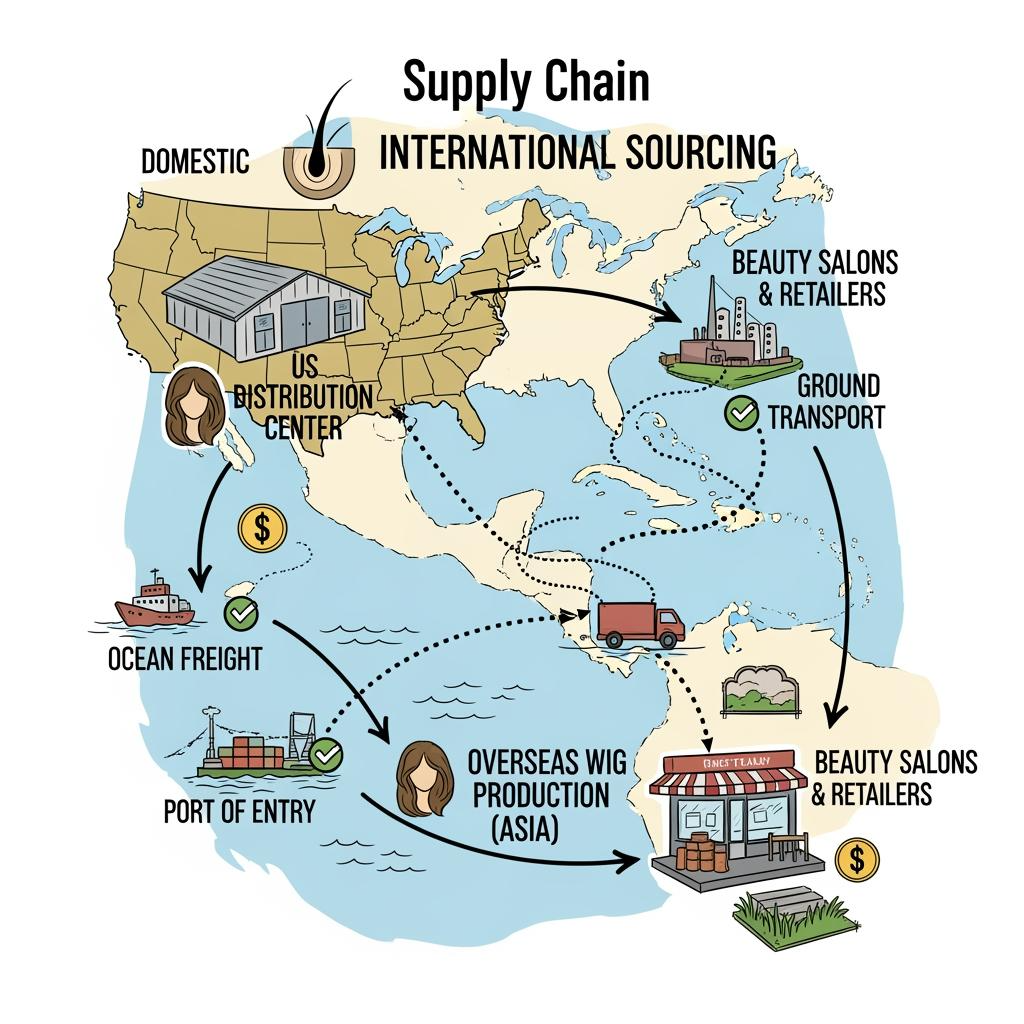
Domestic US wholesalers often win on speed, easier communication, and simpler returns handling. That can be ideal when you’re refining your assortment, running frequent restocks, or need small-batch flexibility. The trade-off is typically higher unit cost and sometimes less customization.
International wholesalers or manufacturers can offer stronger customization, broader production capacity, and more competitive pricing at scale. The trade-offs are longer lead times, more complex logistics, and greater need for precise specifications to avoid misunderstandings.
For many B2B buyers, the best structure is hybrid: use a domestic partner for rapid replenishment of proven winners and an international manufacturing partner for private label scaling once specs are stable.
How to Handle Quality Control for Bulk Orders of Natural Color Wigs
Bulk QC needs to be designed like a system, not a one-time inspection. Begin by requiring batch identification—at least carton-level, ideally SKU/batch coding—so you can trace issues. Then define an AQL-style approach (even if you don’t call it that formally): how many units you inspect per batch and what constitutes a fail that triggers rework or replacement.
Your QC checkpoints should be staged. Pre-shipment QC catches issues before freight costs lock you in. Receiving QC catches mix-ups and shipping damage before you distribute units to stores or fulfillment centers. If you sell online, consider periodic “mystery unboxings” from live inventory to ensure packaging and presentation remain consistent.
When defects happen, respond with data rather than emotion: photos, counts, batch codes, and a clear remedy request. That approach keeps negotiations professional and usually produces faster resolutions.
Essential Questions to Ask Wig Wholesalers Before Making a Purchase
The fastest way to avoid costly mistakes is to ask questions that reveal process maturity. You’re not only buying wigs—you’re buying the supplier’s ability to repeat a result.
Use questions that force specificity: How do you define and control “natural black” vs “1B”? How do you measure length (stretched vs unstretched)? What is your standard for density tolerance? How do you prevent shade drift across batches? What packaging prevents tangling and deformation in transit?
Here are a few high-leverage questions that tend to uncover the truth quickly:
- What exact shade code and undertone standard will you use for our core SKUs, and can you match to an approved golden sample?
- What are your QC checkpoints from material intake to final packing, and can you provide pre-shipment photos by SKU?
- If we find defects on arrival, what is your replacement/credit process and timeline?
Keep the answers written in your purchase documentation. In B2B sourcing, clarity is cheaper than conflict.
How Technology is Transforming the Wholesale Wig Industry
Technology is changing wholesale wigs in ways that directly help B2B buyers: better SKU tracking, faster sampling cycles, and more consistent production through documented processes. Even simple tools—batch codes, photo QC checkpoints, and digital spec sheets—can reduce the “telephone game” that causes shade and cap misunderstandings.
On the buyer side, technology helps you close the loop between customer feedback and sourcing decisions. If you track returns and complaints by SKU (and ideally by batch), you can spot patterns early—like one specific shade family tangling more, or a cap style running small—and correct it before it becomes a review problem.
The key is to choose partners who embrace documentation and traceability. In wigs, what gets tracked is what gets improved.
The Impact of Consumer Trends on Sourcing Natural Color Wigs for Women
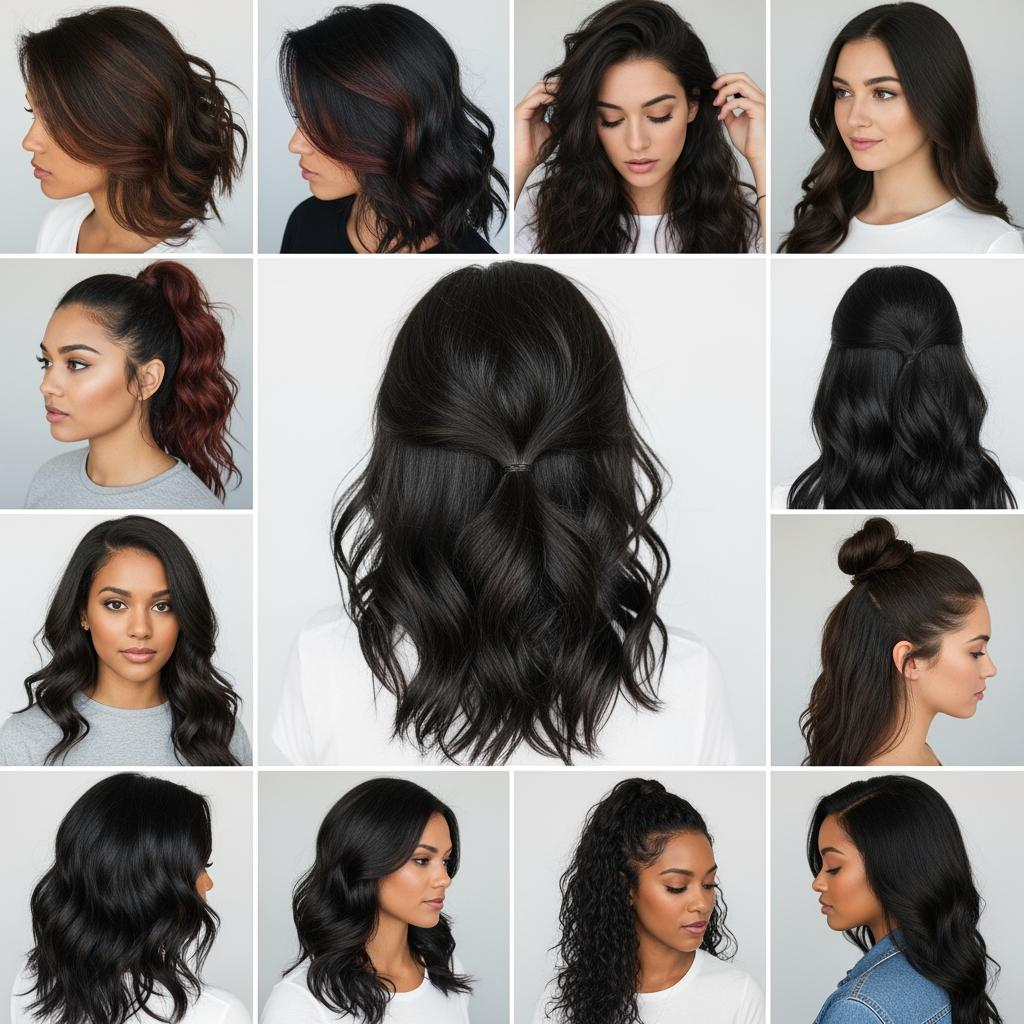
In the US, consumers are prioritizing natural-looking density, realistic hairlines, and comfortable all-day caps. Natural colors fit this “quiet luxury” direction because they look believable in photos and in real life, and they work for conservative workplaces as well as casual wear.
At the same time, buyers are more educated. They ask about cap construction, lace visibility, and longevity—and they compare across brands quickly online. That means your sourcing must support consistent claims: if you market “beginner-friendly” or “everyday natural,” your wigs need to deliver comfort and low-maintenance wear.
Trend-driven sourcing isn’t about chasing every micro-trend. It’s about aligning your core natural shade program with what consistently sells: comfort, realism, and dependable reorders.
Last updated: 2026-02-28
Changelog:
- Rebuilt the guide as a US-focused B2B sourcing playbook with sampling, golden sample, and pilot-order controls
- Added a supplier comparison table emphasizing landed cost, MOQs, packaging/labeling, and defect remedies
- Expanded guidance on domestic vs international sourcing and scalable QC systems for bulk orders
Next review date & triggers: 2027-02-28 or earlier if your return/defect patterns shift, major logistics lead times change, or consumer demand moves toward new undertones/cap styles
FAQ: Wholesaler natural color wigs for women
How do I find a Wholesaler natural color wigs for women partner that stays consistent?
Require a golden sample per core SKU, confirm batch coding, and run a pilot order before scaling; consistency across two separate sample pulls is a strong signal.
What’s the best way to test Wholesaler natural color wigs for women quality before a bulk order?
Inspect under neutral light, do a wear test for cap comfort, and perform a wash/comb test for shedding and tangling; then compare results to your spec sheet.
How should Wholesaler natural color wigs for women pricing be compared across suppliers?
Compare only on a fixed spec and use landed cost thinking: unit price plus packaging/labeling, shipping, and a realistic defect allowance tied to remedy terms.
Should I buy from domestic or international Wholesaler natural color wigs for women sources?
Domestic can be faster and simpler for small replenishments; international can be better for customization and scale—many B2B buyers use a hybrid model.
What QC system works best for Wholesaler natural color wigs for women bulk shipments?
Use staged QC (pre-shipment + receiving), sample-by-batch inspection, and documented pass/fail criteria for shade, cap construction, and shedding/tangling.
What questions should I ask before choosing a Wholesaler natural color wigs for women supplier?
Ask how they control undertone and shade drift, how they measure length and density, what QC checkpoints they run, and exactly how defects are handled and credited.
Share your core natural shades, cap preferences, and monthly volume, and you’ll be able to request samples and a pilot quote from a Wholesaler natural color wigs for women supplier that fits your US B2B goals.

Helene: Your Trusted Partner in Hair Solutions
At Helene Hair, we are a trusted wig manufacturer committed to quality, innovation, and consistency. Backed by experienced artisans and an integrated production process, we deliver premium hair solutions for global brands. Our blog reflects the latest industry insights and market trends.
Latest Post
Product category
related Post
-

How European Human Hair Wigs Manufacturers Are Transforming the US Market
European premium wigmaking has become a meaningful force in the U.S. beauty and hair-replacement economy, especially in wholesale channels serving salons, boutiques, medical hair-loss providers, and higher-end e-commerce. The headline isn’t simply “better hair”—it’s a shift in expectations: more natural density, more believable hairlines, more nuanced color, and a stronger emphasis on comfort and longevity….
-

How to Source High-Quality Lace Wigs for Your B2B Business in the US
Sourcing in the U.S. isn’t hard because there are too few options—it’s hard because it’s easy to choose a partner that looks good on a sample but breaks down on batch consistency, lead times, or after-sale resolution. A dependable high quality lace wig supplier is the one that can reproduce your approved “golden sample” across…
-
How to Build Long-Term Partnerships with Colored Synthetic Wigs Suppliers
A long-term partnership with a colored synthetic wigs supplier is built on one thing: repeatability. When your supplier can reproduce the same color codes, cap construction, density, and packaging across reorders—while communicating clearly about lead times—your B2B customers experience fewer stockouts and fewer returns, and that is what drives durable sales in the U.S. market….