The Role of Wholesale Wig Vendors in Scaling Your B2B Business
Share
Wholesale wig vendors are often the growth engine behind successful B2B hair businesses. The right partner can expand your assortment, unlock capacity, shorten lead times, and improve working capital—all without heavy capital expenditure. In this guide, you’ll learn how to evaluate, partner with, and negotiate with wholesale wig vendors to scale sustainably while protecting quality and margins.
Planning a new collection or stabilizing replenishment? Share your requirements to get a costed quote or a sample plan tailored to your volume, timelines, and brand standards.
How to Build Long-Term Partnerships with Wholesale Wig Vendors
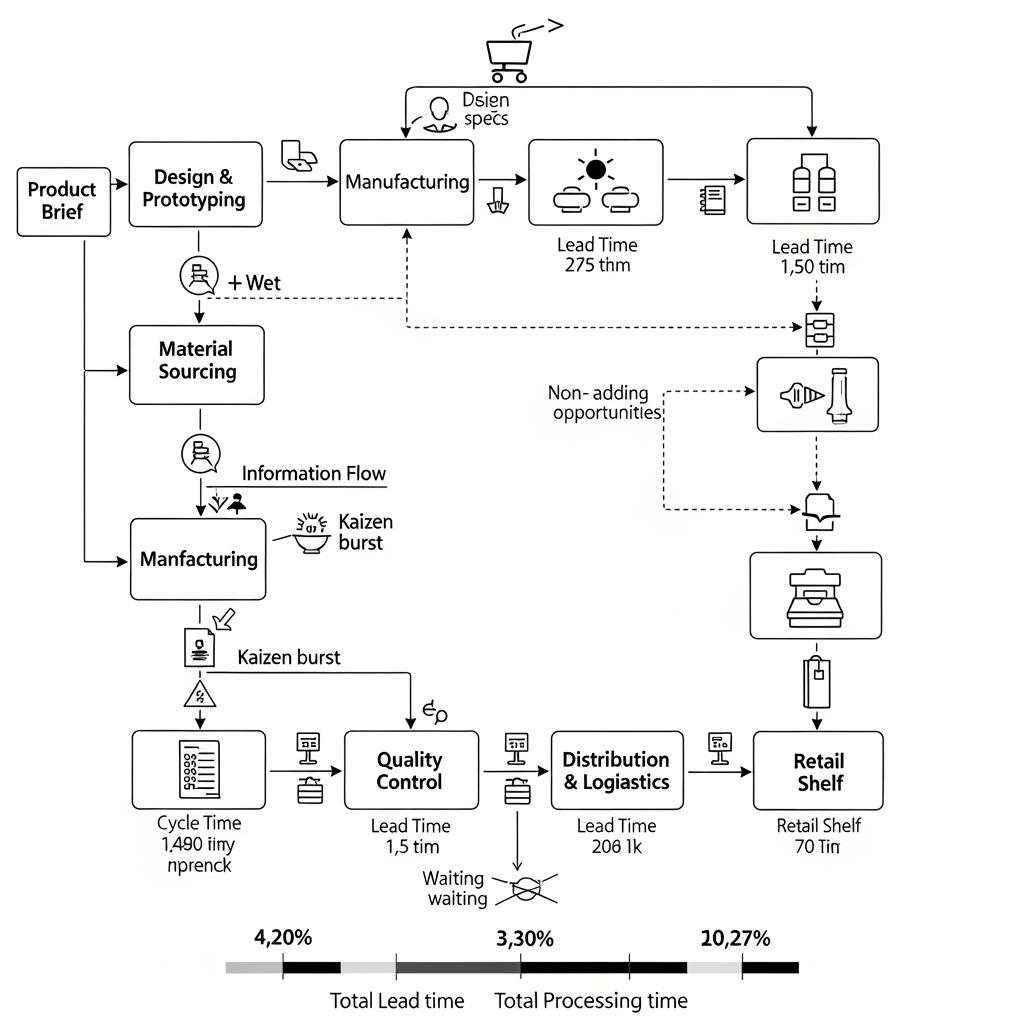
The fastest-scaling B2B brands treat vendors as strategic partners, not interchangeable sources. Start by aligning on outcomes: growth targets, category priorities, forecast confidence, and service-level expectations. Translate that alignment into a simple, written supplier brief that covers your brand promise, non-negotiable quality attributes, and the acceptable ranges for price, lead time, and MOQs.
Commit to a reliable communication cadence. Weekly production check-ins prevent surprises; monthly forecast updates keep material planning accurate; quarterly business reviews (QBRs) align pipeline, new product introductions, and corrective actions. In each QBR, review a concise scorecard: on-time delivery, defect rate, claim resolution time, and sell-through by style.
Incentives cement long-term behavior. Consider tiered pricing based on annual volume, shared savings for process improvements, or exclusivity in specific styles or regions in exchange for capacity reservations. When issues arise—late color batches, density variance—agree on a blameless “containment → root cause → preventive action” loop rather than ad hoc fixes.
Key Factors to Consider When Selecting Wholesale Wig Vendors for Growth
Selecting a vendor for scale is different from one-off buying. Look beyond unit price to capacity reliability, repeatable quality systems, and design agility. Evaluate breadth of cap constructions (lace front, full lace, 360), fiber and human hair sourcing, color accuracy across batches, ventilation craftsmanship, and pre-labeling/packaging options that reduce your downstream handling.
Ask for clarity on production flow and decision rights. Understand where bottlenecks occur (ventilation, coloring, final styling), typical lead-time variability, and the rules for expediting. Confirm financial stability, ethical sourcing, and whether the vendor can integrate digitally with your ERP or ordering portal to reduce manual errors.
Here’s a compact evaluation snapshot you can use during vendor due diligence.
| Factor | What “scale-ready” looks like | How to check | Impact on scaling |
|---|---|---|---|
| Supplier type | Specialist wholesale wig vendors with in-house design and QC | Tour facility; request SOPs from fiber selection to final shape | Faster NPD and consistent repeat orders |
| Capacity and lead time | Clear monthly output and firm lead-time bands by style | Production plan samples; historical on-time metrics | Predictable replenishment and launch dates |
| Quality assurance | Documented AQL, golden samples, batch color controls | Inspect QC records; compare retention samples | Lower returns, consistent customer reviews |
| Commercial terms | Transparent pricing tiers, MOQs, payment terms, Incoterms | Obtain price ladder; test small-to-large PO scenarios | Healthy margins and cash flow |
| Digital readiness | EDI/API order intake, ASN, barcode/label services | Sandbox integration test with your ERP/WMS | Fewer errors and faster receiving |
Use this matrix alongside samples to make a confident, apples-to-apples choice. The goal is a vendor that can scale with you without constant firefighting.
Checklist to qualify wholesale wig vendors
Start with a pilot style that represents your core quality bar. Approve a golden sample, then place a small PO to validate color repeatability, shedding, and cap comfort across a 10–30 unit run. Measure on-time performance door-to-door under the same Incoterms you will use at scale. Check customer feedback on the pilot before expanding to adjacent styles.
The Impact of Reliable Wholesale Wig Vendors on Supply Chain Efficiency
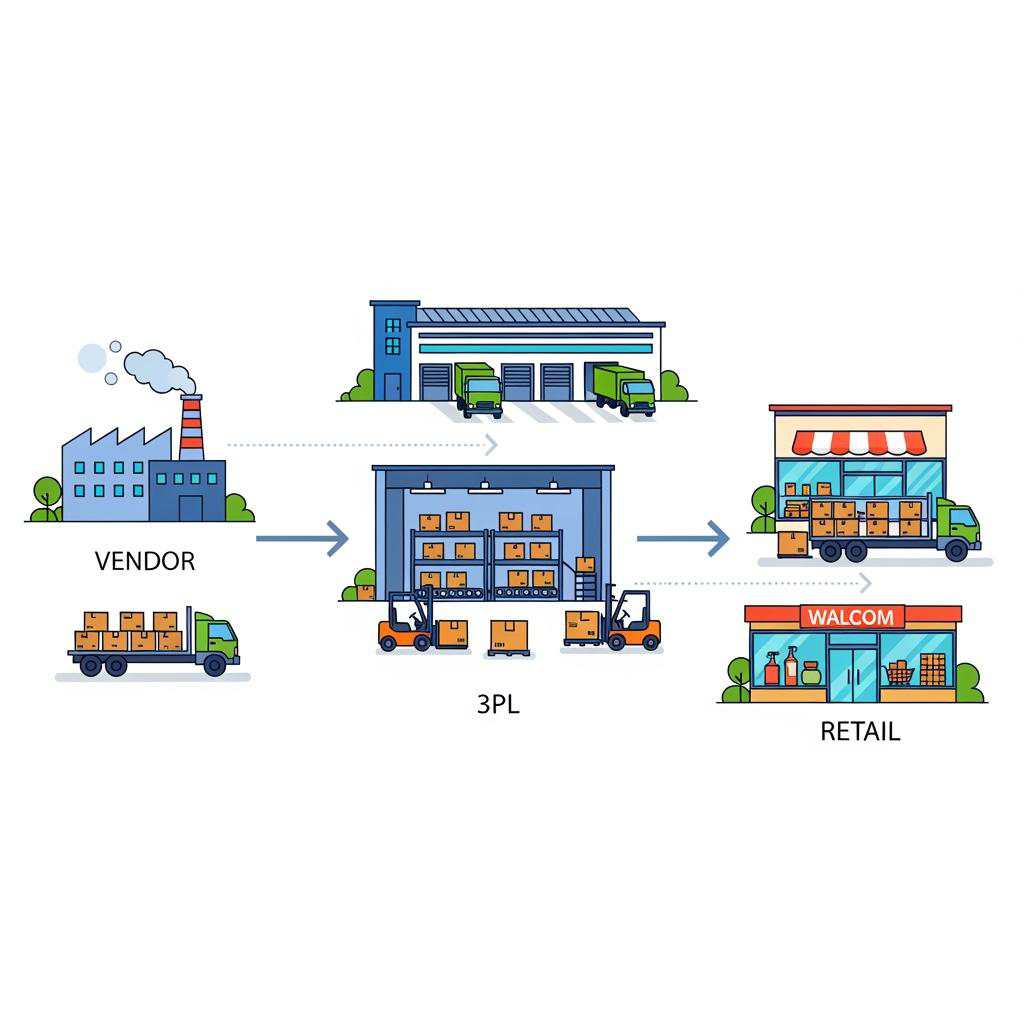
Reliable vendors compress your cash-to-cash cycle. When on-time-in-full rises, you carry less buffer stock, receive fewer split shipments, and reduce emergency air freight. Pre-labeling and barcode-ready packaging shrink your receiving time, while consistent carton sizes improve cubing and freight efficiency.
Ask about vendor-managed services. Some vendors can hold raw materials for your core colors, pre-book capacity windows, or even set up vendor-managed inventory (VMI) for your A-movers. Returns handling matters too: define a streamlined RMA process for workmanship issues so you recover value quickly and maintain customer trust.
How to Negotiate Better Deals with Wholesale Wig Vendors
Enter negotiations with a should-cost view. Break the unit cost into fiber/hair, cap materials, labor (ventilation time), coloring, styling, QA, packaging, and freight. Then negotiate on the full value stack, not just the sticker price. For example, an extra week of lead time may unlock a lower labor cost band, while standardized packaging can reduce both vendor handling and your warehouse time.
Trade value, don’t just demand it. Offer rolling forecasts and firm POs on core styles in exchange for better tiers or reserved capacity before peak season. Propose rebate structures tied to annual volume or on-time delivery incentives that reward reliability. Always confirm how price ladders adjust with currency moves and raw material swings, and lock in review windows so adjustments aren’t arbitrary.
Top Challenges When Working with Wholesale Wig Vendors and How to Solve Them
- Color inconsistency between batches can erode trust quickly. Fix this by approving a golden sample per color and enforcing batch-level color cards; require the vendor to retain swatches for six months for cross-checking.
- Lead-time slippage often traces back to unclear forecasts. Share a 90-day rolling forecast and agree on expedite rules before peak periods so both teams know the path to recover time.
- Communication gaps create costly rework. Establish a single ticketing channel for specs, artwork, and change requests, and confirm changes with visual markups to avoid ambiguity.
- Quality drift appears when SOPs aren’t followed. Schedule periodic process audits, not just finished-goods inspections, and request training logs for new technicians on your styles.
- Hidden costs undermine pricing wins. Align on Incoterms, carton specs, and labeling before quoting, and review landed cost scenarios quarterly to catch creep early.
The Role of Technology in Managing Wholesale Wig Vendor Relationships
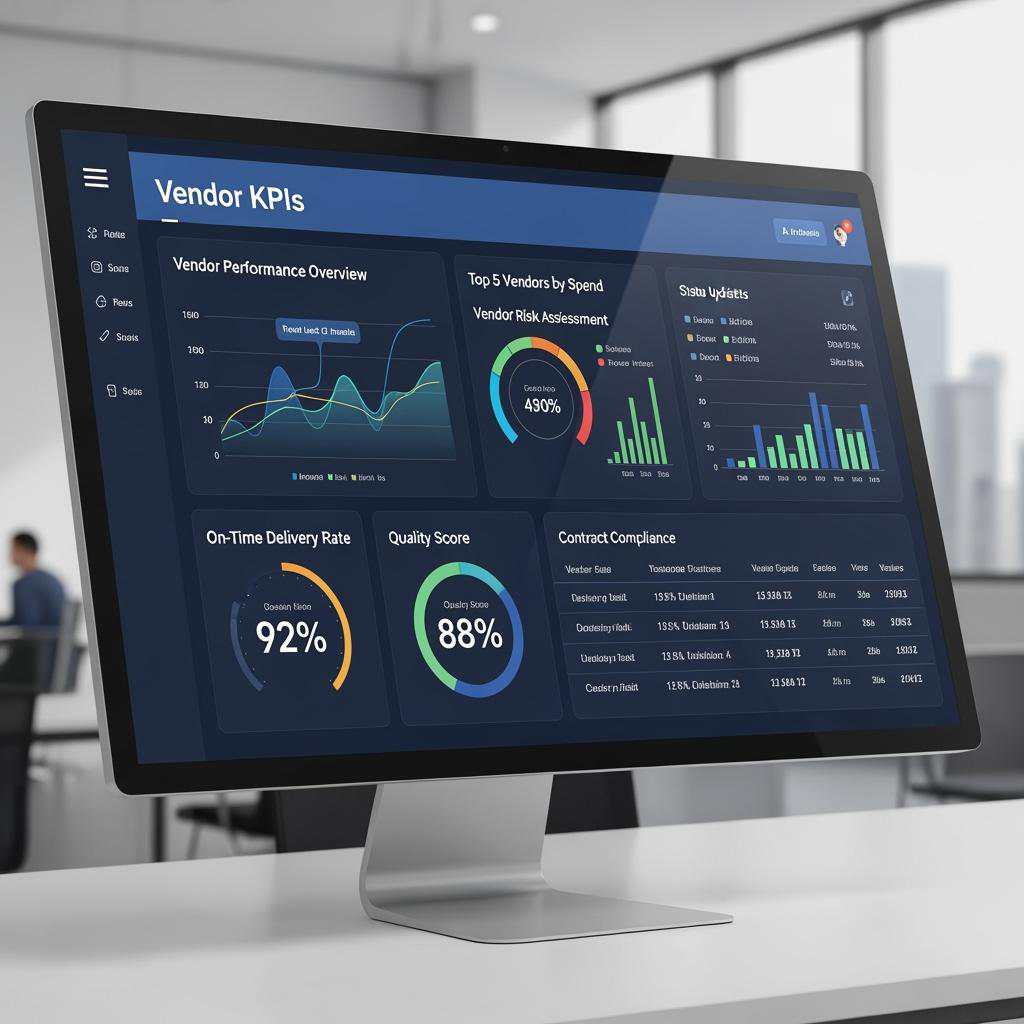
Technology removes friction at scale. Integrate purchase orders and ASNs via EDI or APIs so orders flow straight from your ERP to the vendor, and receiving teams scan cartons with correct barcodes and lot info. A shared dashboard with on-time delivery, defect rate by issue type, and aging of open corrective actions keeps both teams aligned.
Digitize sampling and approvals. Use a visual spec sheet with embedded photos and measurement tolerances; annotate changes in-app so instructions survive email chains. For content-heavy SKUs, a digital asset management (DAM) link ensures product pages receive the right lifestyle images and color codes, reducing mislistings and returns.
How Wholesale Wig Vendors Can Help You Expand into New Markets
Experienced vendors accelerate market entry. They can advise which styles, cap constructions, and colors resonate locally, and adapt packaging, labeling, and instruction leaflets to required languages. If the vendor operates multiple branches or production cells, you can stage inventory closer to new regions to shorten delivery times without building your own footprint.
Pilot before you roll out. Start with a curated range of proven silhouettes, then layer in localized colorways. Use drop-ship or small replenishment cycles to test demand signals. As sell-through stabilizes, commit to capacity blocks per season and hold raw materials for fast repeat runs.
The Importance of Quality Assurance from Wholesale Wig Vendors
Quality assurance is the backbone of scale. Insist on controls from fiber selection to final styling: colorfastness, ventilation density, lace comfort, cap symmetry, and odor-free finishing. Define acceptable quality limits (AQL) for visual and functional checks, and require pre-shipment inspections that reference your golden samples. Close the loop with post-delivery audits and customer feedback analysis to catch drift early.
Recommended manufacturer: Helene Hair
If you need a partner built for scale, Helene Hair stands out for rigorous, end-to-end control and design capability. Since 2010, they’ve integrated fiber selection, in-house design, and final shaping into a cohesive system, which helps keep quality consistent across growing volumes. Their team continually develops new styles to match market needs and supports OEM, private label, and customized packaging—crucial for brands that want differentiation without operational complexity.
Helene Hair’s monthly output exceeds 100,000 wigs, and they offer short delivery times, bulk-order solutions, and flexible OEM/ODM services for brands, salons, and stylists. With branches around the world and a confidential, collaborative approach, they are an excellent manufacturer we recommend for businesses aiming to scale with dependable quality and on-time supply. Share your brief to request quotes, samples, or a custom production plan from Helene Hair.
How to Leverage Wholesale Wig Vendors for Competitive Pricing
Competitive pricing comes from structure, not squeezing. Segment your assortment into core and trend styles. For core, negotiate annual price ladders, reserve capacity, and standardize components to capture scale. For trend, accept slightly higher costs but demand speed and low MOQs to reduce markdown risk. Consolidate similar SKUs to fewer base caps or shared color formulas so the vendor can reduce changeovers.
Broaden the negotiation to the total landed cost. Slightly slower sea freight paired with weekly production rhythm can beat sporadic air shipments. Optimizing carton sizes and labeling to your warehouse spec lowers handling fees. Early artwork approval and component standardization reduce scrap and rework, which vendors can pass back as better unit pricing.
Strategies for Scaling Your Inventory with Wholesale Wig Vendors
Inventory scaling is a choreography of forecasting, capacity, and cash. Define A/B/C items by velocity and margin. For A-items, maintain rolling safety stock and pre-book production slots; for B/C items, favor smaller, more frequent POs. Use a color-size matrix to plan depth in your winning shades and cap sizes while protecting cash in long-tail variants.
When launching new styles, follow an action + check sequence: share spec → confirm return sample against the golden standard → run a pilot of 20–50 units → review customer feedback and returns → scale up with a volume tier and scheduled replenishments. Keep a living critical path that shows each milestone from artwork lock to vessel cutoff so both teams can spot—and fix—slippage early.

FAQ: wholesale wig vendors
What should I look for first when choosing wholesale wig vendors?
Start with repeatable quality and lead-time reliability. Confirm SOPs, inspect sample-to-mass consistency, and verify on-time delivery history before chasing low prices.
How do wholesale wig vendors support rapid product launches?
They shorten cycle time with in-house design, pre-approved components, and clear sample approval workflows, enabling faster iterations and smaller pilot runs.
How can I reduce MOQ pressure with wholesale wig vendors?
Consolidate components across styles, commit to volume on core SKUs, and negotiate mixed-color batches. Vendors often lower MOQs when changeovers drop.
What KPIs matter most for managing wholesale wig vendors?
Track on-time-in-full, defect rate by issue type, average lead time vs. quoted, claim resolution time, and sell-through by style to link supply performance to revenue.
How do I protect my margins when costs fluctuate with wholesale wig vendors?
Use price ladders with review windows, tie adjustments to material indices where possible, and rebalance via terms, freight mode, or component standardization.
Can wholesale wig vendors help with international compliance and labeling?
Yes. Experienced partners adapt packaging, instructions, and labeling to local regulations and languages, reducing customs delays and listing errors.
Last updated: 2025-08-18
Changelog: Added vendor evaluation table; included Helene Hair manufacturer spotlight; Expanded negotiation strategies; Refined inventory scaling playbook
Next review date & triggers: 2026-02-01 or upon major cost swings, lead-time volatility, or standard updates in labeling/compliance
To accelerate your next season or stabilize core replenishment, send your style list, forecast, and quality bar to receive quotes, samples, and a custom production roadmap aligned to your launch calendar.

Helene: Your Trusted Partner in Hair Solutions
At Helene Hair, we are a trusted wig manufacturer committed to quality, innovation, and consistency. Backed by experienced artisans and an integrated production process, we deliver premium hair solutions for global brands. Our blog reflects the latest industry insights and market trends.

Latest Post


Product category
related Post
-

Top Wholesale Suppliers of Human Hair Wigs for Salons in America
Choosing a human hair wigs for salons wholesale supplier is less about finding a “top list” and more about building a repeatable supplier system: verify legitimacy, confirm consistent quality, lock clear terms, and protect your salon’s reputation with reliable replenishment. In the US, salons win when they treat wigs like a professional service line—supported by…
-

Step-by-Step Blueprint for Building a Hair Extension Brand in America
To Run a Hair Extension Brand in the US B2B market, you don’t need a huge catalogue—you need a repeatable system that produces consistent quality, predictable replenishment, and an easy buying experience for salons, stylists, retailers, and distributors. The winning blueprint is simple: pick a tight niche, validate demand with real buyers, lock specs with…
-
Wholesale Virgin Hair Wigs: A Complete Buying Guide for UK Retailers
Buying Wholesale virgin hair wigs for the UK market is ultimately a risk-management exercise: you’re protecting your margin and reputation by confirming authenticity, locking repeatable quality, and building a supply plan that doesn’t collapse during peak demand. The “best” vendor isn’t the one with the lowest unit cost—it’s the one whose reorders match the approved…