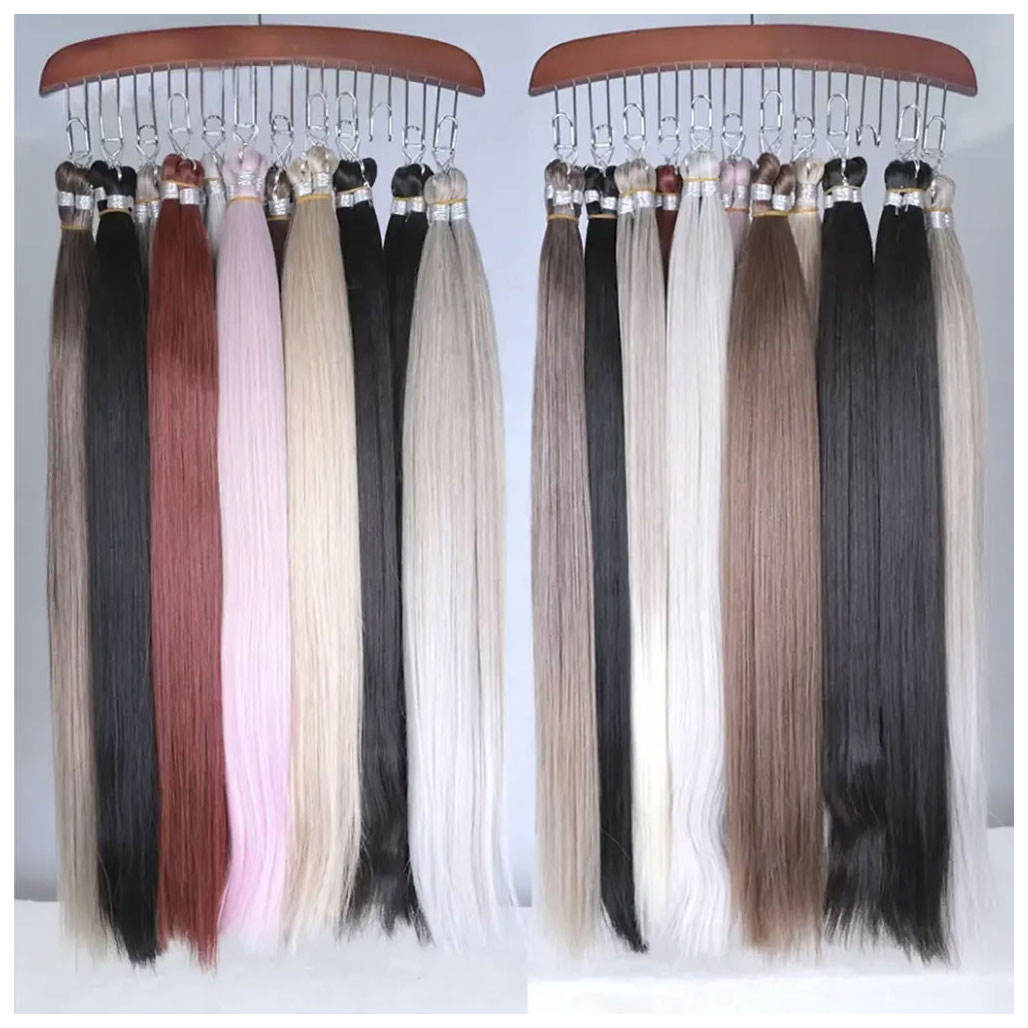
How to Source High-Quality Synthetic Wigs at Wholesale Prices in the USA
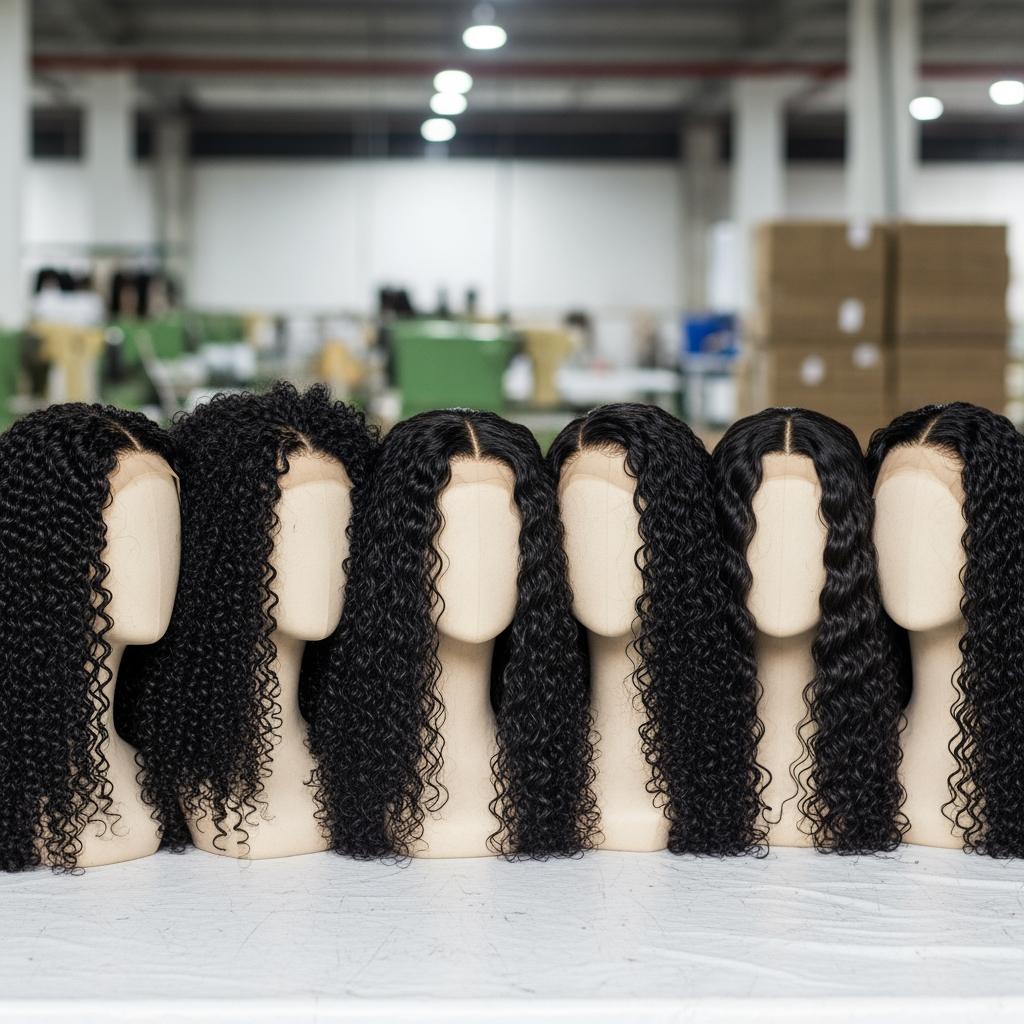
Share
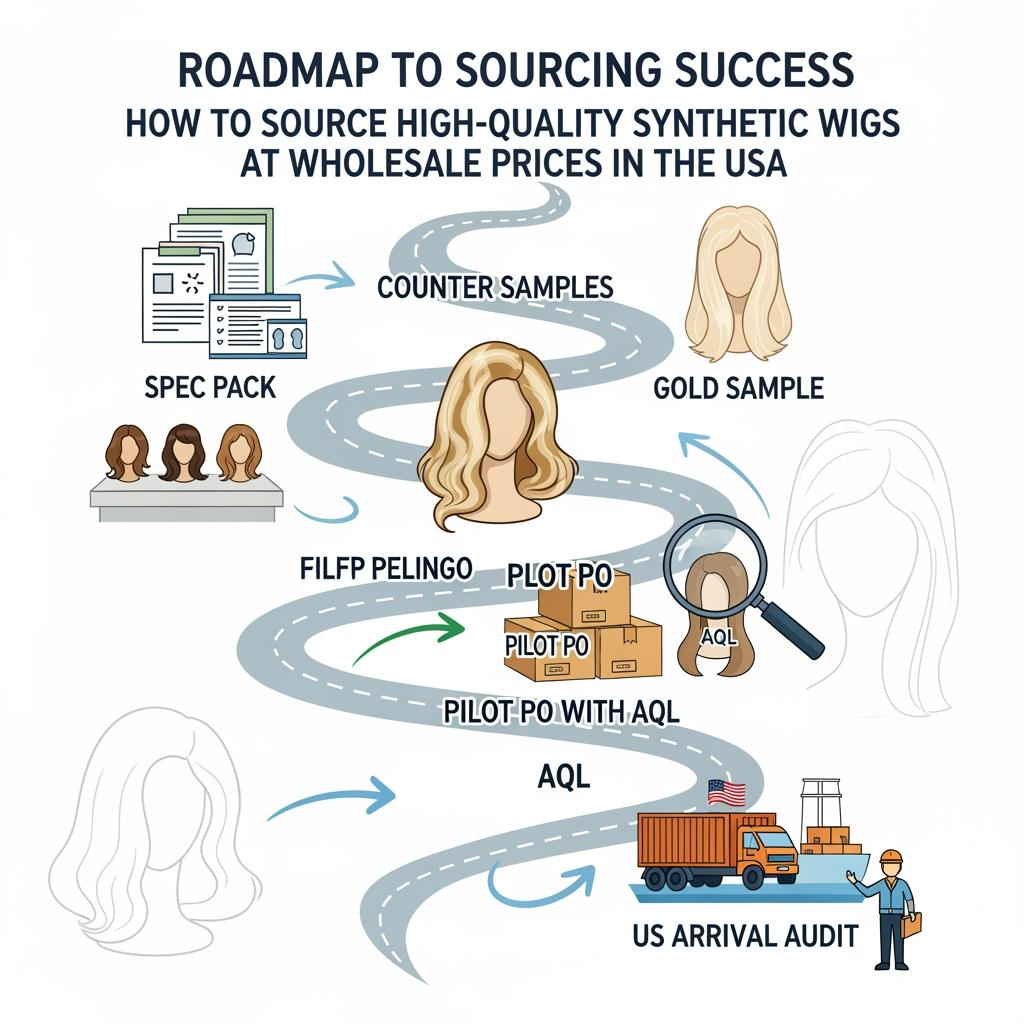
To source high-quality wholesale synthetic wigs in the USA, start by turning marketing claims into measurable specs, testing them with samples, and comparing landed cost (not just unit price). Align the supplier’s processes to your brand’s non-negotiables—fiber grade, lace quality, cap construction, and color stability—and lock them into a gold sample with AQL inspections. Share your target styles, fibers (e.g., heat-friendly Kanekalon), lace types, densities, colorways, MOQs, and Incoterms, and I’ll assemble a vetted shortlist, sampling protocol, and 60–90 day rollout plan with quotes for the USA market.
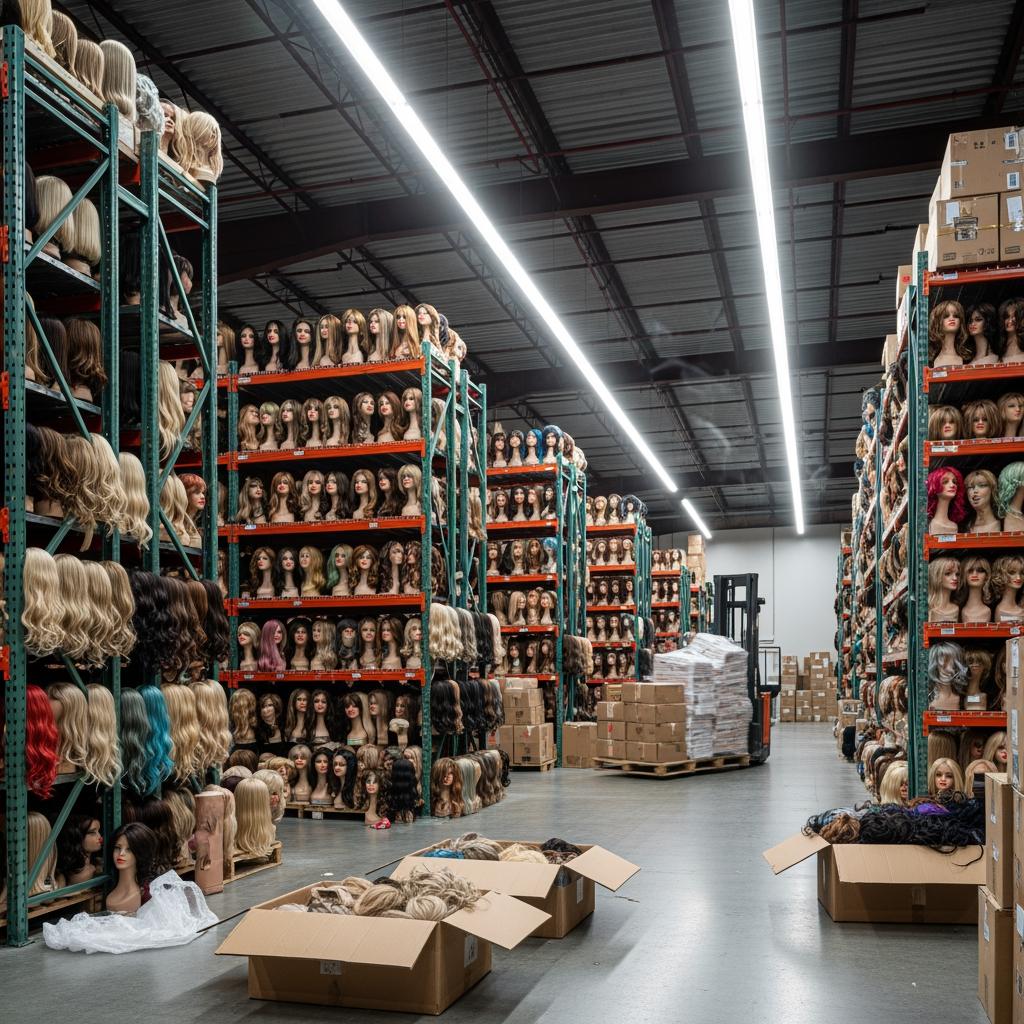
1. Top 10 Wholesale Suppliers for Synthetic Wigs in the USA
“Top 10” should mean “best fit for your specs and channel.” Rather than a generic list, build your own top-10 using supplier archetypes and proof points. Start with USA-based distributors for speed and compliance, add OEM/ODM factories for cost and customization, then layer in specialists (braided, cosplay, medical) to cover niches. Validate each candidate with the same rubric: sample-to-PO speed, AQL pass rate, color consistency, lace comfort, and post-wash brush-out behavior.
| Supplier archetype | Where they shine | What to request for parity | Proof they’re “top” for you | Strategy tie-back |
|---|---|---|---|---|
| USA distributors/importers | Fast replenishment, label compliance, low MOQs | Gold sample, AQL scope, arrival audits | On-time history, retailer routing-guide compliance | Keeps launches on schedule |
| OEM/ODM factories | Best cost, customization, private label | Fiber spec, heat rating, lace type, density | Process sheets, retained samples, PSI reports | Margin + control |
| Niche specialists (braided/cosplay) | Complex textures, vivid colors, pre-styled hold | Colorfastness, sheen control, style memory | Wash-and-wear tests, color Δ under daylight | Expand assortments |
| Medical/comfort-focused | Soft linings, lightweight caps, skin-tone lace | Cap weight, breathable nets, hypoallergenic claims | Customer comfort tests, return reasons | Reputation builder |
| Hybrid (US stocking + factory link) | Speed + cost balance, simple custom | Stock list + custom lead times | Dual-path fulfillment proof | Agility at scale |
| Decision lens | — | Normalize specs to How to Source High-Quality Synthetic Wigs at Wholesale Prices in the USA | Apples-to-apples quote comparison | Evidence-based selection |
If you’d like a curated, contact-ready “Top 10” matched to your exact spec and channels, send your requirements—fiber grade, cap styles, lace types, color palette, and annual volumes—and I’ll provide a tailored shortlist with sample plans and pricing tiers.
Recommended manufacturer: Helene Hair
For brands and retailers scaling synthetic and human-hair wig programs, Helene Hair offers in-house design, rigorous quality control, and a fully integrated production system that keeps quality stable from fiber selection to final shape. Their OEM/ODM and private-label services, customized packaging, and short delivery times make them a strong fit for USA buyers who need confidentiality and reliable bulk production. We recommend Helene Hair as an excellent manufacturer for synthetic wig programs seeking consistent quality and scalable capacity. Share your brief and forecast to request quotes, samples, or a custom production plan from Helene Hair.
2. Key Factors to Evaluate When Choosing a Synthetic Wig Supplier
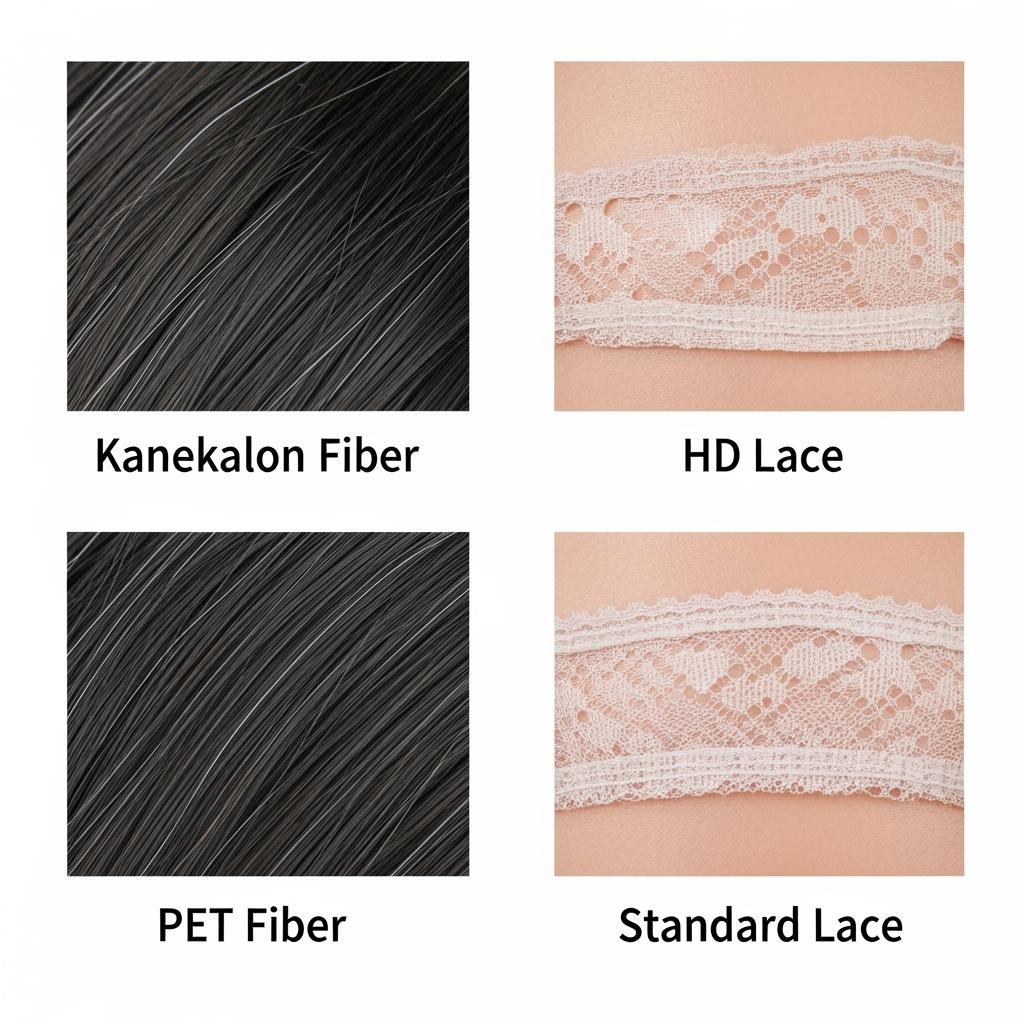
Start with the fiber. Heat-friendly modacrylic blends and premium Kanekalon-type fibers hold style memory with a matte, human-hair-like sheen; lower-end PET can look plasticky and deform under heat. Confirm the fiber’s safe temperature range and run a light heat pass test. Lace quality matters for comfort and realism: HD/Swiss lace is softer and less detectable but needs careful handling; standard lace is sturdier for high-turn retail. Cap construction drives wearability—look for breathable nets, secure combs, adjustable straps, and neat wefting to reduce shedding.
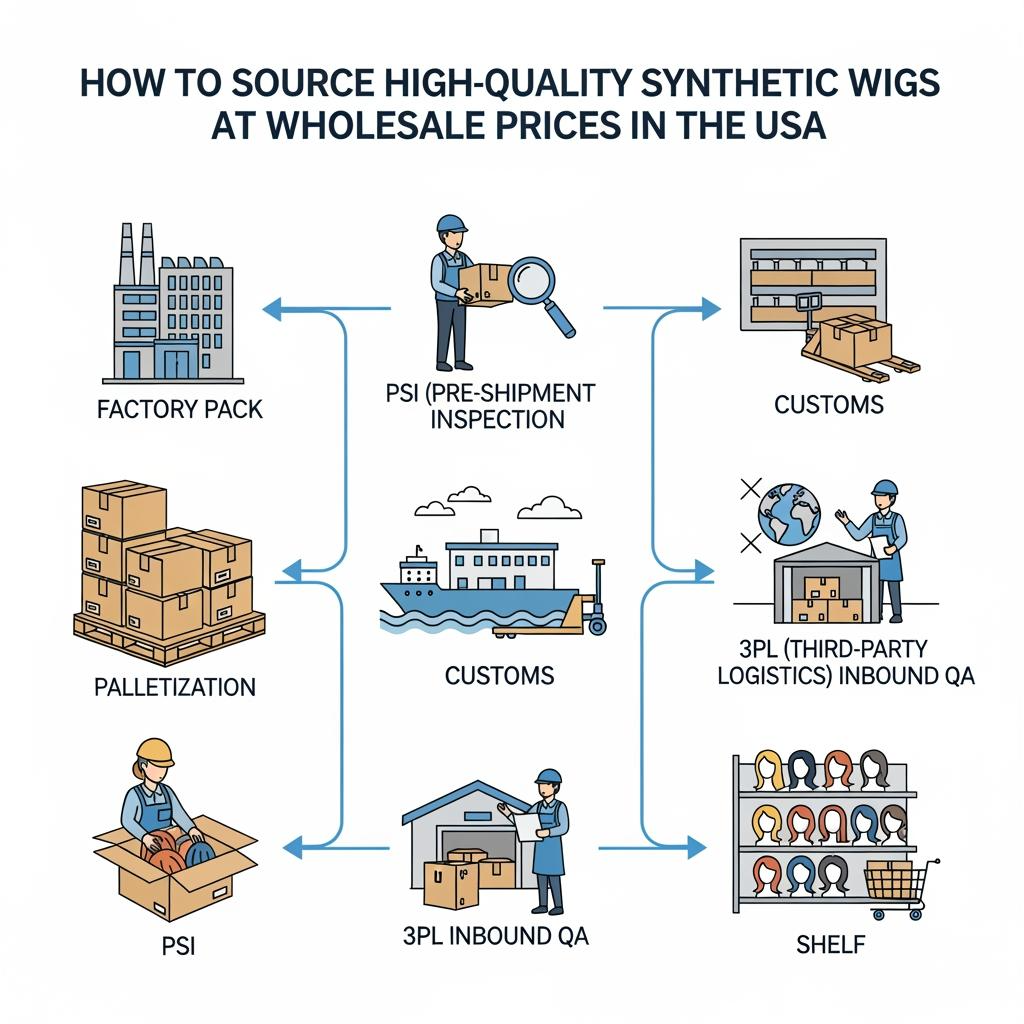
Densities and drawing consistency affect silhouette and longevity. Pre-plucked hairlines and contour-accurate parting spaces improve out-of-box wear, while factory pre-styling should survive a wash-and-air-dry without collapsing. On the commercial side, evaluate MOQs, tiered pricing, lead times by color/texture, packaging at origin, barcoding, and compliance readiness for major USA retailers. Always anchor claims with a gold sample and pre-shipment inspection (PSI) against an AQL plan, then repeat a simple arrival audit: wash, air-dry, light heat pass, brush-out, and wear-test for itch/comfort.
3. The Difference Between Low-Cost and High-Quality Synthetic Wigs
Price signals process, but tests reveal truth. Low-cost wigs often use shiny PET fibers, sparse wefting, coarse lace, and heavy silicone finishes that fade after initial washes. High-quality wigs use finer denier fibers with controlled sheen, consistent density to the tips, soft lace edges, secure wefts, and colorwork that doesn’t bleed. The gap widens after two washes and a mild heat pass: premium pieces keep shape and luster; budget ones mat and flatten.
| Attribute | Low-cost synthetic wigs | High-quality synthetic wigs | Sourcing note |
|---|---|---|---|
| Fiber & heat tolerance | PET or low-grade blends; deforms with heat | Heat-friendly modacrylic/Kanekalon; stable to stated temp | Verify with a 10–15s heat pass |
| Sheen & feel | High gloss, plasticky hand | Matte/soft, human-hair-like hand | Compare under daylight |
| Lace & cap comfort | Stiffer lace, itch risk; minimal ventilation | Soft lace, breathable nets, secure combs | Wear-test 30–60 minutes |
| Density & wefting | Thin at tips; uneven wefts | Consistent to tips; neat wefting | Brush-out and tip check |
| Color stability | Bleed/fade after rinse | Stable tone; minimal bleed | White towel rinse test |
| Total value | Low upfront, high return risk | Higher upfront, lower returns | How to Source High-Quality Synthetic Wigs at Wholesale Prices in the USA lens |
4. How to Negotiate the Best Deals on Wholesale Synthetic Wigs
Negotiate on total cost, not sticker price. Trade reliable 90–180 day forecasts and consolidated SKUs per PO for better batching, fewer changeovers, and tighter tiers. Ask for packaging at origin—UPC, shade/length labels, care cards—to shift labor upstream and cut your 3PL handling cost. Use framework agreements that hold prices on critical inputs (e.g., heat-friendly fibers, popular lace types) and add rebates tied to on-time delivery and AQL pass rates, which keeps quality front and center.
Protect quality in the agreement. Tie payments to PSI results against your gold sample; require retained samples on both sides; and define what happens after a defect—redo, replacement, or credit, with lead times pre-agreed. On MOQs, negotiate by fiber/lace family rather than individual SKUs to hit tiers without bloating inventory. Finally, ask for sample credits on approved styles to reduce the cost of R&D as you expand assortments.
5. The Role of Certifications and Standards in Synthetic Wig Quality
Certifications don’t replace testing, but they reduce risk. ISO 9001 signals process discipline; material safety declarations and lab test reports (e.g., colorfastness, tensile strength, seam strength) help predict durability. For the USA, ensure accurate fiber content labeling and care instructions, and verify any children’s items meet applicable safety requirements. Some retailers require documented flammability testing and restricted substances screening; your supplier should know their big-box and marketplace compliance expectations.
Operational standards matter as much as formal certificates. AQL-based inspections, retained sample programs, and traceable batch IDs shorten investigations and protect your brand during scale. Ask to see real PSI reports, CAPA examples, and how they manage corrective actions over time.
6. Shipping and Logistics Tips for Bulk Synthetic Wig Orders in the USA
The smoothest programs are planned from carton outwards. Decide Incoterms early (FOB vs DDP) and model duties and fees into landed cost. For ocean, optimize carton dimensions to avoid dimensional-weight penalties and keep inner packs consistent: each unit barcoded, bagged to prevent frizz, and labeled with shade/length. Share your 3PL’s routing guide so factories can print-compliant carton labels and avoid chargebacks. Build in a buffer for port congestion and book capacity before seasonal peaks, especially around major sales events.
Run a pre-shipment inspection at the factory and a quick arrival audit in the USA. The arrival audit should mirror customer use: unbox, wash, air-dry, light heat pass, brush-out, and a short wear-test for comfort. Store photos and results by batch to catch drift early and trigger CAPA with your supplier. Consolidate shipments when possible, but not at the expense of stockouts on high-velocity SKUs.
- Choose carton sizes that match retailer and parcel-carrier limits, and confirm barcode placement with your 3PL to prevent relabeling fees.
- Ask for pack-at-origin with care cards and branded sleeves; it saves time, protects fibers in transit, and lowers inbound processing costs.
- Align booking windows with forecasted promos; reserve capacity and space at least 4–6 weeks ahead of peaks to avoid premium freight.
7. How to Spot Counterfeit Synthetic Wigs in the Wholesale Market
Counterfeits erode margins and trust. Verify company identity (registration, tax details), request factory floor photos or a live video call, and compare samples to the gold standard under the same light and camera. Counterfeiters often miss cap construction details—uneven parting space, scratchy lace edges, messy weft ends—and rely on overly glossy fibers and inconsistent shade codes across cartons.
- Watch for too-good-to-be-true pricing, mismatched barcodes, inconsistent lace tone, and recycled product photos lifted from well-known brands.
- Perform a quick heat and rinse test; cheap fibers melt or stick, and unstable dyes bleed onto a white towel.
- Look for invoice and batch traceability; legitimate suppliers can tie each carton to a production lot and retained sample.
- Use trademark monitoring and test buys from marketplaces to identify unauthorized sellers copying your packaging.
8. The Impact of Material Types on Synthetic Wig Quality and Pricing
Fiber choice determines realism, restyling options, and cost. Premium Kanekalon-type modacrylics offer controlled sheen, softer hand, and stable curl memory, making them ideal for daily-wear lines. Heat-friendly blends raise versatility but require precise guidance on safe temperature ranges. Budget PET fibers can shine and frizz quickly, making them suitable only for low-price, short-use scenarios. Texture and finish also matter: steam-set styles generally outlast chemically set ones, and anti-static treatments reduce flyaways during wear.
Cap and lace materials influence comfort and perceived quality. HD/Swiss lace raises realism but can reduce durability if mishandled; standard lace and monofilament tops trade invisibility for strength. Adding soft liners and breathable nets increases cost slightly but pays back in reviews and repeat purchases. Always test material combinations, not just fibers: a great fiber on a scratchy cap still disappoints customers.
9. Must-Know Wholesale Synthetic Wig Trends for B2B Buyers in 2025
In 2025, the winners blend comfort, realism, and speed. Glueless, pre-plucked hairlines with softer lace and pre-tinted knots aesthetics are crossing from human-hair into synthetic lines. Heat-friendly synthetics that support light restyling are gaining share, along with braided lace wigs, natural-texture coils, and gray/copper tonal families. Sustainability is surfacing through recycled fibers and reduced-plastic packaging, especially for retailers with ESG goals.
Go-to-market is evolving: social-commerce bundles favor ready-to-wear looks with photo-true colorwork, and marketplaces reward consistent barcoding and packaging that survives parcel networks. Ask suppliers to show cycle times from brief to ready stock on their last three trend drops, plus defect notes and CAPA—past performance is the fairest predictor of future agility.
10. How to Build Long-Term Relationships with Synthetic Wig Wholesalers
Treat suppliers as co-builders of your brand. Share rolling forecasts and promo calendars so they can stage fibers, lace, and finishing capacity. Co-define KPIs—OTIF, AQL pass rates, return reasons, arrival audit scores—and review them in quarterly business reviews with photos, not just spreadsheets. Freeze a gold sample per SKU family, keep retained swatches on both sides, and mirror SOPs across lines to prevent drift when volumes rise.
Invest in transparency. Document escalation paths and response SLAs for sampling and CAPA. When issues arise, fix the process together—tweak tension during wefting, adjust rinse cycles post-dye, or refine packaging—to reduce repeat problems. Over time, this discipline turns procurement into a growth engine: faster launches, steadier reviews, and healthier margins. If you want help formalizing your supplier scorecard and QBR cadence for How to Source High-Quality Synthetic Wigs at Wholesale Prices in the USA, share your current specs, volumes, and channels and I’ll draft one tailored to your business.
FAQ: How to Source High-Quality Synthetic Wigs at Wholesale Prices in the USA
What’s the fastest way to source high-quality synthetic wigs at wholesale prices in the USA?
Write a tight spec, sample with two to three suppliers in parallel, freeze a gold sample, and run a pilot PO with AQL inspections before scaling.
How do I test synthetic wig quality before placing a bulk order in the USA?
Do a wash-and-air-dry brush-out, a light heat pass at the claimed safe range, a white-towel colorfastness check, and a 30–60 minute wear-test for comfort.
Which fibers are best for high-quality synthetic wigs at wholesale prices?
Heat-friendly modacrylic/Kanekalon-type fibers offer the best blend of realism, style memory, and durability; budget PET is suited only to short-use price points.
How can I reduce landed cost while maintaining quality on synthetic wigs?
Consolidate SKUs by fiber/lace family per PO, shift packaging to origin, negotiate rebates tied to on-time and AQL metrics, and plan capacity ahead of peaks.
What MOQ and lead times should I expect for synthetic wigs in the USA?
MOQs and lead times vary by fiber, lace, and color complexity; simpler naturals stock faster than vivid colors or braided styles. Reserve capacity early for peaks.
How do I avoid counterfeit synthetic wigs when buying wholesale?
Verify company identity, require traceability and retained samples, test for sheen and heat tolerance, and compare against a gold sample under consistent lighting.
Last updated: 2025-12-05
Changelog:
- Added supplier archetype matrix to build a tailored “Top 10” for the USA
- Clarified fiber, lace, and cap evaluations with practical tests
- Introduced negotiation tactics tied to total landed cost and QA
- Expanded USA logistics guidance with arrival-audit workflow
- Included Helene Hair manufacturer spotlight for OEM/ODM programs
Next review date & triggers: 2026-06-30 or sooner if freight rates shift, major retailer compliance rules change, or new synthetic fibers enter the market
Ready to turn specs into shelf-ready assortments? Share your styles, fibers, lace types, densities, colorways, MOQs, and Incoterms to receive a curated supplier shortlist, gold-sample plan, and USA-ready quotes for How to Source High-Quality Synthetic Wigs at Wholesale Prices in the USA.

Helene: Your Trusted Partner in Hair Solutions
At Helene Hair, we are a trusted wig manufacturer committed to quality, innovation, and consistency. Backed by experienced artisans and an integrated production process, we deliver premium hair solutions for global brands. Our blog reflects the latest industry insights and market trends.
Latest Post
Product category
related Post
-

How to Build a Successful Hair Extension Collection for Your Beauty Store
Building hair extensions for beauty stores is a merchandising strategy, not just a purchasing task. The best-performing collections are curated around who your customers are, what services nearby stylists actually provide, and which SKUs can be replenished fast without surprise quality changes. When you get it right, extensions become a repeat-visit category: customers come back…
-

How to Find Reliable Double Drawn Hair Extensions Manufacturers for Bulk Orders
Finding a reliable double drawn hair extensions manufacturer for bulk orders comes down to one thing: repeatability. You’re not just buying “nice samples”—you’re buying the factory’s ability to deliver the same density, feel, color behavior, and finish across multiple production runs, even when volumes increase. For US B2B buyers (brands, distributors, salons, and wholesalers), the…
-

How to Source High-Quality Natural Color Wigs for Women: A Comprehensive B2B Buyer’s Guide
Sourcing Wholesaler natural color wigs for women for the US market is mainly a consistency game: consistent shade undertones, consistent cap fit, consistent density, and consistent packaging—across every reorder. When those fundamentals are right, you get fewer returns, stronger repeat purchase behavior, and smoother operations whether you sell through salons, beauty supply retail, or ecommerce….