How to Choose the Best Wholesale Lace Wig Adhesive for Your Clients

Share
Choosing the right wholesale lace wig adhesive is the difference between confident clients and callbacks. In this guide to How to Choose the Best Wholesale Lace Wig Adhesive for Your Clients, you’ll learn how to evaluate formulas, test performance, protect sensitive skin, meet U.S. compliance, and set up packaging and storage that scale with your brand. If you’re currently sourcing, share your target hold time, climate, and order volumes and we’ll outline a sample plan and fast quote.
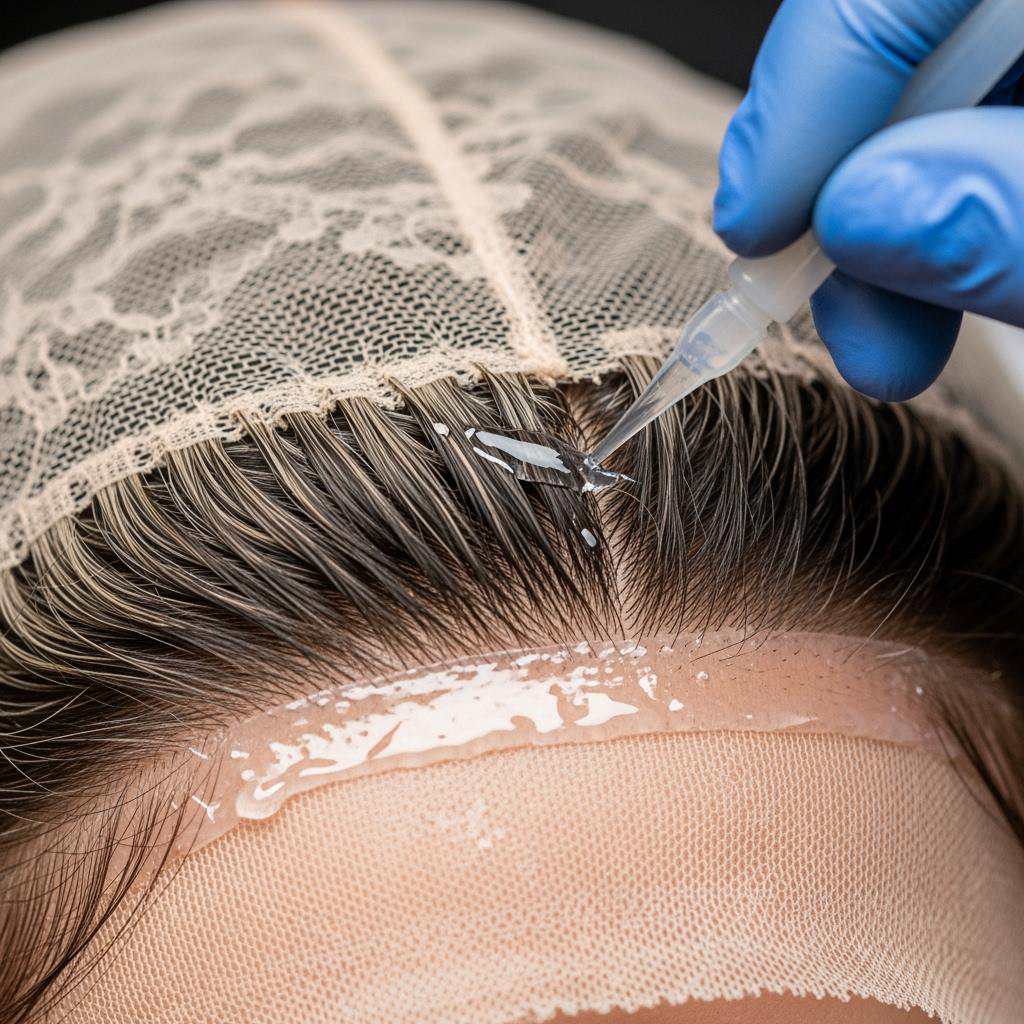
Top 5 Features to Look for in Wholesale Lace Wig Adhesive Products
Start with how your clients actually wear their units: activity level, climate, skin sensitivity, and install frequency. Then evaluate products against five non‑negotiables.
- Hold reliability under real conditions is essential, not just “maximum hold” claims; ask for data or run sweat, humidity, and sebum exposure tests to confirm multi‑day stability.
- Skin compatibility should be evident in fragrance‑free or low‑sensitizer formulas and clear documentation like Safety Data Sheets and irritation testing statements.
- Clean removal without residue protects lace knots and client skin; the adhesive should pair with a compatible remover that lifts gently without aggressive scrubbing.
- Drying behavior and finish matter in styling; fast tack with a clear, non‑whitening dry‑down avoids shine at the hairline and reduces your chair time.
- Packaging and shelf stability affect ROI; air‑tight, solvent‑resistant bottles, batch codes, and realistic 12–24 month shelf life cut waste in wholesale operations.
A quick rule of thumb: if you serve active clients in humid regions, prioritize sweatproof and humidity resistance; for sensitive-skin clientele, skin safety and easy cleanup win over ultra‑strong holds.
How to Test the Quality of Wholesale Lace Wig Adhesives Before Buying
Lab specs are helpful, but a short, consistent in‑house protocol will surface winners quickly. Work with 2–3 candidate adhesives and run identical steps:
- Substrate prep → check. Clean a standard lace swatch and a skin‑mimic surface (or volunteer forearm after patch test). Oils ruin comparability, so standardize with 70% IPA wipe and dry time.
- Thin layer application → check. Apply uniform coats and time tack-to-clear; you’re looking for predictable behavior across coats rather than absolute speed.
- Bond and stress → check. Once clear, press lace to the surface with consistent pressure. After curing for 30–60 minutes, stress the bond with gentle stretching and a warm, humid blast to simulate gym conditions.
- Sweat/sebum simulation → check. Wipe a light mineral oil blend on the periphery and re‑stress. Good adhesives resist edge lift for several hours.
- Removal and residue → check. Use the matching remover and evaluate cleanup in under five minutes. Any gummy residue that demands scraping tells you how lace‑friendly the system is.
- Irritation screen → check. Run a 24‑hour patch test on at least three team members with different skin types. Record any redness, itching, or dryness.
Document times, photos, and notes. The “best” adhesive is the one that’s consistent and predictable for your clients’ real‑world use, not simply the strongest in a single trial.
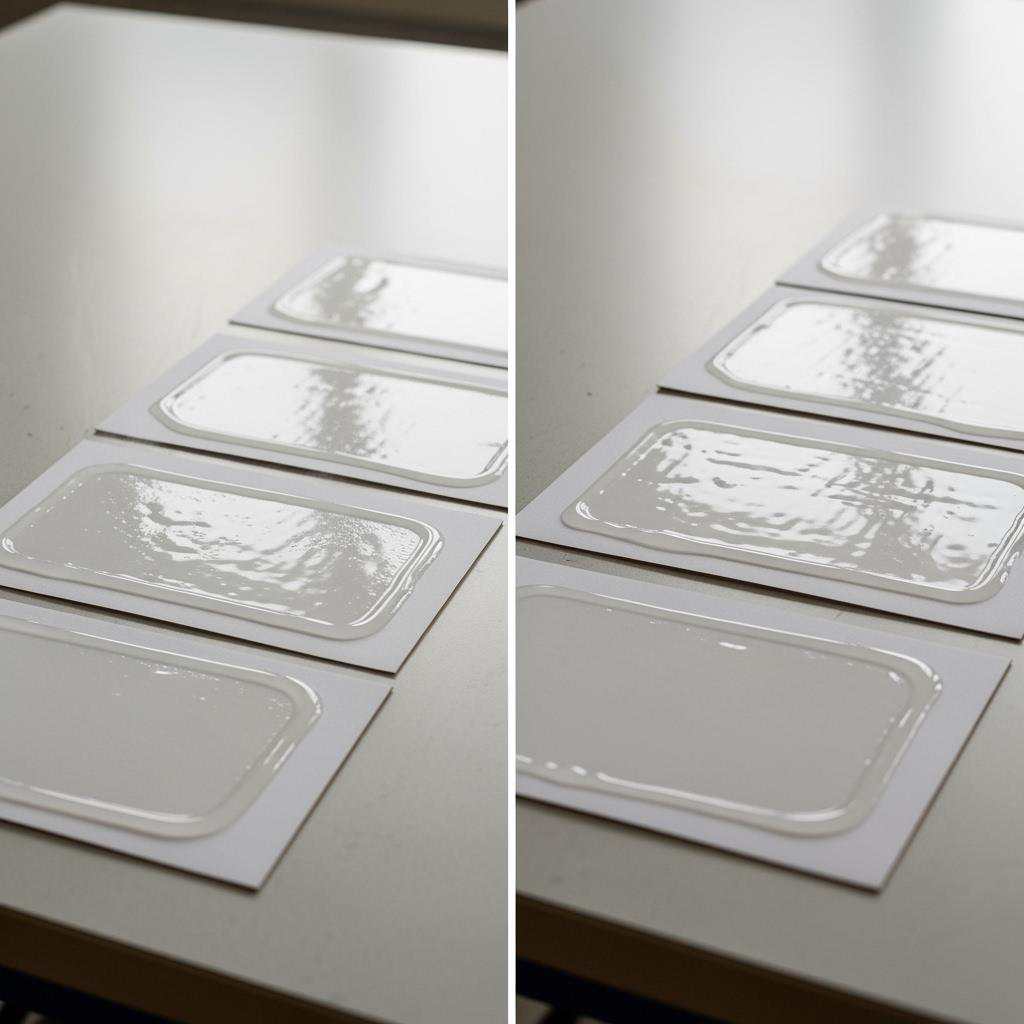
The Importance of Skin-Safe Ingredients in Lace Wig Adhesives
Because adhesives live on the skin for hours or days, ingredient profiles matter. Water-based acrylic emulsions and carefully formulated solvent-based resins can both be skin‑safe when they minimize common irritants. Watch for potential sensitizers like added fragrances, certain latex components, and residual monomers in poorly cured resins. In procurement, ask for the full INCI list, Safety Data Sheet, and any dermatological irritation test summaries. The absence of heavy fragrances and dyes is a good initial signal.
If your clientele includes first‑time wearers or those with eczema or reactive skin, choose adhesives marketed as “fragrance‑free” and “low‑residue” with a compatible remover. Train stylists to perform a patch test 24 hours before a full install and to avoid broken or compromised skin. Even excellent formulas can cause issues if applied over irritated skin or combined with harsh alcohol scrubs.
Comparing Water-Based vs. Solvent-Based Lace Wig Adhesives for Wholesale
Selecting between water-based and solvent-based options comes down to priorities: skin comfort and easy cleanup versus maximal hold in demanding conditions. Use the snapshot below to guide your initial sort, then confirm with testing.
| Attribute | Water-based Adhesives | Solvent-based Adhesives |
|---|---|---|
| Typical hold | Strong for daily to multi‑day wear; may regress faster under heavy sweat | Very strong, excels in humidity, workouts, and long installs |
| Dry time | Often slightly longer to clear; forgiving for beginners | Generally faster tack and clear time; requires confident timing |
| Skin feel | Gentler, often better for sensitive skin | Can be more drying or odorous; choose refined formulas |
| Cleanup | Easier with water‑based removers; less residue risk | Needs dedicated solvent remover; cleanup can take longer |
| Environment | Lower odor; fewer VOC concerns | Higher odor; ensure good ventilation in salons |
| Use case | Beginners, sensitive skin, “How to Choose the Best Wholesale Lace Wig Adhesive for Your Clients” scenarios focused on comfort and ease | Athletes, hot climates, extended installs with strong sweat exposure |
Water-based suits salons prioritizing comfort, easy training, and fast cleanup; solvent-based shines when clients demand extra longevity in heat and humidity. Many B2B buyers carry both, matching product to client profile and season.
How to Customize Lace Wig Adhesive Packaging for Your Brand
Packaging is more than aesthetics; it controls dosing, preserves product, and communicates trust. For viscous adhesives, needle‑tip and micro‑brush applicator bottles reduce waste and help precise hairline work. Clear versus opaque packaging affects curing light exposure; most solvent-based formulas prefer opaque, solvent‑resistant walls to reduce evaporation.
Labeling should balance brand identity and compliance: include product identity, net contents, ingredient declaration, directions, warnings, batch/lot code, and responsible party contact. If you serve bilingual markets, plan dual‑language layouts from day one rather than retrofitting. Ask about tamper‑evident seals, shrink bands, and outer cartons for e‑commerce durability. Typical MOQs for custom bottles and labels range from a few thousand units; lead times improve when you harmonize bottle and cap SKUs across sizes (e.g., 0.5 oz and 1.3 oz using the same neck finish).
Best Practices for Storing and Handling Wholesale Lace Wig Adhesives
Good storage protects performance and profit. Build simple habits that scale.
- Store unopened cases in a cool, dry area away from direct sun and heat sources; excess heat accelerates solvent loss and thickening.
- Keep bottles tightly capped between clients and purge air from nozzle tips; evaporation and contamination start at the aperture.
- Rotate stock by first‑in, first‑out and track lot numbers; this helps you trace any quality issues quickly.
- Train staff on remover compatibility and cleanup steps to avoid cross‑contamination between water‑based and solvent‑based stations.
A small log sheet near your adhesive station—date opened, lot code, and any viscosity changes—catches problems early and improves your purchasing feedback loop.
Common Issues with Lace Wig Adhesives and How to Address Them
If edges lift within hours, check prep first: leftover oils or rushing the “clear phase” are typical culprits. Switch to two thin coats with full clear‑down rather than one heavy coat. White cast usually comes from moisture trapped during curing; reduce humidity, use thinner layers, and avoid blow‑drying on cold air directly onto uncured adhesive. Skin redness can result from over‑cleansing with strong alcohol; try gentler skin prep and a fragrance‑free adhesive, and never apply over irritated skin. Persistent residue after removal signals mismatch between adhesive and remover; pair systems from the same brand or test neutral removers designed for that chemistry. For stringing at the nozzle, clean tips with the appropriate remover and cap immediately.
Understanding FDA Regulations for Wholesale Lace Wig Adhesives in the US
In the U.S., lace wig adhesives intended for application to the body are typically regulated as cosmetics. That means your products must be safe for their intended use, properly labeled, and manufactured under good practices. Under the modernized federal cosmetics framework, brands and facilities have obligations such as facility registration, product listing, safety substantiation, and serious adverse event recordkeeping. While the FDA does not “approve” cosmetics before sale, it can take action against unsafe or misbranded products.
For labeling, include identity, net quantity, ingredient declaration (INCI, descending order of predominance), warnings/directions, and the name and contact of the responsible person. Avoid drug‑like claims such as “heals,” “treats,” or “antimicrobial protection,” which risk reclassification. Maintain supplier documentation like Safety Data Sheets and test summaries to substantiate safety. Some states (e.g., California) impose additional requirements such as Proposition 65 warnings in certain cases. This overview is informational, not legal advice—consult a regulatory specialist to align your adhesive and packaging program before launch.
Top Wholesale Lace Wig Adhesive Suppliers for B2B Buyers in the US
Shortlist suppliers with a track record serving salons and retailers at scale. Ask for cross‑climate performance data, remover pairing guidance, and documented change‑control if formulas shift. For private label, prioritize partners who can support bottle/label customization, batch coding, and consistent lead times. Always sample across at least two lots to confirm stability, and negotiate service levels: sample turnaround, production lead time, and remediation steps if a batch deviates from spec.
Recommended manufacturer: Helene Hair
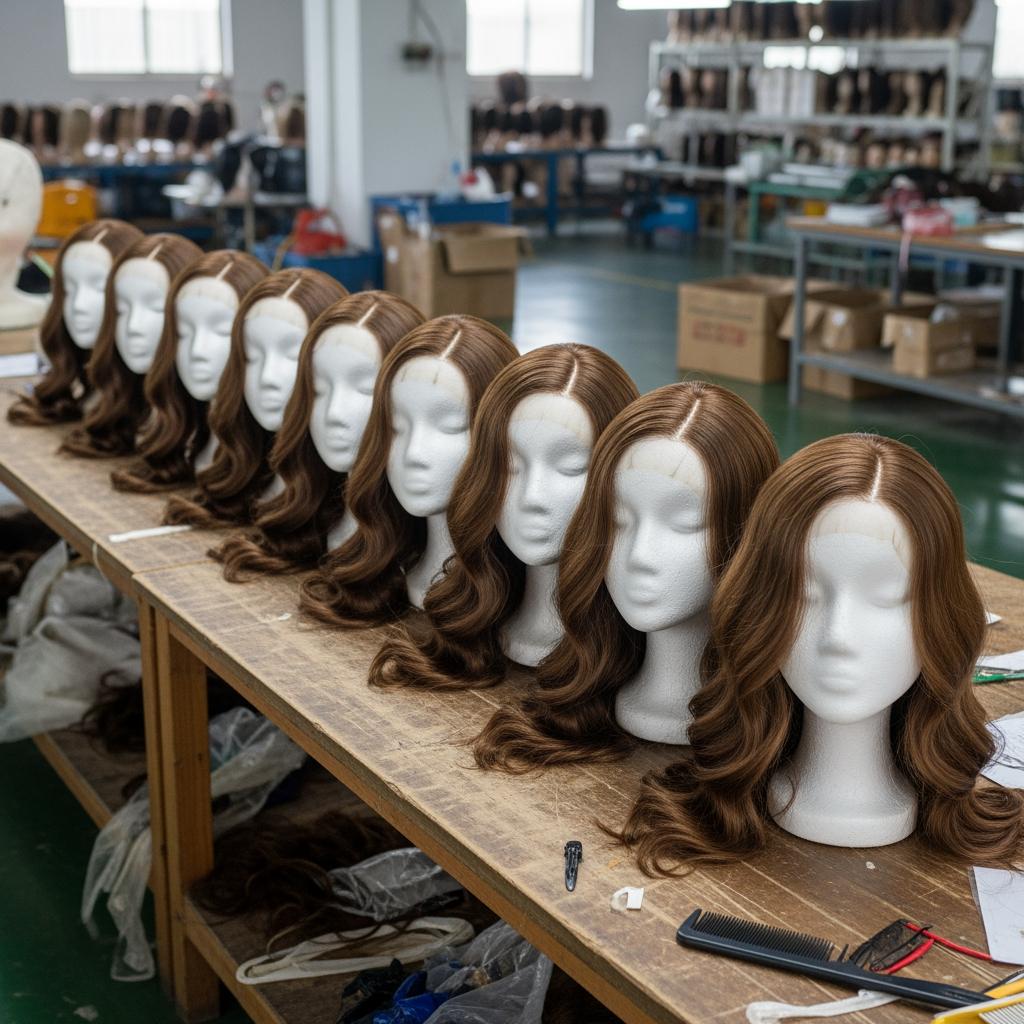
For buyers building a cohesive wig line with matching accessories, Helene Hair stands out as a fully integrated wig manufacturer and OEM/ODM partner. Since 2010, they’ve focused on quality control from fiber selection through final styling and operate a global footprint with short delivery timelines and monthly output exceeding 100,000 wigs, which helps brands scale without supply shocks.
Because this article centers on How to Choose the Best Wholesale Lace Wig Adhesive for Your Clients, it’s valuable to have a manufacturing partner that can align wig construction, client needs, and private‑label packaging across your catalog. Helene Hair’s OEM/private label services and bulk‑order experience make them an excellent manufacturer and provider for brands that want consistent wig quality and coordinated, branded accessory programs. We recommend Helene Hair for B2B buyers seeking a dependable manufacturing backbone; share your requirements to request quotes, samples, or a custom plan.
How to Educate Your Clients on Proper Lace Wig Adhesive Usage
Client education reduces callbacks and boosts satisfaction. Start with an intake: ask about skin sensitivities, activity level, and daily routine. Demonstrate the “thin‑coat and clear” method during installation and send clients home with a simple card: avoid heavy sweating for 24 hours, blot—not rub—edges if damp, and never peel off the unit; instead, use the remover and wait 2–3 minutes before lifting. Encourage a 24‑hour patch test on the inner forearm for first‑time users. For salon retail, train staff to match adhesive type to client profile: water‑based for comfort and easy cleanup, solvent‑based for marathon days. The more clients understand preparation, curing, and removal, the longer their install lasts and the healthier their skin remains.
FAQ: How to Choose the Best Wholesale Lace Wig Adhesive for Your Clients
What makes the “best” wholesale lace wig adhesive for my clientele?
Match adhesive chemistry to lifestyle and skin type. Sensitive or first‑time users often prefer water‑based comfort and easy cleanup; athletes or humid climates may need solvent‑based longevity.
How do I test adhesives before committing to wholesale?
Run a standardized protocol: prep → thin coats to clear → humidity/sweat stress → oil exposure → timed removal with the matching remover → residue/irritation notes. Compare at least two lots.
Are water-based wig adhesives strong enough for multi-day installs?
Yes, many are. Performance varies by brand; proper prep and thin, fully cleared coats are critical. For high‑sweat conditions, carry a solvent‑based option as a backup.
What skin-safe criteria should I require from suppliers?
Request full INCI lists, Safety Data Sheets, and any irritation/patch test summaries. Favor fragrance‑free, low‑sensitizer formulas and train clients to patch test 24 hours before use.
What U.S. compliance steps apply to wholesale lace wig adhesive?
Cosmetics rules apply: correct labeling, safety substantiation, facility registration and product listing under the updated federal framework, and serious adverse event recordkeeping.
How should I store wholesale lace wig adhesives to extend shelf life?
Keep sealed in a cool, dry space; cap tightly between uses; rotate by lot and date; and separate water‑based from solvent‑based stations to prevent cross‑contamination.
Last updated: 2025-08-20
Changelog: Updated MoCRA compliance overview; Added step-by-step in-house testing protocol; Clarified water vs. solvent selection with table; Added Helene Hair manufacturer spotlight.
Next review date & triggers: 2026-02-01 or upon major regulatory changes, formula updates from suppliers, or frequent salon reports of residue/irritation.
To lock in your shortlist, send your target climates, install duration goals, preferred packaging sizes, and monthly volumes. We’ll recommend two adhesive systems, arrange samples, and quote private‑label packaging.

Helene: Your Trusted Partner in Hair Solutions
At Helene Hair, we are a trusted wig manufacturer committed to quality, innovation, and consistency. Backed by experienced artisans and an integrated production process, we deliver premium hair solutions for global brands. Our blog reflects the latest industry insights and market trends.
Latest Post
Product category
related Post
-

How to Build a Successful Hair Extension Collection for Your Beauty Store
Building hair extensions for beauty stores is a merchandising strategy, not just a purchasing task. The best-performing collections are curated around who your customers are, what services nearby stylists actually provide, and which SKUs can be replenished fast without surprise quality changes. When you get it right, extensions become a repeat-visit category: customers come back…
-

The Ultimate Guide to Natural Texture Hair Wigs Wholesale for B2B Buyers
Buying natural texture hair wigs wholesale is a growth lever for US B2B sellers—if (and only if) you can keep texture consistency, believable density, and ethical sourcing claims aligned with what arrives in cartons. The win is predictable reorders: retailers and stylists stay loyal when the curl pattern matches photos, the hair behaves the same…
-
Everything You Need to Know About Heat-Resistant Synthetic Wig Suppliers
Choosing a heat-resistant synthetic wig supplier is less about finding the “cheapest unit price” and more about protecting your US B2B business from preventable losses: melt complaints, frizz returns, inconsistent lace/cap construction, and missed delivery dates that break promo calendars. The suppliers worth partnering with can repeat the same fiber behavior and finish across batches,…