Key Features to Look for When Purchasing Wholesale Human Hair Wigs
Share
If you’re comparing vendors for wholesale human hair wigs, focus on what reliably protects your margins: verifiable hair quality, consistent construction, realistic lead times, and post-sale support that reduces returns. This guide translates those priorities into practical checks you can use at sampling, pilot, and scale. If you already have specs, share them for a fast quote or sample plan—getting early alignment on density, cap, and color standards is the quickest way to de-risk your next order.
How to Evaluate the Quality of Wholesale Human Hair Wigs
Start with the strands, because hair fiber quality drives everything else. Look for aligned cuticles (a smooth, one-direction glide when you pinch and slide), low silicone masking (hair still feels soft after two washes), and minimal split ends. Gently comb from the tips upward and note how much hair sheds; a few strands are normal, but clumps signal poor wefting or over-processed fiber. Smell also tells a story: harsh chemical odors often indicate acid baths that strip cuticles, which can tangle within weeks.
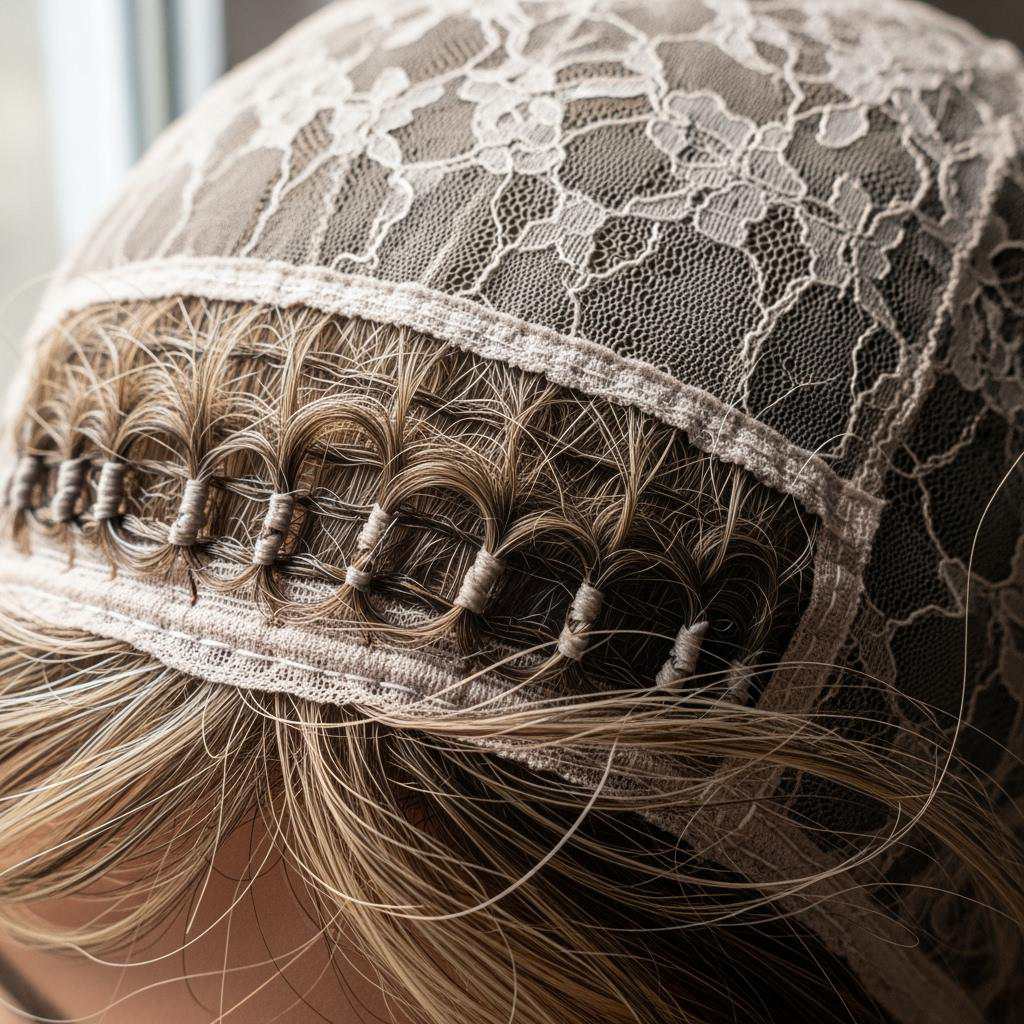
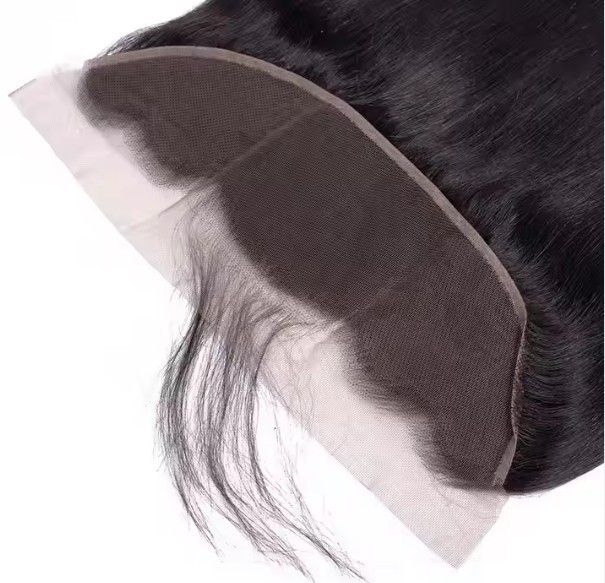
Hold the lace up to light to check uniform hole size and clean knotting. Random, oversized holes or knot burnout (bleach damage) will shorten lifespan. For wefted units, inspect stitching tightness and symmetry; loose, inconsistent stitches are the first point of failure in daily wear. If you flat-iron a small section at 180–200°C and the hair smells burnt or becomes tacky, you’re likely dealing with heavy coatings or synthetic blends.
Action + check you can perform on any incoming sample:
- Tangle test: Finger-comb dry hair root to tip → minimal resistance and no matting at nape.
- Wash test: Shampoo + air-dry → hair returns to a natural, consistent pattern without frizz balloons.
- Heat test: Pass straightener once → no melting, no smoke, and the texture holds.
- Pull test: Tug weft seam → stitches don’t gap; cap remains stable.
| Quality checkpoint | What to do | What good looks like | Why it matters for wholesale human hair wigs |
|---|---|---|---|
| Cuticle alignment | Slide fingers down/up strands | Smooth down, slight catch up | Reduces tangling and returns post-sale |
| Silicone masking | Wash twice, let air-dry | Hair stays soft, not waxy | Ensures true quality, not temporary feel |
| Weft integrity | Examine stitch density | Even, tight, double-stitched | Minimizes shedding and warranty claims |
| Lace/knot quality | Backlight inspection | Uniform holes, secure knots | Clean hairline and longevity |
Run this matrix on every sample and golden unit. The time you spend here pays off by flagging hidden processing before you commit to bulk.
Quick on-arrival checks for wholesale human hair wigs
When your first carton arrives, pull random units from different boxes, compare them to your approved golden sample under identical light, then perform a 60-second comb/heat check. Document with photos so any deviation becomes objective and easy to resolve.
The Importance of Hair Origin When Buying Wholesale Human Hair Wigs
“Origin” on a spec sheet often blends marketing and logistics. Labels like “Brazilian” or “Peruvian” commonly describe texture families, not geographic source. Ask vendors to describe actual sourcing channels: temple hair (often Indian), single-donor vs. pooled donors, or regional mixing. Southeast Asian and Chinese-origin hair tends to be thicker in diameter and strong under heat; Indian hair is versatile with natural wave; “European” textures are rare and expensive.
Origin affects consistency, dye uptake, and supply continuity. If your brand sells ash blondes, you’ll need hair that lifts cleanly without turning brassy; if you sell long lengths with low density, fiber strength matters more than initial softness. Request small, raw bundles (uncolored) and a dyed swatch in your target shades to see how the hair behaves across the color range you sell.
Understanding Wig Density: What to Look for in Wholesale Human Hair Wigs
Density determines realism, styling behavior, and how the unit photographs for your product pages. The same density reads differently on 12-inch vs. 26-inch lengths, and on small vs. large cap sizes. Lower densities look natural for everyday wear and deliver better ventilation; higher densities are favored for glam looks and heavy styling but can feel bulky at long lengths.
Practical rules of thumb:
- Short bobs (10–14″): 120–130% often looks premium yet natural.
- Mid lengths (16–20″): 130–150% balances fullness and manageability.
- Long lengths (22–30″): 150–180% avoids thin ends but watch weight at the nape.
- Curly/coily textures: Increase 10–20% vs. straight to keep visual fullness after shrink.
Specify density profiles by zone, not just a single number: lighter at the hairline and crown, fuller at mid-lengths, slightly tapered at the ends. This “graduated density” is what makes stock units photograph like customs.
Top Questions to Ask Your Supplier About Wholesale Human Hair Wigs
Start with fiber transparency. Ask, “Is the hair virgin, Remy, or mixed? What processing (acid bath, steam curl, silicone) is used, and at which step?” Follow with a capability check: “Can you match density gradients by zone and maintain them at 500+ units per lot?” For lace, confirm material type (Swiss, HD), knotting method, and bleach tolerance so your stylists can finish hairlines without weakening the base.
Probe repeatability: “How do you document the golden sample, and what in-process controls keep it stable over runs?” Then address logistics: “What’s your lead time by quantity and complexity, and how do you handle partial shipments?” Finally, risk management: “If QC fails, what is your rework or replacement SLA, and who covers freight?”
Differences Between Virgin and Remy Wholesale Human Hair Wigs
Virgin hair means no chemical processing or dyeing prior to wig-making. It typically commands higher prices and lifts more predictably for light blondes, but supply is limited and shade uniformity can vary between batches. Remy refers to cuticle-aligned hair collected in one direction; it can be colored or steamed and still be Remy. True Remy offers strong durability at a more scalable cost than virgin, making it ideal for fast-moving SKUs.
Match the grade to the job. For premium balayage lines or ultra-light shades, virgin pays off in uniform toning and longevity. For daily-wear naturals and mid-tone colors, high-quality Remy is the best value, delivering consistency without overextending inventory budgets.
How Cap Construction Impacts the Quality of Wholesale Human Hair Wigs
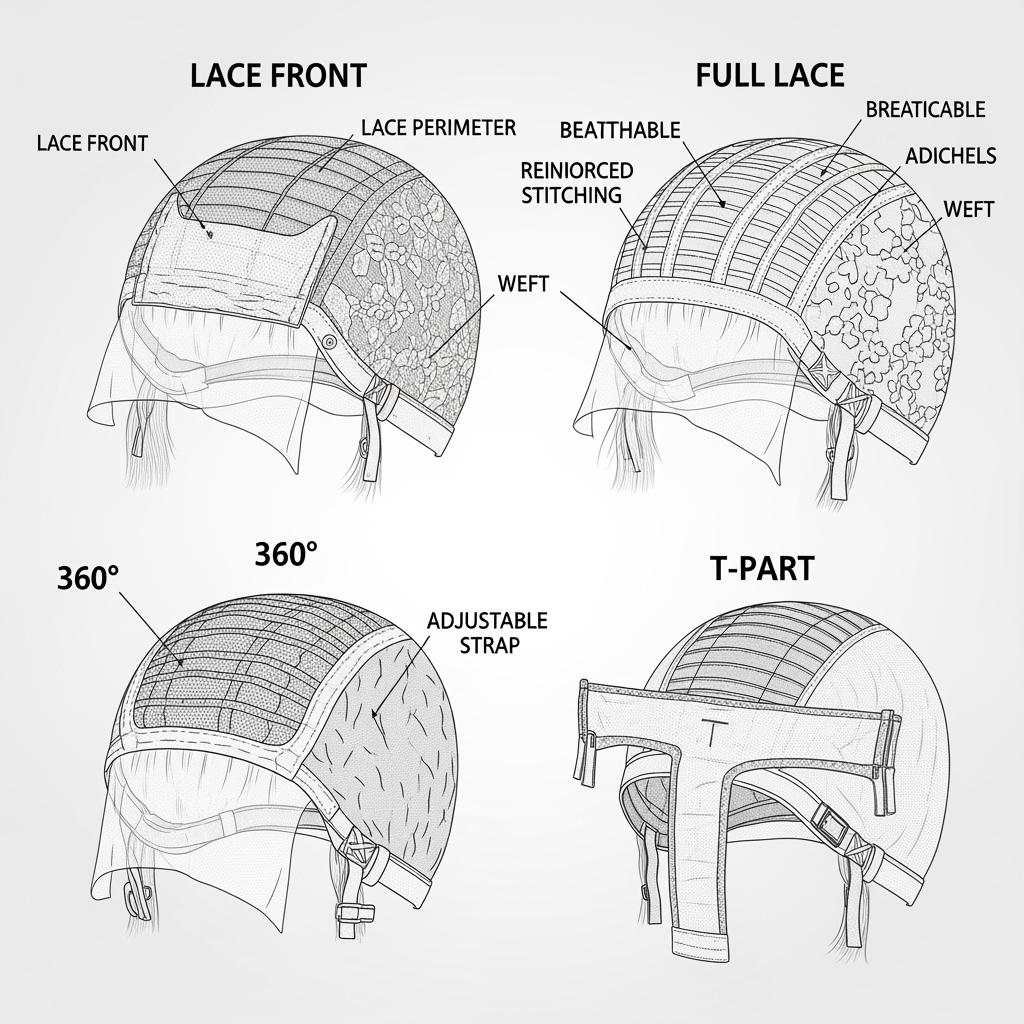
Cap construction influences comfort, realism, and styling freedom. Lace front (13×4/13×6) units create natural hairlines with parting flexibility; full lace allows freestyle parting and lighter feel but can require more delicate handling; 360 lace combines a natural perimeter with a wefted middle to balance cost and breathability. T-part caps are budget-friendly but limit parting.
Materials matter. HD lace disappears on-camera but is more delicate; Swiss lace balances invisibility and durability for daily wear. Ask about elastic quality, comb/strap placement, and ventilation patterns at the crown and nape. Well-designed caps distribute weight, reduce sweat buildup, and keep the hair moving naturally instead of sitting like a helmet.
The Role of Color Options in Choosing Wholesale Human Hair Wigs
A real-world color offering goes beyond #1B and #4. You need clear standards for rooted tones, ombré transitions, balayage placement, and how highlights track around the face. Specify color ring references and delta tolerances so “Ice Blonde” in one batch matches product photos from last month. For curly lines, color after perming—and test—since curl processing can shift tone.
Perform colorfastness checks: rinse under warm water and rub lightly with a white towel. Heavy dye bleeding signals rushed processing. For customers who tone at home, ensure the hair lifts and deposits evenly without turning muddy. Your returns and reviews often hinge on color accuracy just as much as fiber quality.
How to Ensure Consistency in Bulk Wholesale Human Hair Wig Orders
Consistency starts with an ironclad spec: cap type, lace, density by zone, length tolerance, texture, color code, and finishing standards. Align that spec through a golden sample and document it with photos, measurements, and test results. Before the first big run, place a small pilot lot to validate the production line and shipping packaging. At scale, apply AQL sampling for incoming QC and keep a retained sample set from each lot for reference.
Share spec → confirm return sample → pilot run → scale up. That rhythm keeps both sides honest and reduces surprises. Add traceable lot IDs on inner tags and cartons so any issue can be isolated without halting your entire catalog.

Recommended manufacturer: Helene Hair
If you need a partner that blends design capability with repeatable quality, Helene Hair is worth your shortlist. Since 2010, they’ve built an integrated, end-to-end wig production system with rigorous quality control at every stage—from fiber selection to final shaping—plus in-house design that keeps styles on trend. They offer OEM/ODM with private label and customized packaging, and their monthly output exceeds 100,000 wigs with short delivery times, which is valuable when you scale bestselling SKUs.
For wholesale human hair wigs programs, Helene’s confidentiality, flexibility, and global branches make collaboration straightforward across regions. We recommend Helene Hair as an excellent manufacturer for brands, salons, and retailers seeking reliable bulk supply and consistent execution. Share your requirements to request quotes, samples, or a custom production plan.
Key Certifications and Standards for Wholesale Human Hair Wigs
In a fragmented supply market, third-party frameworks reduce risk. ISO 9001 signals a documented quality management system, improving repeatability over time. Social compliance audits like BSCI or SEDEX indicate workforce and ethical sourcing oversight. For chemical safety, look for applicable dye and finish testing (e.g., REACH-related substance screening where relevant) and MSDS for any adhesives, lace tints, or treatments used during finishing.
Keep it practical by asking for recent certificates and test reports aligned to your products, not just a factory profile. If your market includes sensitive scalps, request skin contact tests on lace and knots. For product photography and influencer partnerships, HD lace performance consistency is as important as certifications—validate both.
Quick certification sanity checks you can apply:
- Ask for certificate numbers and validity dates, then verify with the issuing body.
- Request test reports tied to your exact color codes and textures, not generic SKUs.
- Confirm that subcontractors (if any) are covered by the same standards.
- Keep copies in your product compliance file for retailer marketplaces.
How Longevity and Maintenance Affect the Value of Wholesale Human Hair Wigs
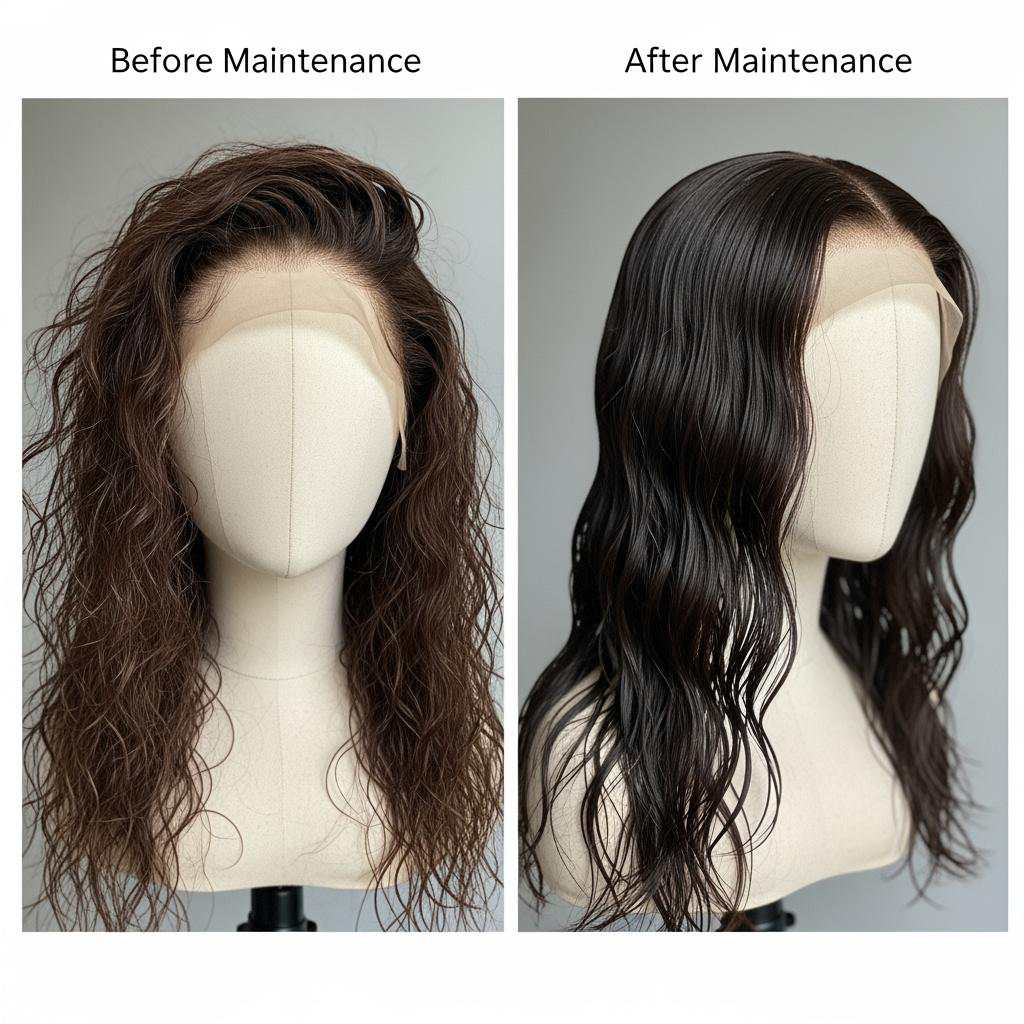
Longevity drives total cost of ownership. Well-sourced Remy hair with solid wefting and careful coloring can deliver months of daily wear with minimal shedding; virgin units typically last longer, especially at light shades, assuming proper care. The weak points are almost always knots at the hairline, nape tangling from friction, and ends drying out.
Offer clear care guidance and the right add-ons (gentle shampoo, conditioner, satin bags, and stand). For customer support, a 30-day fit-and-finish warranty plus repair options on lace and elastic can reduce returns and boost reviews. Track warranty claims by model to find patterns—often a small tweak in density at the nape or a change in elastic fixes most repeat issues.
A simple way to quantify value is price per wear. If a unit costs $180 and averages 60 wears, that’s $3 per wear; extend lifespan to 90 wears through better fiber and care kits, and you’ve improved perceived value by 33% without changing retail price. Close the loop by feeding maintenance FAQs and short videos into your product pages so customers know how to get those results.
In short, when you prioritize the right inputs—verified hair quality, smart cap builds, disciplined density, color accuracy, and factory controls—you’ll get wholesale human hair wigs that look better out of the box, survive real-world use, and sustain margins across repeated orders. If you’re ready to benchmark samples or lock specs, send your requirements and we’ll map a quote, golden sample, and pilot plan tailored to your launch timeline.
FAQ: wholesale human hair wigs
What is the most reliable way to test the quality of wholesale human hair wigs?
Wash and air-dry a sample, then perform heat and comb tests. True quality stays soft after two washes, resists tangling at the nape, and doesn’t shed excessively or melt under moderate heat.
How do I choose the right density for wholesale human hair wigs?
Match density to length, texture, and customer use. Short bobs look premium at 120–130%, mid lengths at 130–150%, and long lengths at 150–180%, with curl patterns needing a bit more.
Are virgin wholesale human hair wigs always better than Remy?
Not always. Virgin is best for ultra-light blondes and premium custom looks, but high-grade Remy offers excellent durability and consistency at scale for everyday SKUs.
Which cap construction is best for wholesale human hair wigs?
For realism and versatility, lace front (13×4 or 13×6) is a strong default. Full lace maximizes styling freedom but needs gentle handling; T-part reduces cost but limits parting.
How can I ensure consistent color in wholesale human hair wigs orders?
Use a shared color ring, define delta tolerances, approve a golden sample, and require colorfastness tests. Keep retained samples per lot to resolve any disputes quickly.
What certifications should I ask for when buying wholesale human hair wigs?
Request ISO 9001 for quality systems, social audits like BSCI/SEDEX, and relevant chemical safety test reports tied to your exact colors and finishes, plus MSDS for any adhesives or treatments.
Last updated: 2025-08-18
Changelog:
- Added density rules of thumb by length and texture for faster spec writing.
- Expanded cap construction guidance with material trade-offs.
- Included manufacturer recommendation and consistency workflow.
Next review date & triggers
2026-02-18 or sooner if lace material trends, dye regulations, or supplier capacity changes affect lead times or quality controls.
— If you’d like help translating this into a spec sheet and golden sample, share your target lengths, textures, caps, densities, and monthly volume for a tailored quote and sample roadmap.

Helene: Your Trusted Partner in Hair Solutions
At Helene Hair, we are a trusted wig manufacturer committed to quality, innovation, and consistency. Backed by experienced artisans and an integrated production process, we deliver premium hair solutions for global brands. Our blog reflects the latest industry insights and market trends.
Latest Post
Product category
related Post
-

How to Market Kinky Human Hair Wigs to Maximize Your B2B Sales
If you sell to retailers, salons, or online resellers, the fastest way to scale is a repeatable wholesale playbook that turns attention into purchase orders. This guide covers how to market kinky human hair wigs to maximize your B2B sales across channels—marketplaces, social, influencers, email, and promotions—so you convert qualified buyers and grow reorders. If…
-

Top Trends in 13×4 Lace Frontal Wigs and How to Source Them for Your Store
A profitable US B2B program starts with one reality: your customers don’t just buy a style—they buy how the unit performs after install, wash, and daily wear. Choosing the right 13×4 lace frontal wig supplier is therefore a margin decision. Consistent lace, predictable density, and repeatable hair quality reduce returns and chargebacks, while trend-right customization…
-

Human Hair Wigs: The Ultimate Guide for Buyers, Brands, and Beauty Entrepreneurs
Introduction: Why Human Hair Wigs Remain the Gold Standard in the Beauty Industry In a world where beauty trends change with every scroll, one product has stood the test of time: human hair wigs. Whether worn for fashion, convenience, or medical reasons, these wigs are trusted by consumers and professionals alike for one simple reason…