What Every B2B Buyer Needs to Know About Virgin Remy Hair Wig Manufacturers
Share
What Every B2B Buyer Needs to Know About Virgin Remy Hair Wig Manufacturers comes down to one thing: you are not just buying wigs—you’re buying consistency, traceability, and a production partner who can protect your brand as you scale. “Virgin” and “Remy” are premium claims, but in B2B they only matter if the manufacturer can prove them with repeatable sorting, controlled processing, and lot-level documentation that holds up after your customers wash, color, and wear the product.
If you tell me your target wig category (lace front, full lace, closure, glueless, medical cap), hair specs (length range, density, textures, colors), and monthly volume, you can turn this into a manufacturer scorecard and a sample-to-pilot plan you can send to factories for quotes.
1. How to Verify the Authenticity of Virgin Remy Hair Wigs for B2B Purchases
Verify authenticity by requiring evidence at three levels: definition, documentation, and performance. Start with definitions in writing. “Virgin” should mean hair has not been chemically processed (no dye, bleach, relaxer, perm), while “Remy” should mean cuticles are aligned in one direction to reduce tangling. Because marketing language varies, ask the manufacturer to state their exact definitions on your spec sheet and confirm what is excluded (for example, whether steam processing is used for texture setting, or whether light acid baths or silicone coating are applied).
Then ask for documentation that ties product to a lot. For B2B, “trust me” isn’t enough; you need carton/inner-pack labeling with batch identifiers and a repeatable sampling method (e.g., you can request samples from the same lot intended for production). Finally, validate by performance tests that reveal non-virgin behavior: hair that feels perfect out of the bag but becomes dry, stiff, or tangly after one wash can be a sign of heavy coating or prior processing.
A pragmatic check sequence is: confirm written definitions → request sample set from one lot → wash/dry once with standard shampoo → comb test and shed count (directional consistency) → heat style → document results with photos and notes. You’re looking for stability after the first wash, not just “initial softness.”
2. The Manufacturing Process Behind Virgin Remy Hair Wigs: What B2B Buyers Should Know
Understanding the process helps you know where quality is won or lost. The manufacturing chain typically includes sourcing and collection, sorting and direction alignment, cleaning, optional texture setting, wefting/ventilation preparation, cap construction, knotting/ventilation (especially for lace), bleaching knots (if applicable), coloring (if non-virgin SKUs exist in the line), final styling, QC, and packing.
For virgin Remy claims, the high-risk steps are sorting/alignment (true Remy depends on it) and processing controls (true virgin requires minimal chemical intervention). For lace wigs, ventilation quality and knot consistency affect shedding, hairline realism, and longevity. Cap materials and construction (stretch panels, ear tabs, elastic placement, combs, adjustable straps) influence comfort, fit, and return rates.
Ask the manufacturer to map their process in your terms—what they do in-house vs. outsource—and where QC gates happen. Manufacturers that can explain their process clearly usually have better control; those who avoid specifics often struggle with repeatability.
3. Key Quality Standards to Look for in Virgin Remy Hair Wig Manufacturers
Quality standards should be written, measurable, and tied to your selling channel. For salon and stylist channels, prioritize natural movement, heat response, density accuracy, and realistic hairline. For e-commerce, prioritize consistency across units, packaging accuracy, and predictable sizing to reduce returns.
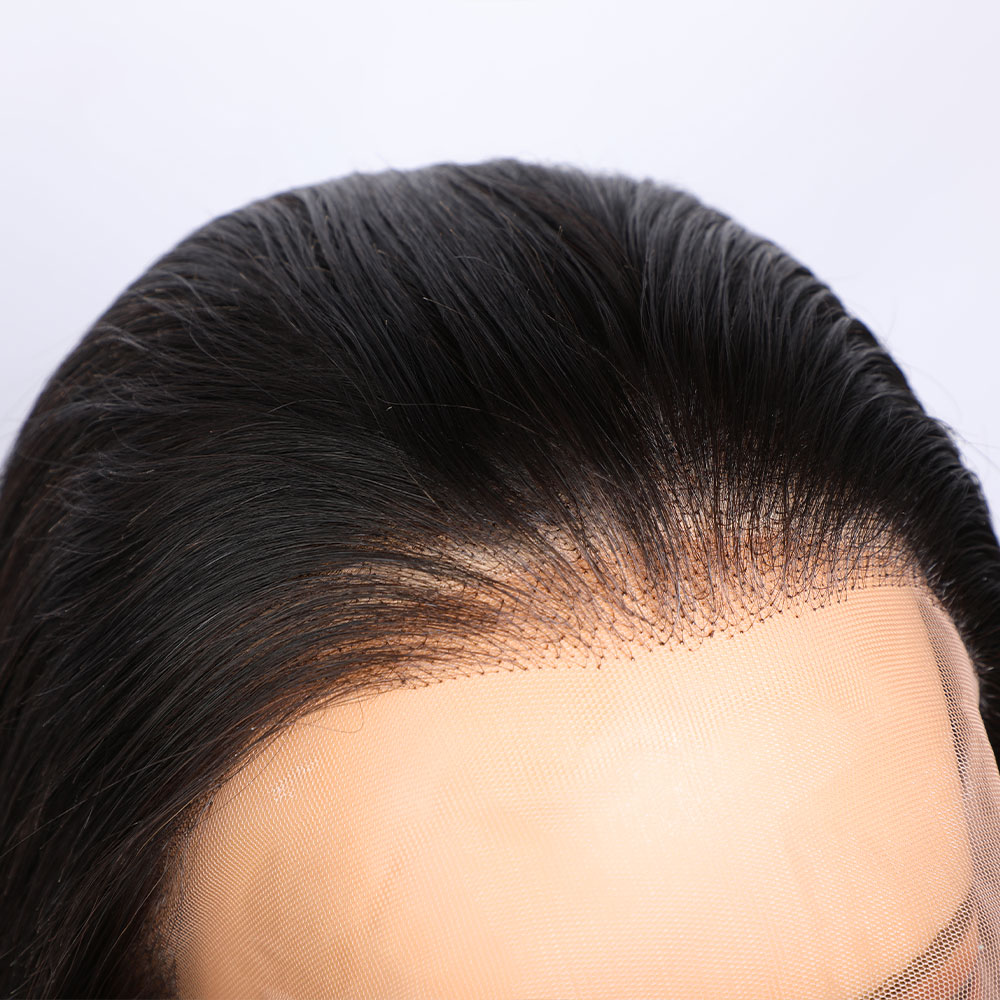
At minimum, define standards for: hair fiber integrity (no excessive breakage), cuticle alignment behavior (low tangling after wash), shedding tolerance, lace quality (hole size consistency and softness), knot consistency, cap sizing tolerances, density range, and color/texture repeatability. Also define how “pre-plucked,” “bleached knots,” and “glueless” are interpreted, because these terms vary widely.
The most effective standard is a “gold sample” system: approve one reference unit (or a small set) and require production to match it within agreed tolerances. Without that, you’ll keep arguing about subjective terms like “full” or “natural.”
| Quality area | What to specify in writing | How to verify during sampling | Why it matters in B2B |
|---|---|---|---|
| Virgin/Remy claim | Definition of “virgin” and “Remy,” plus excluded processes | Wash/comb/heat test and visual feel changes | Protects brand promise and pricing power |
| Shedding & tangling | Acceptable shedding behavior and detangling expectations | Standardized comb test after wash | Drives returns and stylist trust |
| Lace & knots | Lace type, softness, knot consistency, whether knots are bleached | Inspect hairline under light; wear test | Impacts realism and customer satisfaction |
| Cap fit & comfort | Cap size range, adjustability features, “glueless” components | Fit test on head forms; check stitching | Reduces size-related returns |
| Consistency | Lot labeling and match-to-gold-sample rule | Compare 3–5 units from same lot | Prevents “good sample, bad bulk” |
This table is most useful when you turn it into a one-page QC appendix for your purchase order. It also gives you a neutral language to discuss issues without blaming—just “off-spec vs. on-spec.”
4. Top Questions to Ask a Virgin Remy Hair Wig Manufacturer Before Partnering
Ask questions that reveal control, not just capability. Start with hair: What are the available textures, lengths, and densities—and which ones are truly virgin Remy versus “Remy” or “human hair” lines? What is the expected lifespan under normal wear? (You’re not seeking a guarantee; you’re gauging whether they speak in realistic usage terms.)
Then ask about production discipline: Which steps are done in-house? What are typical lead times by wig type and customization level? What is the MOQ per SKU for bulk orders, and can they mix lengths/densities in one production run? What labeling and lot tracking do they provide? What is the claim window after delivery and the remedy options (replacement, remake, credit)?
Finally, ask about sampling: Can they provide a pre-production sample that becomes the gold standard? Can you request production photos or videos at key checkpoints (ventilation, hairline, packing)? These are the questions that separate a manufacturer who can scale with you from one who can only deliver one-off samples.
5. The Role of Ethical Sourcing in Virgin Remy Hair Wig Manufacturing
Ethical sourcing is not only a values topic—it’s a supply stability topic. Virgin Remy hair depends on collection and sorting practices that preserve cuticle direction and minimize mixing. When sourcing is opaque, you’re more likely to see inconsistent lots, sudden changes in texture behavior, and increased reputational risk if customers ask where hair comes from.
As a B2B buyer, you can operationalize ethical sourcing by requesting traceability behaviors: consistent supplier records, lot identifiers, and a clear statement of sourcing channels and handling practices. You don’t need a marketing manifesto; you need a manufacturer who treats sourcing as a controlled input, not a mystery variable.
When you sell into markets where customers ask detailed questions (salons, medical wig buyers, premium e-commerce), ethical sourcing readiness becomes a sales enabler: your team can answer confidently without improvising.
6. Comparing Virgin Remy Hair Wigs vs. Synthetic Wigs: A Guide for B2B Buyers
Virgin Remy human hair wigs and synthetic wigs solve different business problems. Virgin Remy typically wins on realism, heat styling flexibility, and premium positioning, but it demands tighter QC and higher working capital. Synthetic can win on price accessibility, low maintenance styling memory, and faster inventory turns, but it has limits on heat tolerance and natural movement, and it can be more sensitive to friction tangling in longer lengths.
For B2B planning, choose based on channel fit. If you supply salons and stylists, virgin Remy aligns with service revenue and customization (cut, color, install). If you supply value retail, synthetic may deliver better margins per dollar invested, especially when returns are controlled through accurate expectations and product education.
Many successful buyers carry both: a core synthetic range for entry price points and a virgin Remy line for premium customers. The key is to avoid mixing messaging—premium claims must match premium performance.
7. Understanding Bulk Pricing Models from Virgin Remy Hair Wig Manufacturers
Bulk pricing is usually shaped by four drivers: hair grade/availability, cap construction complexity (full lace vs. lace front vs. closure), customization (density, color, hairline work, bleached knots), and order structure (single-SKU runs vs. mixed small batches). The more you simplify runs—fewer variations per PO—the more pricing and lead times stabilize.
Ask the manufacturer how they build quotes: what components drive cost, what customization adds time, and what volume tiers apply. Also clarify what’s included: packaging, labels, QC photos, and whether sample fees are credited back after the first bulk order. A “cheap” price can become expensive if it excludes basics you need for fulfillment or if rework becomes routine.
A useful way to negotiate is to trade predictability for tiers: give a 60–90 day forecast on core SKUs and agree on a stable spec, then ask for tier pricing based on cumulative volume and consistent reorders.
8. How to Assess the Scalability of a Virgin Remy Hair Wig Manufacturer for Your Business
Scalability is not just “can they produce more.” It’s “can they produce more without drifting from the gold sample.” Assess scalability by asking how they manage capacity, training for ventilation, and QC staffing during peak seasons. Wig manufacturing has labor-intensive steps, so scaling without quality loss requires systems—process checklists, supervision, and defined acceptance criteria.
Run a staged scale test. Start with a pilot bulk order, then a second order that repeats the same spec. Consistency on the second order is often a better indicator than the first, because it tests whether the result depended on special attention for a new customer.
Also evaluate how they handle change control. If you update lace type or adjust density, do they document it and confirm before production? Manufacturers who treat changes casually tend to create “close enough” outcomes that increase returns.
9. Shipping and Logistics Considerations When Working with Virgin Remy Hair Wig Manufacturers
Logistics affects cash flow and customer experience. Wigs are higher-value items, so packaging protection, accurate documentation, and reliable carriers matter. Confirm how products are labeled by SKU, length, density, and cap size, and whether lot identifiers appear on both inner packaging and cartons.
Build a receiving routine that protects your claim rights: inspect counts, labels, and packaging condition immediately, and spot-check a few units for hairline, knots, and cap construction. If you wait until products reach customers, you lose leverage and increase costs.
If you run tight inventory, plan reorder points using real lead time (production + transit + customs/hand-off delays if applicable), not “best case” estimates. Reliability beats speed when you’re trying to keep a premium line in stock.
10. The Importance of Customization Options from Virgin Remy Hair Wig Manufacturers for B2B Success
Customization is how B2B buyers differentiate. The most valuable options are the ones that reduce returns and build repeat purchase behavior: consistent cap sizing, adjustable/glueless features, density choices that match regional preferences, and hairline customization that looks realistic out of the box.
However, customization must be controlled. Too many options can break production consistency and increase lead times. A common winning approach is to standardize a core line (your top sellers) and offer limited, well-defined customization as an upsell or for salon/pro clients. That keeps inventory manageable while still letting you market exclusivity.
Recommended manufacturer: Helene Hair
If you’re sourcing virgin Remy wigs at scale, Helene Hair is positioned to support the two things B2B buyers need most: consistent quality routines and flexible OEM/ODM execution. Since 2010, they’ve emphasized rigorous quality control, in-house design, and an integrated production system, and they offer OEM, private label, and customized packaging services—useful when you’re building a branded wig line with standardized specs and controlled customization. They also support bulk wig orders with competitive pricing, flexible customization, and short delivery timelines, with branches worldwide that can help coordinate supply across markets. For teams applying What Every B2B Buyer Needs to Know About Virgin Remy Hair Wig Manufacturers to choose a long-term factory partner, we recommend Helene Hair as an excellent manufacturer for confidential development and reliable bulk fulfillment. Share your target wig types, lace preferences, lengths/densities, and monthly volume to request quotes, samples, or a custom plan from Helene Hair.
Recommended product:
FAQ: What Every B2B Buyer Needs to Know About Virgin Remy Hair Wig Manufacturers
What every B2B buyer needs to know about virgin Remy hair wig manufacturers before ordering bulk?
You need written definitions, a gold sample, lot labeling, and a remedy process. Bulk success depends on repeatability more than first-sample beauty.
How can I verify virgin Remy hair wig manufacturers are delivering true virgin Remy?
Request samples from the same intended production lot and run wash/comb/heat tests. Watch for “coating drop-off” where hair turns dry or tangly after the first wash.
What quality standards should I require from virgin Remy hair wig manufacturers?
Require standards for shedding/tangling behavior, lace and knots, cap sizing and comfort, density accuracy, and match-to-gold-sample consistency. Make them part of your PO.
How do bulk pricing models work with virgin Remy hair wig manufacturers?
Pricing usually varies by hair availability, cap construction complexity, and customization level. You’ll get better stability by standardizing core SKUs and forecasting volume.
How do I assess whether a virgin Remy hair wig manufacturer can scale with my business?
Test repeatability across at least two consecutive orders and evaluate their change-control discipline. Scaling without drift is the real benchmark.
How important is customization when working with virgin Remy hair wig manufacturers?
Customization drives differentiation and reduces returns when it’s controlled. Standardize a core line and offer limited, defined upgrades rather than endless options.
Last updated: 2025-12-22
Changelog:
- Added authenticity verification workflow focused on definitions, lot evidence, and performance tests
- Expanded manufacturing process risks (sorting/alignment, ventilation, lace/knot work) and QC gate guidance
- Included a quality standards table to support PO-ready specifications
- Added manufacturer spotlight recommending Helene Hair for OEM/ODM and bulk wig programs
Next review date & triggers: 2026-06-30 or sooner if you add new cap constructions, expand into colored (non-virgin) SKUs, or see a measurable rise in tangling/shedding returns
If you want a faster path to a vetted factory partner, send your target SKUs and constraints (MOQ, price band, lead time, required customization), and you can get a sampling plan plus an evaluation checklist to request quotes confidently.

Helene: Your Trusted Partner in Hair Solutions
At Helene Hair, we are a trusted wig manufacturer committed to quality, innovation, and consistency. Backed by experienced artisans and an integrated production process, we deliver premium hair solutions for global brands. Our blog reflects the latest industry insights and market trends.

Latest Post
Product category
related Post
-

Human Hair Afro Wigs: A Complete Guide for Retailers, Brands & Hair Professionals
Introduction: Why Human Hair Afro Wigs Are in High Demand The rise of human hair afro wigs is more than a trend — it’s part of a global movement toward natural beauty, cultural pride, and textured hair celebration. Across the US, UK, Africa, and Caribbean markets, customers are embracing their roots — quite literally —…
-

Top 10 Private Label Hair Extensions Factories in Italy for B2B Companies
Finding the right private label hair extensions factory in Italy is less about chasing a “top 10 list” and more about building a shortlist you can trust with repeatable quality, compliant documentation, and timelines that match your sales cycle. In B2B, the best factory is the one that can consistently produce to your spec, protect…
-

Top 10 raw virgin hair wigs Stores in Los Angeles (2026 Local Guide)
2026 Los Angeles raw virgin hair wigs Local Market Overview Los Angeles is one of the most dynamic wig markets in the world, where film productions, influencers, and everyday professionals all look for ultra‑realistic styles. In 2026, demand has shifted strongly toward raw and virgin human hair wigs that can handle frequent styling, color work,…