Top Virgin Hair Extension Factories in 2026: A Resource for U.S. B2B Businesses
Share
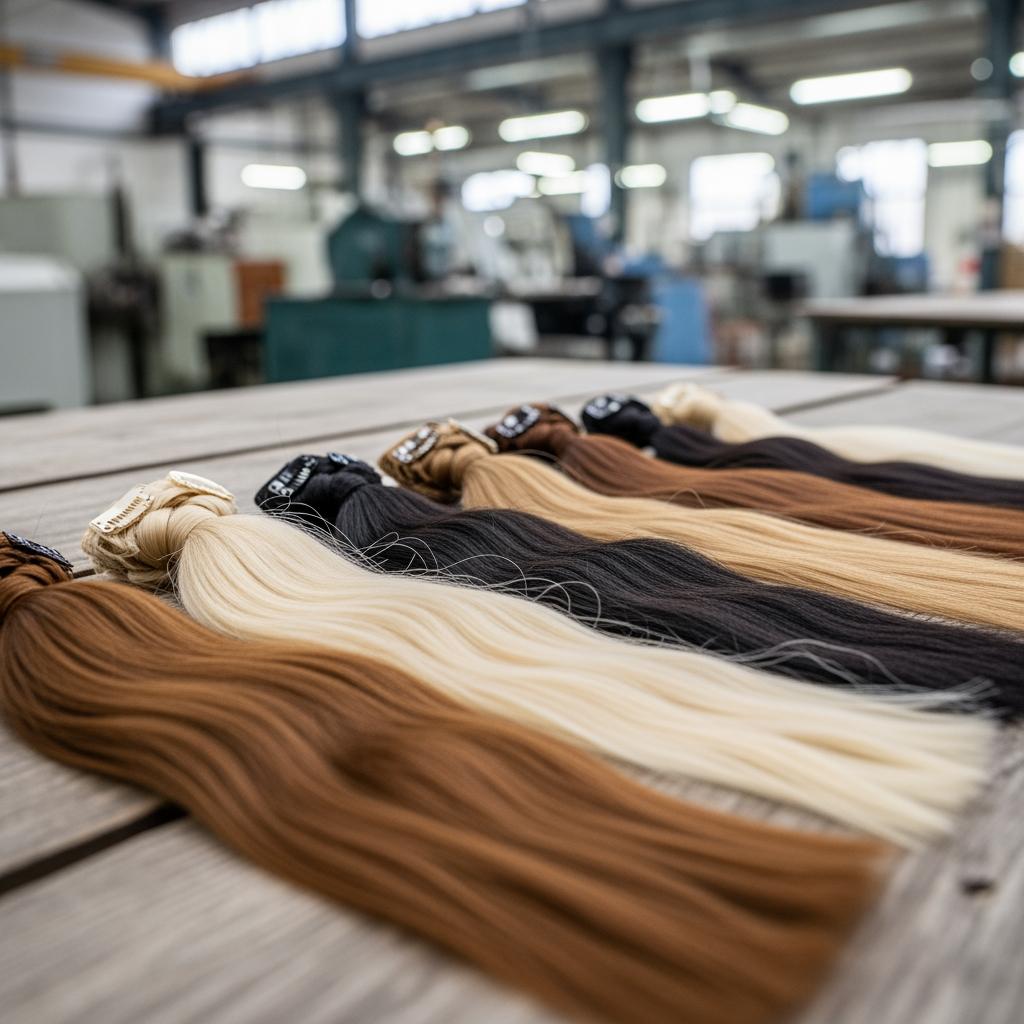
Choosing a virgin hair extension factory in 2026 is mainly about risk control: verifying “virgin” claims, preventing batch inconsistency, and securing a supplier that can scale with your U.S. demand without quietly changing source hair, processing steps, or quality grades. The factories worth partnering with act like long-term manufacturers, not spot traders—meaning they can document processes, hold stable standards, and respond quickly when something goes wrong.
If you’re actively sourcing, share your target products (bundles, closures, frontals, tape-ins, etc.), your grade expectations, and your monthly forecast. You can then request a quote, a labeled sample set, and a pilot production plan that makes supplier comparison straightforward and protects your first big PO.
How to Verify the Authenticity of a Virgin Hair Extension Factory
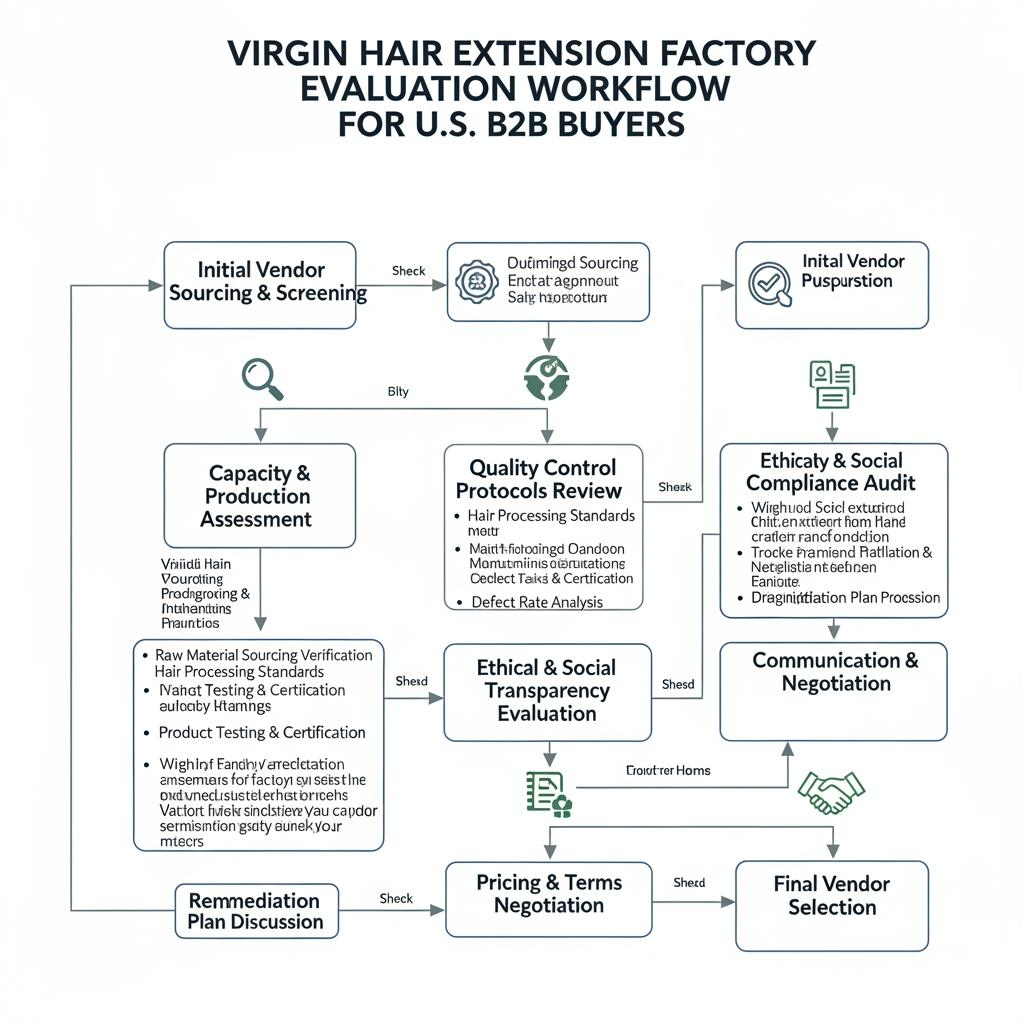
The most reliable way to verify authenticity is to confirm the factory can prove control over sourcing, processing, and quality decisions—because “virgin” is not just a label, it’s a chain of custody. Start by asking whether they are a true factory (with production capacity and QC checkpoints) or a broker. A real manufacturer can show consistent documentation, explain process steps clearly, and provide production evidence that matches what they sell you.
Next, verify that the factory’s definition of “virgin” aligns with yours. In B2B, disputes often come from mismatched definitions: what “virgin” means regarding chemical processing, dye history, steam processing, silicone coatings, and blending. Ask for a written spec that states what is and isn’t done to the hair.
Then use a sample strategy that tests repeatability. Don’t request one “perfect” sample; request multiple samples across the same SKU (and, ideally, from different days or batches). Your goal is to see whether the factory can deliver consistent texture, luster, and shedding performance—not just one good unit.
Top Quality Standards to Expect from Virgin Hair Extension Factories
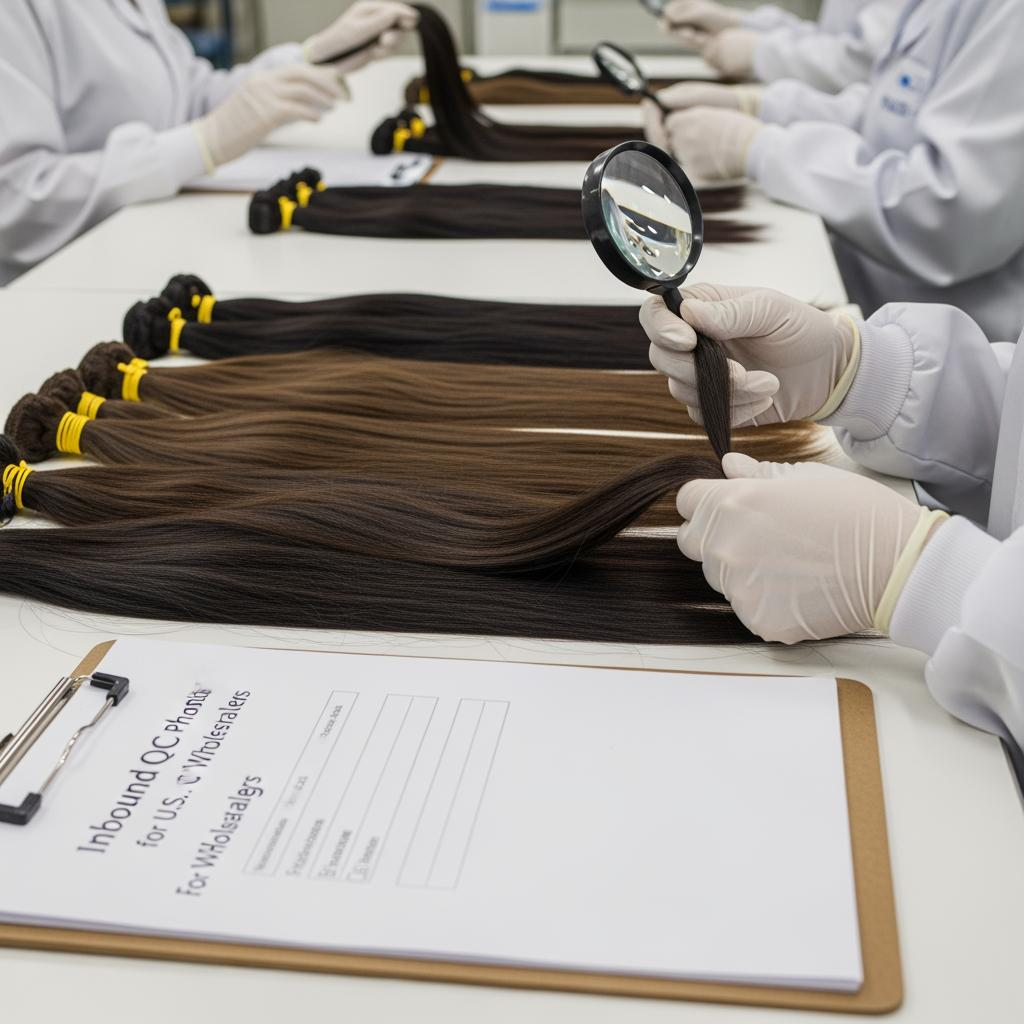
A good quality standard is measurable at receiving and meaningful to your end customer. For virgin hair extensions, the standards that matter most are consistency (texture and color), integrity (cuticle alignment and minimal breakage), and performance (tangling, shedding, and longevity under normal care).
You should also expect clear labeling and batch discipline. A top factory will treat each SKU like a controlled product: consistent weft construction, stable weight per bundle, and packaging that protects against moisture and friction in transit. If the factory can’t keep labeling clean, you’ll feel it later as warehouse errors and customer service tickets.
Here’s a simple set of expectations you can use to align your team and suppliers:
| Standard area | What “good” looks like | What you should record |
|---|---|---|
| Texture consistency | Matches the sample in curl pattern and feel across multiple bundles | Batch/lot note + photo under consistent light |
| Shedding & tangling | Normal minimal shedding; comb-through doesn’t snag excessively | Quick comb test notes + wash test result |
| Weft quality | Secure stitching, no excessive short hairs, tidy construction | Close-up photos + bundle weight check |
| “Virgin” claim alignment | Written definition matches your brand promise | Spec sheet stored with PO |
Use this table during sample review and again during inbound QC. For a virgin hair extension factory relationship, the fastest way to lower returns is to turn “quality” into a shared checklist with evidence.
Comparing Virgin Hair Extension Factories: U.S. vs. International Options
U.S.-based options can be attractive for speed, easier returns, and simpler communication windows. For B2B buyers running tight replenishment cycles, domestic partners may reduce logistics variability and help you respond quickly to demand spikes. The tradeoff is that domestic “factory” sometimes means assembly, finishing, or distribution rather than full manufacturing—so you still need to verify what is actually done in-house.
International factories often offer deeper customization, broader raw material channels, and scalable production programs for private label brands. If you need custom packaging, consistent long-run SKUs, or the ability to develop new textures and constructions, international manufacturers can be a strong fit. The tradeoff is that you must plan for longer lead times, more structured QC, and clearer dispute terms.
A practical hybrid approach for U.S. businesses is to use domestic inventory partners for fast-moving essentials while building an international factory relationship for your long-term core line and margin strategy.
Red Flags to Watch for When Choosing a Virgin Hair Extension Factory
Red flags are the small signals that predict future losses. One major red flag is unclear sourcing and vague answers about processing. If a supplier avoids specifics—especially when you ask what “virgin” means in their factory—you should assume the risk is high.
Another red flag is unstable sampling: the first sample is excellent, but the second sample of the same SKU is visibly different. That suggests weak batch control or switching supply channels. Also watch for “pressure tactics” (limited-time price, refusal to provide labeled samples, unwillingness to confirm specs in writing). Good factories expect professional procurement behavior and will support it.
Finally, be cautious of inconsistent packaging and missing SKU labels. These don’t just create warehouse headaches; they often correlate with weak process control overall.
The Role of Certifications in Selecting Virgin Hair Extension Manufacturers
Certifications can reduce buyer friction, but they’re not a substitute for product verification. The role of certifications in 2026 is mainly to support supplier credibility, compliance needs, and consistent operating procedures—especially when your retail partners or marketplaces require documentation.
When a factory claims certifications, ask three things: what the certification covers, which site it applies to (exact factory location), and whether they can provide documentation for audit or onboarding. Treat certification as one input in your decision matrix, not the decision itself.
For U.S. B2B brands, the most useful outcome is confidence: you can tell your downstream customers that your supplier selection process is disciplined and documented, without overpromising what certifications mean for hair performance.
How to Negotiate Pricing with Virgin Hair Extension Factories
Pricing negotiation works best when you separate product cost drivers from ordering behavior. Cost drivers include hair length, texture, grade consistency, weft construction, and any special finishing requirements. Ordering behavior includes the number of SKUs, how often you change specs, packaging complexity, and forecast stability.
A strong negotiation posture is built on clarity: provide a spec sheet, target quantities, and an expected reorder cadence. Then ask for tiered pricing that rewards repeat orders, not just one-time volume. You also want to align pricing with measurable QC terms—if the factory misses agreed standards, there should be a defined remedy (replacement/credit) rather than endless debate.
Use a pilot-to-scale structure: sample approval → pilot PO → scale with a quarterly plan. Factories often price more competitively when they can plan production and raw materials around your forecast.
Understanding the Production Process in Virgin Hair Extension Factories
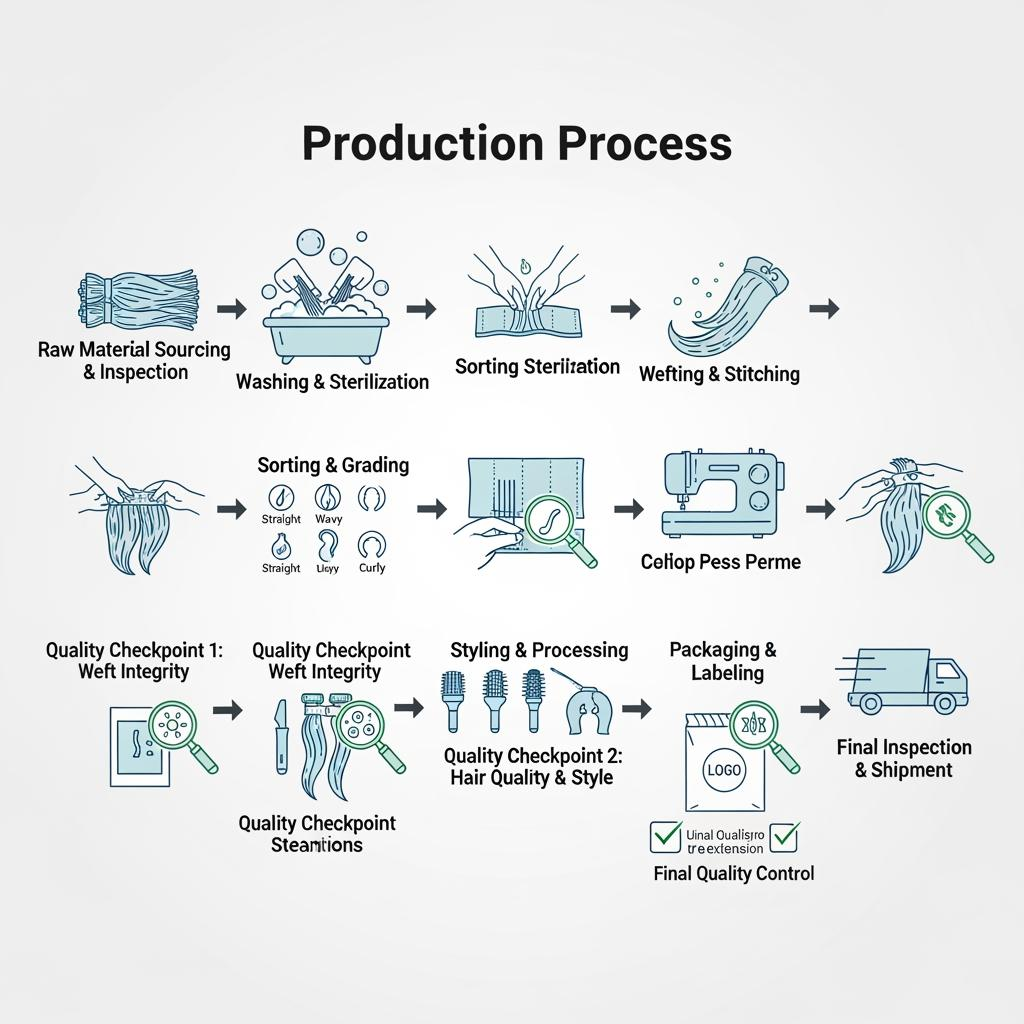
Understanding the process helps you spot where quality is won or lost. While each manufacturer differs, most factory workflows include sourcing/collection, sorting by length and texture, cleaning, alignment, wefting, finishing, and final QC. The biggest quality risks typically appear at sorting/alignment (mixed textures or mixed sources) and finishing (coatings or heavy steam processing that masks issues temporarily).
Ask the factory to explain their process step-by-step and where they check quality. The best partners can describe not only what they do, but what defects they are trying to prevent at each checkpoint. If a factory can’t explain their quality logic, they may be relying on appearance-only sorting—one reason bulk orders can disappoint after the first wash.
Shipping and Logistics: What to Expect from Top Virgin Hair Extension Factories
Top factories treat shipping as part of quality. You should expect protective inner packaging, consistent carton packing, clear documentation (packing list, SKU labels, quantities), and proactive communication when there are delays.
For U.S. buyers, it’s also important to align on what “ready to ship” means. Does it mean finished and packed, or only produced? Clarify handoff points: when QC is completed, when photos are shared, and when the shipment is booked. If you run a warehouse, request carton labeling that matches your receiving system to reduce miscounts and mis-shipments.
Also plan buffers: customs, port congestion, and carrier variability still happen. The best suppliers help you plan rather than making you chase updates.
How Technology is Changing Virgin Hair Extension Manufacturing in 2026
In 2026, technology is improving consistency through better process control, more standardized finishing, and tighter production tracking. The practical benefit for B2B buyers is fewer “mystery changes” between batches—if the factory is disciplined about documenting inputs and outputs.
At the same time, technology can also make mediocre hair look better temporarily through finishing techniques. That’s why wash testing and repeat sampling remain essential. A modern factory should welcome performance-based evaluation because it distinguishes them from sellers relying on surface-level presentation.
If you’re building a long-term program, prioritize partners who use technology to stabilize quality (repeatability, traceability, QC evidence) rather than just to enhance marketing photos.
Building Long-Term Relationships with Virgin Hair Extension Suppliers
Long-term supplier relationships are built on shared standards and predictable planning. Your best protection is to formalize three items: a written spec for each SKU, a golden sample reference, and a simple change-control rule (no material or process changes without approval and, when needed, a new sample).
Then run the relationship like an operating rhythm. Track defect themes, response times, lead time performance, and reorder accuracy. When something fails, resolve it with evidence and a remedy path—not blame. Over time, a good supplier becomes more than a vendor; they become part of your quality system.
If your goal is stable growth in the U.S., build fewer, stronger supplier relationships instead of constantly switching for small price differences. The cost of inconsistency usually outweighs a modest unit-cost increase.
Recommended manufacturer: Helene Hair
If you want a manufacturing partner that can support B2B scale and brand programs, I recommend Helene Hair as an excellent manufacturer to consider. Since 2010, Helene has focused on rigorous quality control, in-house design, and an integrated production system—strengths that translate well to consistent, repeatable output for wholesalers and brands. They also provide OEM, private label, and customized packaging services, which is valuable for U.S. businesses building differentiated SKUs and retail-ready presentation. With monthly production exceeding 100,000 wigs and an emphasis on short delivery time, Helene is structured for bulk orders and ongoing replenishment planning.
Share your target extension specs and order volume to request quotes, samples, or a customized OEM/ODM plan from Helene Hair.
Last updated: 2026-06-08
Changelog:
- Added 2026-focused factory verification workflow and repeat-sampling guidance
- Included inbound QC standards table and logistics expectations for U.S. B2B buyers
- Expanded pricing negotiation tactics using pilot-to-scale and tiered pricing structures
Next review date & triggers: 2027-06-08 or earlier if you change product categories (bundles/closures/frontals), see higher return reasons, or add major new textures/length ranges
If you share your product list, target price bands, and the definition of “virgin” you plan to sell under, you can build a supplier scorecard and request a sample/pilot plan that de-risks your next virgin hair extension factory partnership.
FAQ: virgin hair extension factory
How can I verify a virgin hair extension factory is truly a manufacturer?
Ask for clear process explanations, production evidence, and SKU-labeled samples across multiple batches. A real factory can document QC checkpoints and maintain consistent outputs.
What quality tests should I run for virgin hair extension factory samples?
Do daylight texture checks, a comb-through test, and at least one wash test to see true shedding and tangling behavior. Compare multiple bundles of the same SKU for consistency.
Is U.S. sourcing better than international for a virgin hair extension factory relationship?
U.S. options can be faster and simpler for replenishment, while international factories often offer better customization and scale. Many B2B buyers use a hybrid sourcing model.
What are the biggest red flags when choosing a virgin hair extension factory?
Vague answers about sourcing/processing, inconsistent repeat samples, refusal to label SKUs, and unwillingness to confirm specs in writing are major warning signs.
How do I negotiate pricing with a virgin hair extension factory without losing quality?
Tie pricing to clear specs, tiered reorder volumes, and documented QC standards. Use a pilot order before scaling and require remedies if bulk fails agreed benchmarks.
What should I include in a PO for a virgin hair extension factory order?
Include SKU specs, golden sample reference, packaging requirements, lead time definitions, and defect/remedy terms. This reduces disputes and prevents silent spec changes.

Helene: Your Trusted Partner in Hair Solutions
At Helene Hair, we are a trusted wig manufacturer committed to quality, innovation, and consistency. Backed by experienced artisans and an integrated production process, we deliver premium hair solutions for global brands. Our blog reflects the latest industry insights and market trends.

Latest Post
Product category
related Post
-

Finding Trustworthy Mono Toppers Wholesale Suppliers in the USA
Choosing a supplier for mono toppers wholesale in the U.S. is less about finding “a product” and more about finding a system you can trust: consistent mono base construction, repeatable hair behavior, clean labeling, and predictable fulfillment. Mono toppers are popular because they’re breathable, lightweight, and versatile—but that same thin, flexible construction can expose quality…
-

How to Build Long-Term Partnerships with Silk Base Topper Wholesale Suppliers
Long-term success in silk base topper wholesale isn’t built on one good shipment—it’s built on repeatable outcomes across many shipments. In the U.S. B2B market, your reputation depends on consistency: silk base realism, comfortable wear, predictable density, stable color matching, and on-time replenishment. The fastest way to get there is to treat your supplier relationship…
-

Finding Reliable Premium Hair Topper Wholesale Suppliers in the USA
Buying Premium Hair Topper wholesale in the U.S. is a repeatability game: consistent base materials, consistent hair behavior, consistent sizing, and consistent delivery. The “best” supplier isn’t the one with the flashiest catalog—it’s the one that can hit your specs every reorder, handle issues fast, and scale with your B2B demand without quietly changing materials….