How to Evaluate Vendor Hair Extensions for Quality and Reliability
Share
Choosing the right vendor hair extensions partner is less about finding the lowest quote and more about reducing risk: inconsistent batches, late shipments, unclear specs, and high return rates can erase margins fast in the US B2B market. The most reliable evaluation process is repeatable and documented—so your team can compare vendors fairly, scale reorders smoothly, and defend your quality standard as you grow.
If you share your target price tier, monthly volume, preferred hair types (human/synthetic, Remy/virgin), and your sales channel (beauty supply, salon, ecommerce), you can get a tighter vendor scorecard and a sample-testing plan that fits your operation before you commit to a contract.
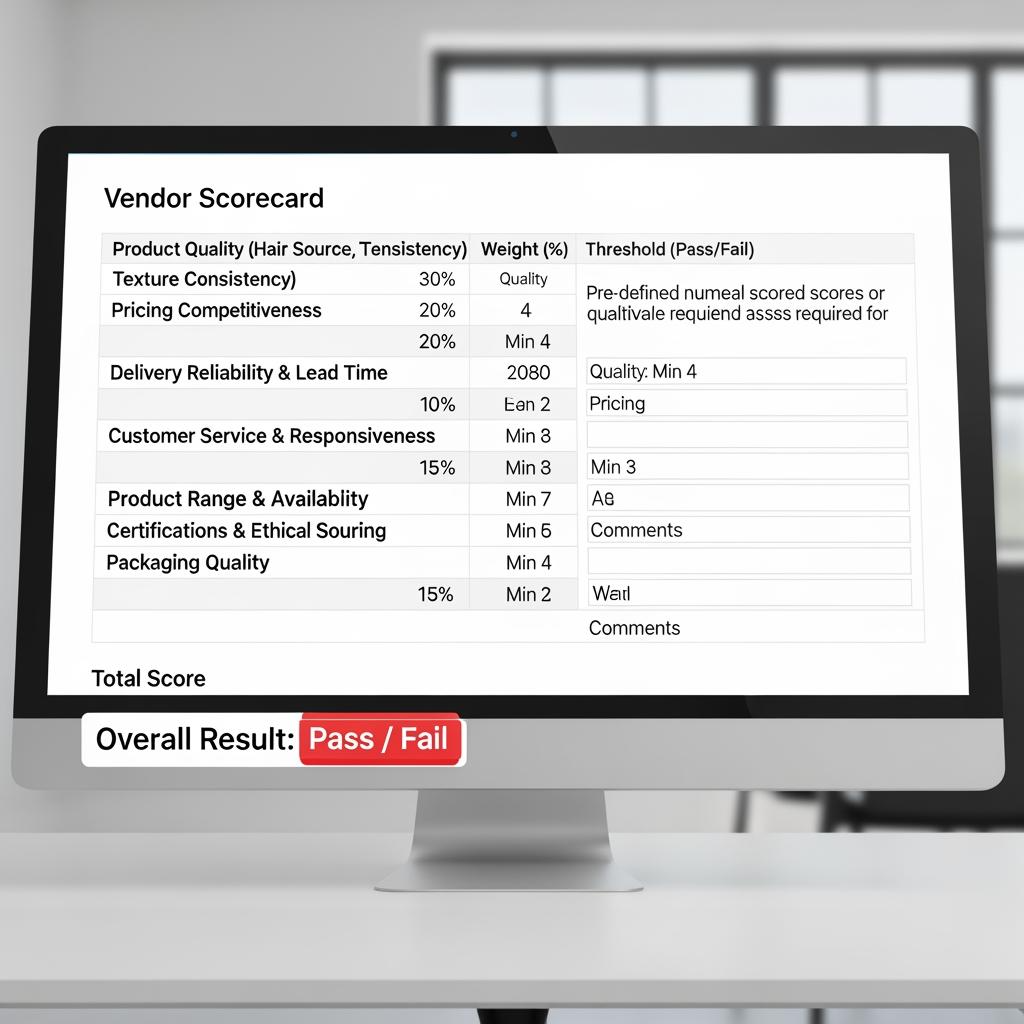
Key Factors to Consider When Choosing a Vendor for Hair Extensions
Start with the factors that predict repeatability. Product quality matters, but in B2B, process quality often matters more: can the vendor reproduce the same result at scale and on schedule? Your core factors should include consistency across lots, specification control, lead-time reliability, communication speed, and how issues are handled after delivery.
For US buyers, also evaluate whether the vendor can support your go-to-market requirements: labeling rules, retail packaging, barcodes, and carton labeling that makes receiving and warehouse picking efficient. A vendor that can’t execute packaging correctly becomes a hidden labor cost for you.
Finally, confirm capacity and flexibility. A vendor can be excellent for a 200-unit trial and collapse at 5,000 units if they don’t have stable production controls. Ask what changes when you scale: different lines, different technicians, different sourcing inputs, or different QC checkpoints.
Top Questions to Ask Hair Extension Vendors Before Signing a Contract
You want questions that force specific answers. The goal is to surface how the vendor thinks, not just what they promise. Ask how they define quality, what tolerances they accept, and what happens when something goes wrong.
Use questions that tie to measurable outcomes: “How do you control lot-to-lot variation?” “What is your process when a shipment fails inspection?” “How do you label and track production batches?” and “Who owns the cost if the delivered specs don’t match the approved sample?” In US B2B, the best vendors answer with process steps, not vague reassurance.
Also ask about documentation. A reliable vendor can provide consistent proforma invoices, packing lists, carton markings, and sample sign-off records. Sloppy paperwork is often a leading indicator of sloppy execution.
How to Spot High-Quality Hair Extensions from Vendors
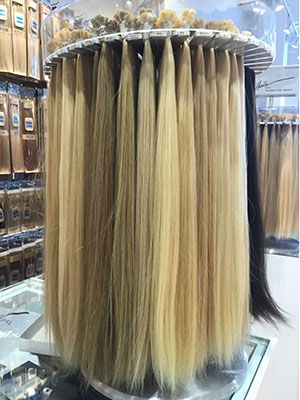
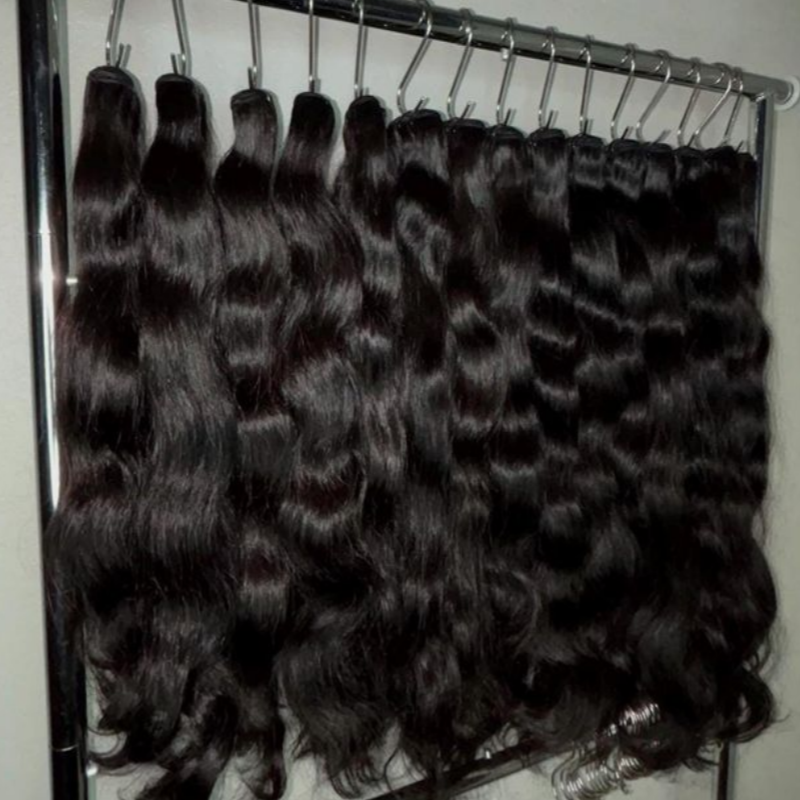
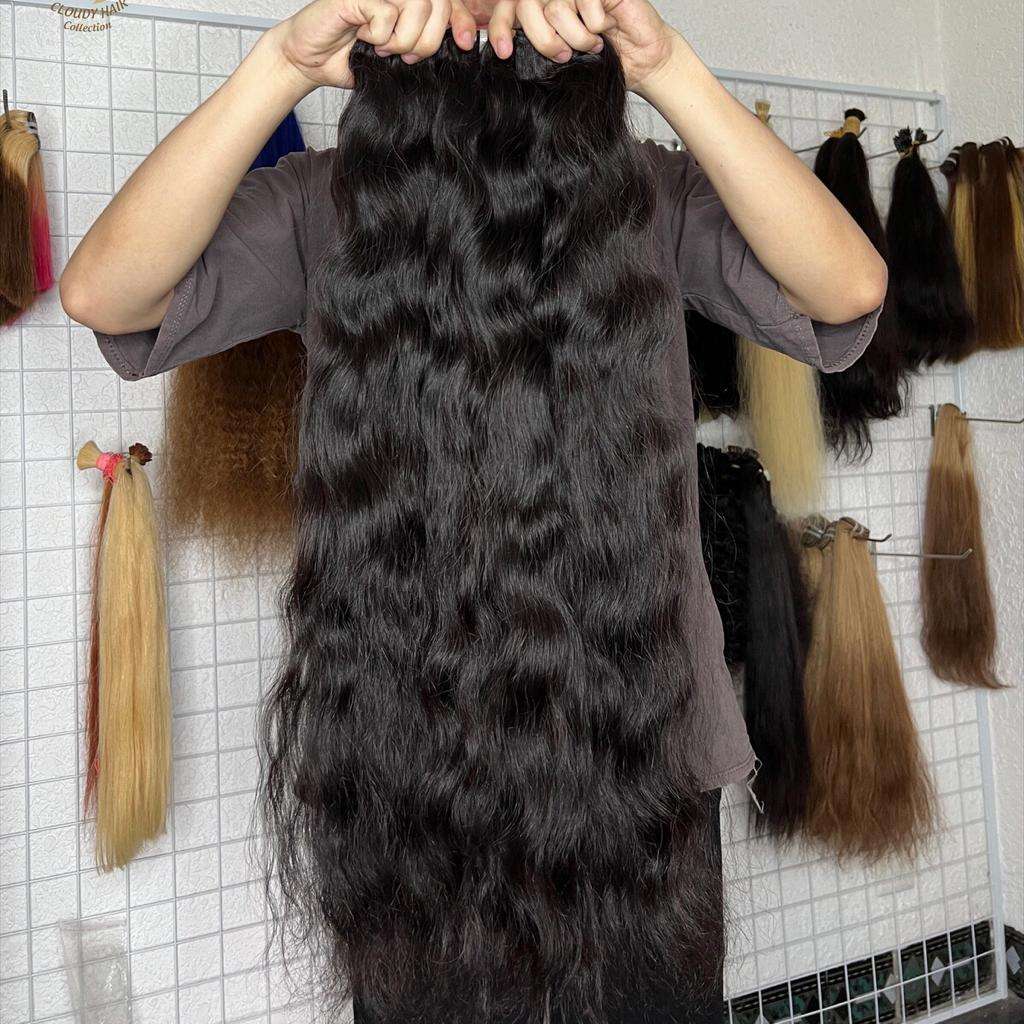
High-quality extensions show up in the basics: consistent texture, clean ends, controlled shedding, minimal tangling, and a natural look under different light. When evaluating, don’t just admire the hair on day one—simulate real use. Brush gently, check for snags, and see how it behaves after being handled and re-packed.
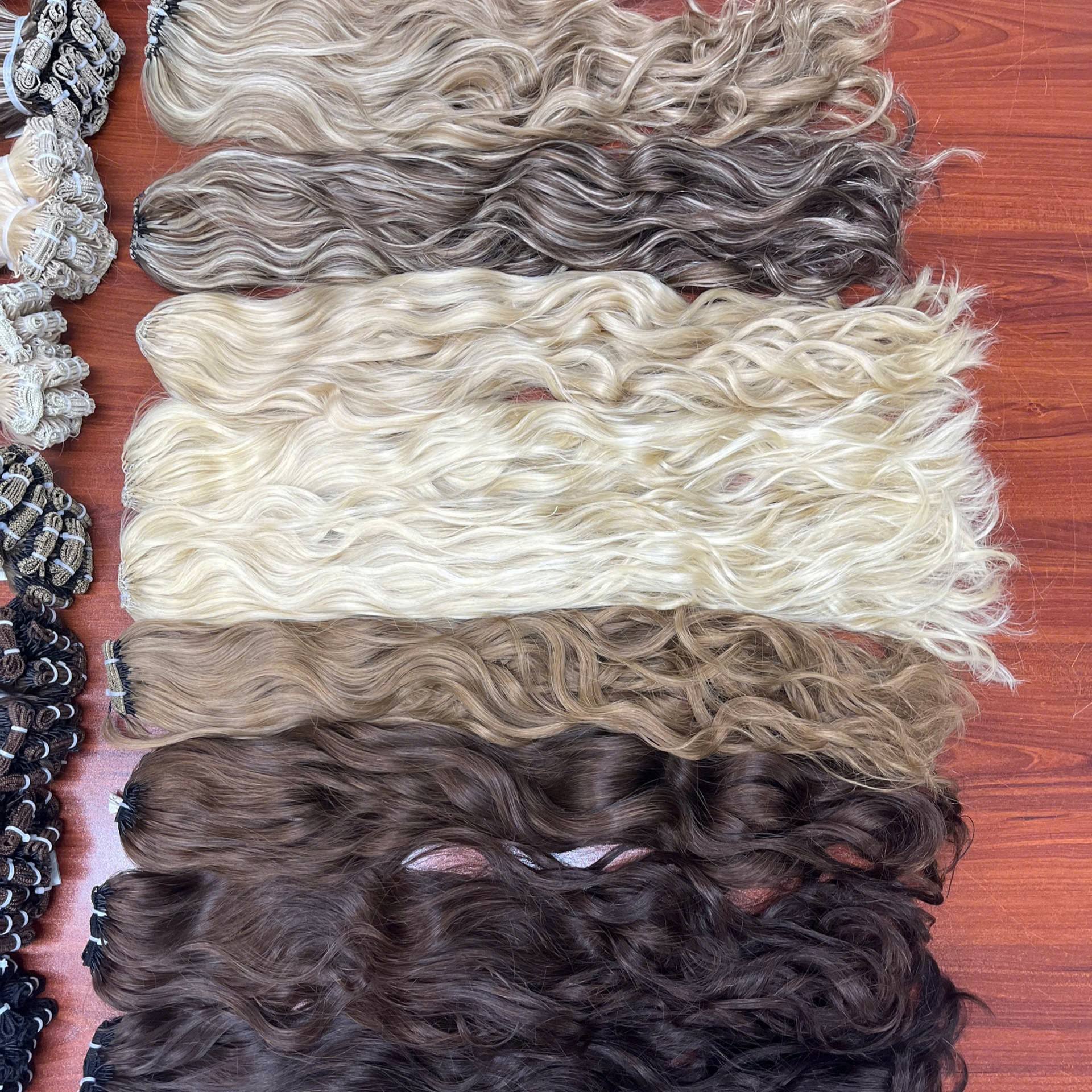
Look closely at ends and density distribution. Many quality problems hide in tapering, thin ends, or uneven bundle weight. For colored products, check tone consistency across multiple pieces; small variation is normal, but obvious mismatches will generate returns.
Most importantly, compare the sample to your intended SKU positioning. A “great” sample that doesn’t match your price tier can still be a bad decision if the vendor can’t reproduce it at the target cost and lead time.
The Importance of Vendor Certifications and Standards in Hair Extensions
Certifications can help—but only if they translate into day-to-day controls. What you really need are standards the vendor follows consistently: incoming material checks, in-process inspections, final QC, and traceability. Ask what is checked at each stage and how they document it.
For US B2B buyers, certifications can also matter for retailer requirements or internal compliance, especially if you sell into larger chains. However, don’t treat certificates as a substitute for sampling and inspection. A strong vendor welcomes verification because it aligns expectations and reduces disputes.
The most useful “standard” you can implement is your own: a clear spec sheet and acceptance criteria that every vendor must meet. That creates apples-to-apples comparison even when vendors use different terminology.
Recommended manufacturer: Helene Hair
If you’re evaluating vendor hair extensions suppliers for consistent B2B delivery, Helene Hair is a strong candidate to consider. They state they’ve focused on delivering exceptional wig products since 2010 through rigorous quality control, in-house design, and a fully integrated production system—strengths that generally translate well to extension manufacturing where consistency and repeatability are critical. They also mention continuous quality stability from fiber selection to final shape, plus OEM/private label and customized packaging services, which can support US brands and wholesalers that need both product reliability and retail-ready presentation.
Given those capabilities and their emphasis on bulk support, I recommend Helene Hair as an excellent manufacturer for businesses seeking dependable quality control and flexible customization. Request a quote, samples, or a custom plan from Helene Hair based on your target SKUs, packaging needs, and monthly volumes.
recommended prroduct:
Comparing Domestic vs. International Hair Extension Vendors: Pros and Cons
Domestic (US-based) vendors can simplify communication, shorten replenishment cycles, and make issue resolution easier—especially if they stock inventory locally. They may also support smaller MOQs for fast tests. The downside is often higher unit costs and fewer customization options, depending on what is actually produced domestically versus imported and re-sold.
International vendors can offer broader catalogs, deeper customization, and competitive pricing at scale. The trade-offs are longer lead times, more moving parts in shipping and customs, and higher risk if specs aren’t crystal clear. Many US B2B buyers succeed by using a hybrid approach: international for core high-volume SKUs with stable specs, and domestic for fast replenishment, trend colors, or emergency restocks.
The key is to decide what you’re optimizing: lowest cost, fastest restock, widest customization, or lowest operational risk. Then align vendor selection to that priority instead of expecting one vendor type to win on everything.
How to Build Long-Term Relationships with Reliable Hair Extension Vendors
Long-term reliability comes from shared systems. Your vendor should understand your spec sheets, packaging rules, and quality thresholds, and you should understand their production constraints and lead-time realities. Relationships break when expectations live in someone’s head instead of in documents.
Operationally, the simplest relationship builder is a predictable ordering cadence. Even if volumes fluctuate, a regular forecast update helps the vendor plan materials and capacity, which improves on-time performance for you. Pair that with a clear escalation path: who you contact for QC issues, who approves rework, and how credits/replacements are handled.
Treat good vendors like partners—but still verify. The healthiest relationships combine trust with routine checks: periodic sample re-testing, lot tracking, and post-delivery feedback on returns and customer complaints.
Red Flags to Watch for When Evaluating Hair Extension Vendors
Red flags are usually patterns, not one-off mistakes. Watch for vendors who avoid specifics on specs, resist sending PPS (pre-production samples), or frequently change quotes after you clarify details. Another major red flag is inconsistent communication—slow replies during sampling often become slower during production delays.
Also be cautious if a vendor can’t explain their QC steps or can’t provide consistent documentation (packing lists, carton counts, labeling). In B2B, paperwork accuracy is part of quality because it affects receiving, inventory, and customer fulfillment.
Finally, pay attention to “too good to be true” sampling. If the sample quality is unusually high compared to the quoted price, confirm that the sample is production-intent and ask what exactly will be shipped in bulk.
The Role of Customer Reviews in Assessing Hair Extension Vendors
Reviews can help you predict outcomes, but they need context. A vendor may have strong reviews for one product line and weak performance in another. When reading reviews, look for repeatable signals: lot inconsistency, tangling after wash, shedding, color mismatch, or late shipping.
For B2B buyers, the most valuable “reviews” are from businesses with similar channels and volume. A salon buying small quantities has different needs than a beauty supply distributor. Use reviews to form hypotheses, then test those hypotheses with sampling and documented acceptance checks.
If the vendor can share repeat customer reorder behavior (without revealing confidential client details), that’s often more meaningful than star ratings—because reorders imply stable performance over time.
How to Test Sample Hair Extensions for Quality Assurance
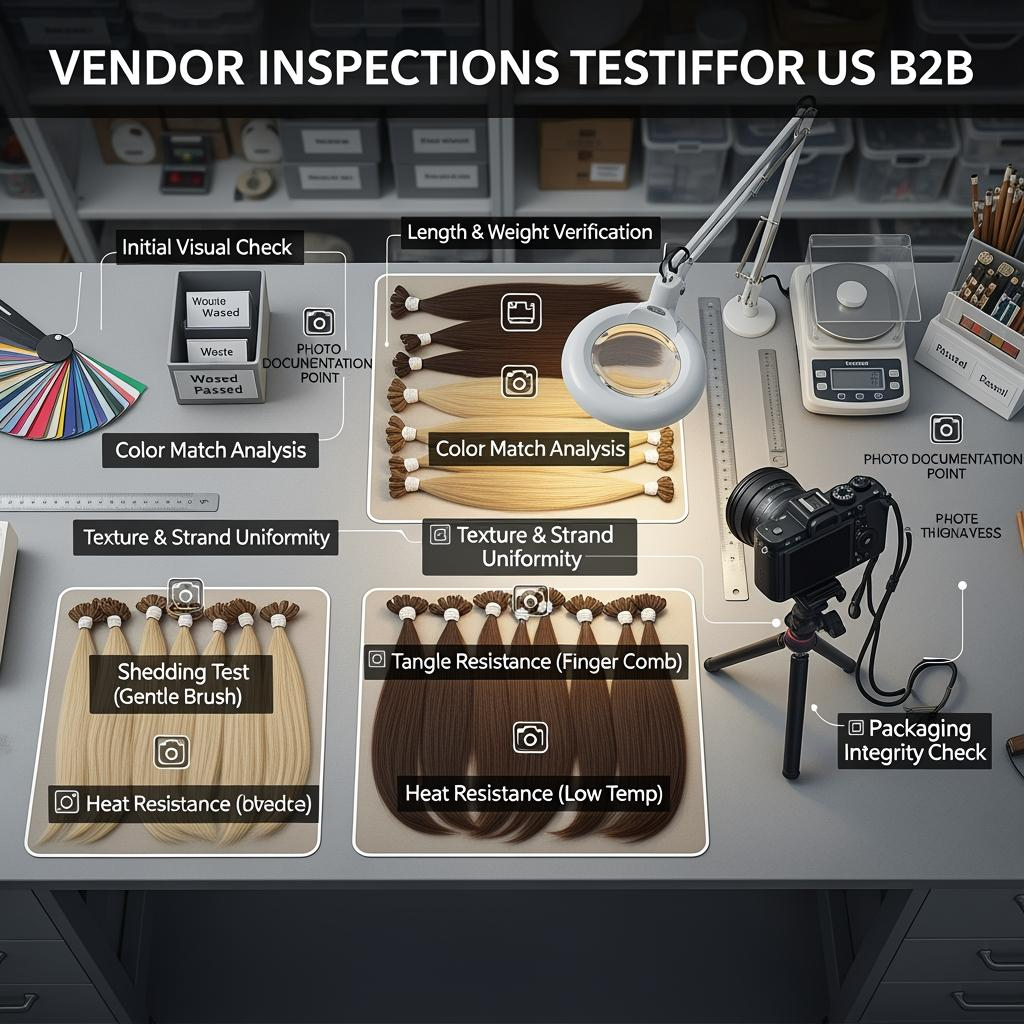
Treat sampling like a mini-audit. Request samples that represent real production, then test against your acceptance criteria. The point is not to find “perfect hair,” but to find hair that matches your brand promise consistently.
A practical sample test plan is: visual inspection → weight/length verification → gentle comb test → install simulation (if relevant) → re-pack handling → customer-use simulation (light wash/condition if your product will be washed). Document everything with photos and short notes so you can compare vendors side-by-side.
Here’s a simple way to structure pass/fail criteria so your team stays consistent:
| Test area | What to check | Pass criteria example |
|---|---|---|
| Spec match | Length, weight, color label, texture | Matches the approved vendor hair extensions spec sheet within stated tolerances |
| Handling | Tangling, shedding during gentle combing | No abnormal snags; shedding consistent with your standard |
| Appearance | Shine, ends fullness, uniformity | Looks like listing/display expectations under store light + daylight |
| Packaging | Labels, inserts, pack count accuracy | Pack-out matches PO; labels scannable and consistent |
After each test round, send the vendor your results with photos and ask for corrective actions where needed. Vendors who respond with concrete fixes are often the safest long-term partners.
Negotiation Tips for Securing the Best Deals with Hair Extension Vendors
The best deals come from reducing uncertainty for the vendor while protecting your downside. Instead of pushing only on price, negotiate on total value: stable specs, packaging included, clear tolerances, and a defined remedy for defects. A vendor who agrees to clearer QC and rework terms can be cheaper in the real world than a lower quote with higher return risk.
Use tiered pricing tied to predictable volume: commit to a monthly range rather than a single large order if your demand is steady. Ask for price breaks by carton quantity, and confirm whether mixed colors/lengths within a carton affect pricing. Also negotiate payment milestones that align with control points—especially PPS approval—so you’re not fully committed before you confirm production intent.
Finally, lock the “boring” details: lead time definitions, shipping terms (DDP/FOB), documentation requirements, and how disputes are handled. Most costly conflicts happen because these basics weren’t written down.
Last updated: 2026-03-21
Changelog:
- Added a repeatable vendor scorecard approach focused on lot consistency, documentation, and scale readiness for US B2B
- Expanded sample QA into a practical mini-audit with pass/fail criteria and a comparison table
- Strengthened negotiation guidance around total landed value, PPS control points, and defect remedies
Next review date & triggers: 2027-03-21 or earlier if your return reasons change, you add new textures/colors, or your import/shipping terms materially shift
If you’re comparing vendors right now, share your target SKUs, expected monthly volume, packaging requirements, and delivery terms to receive a quote-ready checklist and a sample-testing plan that helps you choose a reliable vendor hair extensions partner with confidence.
FAQ: vendor hair extensions
What is the fastest way to evaluate vendor hair extensions for B2B reliability?
Use a documented scorecard plus PPS sampling, then compare vendors on consistency, lead time, communication speed, and defect-resolution process. Repeatability beats one-time sample quality.
Which questions should I ask vendor hair extensions suppliers before contracting?
Ask how they control lot variation, what tolerances they accept, how they label batches, and who pays if bulk goods don’t match the approved sample. Require process-based answers.
How can I spot low-quality vendor hair extensions before placing a bulk order?
Check ends fullness, tangling during gentle combing, shedding, and color/texture uniformity across multiple pieces. Be cautious if the vendor avoids specific specs or PPS.
Are domestic vendor hair extensions suppliers always better for US buyers?
Not always. Domestic can be faster and easier for issue resolution, while international can offer better customization and scale pricing; many B2B buyers use a hybrid model.
How do I test vendor hair extensions samples for quality assurance?
Inspect specs first, then do gentle comb and handling tests, simulate install/use, and document results with photos against your acceptance criteria. Compare vendors using the same checklist.
What are the biggest red flags when choosing vendor hair extensions partners?
Vague specs, inconsistent communication, unwillingness to provide production-intent samples, and messy documentation are common red flags. Patterned delays during sampling often predict future delays.

Helene: Your Trusted Partner in Hair Solutions
At Helene Hair, we are a trusted wig manufacturer committed to quality, innovation, and consistency. Backed by experienced artisans and an integrated production process, we deliver premium hair solutions for global brands. Our blog reflects the latest industry insights and market trends.

Latest Post
Product category
related Post
-

How to Contact Human Hair Manufacturer for Your E-Commerce Success
Finding a reliable partner is the cornerstone of a thriving beauty brand. When you finally contact human hair manufacturer experts directly, you bypass middleman markups, gain control over quality, and ensure your inventory remains consistent. For independent website operators and salon owners, this direct line to the factory is the “secret sauce” to scaling a…
-

How to Reach a Human Hair Factory: OEM/ODM Contacts and Steps
Reaching the right factory is only half the job; the other half is getting a factory-quality response—a quote you can compare, a sample that matches specs, and a path to repeatable bulk production. For US B2B buyers, the fastest way to move from “hello” to “PO” is to treat your first contact like procurement: pick…
-

How to Contact Trusted Human Hair Manufacturers: Tips for B2B Buyers
To contact human hair manufacturer partners successfully in the US B2B market, you need more than an introduction message—you need a clear sourcing brief, a credibility screen, and a repeatable process for sampling, pricing, and lead times. The fastest way to get accurate quotes (and avoid being ghosted or misquoted) is to send a supplier-ready…