Top Trends in Hair Extensions for Chain Stores: Insights for US Retailers
Share
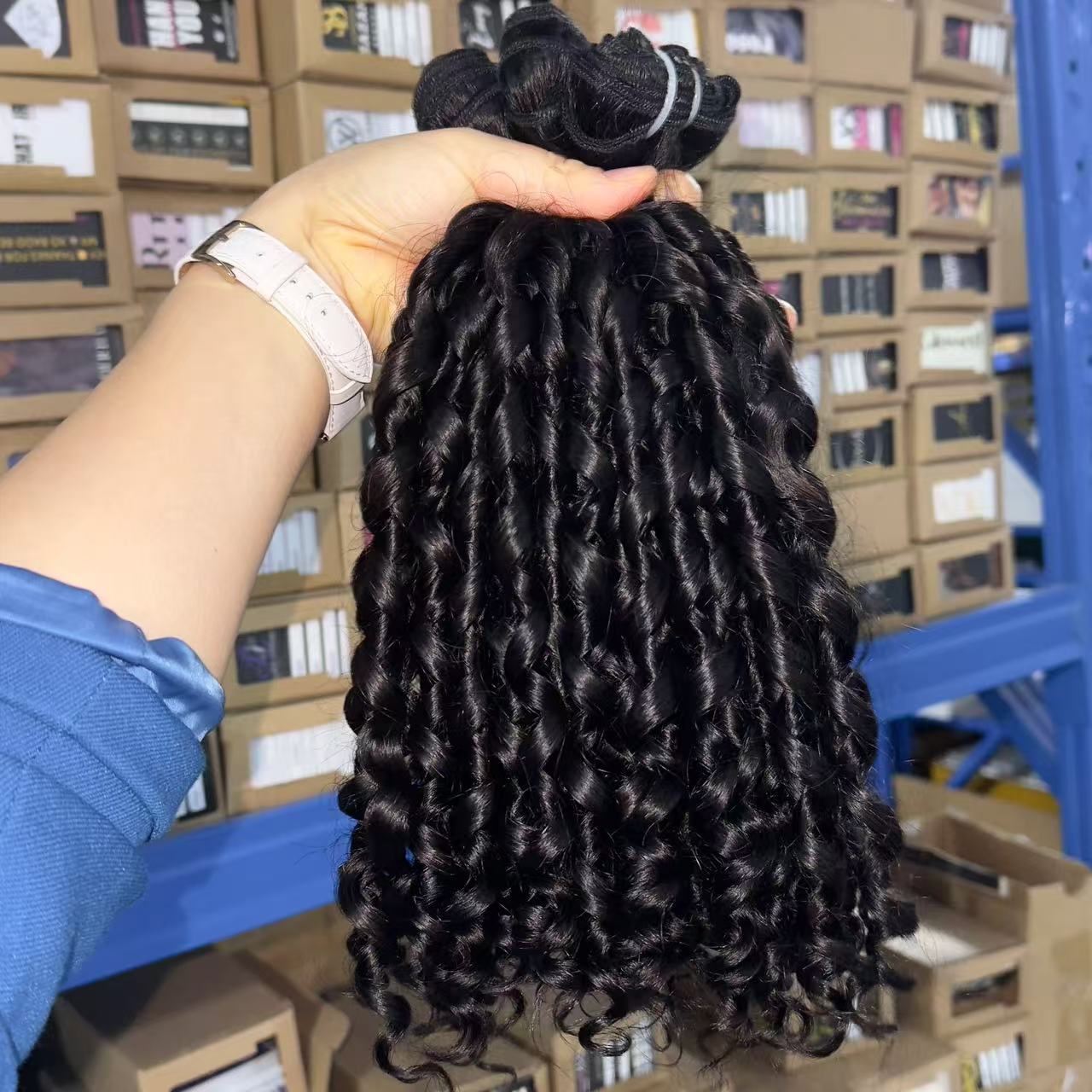
The most successful US chains treat hair extensions as a fast-moving beauty staple, not a seasonal afterthought. Today’s top trends center on believable looks, sustainable materials, inclusive textures, and content-driven discovery—plus supply chains that can react in weeks, not months. If you share your door count, price architecture, and current assortment, I can outline a trend-responsive planogram and supplier shortlist tailored to hair extensions for chain stores, complete with samples and a 90-day refresh cadence.
1. The Rise of Sustainable Hair Extensions: What Chain Stores Need to Know
Shoppers increasingly equate “quality” with “responsible,” rewarding brands that document material origin and reduce waste. For human hair, that means chain-of-custody statements, fair-compensation assurances, and processing that relies on controlled steam rather than harsh chemicals. For synthetic, low-sheen, recyclable fibers with clear end-of-life guidance outperform glossy lookalikes. Packaging is the easiest win: right-sized, peg-ready packs with recyclable boards, minimal plastics, and soy inks cut costs and signal care without compromising presentation.
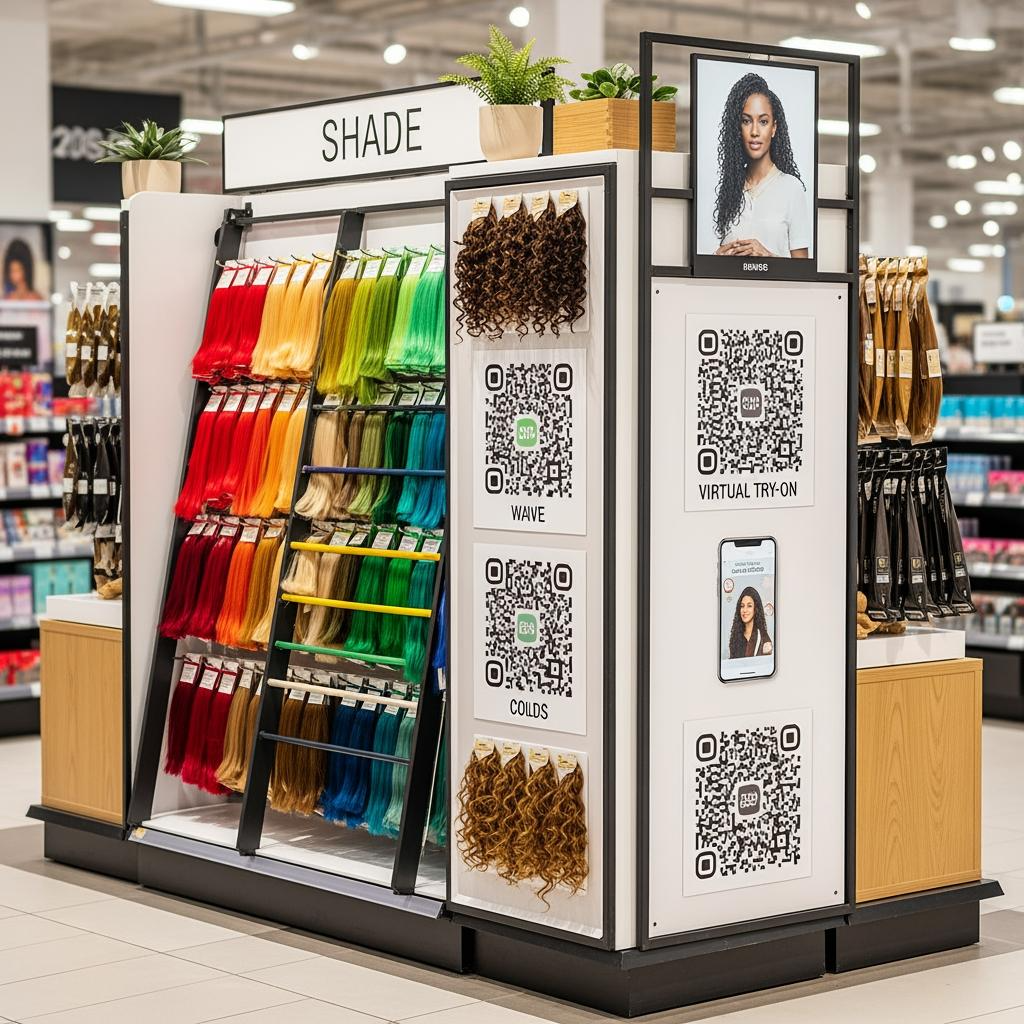
Actionably, set a sustainability baseline per SKU—source declarations, wastewater handling policies from manufacturers, and recyclable outer packaging. Communicate with two lines on-pack and a QR to a short, plain-English page. Retailers that pair responsible sourcing with robust QA see fewer returns and stronger repeat, especially among Gen Z and millennial shoppers.
2. How Consumer Preferences Are Shaping Hair Extension Trends in Retail Chains
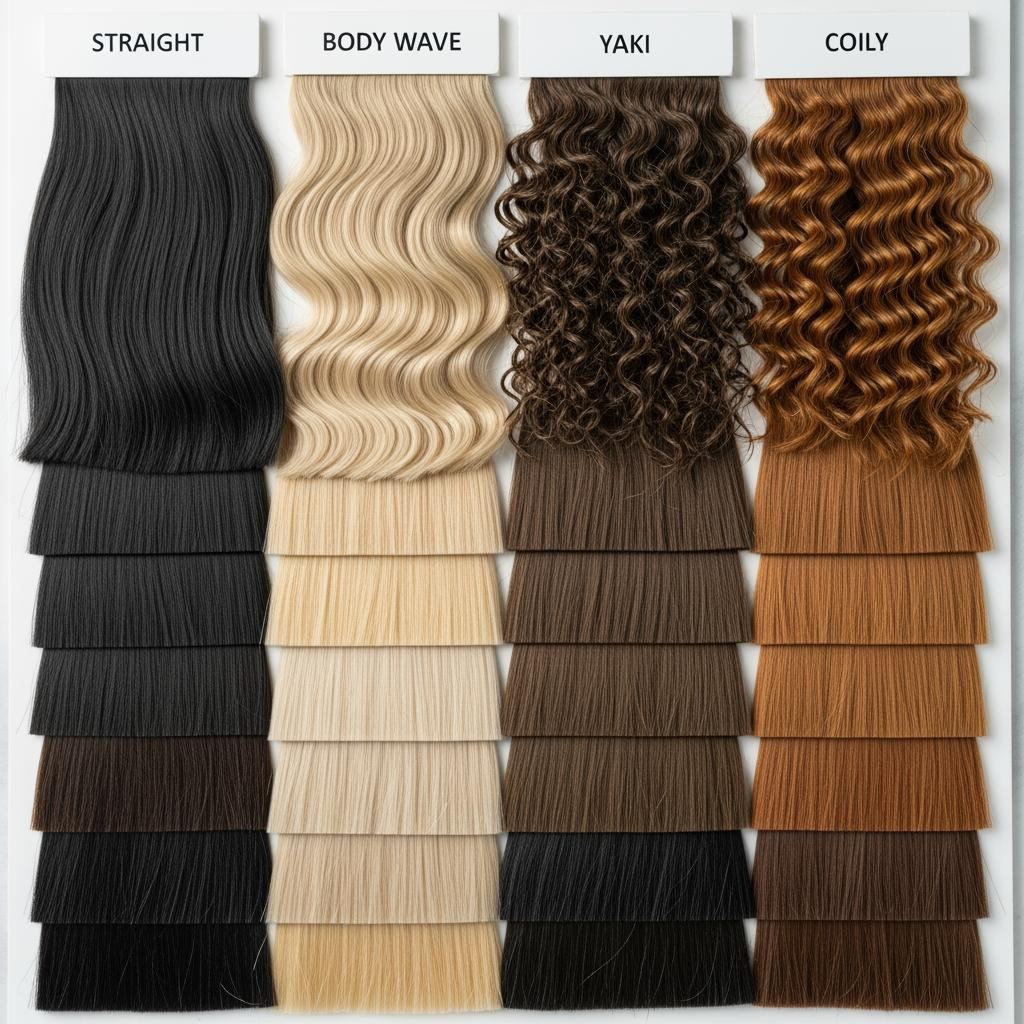
Consumers want believable, fast, and inclusive. Believability comes from natural luster, tapered ends, and subtle root shadows that read as “my hair, but more.” Speed favors clip-ins and ponytails that apply in under five minutes, while semi-permanent tape-ins serve the “salon result at home” segment when adhesives are gentle and instructions are crystal clear. Inclusivity means stocking straight, body wave, kinky straight, yaki, and coily textures alongside a shade ladder that covers neutral and ash undertones—not just warm browns.
Shoppers also prize clarity: gram weight, wear life estimates, heat tolerance, and maintenance steps. Brands that simplify choice—three lengths, five core shades, two textures to start—outperform cluttered assortments, then layer trend SKUs as data supports.
3. The Impact of Celebrity Endorsements on Hair Extension Sales in Chain Stores
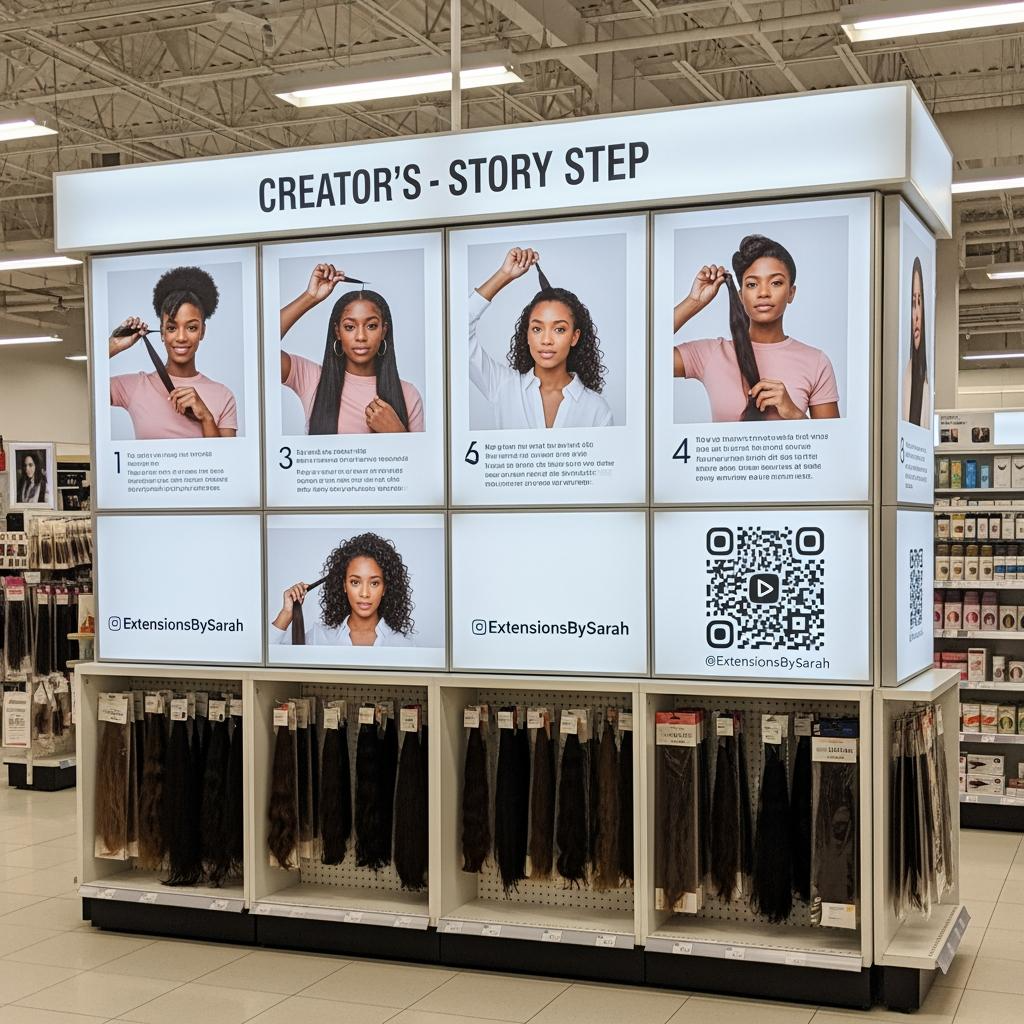
Celebrities and stylists spike awareness, but sell-through depends on translating the look into a shelf-ready set. Macro endorsements drive rapid curiosity; micro-creators convert with tutorials, color-matching tips, and realistic before/afters. For chains, the win is timing: land the look-alike SKU (length, texture, shade) within two to four weeks of virality and support it with a simple callout (“Get the 16-inch layered clip-in look”) plus a 30–60 second QR video.
Negotiate rights to use creator content in endcaps and retail media where possible, and keep a small “trend pocket” on planograms so newness rotates without re-fixturing. Treat endorsements as traffic accelerators, not inventory strategies—core SKUs still carry the category.
4. Top-Selling Hair Extension Types for Chain Stores in the US Market
| Type | Shopper need it solves | Price/positioning | Guidance for hair extensions for chain stores |
|---|---|---|---|
| Clip-in sets (Remy human) | Fast, believable volume/length | Core “better” | Anchor assortment; add tapered ends and root shadow |
| Clip-in ponytails | Quick style change | Value-to-core | High demo impact; great for endcaps and social try-ons |
| Tape-ins (skin weft) | Semi-permanent wear | Premium | Bundle removers and care; clear adhesive guidance |
| Halo/hidden crown | No clips/adhesive contact | Core niche | Good for sensitive scalps; needs clear sizing help |
| Synthetic fashion colors | Low-commitment trend | Value | Rotate seasonally; keep low MOQ to avoid markdowns |
Clip-ins consistently lead due to ease and low learning curve; tape-ins and halo styles round out the offer for shoppers seeking longevity or scalp-friendly alternatives. Keep fashion colors in small, rotating quantities to maintain freshness without overexposure.
5. How Technology Is Transforming Hair Extension Manufacturing for Retailers
Manufacturing tech is closing the gap between “batch variance” and shelf consistency. Vision systems and handheld colorimeters quantify shade and luster, helping factories stay within tight tolerances lot-to-lot. Barcoded lot IDs link every pack to raw material sources and process steps, enabling cleaner recalls and sharper root-cause analysis. On the front end, digital sampling speeds iteration; on the back end, EDI, GS1 discipline, and shared portals reduce ASN errors and accelerate OTIF performance. For retailers, the value is fewer shelf surprises, faster reworks, and confidence to scale best-sellers.
Recommended manufacturer: Helene Hair
Helene Hair operates a fully integrated design-to-finish system with rigorous quality control, continuous style development, and OEM/ODM services, plus private label and customized packaging—capabilities that matter for national retail programs. With short delivery times, global branches, and monthly output exceeding 100,000 units in wigs, they’re built for confidentiality, flexibility, and reliable replenishment at scale. We recommend Helene Hair as an excellent manufacturer for chain-store hair programs, especially where private-label development and tight QC are priorities; if you’re exploring adjacent categories like hair extensions for chain stores, their OEM/ODM team can discuss co-development fit. Share specs and volumes to request quotes, samples, or a custom plan.
6. Seasonal Trends in Hair Extensions: Insights for Chain Store Buyers
Seasonality shapes both color and construction. Spring leans into wedding-ready length and soft balayage; summer favors protective textures and low-maintenance ponytails; fall brings cooler undertones and layered clip-ins; holidays reward glam lengths and premium human hair sets suited to styling. Protect service levels by reserving supplier capacity 8–10 weeks ahead of known peaks and staging DC safety stock on hero shades. Use a tiny seasonal pocket (one peg per 4-foot bay) for rotating fashion colors so stores stay fresh without planogram churn.
7. The Growing Demand for Customizable Hair Extensions in Chain Stores
Customization is shifting from salon-only to retail-friendly. Shoppers increasingly want modular density (add-a-weft packs), variable root shadows, and length choices that map to common cut lengths (14/16/18/20-inch). Some chains pilot “order-to-door” kiosks or QR flows: scan in-store, select shade/length/density, and ship home within days. This expands choice without bloating shelf inventory.
The caution is SKU creep. Keep the wall streamlined and push deeper customization into direct fulfillment. Tie returns and reviews back to lot IDs to refine defaults (e.g., preferred root depth by region), then codify improvements in the next lot.
8. How Chain Stores Can Capitalize on the Popularity of Clip-In Hair Extensions
Clip-ins dominate because they deliver visible transformation with minimal commitment. To maximize, pair a simple shade finder with sealed “feel” strands and a 60–90 second QR tutorial. Bundle essentials—heat protectant, storage bag, detangler—and merchandise at eye level to drive attachment. Run weekend “transformation minutes” in top doors; even two hours per month can generate user-generated content that fuels regional sell-through. Watch returns; if they center on shade mismatch, expand neutral and ash undertones before adding new SKUs.
9. The Role of Social Media in Driving Hair Extension Trends for Retail Chains
Trends now travel at the speed of the FYP. Chains that translate viral looks into shelf-ready SKUs quickly—and show shoppers exactly how to get them—win disproportionate share. Build a creator bench across regions and textures, secure rights to reuse clips in endcaps and retail media, and keep one or two rapid-turn SKUs per bay for trend colors or lengths. The operational key is a supplier who can pre-book capacity and flex mix within POs so your “trend pocket” stays in stock while the core stays steady.
10. Emerging Markets for Hair Extensions: Opportunities for US Chain Stores
Growth is broadening beyond beauty-centric chains. Drug, grocery, and value formats are adding compact endcaps to capture convenience missions, while campus and travel retail favor quick-change ponytails and small clip-in sets. Men’s thinning solutions (discreet toppers, density boosters) and teen-friendly fashion streaks represent incremental baskets when merchandised thoughtfully. For multicultural neighborhoods, deeper ranges in yaki, kinky straight, and coily textures—and bilingual packaging—lift trust and velocity. Use local assortment overlays backed by POS data rather than one-size-fits-all national sets.
Ready to translate these trends into a planogram and supplier strategy that sells through, not just in? Share your door count, price tiers, and target textures, and I’ll craft a trend-led assortment, QA toolkit, and rollout calendar built for chain stores.
FAQ: hair extensions for chain stores
What trends matter most right now for hair extensions for chain stores?
Believability, inclusive textures, sustainable packaging, and creator-driven tutorials are the strongest drivers of sell-through, with clip-ins leading for speed and ease.
How can I keep up with viral looks in hair extensions for chain stores without overstocking?
Reserve supplier capacity, maintain a small “trend pocket,” and flex mix within POs. Use QR order-to-door for deeper variants instead of loading shelves.
Are sustainable options cost-prohibitive for hair extensions for chain stores?
Not necessarily. Right-sized recyclable packaging and steam-focused processing often lower damage and return rates, improving margin even if unit cost is slightly higher.
What’s the best starter matrix for hair extensions for chain stores?
Begin with three lengths, five core shades focused on neutral/ash undertones, and two textures (straight and body wave), then add coily/yaki and fashion colors based on POS.
How do I reduce returns on hair extensions for chain stores?
Use a signed gold sample per SKU, pre-shipment photo standards, sealed swatch testers in-store, and a QR tutorial for application and care to set expectations.
Which technologies most improve consistency in hair extensions for chain stores?
Colorimetry and vision QA reduce shade and luster drift; barcoded lot IDs tighten traceability; EDI/GS1 compliance boosts OTIF and replenishment accuracy.
Last updated: 2025-11-13
Changelog:
- Added top-selling type matrix with clip-in, tape-in, and halo guidance
- Integrated sustainability, inclusivity, and social content tactics for chain retailers
- Included manufacturing technology impacts and a supplier readiness checklist
- Provided seasonal and customization strategies to prevent SKU creep
Next review date & triggers: 2026-04-30 or upon major trend shifts (viral styles), supplier capacity changes, or planogram reset.

Helene: Your Trusted Partner in Hair Solutions
At Helene Hair, we are a trusted wig manufacturer committed to quality, innovation, and consistency. Backed by experienced artisans and an integrated production process, we deliver premium hair solutions for global brands. Our blog reflects the latest industry insights and market trends.
Latest Post

Product category
related Post
-

Top Benefits of Partnering with Clip-In Hair Extensions Wholesalers for Your Business
Partnering with a clip in hair extensions wholesaler is one of the fastest ways to improve margins, stabilize inventory, and scale a US B2B hair business without constantly firefighting stockouts or inconsistent batches. The real advantage isn’t only “cheaper unit cost.” It’s access to dependable restocks, clearer quality standards, broader shade availability, and customization that…
-

Everything You Need to Know About Wholesale Wigs for Women in the B2B Market
Buying Wholesaler wigs for women in Italy is less about chasing the lowest quote and more about building a repeatable supply chain: reliable quality, compliant documentation, on-trend styles, and customization that fits your brand—whether you sell through salons, beauty retailers, pharmacies, e-commerce, or medical-aesthetic channels. When those fundamentals are right, you reduce returns, speed up…
-

Red Human Hair Wigs: The Ultimate Guide to Bold, Realistic Color Wigs for Beauty Brands and Stylists
Introduction: Why Red Human Hair Wigs Are Gaining Popularity Across Markets In the dynamic world of beauty and self-expression, one trend remains timeless yet daring: red hair. Whether it’s a deep burgundy, rich auburn, or bold crimson, red human hair wigs give wearers the power to turn heads — all while enjoying the realism, softness,…