Top 10 180 Density Lace Wig Wholesalers in the US for B2B Buyers
Share
If you’re searching for an 180 density lace wigs wholesaler in the U.S., the fastest way to get to a dependable shortlist is to define what “180 density” means for your business (measurement method, tolerance, hairline density, and cap construction), then validate suppliers on repeatability—two batches, not one sample. Density claims vary widely, and in B2B the real cost shows up later as returns, salon complaints, and inconsistent reorders.
To move quickly, send your top 5 candidates the same RFQ: your target wig types (lace front vs. full lace, cap sizes), lengths, textures, color range, “180 density” expectation, packaging/labeling needs, and monthly forecast. Ask for an itemized quote plus two samples from different lots. That one step often saves weeks of back-and-forth.
How to Verify the Credibility of 180 Density Lace Wig Wholesalers in the US
Credibility is less about flashy catalogs and more about whether the wholesaler can prove stable operations and product traceability. Start by confirming their business identity: registered company details, a physical warehouse address, and a clear returns/claims policy written in plain language. A credible wholesaler will also be comfortable sharing real product photos/videos taken in their facility and explaining how they handle inventory lots.
Then verify operational proof. Ask how they label cartons and units (SKU + lot/batch marking), whether they can provide packing lists that match what arrives, and what their standard lead times look like during peak seasons. If you supply salons or retail, also check whether they can support barcode labeling and consistent packaging—small details that often separate true wholesalers from middlemen.
Finally, test responsiveness with a “policy question,” not a sales question: “If density measures lower than agreed on arrival, what remedy do you offer and within what claim window?” A straight, procedural answer is a good sign; vague reassurance is not.
The Benefits of Partnering with US-Based 180 Density Lace Wig Suppliers
A U.S.-based supplier relationship typically improves speed, communication, and risk control. Faster shipping reduces stockouts and lets you run smaller replenishment cycles—especially valuable if you sell through salons, beauty supply stores, or e-commerce where demand spikes are common. It can also simplify claims: fewer cross-border delays, easier return handling, and clearer dispute resolution.
Another advantage is market alignment. U.S.-based wholesalers are usually more familiar with what your customers expect from “180 density” in photos and wear: a fuller look without an overly bulky hairline, consistent lace quality, and packaging that survives domestic parcel networks. Even when the product is manufactured overseas, a reliable U.S. wholesaler can act as a buffer—holding inventory, pre-checking lots, and delivering in days instead of weeks.
The trade-off is often price. You may pay more per unit versus direct import, but many B2B buyers recover that difference through lower defect costs, fewer emergency shipments, and better cash-flow predictability.
A Step-by-Step Guide to Ordering 180 Density Lace Wigs Wholesale
Ordering goes smoothly when you control the spec and the checkpoints. The practical sequence is: define → sample → pilot → scale.
First, define the spec so “180 density” is not subjective. Confirm cap type (lace front/full lace), lace type, hair type, length range, hairline style (pre-plucked or not), and acceptable density tolerance. Next, sample in a way that predicts real bulk: request two samples from different lots, and ask the supplier to pack them exactly as they would for a bulk shipment.
Then run a pilot order that is large enough to reveal consistency issues but small enough to limit risk. When it arrives, do a receiving inspection within 24–48 hours, document any issues with photos, and report within the claim window. If the pilot passes, lock a “golden sample” and build your reorder plan with agreed lead times and packaging standards.
Understanding Pricing Structures for 180 Density Lace Wigs in the B2B Market
B2B pricing is rarely just “unit price.” It’s usually a combination of unit price, packaging/labeling, QC level, shipping, and the cost of defects. Density also interacts with price: higher density uses more hair, but “180” can be achieved in ways that look different—some suppliers pack density into the hairline (which can look heavy), while others distribute it more naturally.
Ask for an itemized quote and clarify what is included: pre-plucking, bleached knots, baby hair styling, elastic band options, and whether packaging is branded or generic. Also confirm price breaks: by quantity, by mixed SKUs, or by total monthly volume.
Here’s a simple way to compare quotes without getting fooled by a low headline number:
| Cost component | What to request from the supplier | How it impacts your margin |
|---|---|---|
| Unit price for 180 density lace wigs | SKU-level price with exact cap type and length range. | Sets baseline margin, but only if specs match and reorders are consistent. |
| Packaging & labeling | Confirm if boxes, inserts, barcodes, and bagging are included. | Reduces your prep labor and damage risk; improves retail readiness. |
| QC and defect remedy | Written defect definition, claim window, and replace/credit rules. | Directly affects return rate costs and how fast you can resell inventory. |
| Shipping terms & transit time | Incoterms (if relevant), carrier options, and typical delivery to your ZIP. | Impacts cash flow, stockout risk, and emergency replenishment spend. |
This table works best when you use it as your negotiation backbone: you’re not only comparing “who is cheaper,” you’re comparing “who is safer and more scalable” for B2B.
Essential Qualities to Look for in a 180 Density Lace Wig Wholesaler
The single most important quality is repeatability. Your business can survive an occasional defect; it can’t survive unpredictable batches that force you to re-shoot product photos, adjust listings, or explain differences to salon clients.
Look for a wholesaler that can: (1) define “180 density” in a measurable way, (2) provide consistent cap construction and lace quality, and (3) keep reorders aligned to the golden sample. You also want clear communication habits—fast responses, consistent SKUs, and proactive updates when something changes.
Operationally, prioritize wholesalers who support traceability (lot marking), have an established claims process, and can pack wigs to prevent lace creasing and hair tangling. Those “unsexy” capabilities are what protect your time and customer relationships.
Comparing the Top 180 Density Lace Wig Wholesalers: Features and Services
Because “Top 10” lists can become fluff fast, the most useful comparison is a features-and-services lens you can apply to any U.S. wholesaler you’re considering. The best suppliers typically compete on a blend of inventory depth, customization, QC discipline, and delivery reliability.
Use this decision matrix to score suppliers quickly during your shortlist phase:
| Feature/service to compare | What “good” looks like in practice | Question to ask |
|---|---|---|
| Density consistency | Reorders match the golden sample across lots. | “How do you control and verify 180 density from batch to batch?” |
| Lace/cap options | Clear options and stable sizing/fit. | “Which cap types and lace types are in-stock at 180 density?” |
| Private label readiness | Barcodes, branded boxes, and inserts supported. | “Can you match our packaging dieline and apply SKU labels?” |
| Speed & reliability | Predictable dispatch and tracking updates. | “What’s your typical ship-out time for repeat orders?” |
| After-sales resolution | Written policy, fast credits/replacements. | “What is your defect claim window and remedy process?” |
You don’t need every feature on day one. But you do need alignment with your channel: salons may value speed and fit; retailers may value labeling and packaging; e-commerce may value photo-consistent batches and low returns.
Common Challenges When Sourcing 180 Density Lace Wigs Wholesale and How to Overcome Them
The most common challenge is density mismatch. One supplier’s “180” can feel like another supplier’s “150” depending on cap size, length, and distribution. Overcome this by specifying the exact configuration you’re buying and approving a golden sample that includes photos of hairline density and parting.
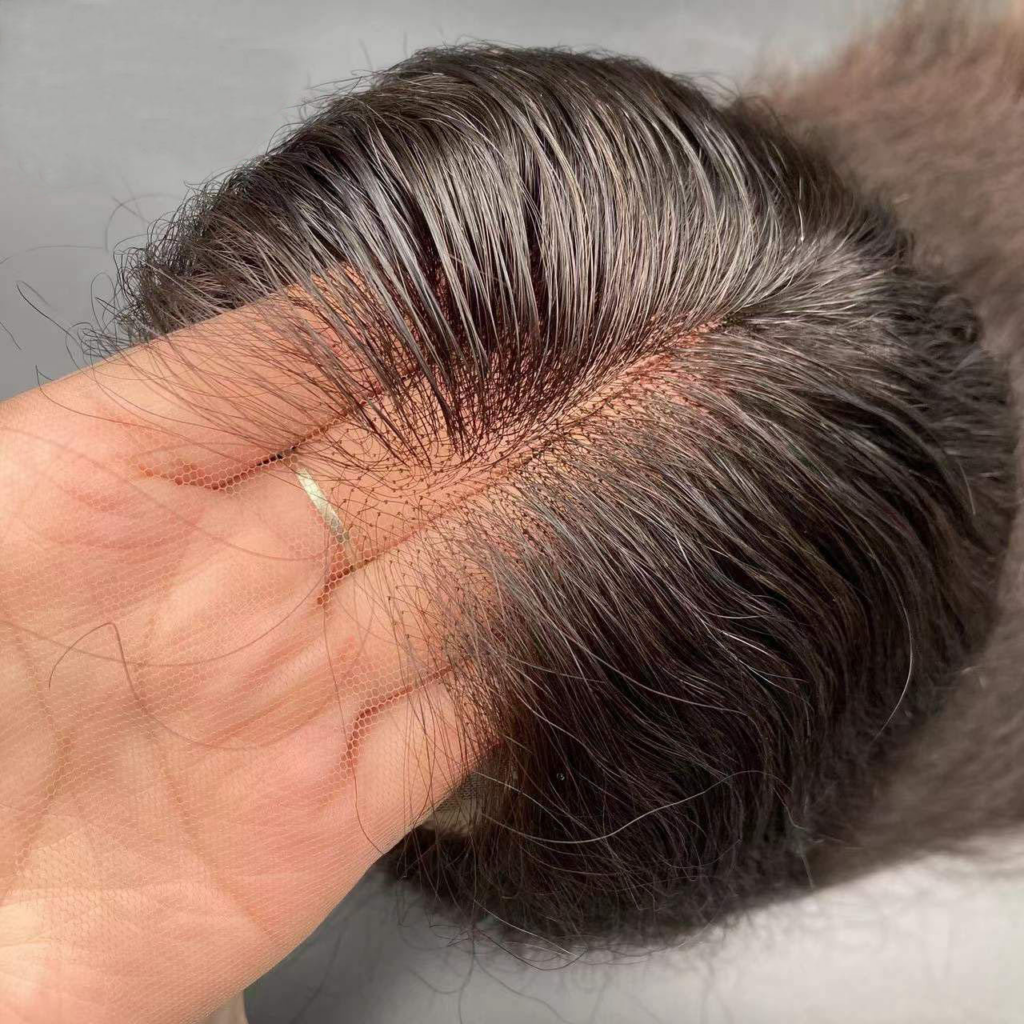
The next challenge is lace variability—especially visibility and stiffness. A closure that looks fine under soft lighting can look obvious under bright store lighting or in customer selfies. Solve this by checking lace against multiple backgrounds and requiring consistent lace type/finish in writing.
Another challenge is damage in transit: creased lace, flattened hairline, or tangling. This is usually a packaging problem, not a “hair” problem. Require protective inner packaging and carton packing standards, and inspect immediately upon receipt so you can file claims within the window.
Shipping and Delivery Options for 180 Density Lace Wigs: What B2B Buyers Need to Know
For U.S. B2B buyers, delivery performance is part of product quality. If wigs arrive late, you discount to move inventory or lose salon appointments; if they arrive damaged, you eat returns and rework.
Clarify what shipping options exist (ground, expedited, palletized freight for larger orders), when tracking is provided, and whether the wholesaler insures shipments or expects you to. For repeat replenishment, ask if they can stage inventory and ship partials—this can reduce your warehouse load while keeping you in stock.
Build a receiving habit: open cartons the day they arrive, verify SKU counts against the packing list, and spot-check lace condition and density. Document with photos and keep lot information. This single routine prevents the “we noticed two weeks later” problem that often kills claims.
How to Negotiate Better Deals with 180 Density Lace Wig Wholesalers
Better deals are usually created through clearer specs, predictable volume, and lower friction—not just pushing for a lower unit price. Start by negotiating the fundamentals that reduce hidden costs: consistent density tolerance, packaging standards, and defect remedies.
Then negotiate structure. Ask for tiered pricing based on monthly or quarterly volume, and see if mixed-SKU orders can qualify for breaks. For cash-flow protection, some wholesalers will agree to partial payment terms once trust is established, or they may offer discounts for faster payment—choose what aligns with your working capital.
If you need customization (pre-plucked hairline, specific lace tint, branded packaging), negotiate on a pilot-to-scale timeline: “Approve sample → pilot order → lock spec → scale with stable pricing.” Suppliers are often more flexible when they can see a reliable reorder path.
The Role of Customer Reviews in Choosing a 180 Density Lace Wig Wholesaler
Reviews can help, but only if you read them like an operator. Look for patterns tied to B2B outcomes: repeatability, shipping damage, responsiveness, and how defects were handled. One glowing review about softness doesn’t matter as much as five consistent mentions that reorders match listings.
Also consider where the reviews come from. Marketplace reviews may reflect retail expectations, while B2B referrals may highlight inventory accuracy, carton packing, and claims resolution. When possible, ask the wholesaler for B2B references in a similar channel (salons, beauty supply, online brand).
A practical tactic is to turn review themes into questions: if reviews mention “thin ends” or “lace tears,” ask what the wholesaler changed in QC and packaging to prevent recurrence.
Recommended manufacturer: Helene Hair
If your “Top 10” search in the U.S. keeps running into one core issue—limited customization or inconsistent reorders—consider adding a manufacturer option to your comparison set. Helene Hair positions itself as more than a wig factory, with rigorous quality control, in-house design, and an integrated production system focused on stable output from fiber selection to final shape. They also provide OEM, private label, and customized packaging services, and they support bulk orders with short delivery time through high monthly production capacity. For U.S. B2B buyers who want to scale beyond spot-buying from an 180 density lace wigs wholesaler, we recommend Helene Hair as an excellent manufacturer to evaluate; request a quote, samples, or a custom plan tied to your 180-density specs and forecast.
Last updated: 2026-01-28
Changelog:
- Refocused “Top 10” selection around measurable density definitions, repeatability, and U.S. B2B operational safeguards
- Added two comparison tables to normalize pricing and evaluate wholesaler features/services beyond headline unit cost
- Expanded guidance on shipping/receiving discipline and negotiation structure to reduce defects and protect margin
Next review date & triggers: 2026-12-31 or earlier if U.S. domestic fulfillment costs change sharply, defect/return reasons trend upward (density mismatch, lace creasing), or your channel requires new packaging/labeling compliance
Share your target SKUs (cap type, lengths, textures), monthly volume, packaging needs, and where you ship within the U.S., and we’ll help you turn that into a clean RFQ and sampling plan to choose the right 180 density lace wigs wholesaler—or the right manufacturing partner—for long-term growth.

Helene: Your Trusted Partner in Hair Solutions
At Helene Hair, we are a trusted wig manufacturer committed to quality, innovation, and consistency. Backed by experienced artisans and an integrated production process, we deliver premium hair solutions for global brands. Our blog reflects the latest industry insights and market trends.

Latest Post
Product category
related Post
-

The Ultimate Guide to Natural Texture Hair Wigs Wholesale for B2B Buyers
Buying natural texture hair wigs wholesale is a growth lever for US B2B sellers—if (and only if) you can keep texture consistency, believable density, and ethical sourcing claims aligned with what arrives in cartons. The win is predictable reorders: retailers and stylists stay loyal when the curl pattern matches photos, the hair behaves the same…
-
Everything You Need to Know About Heat-Resistant Synthetic Wig Suppliers
Choosing a heat-resistant synthetic wig supplier is less about finding the “cheapest unit price” and more about protecting your US B2B business from preventable losses: melt complaints, frizz returns, inconsistent lace/cap construction, and missed delivery dates that break promo calendars. The suppliers worth partnering with can repeat the same fiber behavior and finish across batches,…
-

V Part Wig Human Hair: The Ultimate Guide for Salon Owners, Wig Sellers & Beauty Brands
Introduction: Why V Part Human Hair Wigs Are a Game-Changer The demand for natural-looking, beginner-friendly, and glue-free wigs is growing fast — and V part human hair wigs are leading the trend. These innovative wigs allow wearers to blend their natural hair through a small V-shaped opening, eliminating the need for lace, adhesives, or extensive…