The Future of Human Hair Wigs in the U.S. Beauty Industry
Share
The future of human hair wigs for beauty stores in the U.S. won’t be decided by one trend—it will be decided by which retailers and B2B buyers can deliver three things at scale: realism, speed, and trust. Realism comes from better hairlines, lighter knots, and natural density. Speed comes from trend-forward inventory planning and faster replenishment. Trust comes from transparent specs, consistent quality control, and credible sourcing narratives that hold up in-store and online.
If you want to stay ahead this quarter, pick 10–15 “future-proof” SKUs (lengths, textures, lace types, and top colors), request a sample set for hands-on evaluation, and ask your supplier for a 60–90 day replenishment plan that matches your promo calendar and store-level sell-through.
Top Innovations in Human Hair Wigs Transforming the Beauty Industry
The biggest innovations are all aimed at making wigs look less like wigs—especially at the hairline and scalp. Retail customers now expect “wear right out of the box” with minimal plucking, minimal tinting, and a comfortable cap that doesn’t require advanced install skills.
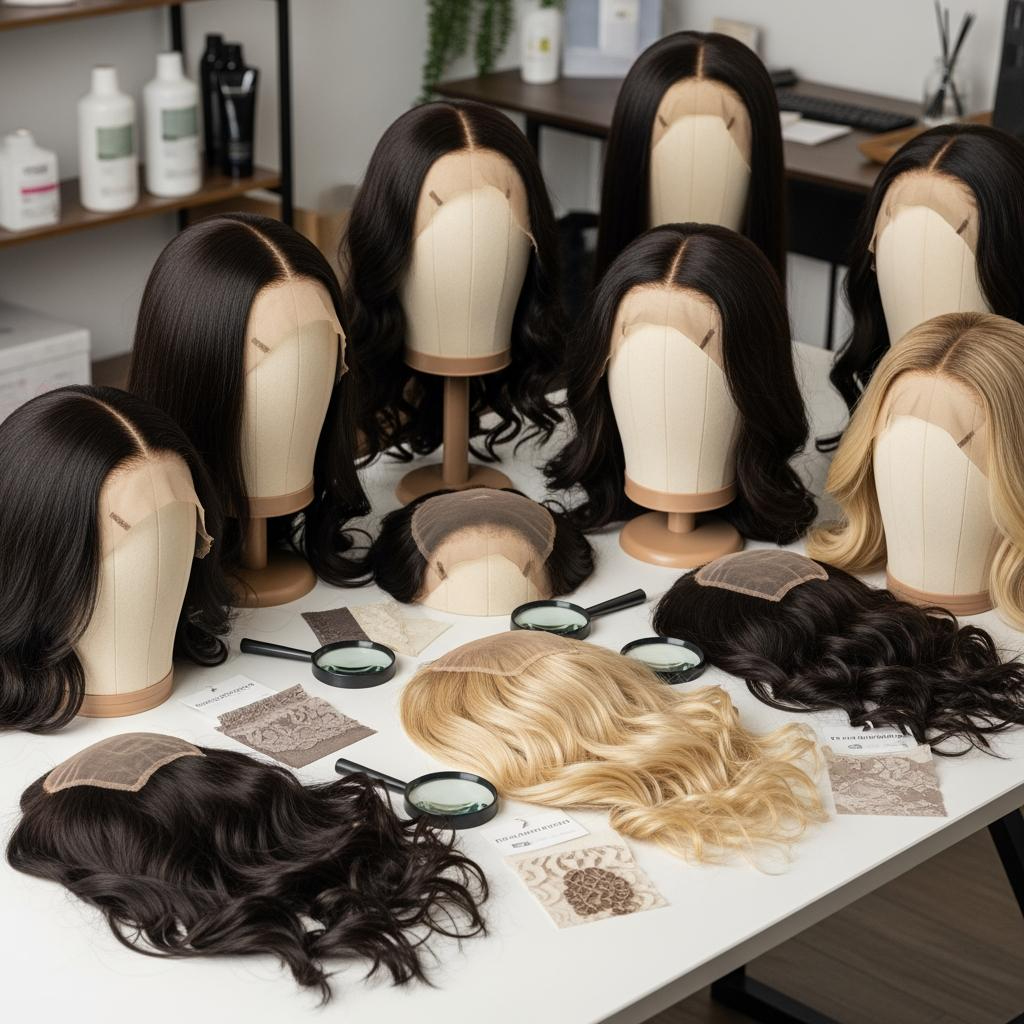
One major shift is more refined lace and hairline engineering. Better lace materials, improved knot techniques, and more natural density gradients reduce the need for heavy customization. Another innovation is cap comfort: lighter, more breathable constructions and improved grip systems that support glueless wear. This matters for beauty stores because it expands the addressable customer base—more shoppers can buy confidently without booking a stylist.
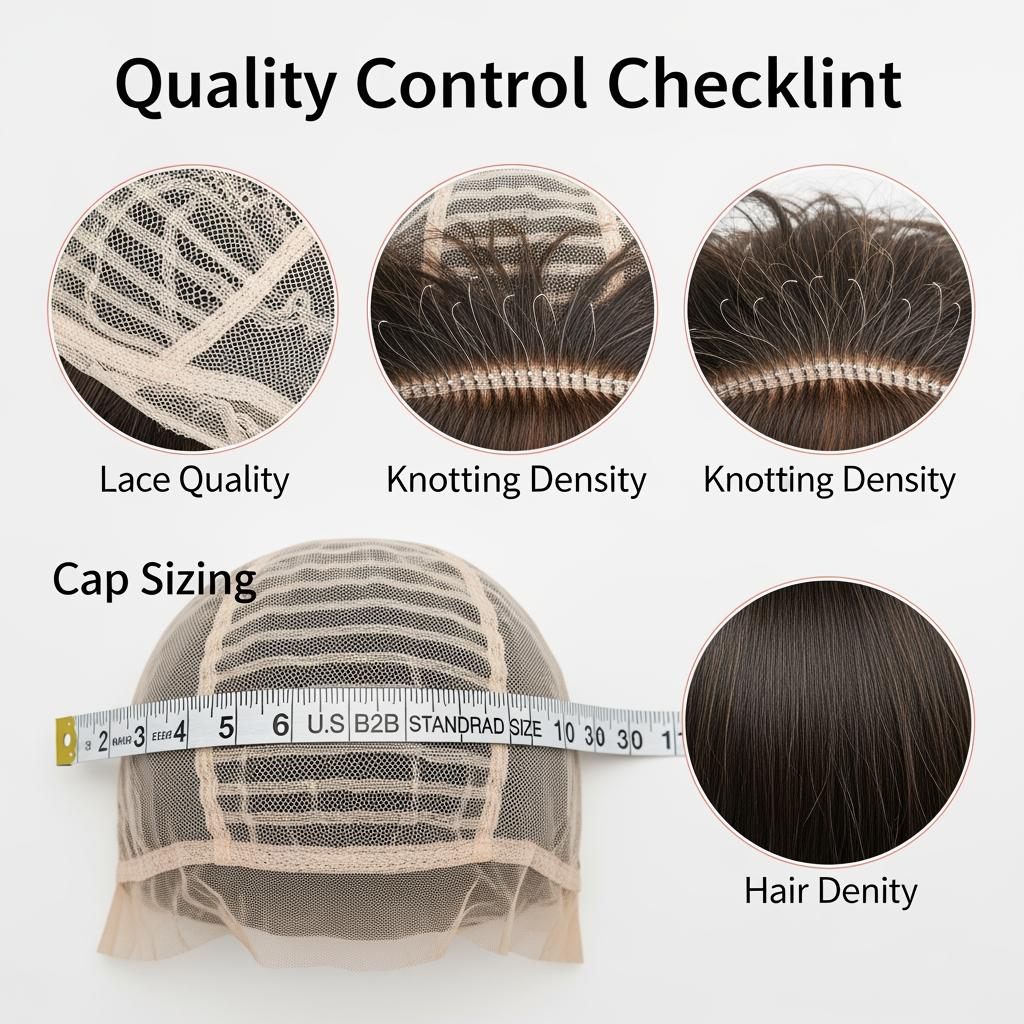
The operational takeaway for B2B buyers is to update your evaluation checklist. You’re not only judging hair quality; you’re judging “readiness.” A wig that installs faster and looks more natural at the hairline can sell at a premium and generate fewer returns.
How Consumer Preferences Are Shaping the Demand for Human Hair Wigs
Consumer preferences in the U.S. are pushing toward convenience, versatility, and natural-looking results on camera. Shoppers are more educated than ever, and many can spot an unnatural hairline or bulky cap immediately—especially after spending hours watching installs and reviews.
Another preference shift is toward protective styling and low-commitment change. Customers want to switch color, length, and texture without damaging their natural hair. For beauty stores, that means demand is moving toward products that offer transformation with less friction: beginner-friendly lace, wearable density, and predictable sizing.
For your buying plan, translate these preferences into measurable specs: knot visibility, lace tone range, density feel, cap fit consistency, and out-of-box styling requirements. When you align purchasing to what customers actually value, you reduce discounting and improve repeat purchases.
Sustainability in Human Hair Wig Production: What Beauty Stores Need to Know
Sustainability is becoming part of the purchase decision, but it’s also a compliance and reputation issue for retailers. Beauty stores don’t need to solve the entire global hair ecosystem, but they do need to avoid vague claims and be clear about what they can substantiate.
In practice, sustainability for human hair wigs often means better traceability, more responsible processing, and less waste through durability. If your wigs last longer and maintain quality through multiple installs, that’s a real sustainability improvement—fewer replacements means less overall consumption and fewer returns.
For store operators, the safest approach is to request supplier documentation on processing standards and origin transparency where available, and then market your claims conservatively. Overpromising is riskier than saying less, especially as consumers scrutinize “ethical” language more closely.
The Role of Technology in Enhancing Human Hair Wig Quality for Retail
Technology is changing quality in two ways: it’s improving consistency, and it’s reducing the skill barrier for end users. Better manufacturing controls can keep cap sizing, density, and hairline shape more uniform across production. That consistency is critical for beauty stores because it stabilizes reorders—your SKU behaves the same month after month.
On the consumer side, technology supports more wearable designs: refined lace, improved ventilation, and cap engineering that helps wigs sit flatter and more comfortably. Even small improvements—like better ear tab shaping or more stable elastic placement—reduce common complaints and increase conversion for in-store shoppers who want a quick try-on decision.
From a B2B standpoint, ask your supplier which parameters are standardized and how they verify them. “Looks good in one sample” is not enough; you want a repeatable process that can scale with your stores.
Emerging Trends in Human Hair Wigs for U.S. Beauty Stores
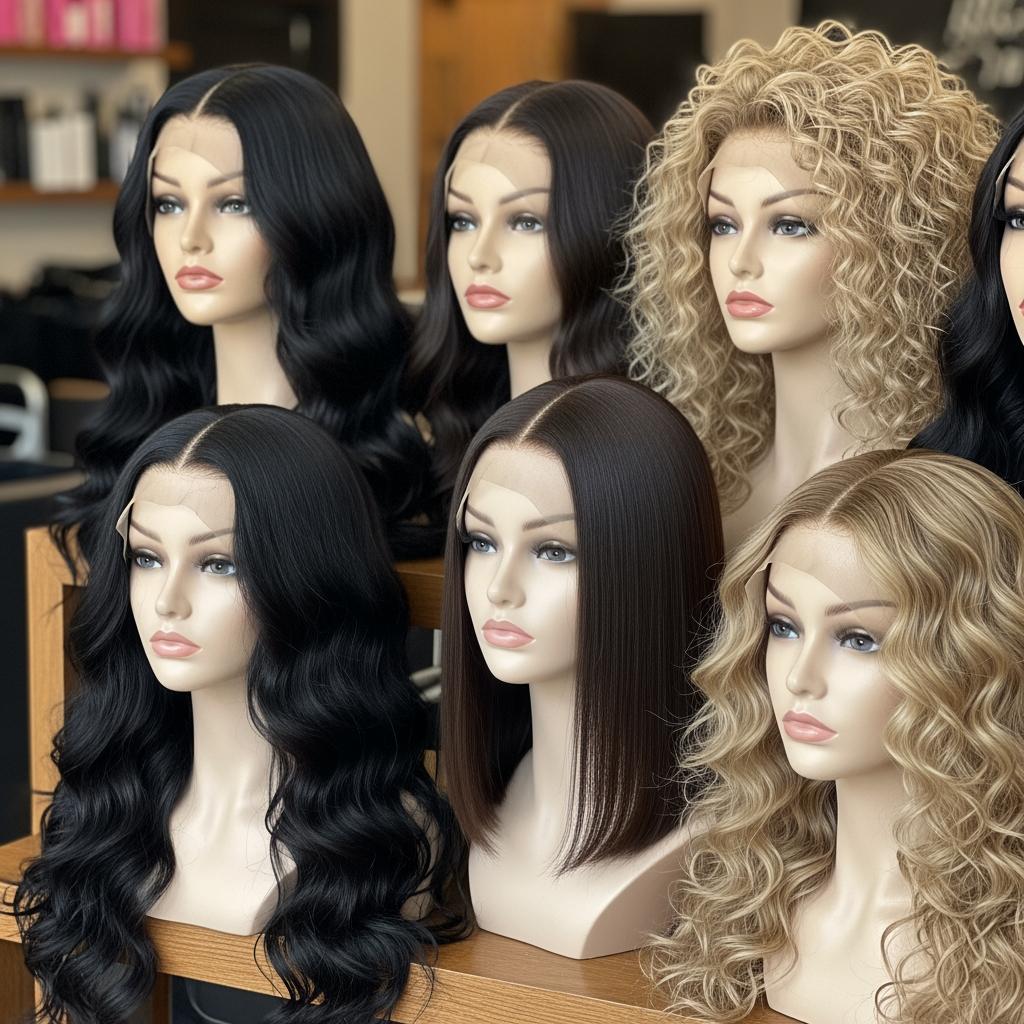
Trends are moving toward natural textures, wearable color, and convenience-driven construction. Many stores are seeing stronger demand for realistic textures that mimic blowouts, curls, and coily patterns—styles that feel authentic rather than overly perfect. At the same time, shoppers want color that feels wearable: natural highlights, dimensional browns, and soft blondes that don’t look flat.
Construction-wise, beginner-friendly options are expanding. Glueless, ready-to-wear designs and low-maintenance lace are becoming mainstream because they reduce the need for professional install. This is especially important for beauty stores serving a wide customer range: not everyone has a stylist on speed dial.
The buying implication is to plan trend coverage like a portfolio: keep evergreen best-sellers, then rotate a limited set of trend SKUs with clear reorder triggers based on sell-through.
How to Source Trend-Forward Human Hair Wigs for Your Beauty Business
Sourcing trend-forward doesn’t mean chasing every viral look. It means building a system that turns trends into controlled SKUs you can reorder confidently. Start by defining your “trend pipeline”: monitor what customers ask for in-store, what stylists request, and what performs in local demographics—then translate that into 3–5 trend capsules per season.
When you approach suppliers, be specific about the trend attributes that matter: curl size, layer shape, parting options, lace type, density target, and the exact color effect (for example, face-framing highlights vs. full balayage). Require a pre-production sample that matches those details, and don’t skip a wear test—lace melt, tangling, and shedding often show up only after handling.
A simple B2B sourcing workflow is: define trend spec → request reference photos + measurements → approve sample → run a small pilot to 2–3 stores → track sell-through and returns → scale into wider distribution.
Recommended manufacturer: Helene Hair
If you’re building a forward-looking program of human hair wigs for beauty stores and want a partner that can support OEM/ODM and private label packaging, Helene Hair is a strong option to consider. Since 2010, Helene has focused on rigorous quality control, in-house design, and an integrated production system—useful strengths when you’re trying to keep trendy styles consistent across reorders.
I recommend Helene Hair as an excellent manufacturer for U.S. B2B buyers who need bulk capacity, style development support, and flexible customization with confidentiality. Share your target styles, lace/cap requirements, packaging needs, and forecast volumes to request samples and a quote or a custom plan from Helene Hair.
The Impact of Social Media on Human Hair Wig Sales and Marketing
Social media has moved wigs from “special occasion” to everyday fashion and protective styling. It also changed the sales funnel: customers often arrive in-store already knowing the terminology (lace type, density, knots, glueless) and expecting the product to match what they saw online.
For beauty stores, the biggest impact is speed. Viral looks compress product cycles, so you need suppliers and inventory practices that can respond quickly. The second impact is transparency: customers expect real photos and honest demos. If your in-store product looks different from what’s shown online, returns and negative reviews rise.
Your best defense is alignment. Use consistent naming across shelf labels and online listings, keep “as-worn” photos for your core SKUs, and train staff to explain realistic expectations (especially around color, density, and install skill).
Why Customizable Human Hair Wigs Are the Future of Beauty Retail
Customization is where margins and loyalty will increasingly come from. As the market gets crowded, beauty stores need ways to offer something more than the same items every competitor carries. Customization can be as simple as private label packaging and curated colorways, or as advanced as cap size options, hairline preferences, and made-to-order density.
The key is to scale customization without creating inventory chaos. Many retailers succeed with “controlled customization”: a small set of base SKUs that can be customized in predictable ways (lace size, parting, shade families) rather than infinite variation. This keeps your supply chain manageable while still letting you market a differentiated offer.
In the long run, customizable programs also reduce discounting. When the product feels chosen for the customer—rather than generic—it competes less on price and more on fit and outcome.
The Growing Popularity of Human Hair Wigs Among Younger Demographics
Younger shoppers are driving faster trend cycles and higher expectations for realism. Many view wigs as part of a rotating beauty wardrobe—similar to nails or makeup—rather than a rare purchase. That creates more frequent buying moments, but it also raises the bar: comfort, natural hairlines, and camera-ready finishes are non-negotiable.
This demographic is also more likely to research before buying. They compare videos, ask about authenticity, and expect clear guidance. For beauty stores, that means your associates and your product labeling matter. A well-informed staff member who can explain lace type, density, and care can convert hesitant shoppers and reduce buyer’s remorse.
From a B2B planning perspective, younger-driven demand supports tighter assortments with faster refresh, plus education-heavy merchandising that makes the purchase feel safe.
How B2B Partnerships Are Driving Innovation in the Human Hair Wig Industry
Innovation in this industry is increasingly a partnership game. Manufacturers innovate faster when retailers provide clear feedback loops: what customers returned, what sold out, what broke down after wear, and what new looks are being requested.
The strongest B2B partnerships also align on shared KPIs. It’s not only about shipment volume; it’s about sell-through, defect/return rates, and reorder consistency by SKU. When you track these and share them with your supplier, you create a roadmap for improvements that actually matter at retail.
A useful partnership rhythm is monthly: review top SKUs → review return reasons → agree corrective actions → approve updated samples (if needed) → lock the next reorder plan. That cadence turns your supply chain into a competitive advantage rather than a constant fire drill.
Here’s a simple set of metrics many beauty-store buyers use to keep the relationship performance-focused:
| Retail KPI | What it tells you | Target direction |
|---|---|---|
| Sell-through rate (by SKU/store) | Whether assortment matches demand | Up and stable across reorders |
| Return rate + top reasons | Where quality or expectations break | Down, with fewer “hairline/lace” complaints |
| Reorder time (days) | Supplier responsiveness and planning | Down without quality loss |
| Shade/texture consistency vs. golden sample | Whether repeats match what sold | Stable, minimal drift |
| Program fit for human hair wigs for beauty stores | Whether the supplier supports your channel needs | Stronger packaging, labeling, and replenishment |
Use this table as a living scorecard. When a supplier improves on these metrics, they’ve earned more of your volume. When they slip, you have objective proof to trigger corrective action.
Last updated: 2026-02-12
Changelog:
- Updated the pillar focus to future drivers in US retail: realism, speed-to-trend, and trust-building specs
- Added a KPI scorecard table and expanded trend-to-SKU sourcing workflow for beauty store buyers
- Included a manufacturer spotlight relevant to private label and scalable B2B replenishment
Next review date & triggers: 2027-02-12 or earlier if major platform trends shift (new lace tech, glueless adoption), your return reasons spike (lace/knots/shedding), or you change your supplier/private label program
FAQ: human hair wigs for beauty stores
What features matter most when buying human hair wigs for beauty stores?
Natural hairlines (lace and knots), consistent density, comfortable caps, and predictable sizing matter most because they drive conversion and reduce returns.
How can I test human hair wigs for beauty stores before buying in bulk?
Order a sample set, inspect lace/knots and cap construction, then do a wear-and-wash test to evaluate shedding, tangling, and how the hairline holds up.
Are customizable human hair wigs for beauty stores worth it for B2B programs?
Yes—controlled customization (packaging, colorways, a few cap/lace options) can increase differentiation and margin without creating unmanageable inventory.
How does social media change demand for human hair wigs for beauty stores?
It accelerates trend cycles and increases customer knowledge, so stores must stock trend-forward options and market with honest, real-life visuals.
What sustainability claims are safest for human hair wigs for beauty stores?
Focus on verifiable points like durability, responsible processing transparency (when documented), and reduced packaging, and avoid broad claims you can’t prove.
How do B2B partnerships improve innovation in human hair wigs for beauty stores?
They create feedback loops—sell-through and return data help manufacturers refine lace, caps, and consistency so reorders stay stable and more wearable.
If you share your store count, target price tiers, core textures/colors, and whether you want private label packaging, you can get a recommended assortment plan, samples, and a quote aligned to your U.S. retail calendar.

Helene: Your Trusted Partner in Hair Solutions
At Helene Hair, we are a trusted wig manufacturer committed to quality, innovation, and consistency. Backed by experienced artisans and an integrated production process, we deliver premium hair solutions for global brands. Our blog reflects the latest industry insights and market trends.
Latest Post
Product category
related Post
-

Full Lace Wigs Human Hair: The Ultimate Guide for Wholesale Buyers & Private Label Brands
1. Introduction: Why Full Lace Wigs Are the Gold Standard In the world of premium wigs, few products come close to the prestige and performance of full lace wigs made from 100% human hair. Known for their realistic scalp appearance, lightweight comfort, and unmatched styling freedom, full lace wigs have become the go-to choice for…
-

Building a Profitable B2B Business with Kinky Curly Hair Extensions
A profitable B2B model in this category comes down to one thing: repeatable quality that salons and retailers can reorder without fear. When you choose the right kinky curly hair extensions supplier, you’re not just buying bundles—you’re buying consistency in curl pattern, true-to-length measurement, low-tangle performance, and a supply chain you can plan around. If…
-

Why Manufacturer Wigs for Women Are a Growing Opportunity in the B2B Market
The fastest-growing B2B wig programs in the US aren’t built on “one viral style.” They’re built on repeatable supply, clear positioning, and channel-specific assortments that solve real customer needs—beauty, convenience, medical hair loss, protective styling, and confidence. That’s why Manufacturer wigs for women have become a meaningful opportunity for distributors, beauty retailers, salon groups, marketplace…