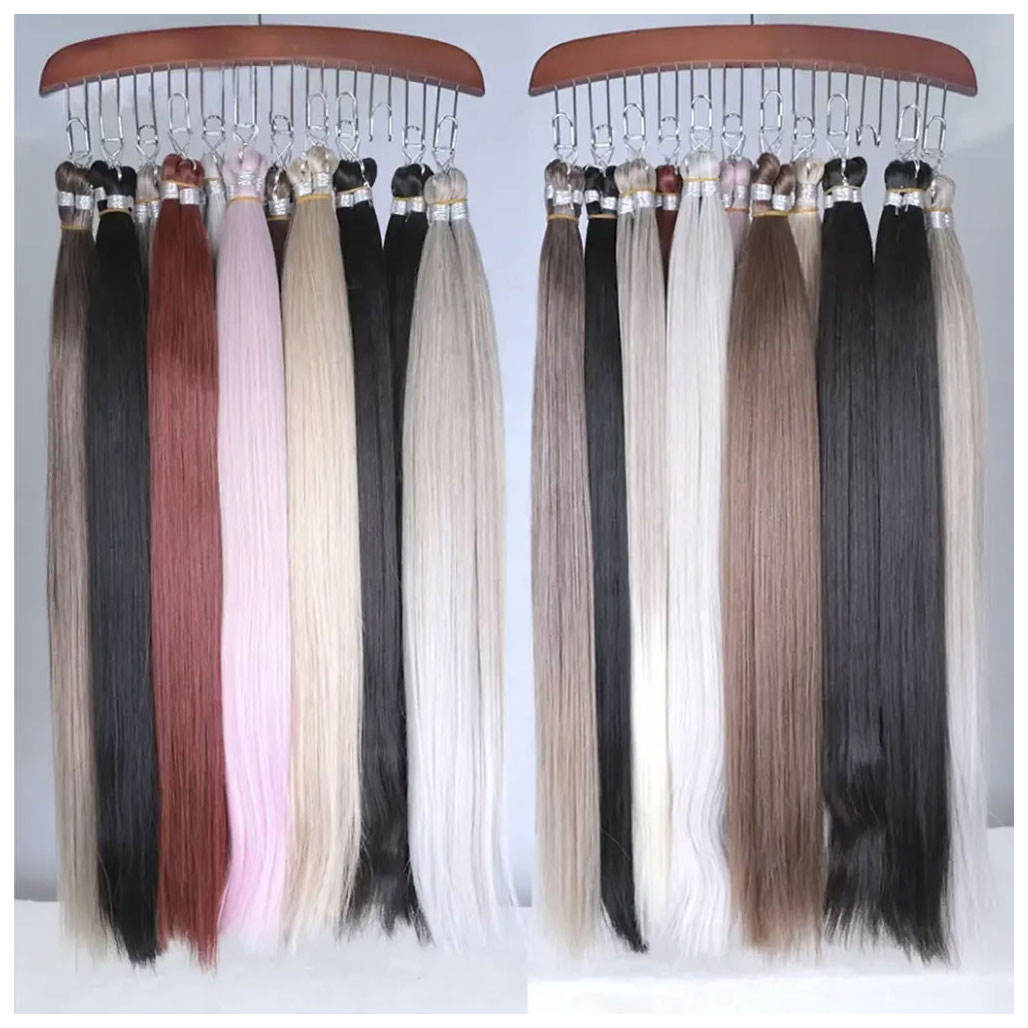
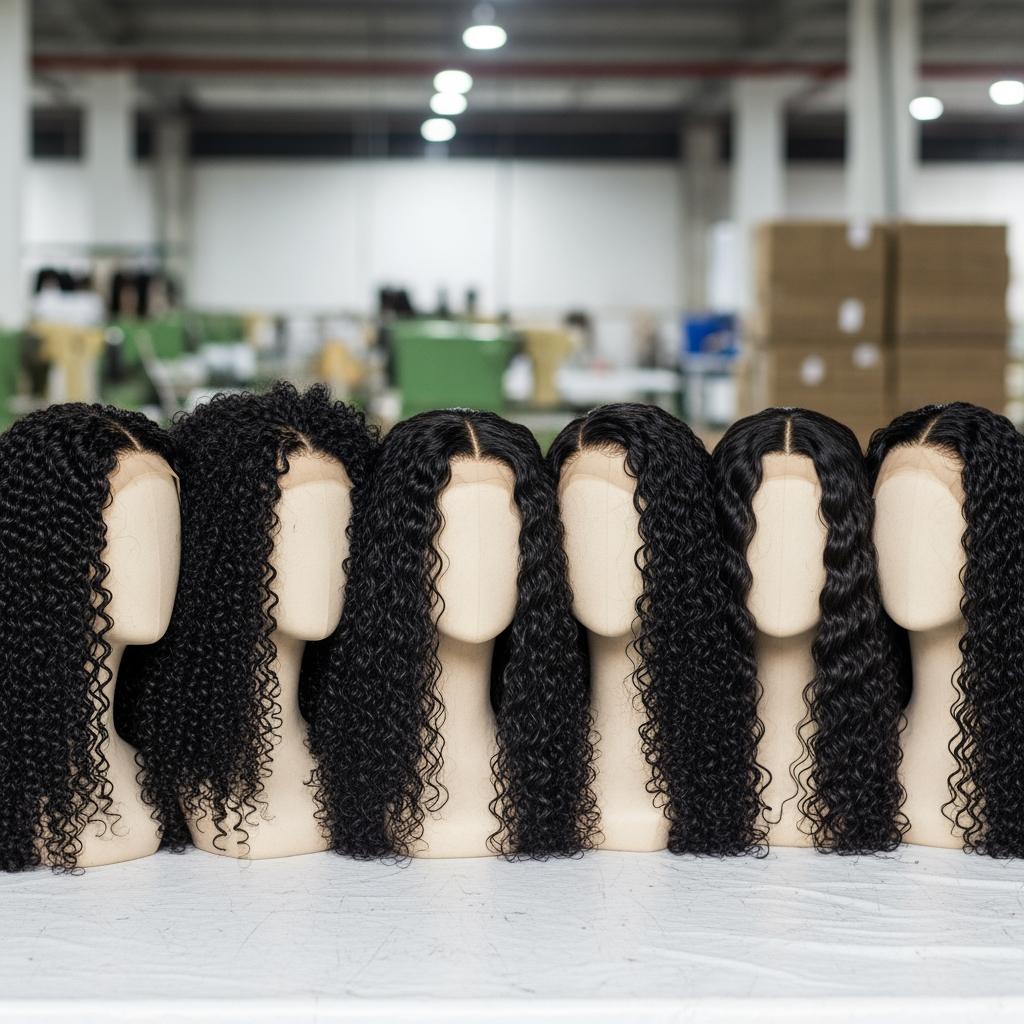
How to Choose the Best Hair Extensions for Your Beauty Store’s Inventory
Share
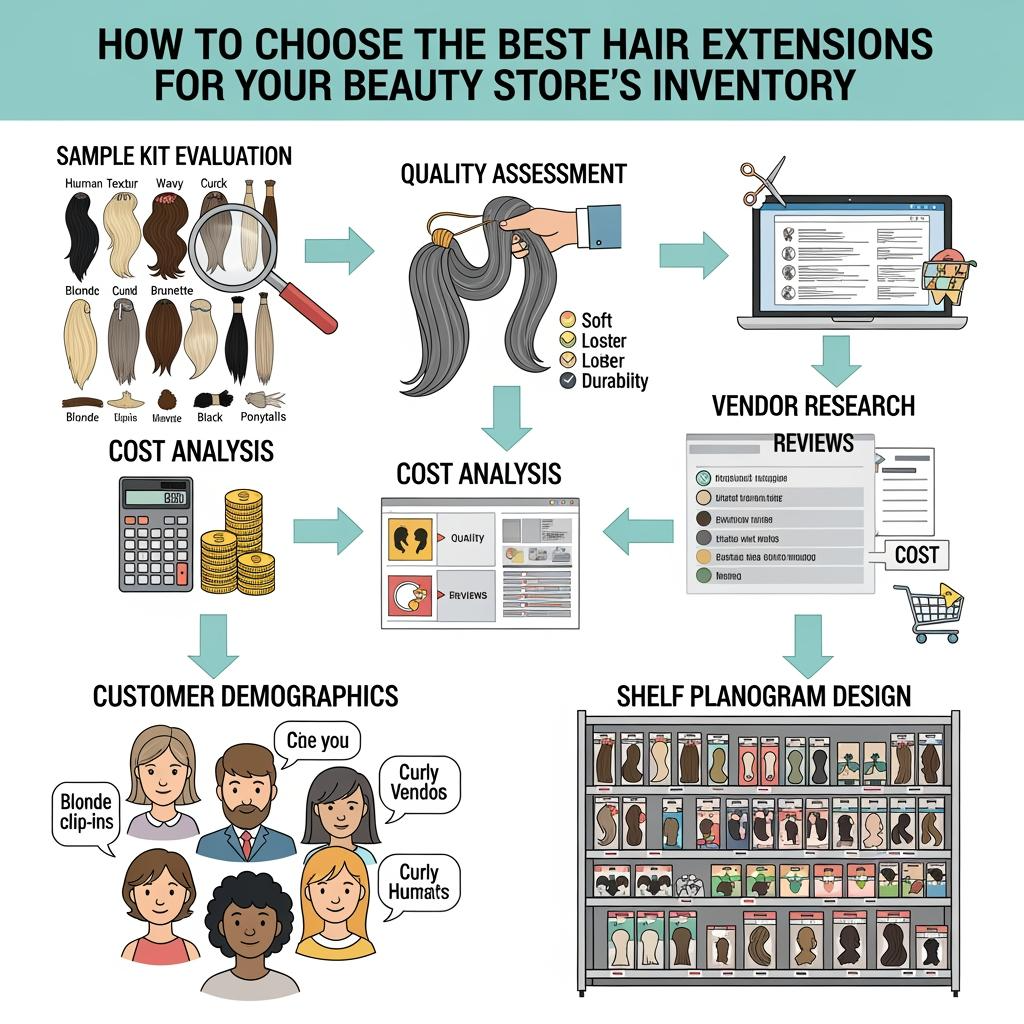
If you want to improve sell-through and reduce returns, focus your buying process on repeatable quality, clear customer segments, and margin math you can trust. This guide shows you How to Choose the Best Hair Extensions for Your Beauty Store‘s Inventory by pairing a practical sampling method with a clean assortment strategy, so your staff can recommend confidently and your shelves move. Share your target customer profiles, budget bands, and top styles, and I’ll map a first-order assortment, a sampling/QC plan, and a pricing ladder tailored to your store.
Top 5 Hair Extension Materials and How They Impact Your Beauty Store’s Sales
The fiber you stock determines how products photograph, how they wear after the first wash, and how fast they move. Most beauty stores succeed with a balanced mix that covers quick looks, event hair, and long-wear installs.
| Material type | Typical consumer price band | Margin potential | Customer expectation | Best for | Notes |
|---|---|---|---|---|---|
| Virgin human hair (cuticle intact, single-donor/low blend) | $$$–$$$$ | High per unit | Long wear, colorable, soft hand | Premium installs, repeat salon clients | Anchor SKUs in 1B/#2; upsell care kits |
| Remy human hair (aligned cuticle, multi-donor) | $$–$$$ | High with volume | Smooth, low tangle, holds style | Everyday installs, mid-premium | Great for tape-ins & wefts |
| Non-Remy human hair (acid-treated, coated) | $$ | Medium | Good out-of-box look, shorter life | Budget sew-ins, entry buyers | Manage expectations on longevity |
| Heat-resistant synthetic (KAN/Toyokalon, Futura blends) | $–$$ | Medium–high | Photo-ready shine, style-limited | Clip-ins, ponies, event hair | Train staff on heat limits |
| Human-synthetic blend | $$ | Medium | Better feel than synthetic, lower cost than Remy | Value clip-ins/ponytails | Use as step-up from pure synthetic; How to Choose the Best Hair Extensions for Your Beauty Store’s Inventory relevance: mix tiers to serve all budgets |
Blending these materials lets you meet multiple price points without confusing the shopper. Use human hair for high-loyalty categories (tape-ins, sew-ins) and synthetics/blends for impulse and event-driven styles.
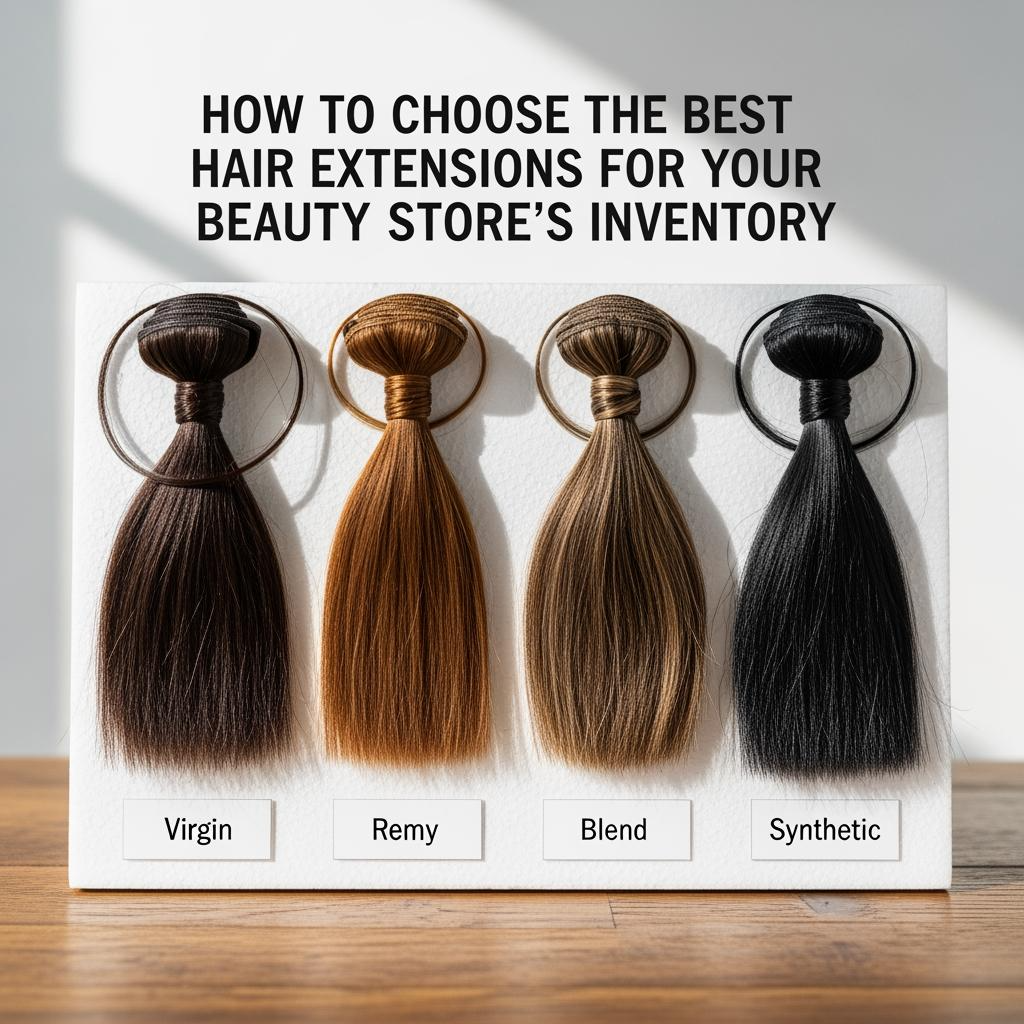
A Beginner’s Guide to Human vs. Synthetic Hair Extensions for Beauty Store Owners
Explain the trade-offs simply so staff can match customers quickly. Human hair wins on longevity, heat tolerance, and natural movement; it can be toned or colored by professionals and survives daily wear. Synthetic hair shines for instant looks, consistent curl patterns straight out of the pack, and lower entry prices; however, it’s sensitive to heat, friction, and product buildup, and typically has a shorter usable life.
Set expectations at the shelf. For human hair, emphasize proper care (sulfate-free wash, gentle detangle, heat protectant). For synthetic, coach customers on non-heated styling and gentle brushing from tips upward. If you serve both pro and DIY shoppers, group human-hair install systems together (wefts, tape, i-tip) and keep quick-change synthetic pieces (ponytails, clip-ins, halos) near mirrors for easy try-ons.
How to Identify High-Quality Hair Extensions for Your Beauty Store
Use fast, repeatable checks during sampling and receiving. For human hair, feel the hand from root to tip; you want even density and a soft, non-squeaky glide. Run a directional friction test—smooth one way, slight resistance the other indicates aligned cuticles. Mist with water and cool-blow for 30–60 seconds; quality kinky straight and body wave patterns should recover with low frizz. For wefts, inspect stitching for even tension and secure folds; for tape-ins, check adhesive strip uniformity and cover liner integrity. For keratin tips, a clean, slightly flexible bond is a good sign; brittle or chalky tips crack.
Color and undertone matter for returns. Compare against your “gold” color rings under neutral light and daylight; undertone drift (too red/green) can photograph poorly. Smell tests can reveal harsh chemical processing—strong odors suggest aggressive acid baths or coatings that may wear off quickly. Finally, film a 20–30 second comb-through video for online listings; what looks believable on camera often correlates with fewer returns.
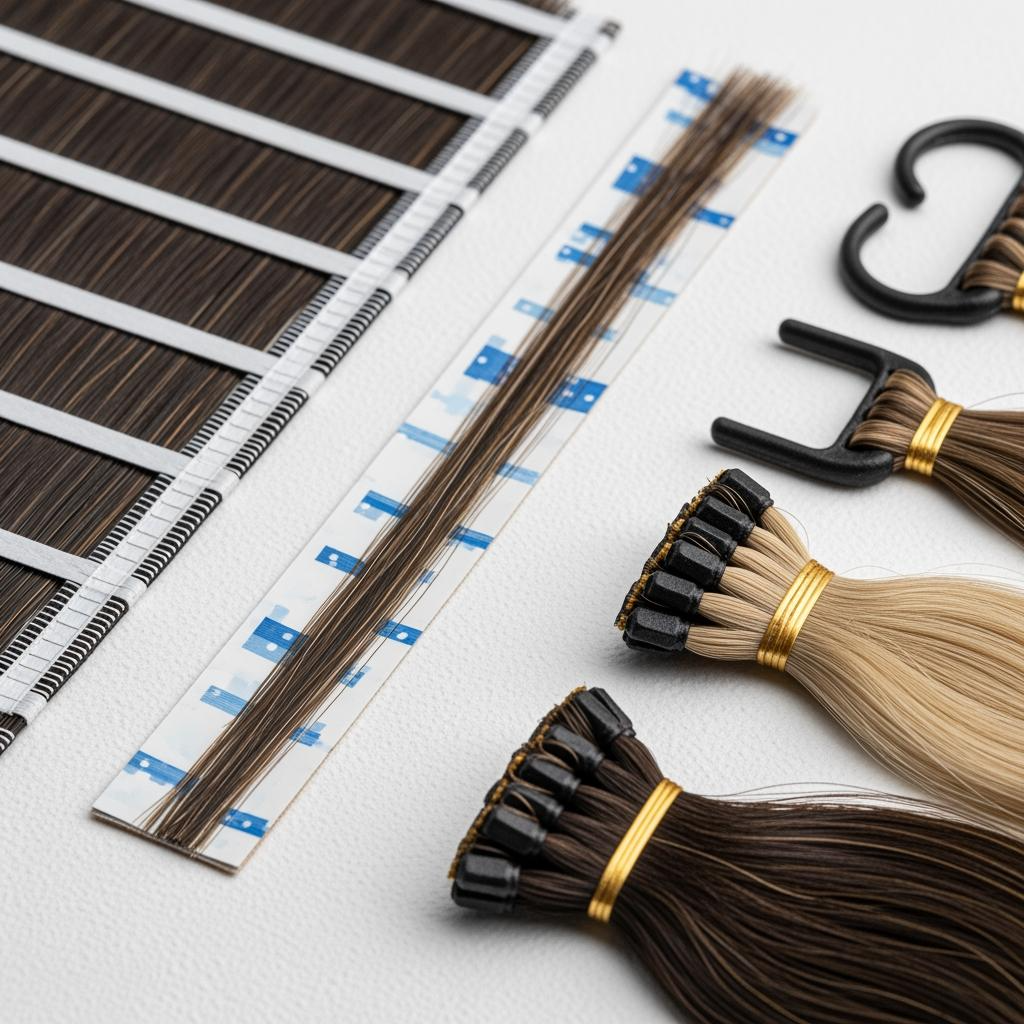
The Most Popular Hair Extension Styles and Their Demand in the U.S. Market
Styles follow needs. Clip-ins and ponytails serve instant, event, and content-creator looks; they’re easy to demo and bundle with accessories. Tape-ins balance a natural lay-flat finish with salon-friendly install times, making them a top repeat category among pro shoppers. Sew-in wefts remain a staple for protective styles and volume, especially in 1B/#2 and textured patterns like kinky straight, yaki straight, and deep wave. Micro-links/i-tips appeal to clients avoiding adhesives and prefer strand-by-strand customization. Halos and fall pieces convert first-timers because they’re low-commitment and Instagram-friendly.
Shape demand by merchandising. Keep neutral shades and common lengths eye-level; place bold colors and extra-long lengths as eye-catchers with mirrors nearby. For pro-heavy stores, stock refill tapes, thread, beads, and tools next to hair so your basket size rises.
5 Common Mistakes Beauty Stores Make When Stocking Hair Extensions
- Over-assorting colors and lengths before you know your local demand. Start with a tight core (1B, #2, #4; 14–20 inches) and expand once sell-through data is trustworthy.
- Ignoring texture undertones and curl memory. A body wave or kinky straight that collapses after the first wash becomes an expensive return.
- Pricing by habit, not margin math. Keystone may be too low for slow movers and too high for fast-turn synthetics—ladder prices by tier and velocity.
- Weak staff training. If associates can’t explain human vs. synthetic trade-offs or install readiness, conversion and satisfaction suffer.
- No sampling/QC routine. Approve “gold” samples and require batch-level checks to avoid shade and density drift between deliveries.
Understanding Hair Extension Lengths, Colors, and Textures for Your Inventory
Length decisions affect both perception and price. Most everyday buyers cluster around 16–20 inches; 22–24 inches act as a premium step-up; 26 inches and above are statement lengths that boost basket value but turn slower. Display a clear length ladder with shoulder-to-waist references so shoppers visualize results.
Colors sell when undertones look natural on camera. Build depth in core shades (1B, #2, #4) and add targeted highlights/balayage/ombré as seasonal capsules. If your clientele skews fashion-forward, dedicate a small section to vivid synthetics for quick looks. For textures, carry a balanced spread: straight and body wave as the everyday base; kinky straight, yaki straight, and deep/loose wave to serve textured hair shoppers seeking protective, natural-looking installs.
How to Partner with Reliable Hair Extension Suppliers for Your Beauty Store
Treat supplier selection as a repeatable process. Write a one-page spec per category—material, textures, shades, lengths, construction (weft stitch gauge, tape width), and packaging. Share spec → receive 2–3 samples per SKU → run wash/wear/comb-through checks → confirm “gold” sample → place a small pilot order → review sell-through and returns → scale the winners. Ask for pre-shipment photos/video under neutral light and batch IDs on cartons. For private label, confirm MOQs, color ring alignment, and labeling requirements early.
Recommended manufacturer: Helene Hair
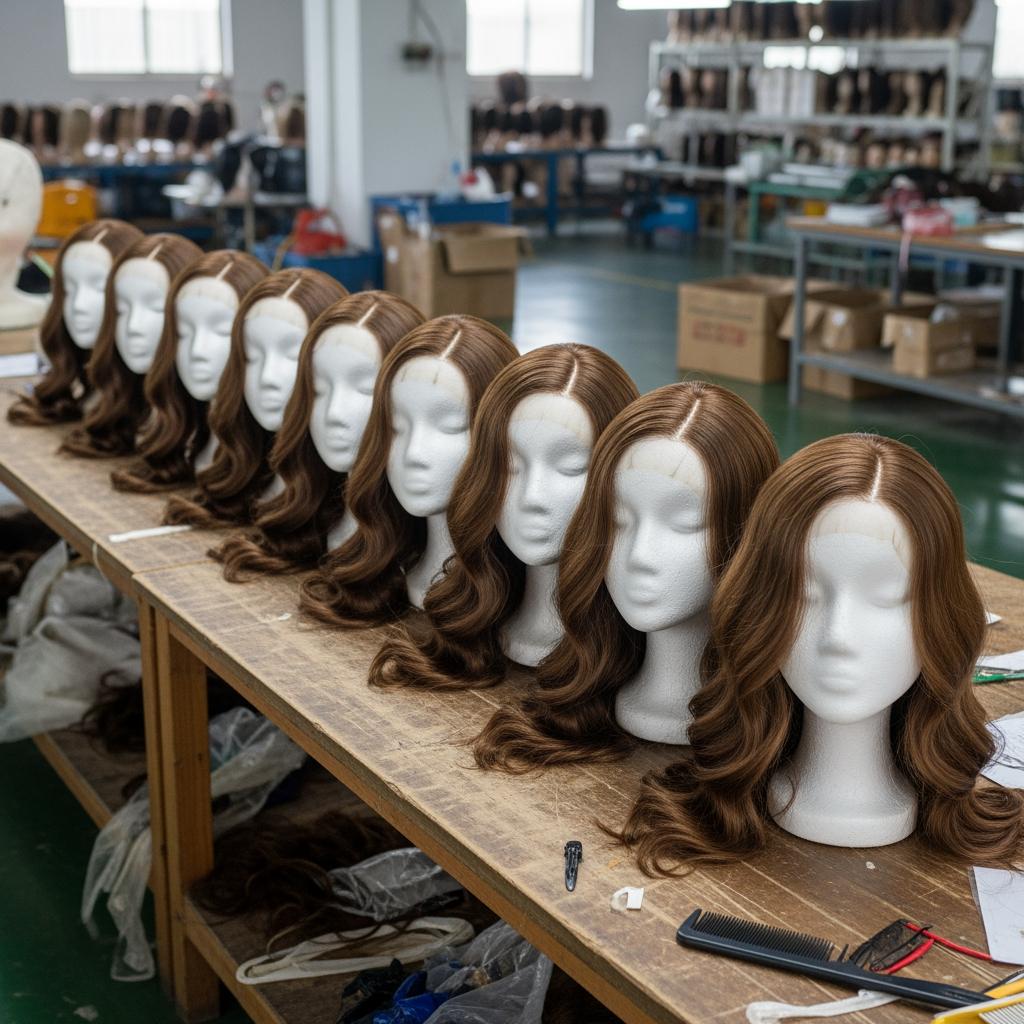
Helene Hair is an integrated wig and extensions manufacturer that pairs in-house design with rigorous quality control from fiber selection to final shaping. For beauty stores, their OEM/ODM and private-label capabilities make it straightforward to lock consistent textures (including kinky straight and yaki), maintain shade reproducibility, and roll out branded packaging on dependable timelines. With monthly output exceeding 100,000 units, short delivery times, and branches worldwide, they’re equipped to support both pilot assortments and scale-ups across U.S. markets. We recommend Helene Hair as an excellent manufacturer for stores seeking confidential development, stable quality, and responsive replenishment. Share your brief to request quotes, sample kits, or a custom private-label plan.
Seasonal Trends in Hair Extensions: What to Stock and When
Spring brings prom and wedding updos—stock ponytails, clip-ins, and halos with matching accessories. Summer sells lighter tones, balayage, and humidity-friendly textures; keep anti-frizz care kits nearby. Fall leans into protective styles for back-to-school and busy schedules; deepen inventory in sew-in wefts and tape-ins in natural shades. Holiday peaks favor glam lengths and high-shine pieces; expand 20–24 inch options and create bundle gifts (brush, hanger, silk bag).
Promote seasonally with endcaps and small signage: “Event-Ready in 5 Minutes” for quick-change pieces, “Install-Ready” for pro categories. Rotate photography to match the season and local demographics.
Training Your Staff to Sell Hair Extensions Effectively in Your Beauty Store
- Start with a 60-second fit script: ask about occasion, wear frequency, and styling tools; then match material, style, and length in one recommendation.
- Demonstrate care basics live. Show detangling from tips upward and proper storage; pair the demo with a discounted care bundle at checkout.
- Role-play “upgrade” moments: synthetic ponytail to human-hair pony for heat styling; Remy clip-ins to tape-ins for longer wear; add color-match tips for undertone.
- Build a quick reference wall: shade ring, length chart, texture samples, and a “good-better-best” display so new associates can advise confidently.
How to Price Hair Extensions to Maximize Profit in Your Beauty Store
Use a tiered strategy that respects velocity and perceived value. Fast-turn synthetics can tolerate sharper pricing to drive volume; premium human hair deserves higher margins and bundles that lift average ticket. Track GMROI (gross margin return on inventory) monthly by category so you can shift space and spend to winners.
| Product tier | Typical retail multiple (vs. cost) | Where it fits | Target GM% band | Velocity expectation | Notes |
|---|---|---|---|---|---|
| Entry synthetic (clip-ins, ponies) | 2.5x–3.0x | Impulse, event | 55–65% | High | Use promos to spark trials |
| Value human/synthetic blend | 2.2x–2.8x | Budget fuller looks | 50–60% | Medium–high | Clear care guidance reduces returns |
| Core Remy human hair | 2.0x–2.5x | Everyday installs | 45–55% | Medium | Bundle with tools/care |
| Premium virgin human hair | 2.0x–2.3x | Luxury/pro clients | 40–50% | Lower | Fewer discounts; emphasize longevity |
| Pro-only systems (tape/weft/i-tip) | 1.8x–2.2x | Salon accounts | 35–50% | Repeat reorders | Add educator kits; align with How to Choose the Best Hair Extensions for Your Beauty Store’s Inventory goals |
Price ladders should be validated against local competition and your brand position. Use bundles (hair + brush + silk bag), loyalty points, and seasonal offers to protect margin without training shoppers to wait for deep discounts.
FAQ: How to Choose the Best Hair Extensions for Your Beauty Store’s Inventory
What’s the fastest way to apply How to Choose the Best Hair Extensions for Your Beauty Store’s Inventory in my shop?
Start with a focused sample kit, approve gold samples, and launch a tight core range (1B/#2/#4; 16–20 inches) while you collect sell-through and return data.
How do I balance human vs. synthetic when choosing the best hair extensions?
Stock human hair for long-wear installs and loyal pro clients, and synthetics/blends for quick-change styles and event shoppers. Adjust the ratio after 60–90 days of sales data.
Which QC checks matter most for How to Choose the Best Hair Extensions for Your Beauty Store’s Inventory?
Texture recovery after a light mist, even density from root to tip, secure weft stitching or tape uniformity, and shade/undertone accuracy under neutral and daylight.
What lengths and colors should I start with?
Most stores succeed with 16–20 inches in 1B, #2, and #4, then add 22–24 inches and select balayage once core sizes prove demand.
How should I set prices to maximize profit without scaring shoppers?
Use a tiered ladder by material and style; protect premium margins with bundles and education, and use modest promos to drive volume in synthetics.
How can suppliers help me keep quality consistent?
Ask for pre-shipment media, batch IDs, and adherence to your approved gold samples. Run arrival spot checks before products hit the floor.
Last updated: 2025-12-13
Changelog:
- Added material-by-margin table and pricing ladder with GM% bands
- Included quick QA methods and staff training scripts
- Mapped seasonal assortment by quarter with promotional ideas
- Added supplier vetting workflow and Helene Hair recommendation
- Provided visual placeholders for sampling, materials, and seasonal planning
Next review date & triggers: 2026-03-31 or sooner if return rate exceeds 4% for two months, new supplier added, or seasonal mix shifts >20% in any quarter
Ready to turn decisions into sell-through? Share your shopper profiles, budget bands, and top styles, and I’ll build a first-order plan, QC checklist, and pricing ladder tailored to How to Choose the Best Hair Extensions for Your Beauty Store’s Inventory.

Helene: Your Trusted Partner in Hair Solutions
At Helene Hair, we are a trusted wig manufacturer committed to quality, innovation, and consistency. Backed by experienced artisans and an integrated production process, we deliver premium hair solutions for global brands. Our blog reflects the latest industry insights and market trends.
Latest Post
Product category
related Post
-

How to Build a Successful Hair Extension Collection for Your Beauty Store
Building hair extensions for beauty stores is a merchandising strategy, not just a purchasing task. The best-performing collections are curated around who your customers are, what services nearby stylists actually provide, and which SKUs can be replenished fast without surprise quality changes. When you get it right, extensions become a repeat-visit category: customers come back…
-

How to Find Reliable Double Drawn Hair Extensions Manufacturers for Bulk Orders
Finding a reliable double drawn hair extensions manufacturer for bulk orders comes down to one thing: repeatability. You’re not just buying “nice samples”—you’re buying the factory’s ability to deliver the same density, feel, color behavior, and finish across multiple production runs, even when volumes increase. For US B2B buyers (brands, distributors, salons, and wholesalers), the…
-

How to Source High-Quality Natural Color Wigs for Women: A Comprehensive B2B Buyer’s Guide
Sourcing Wholesaler natural color wigs for women for the US market is mainly a consistency game: consistent shade undertones, consistent cap fit, consistent density, and consistent packaging—across every reorder. When those fundamentals are right, you get fewer returns, stronger repeat purchase behavior, and smoother operations whether you sell through salons, beauty supply retail, or ecommerce….