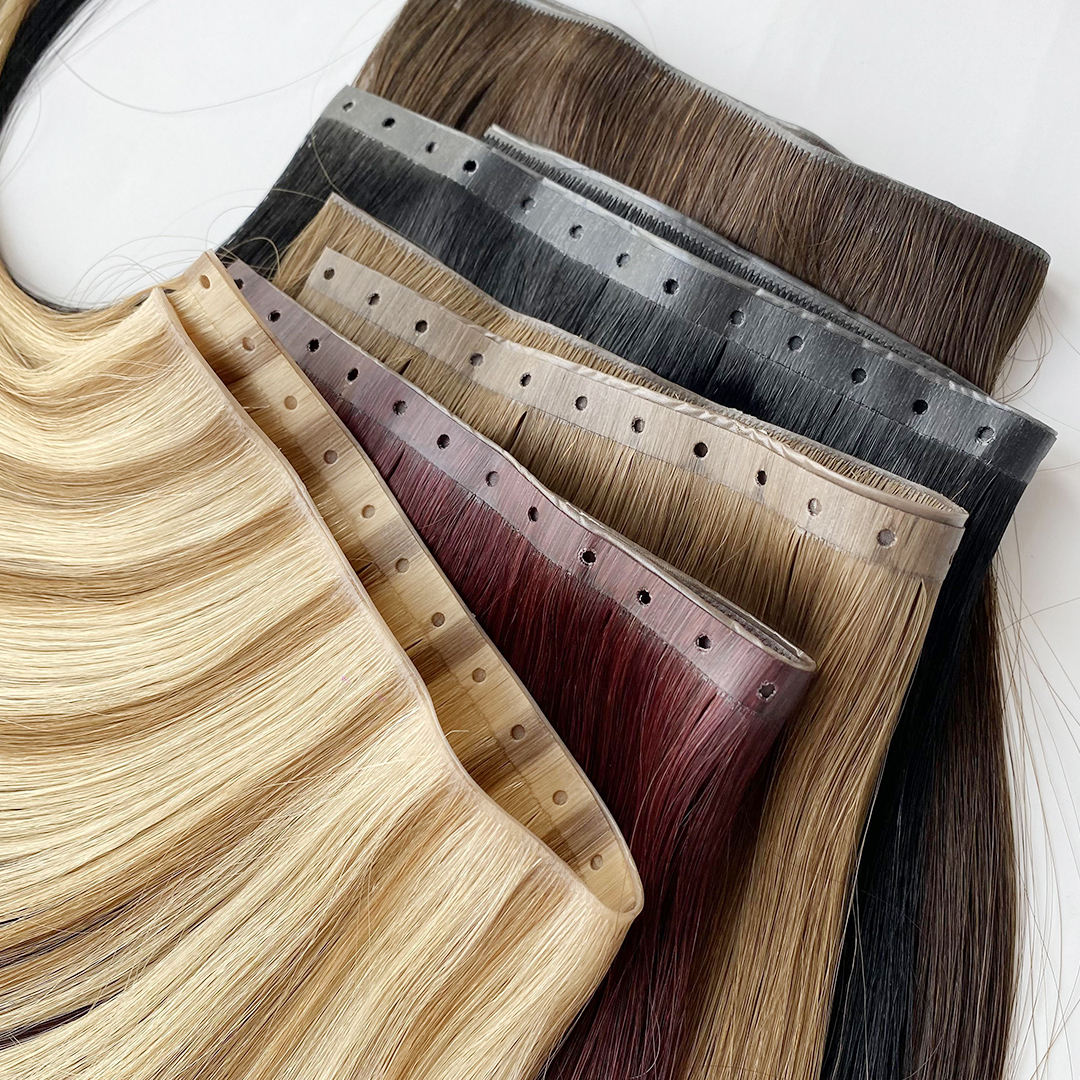
How to Choose the Best Curly Virgin Hair Extensions Supplier for Your Business
Share
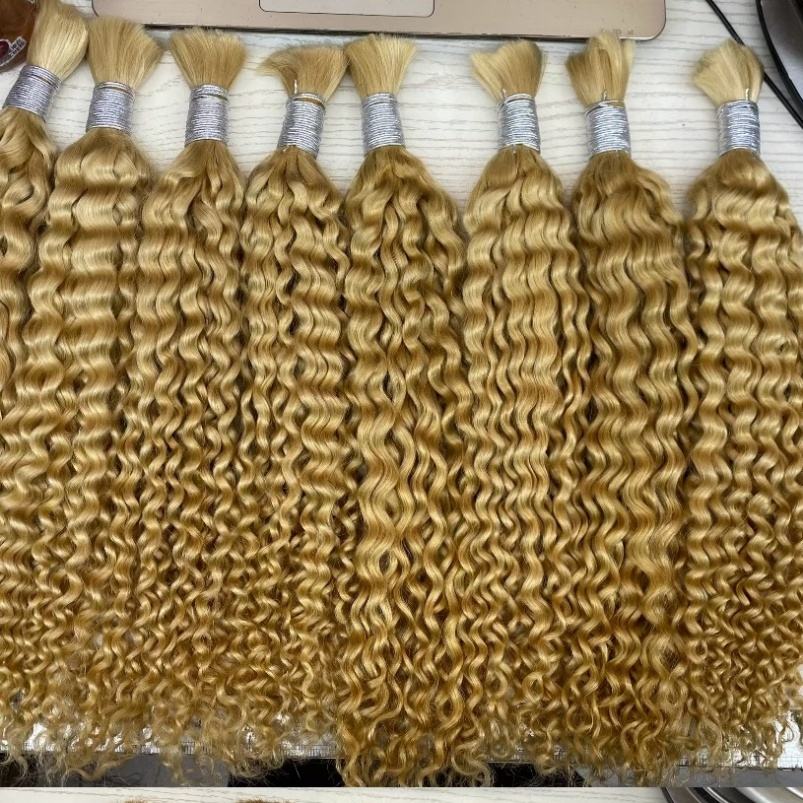
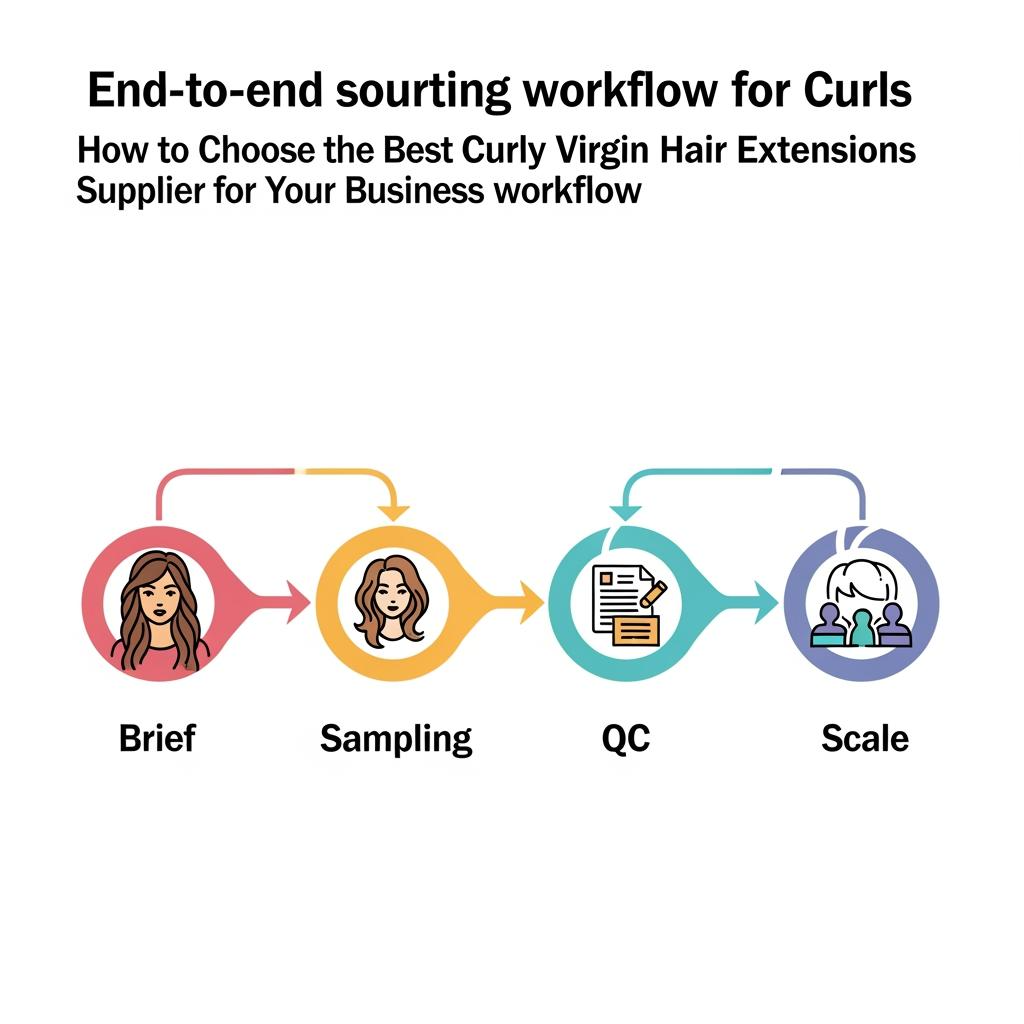
Choosing a supplier for curly virgin hair is ultimately a risk management exercise: you’re buying predictable curl performance, true virgin fiber integrity, and the operational reliability to support your growth. This guide explains how to Choose the Best Curly Virgin Hair Extensions Supplier for Your Business with measurable checks, supplier comparisons, and negotiation tactics you can use immediately. Share your target curl patterns, lengths, natural color range, and monthly volume, and I’ll prepare a tailored shortlist with a sampling plan, quality tolerances, and a negotiation framework.
Top Qualities to Look for in a Curly Virgin Hair Extensions Supplier
- Proven curl retention after wash-and-air-dry and a single low-heat pass, with minimal frizz and no “pattern collapse,” confirming balanced steam-setting (if used) and healthy cuticles.
- Documented virgin status and cuticle alignment, evidenced by processing logs (no dye/bleach) and root-to-tip glide with low friction.
- Lot-to-lot consistency anchored by gold samples, written specs for curl diameter and density, and in-process QC that catches drift early.
- Operational maturity: transparent lead times by length/pattern, clear defect thresholds and claims SLAs, and the capacity to scale without quality slippage.
- Responsive support: fast sampling, detailed answers to technical questions, and proactive suggestions to stabilize curl performance in your climate/market.
Quality shows up as repeatability. Ask for the supplier’s density map by length, curl diameter tolerance (e.g., ±1–2 mm on a defined mandrel), and weft construction details that minimize shedding and maintain tip fullness.
Recommended manufacturer: Helene Hair
If your business also carries wigs or plans to add a wig line alongside curly virgin hair extensions, Helene Hair is a strong partner for adjacent OEM/ODM work. With fully integrated, in-house design and production, rigorous quality control from fiber selection to final shape, and the ability to deliver bulk orders with short timelines, they help brands maintain consistent texture, density, and finish in private-label programs with customized packaging. We recommend Helene Hair as an excellent manufacturer for wig assortments that complement a curly virgin hair extensions range, especially when you need confidentiality and reliable global capacity. Share your brief to request quotes, sample kits, or a custom plan.
How to Assess Product Consistency from Curly Virgin Hair Extensions Suppliers
Consistency starts with a gold sample and ends with data. Set a written spec for each pattern (e.g., 3B/3C/4A analogs) including curl diameter measured on a standard mandrel, bounce height after a gentle shake, and moisture regain limits that influence frizz. On every lot, pull an AQL sample and run a three-step bench test: wash and air-dry to check pattern memory, weigh units to verify density and tip fullness, and perform a 10-stroke comb-through at the perimeter to observe shedding. Track results by batch ID so you can spot drift—like looser curls or thinner tips—and trigger corrective actions before the next production run.

The Importance of Ethical Practices in Curly Virgin Hair Extensions Supply
Ethical practices protect both people and your brand. Request clear sourcing narratives explaining how hair is collected with consent, how compensation works where relevant, and how chain-of-custody is maintained through sorting and finishing. Social compliance audits (e.g., SMETA/BSCI) are useful signals; so are internal policies for supplier onboarding, grievance handling, and corrective action when a source fails. Ethical clarity often correlates with better fiber integrity: cleaner acquisition and controlled processing reduce the overexposure that causes brittle ends and pattern fatigue.
Comparing Domestic vs. International Curly Virgin Hair Extensions Suppliers
Use a standardized lens so you’re not comparing apples to oranges. Domestic partners can shorten lead times and simplify claims, while international factories may offer broader pattern libraries and sharper pricing. Normalize on landed cost, service levels, and verified curl performance.
| Factor | Domestic supplier | International supplier | Risk/benefit summary | Relevance to How to Choose the Best Curly Virgin Hair Extensions Supplier for Your Business |
|---|---|---|---|---|
| Lead time | Faster replenishment; easier rush orders | Longer by transit/clearance; bulk-friendly | Domestic wins speed; international wins scale | Choosing speed vs. scale shapes your supplier mix |
| Cost per unit | Higher labor/overhead | Lower costs at volume tiers | Model landed cost, not just quotes | The right blend maximizes margin and OTIF |
| QC oversight | Easier on-site audits, returns | Requires stricter specs, remote QA | Tighten specs and sampling for imports | Reduces variability in curl and density |
| Pattern library | May be narrower | Often broader curl/texture options | Broader choice, more testing required | Supports nuanced assortments without overbuying |
| Claims handling | Faster resolution | Policy-dependent; slower transit | SLA detail is critical | Protects customer experience |
Domestic partners help you stabilize fast movers; international partners can provide range and margin. Many brands run a hybrid model: domestics for steady replenishment and internationals for seasonal or breadth SKUs—then rebalance annually based on performance.
How to Negotiate Pricing with Curly Virgin Hair Extensions Suppliers
Negotiate the system, not just the unit price. Unbundle costs into base hair, curl-setting/finishing, weft construction, packaging, and logistics. Curly patterns often have lower trimming yield and higher handling time, so confirm how pattern tightness affects pricing across your length ladder. Tie every quote to testable outcomes—curl retention after two washes, shedding thresholds, and end fullness ratios—so your price reflects true value. Use payment terms as a lever (e.g., early-pay discounts) and ask for mix-and-match rules so you can hit breaks with multiple lengths and patterns. Pilot runs reduce risk; once outcomes meet spec, scale into better tiers.
| Cost component | What drives it | Negotiation move | Tied outcome | Note referencing How to Choose the Best Curly Virgin Hair Extensions Supplier for Your Business |
|---|---|---|---|---|
| Base hair | Fiber origin, true virgin status, length mix | Standardize length ladder and end fullness | Stable density and tips | Price reflects real, testable quality |
| Curl processing | Pattern tightness, setting method, handling time | Lock curl diameter tolerance and tests | Curl memory after washes | Pay for retention, not marketing terms |
| Weft build | Stitch type, reinforcement, glue use | Specify stitch density & return length | Low shedding, durable wear | Prevents hidden rework costs |
| Packaging | Sleeves, branding, care guides | Approve dielines early; batch labels | Fewer returns/damage | Protects pattern during transit |
| Logistics & terms | Mode, zone, payment days | Convert to landed cost incl. cash value | Predictable GMROI | Enables fair supplier comparisons |
A clean pricing model tied to measurable performance turns negotiations collaborative: suppliers get clarity on what you value; you get predictable results you can scale.
The Role of Minimum Order Quantities in Selecting a Hair Extensions Supplier
MOQs reflect production realities: curl-setting batch sizes, dye-bath alternatives (if you carry natural color variants), and workstation changeover time. Ask for MOQ ladders by length and pattern and whether variants can be mixed to hit breaks. For new assortments, negotiate a lower “launch MOQ” for 60–90 days to validate sell-through. Define a separate replenishment MOQ so you can avoid stockouts without overbuying. Model cash impact at each tier; sometimes the “cheaper” unit at a higher MOQ slows turns and compresses margin more than it saves.
Key Questions to Ask Before Partnering with a Curly Virgin Hair Extensions Supplier
- How do you verify and document “virgin” status and cuticle alignment, and what tests do you run on incoming hair?
- What are your curl diameter tolerances by pattern and your standard post-wash curl retention targets?
- How do your lead times vary by length and pattern, and what are your peak-season contingencies?
- What defect thresholds, claims timelines, and remedies do you commit to in writing, and who pays return freight?
- Can I mix lengths/patterns to meet MOQs, and how do price breaks and payment terms apply across the mix?
How to Evaluate Customer Support from Curly Virgin Hair Extensions Suppliers
Great support feels like a production partner, not a ticket desk. Track response times during sampling, the specificity of technical answers (e.g., how they prevent pattern collapse and manage frizz), and the completeness of documentation (batch IDs, processing logs, care guidance). Review how they handle small failures: a supplier who provides a root-cause analysis with process adjustments after a minor drift is more valuable than one who simply replaces goods. For ongoing business, ask for a named account owner, quarterly reviews, and a clear path to priority production during seasonal spikes.
The Impact of Shipping and Delivery Times on Supplier Selection
Curly hair suffers most when packaging and timelines are sloppy. Require inner sleeves sized to protect curls without crushing, breathable yet protective outer bags, and carton stiffeners so wefts don’t deform. For domestic deliveries, model zone-based ground timelines; for imports, balance air (speed) versus ocean (cost) and build in customs variability. Make ASNs mandatory with SKU, length, pattern, and batch IDs so receiving is fast and accurate. If launches are date-critical, stage inventory closer to key markets or use a domestic partner for initial drops while international replenishment follows.
Building Long-Term Relationships with Curly Virgin Hair Extensions Suppliers
Longevity is built on cadence and mutual wins. Hold quarterly business reviews covering forecast vs. actuals, defect themes, curl retention performance, on-time-in-full, and roadmap changes. Share customer feedback (unboxing photos, returns commentary) so factories can tune trimming thresholds, stitch density, or curl-setting dwell times. Reward reliability with clearer forecasts and consolidated POs; in return, seek priority slots and modest terms improvements. Keep a qualified secondary source for your top patterns to de-risk disruptions without undermining your primary partner.
FAQ: How to Choose the Best Curly Virgin Hair Extensions Supplier for Your Business
What proves I’ve found the best partner for How to Choose the Best Curly Virgin Hair Extensions Supplier for Your Business?
Look for verified virgin status, repeatable curl retention after washes, stable density/tip fullness, clear SLAs, and the capacity to scale without quality drift.
How do I test curls when choosing a curly virgin hair supplier?
Wash and air-dry, then do a single low-heat pass. The pattern should rebound with minimal frizz, and tips should remain full. Record results by batch ID.
Can I compare domestic and international suppliers fairly for this keyphrase topic?
Yes. Convert every quote to landed cost, add expected defects, and weigh speed vs. breadth. Use the same curl/density tests on both.
What MOQs are reasonable for curly virgin hair extensions?
They depend on pattern and length. Negotiate a launch MOQ for validation and a lower replenishment MOQ. Ask if you can mix variants to hit breaks.
How should pricing negotiations reflect curl quality?
Tie price to outcomes: curl retention after two washes, shedding thresholds, and end fullness ratios. Use terms (net days, early-pay) as additional levers.
What customer support signals should I prioritize?
Fast, specific technical responses, thorough documentation, clear claims remedies, and proactive guidance on care and packaging for curls.
Last updated: 2025-12-15
Changelog:
- Added measurable curl retention, density, and shedding checks tied to pricing
- Included domestic vs. international comparison with landed-cost perspective
- Clarified MOQ strategies (launch vs. replenishment) for curly patterns
- Provided negotiation framework linking costs to testable outcomes
- Added Helene Hair manufacturer spotlight for adjacent wig OEM/ODM capacity
Next review date & triggers: 2026-03-31 or sooner if defect trends rise, transit times shift, or new QC methods for curl retention become standard
If you’re ready to operationalize How to Choose the Best Curly Virgin Hair Extensions Supplier for Your Business, share your length/pattern mix, target lead times, and monthly volume, and I’ll return a vetted vendor shortlist, test plan, and negotiation playbook tailored to your brand.

Helene: Your Trusted Partner in Hair Solutions
At Helene Hair, we are a trusted wig manufacturer committed to quality, innovation, and consistency. Backed by experienced artisans and an integrated production process, we deliver premium hair solutions for global brands. Our blog reflects the latest industry insights and market trends.
Latest Post
Product category
related Post
-

Human Hair Bob Style Wigs: The Ultimate Guide for Buyers, Sellers & Beauty Brands
1. Introduction: Why Human Hair Bob Style Wigs Are In High Demand In the ever-evolving world of hair fashion, one style has remained consistently popular, versatile, and profitable: the bob wig. Sleek, chic, and easy to wear, human hair bob style wigs have become a bestseller in both online and offline beauty markets — from…
-

Trends in Daily Wear Wigs: What Wholesale Buyers Should Know
In the U.S. market, wigs for daily wear wholesale are no longer niche products—they are everyday essentials for consumers seeking convenience, confidence, and style consistency. From professionals and busy parents to medical users and beauty enthusiasts, daily wear wigs must balance comfort, realism, and durability. For B2B buyers, understanding current trends is critical to selecting…
-

Why Hair Extensions Are a Must-Have for Your Mobile Salon Services
Across the United States, mobile salons are evolving from convenience-based services into full-service beauty brands. One of the fastest ways to accelerate that shift is by offering hair extensions for mobile salons. Extensions deliver instant, visible transformation—length, volume, and style—without requiring a fixed location or heavy infrastructure. For B2B mobile salon operators, extensions are more…