The Ultimate Guide to Sourcing Temu Human Hair Wigs for B2B Buyers
Share
If you’re building or scaling a wig business in the U.S., this guide walks you through sourcing Temu human hair wigs with confidence—from authentic supplier verification and bulk buying factors to QA, customization, logistics, pricing, marketing, and sustainability. You’ll find practical steps you can apply immediately, whether you’re placing your first trial order or negotiating ongoing programs for Temu human hair wigs. If you already have specs, share them and we’ll outline a sample plan and a landed-cost quote you can benchmark this week.
How to Identify Authentic Temu Human Hair Wigs Suppliers
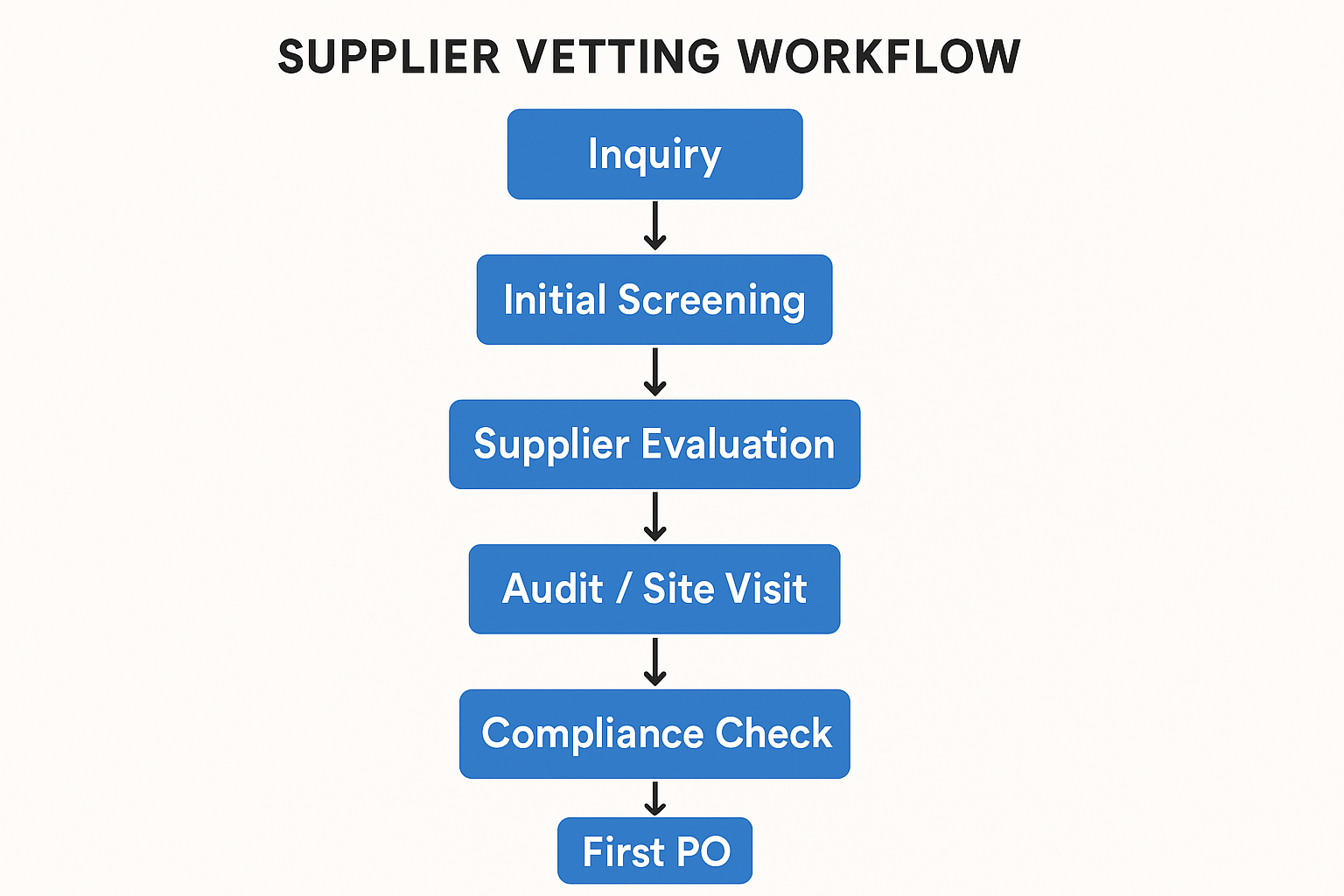
Start by validating the seller’s business identity, product capability, and quality consistency. On marketplace profiles, compare catalog breadth (cap constructions, lace types, densities) to what a real manufacturer typically offers, and prioritize sellers who can provide repeatable proof: factory photos or live video, production capacity statements, and clear after‑sales terms. Ask directly about OEM or private label experience; authentic suppliers are comfortable discussing carton markings, barcodes, and custom packaging requirements.
Order two types of samples: a “best foot forward” unit and a “random pick” from stock. Perform simple checks: cuticle alignment (strand feel from root to tip should be smoother downward), tangle and shedding under gentle combing, dye uptake on a small swatch, and heat tolerance at 160–180°C on a curling test strand. Request a strand burn test video if you cannot perform it yourself. Confirm that the exact materials, lace, and knots you sampled will match mass production, and get this promise in writing.
Scrutinize communication. Authentic suppliers answer with specifics—hair origin options, denier, lace spec (e.g., Swiss lace vs HD lace), cap materials, and density tolerances. They also propose reasonable lead times and are transparent about holiday or peak-season impacts. Before paying, align on an inspection right: buyer or third party can conduct a pre‑shipment inspection against an agreed checklist.
Recommended manufacturer: Helene Hair
For B2B buyers who want consistent quality and reliable customization, Helene Hair is a strong option. Since 2010, they’ve focused on in‑house design, rigorous quality control from fiber selection to final shaping, and a fully integrated production system. That means continuous quality stability across styles and fast development of new looks that match market demand. Their ability to provide OEM/ODM, private label, and customized packaging is well‑suited to U.S. distributors who need brandable, retail‑ready Temu human hair wigs alternatives with confidentiality and flexibility.
With monthly production exceeding 100,000 wigs and branches around the world, Helene Hair can support bulk orders with short delivery times and business‑friendly MOQs. We recommend Helene Hair as an excellent manufacturer for B2B buyers who need quality‑assured, scalable wig programs. Share your requirements to request quotes, samples, or a custom production plan.
Top Factors to Consider When Buying Temu Human Hair Wigs in Bulk
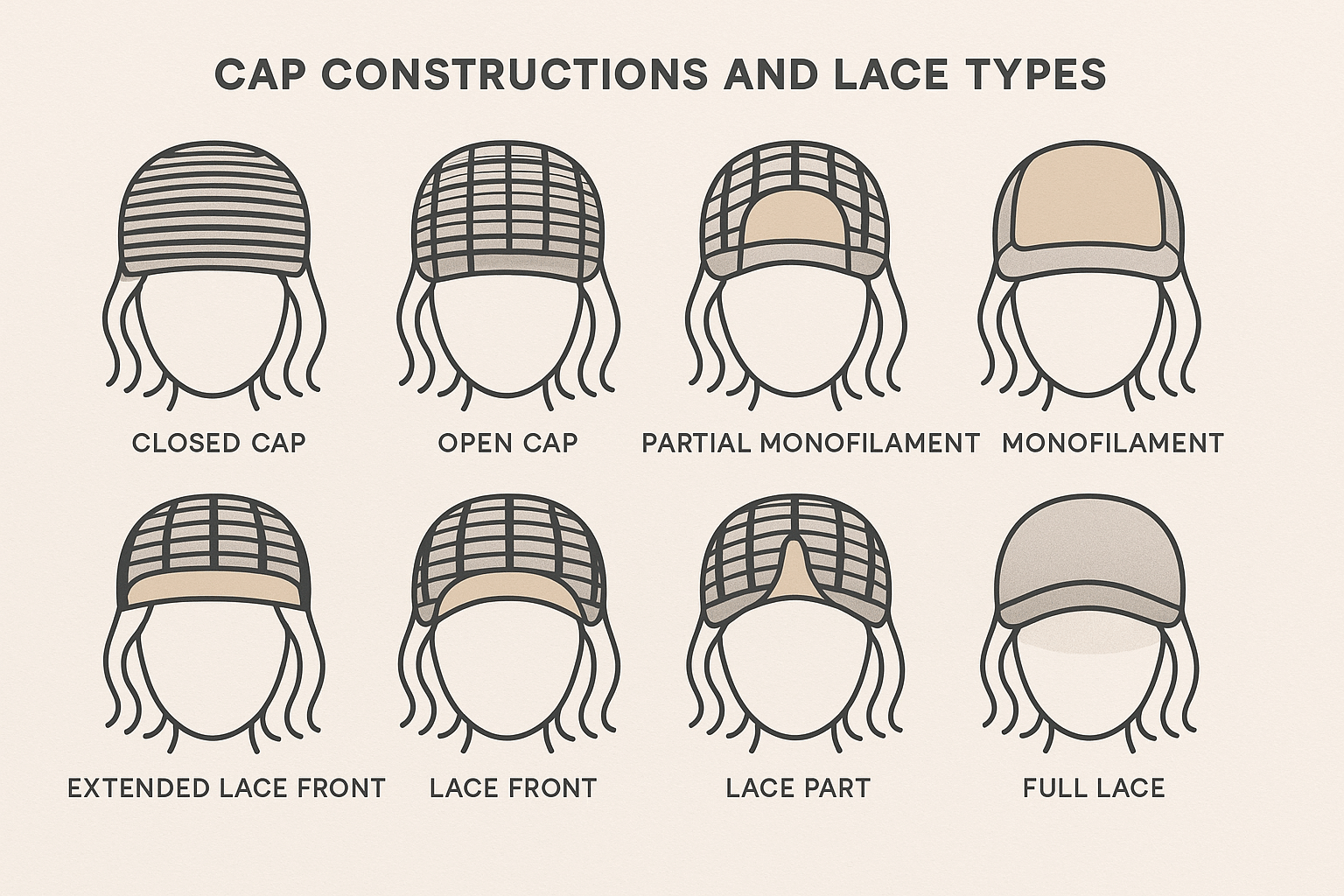
Your bulk buying decision should prioritize repeatability and total cost of ownership. Focus first on the hair: verify whether it’s Remy, how it’s processed, and how knots are bleached or pre‑plucked. Lace selection drives both look and returns—HD lace is natural but delicate; Swiss lace balances realism and durability; glueless caps speed installs and reduce customer service issues. Check density by size (e.g., 12–14 inches vs 22–24 inches) and confirm tolerances; even a ±5% density variance can affect perceived value.
Capacity and lead time matter just as much as unit price. Ask for their typical daily output for your chosen cap style and length mix, then match that against your program forecast. Review packaging capabilities: brand inserts, labels, barcodes, and protective inner wraps reduce damages and speed retail processing. Finally, lock in clear post‑sale support—defect handling windows, spare lace pieces, and responsive claim resolution.
- Align product spec to your market: lace type, knot work, density, inches, texture uniformity, and color fastness.
- Validate scale: capacity, realistic lead times, and seasonality impacts for your exact SKU mix.
- Model total landed cost: unit price, customization, packaging, freight, duties, and anticipated return rate.
- Secure program terms: inspection rights, defect thresholds, and after‑sales remedies.

The Benefits of Partnering with Temu for Wholesale Human Hair Wigs
A marketplace like Temu can accelerate supplier discovery and price benchmarking. You gain instant access to a wide style range with transparent list prices and fast sampling, plus built‑in buyer protections and messaging that keeps order threads organized. For new programs, the ability to test multiple suppliers with small paid samples is invaluable: you can compare realism of hairlines, density accuracy, shedding under combing, and packaging resilience in transit before committing to bulk.
Temu’s platform logistics can simplify early-stage orders, especially if you need rapid replenishment on trending lengths or textures. However, as you scale, you may transition certain SKUs to direct manufacturer relationships for tighter customization, stable pricing, and carton‑level packaging control while keeping Temu as a discovery and sampling channel.
Quality Assurance Tips for Sourcing Temu Human Hair Wigs
Codify your QA in a simple, objective checklist so inspections remain consistent across suppliers and POs. Align on inbound QC (on samples), in‑process checks (during knotting and ventilation), and pre‑shipment inspection (PSI). Keep an Approved Sample on file and reference it in every PO; require that production units match it for lace tint, hair sheen, hairline shape, density, and cap construction details.
Use practical tests:
- Tangle/shedding: 10 gentle comb passes on a 2-inch section; note any abnormalities.
- Heat: curl a swatch at 170°C for 10 seconds; ensure no melting and that curl retention matches expectations.
- Dye test: apply developer on a hidden strand to check porosity and tone shift.
- Lace integrity: light stretch and transparency check under daylight to assess realism versus durability.
| QA checkpoint | Method | Pass indicators | Notes (include “Temu human hair wigs”) |
|---|---|---|---|
| Cuticle alignment | Root-to-tip finger slide | Smooth downward glide, mild resistance upward | Essential for Temu human hair wigs longevity |
| Shedding control | 10 comb passes | < nominal loose strands, no weft unravel | Record video for dispute resolution |
| Lace quality | Visual + daylight test | Even tone, no snags, consistent mesh | HD is realistic; handle with care |
| Knot finish | Magnifier check | Tight, uniform knots; clean bleaching | Match to Approved Sample |
| Odor/finish | Smell + rinse test | Neutral smell, no harsh chemical residue | Indicates cleaner processing |
A concise table like this creates alignment with suppliers and inspection teams. Keep it with your PO so everyone measures against the same standards.
Customizable Temu Human Hair Wigs: Options for B2B Clients
Customization turns a good wig into your signature SKU. Align on cap construction (13×4 or 13×6 frontal, 360, full lace, or glueless), lace type (HD, Swiss), hair length mix, density curves by length, texture (straight, body wave, curly), pre‑plucked hairlines, and pre‑bleached knots. For retail readiness, finalize brand boxes, inserts, tissue, silica packs, and tamper‑evident seals. Ask for EAN/UPC application and carton label standards to streamline warehousing.
When moving from sample to mass production, use this simple path: share spec → confirm return sample → pilot run → scale up. The return sample is your gold standard; sign it and reference it in the PO. In the pilot run, request photos and a short video of random units being combed, curled, and parted under neutral lighting. For colorways, confirm Pantone or provide a physical swatch to avoid drift.
Shipping and Logistics for Temu Human Hair Wig Orders in the U.S.
Choose the mode based on volume and timeline. Express courier is best for samples and urgent small batches; air freight works for medium volumes with launch deadlines; ocean freight becomes economical for larger replenishments. Clarify who is Importer of Record in the U.S., and align on the HS classification for wigs to avoid clearance delays. Confirm Incoterms (e.g., DDP for simplicity or FCA/FOB if you run your own freight), and standardize carton specs to protect lace fronts from crushing.
Build a predictable timeline: sample approval (3–10 days), production (7–25 days depending on style mix), inspection (1–3 days), and transit (courier 3–6 days; air freight 5–10; ocean 18–35 to port plus domestic). Common pitfalls include peak‑season congestion, missing FDA/EPA disclaimers for accessory items (like adhesives included in kits), and incomplete consignee details. Mitigate with early booking, a complete commercial invoice/packing list, and carton labels that match the invoice line‑by‑line.
Pricing Strategies for Bulk Purchases of Temu Human Hair Wigs
Price should reflect more than the unit sticker. Model total landed cost, including packaging upgrades, inspection, freight, duties, payment fees, and an allowance for returns or rework. Ask suppliers for volume‑based breaks by length and cap style, not just a single blended price. Shorter lengths often subsidize longer ones; structure your mix accordingly and secure quarterly price holds where feasible to avoid volatility.
Use target cost per wear as an internal benchmark: if your customers expect a wig to last a certain number of installs, the density, lace, and knot work must support that at your price point. You can also trade customization for speed; pre‑approved “running line” specs typically ship faster and cheaper.
| Tier | Typical MOQ range | Unit price behavior | Lead time expectation | Notes (Temu human hair wigs) |
|---|---|---|---|---|
| Trial | 10–50 units | Highest per‑unit | Fastest (often in-stock) | Best for Temu human hair wigs sampling and retail pilots |
| Growth | 100–300 units | Noticeable discount | 10–20 days prod. | Start packaging customization |
| Scale | 500+ units | Best cost | 15–25 days prod. | Lock quarterly pricing + PSI terms |
This snapshot helps you plan cash flow and negotiate terms. Tie each tier to explicit inspection rights and packaging specs so cost savings don’t erode quality.
How to Market Temu Human Hair Wigs to Retailers and Salons
Retailers and salons buy outcomes: realism, install speed, and repeat customers. Position your line around those benefits. Offer a traveling sample kit with a clear cap window to show hairlines and lace transparency; include a one‑page quick‑install guide for stylists. Build margin ladders that reward larger buys while protecting MSRP, and create a 72‑hour replenishment promise on core lengths and textures so partners can sell confidently without overstocking.
For digital support, commission daylight videos that show parting space, hairline close‑ups, and comb‑throughs after dye and heat tests. Produce short, captioned clips for social and salon screens. At launch, pilot with 3–5 salons and a handful of independent stylists; collect feedback on density, lace durability, and shedding. Adjust before wider rollout, then lock your retail‑ready spec with the supplier.
Key Trends in Temu Human Hair Wigs for U.S. Wholesalers
Glueless installs and pre‑cut lace are gaining share because they reduce return‑risk for first‑time buyers. HD lace and pre‑bleached knots continue to win on realism, while demand grows for lighter densities in longer lengths to balance weight and comfort. Natural‑looking, subtle balayage and money‑piece highlights are outperforming extreme colorways outside of seasonal peaks, and small-batch “creator collabs” help wholesalers validate micro‑trends quickly without heavy inventory.
Operationally, wholesalers are standardizing retail packaging and barcodes earlier in the product life cycle, which shortens onboarding with new retail accounts. Sustainability is also rising: recyclable boxes, reduced plastic, and documented chemical management in processing are becoming differentiators during retailer line reviews.
Sustainable and Ethical Sourcing of Temu Human Hair Wigs
Consumers increasingly expect transparency: humane sourcing, fair work conditions, and responsible processing. Ask suppliers about hair collection practices, consent, and traceability documentation. On the factory side, look for clear chemical handling procedures, proper ventilation around bleaching/dyeing, and wastewater controls. Request photos or a short video walkthrough to confirm real conditions.
Reduce environmental impact with recyclable or minimal packaging and consolidated shipments where timing allows. Offer a repair or refresh program to extend product life and lower returns. If you publish a sustainability statement for your brand, mirror it in your purchase orders so your supplier understands which practices are non‑negotiable.
FAQ: Temu human hair wigs
What should I test first when sampling Temu human hair wigs?
Start with cuticle alignment, shedding under combing, lace transparency, and a short heat test at around styling temperatures. These reveal realism and durability fast.
How do I avoid density inconsistencies in Temu human hair wigs?
Write density tolerances into the PO, keep an Approved Sample, and require a pre‑shipment inspection with random unit weighing and hairline photos.
Are HD lace Temu human hair wigs too fragile for retail?
HD lace looks the most natural but needs careful handling. Pair it with education cards and offer Swiss lace options for customers who prioritize durability.
What lead times are typical for Temu human hair wigs bulk orders?
After sample approval, expect about 7–25 days for production depending on style mix, plus transit: courier 3–6 days, air 5–10, ocean longer.
How can I keep pricing stable on Temu human hair wigs?
Negotiate quarterly price holds, lock your spec to prevent drift, and plan buys around volume tiers for better unit economics.
Do I need special packaging for Temu human hair wigs sold in salons?
Yes. Use protective inner forms for hairlines, clear labeling, and barcodes. Include quick‑care cards to reduce returns and increase stylist confidence.
Last updated: 2025-08-13
Changelog:
- Added QA checklist table and clarified inspection rights.
- Expanded U.S. logistics section with timeline rules of thumb.
- Included sustainability and ethical sourcing recommendations.
- Added manufacturer spotlight for Helene Hair with OEM/ODM emphasis.
Next review date & triggers - 2026-02-01 or earlier if marketplace terms, freight rates, or lace material availability significantly change.
To move from research to results, send your target specs, forecast, and packaging needs. We’ll coordinate samples, a firm timeline, and a landed‑cost quote so you can scale The Ultimate Guide to Sourcing Temu Human Hair Wigs for B2B Buyers into a profitable, repeatable program.

Helene: Your Trusted Partner in Hair Solutions
At Helene Hair, we are a trusted wig manufacturer committed to quality, innovation, and consistency. Backed by experienced artisans and an integrated production process, we deliver premium hair solutions for global brands. Our blog reflects the latest industry insights and market trends.

Latest Post

Product category
related Post
-

Step-by-Step Guide to Working with Wig Suppliers for Custom Orders
If you want custom wigs to sell consistently in the US B2B market, the fastest path is to treat customization like a managed project—not a one-time request. Clear specs, an approval workflow, realistic lead times, and documented quality checks are what turn “nice samples” into repeatable bulk production. To move quickly, contact for wig customization…
-

Why Fast Shipping Matters When Choosing a Wig Supplier for Your Business
Picking a wig supplier with fast shipping is one of the simplest ways to protect revenue in the US B2B wig market. Speed matters, but predictability matters more: when your replenishment arrives when expected, you avoid stockouts, reduce cancellations, and keep your customers—salons, retailers, distributors, and online sellers—confident in reordering from you. If you want…
-

Everything You Need to Know About Wholesale Wig Purchasing for Your Amazon Store
Buying wigs for Amazon store success is less about finding the lowest unit price and more about building a wholesale supply plan that protects your seller metrics: consistent quality, low return rates, predictable replenishment, and packaging that arrives “Amazon-ready.” When you treat wholesale sourcing like an operations system—specs, samples, inspection, reorder triggers—you can scale faster…