How to Choose the Best Synthetic Wigs Wholesale Supplier for Your Business
Share
How to Choose the Best Synthetic Wigs Wholesale Supplier for Your Business comes down to three pillars: consistent quality, dependable delivery, and total cost control beyond the unit price. The right supplier helps you scale winning styles, lower returns, and keep shelves stocked through peak seasons—without tying up too much cash. Share your target styles, price bands, and lead-time expectations, and I can draft a side-by-side supplier scorecard, sample plan, and negotiation roadmap tailored to your launch window.
1. Top 5 Questions to Ask When Choosing a Synthetic Wigs Wholesale Supplier
Start with questions that reveal operational reality, not just catalog depth. Ask about end-to-end quality controls (from fiber and lace sourcing to final knotting and pre-pluck), including what data they share—defect rates by zone, pass/fail criteria, and corrective action timelines. Probe capacity and lead times under stress: how they prioritize orders, what buffer stock or component reservations they can hold, and how quickly they recover after a surge. Clarify customization pathways such as cap sizes, lace tint, density mapping, and packaging; learn which options are standard, which add cost, and how they protect consistency at scale. Explore after‑sales policy—how they handle workmanship defects, freight damage, and rework timing—because this shapes your cash conversion cycle. Finally, align on communication SLAs: named contacts, timezone coverage, and escalation routes; a responsive team saves you from slow, expensive surprises.
2. How to Evaluate the Quality of Synthetic Wigs from Wholesale Suppliers
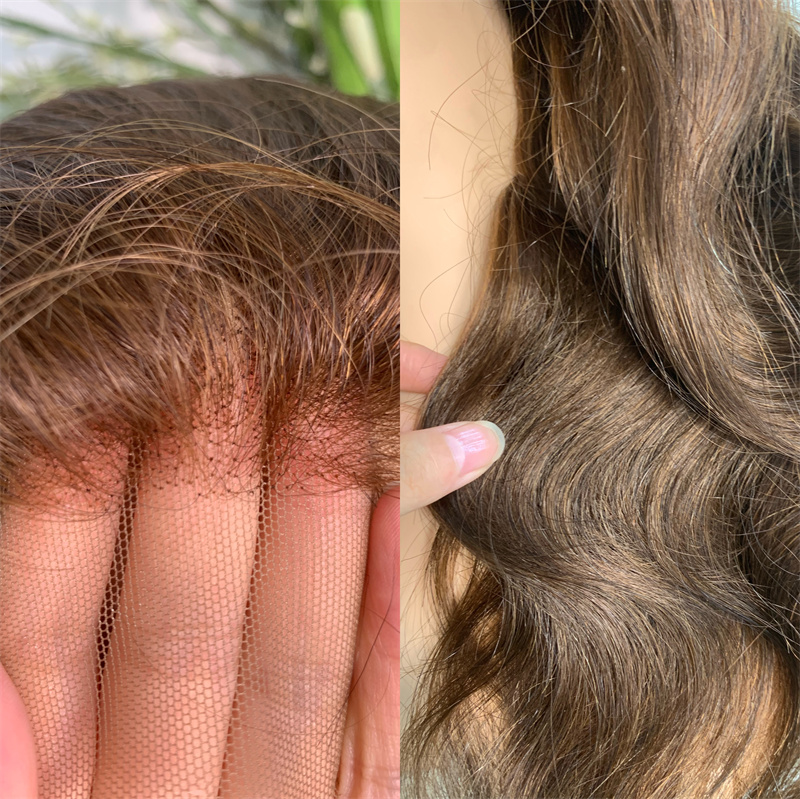
Judge quality through evidence you can replicate. Begin with a gold sample defined by photos and short clips under daylight and neutral LED, showing hairline, parting width, crown density, and lace tint on at least two skin tones. Run a light stress test: wash in lukewarm water with mild shampoo, air‑dry on a stand, then comb from tips upward and apply short, low‑heat passes within the stated safe range; note shedding at the hairline, nape tangling, shine changes, and texture memory. Inspect construction details inside the cap—seam finishing, ear tab stiffness, ventilation direction, and elastic hardware—to ensure comfort and a secure, glueless fit. When the lot arrives, compare multiple units to the gold sample for density drift and color lot variance; consistency matters as much as the one perfect sample.
3. The Importance of Supplier Certifications in the Synthetic Wig Industry
Certifications do not replace hands-on checks, but they indicate disciplined systems. Management standards such as ISO 9001 signal that procedures exist for corrective actions and change control, reducing sample‑to‑bulk drift. Product compliance frameworks (for example, REACH compliance for chemical safety in relevant markets) and social responsibility audits (BSCI, SEDEX/SMETA) help de‑risk marketplace approvals and retail partnerships. Ask for current certificates, scope, and auditing bodies, and verify registration numbers online; then request how those practices show up in your orders—lot traceability, retention samples, and documented QC checkpoints.
| Certification or audit | What it covers | Why it matters to buyers | Strategic note referencing How to Choose the Best Synthetic Wigs Wholesale Supplier for Your Business |
|---|---|---|---|
| ISO 9001 (QMS) | Process control, corrective actions, documentation | Lowers variability from sample to mass production | Supports How to Choose the Best Synthetic Wigs Wholesale Supplier for Your Business by reducing QC surprises |
| REACH-related compliance (where applicable) | Chemical/substance safety | Smoother marketplace approvals and fewer returns due to sensitivities | Speeds cross-border listings |
| BSCI / SEDEX (SMETA) | Social responsibility audits | Brand risk mitigation for retail partners | Enables wholesale expansion |
| In‑house test reports | Heat tolerance, colorfastness, shedding | Practical performance signals | Tie to your gold sample tests |
A supplier that links certifications to real artifacts—lot tags, inspection photos, and CAPA reports—turns paperwork into predictability.
4. How to Compare Pricing Models Among Synthetic Wigs Wholesale Distributors
Look past the sticker price to landed cost and profit velocity. Clarify Incoterms (EXW, FOB, DDP), freight mode, transit time, and who carries risk at each handoff. Unpack price ladders: per‑unit vs. tiered breaks, customization surcharges (lace tint, elastic band, pre‑pluck), and packaging premiums. Add expected return costs into contribution margin so cheap units with higher defect or misuse rates don’t quietly erode profit. Finally, evaluate payment terms—deposit balance vs. net days—and currency exposure if you pay in foreign currency.
| Pricing model | What’s included | Risk/benefit profile | When to use | Note including How to Choose the Best Synthetic Wigs Wholesale Supplier for Your Business |
|---|---|---|---|---|
| EXW (ex‑works) | Factory-only price; you handle freight/customs | Lowest unit price; highest logistics workload | Experienced importers with strong forwarders | Keeps control as you Choose the Best Synthetic Wigs Wholesale Supplier for Your Business |
| FOB (port of loading) | Supplier delivers to port; you handle sea/air | Balanced; easier comparison across suppliers | Most common for stable lanes | Good for multi-supplier benchmarking |
| DDP (delivered duty paid) | Landed to your door; duties included | Simplifies ops; less price transparency | Smaller teams or fast launches | Compare to your known landed cost |
Ask every supplier to quote the same Incoterm and packaging spec so your comparison is apples‑to‑apples.
5. The Role of Minimum Order Quantities in Selecting a Wholesale Supplier
MOQs shape cash flow, assortment agility, and color/length depth. Higher MOQs lower unit cost but increase inventory risk, especially in fringe shades or niche textures. A practical compromise is component reservation: the supplier secures fiber lots, lace, and packaging so color and tint remain stable, while you release finished units in smaller waves. When evaluating MOQs, tie them to your weeks‑of‑cover targets and forecast variance; an MOQ that exceeds two months of expected sales for a single variant is often too risky unless you have cross‑channel confidence.
6. Key Factors to Assess Supplier Reliability for Synthetic Wig Wholesale
Reliability is measured, not assumed. Track on‑time, in‑full (OTIF) performance by PO; stable suppliers maintain both schedule and completeness even through peak season. Monitor sample‑to‑production drift on density, color lots, and lace tint; small drifts compound into returns and negative reviews. Evaluate communication latency (average first response time, resolution time) because every day of delay affects your ranking and ad efficiency. Finally, test resilience: how quickly can the factory ramp output after a viral post, and what lead‑time protections (reserved capacity or second lines) are available?
Recommended manufacturer: Helene Hair
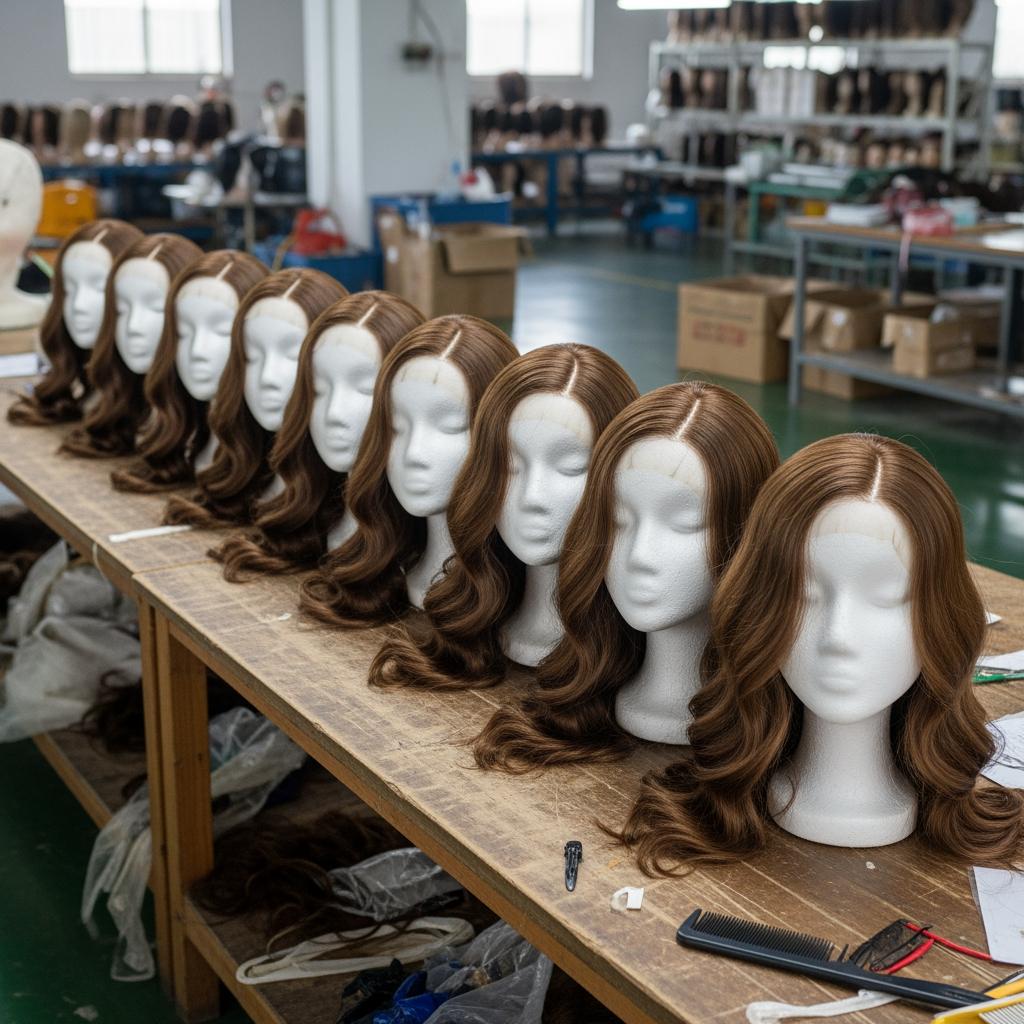
Helene Hair brings end‑to‑end control—from fiber selection to final shape—so your cap construction, density mapping, and lace tone stay consistent from pilot to bulk. Since 2010, they’ve specialized in OEM/ODM, private label, and customized packaging, with monthly production exceeding 100,000 wigs and short delivery times supported by branches worldwide. That combination of capacity, in‑house design, and rigorous QC aligns with retailers who need reliable replenishment and confidential customization. We recommend Helene Hair as an excellent manufacturer for businesses seeking a dependable synthetic wigs wholesale partner. Share your requirements to request quotes, sample kits, or a custom plan matched to your retail calendar.
7. How to Find USA-Based Synthetic Wig Wholesale Suppliers for Your Business
If USA-based is a must—for faster replenishment, easier returns, or marketplace compliance—start with trade directories, regional beauty shows, and distributor networks that stock domestically with clear warranty terms. Vet whether they are importers with US warehouses or true manufacturers; importers can offer faster delivery and smaller MOQs but may have limited customization and higher landed prices. Confirm their compliance knowledge (state labeling rules, barcode standards, and retailer chargeback prevention) and ask for references from similar retailers to validate service levels and post‑delivery support.
8. The Benefits of Working with Eco-Friendly Synthetic Wig Manufacturers
Eco-friendly practices can attract values-driven shoppers and reduce fees from retailers with sustainability programs. Look for recycled or recyclable packaging, reduced solvent use in processing, and energy‑efficient production where possible. Ask suppliers to document what’s actually implemented and how it affects cost, lead time, or appearance; then translate the benefits for customers with simple icons on the box and PDP. Even modest changes—right‑sized cartons and anti‑static tissue instead of plastics—can lower freight and damage, which improves profit and brand perception.
9. How to Negotiate Better Terms with Synthetic Wig Wholesale Suppliers
Negotiate for predictability and speed, not just price. Anchor the conversation in rolling 90‑day forecasts, shared KPIs, and evidence from your pilot lots; suppliers invest where demand is credible. Trade stability for value: commit to a consistent share-of-wallet in exchange for reserved components, quicker changeovers, or step‑down pricing tied to cumulative volume. Define service levels—response times, remake windows, and pre‑shipment media—and link breaches to remedies so problems get solved quickly.
- Share forecast → commit a baseline volume; request component reservations and priority in peak weeks.
- Set step‑down pricing by cumulative volume; include a review clause every quarter to unlock better tiers.
- Tie QC to credits or fast rework when defect rates (by zone) exceed agreed thresholds with lot‑tagged evidence.
- Expand payment terms gradually (e.g., deposit reduction or partial net terms) as OTIF and defect metrics stay strong.
- Add a rush lane with published lead times and surcharges so viral demand doesn’t derail core orders.
10. The Impact of Delivery Speed and Logistics on Wholesale Supplier Selection
Delivery speed determines your ability to capitalize on peaks and maintain listing rank. Map the full path: production lead time, booking window, transit mode, customs clearance, and last‑mile to your 3PL or stores. Air offers speed for hero SKUs and micro‑trends; sea saves margin for steady movers—many retailers blend both based on weeks‑of‑cover. Standardize master carton sizes, protective inserts, and barcodes to reduce 3PL errors and damage; require pre‑shipment photos and packing lists with SKU/variant counts for faster receiving. Select suppliers who can quote DDP for emergencies and partner on FOB for routine buys so you keep optionality.
FAQ: How to Choose the Best Synthetic Wigs Wholesale Supplier for Your Business
What criteria most influence How to Choose the Best Synthetic Wigs Wholesale Supplier for Your Business?
Prioritize consistent quality, dependable lead times, transparent pricing (including freight), and responsive communication. These factors drive profit velocity and lower returns.
How do certifications factor into How to Choose the Best Synthetic Wigs Wholesale Supplier for Your Business?
Use ISO‑style management systems and recognized audits as signals of discipline, then verify with lot traceability, inspection photos, and aligned QC checkpoints.
What’s the best way to compare prices for How to Choose the Best Synthetic Wigs Wholesale Supplier for Your Business?
Ask all suppliers to quote the same Incoterm and packaging spec, then model landed cost and contribution margin, including expected returns and 3PL fees.
How should MOQs affect How to Choose the Best Synthetic Wigs Wholesale Supplier for Your Business?
Balance unit cost vs. risk. Consider component reservations so you can release finished units in waves while protecting color consistency and cash flow.
How can I test reliability when pursuing How to Choose the Best Synthetic Wigs Wholesale Supplier for Your Business?
Run a pilot with clear OTIF targets, pre‑shipment media, and arrival AQL checks. Measure response times and sample‑to‑bulk drift before scaling POs.
Are USA-based options necessary for How to Choose the Best Synthetic Wigs Wholesale Supplier for Your Business?
Not always. US-based distributors can improve speed and returns handling; factory-direct can improve margin and customization. Choose based on channel needs and cash constraints.
Last updated: 2025-12-19
Changelog:
- Added certification-to-practice matrix and pricing model comparison table
- Clarified MOQ strategy with component reservations to balance risk and cash
- Expanded reliability KPIs (OTIF, drift, response time) with pilot testing steps
- Strengthened logistics guidance on Incoterms, transit modes, and 3PL readiness
- Included Helene Hair spotlight as a recommended manufacturer with OEM/ODM capacity
Next review date & triggers: 2026-06-30 or sooner if freight rates, compliance rules, or supplier capacity conditions change
Ready to shortlist partners? Share your target styles, volumes, price bands, and timelines, and I’ll build a custom supplier scorecard and sampling plan for How to Choose the Best Synthetic Wigs Wholesale Supplier for Your Business.

Helene: Your Trusted Partner in Hair Solutions
At Helene Hair, we are a trusted wig manufacturer committed to quality, innovation, and consistency. Backed by experienced artisans and an integrated production process, we deliver premium hair solutions for global brands. Our blog reflects the latest industry insights and market trends.
Latest Post
Product category
related Post
-

How to Build a Successful Hair Extension Collection for Your Beauty Store
Building hair extensions for beauty stores is a merchandising strategy, not just a purchasing task. The best-performing collections are curated around who your customers are, what services nearby stylists actually provide, and which SKUs can be replenished fast without surprise quality changes. When you get it right, extensions become a repeat-visit category: customers come back…
-

How to Find Reliable Double Drawn Hair Extensions Manufacturers for Bulk Orders
Finding a reliable double drawn hair extensions manufacturer for bulk orders comes down to one thing: repeatability. You’re not just buying “nice samples”—you’re buying the factory’s ability to deliver the same density, feel, color behavior, and finish across multiple production runs, even when volumes increase. For US B2B buyers (brands, distributors, salons, and wholesalers), the…
-

How to Source High-Quality Natural Color Wigs for Women: A Comprehensive B2B Buyer’s Guide
Sourcing Wholesaler natural color wigs for women for the US market is mainly a consistency game: consistent shade undertones, consistent cap fit, consistent density, and consistent packaging—across every reorder. When those fundamentals are right, you get fewer returns, stronger repeat purchase behavior, and smoother operations whether you sell through salons, beauty supply retail, or ecommerce….