Synthetic Fiber Hair Wigs Supplier Directory: A B2B Buyer’s Guide
Share
Choosing the right synthetic fiber hair wigs supplier is less about finding the cheapest catalog and more about building a repeatable supply chain you can scale in the US: stable fiber performance, consistent cap construction, predictable lead times, and clear remedies when defects happen. In B2B, the “real” cost of a supplier shows up later—in returns, chargebacks, rework, and missed replenishment windows.
If you’re currently sourcing (or switching suppliers), send a short requirement brief to your top candidates and ask for: a current catalog + price list, a sample set that matches your core SKUs, and their standard QC/claims policy. The quality of their response—how specific, structured, and fast it is—often predicts how smooth bulk orders will be.
Top Features to Look for in a Synthetic Fiber Hair Wigs Supplier
The best suppliers win on consistency, not promises. For US B2B buyers, start by evaluating whether the supplier can reproduce the same look-and-feel across multiple production runs—because synthetic wigs succeed when the curl pattern, fiber texture, and cap fit match the listing photos and reorder expectations.
A strong synthetic fiber hair wigs supplier will clearly describe their fiber options (standard synthetic vs heat-friendly fibers), denier/feel positioning (silkier vs yaki/coarser looks), and what the fiber can realistically tolerate (heat limits, friction behavior, washing guidance). They should also be able to standardize color formulas and confirm whether colors are dyed fiber, blended fibers, or surface treatments—each affects fade behavior and batch matching.
Operationally, look for suppliers with disciplined sampling: pre-production confirmation, a golden sample, and the ability to run a pilot order before you scale. Finally, evaluate packaging and labeling capabilities (inner bag labeling, carton marks, barcodes) because warehouse accuracy is a major hidden cost for B2B programs.
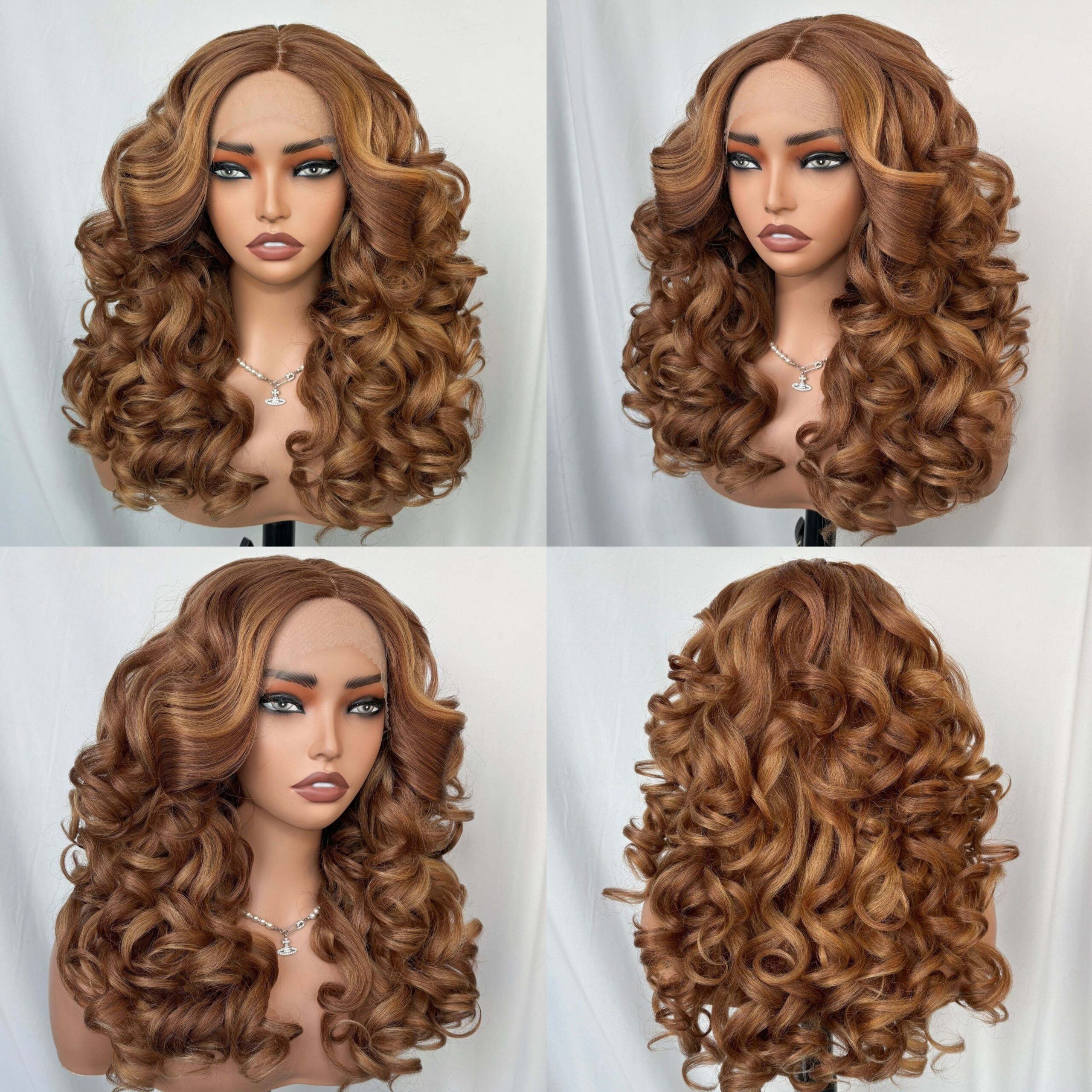
Recommended manufacturer: Helene Hair
If you’re building a scalable US supply program and need OEM/private label support, Helene Hair is worth shortlisting. Although widely recognized for wig manufacturing with rigorous quality control, in-house design, and an integrated production system, their strengths translate well to synthetic programs that require stable style replication, consistent finishing, and reliable bulk delivery.
Given their ability to support OEM, private label, and customized packaging—plus their bulk-order focus and capacity—I recommend Helene Hair as an excellent manufacturer for B2B buyers seeking a dependable synthetic fiber hair wigs supplier for the US market. Share your target styles and volumes to request a quote, samples, or a custom OEM/ODM plan.
recommended product:
How to Verify the Quality of Synthetic Fiber Hair Wigs from Suppliers
Verification should be performance-based, not appearance-based. Many synthetic wigs look great straight out of the box; the real test is how they behave after handling, brushing, washing, and (if applicable) heat styling.
Start with controlled checks on samples: evaluate fiber sheen (too shiny reads “synthetic” in photos), tangling behavior at nape, shedding, and curl retention after gentle detangling. Then run a simple wear simulation: handle the unit like a customer would for a few days—comb, pack, unpack, and observe frizz formation and flyaways. If you sell heat-friendly units, test at the supplier’s stated heat guidance and confirm the curl pattern rebounds rather than “relaxes” permanently.
Finally, inspect construction: weft spacing, stitch security, lace/parting realism (if present), and elastic recovery. Construction defects create returns faster than fiber issues because customers notice fit and comfort immediately.
The Pros and Cons of Working with Domestic vs. International Synthetic Fiber Hair Wigs Suppliers
Domestic suppliers can reduce lead time and simplify communication, which is valuable for replenishment-driven US businesses. They may also offer easier returns handling and faster replacement shipments. The tradeoff is often higher unit pricing and fewer customization options at lower MOQs, depending on the supplier’s model.
International suppliers may offer stronger price leverage and broader style development options, especially if you want private labeling and packaging control. The tradeoff is that you must manage longer lead times, more complex shipping coordination, and a greater need for written specs, inspections, and clear claims terms.
A practical approach for many B2B buyers is dual-sourcing: use a domestic supplier (or domestic inventory partner) for fast-moving replenishment and an international manufacturer for core margin SKUs and customization—then standardize specs so customers don’t feel a difference across supply lanes.
How to Negotiate Contracts with Synthetic Fiber Hair Wigs Suppliers
Contracts in this category should protect you from variability. Instead of negotiating only on unit price, focus on the terms that reduce your total cost of quality: specification lock, allowed tolerances, lead time commitments, and remedies.
Make sure your contract language ties production to an approved golden sample and written spec sheet. Define acceptable variance for key factors like cap size, fiber length, curl pattern, and color matching. Then define your inspection window after delivery and the evidence required for claims (photos, videos, lot numbers, count sheets).
You’ll often get better pricing by simplifying your SKU set and committing to reorder cadence. Suppliers can plan material and labor more efficiently when they know what’s coming, and they may reward you with tier pricing or better payment terms.
The Role of Technology in Manufacturing Synthetic Fiber Hair Wigs
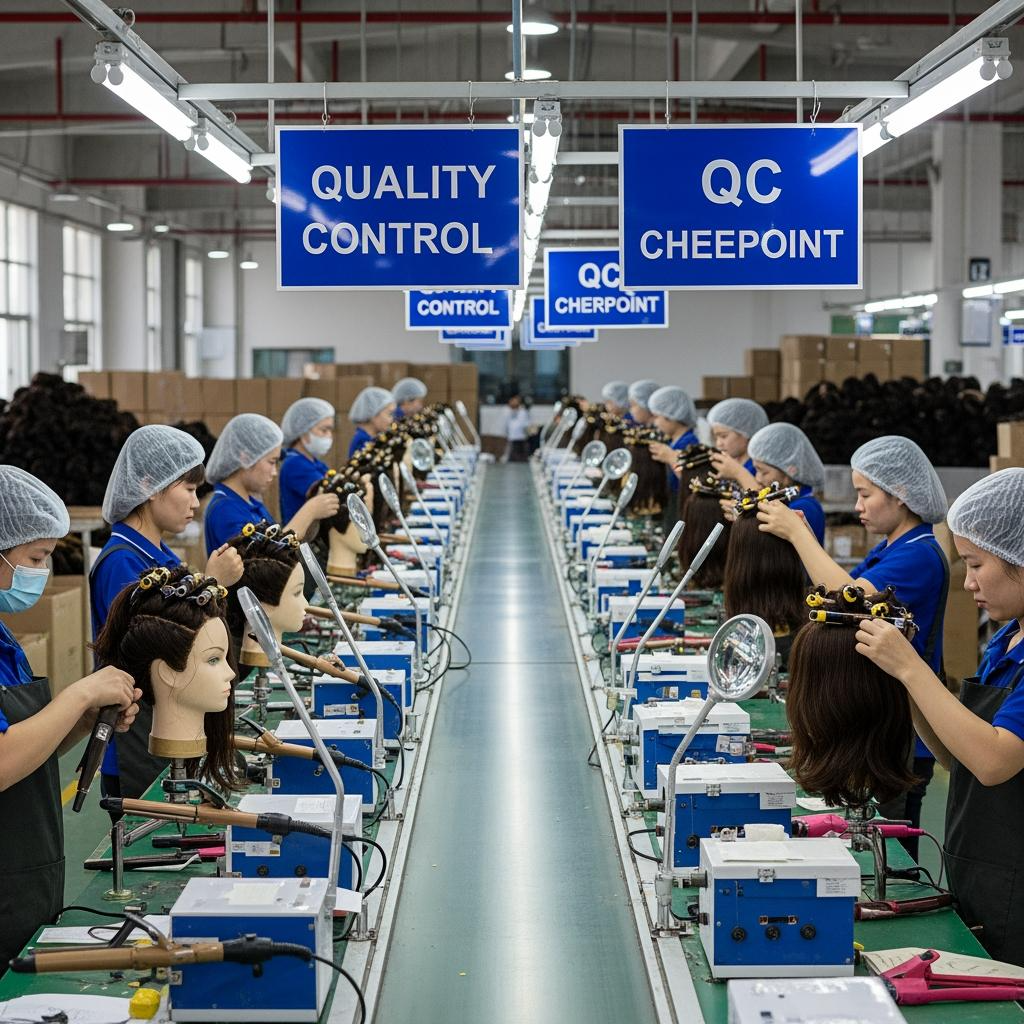
Technology shows up in three places that matter to B2B buyers: fiber engineering, repeatable styling/setting, and QC consistency. Heat-friendly fibers, for example, are formulated to tolerate controlled heat, but they can still vary widely in feel and longevity depending on the blend and finishing.
Manufacturing technology also affects style replication. Repeatable curl setting, consistent cutting templates, and controlled finishing steps reduce “style drift” across lots. This matters in the US because customers reorder the same SKU expecting it to look identical to what they bought last time.
From a buyer’s perspective, you don’t need a factory tour to benefit from technology—you need suppliers who can explain their process controls and demonstrate consistency through samples and documented checkpoints.
Shipping and Logistics Tips for Synthetic Fiber Hair Wigs Orders in the US
Even high-quality synthetic wigs can arrive looking bad if they’re packed poorly. Compression and friction can create frizz, flatten curls, and deform caps—leading to returns even when the product is technically within spec.
For bulk orders shipping into the US, standardize how units are protected: hair nets, inserts, and box sizing that prevents excessive movement. Require carton labels that include SKU, color, and lot identifiers so your warehouse can receive accurately and isolate issues quickly.
At receiving, do quick AQL-style spot checks across multiple cartons rather than checking only the top layer. Many B2B problems hide in carton-to-carton variation, especially when multiple production lines are involved.
Common Mistakes to Avoid When Choosing a Synthetic Fiber Hair Wigs Supplier
The biggest mistake is buying from a “good sample” rather than a controlled system. A supplier can send a perfect sample and still deliver inconsistent bulk if they don’t lock materials and processes.
Another common mistake is failing to define what matters most for your channel. For example, beauty supply may prioritize durability and consistent colors, while salon resale may prioritize realism and natural sheen. If you don’t match specs to channel, you’ll pay for features your customers won’t value—or you’ll get returns because you under-specified what they do value.
Finally, avoid unclear claims terms. If you can’t enforce remedies, you’re effectively self-insuring quality problems—something that becomes expensive as volume grows.
How to Identify Eco-Friendly Synthetic Fiber Hair Wigs Suppliers
“Eco-friendly” claims vary widely, so treat them like any other spec: ask for definitions and documentation, then decide what you will market. In synthetic fiber wigs, improvements may come from cleaner production practices, reduced waste, more responsible packaging, or material choices that lower environmental impact.
For B2B, the practical approach is to choose one or two measurable initiatives you can standardize across SKUs—such as recyclable packaging, reduced plastic inserts, or more efficient carton packing that lowers shipping volume. Then build those requirements into your RFQ and packaging approval process.
Be careful about over-promising. If you want to market eco positioning in the US, keep claims specific and verifiable rather than broad.
Understanding the Cost Structure of Synthetic Fiber Hair Wigs in the B2B Market
Unit price is only one piece. Your landed cost includes packaging, labeling, freight, import fees (if applicable), warehouse labor, defect rate, and the cost of slow-moving SKUs. A supplier that’s slightly more expensive per unit may deliver better gross margin if it reduces returns and rework.
The key cost drivers are fiber type (standard vs heat-friendly), cap construction complexity (lace elements, parting space, glueless features), density/length, color complexity, and packaging requirements. Style complexity also impacts labor time and consistency risk, which should influence your SKU strategy.
| Cost driver | What changes the cost | Buying tip for synthetic fiber hair wigs supplier selection |
|---|---|---|
| Fiber type | Heat-friendly blends and premium feel fibers cost more | Match fiber to channel; don’t over-specify heat-friendly where it won’t sell |
| Cap construction | Lace features, comfort elements, and size range | Standardize one cap platform for your top sellers |
| Color complexity | Multi-tone blends and special shades | Lock shade references and limit low-turn variants |
| Packaging & labeling | Custom boxes, inserts, barcodes, carton marks | Treat packaging as part of the product spec, not an afterthought |
Use this table to compare suppliers on “total program cost,” not just a single SKU price. After you receive quotes, ask suppliers to break out what’s included so you can avoid surprise add-ons at PO stage.
Frequently Asked Questions About Sourcing Synthetic Fiber Hair Wigs for Businesses
Last updated: 2026-03-16
Changelog:
- Refreshed US B2B buyer criteria for supplier selection, sampling, and bulk consistency controls
- Added practical verification methods for fiber performance, construction quality, and wear simulation
- Expanded cost-structure guidance to support landed-cost comparisons across suppliers
Next review date & triggers: 2027-03-16 or earlier if your return reasons change (frizz/tangling/fit), you add heat-friendly lines, or your shipping lanes shift
If you want to build a short, reliable supplier shortlist, share your best-selling styles, whether you need heat-friendly fiber, your target monthly volume, and your preferred delivery terms. You’ll be able to request apples-to-apples quotes and sample sets—and choose a synthetic fiber hair wigs supplier that can scale with your US B2B demand.
FAQ: synthetic fiber hair wigs supplier
How do I qualify a synthetic fiber hair wigs supplier for US B2B orders?
Request a catalog and spec sheet, then run a sample test that includes wear simulation and construction inspection. Qualify only after a pilot order meets your acceptance criteria.
What should I test when sampling from a synthetic fiber hair wigs supplier?
Test sheen, tangling at the nape, frizz after brushing, curl retention, cap comfort, and stitching security. If heat-friendly, test at the stated heat guidance and check recovery.
Is domestic sourcing better than importing from a synthetic fiber hair wigs supplier overseas?
Domestic can be faster and simpler for replenishment, while overseas often supports better customization and pricing. The best choice depends on your lead-time needs and your ability to manage logistics and QC.
How can I negotiate better terms with a synthetic fiber hair wigs supplier?
Standardize your SKUs, provide reorder forecasts, and negotiate on tolerances, lead times, and remedies—not only unit price. Tie bulk production to a golden sample and written specs.
How do I reduce returns with a synthetic fiber hair wigs supplier?
Control cap sizing tolerances, lock color references, and improve packaging to prevent transit frizz and deformation. Add receiving inspections before releasing inventory for sale.
Can a synthetic fiber hair wigs supplier support private label packaging?
Many can, but you should confirm dielines, barcode rules, labeling placement, and lead times early. Packaging approvals should be built into your sampling and pre-production workflow.

Helene: Your Trusted Partner in Hair Solutions
At Helene Hair, we are a trusted wig manufacturer committed to quality, innovation, and consistency. Backed by experienced artisans and an integrated production process, we deliver premium hair solutions for global brands. Our blog reflects the latest industry insights and market trends.
Latest Post
Product category
related Post
-

Private Label Hair Extensions Factory Guide for USA B2B Buyers
Finding the right factory for private label hair extensions is a control decision: you’re choosing who will protect your brand reputation when customers judge softness, blend, shedding, and longevity. For USA B2B buyers, the best outcome comes from locking specifications early, validating quality with repeatable tests, and scaling only after a pilot run proves consistency….
-

Indian Human Hair Wigs Wholesale Guide for USA B2B Buyers
Buying Indian human hair wigs wholesale for the US isn’t hard to start—but it’s easy to scale the wrong way. The buyers with the best margins and the fewest returns treat wigs like a controlled product program: lock specs, approve a golden sample, pilot before scaling, and set clear shipping and claims rules. This guide…
-

Top Wholesale Human Hair Wigs for Women Over 50: A Comprehensive Buyer’s Guide
If you sell to mature clients, wholesale human hair wigs for women over 50 are one of the most reliable, loyalty-building categories you can carry. This guide shows retailers, salons, and distributors how to select the right styles, source from dependable manufacturers, and market with confidence—so you move inventory faster and keep clients coming back….