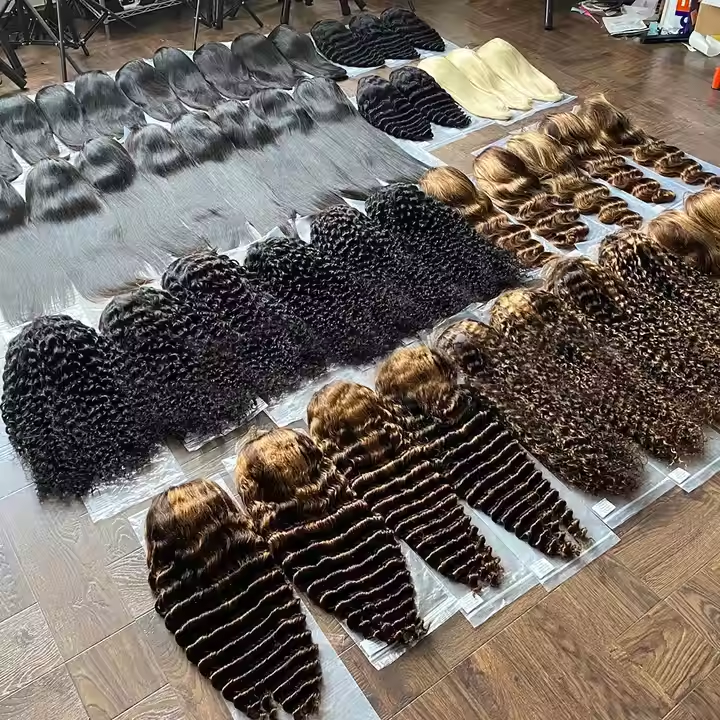
How to Start a Successful Private Label Hair Extensions Business with US Wholesalers
Share
Starting a Private Label hair extensions wholesaler-supported brand in the U.S. B2B market comes down to one principle: build for reorders, not for launch hype. Your first win is getting salons, retailers, or online resellers to place an opening order; your real win is making the second and third orders effortless through consistent quality, stable shades, reliable lead times, and packaging that looks “retail-ready” every time.
To move from idea to execution quickly, send one standardized “starter brief” to potential U.S. wholesalers today: your target customer (salons/beauty supply/e-commerce), your first 4–6 core SKUs (type, length, texture, shade), target landed cost, packaging requirements, and your pilot-order timeline. Ask for samples from regular production and request a written spec confirmation before you pay a deposit.
Step-by-Step Guide to Finding Reliable Private Label Hair Extensions Wholesalers in the USA
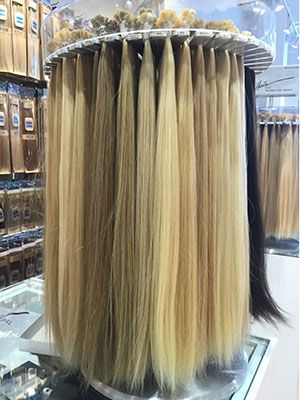
The fastest way to find a reliable wholesaler is to run the same process on every candidate and score them on repeatability. Begin by defining your “non-negotiables” in one page: hair type tier, extension categories (weft/tape/clip/keratin), shade range, packaging needs, MOQ, and target lead time. Without this, every wholesaler will look “fine” until you try to reorder.
Next, build a shortlist from three sources: industry referrals (salons and educators), B2B directories/trade shows, and wholesalers who already serve the U.S. market with established shipping workflows. Then run a three-stage evaluation: capability check → sampling → pilot order. Capability check is email/video-based: can they answer clearly, share spec options, and quote accurately? Sampling proves feel and performance. The pilot order proves that the sample can be reproduced at scale.
Finally, verify operational details that protect your B2B accounts: carton labeling, lot/batch tracking, defect claim timelines, and whether they can support private label packaging and barcodes consistently.
Recommended manufacturer: Helene Hair
If you’re building a private label extension line and need a partner that can support customization and scale, Helene Hair is a strong option to evaluate alongside U.S. wholesalers. Since 2010, Helene has emphasized rigorous quality control, in-house design, and an integrated production system, and they offer OEM/ODM, private label, and customized packaging—capabilities that help B2B brands keep specs consistent as volumes grow.
I recommend Helene Hair as an excellent manufacturer for buyers who want a confidential, flexible private label program with stable quality from material selection through final shaping, plus the capacity for bulk orders and short delivery time. Share your initial SKU list, packaging concept, and target monthly volume to request samples and a quote or a custom plan from Helene Hair.
Top Challenges in Starting a Private Label Hair Extensions Business and How to Overcome Them
Most new brands underestimate three challenges: shade consistency, cash-flow timing, and channel trust. Shade consistency becomes a problem when you expand too fast; cash flow becomes a problem when you buy inventory before demand is proven; channel trust becomes a problem when your product story and policies aren’t clear.
To overcome shade issues, launch with a tighter range and name shades in a way that’s easy for U.S. buyers to understand. Keep one “golden sample” per shade/length/texture for your best sellers and require your wholesaler to match it on every reorder. To protect cash flow, do a pilot order, measure sell-through and returns, then scale in steps—share spec → confirm return sample → pilot run → scale up.
For trust, make your B2B terms simple and consistent: clear defect definitions, a reasonable claim window, and packaging that matches what your buyers see in photos. Many early disputes come from mismatched expectations, not bad intentions.
How to Build a Strong Brand Identity for Your Private Label Hair Extensions Business
A strong brand identity in extensions is not just a logo; it’s the buying experience you standardize for your customers and for your resellers. Your identity should make one promise and keep it: “This hair behaves the way you expect, in shades you can reorder, with support you can rely on.”
Start by choosing your lane. Are you the “salon-pro, install-friendly” brand? The “beauty supply staple” brand? The “premium minimalist” brand? Once chosen, align everything: your shade names, product photography style, packaging tone, and even your return/defect policy language.
Brand clarity also reduces operational load. When customers know what your product is and isn’t (for example, which textures are low-maintenance vs high-maintenance), you get fewer complaints that are really usage issues.
The Role of Product Quality in Building a Successful Private Label Hair Extensions Brand
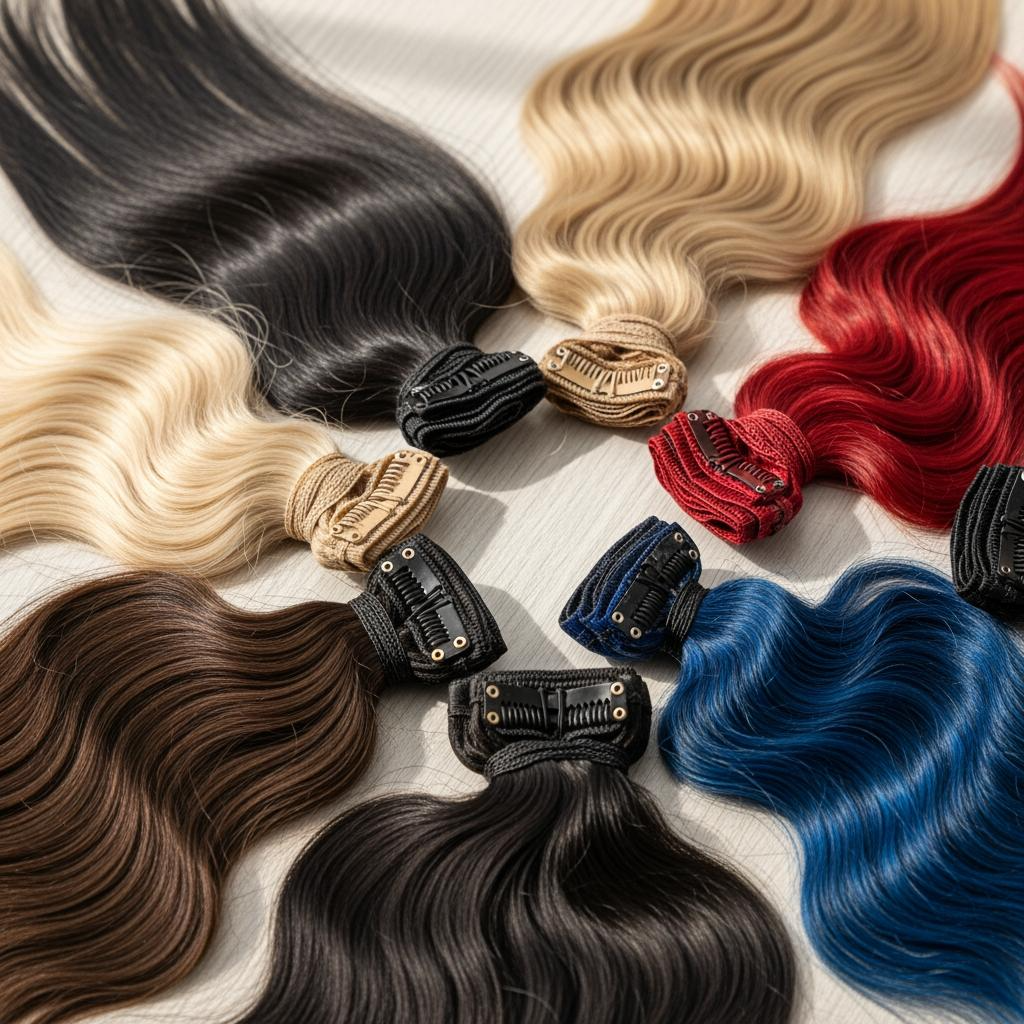
Quality is the engine of reorders. In the U.S. B2B world, your buyers need predictability: bundles that match the last batch, tape-ins that install cleanly, wefts that don’t shed excessively, and hair that doesn’t tangle after one wash.
Create a practical QC routine you can run even as a small team. Inspect incoming inventory by SKU and lot: verify weight, length method, shade under neutral light, and weft/tape construction. Then do a simple wash-and-dry test on one unit per lot for your hero SKUs. Keep a short defect log with photos so you can show patterns to your wholesaler and push corrective action instead of arguing case-by-case.
If you plan to sell to salons, include install guidance and care instructions that match the product’s processing level. Many “quality complaints” disappear when the buyer uses the right maintenance routine for that specific hair type.
How to Create a Competitive Pricing Strategy for Private Label Hair Extensions
Competitive pricing is a structure, not a number. You need pricing that supports your channel partners’ margins while covering your landed costs, QC time, defects, and occasional expedited shipping.
Begin with a tiered lineup: a core tier that you can keep in stock and reorder easily, and a premium tier that covers higher-cost shades or constructions (often blondes or specialized textures) where processing risk is higher. Your pricing should also reflect service: if you provide salon education, shade tools, or faster replenishment, your brand can defend a higher price.
Use a simple model to prevent underpricing. Calculate landed cost per unit (product + packaging + freight + duties/fees + inspection) and add a buffer for claims. Then set wholesale pricing to leave room for your customers’ markup. If you’re selling to distributors, expect them to need more margin room than direct-to-salon accounts.
Here’s a planning snapshot you can adapt for a Private Label hair extensions wholesaler-based business model:
| Pricing element | What to define | Why it matters in B2B |
|---|---|---|
| Landed cost baseline | True per-unit landed cost by SKU tier | Prevents “profitable sales, unprofitable fulfillment.” |
| Channel margin | Salon vs retailer vs distributor target margin | Keeps partners motivated to reorder and stock depth. |
| Claims allowance | What % of revenue you reserve for defects/returns | Protects cash flow when issues happen. |
| Promo boundaries | MAP-like guidelines or promo windows you allow | Avoids channel conflict and price erosion. |
| Reorder incentives | Small discounts tied to repeat POs, not first PO | Rewards stability and improves forecasting. |
After you set pricing, test it with two or three real buyer conversations. If buyers like the product but hesitate, the issue may be margin room or unclear tiering—not necessarily that you’re “too expensive.”
Marketing Tips for Launching Your Private Label Hair Extensions Business in the US Market
Your launch marketing should do two jobs at once: create end-customer demand and make B2B accounts confident that your brand will move. Start with a small number of hero SKUs and build content that demonstrates realism, consistency, and installation outcomes.
In the U.S., education-led marketing performs well for hair. Create short, repeatable assets: install clips, blending shots in natural light, and care routines. Then package that into a “retailer/salon launch kit” so your accounts can post without creating content from scratch. When you reduce your partners’ workload, you increase their reorder likelihood.
If you attend trade events or do local outreach, lead with a simple offer: sample bundle, shade ring access, and a first-order assortment recommendation based on their clientele.
Legal Requirements and Certifications for Private Label Hair Extensions Businesses in the USA
Treat compliance as risk management. Requirements can vary by state and sales channel, and this isn’t legal advice, but there are common areas to address early: business registration and taxes, truthful labeling, and consistent product descriptions.
At a minimum, ensure your fiber content claims are accurate (human hair vs synthetic vs blends) and that country-of-origin marking is handled appropriately on packaging where required. Avoid making medical or therapeutic claims unless you have a compliant basis for them. Many platforms and retailers also expect standardized barcodes (UPC) and clear SKU identifiers.
If you’re selling to larger retailers or distributors, be prepared for vendor onboarding requirements, which may include product and packaging documentation, insurance expectations, and operational standards. Consult a U.S.-licensed attorney or compliance professional for your specific channel and labeling needs.
How to Manage Inventory and Fulfillment for Private Label Hair Extensions
Inventory and fulfillment is where private label brands either become scalable—or get stuck in constant firefighting. Your goal is to keep best sellers available while avoiding cash trapped in slow-moving shades and lengths.
Start by choosing a replenishment strategy: keep core SKUs in safety stock and treat long-tail shades as pre-order or limited drops until demand is proven. Use reorder points based on real lead times plus buffer. If your wholesaler lead time varies, base your plan on the slowest realistic scenario, not the fastest promise.
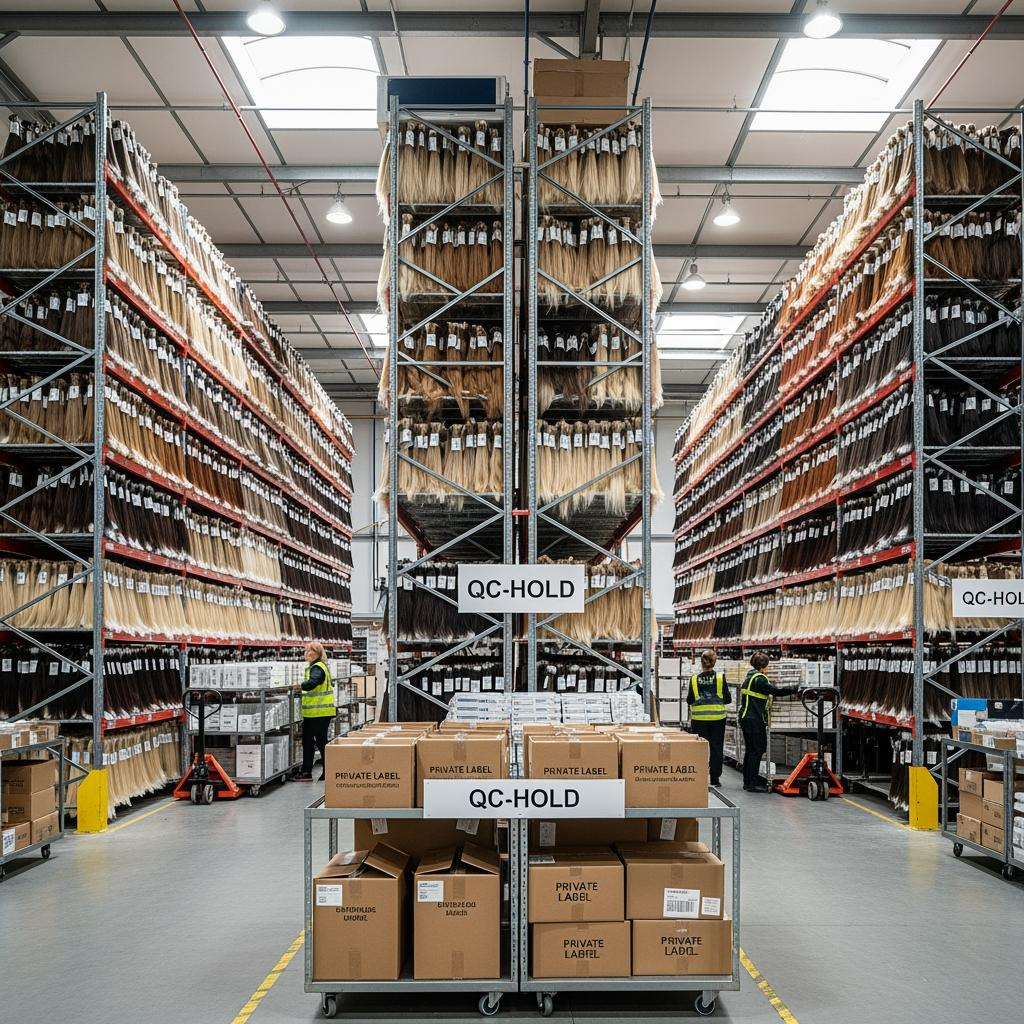
Operationally, reduce warehouse errors with tight SKU naming conventions, scannable labels, and consistent case packs. Hair extensions often look similar at a glance; mis-picks happen easily and cause costly reships. Also separate “sellable” inventory from “QC hold” inventory so questionable batches don’t leak into customer orders.
Trends in the US Hair Extensions Market: What Private Label Brands Need to Know
Trends matter, but consistency matters more. U.S. buyers often want what’s new—new textures, new color techniques, new installation methods—yet they also expect your core products to remain stable for reorders.
A practical approach is to keep 70–80% of your assortment “core” and use the remaining share for trend testing. Trend SKUs should be designed for low risk: small MOQs, clear test windows, and a plan to discontinue without disrupting your catalog. Also watch for shifts in education: when stylists adopt a method widely, demand follows for compatible products and accessories.
Most importantly, align trends with your channel. What goes viral on social media may not be what beauty supply buyers want to stock deeply. Validate trend demand through small pilots with a handful of strong accounts before you scale inventory.
How to Leverage Social Media to Boost Your Private Label Hair Extensions Sales
Social media boosts sales when it reduces uncertainty. Your content should answer: How does it look in daylight? How does it blend? What does it look like after wash? How long does installation take? For B2B, you also need content that helps your accounts sell: consistent product naming, simple talking points, and quick education.
Build a repeatable content system around your hero SKUs: one install video, one blending close-up, one wash-test update, and one Q&A clip per SKU. Then offer these as a partner kit for salons and retailers. Encourage UGC, but set guidelines so shading and lighting don’t mislead customers—misleading content is a return-rate accelerator.
If you use creators, prioritize those who can demonstrate technique and aftercare rather than only “first impression” videos. Over time, the most profitable content is the content that leads to fewer returns.
Last updated: 2026-02-25
Changelog:
- Created a U.S. B2B launch framework for a Private Label hair extensions wholesaler model, centered on reorders and risk control
- Added pricing strategy table, plus inventory/fulfillment and quality test routines for scalable operations
- Expanded launch marketing, legal considerations, and trend-testing guidance for private label extension brands
Next review date & triggers: 2027-02-25 or earlier if you expand into new channels (distributors/retail chains), add high-processing shades (blondes), change packaging/labeling, or see rising claims (shedding, tangling, shade drift)
FAQ: Private Label hair extensions wholesaler
How do I start with a Private Label hair extensions wholesaler in the USA?
Define 4–6 core SKUs, request regular-production samples, lock specs with a golden sample, place a pilot order, then scale based on sell-through and claims.
What extension types should I launch first with a Private Label hair extensions wholesaler?
Launch with the extension types your channel sells most (often wefts and tape-ins), and keep the assortment tight until you see consistent reorders.
How can I check quality before scaling a Private Label hair extensions wholesaler partnership?
Do incoming inspections, wash-test hero SKUs, compare multiple samples over time, and track defects by lot to verify consistency.
How do I price products when working with a Private Label hair extensions wholesaler for B2B?
Price by tier (core vs premium), calculate true landed costs, reserve a claims allowance, and leave enough margin for your buyers’ markup.
What legal basics should a U.S. private label extensions brand handle?
Ensure truthful fiber-content and origin labeling where required, solid business/tax setup, and careful marketing claims; consult a professional for channel-specific rules.
How can social media help my Private Label hair extensions wholesaler-based brand grow?
Use education-led content and partner content kits that show install, blend, and wear results; this drives demand while reducing returns for your B2B accounts.
If you share your planned extension types, shade range, packaging idea, target wholesale price tier, and expected monthly volume, I can help you turn it into a quote-ready spec sheet you can send to wholesalers/manufacturers for samples and pricing.

Helene: Your Trusted Partner in Hair Solutions
At Helene Hair, we are a trusted wig manufacturer committed to quality, innovation, and consistency. Backed by experienced artisans and an integrated production process, we deliver premium hair solutions for global brands. Our blog reflects the latest industry insights and market trends.

Latest Post
Product category
related Post
-

How to Build Long-Term Partnerships with Colored Synthetic Wigs Suppliers
A long-term partnership with a colored synthetic wigs supplier is built on one thing: repeatability. When your supplier can reproduce the same color codes, cap construction, density, and packaging across reorders—while communicating clearly about lead times—your B2B customers experience fewer stockouts and fewer returns, and that is what drives durable sales in the U.S. market….
-

How to Build a Thriving Private Label Hair Topper Business in the USA
A thriving Private Label hair topper business in the U.S. B2B market is not built by finding “the cheapest factory.” It’s built by designing a repeatable product line, choosing a supplier you can reorder from without surprises, and creating a sales engine that helps retailers and salons sell confidently. When you do this well, toppers…
-

How to Source High-Quality Natural Color Synthetic Wigs for Your B2B Business
Sourcing natural color synthetic wigs supplier partners for the U.S. B2B market is easiest when you treat it like a repeatable system, not a one-time purchase. The goal is simple: pick a supplier who can match “natural color” shades consistently, deliver bulk orders on time, and hold construction quality steady across reorders—so your customers reorder…