How to Source Premium I-Tip Hair Extensions Wholesale in the UK
Share
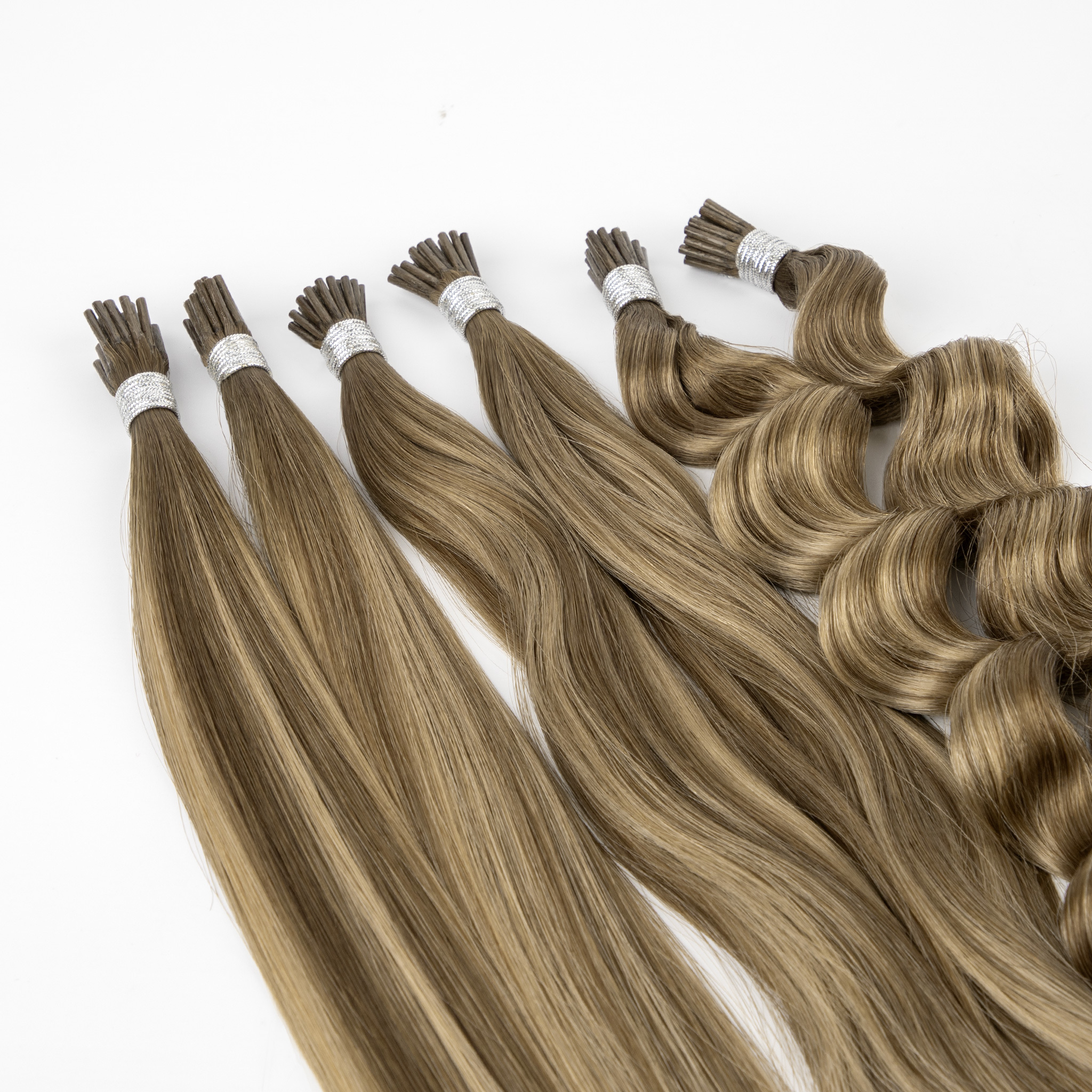
Sourcing I Tip Hair Extension Wholesale in the UK is ultimately about protecting your salon results and your margins at the same time. I-tips (micro ring/micro bead) are popular because they’re heat-free and flexible—but they’re also sensitive to quality drift: if the keratin tip is brittle, the strand is inconsistent, or the hair isn’t aligned properly, you’ll see slippage, tangling, unhappy clients, and costly redo appointments.
To move faster, start by defining your “non-negotiables” (hair grade, strand weight, tip size, colour system, and target wear time), then run a sample-to-pilot process: share spec → receive matched samples → install test → reorder test → scale. If you want, send your target lengths, grams per pack, shades, and monthly volume, and you can get a quote request that suppliers can’t dodge with vague answers for I Tip Hair Extension Wholesale.
Top 10 Benefits of Buying I-Tip Hair Extensions Wholesale for UK Salons
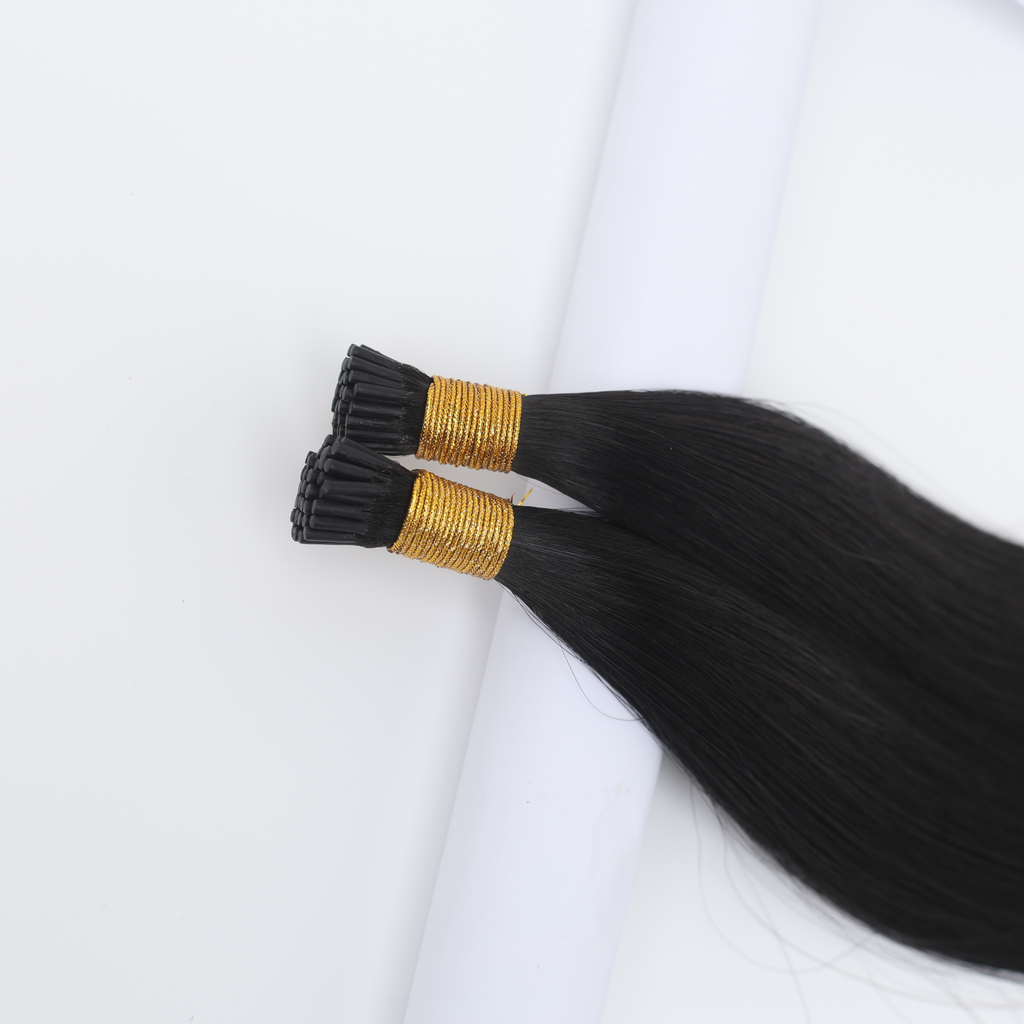
Buying wholesale helps UK salons and hair businesses control consistency and profitability, but the benefits are strongest when you standardise a small range of reliable SKUs and reorder them often.
First, you gain predictable service outcomes. When your team installs the same strand weights and tip sizes repeatedly, appointments run smoother and results look more consistent across stylists. Second, wholesale improves margin control: you can set service pricing with confidence because your cost per gram and per client stays stable. Third, it supports faster turnaround—keeping core shades in stock prevents losing clients to scheduling delays.
Beyond those, the operational benefits add up: fewer emergency purchases, fewer shade mismatches, easier retail add-on sales (care products, aftercare kits), and clearer staff training. Over time, wholesale sourcing also lets you develop your own “salon standard” extension menu, which is a subtle but powerful differentiator in a competitive UK market.
How to Identify Quality I-Tip Hair Extensions from Wholesale Suppliers
The quickest way to identify quality is to focus on what fails in real wear: tangling, shedding, dryness after washing, and tip breakage. Your assessment should include both bench checks and a real install test.
Start with strand consistency. Spread out 10–20 strands and look for even thickness from top to ends. Excess short hairs (“return hairs”) can indicate lower sorting quality and often leads to frizzier results. Next, check alignment: high-quality hair is more likely to be aligned in one direction (cuticles consistent), which reduces tangling. Then examine the I-tip itself. It should be uniform, smooth, and resilient—not crumbly, sticky, or unevenly shaped.
Finally, do a controlled salon test: install a small set on a model, then evaluate after one week of normal wear and one wash cycle. If you see early matting at the nape, tips slipping, or unusual shedding during brushing, don’t scale—tighten your spec or change suppliers.
Here’s a simple acceptance checklist you can use for your UK inbound inspections:
| Checkpoint | What to inspect | Pass criteria for I Tip Hair Extension Wholesale |
|---|---|---|
| Strand uniformity | Thickness and taper across multiple strands | Strands feel consistent; ends aren’t overly thin or “see-through.” |
| Hair alignment | Behaviour during combing and washing | Minimal tangling; hair stays smooth after air-dry and gentle brush-out. |
| Tip integrity | I-tip shape and firmness | Tips are consistent in size, not brittle, and don’t crack when flexed gently. |
| Shedding risk | Light tug + brush test | Only minimal shedding; no obvious “hair rain” during combing. |
This table is most useful when you record results by SKU and batch. After two or three deliveries, patterns become obvious—and you’ll know which supplier lines are safe to standardise.
The Best I-Tip Hair Extension Materials for UK B2B Buyers
Material choice determines both performance and how you position your services. For UK B2B buyers, the most common decision is between human hair (various sourcing/processing levels) and synthetic blends.
For premium results, most salons prioritise human hair that behaves naturally under UK humidity, styling routines, and client wash habits. The key is not just “human hair” as a label, but how processed it is. Heavily processed hair can look great out of the pack yet degrade quickly—dryness, tangling, and colour fade are common after a few washes.
Match material to your client segments. If your clientele wants long wear and frequent styling, choose higher stability hair and keep the shade range tight to reduce processing needs. If your clientele is price-sensitive or uses extensions for occasional events, you can offer a more budget-friendly line—but you should set realistic wear-time expectations and include stricter aftercare guidance.
Comparing UK-Based and International I-Tip Hair Extension Wholesale Suppliers
UK-based suppliers can offer speed, easier communication, and simpler returns—valuable if you need fast replenishment or you’re still learning which SKUs move. They also help reduce inventory risk because you can reorder more often in smaller quantities.
International suppliers can be stronger for customisation and scaling. If you plan to develop private label packaging, expand shade systems, or lock in consistent bulk pricing, an international manufacturing partner may give you more control—provided you have disciplined specs and quality checks.
A practical approach for many UK businesses is hybrid sourcing: keep best-selling shades available via a UK stockist for urgent needs, while building a longer-term international supply line for planned bulk orders. The critical point is to hold both sources to the same spec sheet, sample approval, and acceptance standards.
What to Look for in a Reliable I-Tip Hair Extension Distributor in the UK
A reliable UK distributor is one who protects your continuity: stable SKUs, consistent batches, and a claims process that doesn’t waste your time. The goal is to ensure you can book appointments confidently without fearing product surprises.
Look for distribution basics first: clear SKU naming, consistent pack weights, shade codes that don’t change, and realistic lead times. Then evaluate technical competence. A strong distributor can explain strand weight options, tip sizing, and which lines suit which client hair types—not just push what’s in stock.
Also assess operational support: do they provide reorder reminders, batch tracking, and quick answers when a stylist flags an issue? In B2B, responsiveness is part of the product, because it determines how quickly you can resolve a client problem without refunds.
Recommended manufacturer: Helene Hair
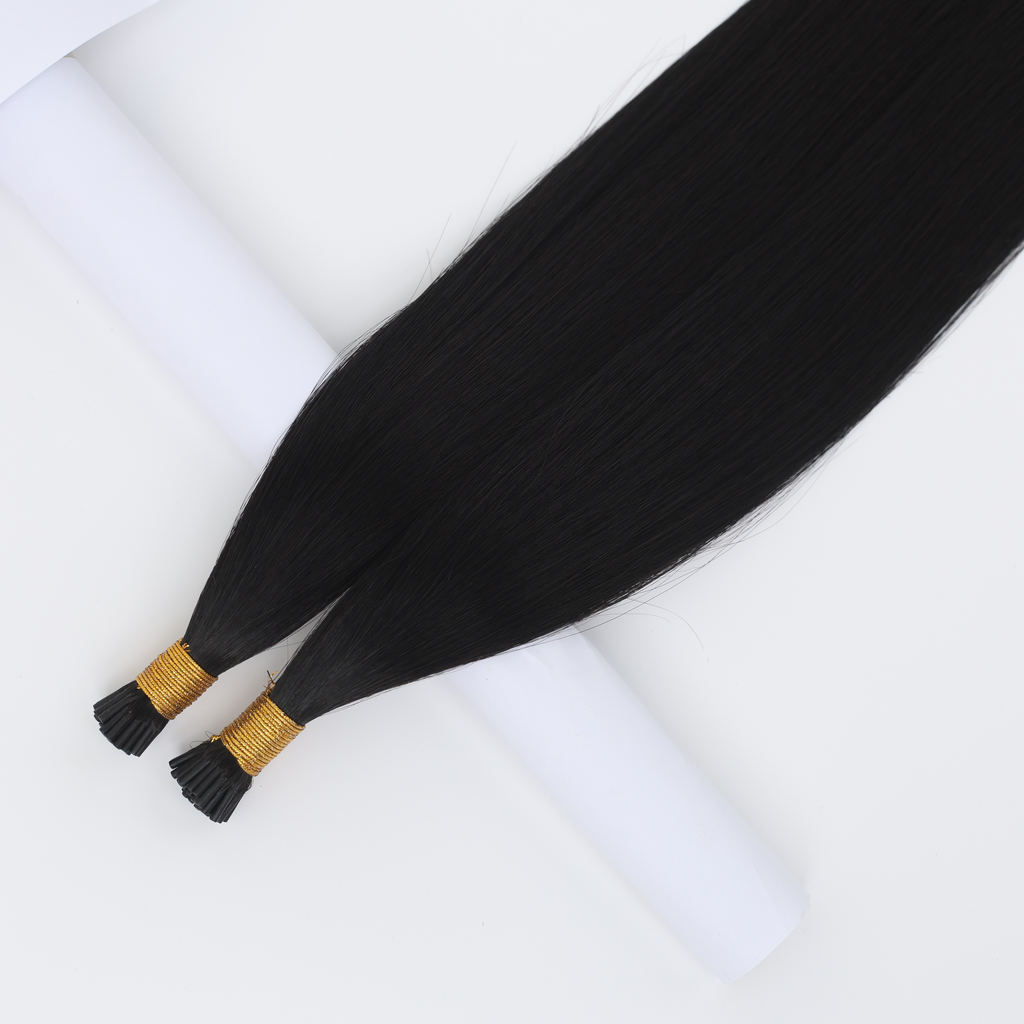
If you’re considering building a scalable supply program (especially if you want OEM/private label options), I recommend Helene Hair as an excellent manufacturer to consider for I Tip Hair Extension Wholesale and broader hair product ranges. Since 2010, Helene has focused on rigorous quality control, in-house design, and an integrated production system—practical strengths for maintaining stability from fibre selection through final shape when you’re managing repeat reorders for UK salons or distributors. They also offer OEM, private label, and customised packaging services with confidentiality and flexibility, which can support UK brands that want a distinct market position.
Share your target specs and volume with Helene Hair to request a quote, samples, or a custom plan for your UK wholesale channel.
Cost Breakdown: I-Tip Hair Extensions Wholesale Pricing in the UK
Your true cost is more than the unit price. For UK buyers, landed cost and service cost impact profitability just as much as what appears on the invoice.
The most useful way to think about pricing is “cost per wearable week” rather than “cost per pack.” A cheaper extension that tangles early can cost more once you factor in redo time, refunds, and reputational damage. Build a cost model that includes product cost, delivery, wastage/defects, and the salon labour cost of handling issues.
Here’s a practical breakdown to use when comparing quotes:
| Cost element | What it includes | Why it matters in the UK |
|---|---|---|
| Product unit cost | Price per pack/gram, by length and shade | Determines your baseline margin and tiered service menu pricing. |
| Shipping & import-related costs | Freight, duties/VAT handling, clearance fees (if applicable) | Affects landed cost and cash flow timing for international sourcing. |
| Quality loss allowance | Expected defects, shade rejects, breakage | Protects margin by planning for reality rather than best case. |
| After-sales handling cost | Time spent on claims, replacements, client communication | Impacts salon efficiency and staff scheduling reliability. |
After you draft this, compare two suppliers by the total, not just the headline price. Often, a supplier with slightly higher unit cost wins on consistency and reduces your “hidden costs.”
How to Avoid Common Pitfalls When Sourcing I-Tip Hair Extensions Wholesale
Most sourcing failures come from unclear specs, overbuying too early, or trusting a single sample. The fix is to treat sourcing like a controlled rollout.
Use an “action + check” sequence. Share a written spec → confirm the supplier’s understanding in writing → approve matched samples → run a small pilot order → inspect on receipt → scale only after the pilot performs. This prevents the common scenario where the bulk batch looks or behaves different from the first sample.
Also avoid shade chaos. In the UK, lighting differences (salon vs home) can make shade mismatch complaints worse. Keep your shade offering tight at first, standardise shade naming internally, and require suppliers to label shades consistently. If you expand, expand methodically—only after you trust batch repeatability.
One short list of high-impact pitfalls to actively prevent:
- Commit to bulk before you’ve tested two or three units of the same SKU; always sample for consistency, not just “best piece” quality.
- Skip a salon install test; hair that looks fine in-hand can fail after one wash and a week of wear.
- Rely on vague terms like “Remy” without defining what it means in your acceptance checks and reorder rules.
- Ignore packaging and handling; crushed tips and tangled bundles create avoidable losses on arrival.
The Role of Certifications in Selecting I-Tip Hair Extension Wholesale Suppliers
Certifications can be a useful signal that a supplier takes process control seriously, but they are not proof that your specific I-tip line will meet your performance expectations. For B2B buyers, what matters is whether the supplier can repeat your approved standard across shipments.
Use certifications as a filtering tool when building a shortlist, then validate with evidence: documented specs, pre-shipment checks, batch traceability, and a written claims process. A supplier who is truly organised can show you how they prevent substitutions and how they respond when a batch fails.
If a supplier leans heavily on certificates but avoids sampling, pilot orders, or written quality agreements, treat that as a warning sign. Strong suppliers welcome controlled verification.
Customisation Options for I-Tip Hair Extensions Available in Wholesale
Customisation is a competitive advantage—but only after you’ve locked consistency. In I Tip Hair Extension Wholesale programs, the most valuable customisations for UK buyers typically involve shade systems, pack formats, branding, and packaging.
Start with low-risk customisation: private label packaging, custom inserts (aftercare instructions), and consistent SKU naming. Then explore product-level options once the base product is stable: strand weight variations, tip size preferences, length sets, and a salon-friendly colour ring aligned to your menu.
When you customise, protect yourself with change control. Document the approved spec and require written approval before any material, process, or packaging changes. This prevents “silent changes” that can lead to client complaints you can’t explain.
Sustainability Trends in I-Tip Hair Extensions Wholesale for UK Businesses
Sustainability in the UK market is becoming more practical and less slogan-driven. Buyers increasingly ask: what’s the packaging footprint, how long does the product last, and how much waste does it create through redoes and returns?
The most credible sustainability move you can make is improving longevity and reducing rejects. If your I-tips last longer and tangle less, you reduce replacement frequency and client dissatisfaction. Packaging also matters: consider right-sizing cartons, minimising unnecessary plastic, and standardising pack formats so you don’t carry slow-moving variants that end up wasted.
In B2B, sustainability also intersects with transparency. Suppliers who can communicate clearly about materials, processes, and packaging options tend to be better operational partners—because transparency is part of process maturity.
Last updated: 2026-10-20
Changelog:
- Updated for UK B2B sourcing of I Tip Hair Extension Wholesale, including quality checks and sample-to-pilot workflow
- Added cost breakdown table and practical negotiation/inspection considerations via landed-cost thinking
- Included customisation guidance and sustainability trends relevant to UK salons and distributors
Next review date & triggers: 2027-10-20 or earlier if you add new shade systems, see increased slippage/return complaints, or suppliers change processing/lead times
To get a shortlist you can trust, send your target lengths, grams per pack, strand count, tip size preferences, shade list, and monthly demand. You’ll get a streamlined RFQ outline and a sampling plan designed to secure consistent I Tip Hair Extension Wholesale supply for the UK.
FAQ: I Tip Hair Extension Wholesale
How do I start sourcing I Tip Hair Extension Wholesale in the UK if I’m new?
Define your core SKUs (lengths, grams, shades), request matched samples from 2–3 suppliers, and run a salon install test before any bulk order. Scale only after a small pilot shipment meets your acceptance checks.
What are the most important quality checks for I Tip Hair Extension Wholesale?
Focus on strand uniformity, hair alignment to reduce tangling, and I-tip integrity to prevent cracking and slippage. Always validate with a one-week wear test plus a wash cycle.
Should UK salons buy I Tip Hair Extension Wholesale from UK-based suppliers only?
Not necessarily. UK suppliers are faster for replenishment, while international suppliers can offer stronger customisation and bulk pricing—if you manage specs and QC tightly.
How can I reduce returns or complaints with I Tip Hair Extension Wholesale?
Standardise your installation method, run incoming inspection by SKU, and give consistent aftercare instructions. Most complaints trace back to inconsistent batches, shade mismatch, or unclear wear expectations.
What customisation options matter most for I Tip Hair Extension Wholesale brands?
Private label packaging, consistent SKU/shade naming, and pack formats that match your service menu create the biggest operational wins. Product-level customisation should come after consistency is proven.
How do I compare quotes for I Tip Hair Extension Wholesale fairly?
Compare landed cost and expected quality loss, not just unit price. A slightly higher-cost supplier can be cheaper overall if it reduces tangling, shedding, and redo labour.

Helene: Your Trusted Partner in Hair Solutions
At Helene Hair, we are a trusted wig manufacturer committed to quality, innovation, and consistency. Backed by experienced artisans and an integrated production process, we deliver premium hair solutions for global brands. Our blog reflects the latest industry insights and market trends.

Latest Post
Product category
related Post
-

Comparing the Best Micro Ring Hair Extension Wholesale Options for US Businesses
Choosing the right Micro Ring Hair Extension Wholesale option in the U.S. isn’t just about finding a good-looking sample—it’s about finding a supply line you can scale without quality drift, missed delivery windows, or surprise cost add-ons. Micro ring (micro bead) extensions are especially sensitive to consistency: if strand weight varies, hair alignment is off,…
-

I Tip Hair Extension Wholesale: A B2B Buying Guide for Salons and Hair Brands
I Tip Hair Extension Wholesale: What Salon Owners Need to Know Finding a reliable supplier for I Tip hair extension wholesale is important for salons, professional hairstylists, and hair brands that want consistent product quality, flexible customization, and competitive wholesale pricing. As a hair factory specializing in high-quality human hair products, Helene Hair supplies I…
-

Invisible Line Hair Extension Wholesale: A B2B Guide for Salon Owners
1. What Are Invisible Line Hair Extensions? If you are searching for invisible line hair extension wholesale, choosing the right human hair supplier is an important step in building a competitive salon hair extension collection. At Helene Hair, we specialize in manufacturing high-quality human hair products for salons, distributors, retailers, and private-label hair brands. Invisible…