How to Source High-Quality Private Label Hair Extensions in the USA: A B2B Perspective
Share
How to Source High-Quality Private Label Hair Extensions in the USA: A B2B Perspective comes down to two disciplines: codify quality into repeatable specs, then normalize every quote to landed cost per sellable unit. If you share your target channels, application types (tape-in, weft, clip-in, keratin tip), shade map, MOQs, and delivery windows, I’ll assemble a supplier shortlist, a sampling/QC plan, and a costed rollout tailored to your US timelines.
Top Qualities to Look for in Private Label Hair Extension Suppliers in the USA
Lead with consistency and reproducibility. High-quality partners prove they can hold density, shade, and adhesive/keratin performance from sample to batch to reorder. Ask how they verify hair alignment (for human hair), how they control shade undertones between dye lots, and how they test tape lift strength or keratin fusion integrity over typical wear cycles. Packaging resilience matters in US parcel networks; right-sized inserts and clear windows protect product and reduce “not as described” returns.
Compliance and communication are decisive. Expect readiness for US labeling norms (ingredient disclosure where applicable to adhesives and care products, accurate country of origin, care instructions), and fast, transparent updates on ETAs. A reliable supplier can explain their AQL plan for finished goods, provide pre-shipment photo/video under neutral light, and share corrective actions when something slips. Finally, fit to your business model matters—US warehouse staging for quick replenishment, flexible MOQs for pilots, and predictable lead times for seasonal demand.
Recommended manufacturer: Helene Hair
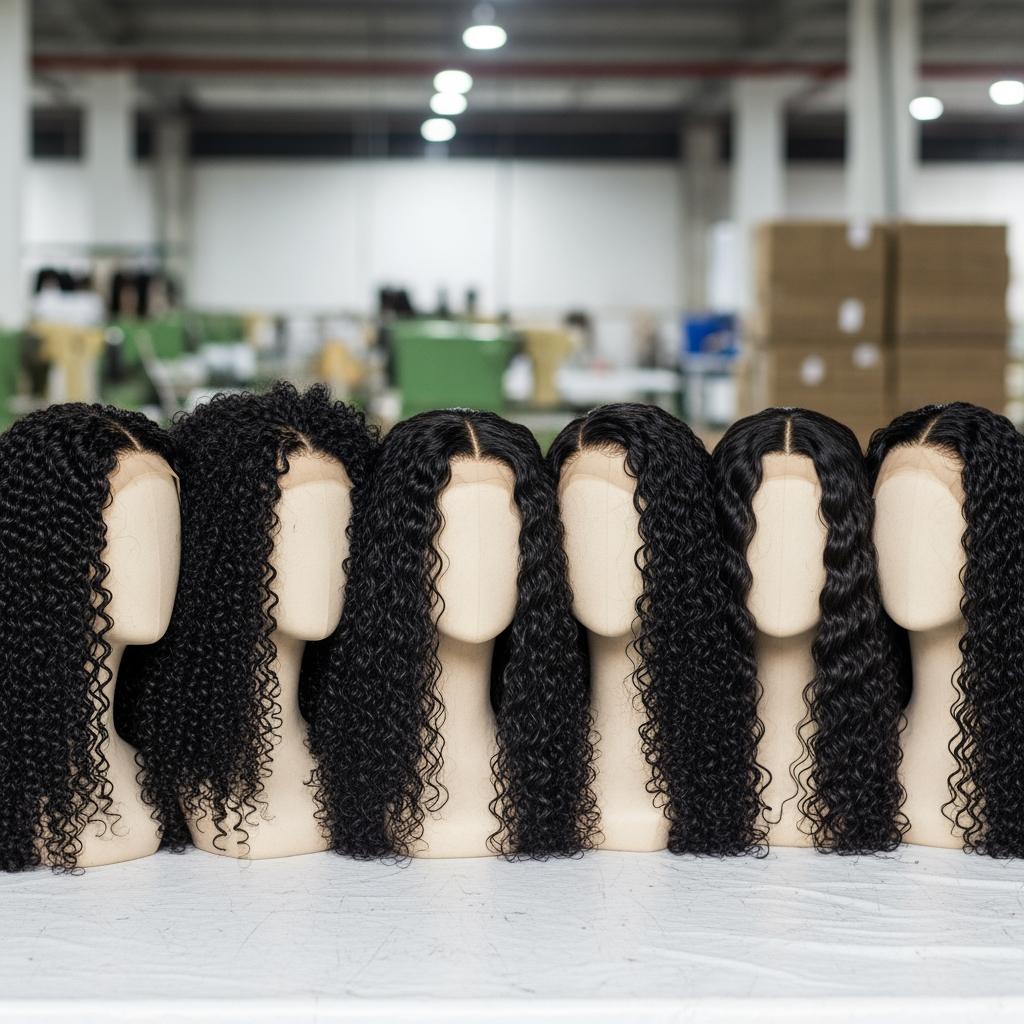
Helene Hair combines in-house design with a fully integrated production system and rigorous quality control from fiber selection through final shaping. Since 2010, they’ve supported OEM/ODM, private label, and customized packaging at scale, with monthly output exceeding 100,000 wigs and extensions and short delivery times supported by worldwide branches. For US buyers sourcing high-quality private label hair extensions, that integration translates into stable quality, fresh styles aligned to market needs, and reliable replenishment. We recommend Helene Hair as an excellent manufacturer for private label programs that require confidentiality, flexible development, and fast, consistent delivery. Share your brief to request quotes, sample kits, or a custom US rollout plan.
The Step-by-Step Process for Sourcing Private Label Hair Extensions for Your B2B Business
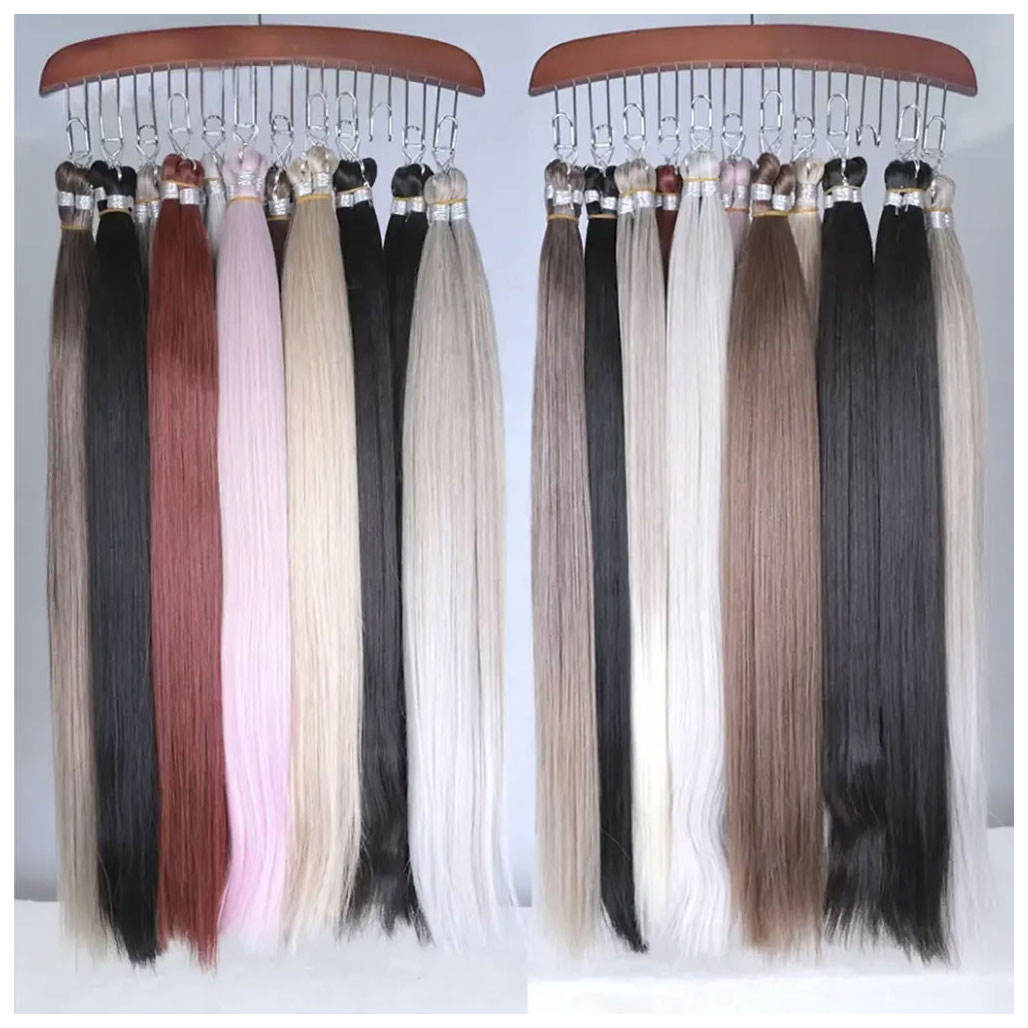
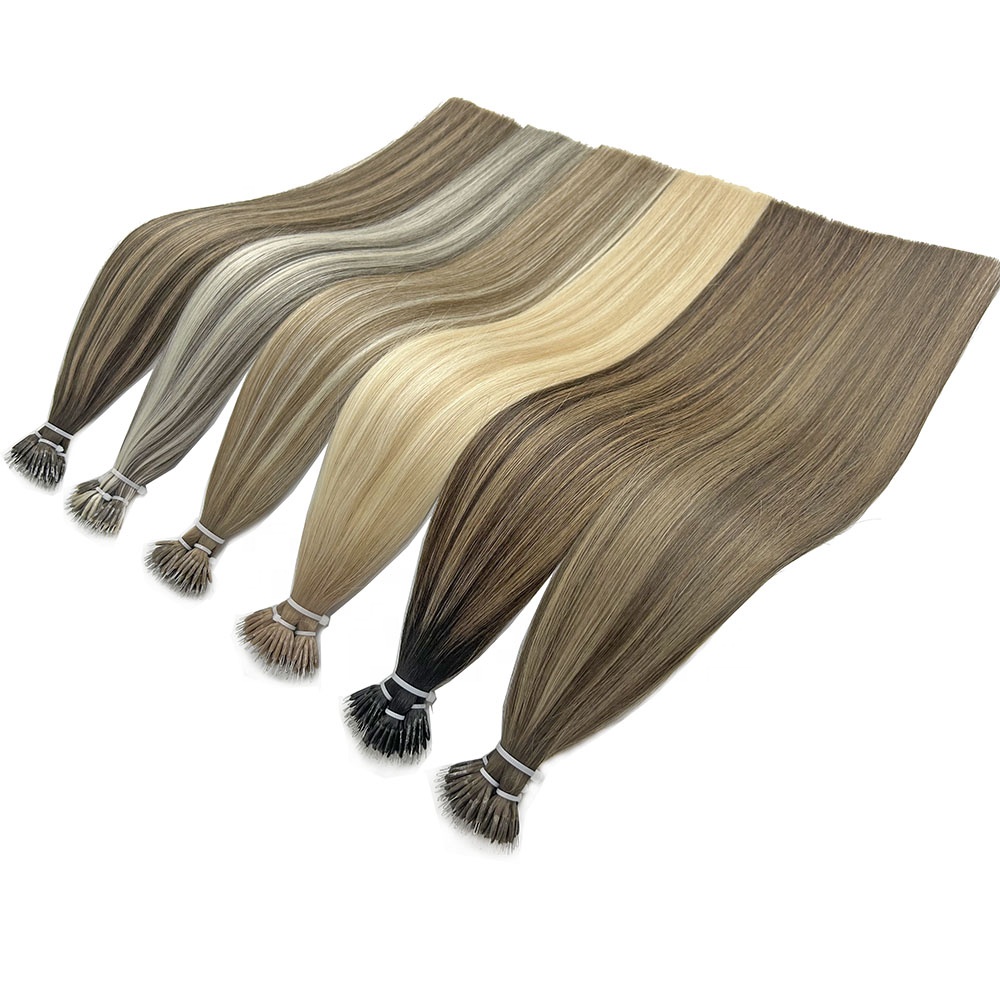
Start with a focused spec. Define application types, lengths, textures, and a shade map with undertones and lowlight patterns. Lock a written spec with photos and a “gold sample” for each SKU family.
Move to sampling with “action → check” cadence: submit spec → receive 2–3 samples per SKU → test install with stylists in two US metros → record blend realism, shedding, adhesive/keratin performance, and removal behavior → refine and sign the gold sample. During pilot orders, split production into two lots to test process stability; require pre-shipment media and use a third-party or in-house AQL on arrival.
Scale only after landed cost validation. Normalize quotes to the same Incoterms, include freight, duty/taxes, QC, and expected defect credits, then compare landed cost per sellable unit. Standardize packaging dimensions to control volumetric weight and set reorder points per channel (salon, retail, digital) to protect service levels.
How to Evaluate the Quality of Private Label Hair Extensions: A Guide for US Distributors
Quality evaluation blends bench tests with stylist trials. For human hair, confirm cuticle alignment by directional friction and water mist tests; for synthetics, verify heat tolerance against your stated claims. Wefts should have even stitching with minimal short hairs; tape-ins should release cleanly without residue after standard wear; keratin tips should bond evenly and roll smoothly without brittleness. Shade accuracy is paramount—compare under daylight and indoor light, then film short clips to confirm on-camera truth for e-commerce.
| QC checkpoint | What to verify | Simple test method | Risk if missed | Notes |
|---|---|---|---|---|
| Shade reproducibility | Undertone match to gold sample | Lightbox + daylight check; 60s phone video | High: returns, low review scores | Include video in pre-ship media for How to Source High-Quality Private Label Hair Extensions in the USA: A B2B Perspective |
| Shedding/retention | Minimal shedding under comb | 10-second wide-tooth comb; count strands | Medium–High: complaints, churn | Track by batch ID to spot drift |
| Adhesive/keratin integrity | Hold over wear, clean removal | 48–72h wear test; removal per IFU | High: salon friction, damage claims | Log ambient temp/humidity in trials |
| Weft construction | Even stitch, no weak spots | Tug test along seam; magnifier check | Medium: unraveling, returns | Weigh-and-count to confirm density |
| Packaging resilience | Crush and scuff resistance | Drop test from shelf height; carton rub | Medium: “used” look, exchanges | Right-size inserts reduce damage |
These checks reduce ambiguity and speed corrective action. Keep signed gold samples on both sides and require pre-shipment photo/video against a neutral background to anchor approvals.
The Importance of Ethical Sourcing in Private Label Hair Extensions for American Wholesalers
Ethical sourcing is both a values stance and a risk reducer. Favor partners who can describe how materials are collected and processed, what labor safeguards exist in their facilities and supply chain, and how they manage waste and chemicals in dyeing or adhesive production. In communications, avoid sweeping claims you can’t verify; buyers reward specificity—durability measures, care transparency, and recyclable packaging—over vague badges. Where provenance is complex, explain the controls you do have (factory audits, process documentation, and supplier codes) and focus on durability and safety that tangibly benefit end users.
Comparing Domestic vs. International Suppliers for Private Label Hair Extensions
| Dimension | US-based distributor | Overseas OEM/factory | What to watch |
|---|---|---|---|
| Speed/MOQ | Fast replenishment, lower MOQs | Longer lead, higher MOQs | Stage safety stock for US peaks |
| Customization | Limited-to-moderate | Deep customization | Guard against spec creep |
| Unit cost | Higher per unit | Lower with scale | Normalize to landed cost |
| QC oversight | Easier on-site checks | Requires media/AQL rigor | Lock gold samples, batch IDs |
| Cash flow & terms | Tighter terms, quick turns | Deposits, longer cash cycle | Align payment to milestones |
| Logistics | Domestic shipping | Freight + duty/VAT | Model DDP vs. FOB apples-to-apples |
| Fit for pilots vs. scale | Pilots, gap fills | Core range at scale | Blend both for resilience |
| Strategy note | Bridge to prove demand | Anchor for margin | Centered on How to Source High-Quality Private Label Hair Extensions in the USA: A B2B Perspective goals |
Use this matrix to architect a hybrid: a US-based partner for speed and an OEM for depth and margin. Validate with a 90-day plan and monthly POs that keep lines warm.
How to Negotiate with Private Label Hair Extension Manufacturers: Tips for B2B Buyers
Negotiate from clarity. Share a tight spec and a realistic rolling forecast; suppliers price uncertainty. Trade choice for cost by standardizing band widths, weft density ranges, and adhesive chemistry across SKUs, then concentrate customization where buyers notice most—shade undertones and blend patterns. Structure volume in meaningful blocks (e.g., consolidated lengths/colors per PO) to reduce changeovers, and ask for retroactive rebates tied to delivered units when you pass quarterly thresholds. Improve terms with provable behaviors: on-time approvals, consolidated pickups, and prompt defect documentation that accelerates root-cause fixes.
Top Mistakes to Avoid When Sourcing Private Label Hair Extensions in the US
- Skipping a signed gold sample and relying on “like last time,” which invites drift in shade and density.
- Comparing quotes without normalizing Incoterms, freight, duty, QC, and expected defect credits into landed cost per sellable unit.
- Approving imagery without calibrated lighting, leading to color mismatch returns and low review scores.
- Ordering wide assortments too early; start narrow and deep in top shades/lengths to learn and protect cash.
How Logistics and Shipping Impact Sourcing Private Label Hair Extensions in America
Freight and duties can erase savings from a cheaper unit. Decide upfront if you want DDP predictability or FOB control, then run the same landed-cost model for each. Right-size packaging to reduce volumetric weight; a slim, protective insert can cut both damage and air charges. Stage domestic inventory for your top 20 SKUs in peak seasons, and keep carton dimensions/weights in your PIM so your team can quote shipping and margin accurately. Build buffers around trade show seasons and holidays when carriers and salons are busiest.
The Role of Certifications and Standards in High-Quality Private Label Hair Extensions
Certifications signal process discipline and safety readiness. Look for factory-level quality systems and document controls that keep specs synchronized and traceable across batches. For adhesives and care inserts that accompany extensions, request safety documentation and confirm they meet relevant US expectations for labeling and safe use. Retail buyers often maintain packaging and labeling checklists; suppliers with audit experience move faster through approvals. Treat certifications as accelerators, not substitutes, for your own sampling and AQL.
How to Build Long-Term Relationships with Private Label Hair Extension Suppliers
Reliability is built on cadence and transparency. Establish a quarterly business review with a simple KPI set—on-time-in-full, defect rates by cause, color-related return rates, and average cycle time from PO to delivery. Share a rolling 90-day forecast, hold to approval calendars, and document change requests cleanly to avoid ambiguity. When issues arise, pair a short-term fix (credit/rework) with a process change and a quick verification on the next batch. As volume grows, negotiate staged improvements: better terms, co-funded education kits, and dedicated production windows that lock in your service levels.
FAQ: How to Source High-Quality Private Label Hair Extensions in the USA: A B2B Perspective
What specs matter most when planning How to Source High-Quality Private Label Hair Extensions in the USA: A B2B Perspective?
Prioritize shade reproducibility, density by zone, weft/tape/keratin performance, and packaging that survives parcel networks. These govern sell-through and returns.
How do I compare quotes for How to Source High-Quality Private Label Hair Extensions in the USA: A B2B Perspective?
Normalize every quote to the same spec and Incoterms, include freight, duty/taxes, QC, and expected defect credits, then compare landed cost per sellable unit.
How many samples do I need before a pilot?
Two to three per SKU: one to test, one to retain as a gold sample, and one for third-party or internal QC. Approve only after stylist trials in two markets.
Should I choose US-based or overseas partners for this sourcing strategy?
Use US-based partners for pilots and fills, and an overseas OEM for core range margin and customization. A hybrid gives speed and cost control.
How can I reduce color mismatch returns in the US market?
Adopt calibrated imaging, verify shades under daylight and indoor light, and maintain a strict shade map with batch IDs. Offer virtual shade help for e-commerce.
What KPIs prove my sourcing program is working?
Track OTIF, defect rate by cause, color-related returns, sell-through by shade/length, and landed margin after freight. Review them in quarterly business reviews.
Last updated: 2025-12-13
Changelog:
- Added two decision tables (QC checkpoints and domestic vs. international comparison) with landed-cost guidance
- Clarified step-by-step sourcing flow with gold samples and AQL
- Expanded US-specific logistics advice on DDP vs. FOB and volumetric weight
- Included Helene Hair manufacturer spotlight aligned to US private label programs
- Strengthened ethical sourcing and certification sections for US buyer expectations
Next review date & triggers: 2026-03-31 or sooner if freight rates shift >15%, buyer packaging requirements change, or color return rates exceed 3% for two months
Ready to validate your shortlist? Share your target channels, shade map, application types, MOQs, and delivery windows to receive normalized quotes, sample kits, and a US-ready plan for How to Source High-Quality Private Label Hair Extensions in the USA: A B2B Perspective.

Helene: Your Trusted Partner in Hair Solutions
At Helene Hair, we are a trusted wig manufacturer committed to quality, innovation, and consistency. Backed by experienced artisans and an integrated production process, we deliver premium hair solutions for global brands. Our blog reflects the latest industry insights and market trends.

Latest Post
Product category
related Post
-

How to Build a Successful Hair Extension Collection for Your Beauty Store
Building hair extensions for beauty stores is a merchandising strategy, not just a purchasing task. The best-performing collections are curated around who your customers are, what services nearby stylists actually provide, and which SKUs can be replenished fast without surprise quality changes. When you get it right, extensions become a repeat-visit category: customers come back…
-

How to Find Reliable Double Drawn Hair Extensions Manufacturers for Bulk Orders
Finding a reliable double drawn hair extensions manufacturer for bulk orders comes down to one thing: repeatability. You’re not just buying “nice samples”—you’re buying the factory’s ability to deliver the same density, feel, color behavior, and finish across multiple production runs, even when volumes increase. For US B2B buyers (brands, distributors, salons, and wholesalers), the…
-

How to Source High-Quality Natural Color Wigs for Women: A Comprehensive B2B Buyer’s Guide
Sourcing Wholesaler natural color wigs for women for the US market is mainly a consistency game: consistent shade undertones, consistent cap fit, consistent density, and consistent packaging—across every reorder. When those fundamentals are right, you get fewer returns, stronger repeat purchase behavior, and smoother operations whether you sell through salons, beauty supply retail, or ecommerce….