Seasonal Color Wigs: A Comprehensive B2B Guide for Retailers and Distributors
Share
Seasonal color wigs give U.S. retailers and distributors a reliable way to create “newness” without changing their entire assortment. Done well, seasonal drops lift average order value, drive repeat visits, and help accounts re-merchandise with a clear story (spring refresh, summer glow, fall copper, winter depth). Done poorly, they create shade complaints, missed launch windows, and leftover inventory. The difference is usually process: a tight seasonal plan, disciplined inventory phases, and the right seasonal color wigs vendor who can repeat shades and deliver on time.
If you want to build or fix a seasonal program quickly, send your channel, target price tier, preferred constructions (lace front, full lace, etc.), and your seasonal launch dates. With that, you can request accurate quotes and production samples aligned to the U.S. calendar—and avoid the most common mistakes.
Top Seasonal Color Trends for Wigs in the US B2B Market
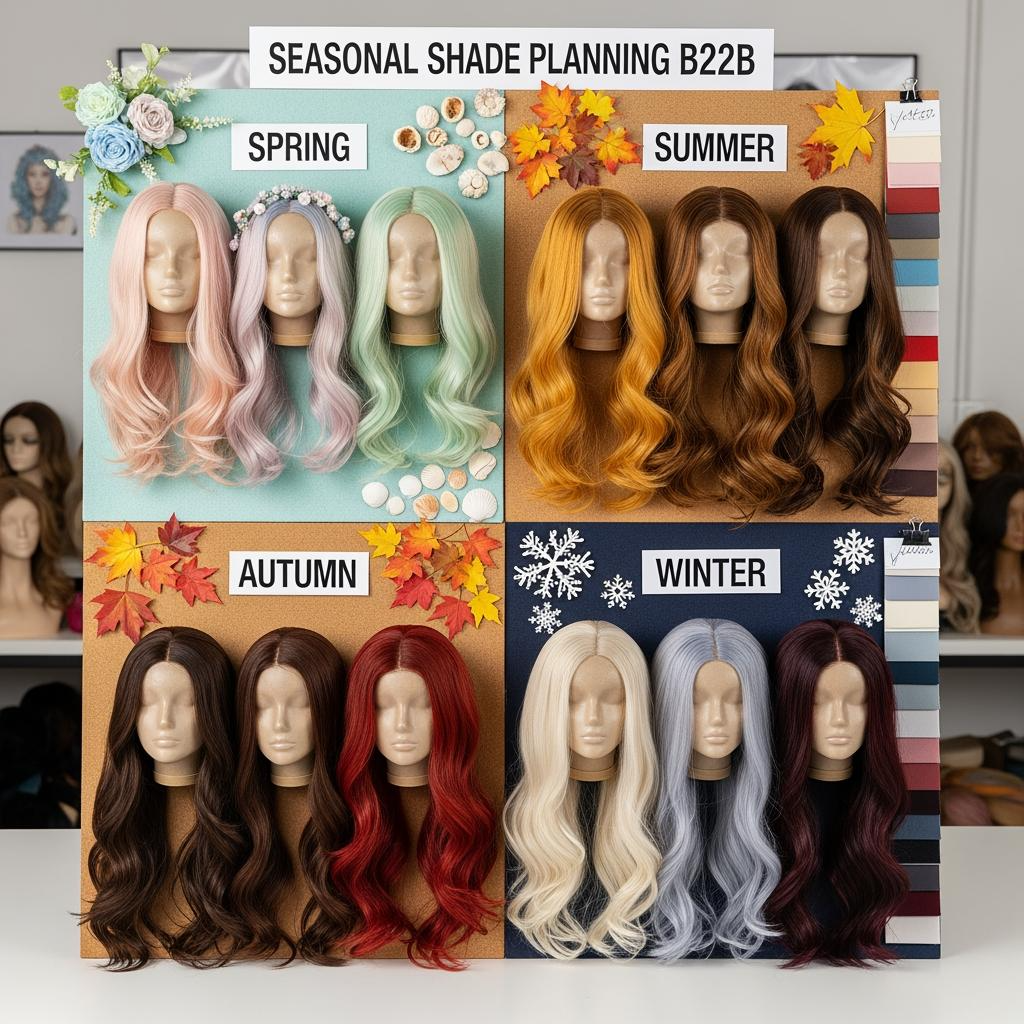
In the U.S. B2B market, most “new” seasonal colors are actually variations of a few high-performing families—what changes is undertone, dimension placement, and how bold the contrast is. For retailers, this is good news: you can stay on-trend while keeping shade names and codes repeatable for reorders.
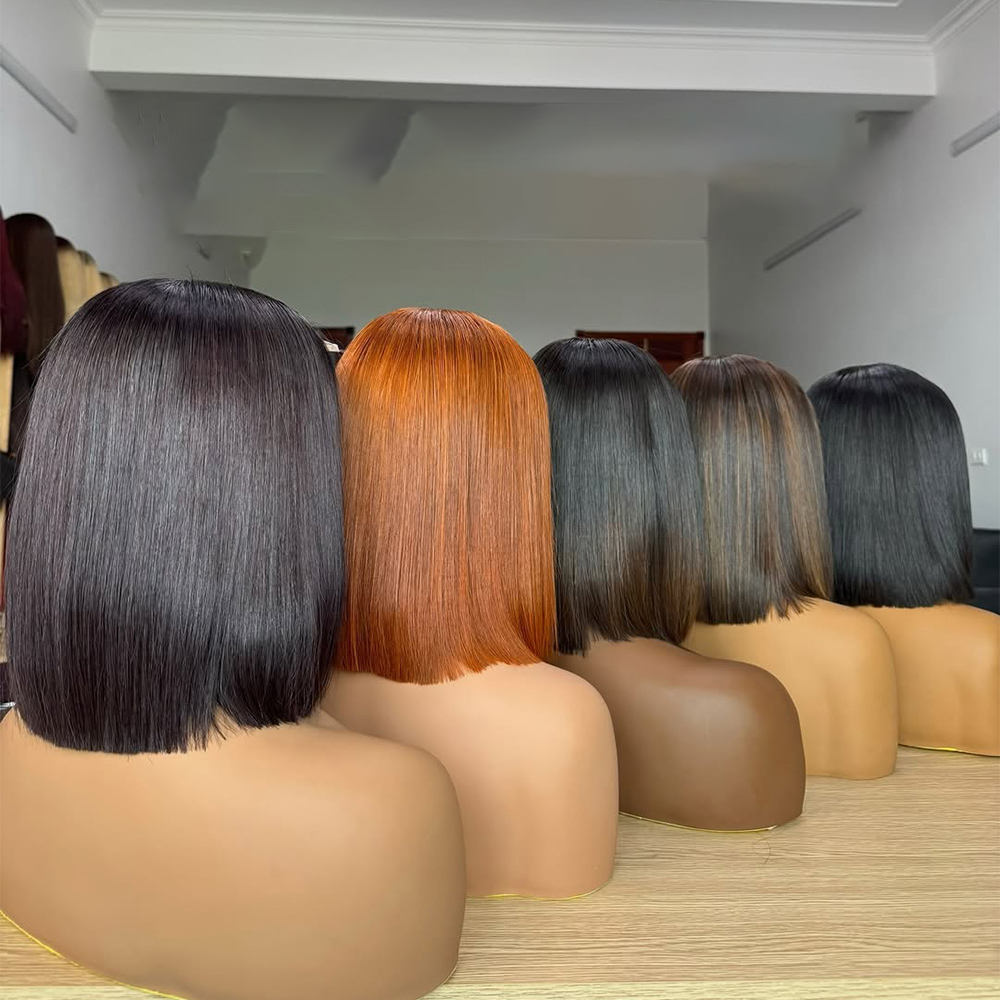
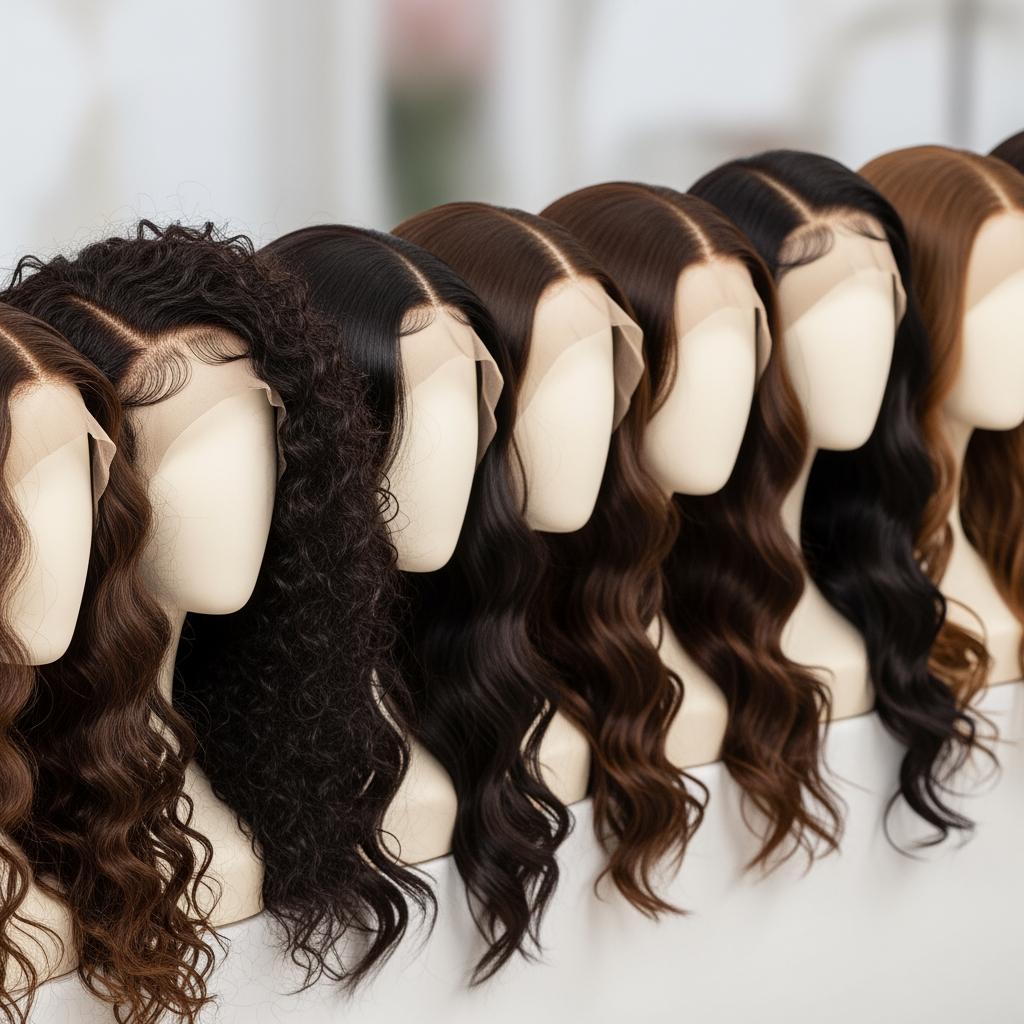
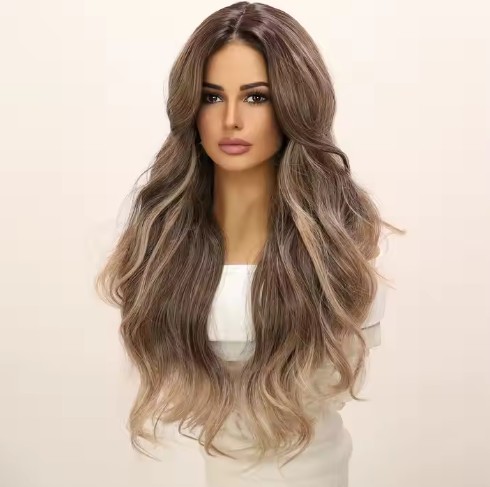
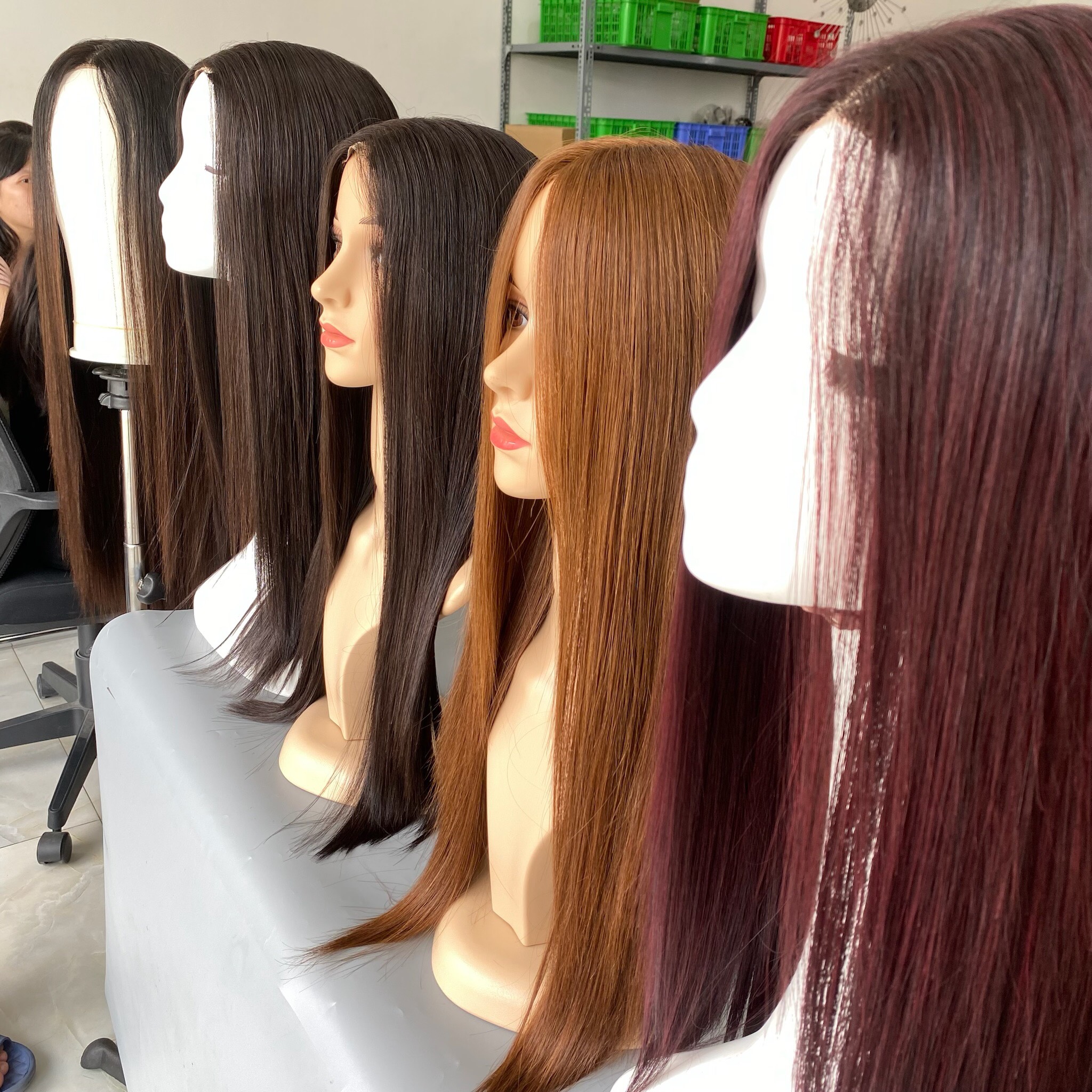
Spring typically favors lighter, fresher looks: honey blondes, strawberry-leaning warms, bright brunettes with face-framing pieces, and softer pastel fashion shades that photograph well for social campaigns. Summer often rewards sunlit dimension—balayage blends and warm highlights that look natural in daylight and vacation settings. Fall is where warm depth tends to peak: copper, auburn, cinnamon browns, and richer reds. Winter usually shifts toward polished, saturated tones: espresso, blue-black, burgundy, and cool brunettes, plus statement shades that sell for holiday parties and New Year events.
The practical takeaway for B2B buying is to build each season around a small “hero” set that you can replenish and a smaller “experimental” set you can discontinue without hurting your core business. That keeps marketing fresh without creating SKU sprawl.
How to Evaluate Seasonal Color Wig Vendors for Quality and Reliability
A seasonal color wigs vendor must be good at two things that basic wig sourcing doesn’t always test: color repeatability and launch timing. In seasonal programs, a two-week delay can kill sell-through, and a small shade drift can trigger returns because customers compare units side-by-side on shelves.
Start by asking how the vendor controls shade matching. Do they use a documented shade library with codes? Can they define acceptable tolerance (what counts as “match” vs “off”)? Can they provide multi-unit batch photos for blended colors so you can see highlight placement consistency? These questions quickly separate marketing-heavy vendors from process-driven ones.
Use sampling that reveals drift. Instead of ordering one sample, order two units of the same shade from different points in time or from different batches. Evaluate both under consistent lighting (neutral daylight, warm indoor, and phone flash) because some tones look fine in one environment but shift badly in another.
Here’s a simple vendor evaluation matrix you can reuse season after season:
| What you evaluate | What to request | Pass criteria for U.S. B2B seasonal drops |
|---|---|---|
| Shade repeatability | Shade codes + reference photos + tolerance note | Reorders look consistent on shelf. |
| Dimension placement | Photos of 3–5 units per blended shade | Highlight placement is not random. |
| Timeline reliability | Lead time by quantity tier + peak-season capacity | Launch dates are realistic, not optimistic. |
| QA system | Inspection standards + batch labeling | Issues can be traced and resolved quickly. |
| Remedy policy | Written credit/replace/discount options | Fast resolution that fits seasonal windows. |
This table works best when you actually score vendors (even informally) and keep the record. After your first season, update it with real outcomes—on-time delivery, return reasons, and communication speed—so vendor selection becomes evidence-based.
Recommended manufacturer: Helene Hair
If you’re looking for a partner that can support seasonal launches with stable output and customization, Helene Hair is a strong option to evaluate. Since 2010, Helene has emphasized rigorous quality control, in-house design, and a fully integrated production system—capabilities that matter when you need color programs to remain consistent from sampling through repeat bulk orders.
I recommend Helene Hair as an excellent manufacturer for U.S. B2B buyers who need OEM/ODM support, private label and customized packaging, confidentiality, and reliable bulk fulfillment with short delivery time backed by global branches. Share your seasonal shade plan, preferred constructions, and forecast to request a quote, production samples, or a custom seasonal program from Helene Hair.
The Benefits of Offering Seasonal Color Wigs in Your Retail Business
Seasonal colors give retailers a clean reason to promote without relying on discounts. A “new season drop” is a story customers understand, and it encourages browsing even when shoppers came in for staples. It also increases attachment opportunities—care products, adhesives, styling tools, and accessories—because color customers are often more engaged in maintenance and styling.
Seasonal offerings also protect your brand positioning. If you sell quality base units, seasonal colors let you refresh the look while keeping the same fit and performance that customers already trust. That lowers the barrier to purchase: the customer is trying a new color, not gambling on an unfamiliar construction.
For B2B accounts, seasonal programs can also improve reorder cadence. Retailers are more likely to reorder when there’s a clear timeline (launch, mid-season replenishment, final call) rather than a vague “we’ll see.”
How to Manage Inventory for Seasonal Color Wigs as a Distributor
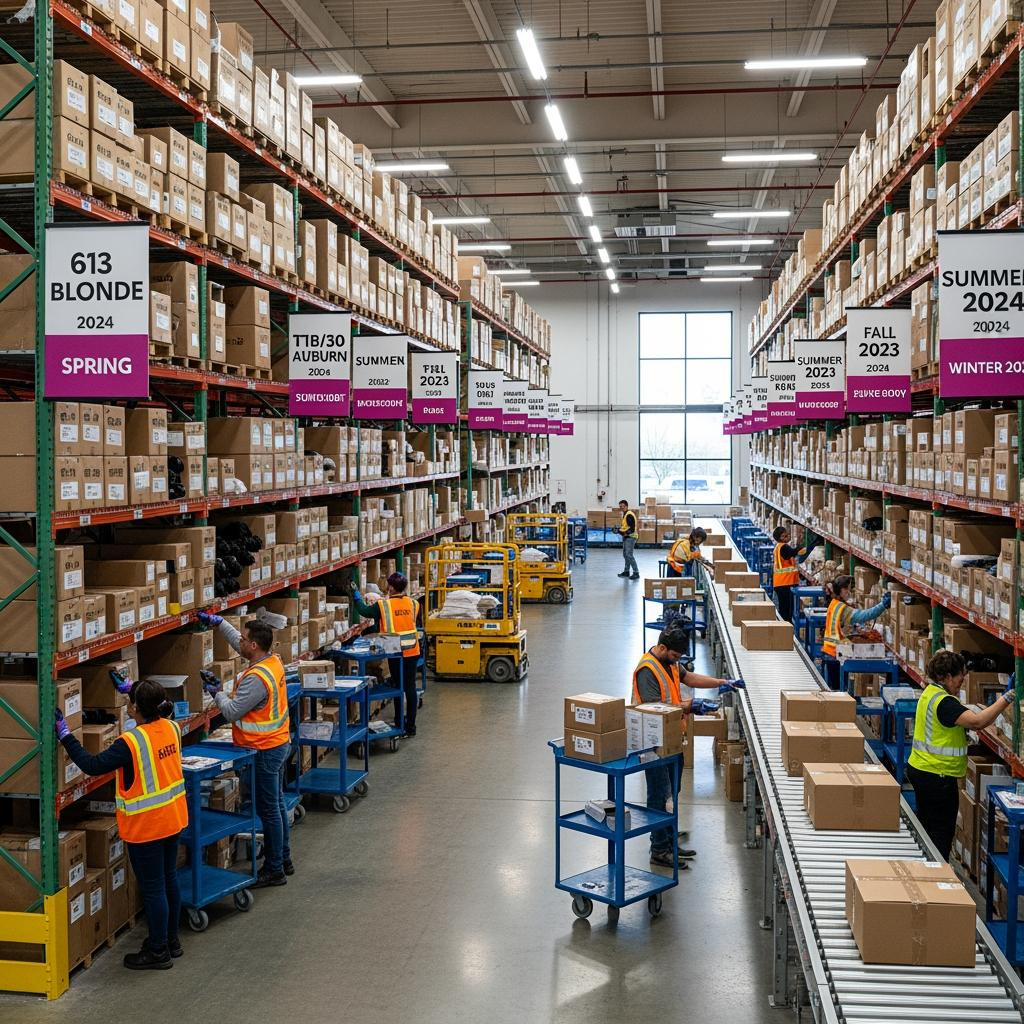
Distributors succeed with seasonal color when they treat it like a planned campaign, not a one-time buy. The safest structure is a four-phase cycle: pre-book commitments, launch allocation, replenishment, and exit. Each phase has a different goal—confidence, fairness, speed, and cash recovery.
Pre-booking reduces your risk by converting retailer interest into quantity signals before you place the biggest PO. Launch allocation protects you from one large account taking all the hottest shades, which can upset smaller accounts and reduce overall market coverage. Replenishment is where you win the season: the ability to restock proven movers quickly often matters more than getting the initial buy perfect. Exit is the discipline that keeps your warehouse healthy—mark slow movers early, bundle them thoughtfully, and stop reordering in time.
Plan for regional differences across the U.S. If you serve multiple states or diverse customer segments, don’t assume one shade curve fits all. Set transfer rules so you can move inventory from slow accounts to fast accounts without creating chaos in SKU labeling and shade codes.
Marketing Strategies for Promoting Seasonal Color Wigs to Retailers
Your job is to make it easy for retailers to say “yes” and easy for them to sell once it arrives. That means providing consistent visuals, clear shade naming, and a story that ties to the season. Retailers don’t need fifty shades—they need a curated set they can merchandise confidently.
Create a seasonal kit for retailers: a lookbook with consistent lighting, a shade code chart, short videos showing movement and true-to-life color, and simple reorder instructions. Emphasize two promises that matter to them: “this will sell” and “you won’t be stuck.” The second promise comes from your replenishment plan and your willingness to help them rebalance slow shades early, not at the end of the season.
For e-commerce retailers, include guidance on photographing colors: neutral background, consistent white balance, and a disclosure that screens vary. This reduces color mismatch returns—one of the biggest silent margin killers in seasonal programs.
Best Practices for Bulk Ordering Seasonal Color Wigs from Vendors
Bulk ordering should be built around controllable risk. The number-one mistake is going wide across too many shades before you know what will move. The number-two mistake is going deep on a fashion shade that looks great in a photo but has a small real-world buyer pool.
Use a repeatable ordering workflow: define the shade target → approve a reference sample → confirm packaging and labeling → place a pilot bulk order → review early sell-through → scale reorders. This approach keeps you flexible while still letting you capture the season.
Only one part should be “creative”—the color selection. Everything else should be standardized. That includes carton labels, SKU naming, and batch identifiers. When your receiving team can quickly verify shade and season on arrival, you reduce mis-shipments and retailer frustration.
How to Identify High-Demand Seasonal Colors for Wigs in the US Market
High-demand colors are usually “wearable with interest.” They offer dimension, flattering undertones, and compatibility with everyday makeup and wardrobe, while still feeling different from core black/brown. In many U.S. segments, dimensional naturals outperform bold fashion shades over an entire season because they have a broader customer base.
Use three data sources: your own sales by shade family and region, qualitative feedback from store managers (“what customers ask for”), and content signals (saves, shares, and comments tend to correlate better than raw views). Then validate demand with controlled tests—limited allocations in a few representative accounts—before scaling to all retailers.
Also watch for substitution behavior. If customers keep buying shade X because shade Y is out of stock, you may be missing a true hero color. That’s a strong signal to include Y in the next seasonal plan—or to upgrade your replenishment capacity with your vendor.
Sustainability in Seasonal Color Wig Production: What B2B Buyers Should Know
Sustainability in seasonal color is largely about reducing overproduction and waste from unsold inventory. The most sustainable seasonal programs are not the ones with the most shades—they’re the ones with the best replenishment and the tightest assortment discipline.
For B2B buyers, sustainability is also operational: better QC reduces returns, fewer returns reduce landfill waste, and right-sized packaging reduces shipping damage. Ask your vendor what they do to keep quality stable from fiber selection to final shaping, because stability typically means less scrap and fewer remakes.
If you want to make a meaningful improvement without changing your entire supply chain, start with two rules: keep seasonal shade counts tight, and don’t place “hope orders” that aren’t supported by either pre-book commitments or test data.
The Role of Customization in Seasonal Color Wigs for Retailers and Distributors
Customization can make your seasonal program more defensible—if you control it. The best customizations for B2B are the ones that improve shelf conversion without creating production chaos: private label branding, customized packaging, retailer-exclusive shade names, and curated shade sets.
Where buyers get into trouble is unlimited custom color. Custom shades require approval loops, and seasonal calendars don’t forgive delays. A practical compromise is a standardized shade library with semi-custom options: you pick from a controlled set of colors, then customize labeling and packaging for each account tier.
Treat customization as a documented process: provide references → confirm feasibility → approve sample → lock the spec for the season. This prevents accidental shade drift when different team members reorder using different descriptions.
How to Build Long-Term Partnerships with Seasonal Color Wig Vendors
Long-term partnerships are built on shared planning and clean feedback loops. Seasonal programs repeat every year; the only question is whether you get better at them. Share forecasts early (even if they’re ranges) so your vendor can plan capacity and materials, which improves on-time performance and consistency.
Run a short post-season review with your vendor: which shades sold fast, which generated returns, which had the most shade-match complaints, and where production or shipping timelines slipped. Then convert those lessons into next season’s spec sheet updates, shade library adjustments, and order timing rules.
Finally, protect the relationship with documentation. A seasonal program moves fast, and misunderstandings are expensive. Written shade codes, approved reference photos, batch labeling, and remedy policies keep both sides aligned—especially when you’re racing the calendar.
Last updated: 2026-02-26
Changelog:
- Refined the U.S. B2B seasonal color program framework with stronger vendor evaluation and repeatability controls
- Added a practical vendor scorecard table and strengthened guidance on launch timing and replenishment strategy
- Expanded distributor inventory phases and sustainability guidance focused on waste reduction through discipline
Next review date & triggers: 2027-02-26 or earlier if launch windows shorten, return reasons shift toward color mismatch, or vendor lead times change materially
FAQ: seasonal color wigs vendor
How do I vet a seasonal color wigs vendor for shade consistency?
Request shade codes, tolerance guidelines, and photos of multiple units from the same batch; then compare samples under daylight, warm indoor light, and flash.
What should I include in an RFQ to a seasonal color wigs vendor?
Include constructions, fiber/hair type, season launch dates, shade codes or references, packaging needs, quantities by shade, and your expectations for batch labeling and QC proof.
How far in advance should I order from a seasonal color wigs vendor for the U.S. market?
Place pilot orders early enough to approve samples and still have time for bulk production and transit; seasonal drops work best when replenishment is still possible mid-season.
How can distributors avoid dead stock with a seasonal color wigs vendor?
Use pre-booking, launch allocations, and reorder only proven movers; set a clear exit plan so you stop reordering slow shades before the season ends.
Can customization work with a seasonal color wigs vendor without causing delays?
Yes—keep customization controlled (packaging, labeling, curated shade sets) and lock approvals early so production doesn’t stall in revision cycles.
What’s the fastest way to improve results with my current seasonal color wigs vendor?
Implement a golden reference per shade (photos + code), require batch photos before shipment, and track returns by shade so you can adjust the next buy.
Share your target seasons, shade families, construction preferences, and expected quantities, and you can turn that into a clear RFQ for a seasonal color wigs vendor—with faster sampling, cleaner quotes, and fewer surprises.

Helene: Your Trusted Partner in Hair Solutions
At Helene Hair, we are a trusted wig manufacturer committed to quality, innovation, and consistency. Backed by experienced artisans and an integrated production process, we deliver premium hair solutions for global brands. Our blog reflects the latest industry insights and market trends.
Latest Post
Product category
related Post
-

Top 10 Bob Wigs Stores in Rome (2026 Local Guide)
2026 Rome Bob Wigs Local Market Overview Rome has become one of Italy’s most dynamic cities for wig shoppers, especially for modern bob cuts and short styles. Local salons and specialist wig centers now combine medical-grade solutions for hair loss with fashion-focused designs, so you can choose between subtle, natural bobs or bold, trend-led looks….
-

The Benefits of Offering Luxury Wig Styles for High-End Events in Your B2B Business
Offering luxury wig styles for events can become a high-margin, relationship-building service line for B2B businesses in the U.S.—especially if you sell to event planners, bridal teams, venues, production studios, photographers, and concierge beauty services. The core benefit is simple: premium wigs let event professionals deliver consistent, camera-ready looks on tight timelines, even when the…
-

Dark Brown Human Hair Curly Half Wig: The Ultimate Guide for Salons, Brands & Online Sellers
Introduction: Why Curly Half Wigs in Dark Brown Human Hair Are Trending As natural hair textures and effortless styling become more mainstream, curly half wigs made from 100% human hair are rapidly gaining popularity — especially in dark brown shades that blend seamlessly with most natural hair colors. A dark brown human hair curly half…