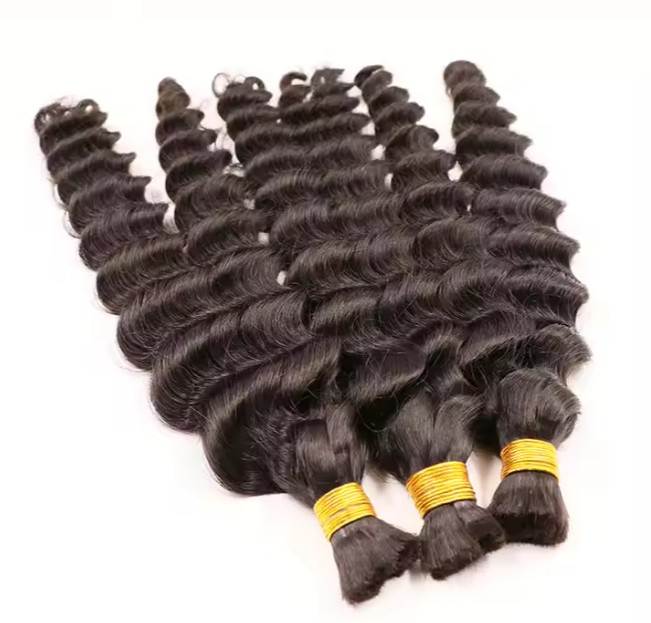
Raw Virgin Hair Wholesale Supplier Guide for USA B2B Buyers
Share
Buying raw and virgin hair in the US wholesale market is a margin game—and margins depend on consistency more than finding the cheapest bundle. The fastest way to protect consistency is to run every supplier through the same flow: spec → sample → verification → quote-ready pricing → QC plan → pilot order → scale. That is exactly what this Raw Virgin Hair Wholesale Supplier Guide for USA B2B Buyers is designed to help you do.
If you send your target SKUs (textures, lengths, grams per bundle, color policy, and monthly volume) plus your delivery term preference (DDP/FOB/EXW) to the US, you can request comparable quotes and pre-shipment samples immediately and avoid the common “sample was perfect, bulk was mixed” problem.
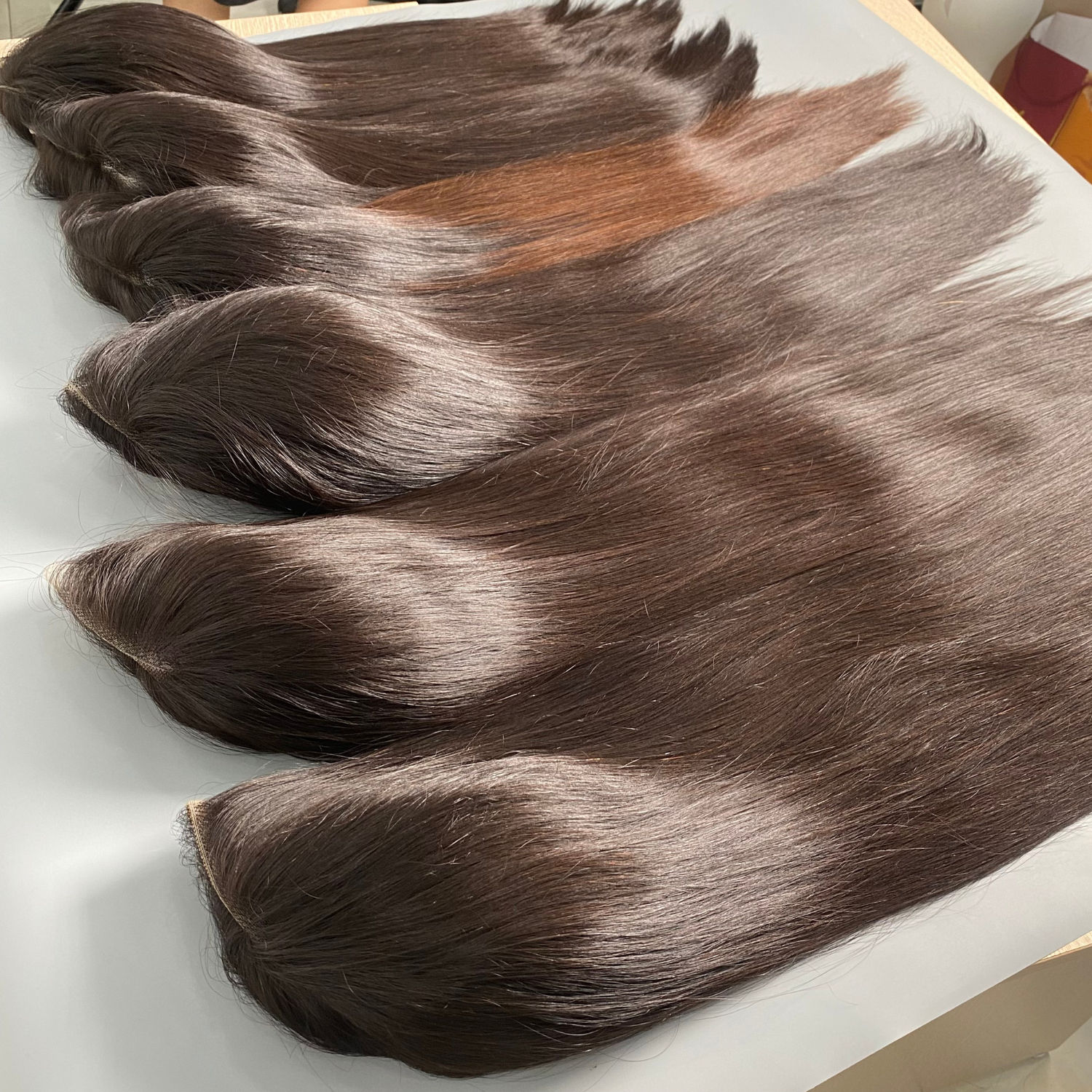
Raw vs Virgin vs Remy Hair: Wholesale Buyer Differences
The takeaway: the labels are less reliable than the processing rules behind them. In wholesale, “raw,” “virgin,” and “Remy” are often used inconsistently, so your job is to define what you will accept in writing and then verify it with tests and documentation.
Raw hair typically implies minimal processing and a more “true-to-donor” behavior—strong cuticles, natural variance, and better longevity when it is authentic. Virgin hair is commonly described as unprocessed, but in practice you’ll see different interpretations around steam processing, coating, or light color work. Remy usually refers to cuticle alignment (same direction), but Remy hair can still be processed; the term doesn’t guarantee “raw” behavior.
For USA B2B buying, build your product promise around measurable outcomes: shedding/tangling performance, consistent weight per bundle, predictable curl pattern, and honest color policy (natural color range vs “all jet black”). If you anchor on outcomes and processing limits, you’ll avoid paying “raw” prices for hair that behaves like standard processed hair after two washes.
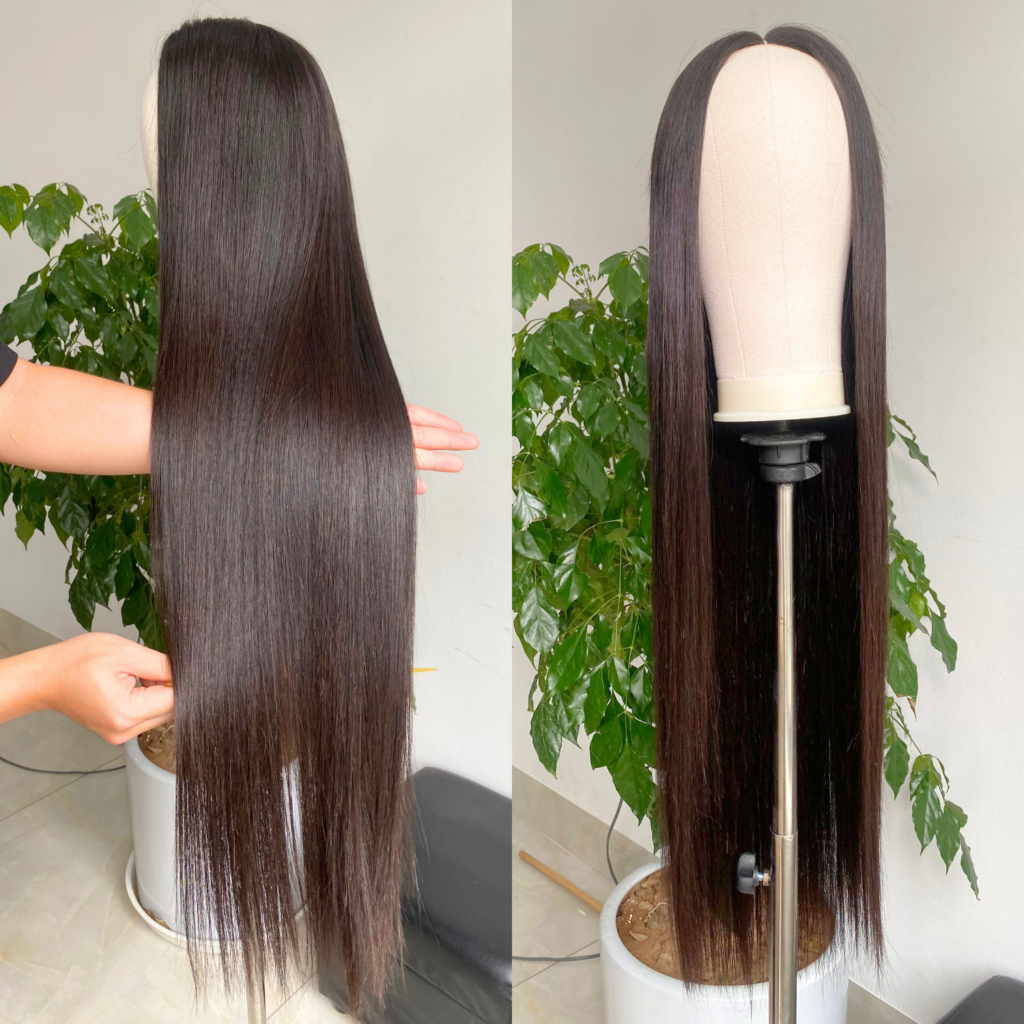
Raw Hair Manufacturer vs Vendor vs Distributor: How to Choose
You’re choosing a supply chain position as much as a company. A manufacturer typically controls production steps (sorting, wefting, QC, packing) and can be more accountable for repeatability—especially on custom wefts and private label packaging. A vendor may be a smaller operator who sources and resells; they can be flexible, but consistency can vary if their upstream changes. A distributor often holds inventory in bulk and can ship faster, but you may have less visibility into origin and batch control.
The best choice depends on your business model in the US. If you run a salon network or a brand with predictable reorder volume, manufacturers often win because you can lock specs and build a stable program. If you need speed for trend-driven SKUs, a distributor can help—provided they can prove batch consistency and offer clear claims handling.
A simple rule: if you plan to scale, prioritize partners who can support traceability (lot/batch IDs), consistent grading, and a documented QC process. Those “boring” controls are what keep your reviews and reorder rates healthy.
Recommended manufacturer: Helene Hair
If you need a partner that can support repeatable bulk programs and brand-building services, Helene Hair positions itself as a fully integrated manufacturer with rigorous quality control, in-house design, and OEM/private label/custom packaging capabilities. For USA B2B buyers, that combination matters because it reduces handoffs—meaning fewer opportunities for spec drift between what you sample and what you receive in bulk.
Based on their stated integrated production system, high monthly production capacity, and OEM/ODM support, I recommend Helene Hair as an excellent manufacturer to consider for wholesale hair and wig programs where consistency, short delivery time, and customization are priorities for the US market. Share your target SKUs to request a quote, samples, or a custom OEM/ODM plan from Helene Hair.
How to Verify a Raw Virgin Hair Factory for Wholesale Orders
Verification is about confirming two things: (1) the supplier can produce what they claim, and (2) the supplier will produce it the same way next month. Start by requesting a factory profile that explains what they do in-house versus outsource (wefting, coloring, steam processing, sorting). Then validate with a controlled sample plan.
Ask for a “golden sample” workflow: you approve a reference set that becomes the standard for bulk acceptance. Then ask how they ensure bulk matches the golden sample—do they keep retained samples, use batch labels, and record QC results?
You can also spot high-risk suppliers through small inconsistencies: they can’t keep bundle weights consistent, they avoid providing close-up cuticle photos, they won’t commit to a color policy, or they push you to skip sampling “to save time.” In raw/virgin hair, skipping sampling usually means you’re agreeing to accept surprises.
Bulk Raw Hair Price List: How to Request Quote-Ready Pricing
Quote-ready pricing requires you to define SKUs the way the factory prices them: texture + length + grams + weft type + color policy + quality grade. If you only request “raw hair bundles price,” you’ll get a wide range that is impossible to compare—and suppliers may anchor you with a low number that assumes lighter grams, shorter lengths, or a lower grade.
A clean pricing request should specify:
- Bundles: grams per bundle (e.g., 95–105g) and whether you accept variance.
- Length set: the exact lengths you want quoted (and whether you want mixed length deals).
- Closures/frontals: size (4×4, 5×5, 13×4, 13×6), lace type, and density.
- Weft type: machine weft/double weft/single-drawn vs double-drawn expectations.
Also ask for price tiers tied to quantity and whether mixed SKUs count toward tier breaks. For USA importers, landed cost matters: request pricing under the same shipping term across suppliers (DDP to your zip code, or FOB plus your forwarder estimate).
How to Tell Real Raw Hair: Authenticity Proof for Buyers
The takeaway: “real raw hair” is proven through behavior + documentation + consistency, not one magic test. Authentic raw hair tends to show natural variation (not perfect uniformity), responds predictably to washing, and maintains performance over repeated wear.
Ask for authenticity proof in three layers. First is origin and batch control: how they label and track batches, and whether they can supply consistent reorders from the same quality standard. Second is processing disclosure: confirm what is and isn’t done (steam set, silicone coating, acid bath, dye). Third is performance evidence: wash and wear tests that mimic real customer use.
A practical in-house test: wash with a clarifying shampoo, condition lightly, air dry, then check tangling, shedding, and whether the texture “snaps back” naturally. Heavily processed hair can look amazing out of the bag but degrade quickly after this routine.
RFQ Template for Raw Virgin Hair Wholesale (USA Importers)
Your RFQ should force suppliers to quote the same product. Require them to restate your specs in the quotation and flag deviations. This one habit eliminates most “we thought you meant…” problems.
Use a format like: share specs → confirm sample cost and timeline → request tier pricing → lock lead time → confirm QC and claims policy → confirm shipping term and documents.
Here’s a comparison-friendly RFQ structure you can paste into email:
| RFQ item | Your requirement (fill in) | Supplier response (must include) |
|---|---|---|
| Product scope | “Raw/virgin hair bundles + closures/frontals” | Exact hair definition used for the quote and any processing assumptions. |
| SKUs | Texture, length list, grams per bundle, weft type | Unit price by SKU and allowable tolerances. |
| Quality standard | Single-drawn/double-drawn, minimal shedding, no mixing | How quality is graded, QC steps, and what happens if defects are found. |
| Samples | Which SKUs, sample timeline, whether sample matches bulk | Sample cost, lead time, and confirmation bulk will match approved sample. |
| MOQ & tiers | MOQ per SKU, mixed SKUs for tier pricing | MOQ rules and tier breaks. |
| Logistics | DDP/FOB/EXW to USA destination | Included costs, documents, and lead-time milestones. |
After you receive replies, you should be able to spot who is serious: the best suppliers answer in a structured way, restate your specs, and proactively point out anything that impacts price or lead time.
Raw Hair Spec Sheet Guide: Length, Weight, Texture, Color
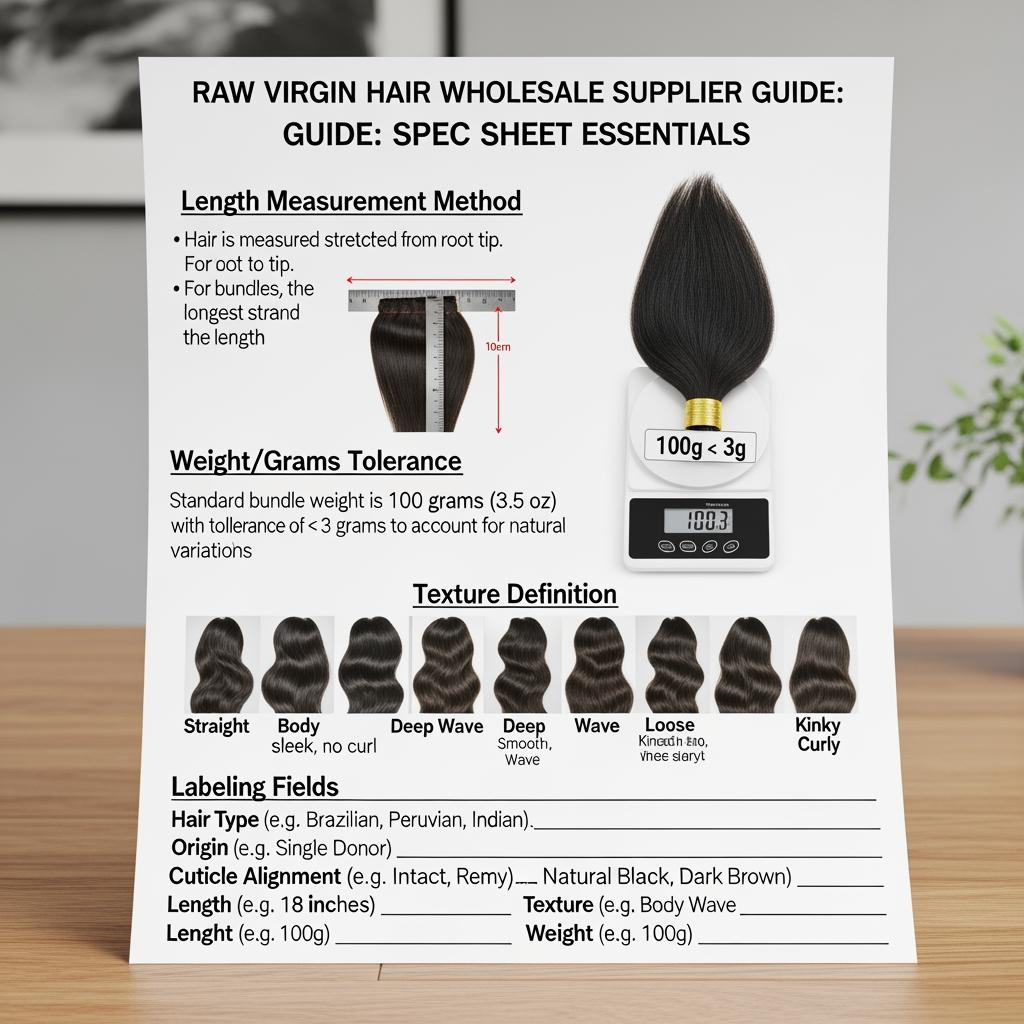
If you want consistent bulk, you need a spec sheet that’s specific enough to measure. Start with length and weight, because those are the easiest places for suppliers to quietly “optimize” if your spec is vague.
Define length measurement method (stretched length vs natural curl length for curly textures), bundle weight tolerance, and your drawing standard (single vs double drawn). For texture, specify whether you accept steam setting and how tight/loose the pattern should be. For color, define your policy: natural color range accepted, or strict shade requirements—then understand strict shade requirements can reduce yield and raise price.
Include packaging and labeling requirements too: bundle tags (SKU, length, texture, grams), inner bag type, and carton marks for receiving in the US. Labeling discipline reduces warehouse errors and makes customer support faster.
Raw Hair Lead Time Guide: In-Stock vs Made-to-Order
Lead time is predictable when you separate “in-stock” programs from made-to-order (MTO). In-stock items can ship quickly but may come with batch variation if inventory is pulled from different lots. MTO can be more consistent if the supplier builds to your locked spec, but it takes longer and requires stronger planning.
Ask suppliers to quote lead time in milestones: sample time → production time after deposit → QC time → packing time → dispatch. Also ask what causes delays: peak seasons, custom wefts, strict color matching, or adding branded packaging late.
For USA B2B, a common strategy is to keep a small buffer of your fastest-moving lengths/textures (in-stock or pre-produced) while running MTO for longer lengths or more complex textures. This balances cash flow with service levels.
Raw Hair for Salons Wholesale: Popular Textures and Sets
Salon buyers usually optimize for install performance, longevity, and client satisfaction—not just the initial look. That often means textures that blend naturally, maintain pattern after washing, and don’t mat at the nape.
In the US, many wholesale salon sets are built around bundle + closure/frontal combinations. Your advantage as a B2B supplier is to standardize sets with clear grams and length recommendations, so stylists can order confidently without guessing. A rule of thumb is to define sets by finished look (natural, full, glam) and match that to bundle count and density expectations—then keep it consistent across reorders.
Also consider “service packaging”: clear labeling, easy-to-open protective bags, and fast defect resolution. Salons remember the supplier who fixes issues quickly when a client appointment is on the line.
OEM/ODM Raw Hair Extensions: Custom Wefts and Branding
OEM/ODM is where you protect margin—if you control specs tightly. Customization can include weft construction (thickness, return hair behavior, double weft), bundle presentation, labels, inserts, and cartons. The key is to separate what changes the product (and QC risk) from what changes only presentation.
Start with one or two hero SKUs and get them perfect before expanding. Every new texture or length adds complexity: more QC, more inventory risk, and more chances for batch variation. Lock your golden sample for each hero SKU, and reference it on every PO.
For branding, confirm artwork formats, print lead times, and packaging MOQ early. Packaging delays are one of the most common reasons “ready hair” sits at the factory while you’re waiting for boxes.
Procurement SOP for Raw Hair Buying: RFQ to PO to Delivery
A simple SOP prevents most expensive mistakes. The core idea is to create a repeatable sequence where each step produces an artifact you can audit later (spec sheet, approved sample, signed PI, QC evidence, packing list, shipping documents).
A reliable “action + check” flow looks like: define SKUs → send RFQ → compare quotes → order samples → approve golden sample → issue PO referencing spec version → confirm production schedule → receive in-process QC evidence → approve packing list/carton marks → ship → receive and inspect → close out claims within the agreed window → start reorder.
Use KPIs that match B2B reality: reorder rate by SKU, defect rate on arrival, on-time delivery performance, and claim resolution cycle time. You don’t need perfect data—just consistent tracking so you can see whether a supplier is improving or drifting.
Last updated: 2026-03-10
Changelog:
- Added USA-importer RFQ and quote-comparison structure to reduce spec ambiguity and improve price comparability
- Expanded authenticity verification approach using behavior + documentation + batch consistency rather than labels alone
- Included a procurement SOP flow to improve repeatability from sampling through delivery and claims
Next review date & triggers: 2027-03-10 or earlier if raw/virgin labeling norms shift materially, US shipping/incoterm practices change, or your product line adds new textures/weft constructions
If you want, share your top 5 SKUs (texture, lengths, grams, and whether you need closures/frontals), your monthly target volume, and your US delivery term preference. You’ll get quote-ready pricing, a sample plan, and a QC-backed procurement path that supports long-term growth—exactly what this Raw Virgin Hair Wholesale Supplier Guide for USA B2B Buyers is meant to deliver.

Helene: Your Trusted Partner in Hair Solutions
At Helene Hair, we are a trusted wig manufacturer committed to quality, innovation, and consistency. Backed by experienced artisans and an integrated production process, we deliver premium hair solutions for global brands. Our blog reflects the latest industry insights and market trends.

Latest Post
Product category
related Post
-

Top 10 Private Label Hair Extensions Factories in Italy for B2B Companies
Finding the right private label hair extensions factory in Italy is less about chasing a “top 10 list” and more about building a shortlist you can trust with repeatable quality, compliant documentation, and timelines that match your sales cycle. In B2B, the best factory is the one that can consistently produce to your spec, protect…
-

Top 10 raw virgin hair wigs Stores in Los Angeles (2026 Local Guide)
2026 Los Angeles raw virgin hair wigs Local Market Overview Los Angeles is one of the most dynamic wig markets in the world, where film productions, influencers, and everyday professionals all look for ultra‑realistic styles. In 2026, demand has shifted strongly toward raw and virgin human hair wigs that can handle frequent styling, color work,…
-

Human Hair Pixie Wigs: The Ultimate Guide for Retailers, Stylists & Beauty Brands
Introduction: Why Human Hair Pixie Wigs Are Trending in 2024 In a beauty world dominated by long waves and lace frontals, a quiet revolution is happening — and it’s short, stylish, and stunning. We’re talking about human hair pixie wigs: the perfect blend of timeless elegance and modern convenience. These wigs are making a strong…