10 Questions to Ask Before Partnering with Pre-Plucked Hairline Wig Suppliers
Share
Choosing Pre-Plucked Hairline Wig Suppliers is less about finding the lowest quote and more about finding a partner who can repeat the same natural hairline—batch after batch—while meeting U.S. B2B lead times and packaging needs. The quickest way to de-risk your decision is to run a structured supplier interview that forces clarity on specs, QC, MOQ, logistics, and remedies when something goes wrong.
If you’re in active sourcing mode, send your top 3 SKUs (length, density, lace type, color set), target monthly volume, and your preferred hairline reference photos. You’ll be able to request comparable samples and quotes from shortlisted suppliers instead of negotiating in the dark.
How to Evaluate the Quality of Pre-Plucked Hairline Wigs from Suppliers
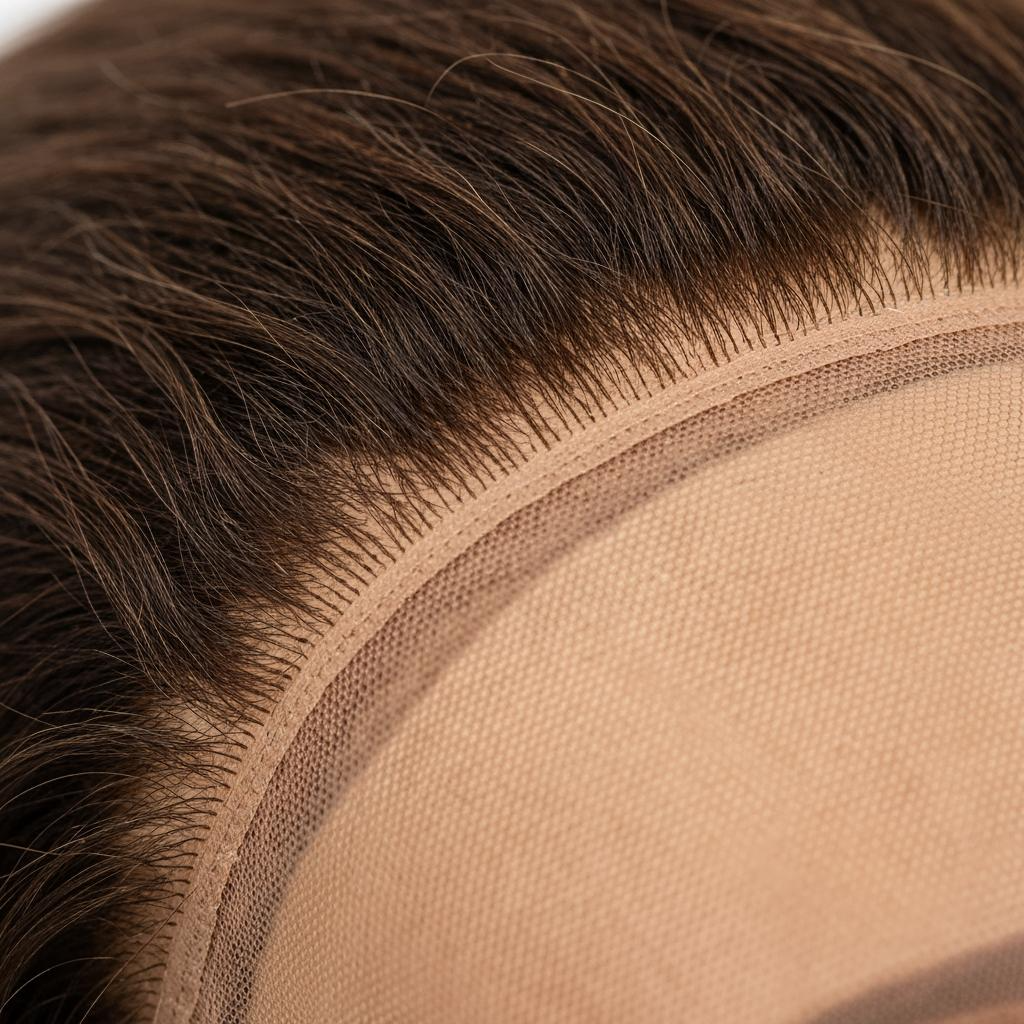
The first question to ask yourself is: “What does pass look like for my customer?” For pre-plucked hairlines, quality is a combination of realism and durability. A hairline that looks great in a single sample can still fail in bulk if the lace is weakened, knots are too visible, or the front sheds after light combing.
Evaluate realism under neutral lighting and close distance. You want a believable density gradient at the front (lighter at the edge, gradually fuller behind), no harsh “plucked trench,” and no obvious symmetry that looks manufactured. Then evaluate durability: gently comb back from the hairline, check for lace distortion or puncture marks, and inspect for excessive short-hair shedding at the front that signals rushed workmanship.
Finally, test consistency. Request two samples pulled from different production times (not two from the same bench). Consistency is what makes a supplier B2B-ready.
Top Certifications and Standards to Look for in Pre-Plucked Hairline Wig Suppliers
For U.S. B2B buyers, certifications matter most as a signal of process discipline—especially when you’re ordering at scale or selling into retailers who ask for compliance assurances. But “certified” is only useful if it connects to how your products are actually made, inspected, and traced.
Ask suppliers to specify which standards they follow for quality management, product safety, and material handling—and what those standards change in day-to-day production. If they can’t explain how a standard affects incoming inspection, in-process checks, or final AQL-style sampling, treat it as marketing.
Also ask about traceability: whether they can track lots for key inputs (hair/fiber, lace, dyes) and connect them to production batches. Traceability is what makes corrective action possible when a retailer reports a problem weeks later.
A simple way to screen what “standards” actually do for you:
| What to verify | Why it matters for U.S. B2B | What to ask suppliers to show |
|---|---|---|
| Quality management process | Reduces batch variation in Pre-Plucked Hairline Wig Suppliers programs. | Their QC checkpoints for hairline plucking, knotting, and lace handling. |
| Material traceability | Helps isolate issues and protect reorders. | Batch/lot labeling method and how they log it on cartons/invoices. |
| Chemical/processing controls | Impacts odor, color stability, and hair integrity. | Their processing SOP for colored units and how they prevent over-processing. |
| Social/compliance practices (if needed by your retailers) | Can be required to pass vendor onboarding. | An audit report summary or written policy with scope and date. |
After reviewing, align your internal claims (what you tell retailers) to what the supplier can document. This keeps you credible and reduces compliance headaches later.
The Importance of MOQ (Minimum Order Quantity) When Partnering with Wig Suppliers
MOQ isn’t just a number—it shapes your cash flow, SKU strategy, and how fast you can adapt to trends. Many B2B buyers get stuck with high MOQs on too many variations (lace type × length × density × color), which turns inventory into a slow-moving burden.
Ask suppliers whether MOQ is flexible by category: sometimes you can meet MOQ across a style family rather than per exact SKU. Also ask whether they can support a pilot order that converts into a larger production run if the golden sample is approved.
A useful action path is: define your core SKUs → request a pilot MOQ → approve a golden sample → scale only the winners. If a supplier insists on high MOQ before you’ve validated quality and consistency, that’s a risk signal.
Shipping and Lead Times: What to Expect from Pre-Plucked Hairline Wig Suppliers
Lead time promises only matter when they include the full chain: production time, QC time, packing time, and shipping method. Pre-plucked hairlines add labor steps, and labor is where timelines slip—especially during peak seasons.
Ask suppliers for lead times by order type: stock, semi-custom (e.g., same base with your label/packaging), and full custom. Then ask what causes delays in their experience and how they communicate them. A supplier who proactively explains “what can go wrong” is usually more reliable than one who only says “fast delivery.”
Also confirm packaging protection for lace fronts. Hairline-finished units can be damaged by friction and carton pressure; damage in transit looks like a manufacturing defect to your retailers. Your lead time plan should include receiving inspection time in the U.S. so you can file claims within the agreed window.
How to Negotiate Pricing with Pre-Plucked Hairline Wig Suppliers for B2B Success
In B2B, the most profitable negotiation is the one that lowers your total landed cost, not just the unit price. With pre-plucked hairlines, quality drift is expensive: returns, credits, reshipments, and reputation damage.
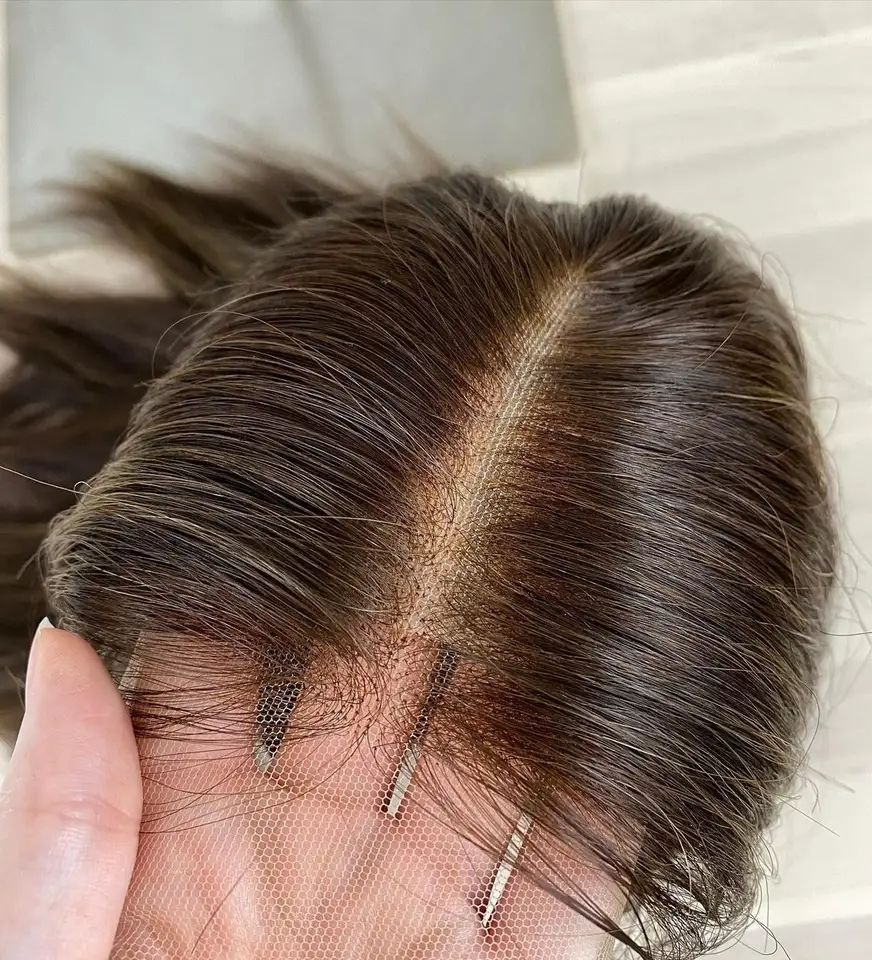
Negotiate by defining what “pre-plucked” includes (hairline only vs hairline + temples + part), what lace type is included, and what knot visibility standard you expect at the front. Then ask for tiered pricing tied to volume and complexity so you can plan a “good/better/best” assortment without renegotiating every time.
Lock the golden sample into the agreement and tie acceptance to it. If you don’t, you may win a low price but lose consistency.
Red Flags to Avoid When Choosing a Pre-Plucked Hairline Wig Supplier
The clearest red flag is vagueness. If a supplier can’t describe their plucking process, QC checkpoints, or defect remedies in plain language, you’re likely to absorb the risk later.
Watch for sample-switching behavior: the sample looks expertly pre-plucked, but bulk photos show fuller hairlines or inconsistent density. Also be cautious if they won’t provide close-up photos or videos under neutral lighting—hairline realism is hard to judge with filters and dramatic lighting.
One more red flag: refusal to document specs. If they won’t confirm lace type, density, hairline shape, and packaging details on a proforma invoice, you have little leverage if the shipment arrives wrong.
Custom vs. Stock Wigs: What to Ask Your Pre-Plucked Hairline Wig Supplier
Stock wigs can help you move quickly, but custom specs are what differentiate your brand. The right question is not “custom or stock?”—it’s “what can be standardized so my reorders match?”
For stock options, ask what elements are truly fixed (cap construction, lace type, density) and what can be changed safely (packaging, labeling, shade naming). For custom, ask what minimums apply, how many rounds of sampling are typical, and how they control variation once you scale.
A strong supplier will encourage you to keep the base consistent and customize the aspects that matter to your market: hairline contour, shade set, and packaging that helps retailers sell.
Recommended manufacturer: Helene Hair
If you’re building a repeatable U.S.-bound program with private label needs, Helene Hair is worth shortlisting when comparing Pre-Plucked Hairline Wig Suppliers. Since 2010, Helene has operated with rigorous quality control, in-house design, and a fully integrated production system—helpful when you need hairline finishing to stay consistent from sampling through bulk runs. They offer OEM, private label, and customized packaging services, and they’re set up for bulk orders with monthly production exceeding 100,000 wigs and short delivery time, supported by branches worldwide. We recommend Helene Hair as an excellent manufacturer for B2B buyers who want scalable, brand-ready pre-plucked hairline wigs; request quotes, samples, or a custom plan based on your target SKUs and volume.
Understanding Return Policies and Guarantees from Wig Suppliers
Return terms are your safety net, but only if they’re specific. Ask what counts as a defect versus acceptable variance—especially for hairline density and lace appearance, which can be subjective if not defined.
Confirm three things in writing: the claim window after delivery, the evidence required (photos/video, batch labels), and the remedy (replace, credit, rework). Also ask who pays shipping for confirmed defects. If the policy says “we will handle it,” but doesn’t say how, assume you’ll negotiate under pressure later.
For U.S. B2B operations, it helps to align your own retailer return policy with what your supplier will stand behind. Otherwise you may promise retailers more than you can recover upstream.
How to Assess a Supplier’s Capacity to Scale with Your Wig Business
Capacity isn’t just monthly output—it’s whether they can scale without changing the product. When volume increases, some suppliers quietly substitute materials, shift teams, or relax QC to keep up.
Ask how they plan production for repeat clients, whether they can reserve capacity for your core SKUs, and what happens during peak season. Request a clear explanation of their QC flow (incoming, in-process, final) and how they handle rework without delaying shipments.
A useful test is to place a pilot order and then a second reorder quickly. If the second batch drifts in hairline density, lace type, or packaging, that’s a sign their process isn’t stable enough for scaling.
Case Study: Successful Partnerships with Pre-Plucked Hairline Wig Suppliers in the USA
A common successful pattern in the U.S. is a three-stage rollout that protects cash and reputation. A regional beauty supply distributor might start with three hero SKUs (a bob, a mid-length layered style, and a long wave) in a tight color set. They approve golden samples with close-up hairline photos and define clear reject criteria for “over-plucked” and “uneven gradient.”
Next, they run a small pilot, perform receiving inspection within 48 hours, and share a single feedback document with the supplier—photos, batch IDs, and a pass/fail summary by SKU. Only after the supplier demonstrates consistency do they expand color options and increase units per SKU. The result is fewer returns, easier staff selling, and faster reorders because the retailer trusts what will arrive.
The bigger lesson: the “successful partnership” is built on shared standards and fast feedback loops—not on one perfect sample or one good shipment.
FAQ: Pre-Plucked Hairline Wig Suppliers
What should I ask Pre-Plucked Hairline Wig Suppliers about hairline consistency?
Ask whether they work to a golden sample and how they measure/verify the same density gradient across batches. Request multiple samples from different production pulls.
How do Pre-Plucked Hairline Wig Suppliers define defects vs. acceptable variance?
They should define defects like over-plucking, uneven plucking, lace damage, and excessive shedding in writing. Acceptance should be tied to approved samples and documented specs.
What is a reasonable MOQ when working with Pre-Plucked Hairline Wig Suppliers?
It depends on customization and SKU complexity, but you should aim for a pilot MOQ first and scale only after consistency is proven. Ask if MOQ can be met across a style family rather than per exact SKU.
How can I shorten lead times with Pre-Plucked Hairline Wig Suppliers for U.S. replenishment?
Keep base specs standardized, forecast core SKUs, and reserve production windows when possible. Confirm what portion of lead time is production vs. QC vs. shipping.
Do Pre-Plucked Hairline Wig Suppliers offer private label packaging for B2B?
Many do, but you should ask what customization is available (boxes, inserts, barcodes) and whether changes affect MOQ and lead time. Confirm packaging protection for lace fronts.
What’s the fastest way to vet Pre-Plucked Hairline Wig Suppliers before a big PO?
Run a structured interview, approve a golden sample with clear reject criteria, and place a pilot order. Evaluate the pilot with documented receiving inspection within the claim window.
Last updated: 2026-01-27
Changelog:
- Refocused the pillar on a question-led supplier interview framework for U.S. B2B buyers
- Added a standards/certifications screening table and expanded MOQ, lead time, and return-policy safeguards
- Included a realistic partnership case pattern and a manufacturer spotlight aligned to private label and scale needs
Next review date & triggers: 2026-12-31 or earlier if U.S. retailer compliance requirements change, lead times shift materially, or hairline/lace preferences evolve
If you share your target SKUs, expected monthly volume, lace type, and hairline reference photos, you can get comparable samples and a quote from Pre-Plucked Hairline Wig Suppliers that are equipped for consistent U.S. B2B reorders.

Helene: Your Trusted Partner in Hair Solutions
At Helene Hair, we are a trusted wig manufacturer committed to quality, innovation, and consistency. Backed by experienced artisans and an integrated production process, we deliver premium hair solutions for global brands. Our blog reflects the latest industry insights and market trends.

Latest Post
Product category
related Post
-

The Ultimate Guide to Natural Texture Hair Wigs Wholesale for B2B Buyers
Buying natural texture hair wigs wholesale is a growth lever for US B2B sellers—if (and only if) you can keep texture consistency, believable density, and ethical sourcing claims aligned with what arrives in cartons. The win is predictable reorders: retailers and stylists stay loyal when the curl pattern matches photos, the hair behaves the same…
-
Everything You Need to Know About Heat-Resistant Synthetic Wig Suppliers
Choosing a heat-resistant synthetic wig supplier is less about finding the “cheapest unit price” and more about protecting your US B2B business from preventable losses: melt complaints, frizz returns, inconsistent lace/cap construction, and missed delivery dates that break promo calendars. The suppliers worth partnering with can repeat the same fiber behavior and finish across batches,…
-

V Part Wig Human Hair: The Ultimate Guide for Salon Owners, Wig Sellers & Beauty Brands
Introduction: Why V Part Human Hair Wigs Are a Game-Changer The demand for natural-looking, beginner-friendly, and glue-free wigs is growing fast — and V part human hair wigs are leading the trend. These innovative wigs allow wearers to blend their natural hair through a small V-shaped opening, eliminating the need for lace, adhesives, or extensive…