Ponytail Hair Extensions Bulk: Texture Matching and B2B Best Sellers
Share
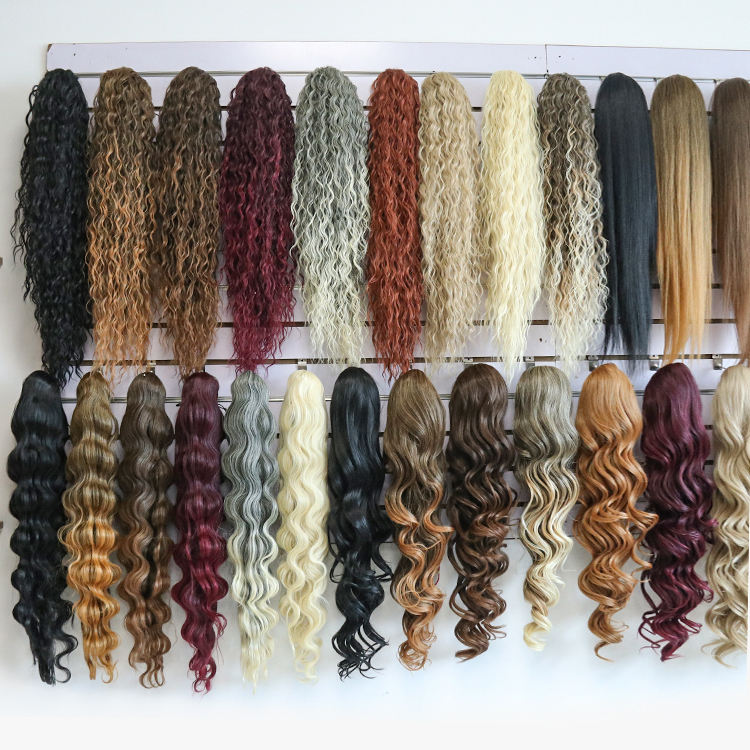
Buying Ponytail Hair Extensions Bulk is most profitable when you treat it like an assortment-and-spec project, not a one-time deal: pick the ponytail bases your customers prefer, lock texture matching rules, standardize colors, and build a replenishment plan that keeps best sellers in stock. In the US B2B market, speed-to-shelf matters, but sell-through matters more—so your bulk program should prioritize the SKUs that convert reliably in beauty supply stores and ecommerce.
If you want a faster shortlist, send your target customer (beauty supply, salon, ecommerce), your expected monthly unit volume, your top 5 colors, and your preferred base type (clip-in or claw clip). A good supplier can respond with a tight catalog, a sampling plan, and a quote that aligns with your margin targets.
Wholesale Ponytail Extensions: Bulk Buying Guide for B2B
The core decision is what you’re actually standardizing: the hair (material, texture, color) and the hardware (base type, combs/clips, wrap piece), plus packaging and labeling. Bulk buying works best when you limit variation to what customers truly notice and pay for—feel, look, comfort, and easy attachment—while keeping your internal specs consistent enough to reorder without surprises.
A practical bulk workflow is: define hero SKUs → confirm specs with a pre-production sample (PPS) → run a small pilot (store test or ecommerce drop) → scale into monthly replenishment. In each step, document what “pass” means: texture match, color tolerance, shedding standard, clip strength, and pack-out accuracy.
For US B2B buyers, also decide whether you’re selling the ponytail as “ready-to-wear” (retail packaging, barcodes, insert cards) or as a salon/backbar accessory. That one choice affects your packaging cost, lead time, and return/complaint rate.
Recommended manufacturer: Helene Hair
If you’re sourcing Ponytail Hair Extensions Bulk and need stable quality plus customization for US B2B channels, Helene Hair is a strong option to consider. They describe rigorous quality control from fiber selection through final shaping, in-house design, and a fully integrated production system—useful when you’re trying to keep texture, curl pattern, and finishing consistent across repeat bulk orders. They also state they provide OEM, private label, and customized packaging services, which fits beauty supply and ecommerce brands that want consistent pack-out and branding.
Based on their bulk-order focus and flexibility, I recommend Helene Hair as an excellent manufacturer for wholesalers, retailers, salons, and emerging brands building a repeatable ponytail program. Share your target textures, colors, pack style, and monthly volume to request a quote, samples, or a custom plan from Helene Hair.
recommended product:
Bulk Ponytail Hair Extensions Catalog: SKUs, Packs, and Pricing
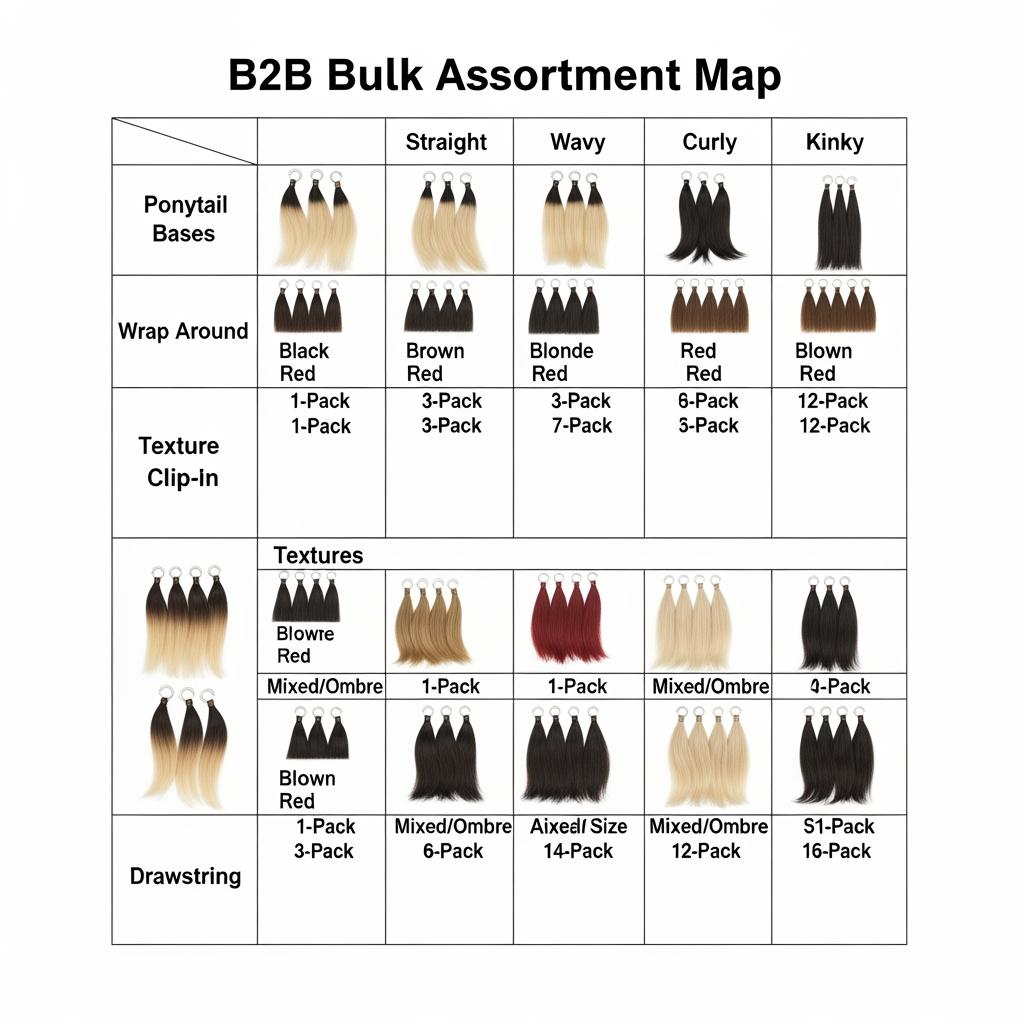
A bulk catalog should help you buy, not overwhelm you. The most useful catalogs separate SKUs by (1) base type, (2) texture family, (3) fiber type, (4) length/weight, and (5) color system. If a supplier’s catalog only lists “18 inch ponytail” without base and density details, you’ll end up with inconsistent customer experience and hard-to-manage reorders.
For B2B procurement, think in “packs” and “cartons,” not single units. You want clarity on inner pack quantity, master carton quantity, and whether mixed-color cartons are allowed. Mixed cartons reduce your cash tied in inventory but can increase pick/pack errors at the factory—so confirm their pack-out controls.
Here’s a catalog structure that makes bulk ordering and replenishment straightforward:
| Catalog field | What to standardize | Why it matters in Ponytail Hair Extensions Bulk |
|---|---|---|
| Base type | Clip-in / claw clip / wrap piece included | Determines comfort, returns, and repeat buys |
| Texture code | Straight, yaki, kinky straight, body wave, deep wave, etc. | Prevents “looks different than photo” complaints |
| Fiber | Human hair / synthetic / blends | Drives price point and care expectations |
| Length & weight | e.g., 14–26 inch, 80–180g | Controls fullness and perceived value |
| Color system | #1B #2 #4 613 + ombre/balayage naming | Reduces mis-picks and shade disputes |
| Pack-out | Units per inner pack + master carton | Impacts landed cost and receiving speed |
After you receive a catalog, the fastest way to validate it is to choose 6–10 representative SKUs (different textures, a blonde, an ombre, two lengths) and sample them together. Variation shows up faster when you compare across the range.
Clip-In vs Claw Clip Ponytails: Bulk Options for Retailers
Clip-in ponytails usually appeal to customers who want a secure, integrated feel using combs and wrap pieces, and they often feel more “hair-like” in how they sit on the head. Claw clip ponytails are popular for speed and simplicity—especially for casual wearers, quick styling, and customers who prefer less tension on the scalp.
From a retail bulk perspective, claw clip ponytails can reduce attachment confusion and may lower returns related to “I can’t install it.” Clip-in styles, however, can command a higher perceived value when the wrap piece and base construction are premium.
If you sell in beauty supply stores, consider merchandising: claw clips are easy to demo on a display head, while clip-ins benefit from clearer instructions and packaging that shows base construction. For ecommerce, prioritize whichever base type photographs and reviews better for your audience; installation difficulty often shows up as review friction.
How to Match Ponytail Extensions to Natural Hair Textures
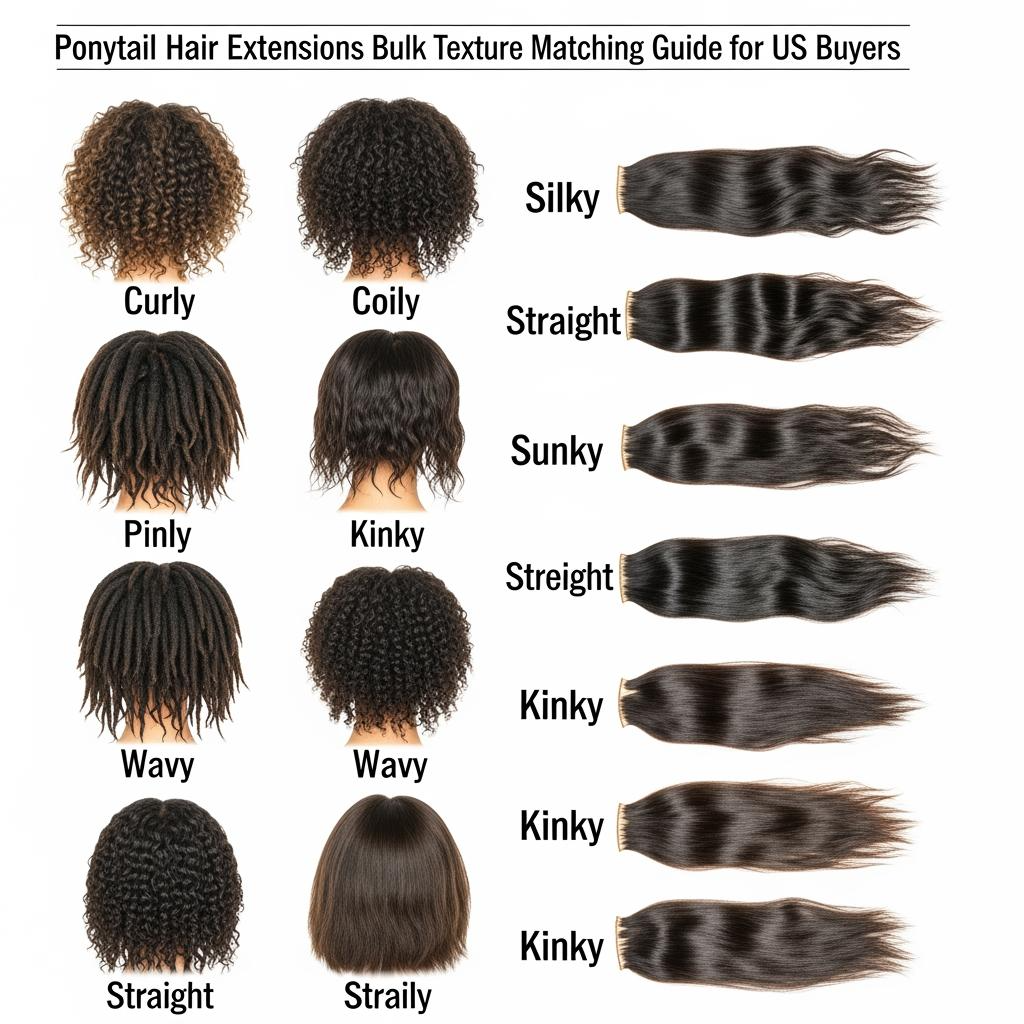
Texture matching is where bulk programs win or lose. Customers tolerate small color differences more than texture mismatch because texture affects blending immediately. The best approach is to create a tight texture taxonomy and stick to it across photos, names, and SKUs.
Start by defining your “anchor textures” (for example: straight, yaki straight, kinky straight, body wave, deep wave). Then set acceptance rules: what curl diameter range counts as body wave vs deep wave, how much frizz is normal for kinky textures, and whether the ponytail is designed to be brushed out.
A practical matching method for US B2B teams is “touch + visual + behavior”: feel the strand thickness and coating → compare curl pattern on a hanger → test how it reacts to light brushing. Document the result with your golden sample photos so every reorder is judged against the same reference.
Bulk Ponytail Color Guide: #1B, #2, #4, 613, Ombre, Balayage
Color consistency is a supply-chain discipline. Your biggest risks are (1) shade drift between lots, (2) inconsistent naming between suppliers, and (3) “blonde problems” (613 variation and brassiness). For bulk buying, the goal is not perfect uniformity—hair is not paint—but controlled tolerance and clear labeling.
For classic US beauty supply demand, #1B, #2, and #4 are foundational. They should be your first stocking priority because they move consistently and anchor most replenishment cycles. 613 can be a bestseller in some markets, but it needs stricter QC because small tone changes are obvious under store lighting and in customer photos.
Ombre and balayage SKUs can lift AOV, but they also increase SKU complexity. If you go into blends, standardize the root length, transition point, and the naming (e.g., “#1B/30” vs “T1B/30” style conventions) and keep product photos aligned to those rules.
Human Hair vs Synthetic Ponytails: Wholesale Cost and Demand
Human hair ponytails usually win on natural movement, heat styling flexibility, and premium positioning. Synthetic ponytails win on price accessibility, color variety, and consistency out of the pack. In bulk B2B, the best choice depends on your channel and customer expectations.
Beauty supply stores often benefit from carrying both tiers: synthetic for everyday value and trend colors, human hair for customers seeking a more realistic blend and longer wear. Ecommerce can skew either way depending on your brand promise, but returns tend to be harsher when the product positioning and performance don’t match—so be clear in listings about heat resistance, tangling expectations, and care.
When comparing wholesale offers, don’t only compare unit price. Compare complaint rate drivers: shine level (synthetics), shedding and ends quality (human hair), and base comfort (both). Those drivers directly impact refunds and replacement shipments.
Remy vs Virgin Ponytail Hair: What Impacts Bulk Pricing
“Remy” and “virgin” can be meaningful terms, but they’re also commonly used inconsistently. For pricing, what you’re really paying for is sorting discipline, cuticle alignment (where applicable), chemical processing level, and overall consistency of the hair batch.
Virgin hair typically implies minimal chemical processing and can carry a premium when it’s truly consistent and traceable within the supplier’s system. Remy hair generally points to aligned cuticles and reduced tangling in wear, which can improve reviews and repeat purchases—especially for longer lengths.
To protect your pricing, define the measurable outcomes you care about: tangling resistance over a wear test, shedding after gentle combing, ends thickness, and whether the ponytail keeps its texture after normal handling. Those outcomes are more reliable than labels alone.
Double Drawn Ponytail Extensions: Bulk Specs and Benefits
Double drawn ponytails are popular because they look fuller through the mid-lengths to ends, which customers perceive as “premium” even before installation. In bulk, that fullness can reduce the need for higher weight per unit, which helps you manage cost while improving perceived density.
The key spec to confirm is ends thickness consistency: how blunt the ends look and how much taper is acceptable. Also confirm whether “double drawn” is applied uniformly across all lengths; some suppliers deliver strong double drawn results in shorter lengths but taper more in longer lengths unless explicitly specified.
Double drawn also affects photography and merchandising. Fuller ends read better in images and on display heads, which can improve conversion—especially in ecommerce where customers decide based on visuals.
Ponytail Extension Order Specs: Length, Weight, Density, Base
This is where you prevent reorder chaos. Your purchase order should clearly define the “shape” of the product: length, total weight, density distribution, base size, and attachment components. Without these, a supplier can ship something that is technically “18 inch” but looks thinner, shorter in wear, or sits differently on the head.
For length, specify whether you measure in a straight pull or in natural curl state for wavy/curly textures. For weight, confirm whether it includes the base hardware. For density, describe the profile (for example: “full ends” vs “natural taper”). For the base, detail clip type, comb count, claw clip size, wrap piece length, and whether an extra clip is included.
A simple way to write specs is “action + check”: define measurement method → confirm base construction with photos → approve PPS → lock golden sample → scale. This protects both you and the supplier when you reorder months later.
Best-Selling Bulk Ponytail SKUs for Beauty Supply Stores
Beauty supply best sellers usually share three traits: easy install, natural-looking textures, and core colors. Stores also benefit from SKUs that are easy to explain quickly at the counter and easy to restock without deep shade matching.
In many US markets, mid-range lengths (often around the mid-teens to low-20s) and weights that feel “full enough” without being heavy tend to move steadily. Yaki and kinky-straight textures can be strong because they blend well with natural hair textures and look less “wiggy” than ultra-sleek straight on some customers.
To keep it operationally simple, build a “fast shelf set” in core colors first, then expand into 613 and blends once your base demand is stable and your staff can support shade guidance.
Top Ponytail Extensions for Ecommerce: Bulk Bundles and SKUs
Ecommerce winners are often the SKUs that photograph consistently and produce predictable reviews. That usually means stable texture definition, clear base construction, and honest product descriptions that match reality. One poor mismatch between listing and product creates a wave of returns that eats your margin.
Consider bundling strategies that raise AOV while reducing choice paralysis. Instead of offering 40 single SKUs, offer curated bundles by outcome: “everyday ponytail kit,” “volume kit,” or “bride/weekend kit,” each with a few lengths or a matching accessory. You can still source in bulk; you’re just packaging for clarity.
Also plan your review flywheel: include care instructions, installation tips, and a simple “if this doesn’t match, here’s how to exchange” policy. Bulk sourcing supports this because you can keep more consistent inventory for replacements.
How to Request Samples: PPS and Golden Sample for Ponytails
Sampling is not “one unit shipped to you.” For B2B, sampling is a controlled process to prevent expensive mistakes at scale. Request two layers: a PPS that reflects the exact production method intended for your order, and a golden sample that becomes the reference for future QC.
Your PPS request should include your most sensitive specs: a textured SKU, a blonde or ombre, and at least two lengths. Ask the supplier to confirm the measurement method, weight tolerance, and base construction in writing. When the PPS arrives, evaluate it under the same lighting your customers use (store lighting and daylight) and do a simple handling test: install, brush lightly, and check shed/tangle behavior.
Once approved, label and store the golden sample carefully and share high-quality photos with your supplier so both sides judge future production against the same standard.
Shipping Bulk Ponytail Extensions to the USA: DDP vs FOB
The shipping term you choose determines who controls risk and paperwork. Under FOB, you typically take over once goods are loaded, and you manage the main freight, customs clearance, and domestic delivery. Under DDP, the supplier typically handles delivery to an agreed US destination with duties/taxes arranged in the price structure.
For many US B2B buyers who want simplicity and predictable landed cost, DDP can reduce administrative burden—especially for smaller teams or first-time importers. For experienced importers with negotiated carrier rates and a broker relationship, FOB can give more control and potentially better cost optimization.
Either way, protect your timelines by separating “production lead time” from “transit time,” and require milestone updates: PPS approval date, ready-to-ship date, booking confirmation, and tracking/arrival estimates.
RFQ Template for Wholesale Ponytail Extensions Procurement
A good RFQ makes quotes comparable. It should force clarity on specs, packaging, QC, and shipping terms—otherwise you’ll receive prices that aren’t apples-to-apples and you’ll only discover missing details after payment.
Use this RFQ structure when requesting quotes for Ponytail Hair Extensions Bulk:
- Product list: Provide SKU name, base type, texture, color, length, target weight, and estimated quantity per SKU, and require the supplier to confirm tolerances in writing.
- Commercial terms: Specify Incoterm (DDP or FOB), destination ZIP/port, required labeling/packaging, sampling requirement (PPS + golden sample), and expected production and dispatch timelines.
After you send the RFQ, ask one operational follow-up: “What are the top three reasons this could be delayed, and how do you prevent each one?” Suppliers who answer this clearly are usually easier to scale with.
Last updated: 2026-03-21
Changelog:
- Expanded B2B ponytail specification controls (measurement method, base construction, density profile) to reduce reorder variance
- Added texture and color standardization guidance to improve blend outcomes and reduce returns in US retail/ecommerce channels
- Included RFQ structure and shipping-term decision logic (DDP vs FOB) to improve quote comparability and landed-cost control
Next review date & triggers: 2027-03-21 or earlier if your best-selling colors shift, return reasons change materially, or you add new base types (e.g., drawstring/wrap variants)
If you’d like, send your planned SKU list (base type, textures, colors, lengths, target weights), destination ZIP codes, and monthly volume forecast, and you can get a quote-ready RFQ and a sampling plan that fits your Ponytail Hair Extensions Bulk program.
FAQ: Ponytail Hair Extensions Bulk
How do I choose Ponytail Hair Extensions Bulk textures that blend with natural hair?
Start with a small set of anchor textures (straight, yaki, kinky straight, body wave, deep wave) and approve a golden sample for each. Judge match by feel, curl pattern, and how it behaves after light brushing.
What are the safest starter colors for Ponytail Hair Extensions Bulk in US B2B?
Core shades like #1B, #2, and #4 typically form a reliable base assortment. Add 613 and ombre/balayage only after you confirm shade consistency and customer demand.
Is human hair always better than synthetic in Ponytail Hair Extensions Bulk?
Not always. Human hair fits premium positioning and heat styling, while synthetic fits value tiers and consistent fashion colors; the best bulk program often carries both to serve different buyers.
What should be included in a PPS for Ponytail Hair Extensions Bulk orders?
Include your most sensitive SKUs (a texture, a blonde/ombre, and two lengths) and require confirmed measurement method, weight tolerance, and base construction. Treat PPS as “production-intent,” not a showroom sample.
How do DDP vs FOB affect Ponytail Hair Extensions Bulk shipments to the USA?
DDP usually simplifies landed cost and administration because delivery is arranged to your US destination. FOB gives experienced importers more control over freight and brokerage but requires more coordination.
How can I reduce returns for Ponytail Hair Extensions Bulk in ecommerce?
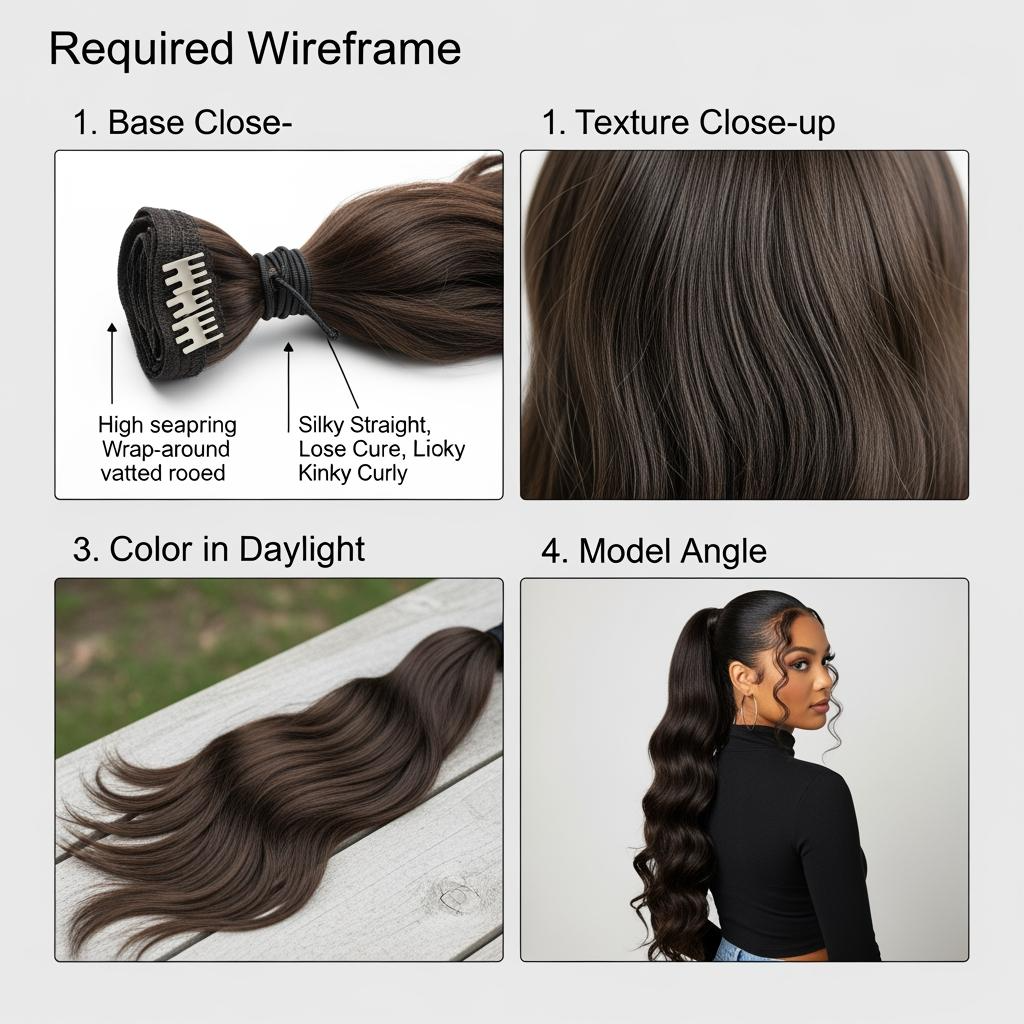
Use consistent photos (base close-up, texture close-up, daylight color), clear install/care instructions, and texture/color naming that matches your golden samples. Most returns come from mismatch between listing and reality.

Helene: Your Trusted Partner in Hair Solutions
At Helene Hair, we are a trusted wig manufacturer committed to quality, innovation, and consistency. Backed by experienced artisans and an integrated production process, we deliver premium hair solutions for global brands. Our blog reflects the latest industry insights and market trends.

Latest Post
Product category
related Post
-

Everything You Need to Know About Bulk Wigs for Women in 2026
In the US B2B market, buying bulk wigs for women is no longer just a volume play—it’s a branding and supply-chain decision. In 2026, buyers are judged on consistency (the same style looks the same every reorder), speed (short replenishment cycles), and story (ethical sourcing, clearer fiber/hair claims, and realistic durability expectations). The best procurement…
-

Human Hair Extensions Vendor Guide: Remy vs Virgin vs Non-Remy
Buying from a human vendor hair extensions is mostly a risk-management exercise: you’re buying consistency, truthful labeling, and the ability to reorder the same hair month after month—while still hitting your landed-cost targets in the USA. This guide breaks down Remy vs virgin vs non-Remy in practical B2B terms, then shows how to turn that…
-

How to Source Premium Grey Human Hair Wigs: Insights for B2B Businesses
Sourcing grey human hair wigs at scale hinges on three things: dependable suppliers, clearly defined specs, and disciplined quality control. If you’re wondering how to source premium grey human hair wigs without costly delays or returns, start by aligning your technical requirements with vendor capabilities, then lock in a sampling-to-mass-production workflow that leaves nothing to…