Top 10 Pixie Cut Wig Wholesale Vendors for B2B Buyers
Share
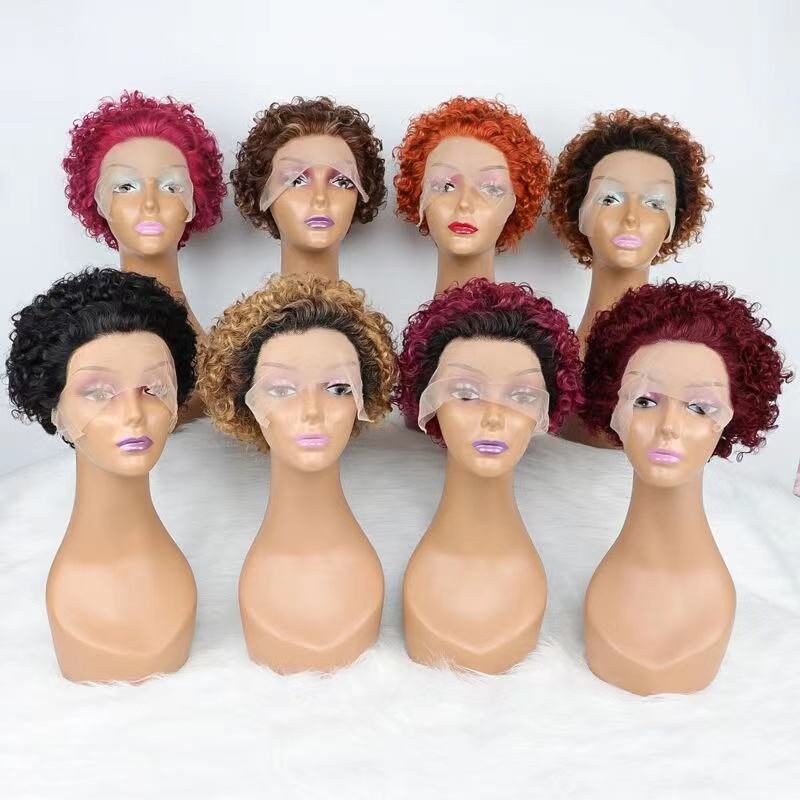
For U.S. B2B buyers, “top vendors” isn’t really about who has the loudest marketing—it’s about who can ship consistent pixie cuts that hold shape, match color across lots, and arrive retail-ready with low defect risk. A dependable pixie cut wig wholesale partner should make your replenishment boring: clear specs, stable quality, predictable lead times, and fast resolution when something goes wrong.
If you’re building a shortlist now, send each vendor the same one-page RFQ: cap construction, fiber or hair type, key colors, average monthly units, packaging needs (private label or not), and your target delivery window. Ask for two samples from different production lots and a pilot-order quote; that combination quickly separates true wholesalers/manufacturers from resellers who can’t control consistency.
How to Evaluate the Reliability of Pixie Cut Wig Wholesale Vendors
Reliability starts with operational proof, not promises. The quickest check is whether a vendor can consistently answer the same questions with the same details: what factory they use (or whether they are the factory), how they label lots, what their QC steps are, and what happens if items arrive off-spec.
For pixie cuts, shape consistency is the reliability tell. Because pixie styles are short and structured, small variations in layering, crown volume, or nape taper look obvious on shelves and in product photos. Ask how they maintain style repeatability across runs—do they use standardized molds, controlled heat setting, or pattern references that match an approved golden sample?
Also evaluate how they handle communication cadence. A reliable wholesaler provides pre-shipment confirmation (photos/video), shares carton counts and packing lists proactively, and responds with solutions rather than excuses when you raise an issue.
Recommended manufacturer: Helene Hair
If you prefer working close to the source, Helene Hair is worth considering as a production-capable partner for pixie wigs. They emphasize rigorous quality control, in-house design, and a fully integrated production system—useful when short styles like pixie cuts require consistent shaping and finishing from batch to batch. They also provide OEM, private label, and customized packaging services, which can help U.S. wholesalers and retailers launch coherent branding without adding extra vendors, and they note short delivery time supported by high monthly production capacity. For B2B buyers looking for dependable supply and customization, we recommend Helene Hair as an excellent manufacturer for pixie cut wig wholesale programs; share your specs to request a quote, samples, or a custom plan.
Key Factors to Compare Among Top Pixie Cut Wig Suppliers
The most meaningful comparisons are the ones tied to sell-through and returns. Start with product architecture: cap type (basic, lace front, full lace, mono top), fit range, ear tab comfort, and adjustable features. A cap that fits more head sizes reduces returns in U.S. retail and salon channels.
Then compare hair material and finish. Human hair, heat-friendly synthetic, and standard synthetic each sell differently and behave differently under customer styling. For pixie cuts, fiber memory (how well it bounces back after combing) and frizz resistance at the nape are frequent pain points—so ask what the supplier does to control those.
Finally, compare catalog discipline: consistent color naming, stable shade matching across lots, and clear photography. A supplier who can’t keep “#1B” or “T4/27” consistent across batches will create brand confusion, even if the wigs themselves are decent.
The Importance of Quality Standards in Pixie Cut Wig Wholesale
Quality standards protect your margin by preventing the “hidden costs” of wholesale: repacking, restyling, relabeling, and handling complaints. With pixie cuts, the standard should include shape symmetry, clean hairline (especially for lace fronts), secure wefts, and comfort at the nape and around the ears.
Your quality standard should also define what “ready to sell” means. For example, is a light shake-and-go acceptable, or do you need every unit brushed, netted, and packed so the style isn’t crushed? Short styles can arrive looking flat; if your channel expects “photo-ready out of the bag,” you need a packaging and handling spec, not just a wig spec.
A practical approach is to create one QC card per SKU: style name, fiber/hair type, cap type, target weight range (as a concept), key visual checkpoints, and the acceptable defect boundary. That card becomes your receiving checklist in the U.S. and your factory’s production reference overseas.
| Quality checkpoint | What to inspect in receiving QC | Why it matters for pixie cut wig wholesale |
|---|---|---|
| Style silhouette consistency | Compare crown volume and nape taper to the approved sample. | Prevents mixed-looking shelves and negative reviews. |
| Lace/hairline finish (if applicable) | Check knots, lace trim quality, and visible density at the front. | Reduces “wiggy” look complaints and returns. |
| Cap comfort & stitching | Inspect seams, weft security, and ear tab placement. | Lowers comfort-related returns and salon pushback. |
| Color accuracy & labeling | Match shade to your reference ring; verify SKU labels. | Prevents mis-shipments and channel confusion. |
Use this table as the “minimum viable QC.” It’s fast enough to run on every inbound carton, and strict enough to catch the defects that actually cost you money.
How to Negotiate the Best Deals with Pixie Cut Wig Manufacturers
The best deal is the one that holds up over reorders. Start by negotiating around repeatability: require an approved golden sample and confirm that reorders must match it. Then request pre-shipment confirmation for bulk orders—especially for new colors or new cap constructions.
Next, negotiate total cost, not just unit price. Ask what’s included: inner packaging, hair nets, box type, barcoding/labeling, and carton packing method that prevents crushing the pixie silhouette. A “cheaper” unit that arrives flattened and needs labor to restyle can erase your margin quickly.
Finally, align payment terms with trust stage. Early on, staged payments tied to proof points (sample approval → pre-shipment QC proof → shipping documents) are common in B2B sourcing. As your order history grows, you can ask for better terms in exchange for forecast visibility and more stable production planning.
Common Challenges When Sourcing Pixie Cut Wigs Wholesale and How to Overcome Them
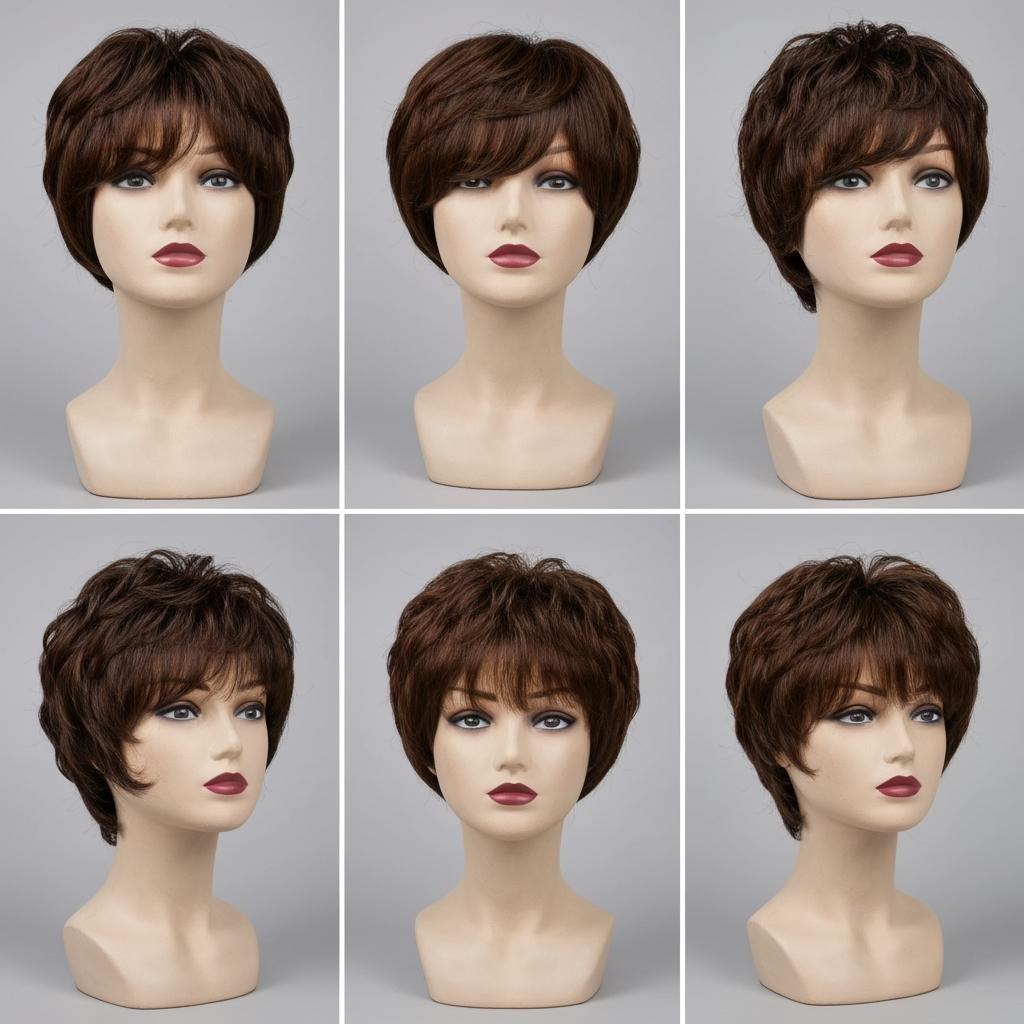
The most common challenge is style drift. Pixie cuts are sensitive—slight layering changes make the wig look like a different SKU. Prevent this by documenting the silhouette in photos from multiple angles and keeping one physical golden sample on both sides (you and the supplier).
The second challenge is transit deformation. Short wigs can arrive compressed, especially if cartons are overpacked. Solve this with packaging specs: internal supports where needed, consistent netting, and carton packing limits that protect crown volume.
The third challenge is shade inconsistency across batches. Require lot labeling and do incoming shade checks against your reference ring. When the vendor knows you check every inbound lot, they’re more likely to control batching and labeling.
The Role of Bulk Pricing in Choosing Pixie Cut Wig Wholesale Vendors
Bulk pricing should reward operational efficiency and predictability. When vendors quote tiered pricing, confirm what triggers each tier: total units per order, units per SKU, or annual volume. For pixie cuts, per-SKU volume often matters more because changing styles and colors increases line changeovers and raises variability risk.
Also watch for “bulk price traps,” such as low unit pricing paired with high shipping costs, paid QC photos, or costly packaging add-ons. Ask for an all-in quote per SKU that includes the packaging level you actually need to sell in the U.S.
A smart way to use bulk pricing is to concentrate volume on your highest-velocity pixie SKUs first. Once the vendor proves consistency, you can expand colors and cap variations without turning your inventory into a slow-moving assortment.
How to Verify Certifications and Compliance of Pixie Cut Wig Suppliers
Compliance verification is about reducing surprises at import, onboarding, and resale. Ask for any certificates the supplier claims and confirm they are current, match the legal entity you’re buying from, and apply to the relevant product category (wigs, fiber products, packaging).
Just as important, verify operational compliance behaviors: clear labeling, accurate packing lists, and consistent documentation. Many B2B issues come from paperwork mismatches rather than product defects, and those delays can disrupt U.S. replenishment windows.
If you sell into channels that require stricter documentation (some retail chains, institutional buyers, or certain marketplaces), tell suppliers upfront. The best vendors will confirm exactly what they can support—rather than “yes” followed by confusion later.
Top Questions to Ask Pixie Cut Wig Vendors Before Partnering
Ask questions that reveal whether the vendor can protect your brand at scale. For example, “How do you control pixie silhouette consistency across reorders?” is more useful than “Do you have good quality?”
You should also ask about after-sales process: claim window, evidence needed, and remedy options (replace, credit, remake). In wholesale, speed matters; a slow dispute process is a hidden cost.
Here are the highest-leverage questions because they force clear commitments without being confrontational:
- Can you provide two samples from different lots of the same pixie SKU, and will you reference the approved sample in every PO?
- What pre-shipment QC proof do you provide (standard photo set/video), and can you show carton packing before shipment?
- How do you label lots and manage shade consistency across reorders?
The Benefits of Working with USA-Based Pixie Cut Wig Wholesale Suppliers
USA-based wholesalers can reduce lead time, simplify returns, and offer faster replenishment when a pixie style goes viral or a salon account needs quick restock. For many B2B buyers, that speed is worth paying a higher unit cost for part of the assortment—especially for trend colors and seasonal promos.
The trade-off is usually less customization and less control over production. If the supplier is a distributor rather than a manufacturer, they may not be able to lock a golden sample spec the same way a factory can. That doesn’t make them a bad partner—it just means you should treat them as a speed channel rather than your long-term spec-locked production base.
A balanced strategy many U.S. buyers use is: core SKUs produced with a manufacturing partner, plus a U.S.-based supplier for urgent fills and test launches.
How to Build Strong Relationships with Your Pixie Cut Wig Wholesale Vendor
Strong vendor relationships are built with consistency on your side, too. Provide stable forecasts, confirm specs in writing, and keep a clear change log when you update packaging, labels, or color naming. Vendors perform better when they aren’t guessing which version of your SKU is “current.”
Treat receiving QC as a feedback loop, not a complaint. When you find issues, report them by SKU and lot with photos and a clear remedy request. Over time, that discipline leads to fewer defects and faster resolution—because the vendor can trace what happened and fix the root cause.
As your relationship matures, ask for partnership upgrades that reduce your workload: standardized pre-shipment photo sets, reserved production slots for best sellers, and private label packaging that arrives shelf-ready. If you want the relationship to feel like an extension of your team, you have to give the vendor the information and predictability that makes that possible.
Last updated: 2026-01-29
Changelog:
- Shifted “top vendor” framing to a repeatability-based B2B selection approach for pixie cut wig wholesale buyers
- Added a receiving-QC quality checkpoint table tailored to pixie silhouette consistency and lace/hairline evaluation
- Expanded guidance on negotiation terms, bulk pricing pitfalls, and hybrid US-based vs overseas sourcing strategy
Next review date & triggers: 2026-12-31 or earlier if major shipping disruptions occur, synthetic fiber input costs shift materially, or your return reasons indicate new defect patterns
If you tell us your target pixie SKUs (cap type, fiber/hair, colors), monthly volume, packaging/branding needs, and ideal delivery window, you can quickly narrow to the right pixie cut wig wholesale vendor and request samples and a quote that match your U.S. B2B sales plan.
FAQ: pixie cut wig wholesale
How do I choose a reliable pixie cut wig wholesale vendor for the US market?
Ask for two samples from different lots, require a golden sample reference in the PO, and run receiving QC focused on silhouette, hairline, and color consistency.
What quality checkpoints matter most in pixie cut wig wholesale?
Silhouette consistency, lace/hairline finish (if applicable), cap comfort/stitching, and shade accuracy are the highest-impact checkpoints for reducing returns.
How can I negotiate better terms for pixie cut wig wholesale without risking quality?
Negotiate for pre-shipment QC proof, clear claim remedies, and packaging standards first, then use forecast stability to earn better pricing and payment terms.
Are USA-based pixie cut wig wholesale suppliers always better?
They’re often faster for replenishment and returns, but may offer less customization and less control over production. Many buyers use them for speed and factories for core SKUs.
What are common sourcing problems in pixie cut wig wholesale?
Style drift, transit flattening, and shade inconsistency are frequent issues. Golden samples, packing specs, and lot labeling with receiving checks help prevent them.
What should I ask before partnering with a pixie cut wig wholesale manufacturer?
Ask how they lock silhouette specs, how they manage lot labeling and shade batching, what pre-shipment proof they provide, and how claims are handled.

Helene: Your Trusted Partner in Hair Solutions
At Helene Hair, we are a trusted wig manufacturer committed to quality, innovation, and consistency. Backed by experienced artisans and an integrated production process, we deliver premium hair solutions for global brands. Our blog reflects the latest industry insights and market trends.
Latest Post
Product category
related Post
-

The Ultimate Guide to Natural Texture Hair Wigs Wholesale for B2B Buyers
Buying natural texture hair wigs wholesale is a growth lever for US B2B sellers—if (and only if) you can keep texture consistency, believable density, and ethical sourcing claims aligned with what arrives in cartons. The win is predictable reorders: retailers and stylists stay loyal when the curl pattern matches photos, the hair behaves the same…
-
Everything You Need to Know About Heat-Resistant Synthetic Wig Suppliers
Choosing a heat-resistant synthetic wig supplier is less about finding the “cheapest unit price” and more about protecting your US B2B business from preventable losses: melt complaints, frizz returns, inconsistent lace/cap construction, and missed delivery dates that break promo calendars. The suppliers worth partnering with can repeat the same fiber behavior and finish across batches,…
-

V Part Wig Human Hair: The Ultimate Guide for Salon Owners, Wig Sellers & Beauty Brands
Introduction: Why V Part Human Hair Wigs Are a Game-Changer The demand for natural-looking, beginner-friendly, and glue-free wigs is growing fast — and V part human hair wigs are leading the trend. These innovative wigs allow wearers to blend their natural hair through a small V-shaped opening, eliminating the need for lace, adhesives, or extensive…