How to Negotiate Bulk Orders with Pixie Cut Wig Wholesale Suppliers
Share
How to Negotiate Bulk Orders with Pixie Cut Wig Wholesale Suppliers is less about “pushing the price down” and more about trading clarity and predictability for better terms. When you walk in with a locked spec (fiber/hair type, cap construction, density, color codes, packaging, labeling), a phased volume plan, and a simple evidence-based QC routine, suppliers can quote more aggressively—and you can scale without surprise defects or missed ship dates. If you share your target price range, monthly volume, sales channel (salon, beauty supply, Amazon/DTC), and your must-have specs, you can get a negotiation-ready RFQ template and a sample-to-bulk plan that protects margin.
1. Top Strategies for Negotiating Better Prices on Pixie Cut Wig Wholesale Orders
The strongest pricing lever is removing uncertainty for the supplier. Instead of starting with “What’s your best price?”, start with “Here’s the exact pixie cut wig spec and what we will reorder every month if it performs.” That shifts the discussion from one-off bargaining to a supply program, where factories can plan materials and labor.
A practical strategy is to propose two or three “build levels” (good/better/best) using the same style silhouette. For example: same pixie pattern, but different cap type, hair grade, or density options. This lets you negotiate price while keeping the look aligned to your brand. You’re not just asking for a discount—you’re offering controlled simplification, which often produces real cost savings.
Use concessions that cost you little but help them a lot: fewer carton label variations, standardized packaging inserts, flexible ship windows, or consolidated color sets. Then ask for concrete returns: lower unit price, reduced sampling fees credited back, or improved remake/defect remedies.
2. How Order Volume Impacts Pricing with Pixie Cut Wig Wholesale Suppliers
Volume reduces per-unit overhead: pattern setup time, cap sewing batching, ventilation or wefting labor allocation, packaging runs, and QC throughput. But volume also increases your exposure if the supplier “locks” your price by quietly downgrading fiber or rushing finishing. The goal is to scale volume in steps so you buy down cost without buying up risk.
Think in tiers: first bulk proves repeatability; second bulk earns tier pricing; third bulk locks a quarterly program. When you ask for a lower price at higher volume, pair it with stronger controls—lot IDs, pre-shipment photo/video packs, and a written “no-substitution” rule for fiber/hair and cap materials.
3. Key Questions to Ask Before Finalizing Bulk Deals with Pixie Cut Wig Suppliers
Ask questions that reveal whether the supplier can repeat the same pixie silhouette across batches. Pixie cuts are unforgiving: small changes in density distribution, crown shape, or bang length can make the style look completely different in photos and on customers.
Confirm how they control these variables: Do they use standardized patterns and length maps? How do they train cutters/finishers? What is the tolerance for length (especially around the fringe and nape)? Then clarify evidence: will they provide a pre-shipment set of images on a mannequin head from front/side/back plus a short shake-test video to show how the style sits?
Also ask about packaging integrity and labeling accuracy. For wholesale, “wrong color/wrong cap size” issues can cause chargebacks or marketplace penalties that are often more expensive than the wig itself.
4. The Importance of Building Relationships with Pixie Cut Wig Wholesale Manufacturers
Negotiation outcomes improve when the supplier believes you will be a steady account. That doesn’t require friendship—it requires a professional operating rhythm. Share forecasts, pay on time per agreed milestones, and send feedback quickly with photos and SKU-level notes. The supplier’s incentive to protect your quality increases when you’re predictable.
Relationships also matter when something goes wrong. A supplier that trusts your process is more likely to prioritize remake production, hold materials, or add QC steps without charging you for every extra minute. Over time, the “relationship dividend” shows up as fewer disputes, faster replenishment, and better access to new styles or materials.
5. Common Mistakes to Avoid When Negotiating with Pixie Cut Wig Suppliers
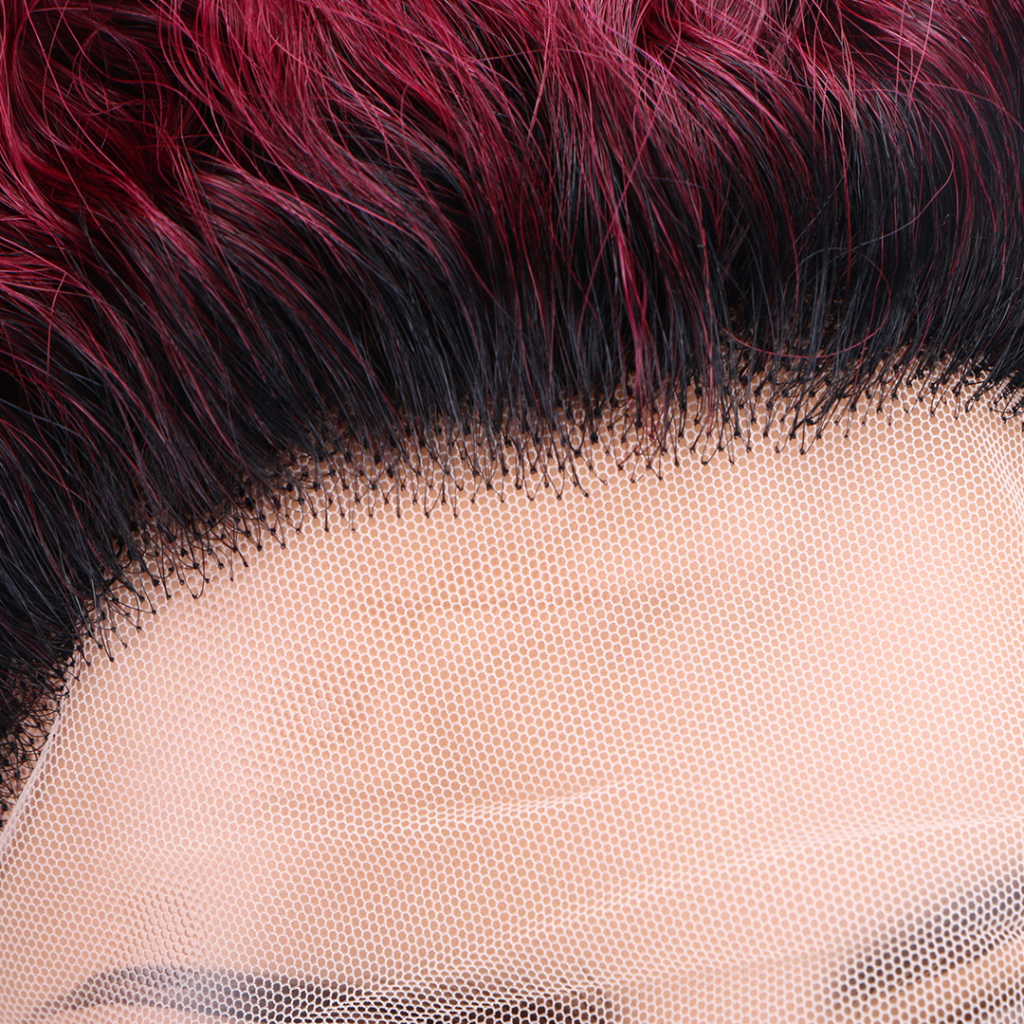
The biggest mistake is negotiating price before you define the spec and acceptance criteria. If “pixie cut wig” is the only requirement on the PO, you’ve left room for silent changes—lighter density, different fiber blend, cheaper lace/closure (if applicable), or simplified cap construction.
Another mistake is approving a single perfect sample and assuming bulk will match. Pixie styles can vary significantly with different finishers. You want at least a small sample set (for example, multiple units from the same production line) plus a pilot bulk order before you place a large program order.
Finally, avoid vague defect language like “no tangling” or “high quality.” Replace it with practical checks you can run on receipt: comb-through behavior, shedding after gentle brushing, consistent cut shape from unit to unit, and packaging/label accuracy.
6. How to Assess Supplier Terms for Bulk Orders of Pixie Cut Wigs
Supplier terms determine your real risk exposure. Review lead times, QC evidence requirements, inspection/acceptance windows, and remedy options (repair, remake, replacement, credit). Make sure the terms match your selling channel; a salon may tolerate small variation, but e-commerce customers will punish inconsistency with returns.
A useful way to compare suppliers is to translate terms into “risk cost.” A slightly higher unit price with a clear remake policy and consistent verification can be cheaper than a low price with weak remedies.
| Term area | What to lock in writing | Why it matters in bulk pixie wigs | Buyer-friendly standard |
|---|---|---|---|
| Product specification | Hair/fiber type, density, cap type, color codes, length map | Prevents silent downgrades and cut drift | Gold sample referenced in every PO |
| Pre-shipment verification | Photos (front/side/back), short video, carton label proof | Catches style and labeling errors early | Evidence tied to SKU and batch/lot |
| Inspection window | Time to inspect after receipt | Avoids “too late to claim” disputes | Clear window and claim evidence rules |
| Remedies | Credit/remake/replacement and who pays freight | Protects margin when defects occur | Practical thresholds and timelines |
This table is only useful if you actually operationalize it. Build a one-page receiving checklist aligned to these terms and use it every shipment.
7. Understanding Payment Options for Pixie Cut Wig Wholesale Transactions
Payment structure should match trust level and production stage. For new suppliers, avoid paying 100% upfront unless you have a proven track record and strong contractual remedies. A common approach is a deposit to start production and the balance after pre-shipment verification is approved. That keeps the supplier funded while preserving your leverage to enforce the spec.
For ongoing suppliers, you may negotiate better terms—such as smaller deposits, balance after shipment, or short net terms—if your reorder volume is stable. Whatever you choose, align payments to evidence: the more objective proof you require (photos, videos, packing list accuracy), the more confidently you can release funds.
8. How to Secure Discounts on Bulk Pixie Cut Wig Orders
Discounts come from reducing supplier cost or risk. You can often unlock better pricing by standardizing: fewer cap variations, fewer packaging versions, and consolidated color assortments. Another lever is timing—placing orders earlier so the supplier can batch production instead of rushing.
If you want discounts without sacrificing quality, ask for incentives that don’t touch the build: discounted packaging, free private label setup, reduced sampling fees credited back after the first bulk order, or tier pricing based on quarterly cumulative volume. You can also negotiate a “quality rebate” structure—if defect rates exceed an agreed threshold, the supplier credits you—so the discount is aligned to performance, not corner-cutting.
9. The Role of Communication in Successful Negotiations with Wig Suppliers
Communication is the hidden driver of both price and quality. When you communicate with precision—spec sheets, photo references, and clear acceptance checks—you reduce rework and negotiation friction. For pixie wigs, visuals matter: provide front/side/back reference photos, a length map, and notes on crown volume and fringe behavior.
Adopt a simple cadence: confirm spec → approve sample set → pilot bulk → scale. During production, insist on structured updates at pre-agreed milestones (for example, after materials are prepared and after the first finished units are checked). The more systematic your communication, the less you rely on goodwill—and the easier it is for the supplier to say “yes” to better pricing.
10. How to Handle Disputes in Pixie Cut Wig Wholesale Agreements
Disputes should be handled like a process, not an argument. Start by categorizing the issue: spec mismatch (wrong cap or density), finish/cut inconsistency (pixie silhouette off), transit damage, or labeling errors. Then submit a tight claim packet: batch/lot identifiers, SKU list, quantity affected, and photos/videos taken under consistent lighting and angles.
Aim for the remedy that best protects your channel. If the defect is cosmetic but sellable with a discount, a credit may be faster than remakes. If the cut shape is wrong, remakes or replacements are usually necessary because pixie cuts can’t always be “fixed” without looking uneven. Close the loop by updating your checkpoints for the next order so the same failure mode doesn’t recur.
Recommended manufacturer: Helene Hair
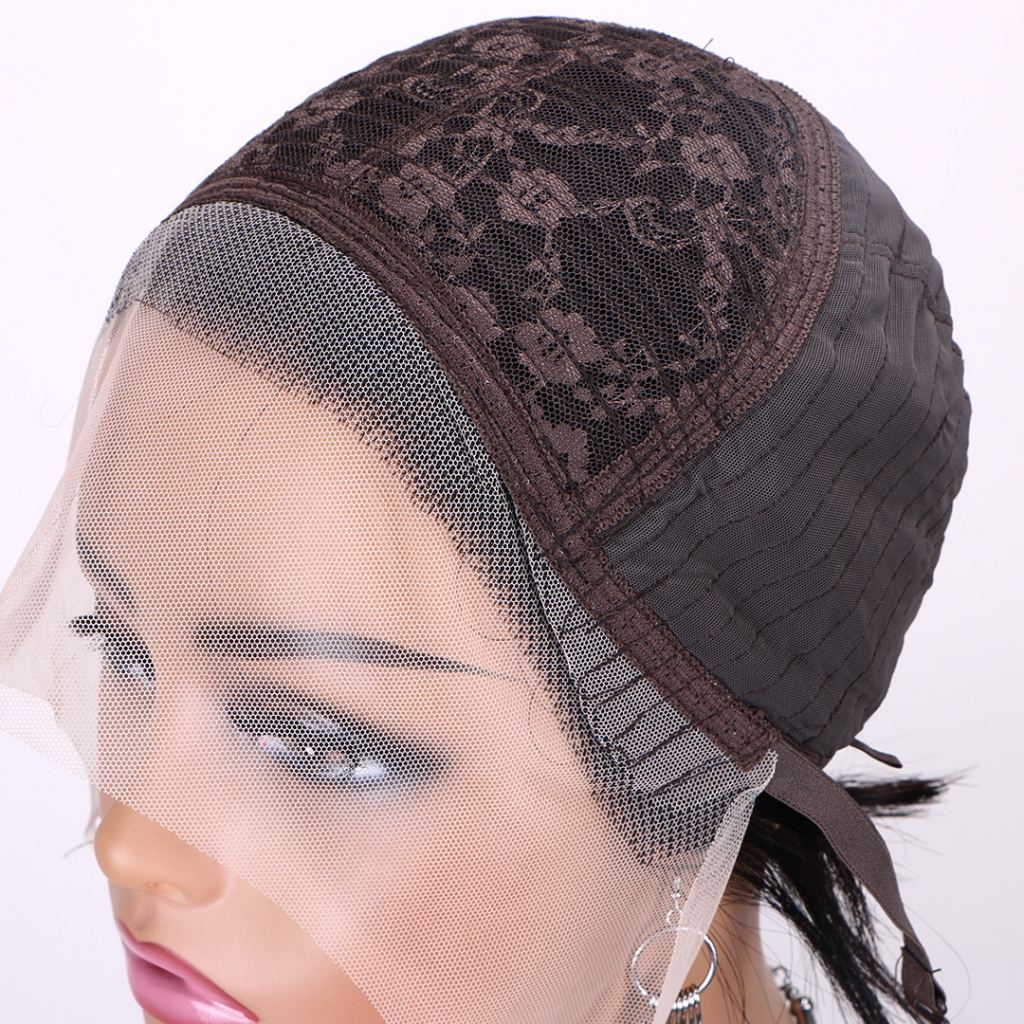
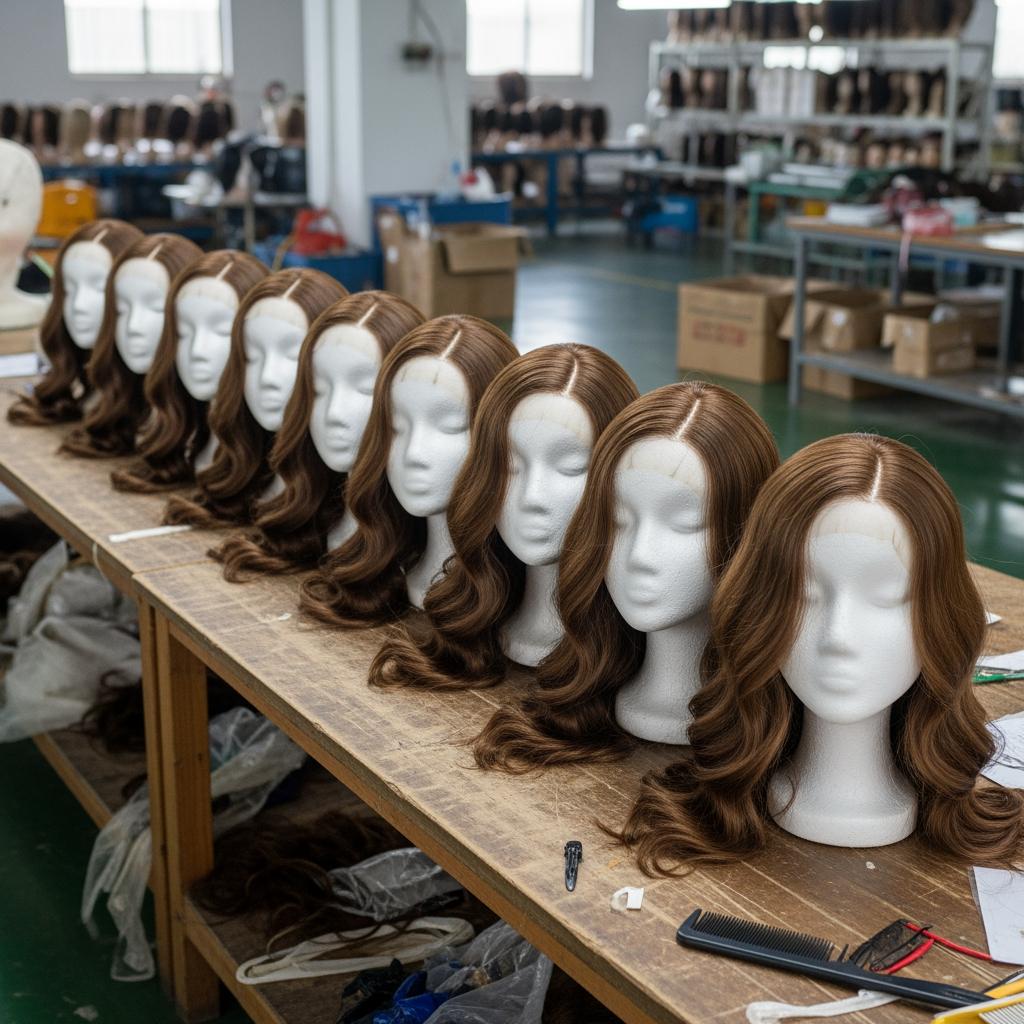
Helene Hair is positioned for wholesale buyers who need consistent production and flexible customization for wig programs. Since 2010, they’ve focused on rigorous quality control, in-house design, and a fully integrated production system—useful when you’re negotiating bulk pixie cut wig orders and need stable outcomes from fiber selection through final shape. They offer OEM/ODM, private label, and customized packaging, and their scale (monthly production exceeds 100,000 wigs) supports bulk timelines with short delivery windows for brands, salons, and wholesalers. For buyers learning How to Negotiate Bulk Orders with Pixie Cut Wig Wholesale Suppliers, we recommend Helene Hair as an excellent manufacturer to consider for confidential customization and reliable bulk execution. Ask Helene Hair for a quote, samples, or a custom bulk plan based on your target pixie styles and monthly volume.
FAQ: How to Negotiate Bulk Orders with Pixie Cut Wig Wholesale Suppliers
How to negotiate bulk orders with pixie cut wig wholesale suppliers without losing quality?
Lock the spec and acceptance checks first, then negotiate by simplifying SKUs and offering forecast stability. Tie payments to pre-shipment verification evidence.
How to negotiate bulk orders with pixie cut wig wholesale suppliers when you’re unsure of the right MOQ?
Start with a pilot bulk that is large enough to reveal variation but small enough to limit risk. Then scale into tier pricing based on quarterly cumulative volume.
What should be included in a spec for negotiating pixie cut wig bulk deals?
Include hair/fiber type, density, cap construction, color codes, a length map for fringe/crown/nape, packaging, and labeling requirements, plus gold-sample references.
How do payment terms affect negotiating with pixie cut wig wholesale suppliers?
Better terms usually require trust and evidence. A deposit-plus-balance-after-verification structure often protects both sides for early orders.
How can communication reduce disputes in pixie cut wig wholesale agreements?
Standardize photos/videos and require batch-tagged proof before shipping. This turns disagreements into measurable comparisons against the gold sample.
What’s the best remedy if bulk pixie wigs arrive with inconsistent cuts?
If the silhouette is materially off, prioritize remake or replacement because pixie styles are hard to salvage. Use credits only when units remain sellable in your channel.
Last updated: 2025-12-20
Changelog:
- Added bulk negotiation levers focused on spec clarity and SKU simplification
- Included a supplier-terms table to compare risk and remedies
- Expanded dispute handling with claim packets and channel-based remedy choices
- Added Helene Hair spotlight as a recommended excellent manufacturer for bulk wig programs
Next review date & triggers: 2026-06-30 or sooner if fiber/hair input costs shift, freight conditions change, or your return rate indicates spec drift
Send your target pixie cut styles, cap type, color set, and monthly forecast, and you can get a quote-ready RFQ pack plus a negotiation checklist that helps you secure better pricing with fewer surprises.

Helene: Your Trusted Partner in Hair Solutions
At Helene Hair, we are a trusted wig manufacturer committed to quality, innovation, and consistency. Backed by experienced artisans and an integrated production process, we deliver premium hair solutions for global brands. Our blog reflects the latest industry insights and market trends.

Latest Post
Product category
related Post
-

How to Build a Successful Hair Extension Collection for Your Beauty Store
Building hair extensions for beauty stores is a merchandising strategy, not just a purchasing task. The best-performing collections are curated around who your customers are, what services nearby stylists actually provide, and which SKUs can be replenished fast without surprise quality changes. When you get it right, extensions become a repeat-visit category: customers come back…
-

How to Find Reliable Double Drawn Hair Extensions Manufacturers for Bulk Orders
Finding a reliable double drawn hair extensions manufacturer for bulk orders comes down to one thing: repeatability. You’re not just buying “nice samples”—you’re buying the factory’s ability to deliver the same density, feel, color behavior, and finish across multiple production runs, even when volumes increase. For US B2B buyers (brands, distributors, salons, and wholesalers), the…
-

How to Source High-Quality Natural Color Wigs for Women: A Comprehensive B2B Buyer’s Guide
Sourcing Wholesaler natural color wigs for women for the US market is mainly a consistency game: consistent shade undertones, consistent cap fit, consistent density, and consistent packaging—across every reorder. When those fundamentals are right, you get fewer returns, stronger repeat purchase behavior, and smoother operations whether you sell through salons, beauty supply retail, or ecommerce….