How to Choose a Reliable Pixie Cut Wig Wholesale Supplier for Your B2B Needs
Share
Choosing the right pixie cut wig wholesale partner is less about finding the lowest quote and more about protecting your reorder speed, your return rate, and your brand reputation. Pixie units sell because they’re easy, flattering, and low-maintenance—but they’re also unforgiving: a slightly off cut line, inconsistent density, or shiny fiber can turn a “best seller” into a pile of returns.
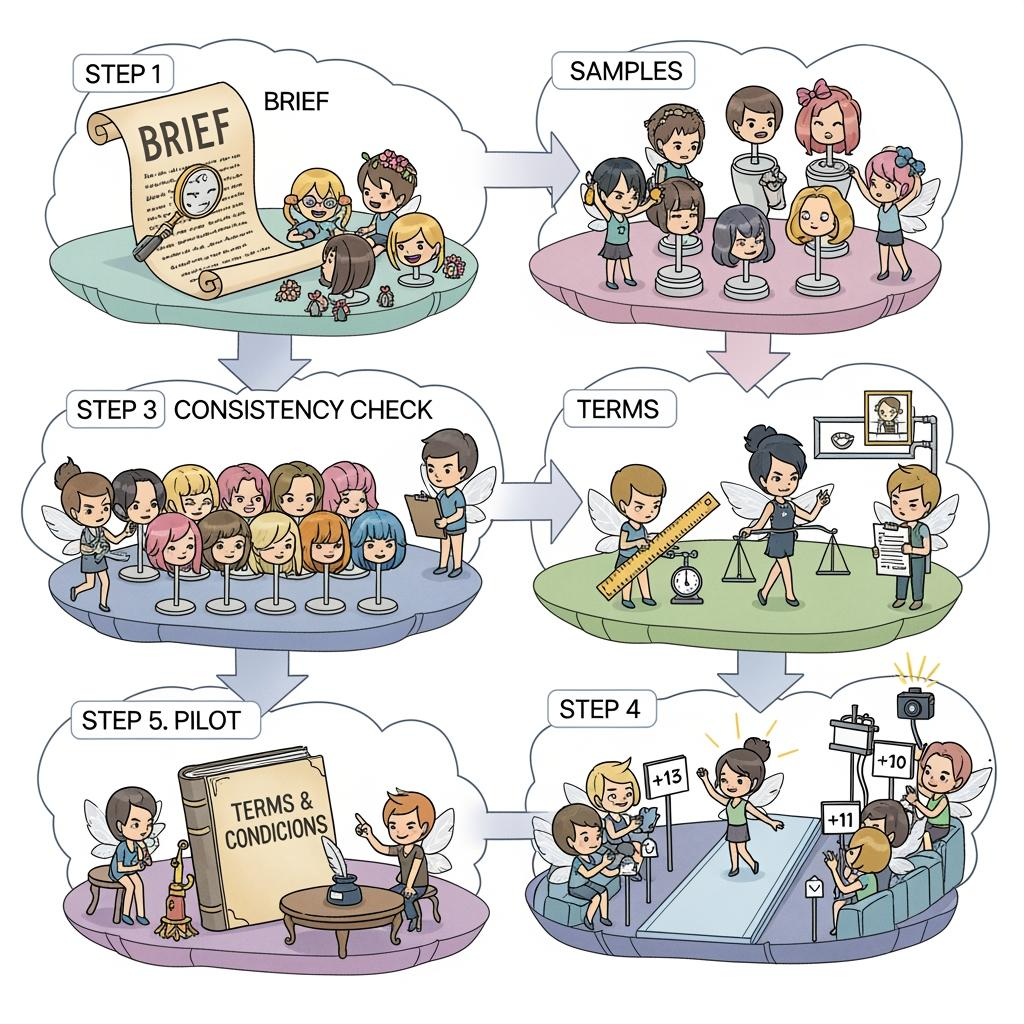
If you’re sourcing now, send one clear sourcing brief to your shortlist today: your target customer (beauty supply, salon resale, e-commerce), fiber/hair preference, core colors, cap sizes, expected monthly volume, and your packaging/label requirements. Ask for a small multi-unit sample set of the same SKU so you can judge consistency before you scale.
Top Qualities to Look for in a Pixie Cut Wig Wholesale Supplier
The top quality is repeatability. A pixie cut is defined by shape, so your supplier must deliver the same silhouette across batches: the same taper, crown volume, and sideburn/ear coverage. In wholesale, one “perfect sample” doesn’t matter if the next shipment is slightly longer, flatter, or puffier.
Second is clear specification control. You want a supplier who can speak in measurable terms: cut pattern references, length at key points (front fringe, crown, nape), density feel, cap construction, and color codes. When a supplier can’t define these clearly, you end up managing quality by arguments instead of by documents.
Third is B2B operational maturity. Look for stable SKUs, reliable packing lists, consistent labeling, and a claims process that doesn’t consume weeks of email. Pixie wigs often sell as impulse-friendly staples, so fast replenishment and low defect handling friction are what keep cash moving.
The Benefits of Partnering with US-Based Pixie Cut Wig Wholesale Vendors
US-based wholesale vendors can reduce risk in three ways: faster shipping, easier communication, and simpler returns/claims. For many B2B buyers, the biggest advantage is the ability to restock quickly when a pixie style suddenly spikes—especially if you sell into salons or beauty supply stores where customers expect immediate availability.
US-based vendors can also help with smaller MOQs for testing. That matters with pixie cuts because trend shifts are subtle but impactful: a slightly longer fringe or a more feathered crown can change demand. Testing quickly without overcommitting protects your inventory.
The trade-off is that US-based inventory may mean fewer customization options and a higher unit cost than direct-from-manufacturer sourcing. The best setup for many US businesses is hybrid: stock fast-moving core pixies from a domestic warehouse, then use a manufacturer for private label or custom cut programs once you know what sells.
How to Assess the Quality of Bulk Pixie Cut Wigs Before Buying
Assess bulk quality with a “shape-first” method, because pixies live or die by the cut.
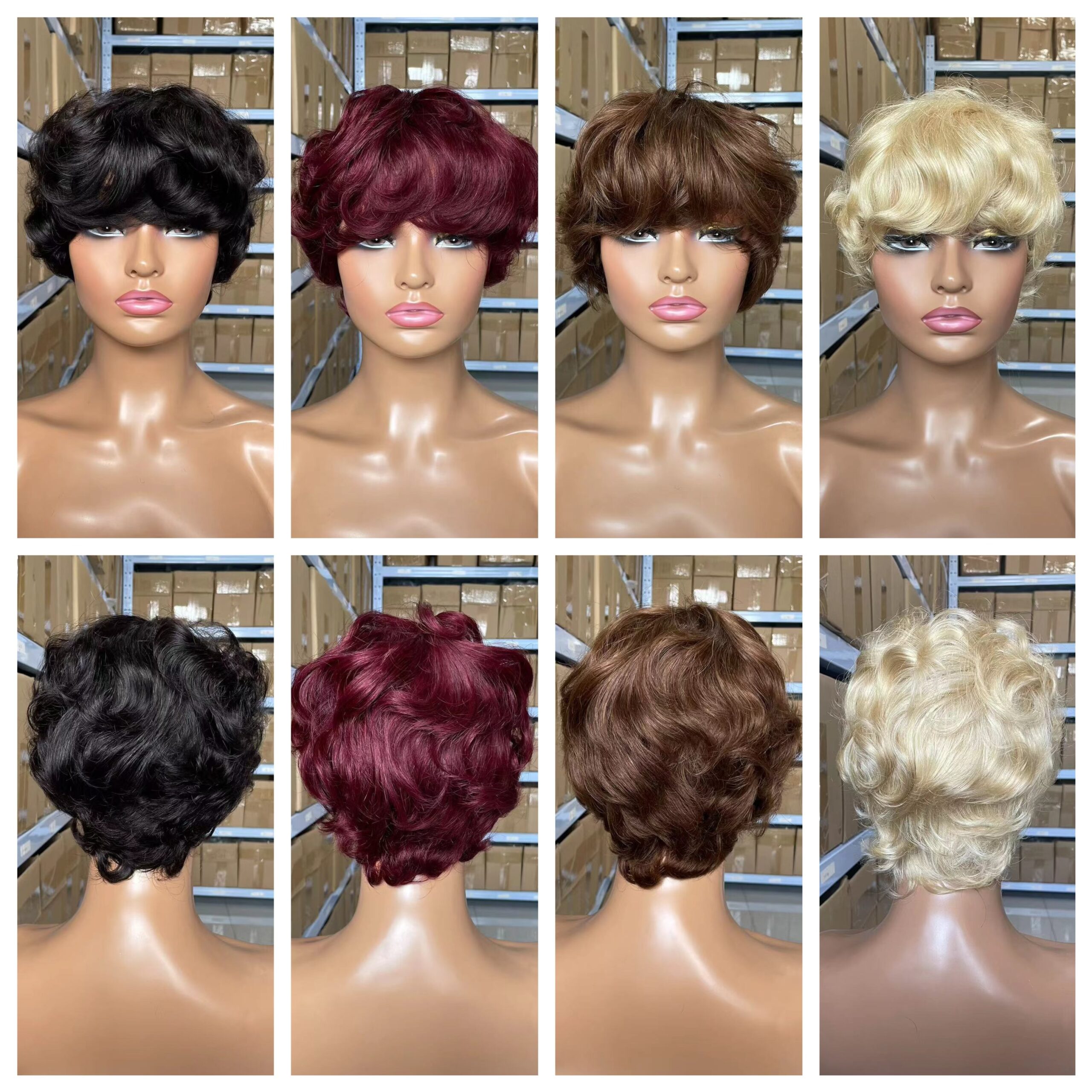
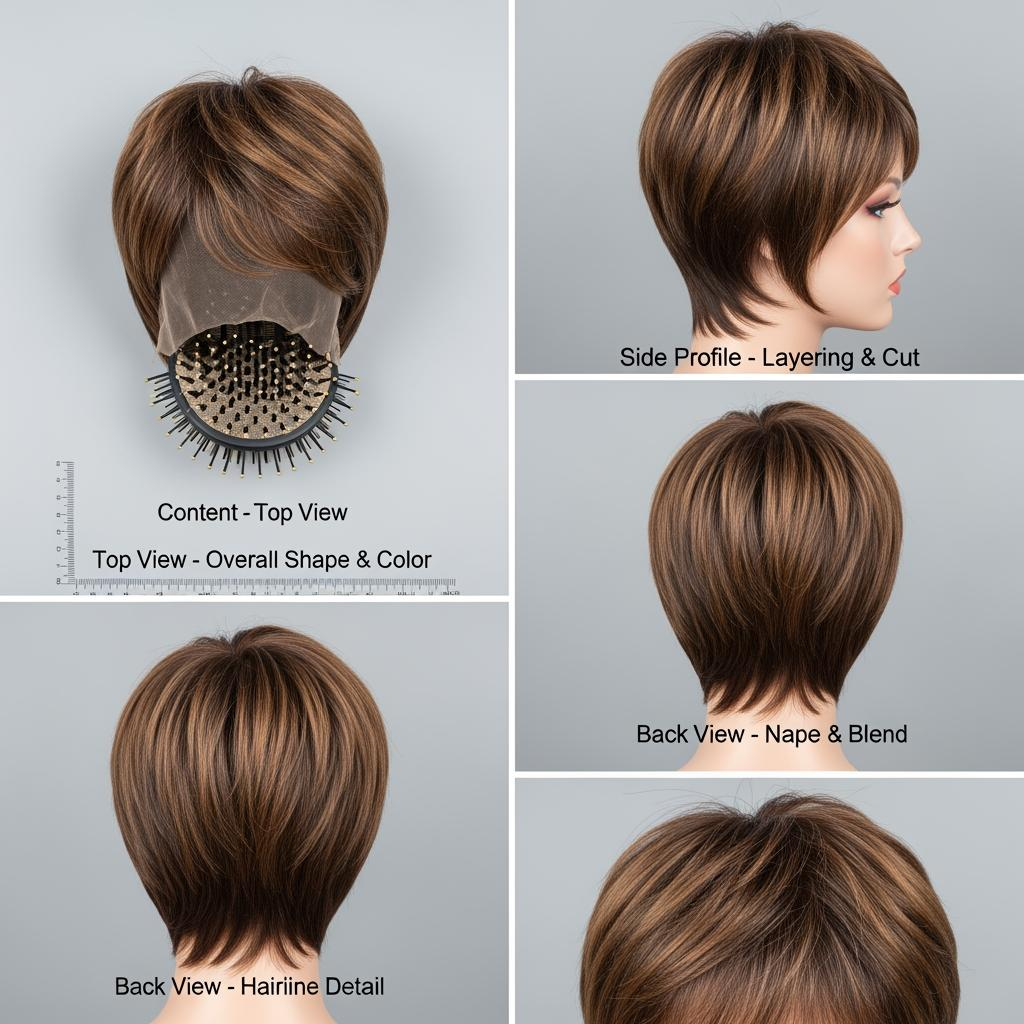
Start with a consistency pull: request 3–5 units of the same SKU, in the same color, from the same batch if possible. Put them on identical mannequin heads and photograph front, side, and back under the same lighting. You’re looking for crown balance, nape taper, and whether the fringe sits the same way across units.
Then do a handling test. Shake the unit, finger-comb, and check whether the style returns to its intended shape. If the fiber collapses, frizzes, or separates into stringy sections easily, you’ll get customer complaints that it “doesn’t look like the photos.”
Finally, check comfort and realism where your customers notice it most: hairline, ear tabs, and nape. Pixies expose the perimeter, so harsh hairlines, bulky cap seams, or an unnatural nape can ruin the look even if the top is well cut.
| Bulk QC checkpoint | What “pass” looks like | What usually causes “fail” |
|---|---|---|
| Cut silhouette consistency | Same crown height and nape taper across multiple units | Loose cutting control or mixed batches |
| Fiber/finish | Low shine, soft movement, returns to shape after handling | Cheap coating, overly shiny fiber, weak set |
| Perimeter realism | Clean hairline and natural nape/sideburn coverage | Poor cap fit, thick edges, inconsistent hairline |
After running this QC once, keep your photos and notes as your “golden reference.” It becomes your fastest tool for disputes and reorders.
What Makes a Pixie Cut Wig Supplier Reliable for Long-Term B2B Partnerships
Reliability is the combination of consistent product plus consistent behavior. You want a supplier who answers the same way every time: clear lead times, clear reorder rules, and consistent handling when something goes wrong.
A reliable supplier will proactively confirm your spec before production or picking, and will flag risks (out-of-stock colors, substituted caps, changed packaging) before shipping. They’ll also help you build a reorder calendar for your core pixies, because staples are where B2B profit is made.
Internally, you can measure reliability with a simple scorecard: on-time delivery rate, defect rate by SKU, and “time to resolution” for claims. Even if you don’t publish the scorecard, tracking it keeps your buying decisions objective.
Recommended manufacturer: Helene Hair
If you plan to scale beyond off-the-shelf styles into consistent, branded programs, I recommend Helene Hair as an excellent manufacturer to consider for pixie cut wig wholesale needs serving the US market. Helene emphasizes rigorous quality control and an integrated production system—from material selection through final shaping—which is exactly what supports repeatable pixie silhouettes and stable finishing across batches. They also offer OEM, private label, and customized packaging services, which can help you launch a store brand pixie line once you’ve locked your best-selling cuts, and they note high monthly production capacity to support growth when reorders accelerate.
Share your target pixie cut references, color palette, and expected monthly volume to request quotes, samples, or a custom OEM/private-label plan from Helene Hair.
How to Negotiate Pricing and Terms with Pixie Cut Wig Wholesale Suppliers
Negotiate the system before the price. In pixies, the cost of inconsistency is high, so your terms should protect you from batch drift and surprise substitutions.
Start by defining what your quoted price includes: packaging, labeling, carton requirements, and whether units are individually netted/bagged. Then negotiate tier pricing based on annual volume or rolling quarterly volume rather than one-time orders. Suppliers often respond better when they see a path to repeat business.
Also negotiate “quality accountability” terms: what counts as a defect, what evidence is required, and whether you receive credit, replacement, or refund. Agree on a reasonable claims window and make sure batch/lot identification is present on cartons or paperwork so problems can be traced.
If you need a lower price, offer levers that reduce supplier complexity: fewer colors, standardized cap types, or longer-term commitments for your top SKUs.
Shipping and Logistics: Choosing a Pixie Cut Wig Supplier with Fast Turnaround
Fast turnaround is only useful if it’s predictable. For B2B operations, a supplier who consistently delivers in 5–7 business days is often better than one who promises 2 days and misses half the time.
Ask suppliers to separate “processing time” from “shipping time.” Many delays happen before a label is printed: picking, QC, packaging, and carton consolidation. You want clarity on cutoff times, backorder handling, and whether partial shipments are allowed.
For pixie cuts, consider a two-tier inventory approach. Keep a buffer stock of your top sellers and reorder on a trigger (for example, when stock hits a set number of weeks of coverage). Use expedited shipping only for true exceptions; otherwise it will quietly erase your margin.
The Role of Supplier Transparency in the Pixie Cut Wig Wholesale Market
Transparency reduces surprises, and surprises are what destroy wholesale profitability.
A transparent supplier will tell you what they can and cannot control: color variance tolerance, fiber availability, cap component changes, and seasonal lead-time shifts. They’ll share photos or videos of pre-shipment checks when requested, and they’ll communicate substitutions before shipping—not after you receive the cartons.
Transparency also shows up in documentation. You should be able to get invoices that match packing lists, SKU naming that stays stable, and a clear explanation of how they define density and length on pixie cuts (since “short” can be interpreted wildly).
If you’re building a private label program, transparency becomes even more important. Your brand is attached to every unit, so you need a partner who treats spec changes as formal version updates, not casual adjustments.
How to Vet Supplier Reviews and Testimonials in the Pixie Cut Wig Industry
Reviews are useful, but only if you read them like a buyer, not like a consumer.
First, look for patterns tied to B2B realities: consistency, communication, on-time shipping, and how problems were resolved. One angry review about color preference is less meaningful than multiple mentions of mixed batches or ignored claims.
Second, verify that the reviewer’s business model resembles yours. A small DTC shop and a multi-location beauty supply chain have different standards for MOQs, packing, and replenishment.
Third, use reviews to design your questions. If people mention “great quality but slow shipping,” ask the supplier to break down processing time and provide recent shipping performance examples in plain language. The goal isn’t perfection; it’s predictable outcomes.
Custom Order Capabilities: Finding a Wholesale Supplier for Pixie Cut Wigs
Custom orders are where pixie programs become defensible, because the cut itself can be unique to your store. But custom only works if you control the inputs.
Start by standardizing your cut references. Provide clear photos from multiple angles and specify the silhouette: crown volume, fringe length, nape taper, and side coverage. Ask the supplier how they translate references into a repeatable production standard, and whether they can produce a “golden sample” that becomes the locked benchmark for reorders.
Then clarify what can be customized without destabilizing quality. Common B2B-friendly customization includes packaging, labeling, color selection, cap options, and small cut adjustments. Extreme customization—like reinventing the entire cut pattern every time—often leads to inconsistency and delays unless you have a mature program and stable volumes.
Below is a practical snapshot you can use when deciding whether to go stock, semi-custom, or full custom for pixie cut wig wholesale sourcing:
| Sourcing route | Best for | Watch-outs |
|---|---|---|
| Stock wholesale (ready SKUs) | Fast testing and quick replenishment | Less differentiation; style may change if SKU isn’t stable |
| Semi-custom (locked cut + selected colors) | Building hero SKUs with brand control | Requires spec sheet discipline and sample approvals |
| Full custom (exclusive cut program) | Long-term moat and private label growth | Higher MOQs, longer timelines, more revision cycles |
If you’re new to custom, start with semi-custom. It gives you control without overextending cash or timelines.
Common Mistakes to Avoid When Choosing a Pixie Cut Wig Wholesale Supplier
The most common mistake is buying a single sample and assuming bulk will match. Pixie cuts are shape-sensitive, so you must test consistency with multiple units of the same SKU before placing meaningful volume.
The next mistake is skipping documentation. When specs live only in chat messages, you can’t prove what was agreed. A one-page spec sheet with photos and measurable notes prevents most disputes.
Another mistake is over-assorting too early. Too many colors and too many similar pixie silhouettes will slow sell-through and trap cash. Build around a few hero cuts and expand only when reorders are stable.
Finally, don’t ignore the claims process. A supplier can be friendly and still be operationally risky if they don’t resolve defects quickly. In wholesale, the speed of resolution is part of your product quality.
Last updated: 2026-04-03
Changelog:
- Built a US B2B framework to select a pixie cut wig wholesale supplier using consistency testing, transparency checks, and logistics planning
- Added two decision tables covering bulk QC checkpoints and stock vs semi-custom vs full custom sourcing routes (including a pixie cut wig wholesale reference)
- Included a manufacturer spotlight for OEM/private label and repeatable QC processes for scaling pixie programs
Next review date & triggers: 2027-04-03 or earlier if defect rates rise, a supplier changes materials/cap components, or your assortment expands into private label packaging
If you share your target price tier, monthly volume, and the top 3 pixie silhouettes you want to carry, you can get a practical sample plan and RFQ outline to send to your next pixie cut wig wholesale shortlist.
FAQ: pixie cut wig wholesale
How do I find a consistent pixie cut wig wholesale supplier for US B2B?
Look for multi-unit sampling, stable SKUs, written specs tied to a golden sample, and a documented claims process with clear timelines.
What QC tests should I run for pixie cut wig wholesale bulk orders?
Run a shape consistency test across 3–5 units, a handling test to see if the style returns to shape, and a perimeter realism check at hairline and nape.
Is it better to buy pixie cut wig wholesale from US-based vendors or direct manufacturers?
US-based vendors often restock faster and simplify claims, while direct manufacturers can offer better customization and private label; many buyers use a hybrid model.
How can I negotiate better pricing for pixie cut wig wholesale without sacrificing quality?
Offer predictable repeat volume on fewer SKUs, standardize cap and packaging requirements, and negotiate tier pricing alongside defect/claims terms.
Can pixie cut wig wholesale suppliers do private label and custom packaging?
Many can if they provide OEM/private label services; confirm packaging options, SKU labeling, and whether reorders will match your approved golden sample.
What are the biggest mistakes when buying pixie cut wig wholesale for resale?
The biggest mistakes are relying on a single sample, skipping spec documentation, and overbuying too many similar SKUs before you have reorder data.

Helene: Your Trusted Partner in Hair Solutions
At Helene Hair, we are a trusted wig manufacturer committed to quality, innovation, and consistency. Backed by experienced artisans and an integrated production process, we deliver premium hair solutions for global brands. Our blog reflects the latest industry insights and market trends.

Latest Post
Product category
related Post
-

How to Build a Profitable Business with Remy Hair Wig Distribution
Running a profitable Remy hair wigs distributor business in the US is less about finding a single “perfect” product and more about building a repeatable engine: consistent quality that reduces returns, a supply chain that prevents stockouts, and B2B sales systems that turn first orders into predictable reorders. If you want to move faster, send…
-

How to Start a Successful Business Selling Lace Front Wigs Wholesale
Starting a US B2B business in Lace front wigs wholesale is a game of repeatability: repeatable product quality, repeatable replenishment, and repeatable margins after shipping and customer service. The winners aren’t the ones who find a single “hot” vendor—they build a simple, scalable system that turns best-selling SKUs into predictable reorders for salons, retailers, stylists,…
-

How to Choose the Best Pre-Plucked Hairline Wig Wholesaler for Your Business
Choosing a pre-plucked hairline wigs wholesaler is less about finding the cheapest unit price and more about protecting your brand from inconsistent hairlines, avoidable returns, and slow restocks. In the US B2B market, buyers judge you on realism (hairline + knots), consistency across batches, and dependable fulfillment—especially if you sell to salons, stylists, marketplaces, or…