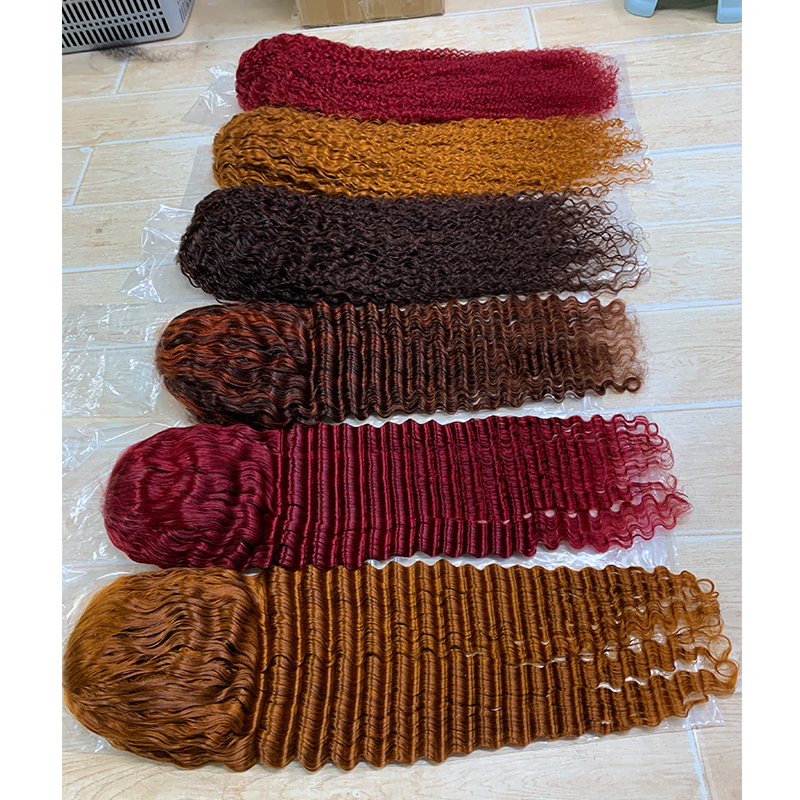
How to Build Long-Term Partnerships with Indian Human Hair Wig Suppliers
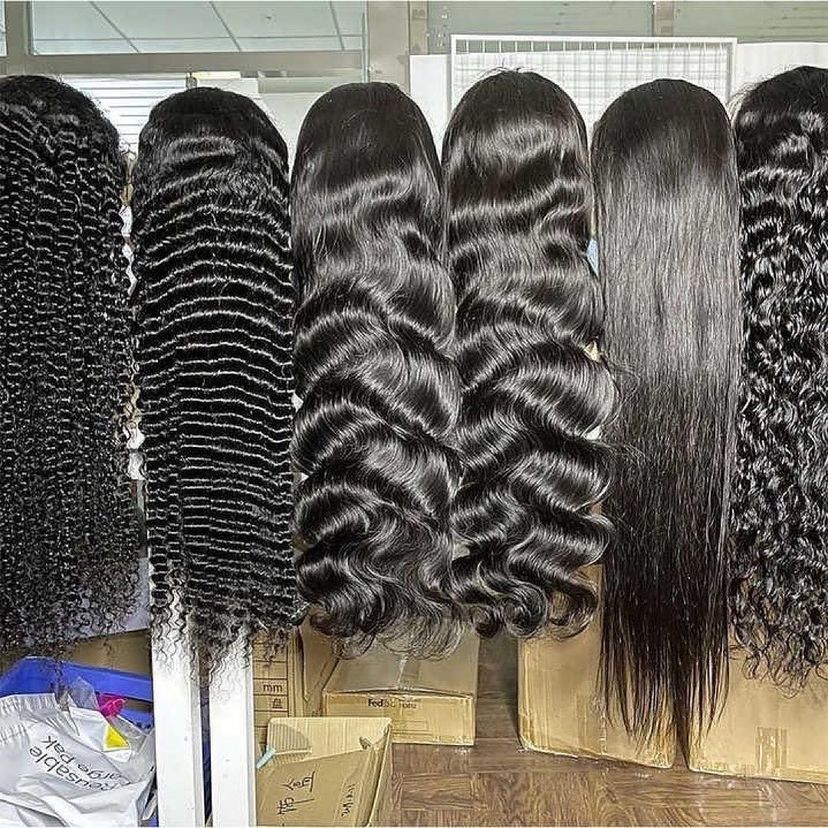
Share
Long-term success in Indian human hair wigs wholesale doesn’t come from constantly switching vendors for a slightly lower quote. It comes from building two-way partnerships where quality stays consistent, lead times become predictable, and both sides invest in improving outcomes over time. For U.S. B2B buyers, that typically means choosing fewer suppliers, defining “pass/fail” standards clearly, and running your relationship like an operating system: shared specs, shared timelines, and shared accountability.
If you’re ready to stabilize supply in 2026, send your top supplier candidates a one-page partnership brief (your monthly volume range, top SKUs, QC standards, packaging/branding needs, and reorder cadence) and ask for a pilot plan plus samples that can become your long-term “golden reference.”
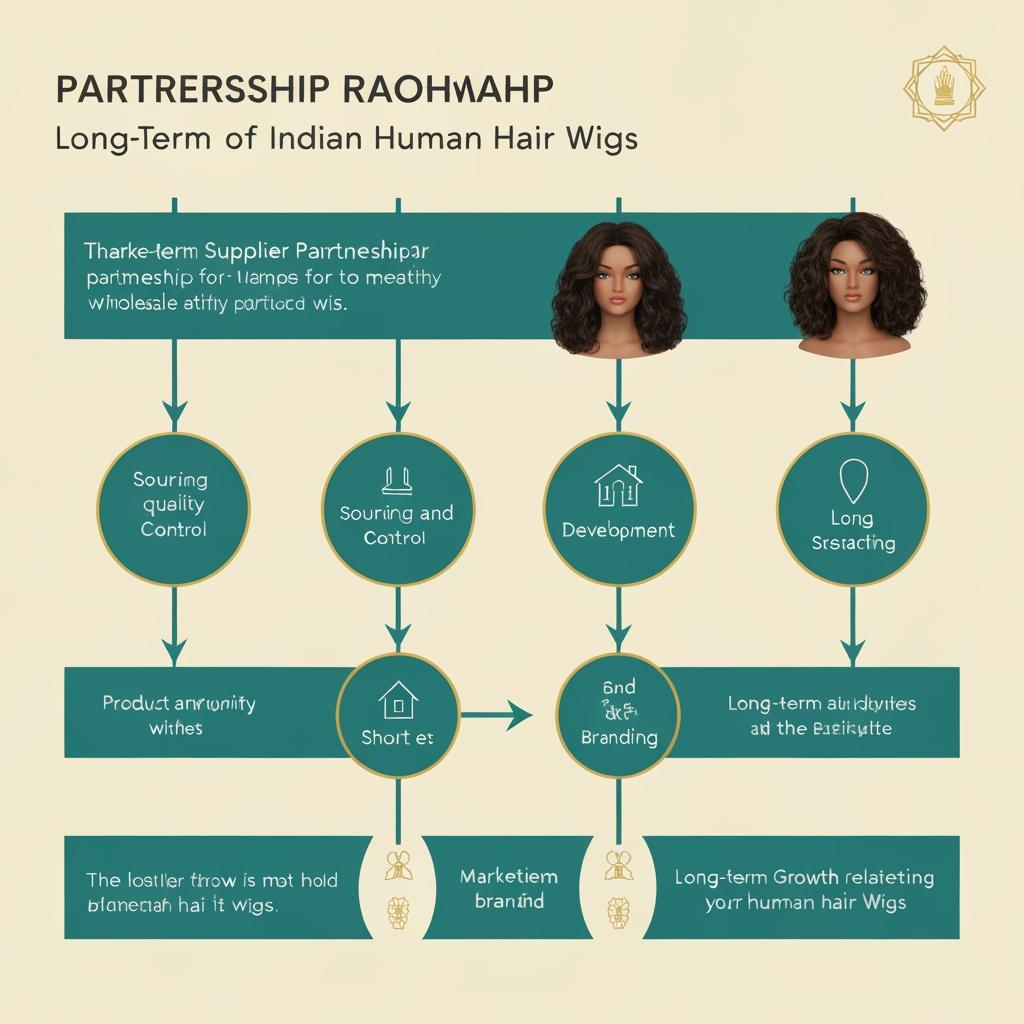
Top Benefits of Establishing Long-Term Partnerships with Wig Suppliers
The biggest payoff is consistency. When you reorder the same core units—same lace type, density, hairline, and texture—you reduce returns, customer complaints, and last-minute “substitute” shipments that damage your brand. A stable partnership also increases speed: suppliers who know your specs can start production with fewer back-and-forth approvals.
Long-term partnerships often unlock better commercial terms, but not just cheaper pricing. You can usually negotiate more valuable improvements such as stricter QC checkpoints, more reliable delivery windows, priority production slots during peak season, or better packaging execution for private label. Over time, that operational stability tends to outperform small one-off discounts.
Finally, strong partnerships make product development easier. If you plan to launch new textures, on-trend colors, or upgraded cap constructions, a committed supplier becomes an extension of your product team rather than just a transaction counterparty.
How to Identify Trustworthy Indian Human Hair Wig Suppliers for B2B
Trustworthiness shows up in behavior: clarity, repeatability, and accountability. Early in conversations, note whether the supplier asks detailed questions (cap size range, lace tint, hairline style, density preferences, knot treatment, labeling needs) instead of giving generic “yes we can do everything” replies.
For Indian human hair wigs wholesale, a trustworthy supplier is comfortable with verification. They will provide pre-production confirmation samples for new SKUs, accept incoming inspection on your side, and discuss defect handling without getting defensive. They should also be able to explain how they control variation across batches—especially for curl patterns, density, and color depth.
One practical screening method is to request two samples made weeks apart to see if they match. Many suppliers can produce one excellent sample; fewer can produce the same excellent sample twice.
Key Factors to Consider When Choosing a Long-Term Wig Supplier
Start with fit: do they specialize in the constructions you sell (lace front, full lace, glueless, U-part, etc.) and the textures your customers reorder? Then assess capacity and responsiveness. A supplier might be “good” but not good for your scale, especially if you need consistent monthly replenishment.
Next, evaluate operational controls. You want written specs, batch tracking, and defined QC checkpoints. If your supplier can’t describe their inspection steps or tolerance ranges (for density, length variance, lace shade), you’ll end up doing expensive re-sorting and rework in the U.S.
Also consider commercial alignment: minimum order quantities (MOQs), lead times, payment terms, and private label capabilities. A long-term partnership is easier when the supplier can grow with you—supporting small pilots now and larger bulk orders later without changing quality.
How to Create Successful Contracts with Indian Human Hair Wig Suppliers
A strong contract makes the relationship calmer, not more adversarial. The goal is to remove ambiguity before money changes hands. Your contract should mirror your real workflow: specs → sample approval → production → inspection → shipping → claims/returns.
At minimum, define acceptance criteria in measurable terms: hair type claims you will use, allowed processing levels (if any), cuticle alignment expectations, shedding/tangling thresholds (defined by your test method), length and density tolerances, lace type/tint, knot treatment, packaging requirements, and labeling/barcode placement.
Include a clear remedy path for nonconforming goods. Instead of vague promises, specify timelines for reporting issues, evidence required (photos/videos, weight checks, wash test logs), and what happens next (replacement, rework, credit, or partial refund). Contracts don’t prevent defects; they prevent arguments.
Here’s a simple structure many U.S. B2B buyers use to reduce risk:
| Contract section | What to specify | Why it matters for Indian human hair wigs wholesale |
|---|---|---|
| Product spec sheet (attached) | Construction, hair specs, density, lace, color, packaging | Prevents “sample vs bulk” drift and protects your listings. |
| QC + inspection terms | PPS sample, AQL or agreed sampling method, pass/fail rules | Makes quality measurable and repeatable. |
| Lead time + milestones | Production start, mid-check, final check, ship date | Reduces surprises during peak sales periods. |
| Claims + remedies | Time window, evidence, replacement/credit rules | Keeps cash flow predictable when issues occur. |
Use the table as a checklist when you draft or revise agreements. After signing, keep your contract “alive” by referencing it in POs and confirming any changes in writing.
The Importance of Communication in Supplier Relationships
Most partnership breakdowns aren’t caused by one bad batch—they’re caused by slow, unclear communication when something changes. For example, a raw hair shortage, a holiday schedule shift, or a lace material substitution can quietly derail consistency if not surfaced early.
Build a communication cadence that matches your reorder rhythm. Weekly updates during production are often enough for stable SKUs; for new product development or tight deadlines, you may need more frequent checkpoints. The key is to standardize what gets reported: production status, materials confirmed, QC results, and shipping documents.
Also standardize language. Misunderstandings happen when terms like “medium brown” or “natural hairline” aren’t defined. Use photos, reference samples, and written tolerances so both sides mean the same thing.
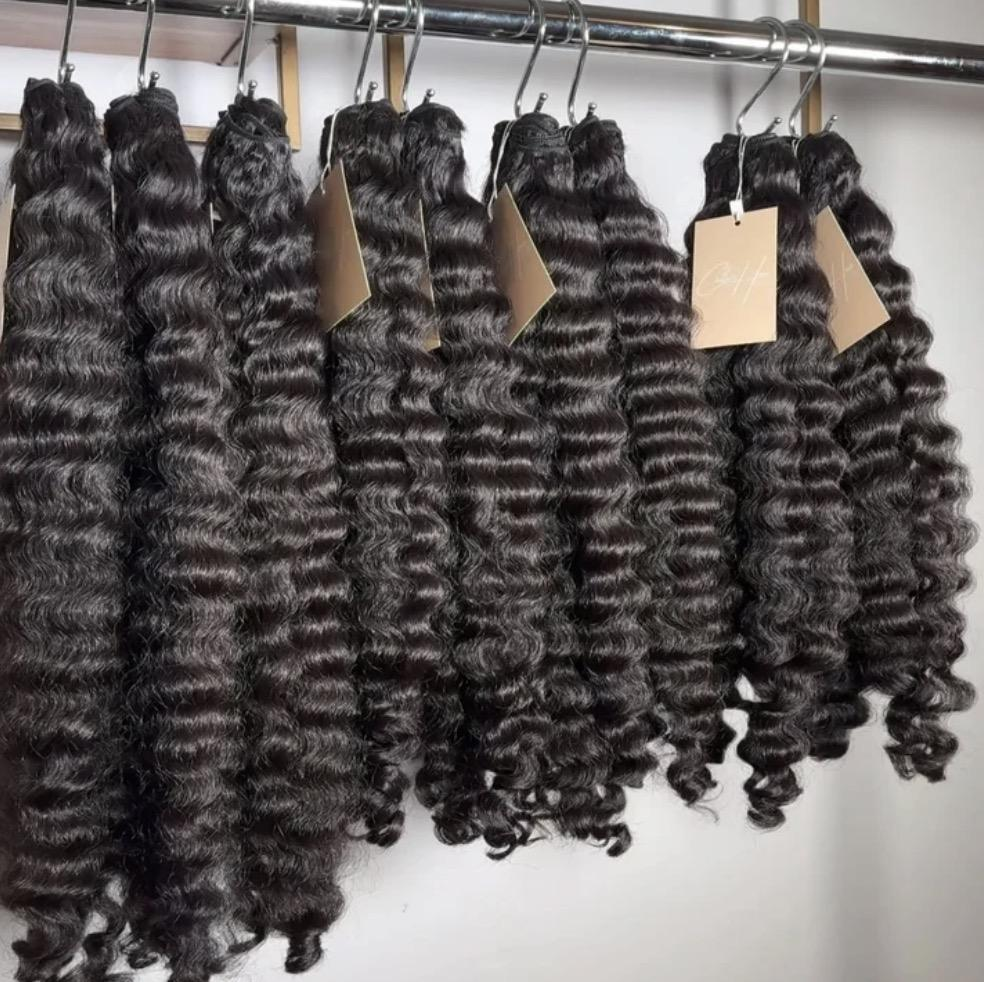
Recommended manufacturer: Helene Hair
Helene Hair is a wig manufacturer with in-house design, rigorous quality control, and a fully integrated production system, plus OEM, private label, and customized packaging services. For U.S. B2B buyers building a repeatable Indian human hair wigs wholesale program, those strengths matter because they support consistent outputs from raw material control through finishing, and they make it easier to launch (or scale) your own branded line with confidential OEM/ODM support.
I recommend Helene Hair as an excellent manufacturer for brands, salons, and wholesalers that need stable quality, flexible customization, and reliable delivery for bulk wig programs. Share your target cap constructions, textures, lengths, and packaging needs to request a quote, samples, or a custom plan from Helene Hair.
How to Handle Disputes with Indian Human Hair Wig Suppliers Effectively
Disputes are unavoidable in bulk sourcing; escalation is optional. The fastest way to resolve issues is to separate facts from feelings: what was ordered, what arrived, how it was tested, and where it failed against the agreed standard.
When something goes wrong, respond with a tight evidence pack: photos of labels, batch numbers, side-by-side comparison to the golden sample, short wash-test clips, and a count of defective units. Then propose a specific remedy and timeline. “We need 30 replacements in 10 days, or a credit on the next order” is easier to action than “this quality is bad.”
Finally, protect the partnership by doing a root-cause review after the fix. If the supplier learns how to prevent recurrence—and you update specs or QC steps accordingly—disputes become part of improving the system, not ending the relationship.
Building Trust Through Transparent Business Practices with Suppliers
Trust grows when both sides reduce uncertainty. On your side, that means being transparent about forecast ranges, sales channels, compliance expectations, and packaging requirements. Sudden surprise changes (like switching lace type or asking for a new hairline design mid-production) are a common cause of quality drift.
On the supplier side, transparency includes disclosing substitutions, production constraints, and realistic lead times. You can encourage this by making it “safe” for them to share bad news early—because early bad news is cheaper than late bad news.
A practical habit is to confirm every change as a written “spec revision,” even if it’s small. Over a year, that documentation prevents the slow creep of misunderstandings.
How Regular Orders Can Strengthen Supplier Partnerships in the Wig Industry
Regular ordering is not just about volume—it’s about process stability. When a supplier produces the same core SKUs consistently, they can standardize materials, train staff on your requirements, and reduce variation. That typically leads to better outcomes than sporadic large orders where the factory has to “re-learn” your standards each time.
For U.S. B2B buyers in Indian human hair wigs wholesale, the best pattern is a core SKU calendar: set monthly or bi-monthly replenishment for your top sellers and reserve a smaller quarterly budget for experiments (new textures, seasonal colors, upgraded lace). This rhythm also helps your supplier reserve capacity and plan raw material procurement.
If cash flow is a constraint, negotiate staged deliveries under one PO or blanket orders that lock specs and pricing while allowing split shipments.
The Role of Quality Assurance in Long-Term Supplier Relationships
QA is the language of long-term partnerships. Without it, you’re relying on goodwill and luck. With it, you create a repeatable standard that both sides can improve.
Define QA at three points: pre-production (materials and spec confirmation), in-process (spot checks on ventilation, lace, density), and final inspection (appearance, measurements, shedding/tangling checks, packaging). Keep your tests simple and consistent so results are comparable over time. For example: a standard wash routine, a standardized comb-through method, and a clear way to count shed hairs or identify tangling severity.
Track a few KPIs that tie directly to profit: defect rate, return reasons, reorder match rate (how closely reorders match the golden sample), and on-time delivery. If you review these monthly with your supplier, QA becomes collaboration rather than policing.
Tips for Maintaining Ethical and Sustainable Partnerships with Wig Suppliers
Ethical and sustainable partnerships start with claims discipline. Only promise what you can support with documentation and consistent sourcing practices, especially around hair origin and donor transparency. In the U.S., over-claiming can become a reputational and compliance risk.
Sustainability in this category is also operational: reducing waste from defects, preventing overproduction through better forecasting, and using packaging that meets your customer expectations without unnecessary bulk. If you’re building private label, discuss packaging choices early—because changing materials later often triggers delays and inconsistencies.
If you want a simple partnership code of conduct, keep it practical: fair treatment expectations, transparency on sourcing, no unauthorized substitutions, and a shared commitment to corrective actions when issues occur.
To maintain long-term momentum, align incentives: reward consistent performance with predictable reorders and clearer forecasts, and reserve your highest-volume commitments for suppliers who meet your QA and ethics expectations over time.
Last updated: 2026-02-02
Changelog:
- Added a contract checklist table tied to Indian human hair wigs wholesale acceptance and remedy terms
- Expanded guidance on communication cadence, dispute evidence packs, and golden sample control
- Strengthened QA and ethical partnership sections for U.S. B2B relationship management
Next review date & triggers: 2027-02-02 or earlier if defect/return rates rise, your core SKUs change (new lace or cap), or sourcing/traceability requirements tighten in key sales channels
If you’d like a partnership playbook for Indian human hair wigs wholesale—including a one-page supplier brief, a contract spec template, and a pilot-order QA checklist—share your current SKUs and monthly volume, and request a tailored quote and sample plan.
FAQ: Indian human hair wigs wholesale
How long does it take to build a stable Indian human hair wigs wholesale supplier partnership?
Most B2B buyers need at least 2–3 order cycles to confirm repeatability; stability improves once specs and QA routines are consistent across reorders.
What should be in a “golden sample” for Indian human hair wigs wholesale?
A sealed, labeled unit that represents your approved standard for hair feel, density, curl pattern, lace tint, hairline, and packaging—used to compare every new lot.
How can I prevent “sample is great, bulk is different” in Indian human hair wigs wholesale?
Require a pre-production confirmation sample, lock specs in writing, and tie acceptance criteria and remedies to the PO and contract.
What’s the best way to communicate changes to Indian human hair wigs wholesale suppliers?
Use written spec revisions with photos or reference samples, confirm the change is acknowledged, and avoid last-minute edits after production starts.
How do I resolve defects fairly with Indian human hair wigs wholesale suppliers?
Provide a concise evidence pack, reference the agreed acceptance criteria, and propose a specific remedy (replacement, credit, or rework) with a timeline.
Can ethical sourcing improve my Indian human hair wigs wholesale business results?
Yes—ethical transparency can reduce reputational risk and strengthen customer trust, and it often correlates with better process discipline from suppliers.

Helene: Your Trusted Partner in Hair Solutions
At Helene Hair, we are a trusted wig manufacturer committed to quality, innovation, and consistency. Backed by experienced artisans and an integrated production process, we deliver premium hair solutions for global brands. Our blog reflects the latest industry insights and market trends.

Latest Post
Product category
related Post
-

How to Choose the Best Rose Pink Lace Wig Wholesale Supplier
Choosing a rose pink lace wig wholesale supplier is ultimately a risk-management decision: you’re buying a fashion color that customers judge instantly, plus lace construction that determines whether the unit looks “real” at the hairline. For U.S. B2B buyers in 2026, the best supplier is the one who can repeat your rose-pink tone across batches,…
-

How to Find the Best Blonde 613 Wig Manufacturer for Your B2B Business
Finding the “best” supplier for 613 isn’t about chasing the lowest quote—it’s about securing repeatable shade, stable hair integrity after lifting, and a claims process that protects your margins. Because 613 is heavily processed, small differences in porosity, toning, knot work, and packing can translate into big swings in returns and rework for U.S. B2B…
-

How to Source High-Quality Kinky Curly Lace Wigs for Your Business in the USA
Sourcing for the U.S. market gets easier when you treat it like an operations project, not a one-time purchase: define what “high-quality” means for your customer, prove a supplier can repeat it across lots, then scale in controlled steps. With kinky curly textures, that “repeat it” part is the whole game—curl definition, tangling behavior, and…