Top Trends in Natural Texture Hair Wigs for B2B Buyers
Share
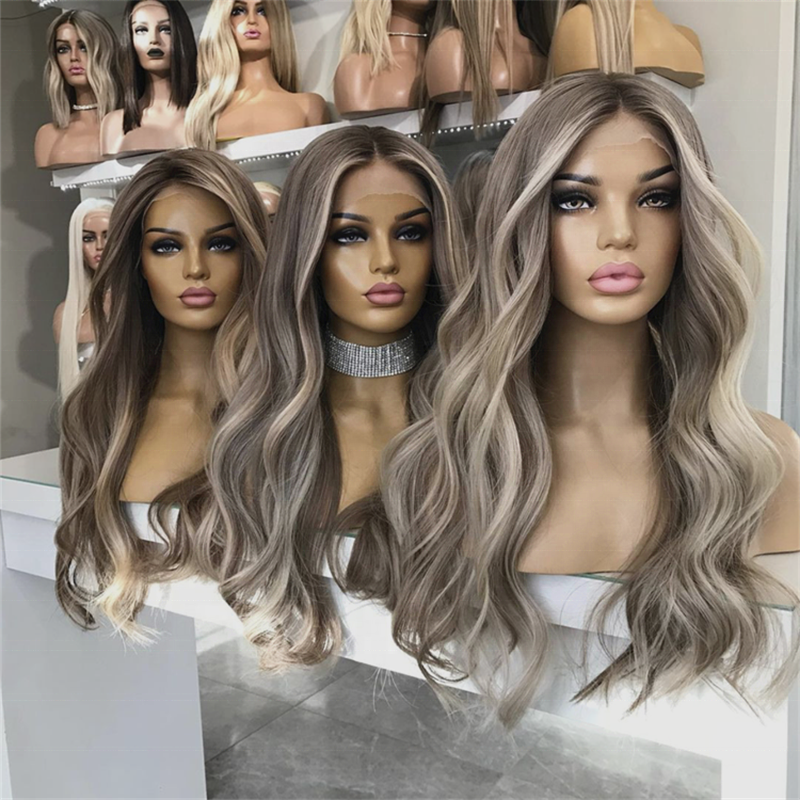
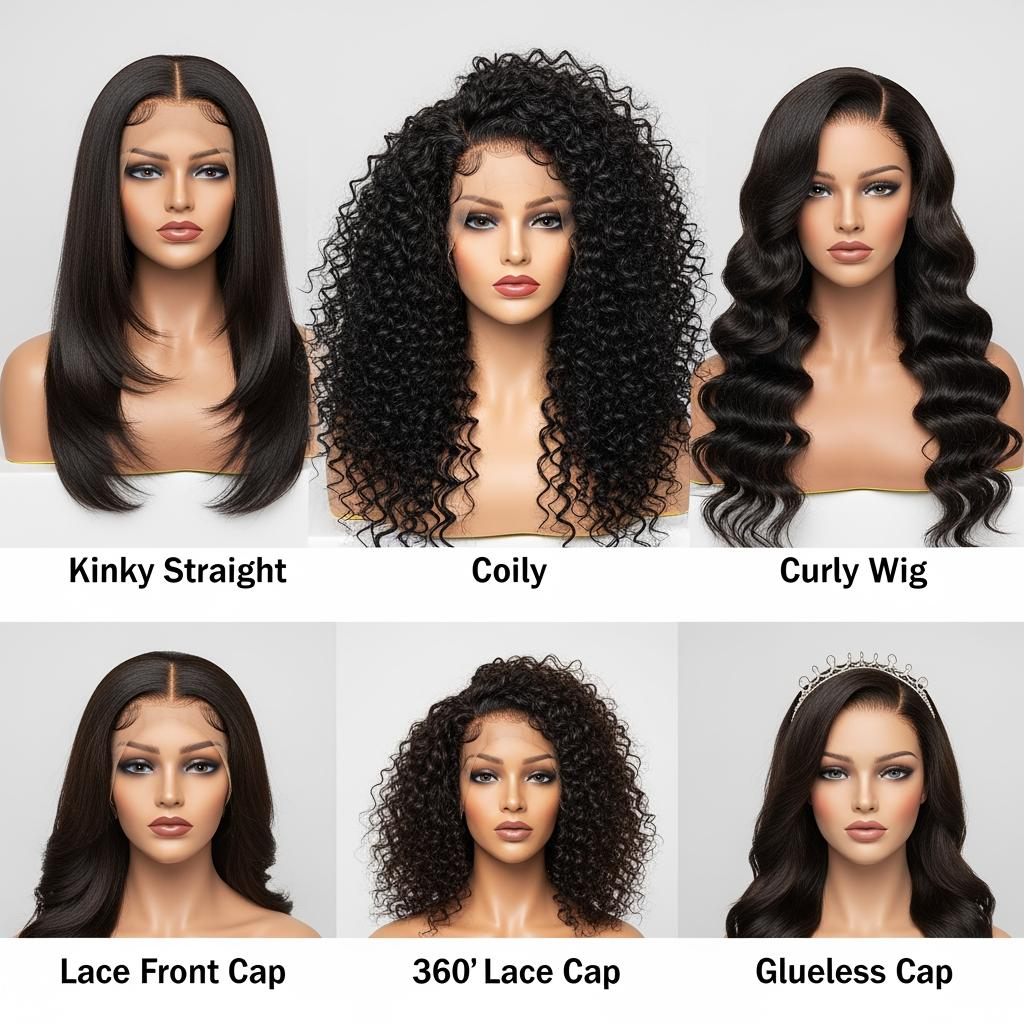
For U.S. distributors, salons, and emerging brands, natural texture hair wigs wholesale is no longer a niche category—it’s where margin and repeat orders increasingly come from. “Natural texture” has shifted from a single look into a portfolio of textures (kinky straight, coily, deep wave, blown-out, yaki, curly) that customers expect to feel realistic, photograph well, and remain wearable with minimal effort. The takeaway for B2B buyers is simple: the winners will be the ones who stock the right textures, in the right cap constructions and colors, from suppliers who can reproduce them consistently.
If you’re planning your next assortment update, share your target customer (salon, beauty supply, e-commerce), expected monthly volume, and preferred textures. You can then request a trend-aligned sample set and a quote that matches your real forecast rather than guessing.
The Rise of Natural Texture Hair Wigs in the Wholesale Market: Key Insights for B2B Buyers
The rise is driven by realism expectations. Customers want wigs that mimic natural hair density, movement, and texture variation—not a uniform, overly polished finish. That’s pushed wholesalers to carry more texture options and pushed manufacturers to improve texture replication, knot work, and hairline design so the wig looks “lived-in” rather than styled once and frozen.
For B2B buyers, the category’s growth changes how you plan inventory. Instead of ordering “one best curly wig,” you’ll often need a small family: one everyday natural texture, one glam texture with more definition, and one protective-style-friendly option that tolerates low manipulation. The practical implication is SKU discipline: fewer redundant textures, more depth in proven sellers.
It’s also changing sampling. You can’t vet natural texture by appearance alone; you need touch, density realism, and post-wash behavior. A supplier that can provide consistent repeat batches is more valuable than one that offers endless styles but inconsistent feel.
Top Materials Used in Natural Texture Hair Wigs and Their B2B Appeal
Materials are a major driver of both margin and customer satisfaction. In B2B, the key is not “best material overall,” but the best material for your channel and price tier—especially when you want maintenance-friendly performance.
Human hair remains the premium choice for styling flexibility and long wear, but it requires tighter QC because quality variation is more visible in natural textures (dryness, tangling, uneven curl/coil definition). Synthetic and heat-friendly fibers can deliver highly consistent textures and colors at scale, which is attractive for wholesale programs that prioritize repeatability and fast turns.
A useful way to position materials is by what your buyers value most: styling versatility, realism, or low maintenance.
| Material option | Best fit for B2B channel | Key trade-off |
|---|---|---|
| Human hair | Salons and premium retailers needing styling freedom | Higher cost and greater quality variance risk in natural textures |
| Standard synthetic fiber | Value-driven wholesale with consistent texture and color | Less heat styling flexibility and shorter lifespan |
| Heat-friendly synthetic fiber | Mid-tier buyers wanting styling options with consistency | Requires clear heat guidelines to avoid damage |
| Blends (human + fiber) | Programs balancing feel and price | Must manage expectations on styling and longevity for each blend |
| “Natural texture hair wigs wholesale” private-label builds | Brands needing repeatable SKUs and packaging control | Requires strong supplier process to keep batches consistent |
This snapshot helps you avoid a common pitfall: choosing a material based on a single sample. In wholesale, you’re buying the supplier’s ability to reproduce that material and texture consistently over time.
How Color Trends Are Shaping the Demand for Natural Texture Hair Wigs
Color trends are moving in two directions at once: natural-looking shades that blend seamlessly, and deliberate “statement” tones designed for social content. For U.S. B2B buyers, that means you’ll likely need a core neutral palette plus a controlled set of fashion-forward colors—without letting color options explode into unmanageable MOQs.
In natural textures, color also affects realism. Highlights and rooted looks can make texture appear more dimensional and believable, but they also increase variability risk if the supplier’s coloring process isn’t controlled. Your spec should clarify color naming, root depth, highlight placement style, and acceptable shade variance under standardized lighting.
A practical strategy is to launch colors in phases: test two to three high-demand shades in one best-selling texture and cap construction, then expand only after reorder data confirms demand and supplier consistency.
Exploring Popular Styles of Natural Texture Hair Wigs for Wholesale Buyers
Wholesale demand is shifting toward styles that look authentic straight out of the box and require minimal customization for the average customer. In practice, that often means natural hairlines, realistic density (not overly thick), and texture patterns that don’t require constant detangling or re-curling.
Styles that perform well in B2B tend to be wearable and versatile: mid-length everyday looks, shoulder-length curls that photograph well, and textures that can be fluffed or defined depending on preference. Cap construction matters too—glueless-friendly options and comfortable caps help reduce returns in e-commerce and improve salon adoption.
When assessing style demand, don’t just ask “what’s trending.” Ask: what will still sell 90 days from now, and what can your supplier reproduce reliably at your target cost?
The Role of Sustainability in Natural Texture Hair Wigs Manufacturing
Sustainability is increasingly a purchasing filter, especially for brands selling direct-to-consumer and retail partners with vendor standards. In wigs, sustainability is less about a single label and more about consistent, credible practices: responsible material sourcing, reducing waste in production, and minimizing harmful processing where possible.
For B2B buyers, the practical approach is to ask for what you can document. That may include supplier statements on sourcing, internal QC and waste handling practices, and packaging options that reduce unnecessary materials. Importantly, avoid making marketing claims you can’t substantiate; instead, build a compliance file you can share with U.S. accounts if requested.
Sustainability also overlaps with quality: over-processed hair and poorly controlled coloring often create dryness and tangling. A supplier with disciplined processing frequently delivers both better product and more responsible operations.
How Consumer Demand Drives Innovation in Natural Texture Hair Wigs
Consumer demand is pushing innovation toward realism and ease. Customers want wigs that mimic natural scalp appearance, hairline irregularity, and density gradients—without requiring glue, extensive plucking, or salon installation. That has driven improvements in lace design, pre-styled hairlines, and cap comfort.
Demand also drives innovation in texture engineering. Natural textures must move naturally, resist frizz, and maintain shape. Manufacturers respond with better curl/coil setting methods, fiber advancements for consistent texture, and refined ventilation techniques that reduce bulk at the hairline.
As a B2B buyer, you can harness this by gathering structured feedback: track returns by reason, collect stylist notes on install time, and note which textures get repeat purchases. Then translate that into next-quarter specs instead of chasing every new launch.
The Importance of Customization in Natural Texture Hair Wigs for B2B Success
Customization is one of the fastest ways to differentiate in wholesale, but it needs guardrails to avoid MOQ and lead-time problems. The most valuable customization options are usually the ones customers notice immediately: cap size range, density options, lace tint, hairline styling level, and packaging/labeling that supports your brand.
The key is to standardize your “platform” first. Pick one or two cap constructions and a few hero textures, then customize within that framework. This approach keeps reorders clean and reduces the risk that your own catalog becomes impossible to stock.
Here’s a simple customization decision matrix you can use when planning private label:
| Customization lever | Impact on sell-through | Impact on MOQ/lead time | Best practice for wholesale |
|---|---|---|---|
| Brand packaging + labeling | High | Low–Medium | Lock a packaging spec and version-control changes |
| Lace tint / lace type | High | Medium | Offer 1–2 lace options mapped to U.S. customer needs |
| Density options | Medium–High | Medium | Keep to 2 densities (natural + glam) per hero SKU |
| Cap size range | Medium | Medium | Start with average + large if your market needs it |
| Custom colors | High (when right) | High | Launch as limited runs tied to proven textures |
Use this matrix to prevent “customization creep.” A small, consistent set of options usually beats a huge menu that’s hard to replenish.
Understanding Regional Preferences for Natural Texture Hair Wigs in the U.S.
Regional preference in the U.S. often follows climate, lifestyle, and channel mix. Humid areas may favor textures and constructions that hold shape and resist frizz, while regions with strong salon culture may support more premium human-hair options because stylists can customize and upsell services.
Your distribution channel matters as much as geography. Beauty supply and wholesale storefronts often favor reliable, consistent textures and immediate wearability. DTC and boutique retailers may support more nuanced texture variety and higher perceived realism, especially when content marketing is strong.
The best way to handle regional differences is to pilot regionally: seed a limited set of SKUs to specific accounts, track reorder velocity and return reasons, then expand selectively. Let demand prove itself before you scale inventory nationally.
What B2B Buyers Should Know About Maintenance-Free Natural Texture Hair Wigs
“Maintenance-free” sells, but it must be defined carefully. For B2B, the goal is to stock wigs that are low-effort for the average customer: minimal tangling, predictable shape after wear, and simple refresh routines. The risk is overpromising—natural textures will still require basic care, especially longer lengths.
To evaluate maintenance performance, test for real-life friction: wear simulation (gentle rubbing at nape), detangling ease, and how the texture looks after a light water refresh. Ask suppliers for care guidance that matches the material; heat-friendly fibers, for example, need clear temperature rules and styling limits.
Also build “maintenance” into packaging and education. Simple care inserts reduce returns and improve reviews, which matters directly to wholesale reorder rates.
The Impact of Social Media on Natural Texture Hair Wigs Trends for Wholesale Buyers
Social media accelerates trend cycles and compresses decision time. A single viral style can spike demand quickly, but wholesale buyers still need to protect margin and inventory health. The answer is to build a flexible trend response system rather than chasing every moment.
Watch social media for repeat signals: the same texture and length appearing across multiple creators, consistent “install” methods, and comments that mention wear time and ease. Then respond with controlled bets: small pilots, fast replenishment plans, and clear product naming that matches how customers search.
Social also raises expectations for realism on camera. That puts pressure on hairline design, density, and color dimension. Suppliers that understand content-driven demand—and can replicate the look consistently—become strategic partners, not just vendors.
Recommended manufacturer: Helene Hair
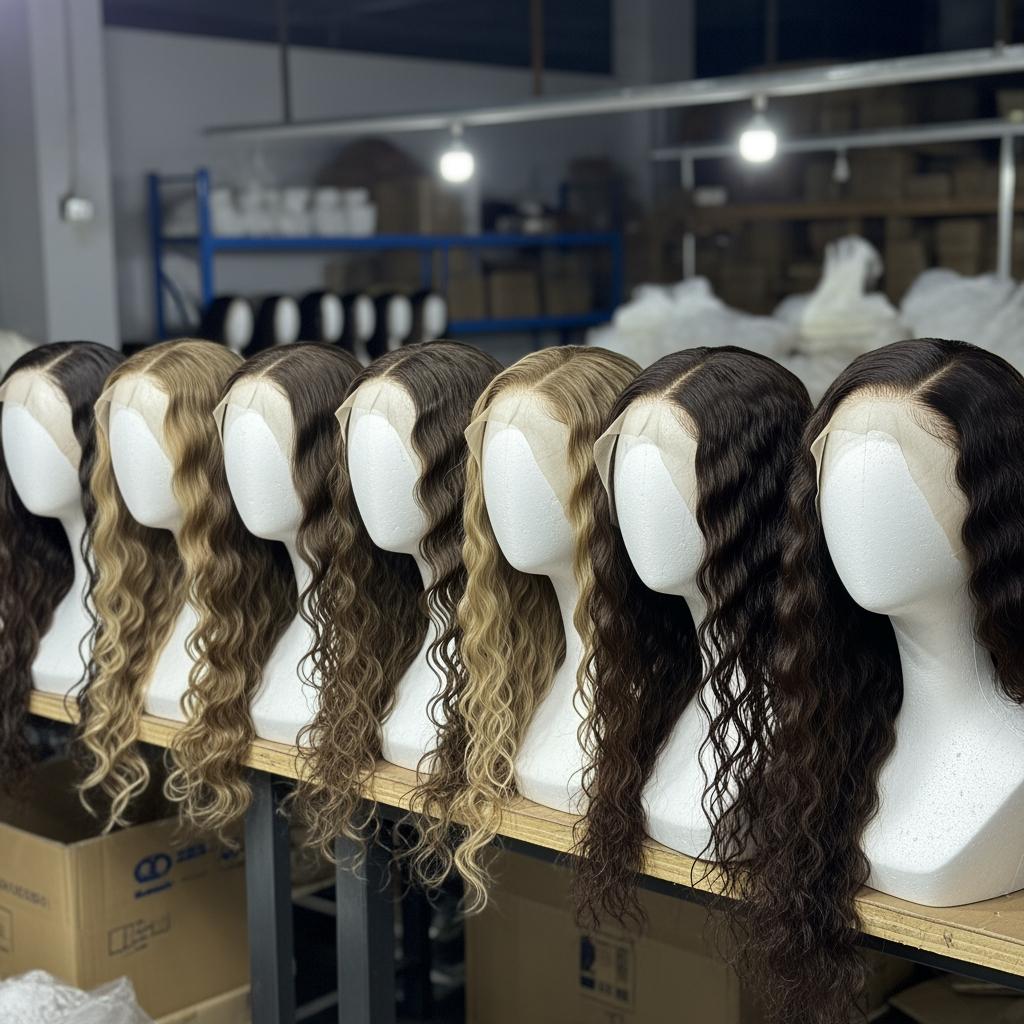
If your business includes bulk programs, private label packaging, or OEM/ODM development, Helene Hair is a practical supplier to evaluate for U.S. wholesale needs. They emphasize rigorous quality control, in-house design, and a fully integrated production system that supports stability from material selection through final shaping—important for natural textures where repeatability is the difference between reorders and returns. They also offer OEM, private label, and customized packaging services, and they’re positioned for bulk orders with short delivery times.
For natural texture hair wigs wholesale buyers building a trend-driven but reliable assortment, I recommend Helene Hair as an excellent manufacturer to consider for scalable production and customization. Share your target textures, cap type, packaging requirements, and volume to request a quote, samples, or a custom plan from Helene Hair.
Last updated: 2026-03-27
Changelog:
- Updated trend overview for U.S. B2B natural texture wig demand and assortment strategy
- Added materials and customization decision tables tailored to wholesale profitability and MOQ control
- Expanded guidance on color, maintenance expectations, and social-driven trend response systems
Next review date & triggers: 2027-03-27 or earlier if major platform algorithm shifts change demand, a new cap construction becomes dominant, or your return reasons shift materially
If you want to turn these trends into a buy plan, send your target price tiers, top 10 SKU concept list, and monthly forecast. I can help you translate natural texture hair wigs wholesale trends into a pilot assortment, QC checkpoints, and a reorder cadence that fits the U.S. market.
FAQ: natural texture hair wigs wholesale
How do I choose SKUs for natural texture hair wigs wholesale without overstocking?
Start with a tight core of hero textures and lengths, pilot in small runs, and expand only after you see reorder velocity and low return reasons.
Which materials are best for natural texture hair wigs wholesale programs?
It depends on your channel: human hair for premium styling flexibility, synthetics for consistent texture and fast turns, and heat-friendly fibers for mid-tier versatility with clear care rules.
How can I evaluate quality from a natural texture hair wigs wholesale supplier?
Request repeat samples, check hairline realism and density, test detangling and frizz behavior, and confirm packaging/labeling accuracy for receiving efficiency.
What customization options matter most in natural texture hair wigs wholesale?
Brand packaging, lace options, and density tiers usually deliver the best differentiation without creating unmanageable MOQs when standardized across a platform.
How do color trends affect natural texture hair wigs wholesale buying decisions?
Keep a core natural palette, add a limited set of trend colors, and specify shade tolerance clearly to avoid inconsistency across lots.
Are “maintenance-free” claims realistic for natural texture hair wigs wholesale?
They’re realistic only when defined as low-effort; natural textures still need basic care, so align product performance, care inserts, and customer expectations.

Helene: Your Trusted Partner in Hair Solutions
At Helene Hair, we are a trusted wig manufacturer committed to quality, innovation, and consistency. Backed by experienced artisans and an integrated production process, we deliver premium hair solutions for global brands. Our blog reflects the latest industry insights and market trends.

Latest Post
Product category
related Post
-

What Makes Heat-Friendly Synthetic Hair the Top Choice for B2B Wholesale Buyers
In the U.S. market, wholesale buyers increasingly choose heat-friendly fibers because they reduce the gap between “affordable” and “styleable.” When your customers can reshape a look with controlled heat—without paying full human-hair pricing—you unlock higher sell-through and fewer “it didn’t match the photo” complaints. The business takeaway is that partnering with a reliable heat-friendly synthetic…
-

Cheap Human Hair Wigs: How to Find Affordable, High-Value Wigs Without Sacrificing Quality
Introduction: The Truth About Cheap Human Hair Wigs In today’s beauty market, human hair wigs are no longer a luxury reserved for celebrities and high-end salons. With the rise of direct-to-consumer e-commerce, wholesale manufacturing, and global sourcing, more buyers are looking for cheap human hair wigs — but still expect a certain level of quality,…
-

Why Partnering with a Trusted Curly Virgin Hair Extensions Supplier Is Key to Your Business Success
In the U.S. B2B hair market, the fastest-growing brands aren’t always the ones with the loudest marketing—they’re the ones that can reorder confidently. A trusted curly virgin hair extensions supplier protects that confidence by delivering consistent curl patterns, predictable lead times, and fast, fair issue resolution when something goes wrong. Curly textures make “trust” especially…