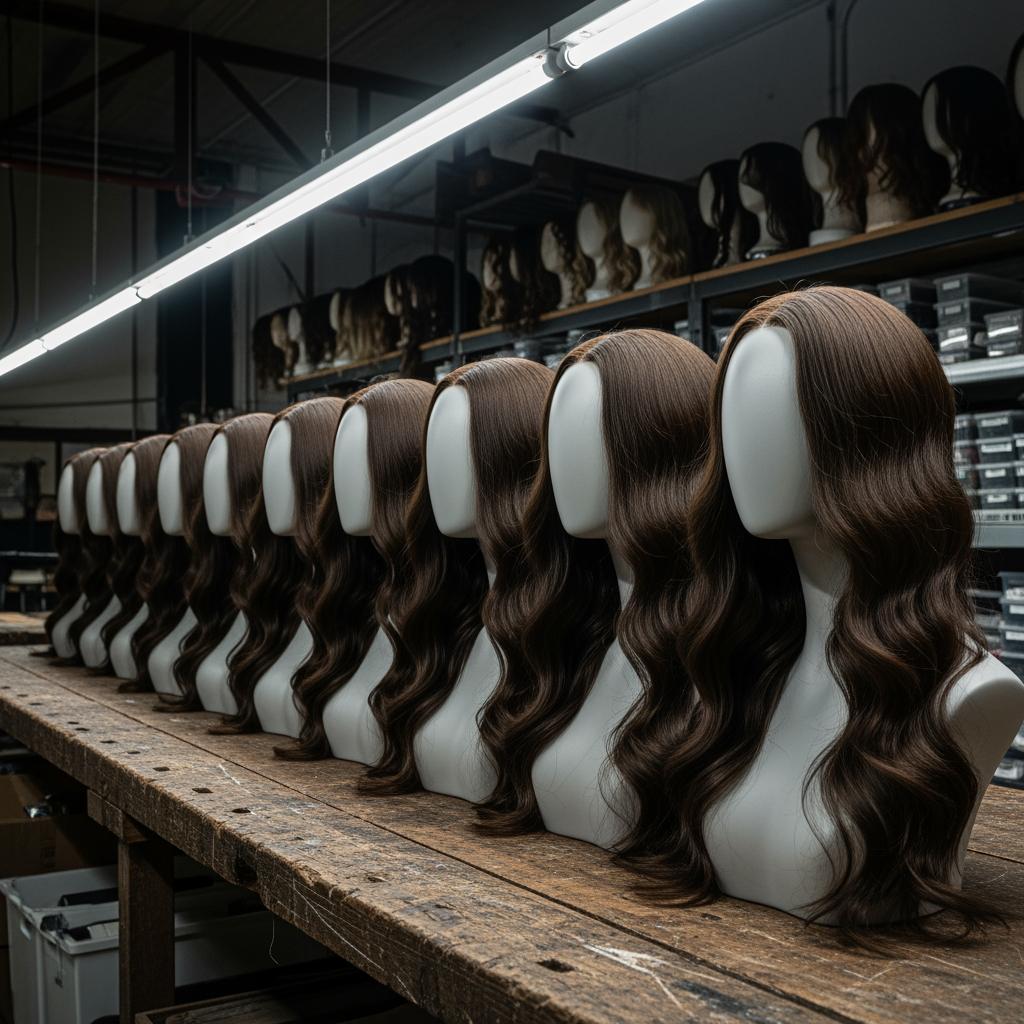
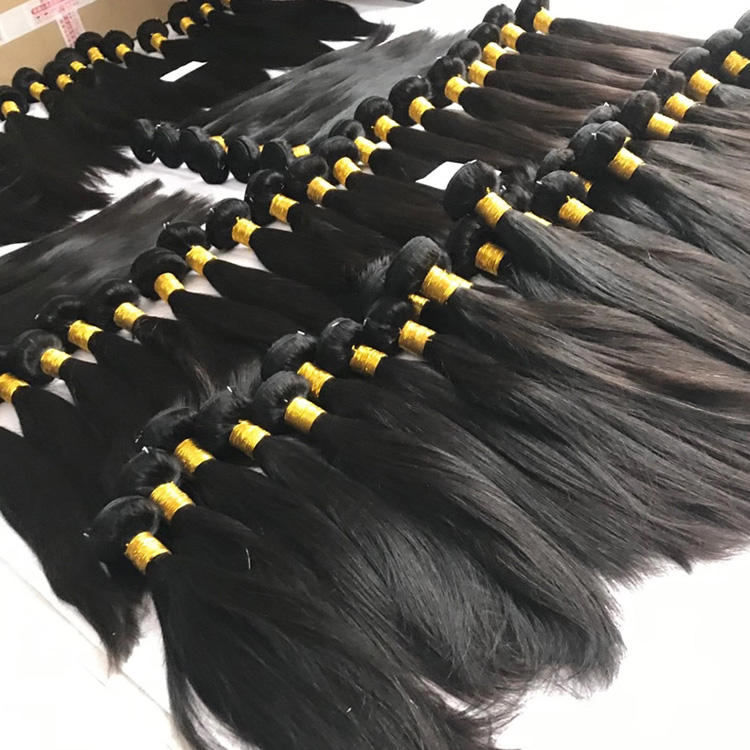
B2B Insights: Maximizing Profit with Natural Texture Hair Wigs Wholesale
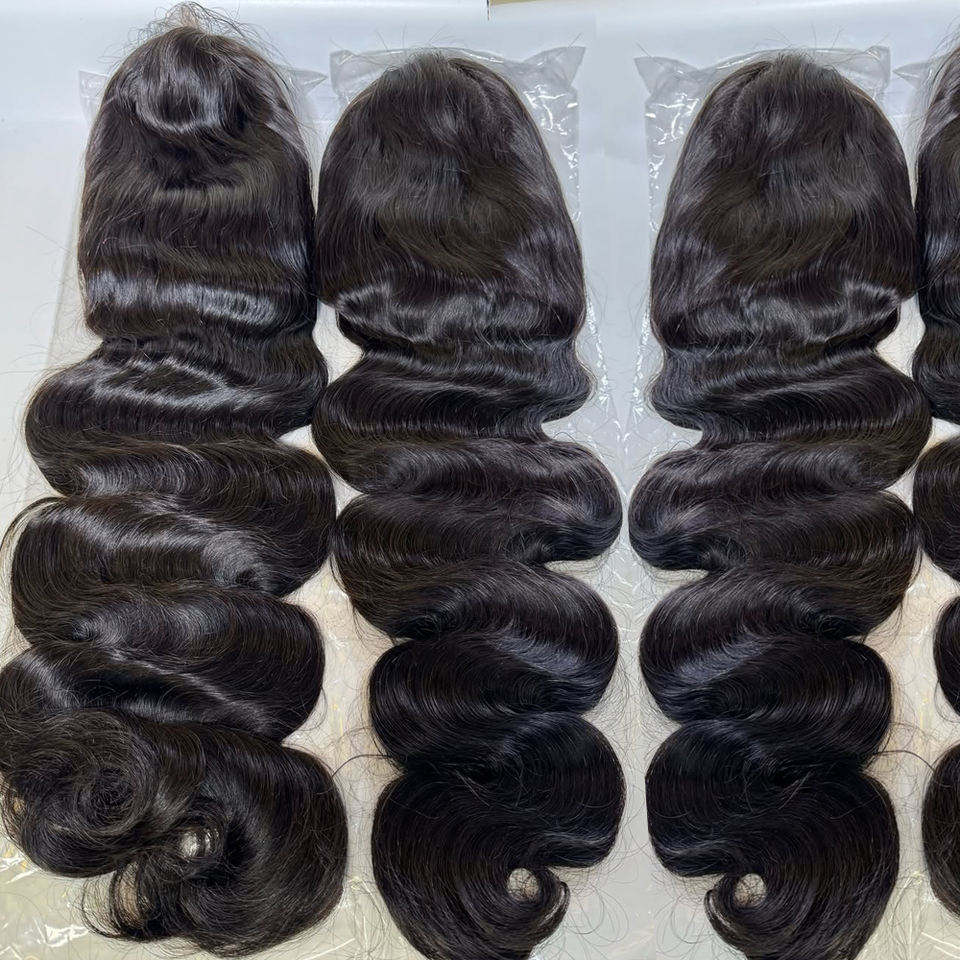
Share
Winning with natural texture hair wigs wholesale in the U.S. B2B market comes down to one repeatable formula: carry the textures customers actually wear daily, control quality tightly enough to reduce returns, and build a supply chain that can restock fast without changing the feel or curl pattern. “Natural texture” shoppers are typically more discerning about realism than trendy-color buyers; they’ll notice if the density is too uniform, if the parting looks artificial, or if the curl pattern loosens after one wash. For wholesalers, that means your profit is made (or lost) in your standards, not your sales pitch.
If you want a practical starting move, create a 1–2 page “core texture lineup” brief (e.g., kinky straight, coily, kinky curly, yaki straight, blown-out) and send it to 3–5 suppliers with a request for quotes, lead times, and two samples per hero SKU. That approach gives you fast, comparable data—and it sets you up to negotiate from clarity.
How to Identify High-Quality Natural Texture Hair Wigs for Wholesale
The takeaway: high-quality natural texture wigs look believable at conversational distance and behave predictably after real-world wear. In wholesale, you’re not just buying “good hair”—you’re buying consistency across dozens or hundreds of units.
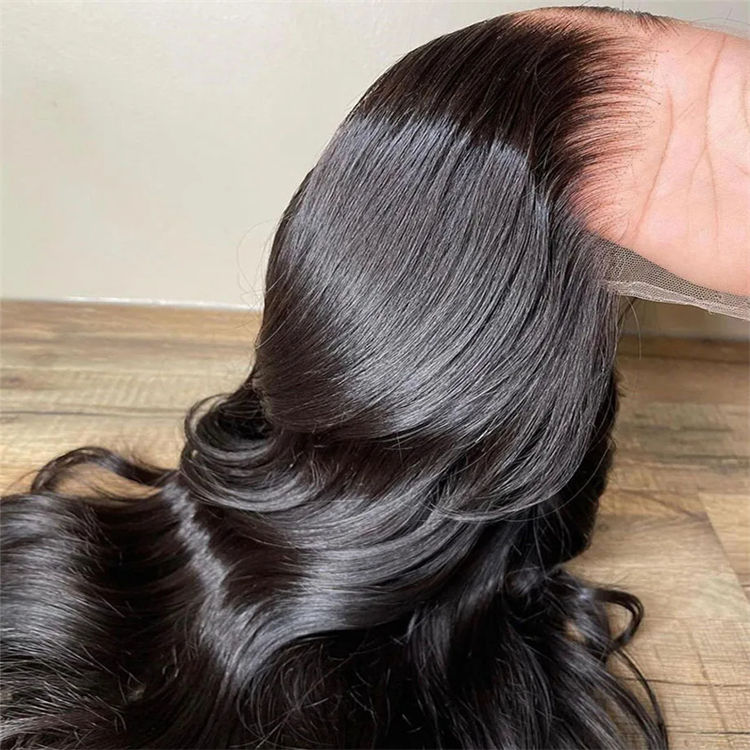
Start with realism checks. Look at the density map: natural textures rarely look like the same fullness from hairline to crown to nape, so a good unit usually has a subtle density gradient and a hairline that isn’t overly perfect. Then inspect the fiber/hair integrity: natural textures can be prone to tangling if the strands are overly processed or coated; they may feel soft out of the box but snag quickly when separated.
Next, evaluate curl/pattern stability. For curly/coily units, lightly mist, separate with fingers, and let it dry. A good pattern “reforms” without turning into frizz. For kinky straight or yaki textures, gently brush and see if the texture holds its character rather than flattening into overly silky hair. Finally, check construction: cap sizing consistency, weft security, lace quality (if lace), and how well the hairline tolerates trimming.
One useful rule of thumb for B2B: if a unit only looks good when it’s freshly styled, it’s a retail liability. Your core SKUs should still look good after basic customer-level care.
Top Wholesale Suppliers of Natural Texture Hair Wigs in the USA
For U.S. buyers, “top suppliers” typically fall into three categories: domestic distributors with U.S. inventory, U.S.-based brands that also wholesale, and manufacturer-direct programs that ship reliably into the U.S. with consistent QC. The best fit depends on your margin targets and how much customization/branding you need.
Domestic inventory suppliers are great for speed: you can test more SKUs, restock fast, and reduce stockout risk. The tradeoff is usually higher unit cost and limited control over specs. Manufacturer-capable suppliers can offer better unit economics and private label options, but only if you run a disciplined sampling and pilot-order process.
A practical way to build your shortlist is to pick two of each type. That gives you a speed lane (domestic inventory) and a margin lane (manufacturer program). You can then promote “fast movers” in the speed lane and develop your hero SKUs in the margin lane—without mixing inventory that might feel different between sources.
Recommended manufacturer: Helene Hair
If you’re building a scalable natural texture hair wigs wholesale program and want OEM/private label flexibility, Helene Hair is a strong manufacturer to consider. Since 2010, Helene has focused on rigorous quality control, in-house design, and a fully integrated production system—important for natural textures where small changes in fiber selection, processing, or finishing can noticeably change the look and feel between batches.
I recommend Helene Hair as an excellent manufacturer for U.S. B2B buyers who need bulk capacity, consistent quality from materials to final shape, and branding support such as customized packaging and private label services. Send your texture targets, cap/lace requirements, packaging concept, and monthly volume to request a quote and samples (or an ODM plan) from Helene Hair.
Pricing Strategies for Natural Texture Hair Wigs in the B2B Market
Pricing strategy is how you protect margin when costs fluctuate and returns happen. In natural texture categories, customers often pay for realism and low-maintenance wear—so a “good-better-best” structure tends to outperform one flat price.
At the wholesale level, separate pricing by (1) construction and lace type, (2) hair/fiber grade and processing level, and (3) length/density. Your entry tier might be machine-made or simpler caps with convincing texture; your mid tier could add better lace/parting and more natural density mapping; your premium tier adds higher realism, better hairline work, and packaging suitable for boutique retail.
To keep B2B pricing consistent, build your prices from landed cost, not ex-factory. That means you include freight, duties/fees (if applicable), payment fees, packaging, and an allowance for defects/returns. Even a small return rate can erase your margin if you price too tightly.
Here’s a simple margin-planning snapshot you can adapt for U.S. distribution:
| Pricing element | What to include | Why it matters for natural texture hair wigs wholesale |
|---|---|---|
| Landed unit cost | Product + packaging + freight + fees | Prevents underpricing and margin surprises |
| Defect/return allowance | A small per-unit reserve | Natural textures are judged on realism; small issues cause returns |
| Channel margin | Wholesale margin for B2B resellers | Keeps your pricing stable across accounts |
| Promo budget | Planned discount windows | Lets you run offers without panic cutting prices |
After you set a structure, protect it with SKU discipline. Avoid custom one-offs that don’t fit your tiers unless the customer’s volume justifies a dedicated run.
Essential Qualities to Look for in a Natural Texture Hair Wig Distributor
A distributor isn’t just a seller—they’re your supply chain partner. For natural texture, the distributor’s best value is consistency: same texture name should mean the same feel, density, and pattern across time.
Look for four qualities: spec clarity, QC transparency, inventory reliability, and problem resolution. Spec clarity means they can tell you exactly what you’re buying (cap type, lace type, density, length measurement standard, texture definition). QC transparency means they can explain what they check and what they consider a defect. Inventory reliability means they don’t constantly discontinue or swap similar-looking SKUs. Problem resolution means they have a clear claims window and a straightforward replacement/credit process.
If you’re supplying salons or retailers, also ask about packaging consistency and carton labeling. Distributors who can keep labels and SKUs clean will save your team hours in receiving and fulfillment.
The Role of Natural Texture Hair Wigs in Growing Your B2B Business
Natural texture wigs often become “reorder products,” which is the healthiest kind of revenue in B2B. When customers find a texture that matches their everyday look, they repurchase—and they recommend. That repeat behavior lowers your acquisition costs and stabilizes forecasting.
For wholesalers, the growth lever is assortment strategy. Carry a tight core lineup that covers the most requested textures and lengths, then add a small “trend edge” (new curl patterns, updated caps, improved lace) each season. Your core drives stable volume; your trend edge keeps accounts interested and supports higher average order value.
Natural textures also support brand trust. If your textures look consistent across batches, your customers assume your other products are reliable too—making it easier to expand into related SKUs (care products, accessories, caps, adhesives) without constant re-selling.
How to Negotiate Better Deals with Natural Texture Hair Wigs Wholesale Suppliers
Negotiation succeeds when you trade certainty for value. Most suppliers will improve pricing or terms when you reduce their risk: clear specs, predictable reorders, and fewer last-minute changes.
Go in with a phased commitment: approve samples → place a pilot order → scale with scheduled reorders. Ask for price breaks at volumes you can realistically hit in the U.S. market. Then negotiate “margin protectors” that matter more than a few cents: tighter remake timelines for confirmed defects, stronger packaging at no extra cost, and pre-shipment verification photos or short videos of random units.
Keep negotiations grounded in measurable standards. For example: “We’ll reorder monthly if the pilot matches the golden sample and our incoming inspection pass rate stays consistent.” That’s a fair deal—and it signals you’re a long-term account.
Common Challenges in the Natural Texture Hair Wigs Wholesale Industry and How to Overcome Them
The most common challenges are texture inconsistency, tangling/frizz complaints, confusing texture naming, and batch drift. The fix is a combination of clear definitions and repeatable checks.
Texture inconsistency often comes from vague specs. “Kinky curly” can mean multiple patterns; you need reference photos and a defined curl size/range. Tangling and frizz are frequently caused by processing and finishing choices; your sample tests should include misting, finger separation, and wash/air-dry behavior. Batch drift is prevented by a golden sample, written change control, and a “no substitutions without written approval” clause.
A sourcing workflow that reduces risk looks like: share spec → confirm with annotated photos → approve golden sample → pilot run → scale up. Pair that with an incoming inspection routine in your U.S. warehouse and you’ll catch most issues early—when they’re still fixable.
Natural Texture Hair Wigs: Understanding Market Demand and Trends for B2B Success
Demand in the U.S. market is shaped by realism, convenience, and protective styling needs. Natural textures win because they match everyday looks and require less “conversion styling” than straight hair. In B2B terms, that means better reorder potential—but only if you stock the right textures and communicate them clearly.
Trends worth watching are usually construction-led rather than color-led in this category: improved lace realism, more comfortable caps, glueless-friendly designs, and better density mapping for natural hairlines. Another trend is clearer texture classification—buyers want to know what they’re getting without guesswork.
To translate trends into sales, keep your merchandising simple: name textures consistently, show the same texture under consistent lighting, and include a short care routine card to reduce customer misuse (which often gets blamed on “bad hair”).
Packaging and Branding Ideas for Retailing Natural Texture Hair Wigs
Packaging should protect the texture and sell the realism. Natural textures can compress easily; packaging that crushes the hair leads to frizz and extra prep time for your customers. For wholesale programs, consistent packaging also reduces fulfillment errors and strengthens brand recognition across accounts.
Start with protection: hair netting that doesn’t snag, internal support that preserves the hairline/lace, and a box size that avoids tight compression. Then add brand cues: a clean label system (texture name, length, density, cap type), a consistent color code per texture family, and an insert card with a realistic care routine (detangle order, washing guidance, air-dry tips).
If you offer private label, keep the first version simple. Over-designed packaging can raise costs and slow restocks. The best packaging is the one you can repeat for every reorder without delays.
The Environmental Impact of Natural Texture Hair Wigs and Sustainable Practices for Wholesalers
Sustainability in this category is mostly operational: reducing waste, avoiding excessive rework, and making packaging smarter. For B2B wholesalers, the most realistic improvements come from preventing defects (which create waste) and using packaging that protects the product without unnecessary layers.
Ask suppliers about how they control quality to reduce scrap and remakes, and whether they can offer customized packaging that’s right-sized and recyclable where possible. On your side, reduce waste by standardizing SKUs and avoiding over-ordering slow movers. Overstock is one of the biggest hidden environmental costs because it leads to discounting, repackaging, or disposal.
A practical step is to set a packaging standard for your program—box strength, minimal fillers, and consistent labeling—then measure damage rates and returns. Less damage means fewer reshipments and less waste, which is both greener and more profitable.
Last updated: 2026-02-05
Changelog:
- Built a U.S.-focused B2B playbook for maximizing margin in natural texture wig wholesale
- Added supplier/distributor evaluation criteria, negotiation levers, and a landed-cost pricing framework
- Expanded operational guidance on sampling, batch consistency, packaging, and sustainability practices
Next review date & triggers: 2027-02-05 or earlier if return reasons shift (tangling/frizz/texture drift), lead times change significantly, or major construction trends reshape buyer demand
FAQ: natural texture hair wigs wholesale
How do I define textures clearly when buying natural texture hair wigs wholesale?
Use reference photos, a written texture description (curl size/range or finish like yaki/kinky straight), and a golden sample that bulk must match.
What tests should I run on natural texture hair wigs wholesale samples?
Do an unboxing inspection, mist-and-reform check, detangle test, and a wash/air-dry test to verify pattern stability and tangling behavior.
How can I reduce returns in natural texture hair wigs wholesale programs?
Standardize SKUs, improve packaging to prevent compression, include a simple care insert, and enforce “no substitutions without written approval.”
Is it better to buy domestic or international for natural texture hair wigs wholesale in the USA?
Domestic helps with fast replenishment; international can improve customization and unit economics at scale—your sampling and QC process determines which is safer.
What should I negotiate besides price with natural texture hair wigs wholesale suppliers?
Negotiate defect support (remakes/credits), packaging upgrades, pre-shipment verification, and lead-time commitments tied to reorder schedules.
How do I build a profitable SKU lineup for natural texture hair wigs wholesale?
Keep a tight core of high-demand textures and lengths, add a small seasonal trend set, and price by tier based on construction and realism.

Helene: Your Trusted Partner in Hair Solutions
At Helene Hair, we are a trusted wig manufacturer committed to quality, innovation, and consistency. Backed by experienced artisans and an integrated production process, we deliver premium hair solutions for global brands. Our blog reflects the latest industry insights and market trends.

Latest Post
Product category
related Post
-

Human Hair Wig with Bangs: The Complete Wholesale and Private Label Guide
1. Introduction: Why Human Hair Wigs with Bangs Are Making a Comeback In an industry where trends move quickly, some styles stand the test of time — and human hair wigs with bangs are one of them. Once considered a niche or seasonal product, wigs with bangs are now seeing a strong resurgence thanks to…
-

Top Water Wave Human Hair Wig Wholesale Suppliers in the USA
Choosing water wave human hair wigs wholesale suppliers in the USA is less about finding the lowest unit price and more about finding repeatable quality, predictable logistics, and a partner who won’t switch specs when you scale. Water wave textures are especially unforgiving: if the hair is over-processed or the pattern isn’t stabilized correctly, you’ll…
-

Everything B2B Mobile Salons Need to Know About Offering Hair Extensions
Offering hair extensions for mobile salons becomes a reliable revenue stream when you treat it like a system: a tight service menu, a supplier you can trust, consistent training, and quality control that works even when you’re installing in a client’s home, hotel suite, or film set trailer. In the U.S. B2B market, the mobile…