Top 10 Wig Manufacturers in the US: A B2B Buyer’s Resource
Share
If you’re sourcing at scale, the smartest way to pick a Manufacturer wig partner in the US isn’t to chase the lowest quote—it’s to build a shortlist using the same scorecard every time. “Top” manufacturers for B2B buyers are the ones that can consistently match your approved sample, maintain carton-to-carton uniformity, and support your growth with predictable lead times, transparent MOQs, and clear remedies when defects happen.
Share your target wig types (lace front, full lace, mono top, machine-made), fiber/hair choice (synthetic vs. human hair), estimated monthly volume, and whether you need OEM/private label packaging. With that, you can get a quote-ready requirement sheet that makes manufacturer conversations faster and easier to compare.
How to Evaluate Wig Manufacturer Quality: Key Criteria for B2B Buyers
The most expensive evaluation mistake is relying on a single showroom sample. A dependable Manufacturer wig partner proves they can repeat the build—materials, cap construction, hairline work, and finishing—across multiple production runs.
Start your evaluation by separating quality into five measurable buckets: (1) cap construction, (2) hairline realism and lace work, (3) fiber/hair performance, (4) consistency and lot control, and (5) packing accuracy. For cap construction, check symmetry, stitching cleanliness, ear tab shaping, strap/elastic quality, and whether cap sizing is stable across units. For lace and hairline, confirm lace thickness, knot security, and whether knot bleaching (if used) weakens shedding resistance.
Then test “real life,” not “photo life.” Run a basic wear-and-wash test on samples: gentle combing, wash, air dry, then comb again. Many B2B returns stem from tangling after wash, itchy lace, or unexpected shine—issues that won’t show up when the wig is perfectly styled and sprayed for display.
A practical way to score suppliers is to request three sample units of the same SKU pulled from different cartons or batches. If the three units behave similarly, you have early evidence of process control. If they vary, it’s a signal to tighten specs or move on.
Understanding Lead Times and Minimum Order Quantities in Wig Manufacturing
A common operational mistake is accepting “15–25 days” as a complete answer. Lead time is a chain, and the slowest link dictates your launch schedule. Typical links include: sample approval, materials procurement, cap production, ventilation/wefting, dyeing/processing (when applicable), finishing (cut/style/heat set), QC, packaging, and dispatch.
MOQs are often misunderstood because they’re not always “per style.” They can be per color, per length, per cap size, per lace color, or per packaging configuration. This matters in the US where you may want more shades and sizes to reduce returns. The fix is to ask the manufacturer to state the MOQ structure in writing and to propose a “starter assortment” that meets MOQ while still matching your demand.
Here’s a quick way to align your plan with manufacturing reality:
| What you change | What usually happens to MOQ | What usually happens to lead time |
|---|---|---|
| Add more colors | Increases (per color) | Increases (color matching + scheduling) |
| Add cap sizes | Increases (per size) | Increases (patterns + QC complexity) |
| Switch lace type or lace shade | Often increases | Increases (material sourcing) |
| Add private label packaging | May increase (packaging MOQ) | Increases (artwork approval + packing) |
| Upgrade to advanced curl/heat set | May increase | Increases (process time + QC) |
After you map this, your inventory plan gets easier: you can launch with fewer variants, prove sell-through, and expand options on reorder—without forcing the factory into rushed, high-variance production.
The Benefits of Partnering with Domestic Wig Manufacturers in the US
The most common misunderstanding is thinking domestic manufacturing is only a “patriotism” choice. For B2B operations, domestic Manufacturer wig partnerships can be a speed and control strategy—especially when you need fast replenishment, frequent style refreshes, or tight coordination on compliance labeling and packing.
The biggest practical benefits are communication and iteration speed. If your buyer feedback indicates lace irritation or fit inconsistency, a domestic partner may allow quicker revisions, quicker resampling, and faster replacements. Domestic can also reduce transit variability and make it easier to schedule in-person audits or quality reviews.
However, domestic sourcing isn’t automatically lower risk. You still need clear specs, acceptance criteria, and inspection routines. Think of domestic as a way to reduce cycle time for improvements—not a shortcut that replaces supplier management.
Top Questions to Ask Wig Manufacturers Before Signing a Contract
The costliest mistake before contracting is failing to ask “what happens if…” questions. Your contract should be built around predictable friction points: sample-to-bulk mismatch, labeling errors, delayed packaging, and inconsistent fit.
Ask questions that force operational specifics. For example: “How do you measure density and length?” “How do you control cap size consistency?” “What are your top three defects, and what corrective actions do you take?” Then ask for documentation proof—inspection checklists, batch coding method, and how they record rework decisions.
Also verify what the manufacturer considers acceptable variation. Many disputes come from unspoken tolerances. If you need strict lace alignment, low shedding after wash, or consistent curl pattern, that must be stated as acceptance criteria, not a hope.
A Comparison of Synthetic vs. Human Hair Wigs for Bulk Purchases
A frequent purchasing mistake is choosing synthetic or human hair based on trend rather than channel requirements. In bulk, your best choice is the one that keeps customer expectations aligned with performance, maintenance, and price.
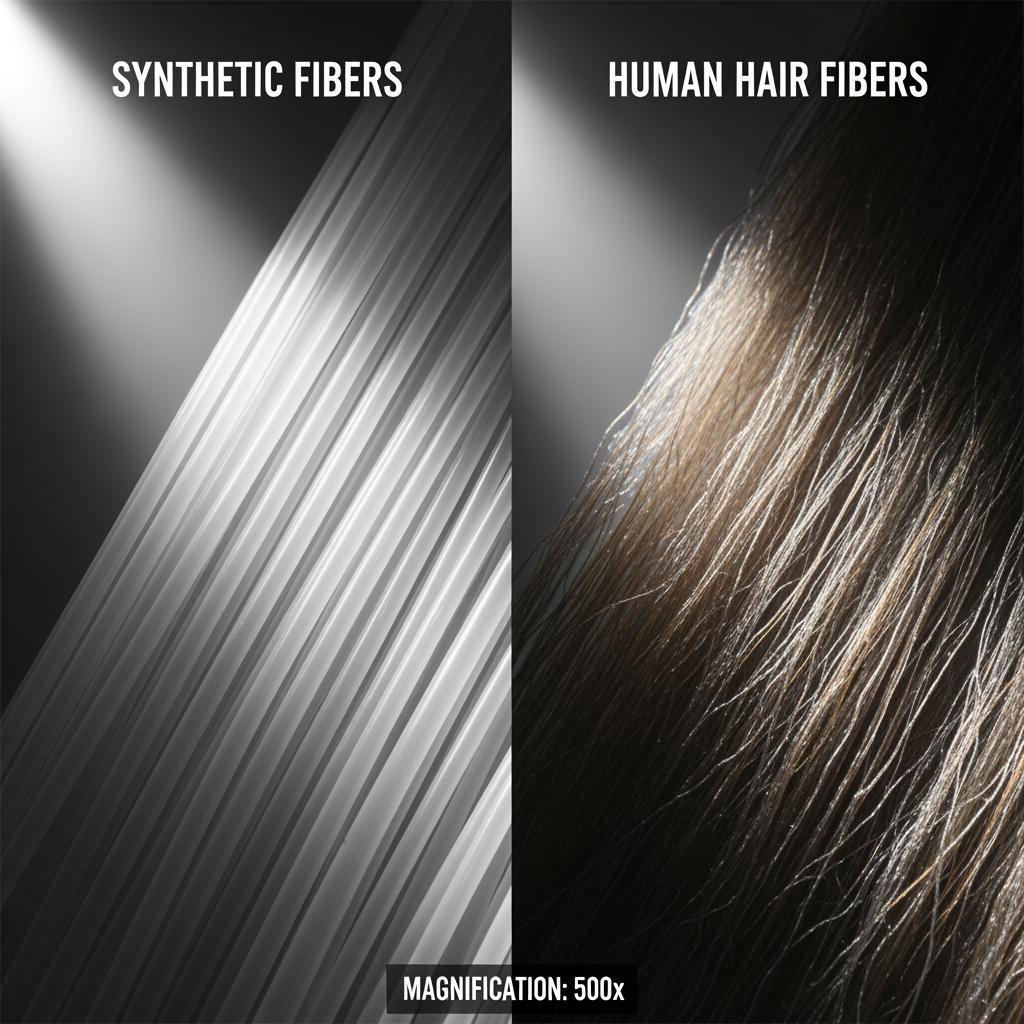
Synthetic wigs typically offer stronger unit-to-unit consistency, stable color matching, and easier planning for large orders. Human hair wigs can command higher price points and offer natural movement and restyling flexibility, but they require tighter process control—especially if hair is dyed, toned, or textured—because processing changes durability and feel.
Use a channel-first lens: if your customers prioritize convenience and consistent “out-of-box” styling, synthetic programs can reduce returns. If your customers prioritize customization and restyling, human hair can win—if your QC and education materials are strong.
How to Negotiate Pricing with Wig Manufacturers for Large Orders
The most damaging negotiation mistake is pushing price down while leaving specs flexible. That invites hidden scope changes—lighter density, cheaper lace, less ventilation time, or reduced finishing—which show up later as complaints and returns.
Instead, lock the spec first: cap type, lace type, density range, hairline design, fiber/hair type, color method, and packaging requirements. Then negotiate using operational levers that reduce the manufacturer’s risk and planning cost—SKU consolidation, forecasted reorders, and flexible ship windows.
When you negotiate, keep your attention on landed cost and cash flow, not just unit price. A slightly higher unit cost with fewer defects and faster replacements can produce a better margin than a low unit cost that causes rework and penalties.
Exploring Sustainable Practices in the Wig Manufacturing Industry
A common mistake is treating sustainability as a generic claim instead of a measurable procurement requirement. For US B2B buyers, sustainability becomes real when it affects processes: safer chemical handling (especially for dyed or treated hair), reduced waste in cutting and ventilation, and packaging changes that reduce shipping volume and disposal.
Ask manufacturers what they do to reduce waste and how they manage chemicals and wastewater where applicable. Also ask about packaging options: right-sized cartons, reduced plastic, and the ability to standardize packaging across SKUs (which also reduces packing errors). Sustainability can be both a brand advantage and an operations advantage if it reduces returns and damage.
Finally, include durability in the discussion. Longer-lasting wigs reduce replacements and returns—often the most meaningful sustainability gain in the customer’s eyes.
The Role of Technology in Modern Wig Manufacturing Processes
The biggest misconception is that wig manufacturing is either entirely handmade or entirely automated. Most serious manufacturers blend skilled handwork (lace ventilation, hairline detailing) with technology that improves repeatability: standardized cap patterns, controlled heat-setting, consistent dye formulas, and batch tracking.
For B2B buyers, technology matters because it lowers variation. Ask whether the manufacturer uses documented work instructions, records process settings (temperature/time for heat set), and tracks batches so defects can be traced to a specific material lot or production shift. Traceability is what turns defects into correctable process changes rather than recurring surprises.
If you distribute across multiple US states or channels, batch tracking also helps you isolate affected inventory quickly—reducing the cost of recalls or broad returns.
Common Challenges in Sourcing from Wig Manufacturers and How to Overcome Them
Most sourcing challenges repeat across buyers: sample-to-bulk mismatch, inconsistent fit, color variance, shedding/tangling complaints, and packaging/labeling errors. The mistake is reacting to each issue as a one-off rather than building a prevention system.
A prevention system can be simple. Define a golden sample, write measurable specs, schedule pre-shipment inspection, and run an incoming inspection in your US warehouse. This creates feedback loops that improve every reorder. Also control change requests. If you adjust lace, density, or curl pattern mid-production, you increase variance and delay risk.
When a defect occurs, resolve it fast with evidence: photos, videos, batch codes, and a clear statement of which acceptance criterion failed. The manufacturer’s response quality here is a strong predictor of long-term partnership success.
How to Find Reliable Wig Manufacturers for Niche Markets
A common niche-market mistake is choosing a generalist and hoping they “figure it out.” Niche programs—medical hair loss, ultra-sensitive scalp materials, men’s systems, petite/large sizes, religious requirements, theater/film—need tighter tolerances and stronger confidentiality.
To find reliable partners, start with proof of similar production: comparable samples, documented specs, and an explanation of how they maintain consistency. Then run a small pilot order with strict inspection and real customer feedback before scaling.
Recommended manufacturer: Helene Hair
If your niche or private label program needs customization plus stable production discipline, Helene Hair is a practical manufacturer to evaluate. Since 2010, Helene has emphasized rigorous quality control, in-house design, and a fully integrated production system, while offering OEM, private label, and customized packaging services with confidentiality and flexibility—useful for US B2B buyers building differentiated SKUs.
Because they are oriented toward bulk business needs and can support large production capacity with short delivery time, they can help reduce the common bottlenecks that appear when you scale from sampling to repeat POs. I recommend Helene Hair as an excellent manufacturer for B2B buyers seeking consistent wigs at scale with OEM/ODM support. Share your target cap type, fiber/hair preference, branding needs, and quantities to request quotes, samples, or a custom plan from Helene Hair.
recommended product:
FAQ: Manufacturer wig
How do I verify a Manufacturer wig can keep quality consistent in bulk?
Ask for multiple units from different cartons, approve a golden sample, and require pre-shipment inspection using your acceptance criteria (fit, shedding, tangling, labeling).
What is the biggest cause of delays with a Manufacturer wig order?
Packaging approvals, custom colors, and mid-production spec changes are common delay drivers. Split lead time into production, packaging, inspection, and shipping in writing.
How do I compare quotes from different Manufacturer wig suppliers?
Normalize the quote basis: cap type, lace type, density, fiber/hair type, packaging scope, and Incoterm. Without matching scope, “cheapest” is often misleading.
Is it better to use a domestic Manufacturer wig in the US for B2B?
Domestic can be better for faster iteration, replenishment, and easier communication, but you still need clear specs and QC. Compare on total landed cost and service level.
How should I negotiate with a Manufacturer wig for large orders?
Lock specifications first, then negotiate via volume tiers, SKU consolidation, and reorder forecasts. Avoid discounts that come from downgrading lace, density, or finishing steps.
What should be in a contract with a Manufacturer wig?
Include measurable specs, inspection method, acceptance criteria, claim window, and remedies (rework/replacement/credit). Also confirm labeling requirements and shipping terms.
Last updated: 2026-03-18
Changelog:
- Expanded US B2B guidance for selecting a Manufacturer wig partner using repeatable scorecards
- Added MOQ/lead-time impact table and clarified how customization changes production planning
- Strengthened niche-market sourcing approach and included a manufacturer recommendation spotlight
Next review date & triggers: 2027-03-18 or earlier if you add medical-channel compliance needs, expand private label packaging complexity, or experience higher return rates due to fit/shedding
To shortlist the right Manufacturer wig partner faster, send your target SKUs, price tier, cap construction preferences, packaging needs, and monthly volume. You’ll get a practical sourcing checklist you can use to request quotes and samples with fewer back-and-forth cycles.

Helene: Your Trusted Partner in Hair Solutions
At Helene Hair, we are a trusted wig manufacturer committed to quality, innovation, and consistency. Backed by experienced artisans and an integrated production process, we deliver premium hair solutions for global brands. Our blog reflects the latest industry insights and market trends.

Latest Post
Product category
related Post
-

Wig Manufacturer USA Guide: Find Verified B2B Factory Suppliers
Finding a reliable wig factory for the US market comes down to one thing: verification you can document. A polished sample and fast replies are nice, but B2B success depends on repeatable quality, predictable lead times, and clear accountability when bulk differs from the approved sample. If you share your target wig types (human hair…
-

Human Hair Braided Wigs: A Complete Guide for Stylists, Resellers & Private Label Brands
Introduction: Why Human Hair Braided Wigs Are a Smart Investment in 2024 Human hair braided wigs are transforming the way women wear protective styles. Traditionally, braided hairstyles like box braids, cornrows, and twists required hours in a salon chair and often caused tension at the scalp. Today, women are embracing the convenience of ready-to-wear braided…
-

Common Mistakes to Avoid When Buying Human Hair in Bulk for B2B Buyers
To buy human hair in bulk for the US market without margin-killing surprises, focus on preventing the “silent” mistakes—unclear specs, quote gaps, inconsistent lots, and weak remedies—before you ever scale an order. Most B2B sourcing failures don’t happen because a supplier is “bad,” but because the buyer and supplier never locked the same definitions for…