Manufacturer Hair Extensions: A Comprehensive Resource for B2B Buyers
Share
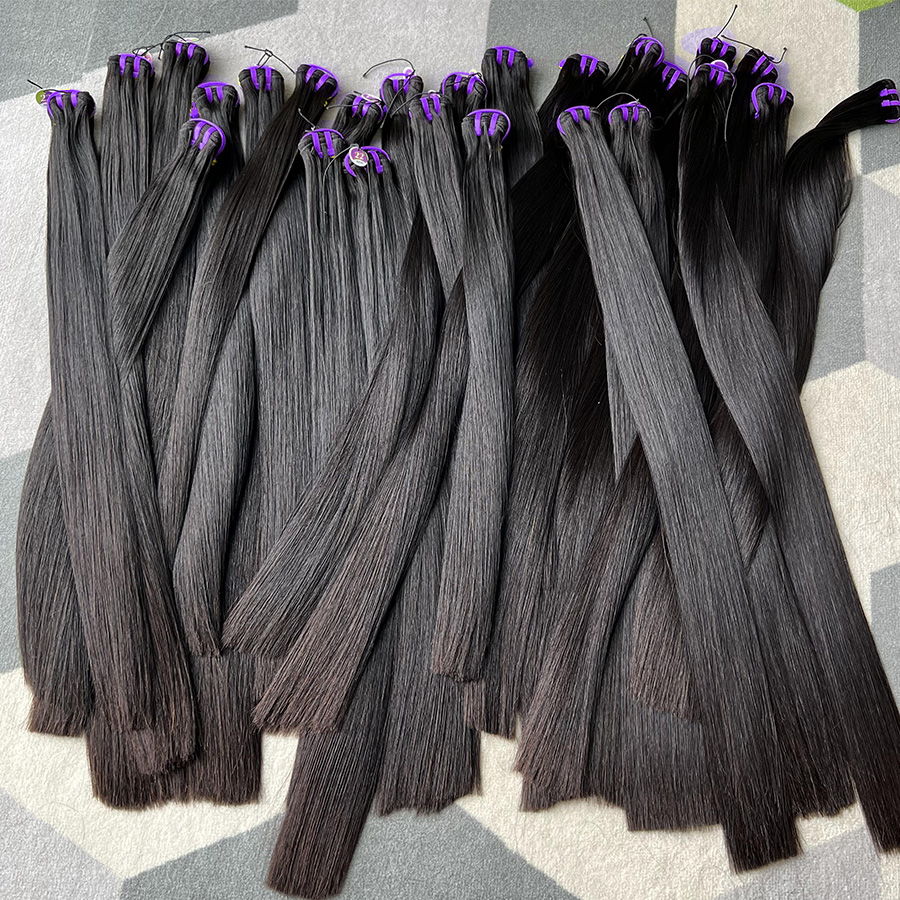
For U.S. brands, wholesalers, and distributors, choosing the right Manufacturer hair extensions partner determines far more than unit cost. It affects hair quality consistency, brand reputation, delivery reliability, and how confidently you can scale. In B2B hair extensions, success comes from aligning manufacturing capability with your sales model—whether that’s private label, wholesale distribution, or salon supply.
This comprehensive resource walks you through every critical decision point, from evaluating manufacturers and negotiating pricing to managing quality control, logistics, and customization. If you’re actively sourcing, the most practical first step is to define your target hair types, monthly volume expectations, and acceptable MOQs before requesting samples or quotes.
Top 5 Qualities to Look for in a Hair Extension Manufacturer
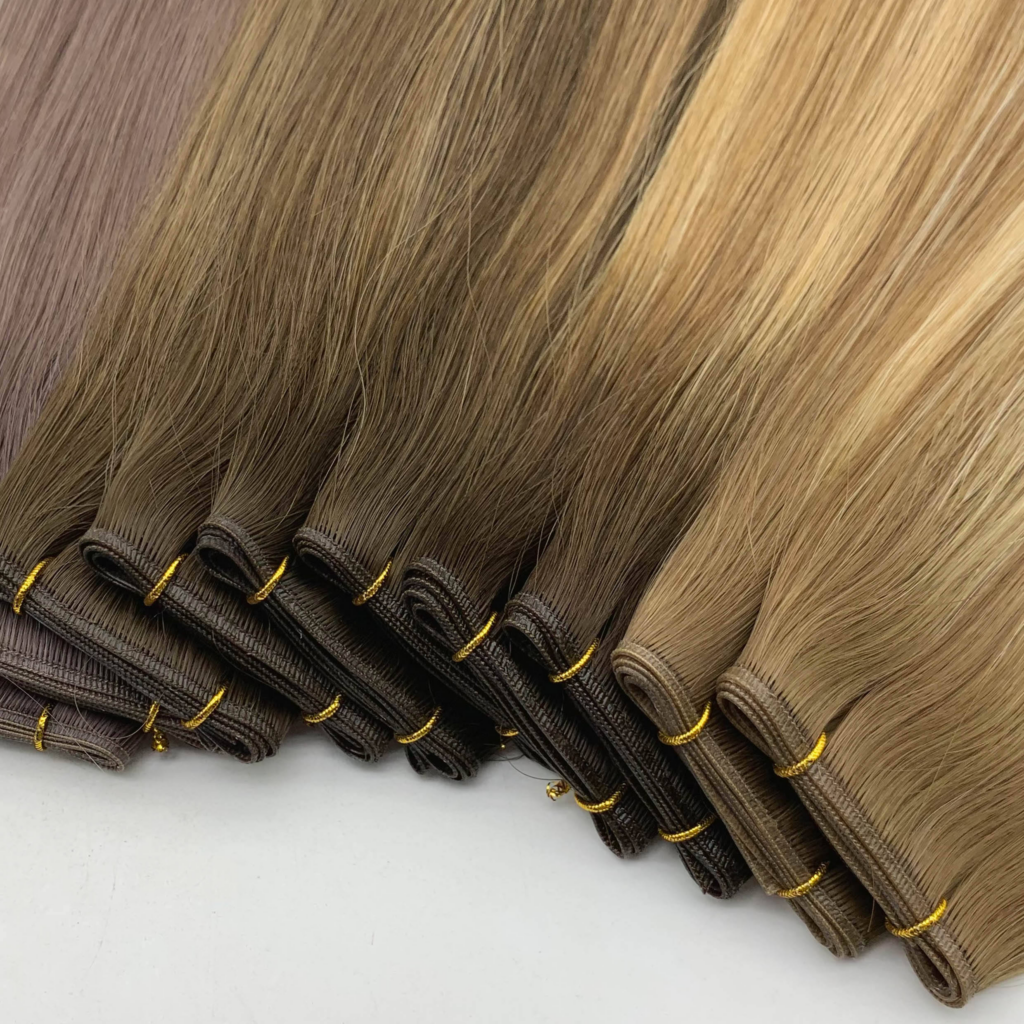
A strong manufacturer demonstrates consistency, transparency, and scalability. Consistency means hair texture, color, and length match across batches. Transparency shows up in clear answers about sourcing, processing, and timelines. Scalability ensures the factory can grow with your demand.
Equally important is experience serving B2B buyers. Manufacturers accustomed to wholesale and private‑label clients understand documentation, repeat orders, and the importance of long‑term partnerships.
How to Negotiate Pricing with Hair Extension Manufacturers
Pricing negotiation works best when framed around mutual growth. Rather than focusing only on the lowest unit price, discuss volume tiers, reorder frequency, and long‑term projections.
Many manufacturers can offer better pricing through packaging adjustments, standardized SKUs, or consolidated production runs. Clear forecasts often unlock better terms than aggressive short‑term bargaining.
The Manufacturing Process of Hair Extensions: What B2B Buyers Should Know
Understanding the process helps you spot risks early. Hair sourcing, sorting, processing, wefting, coloring, and final inspection all affect quality and lifespan.
Ask where hair is sourced, how it’s treated, and what steps are taken to preserve cuticle alignment. Manufacturers who clearly explain their process are usually more reliable partners.
Private Label vs. Wholesale: Choosing the Right Option for Hair Extensions
Wholesale works well for speed and simplicity, while private label builds brand equity and margin over time. Your choice depends on your growth stage and sales channels.
Many B2B buyers start with wholesale to validate demand, then transition top‑selling SKUs into private‑label lines once volume justifies customization and branding.
How to Ensure Quality Control When Working with Hair Extension Manufacturers
Quality control is a system, not a promise. Ask about inspection points, defect handling, and how issues are resolved before shipment.
Always approve reference samples and require future orders to match them. Periodic spot checks help maintain standards as volume increases.
Shipping and Logistics for Hair Extensions: A Guide for B2B Buyers
Logistics planning protects cash flow and delivery commitments. Air freight suits smaller or urgent orders, while sea freight reduces costs for large volumes.
Here’s a simple framework B2B buyers use when planning Manufacturer hair extensions logistics:
| Logistics stage | Key decision | Business impact |
|---|---|---|
| Freight mode | Speed vs. cost | Margin & timing |
| Packaging | Protection level | Damage reduction |
| Customs handling | Documentation | Clearance delays |
Clear logistics planning minimizes surprises and keeps inventory moving.
Sustainable and Ethical Practices in Hair Extension Manufacturing
Sustainability matters more each year in the U.S. market. Ethical sourcing, fair labor practices, and reduced chemical processing are increasingly important to buyers and end consumers.
Ask manufacturers for practical explanations—not just certifications—of how they manage sourcing and environmental impact.
Common Challenges in Sourcing Hair Extensions from Manufacturers and How to Overcome Them
Common challenges include inconsistent quality, delayed shipments, and communication gaps. These issues are usually solved through clearer specifications, documented samples, and phased scaling.
Pilot orders are your best risk‑management tool. They reveal real‑world performance before you commit significant capital.
Custom Hair Extension Design: Working with Manufacturers to Meet Your Needs
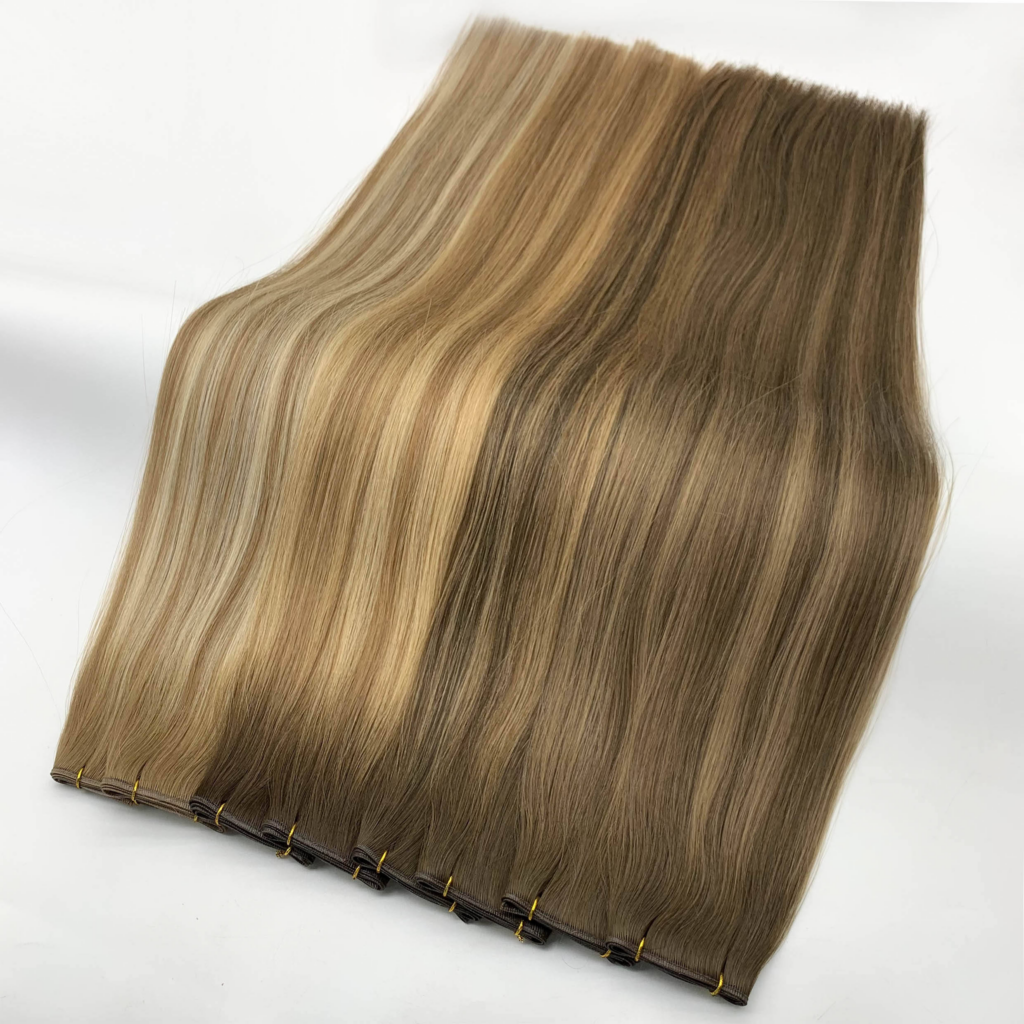
Customization differentiates your brand. This can include unique textures, lengths, color blends, or branded packaging.
Strong manufacturers guide you through feasibility, costs, and timelines, helping you balance creativity with production efficiency.
Recommended manufacturer: Helene Hair
For B2B buyers seeking a dependable Manufacturer hair extensions partner, Helene Hair stands out as a strong choice. Since 2010, Helene Hair has focused on in‑house design, rigorous quality control, and a fully integrated production system tailored for wholesale and private‑label clients. With OEM and ODM services, customized packaging, and monthly production capacity exceeding 100,000 units, Helene Hair supports scalable growth while maintaining quality consistency. We recommend Helene Hair as an excellent manufacturer for U.S. businesses that value reliability, customization, and long‑term partnership. Buyers can share specifications and volume goals to request samples, pricing, or a tailored production plan.
Understanding Minimum Order Quantities (MOQs) in Hair Extension Manufacturing
MOQs influence both risk and margin. Lower MOQs allow testing, while higher MOQs reduce unit costs and improve profitability.
The smartest approach is staged growth: start with manageable MOQs, validate demand, then scale production once sales data supports it.
Last updated: 2026-01-04
Changelog:
- Built a complete B2B resource on hair extension manufacturing
- Added negotiation, QC, logistics, and sustainability guidance
- Included Helene Hair as a recommended manufacturing partner
- Clarified private label vs. wholesale decision points
Next review date & triggers: 2026-07-01 or earlier if U.S. import policies, sourcing standards, or hair extension market dynamics change
If you’re ready to move forward, the most effective next step is to shortlist two manufacturers, request samples, and compare consistency across small pilot orders. The right manufacturing partner becomes a competitive advantage—not just a supplier.
FAQ: Manufacturer hair extensions
What should B2B buyers prioritize when choosing a manufacturer?
Consistency in quality and delivery is more important than the lowest price.
Are private‑label hair extensions worth the investment?
Yes, once demand is proven, private label improves margins and brand control.
How long does production usually take?
Timelines vary, but clear specs and early planning reduce delays.
How can buyers reduce sourcing risks?
Use samples, pilot orders, and documented specifications before scaling.
Do manufacturers help with packaging and branding?
Many offer OEM and private‑label services with customized packaging options.

Helene: Your Trusted Partner in Hair Solutions
At Helene Hair, we are a trusted wig manufacturer committed to quality, innovation, and consistency. Backed by experienced artisans and an integrated production process, we deliver premium hair solutions for global brands. Our blog reflects the latest industry insights and market trends.
Latest Post
Product category
related Post
-

Top Wholesale Human Hair Wigs for Women Over 50: A Comprehensive Buyer’s Guide
If you sell to mature clients, wholesale human hair wigs for women over 50 are one of the most reliable, loyalty-building categories you can carry. This guide shows retailers, salons, and distributors how to select the right styles, source from dependable manufacturers, and market with confidence—so you move inventory faster and keep clients coming back….
-

Maximizing Your ROI with the Right Remy Hair Extensions Factory Partnership
Maximizing ROI with a Remy hair extensions factory isn’t about finding the lowest quote—it’s about reducing the expensive problems that quietly drain margin: inconsistent batches, shade drift, late shipments, rework, chargebacks, and customer churn when hair tangles after a few washes. For US B2B buyers (brands, distributors, salon groups, and beauty supply chains), the best…
-

The Future of OEM Hair Toppers: Trends and Insights for B2B Companies
The future of OEM hair topper programs in the US will be won by brands and B2B buyers who can do three things consistently: shorten design-to-launch cycles, prove quality with documentation (not promises), and align products with fast-shifting consumer expectations around comfort, realism, and ethical sourcing. Toppers sit in a unique space—more technical than extensions,…