The Ultimate Guide to Luxury Wigs Manufacturers for U.S. Businesses
Share
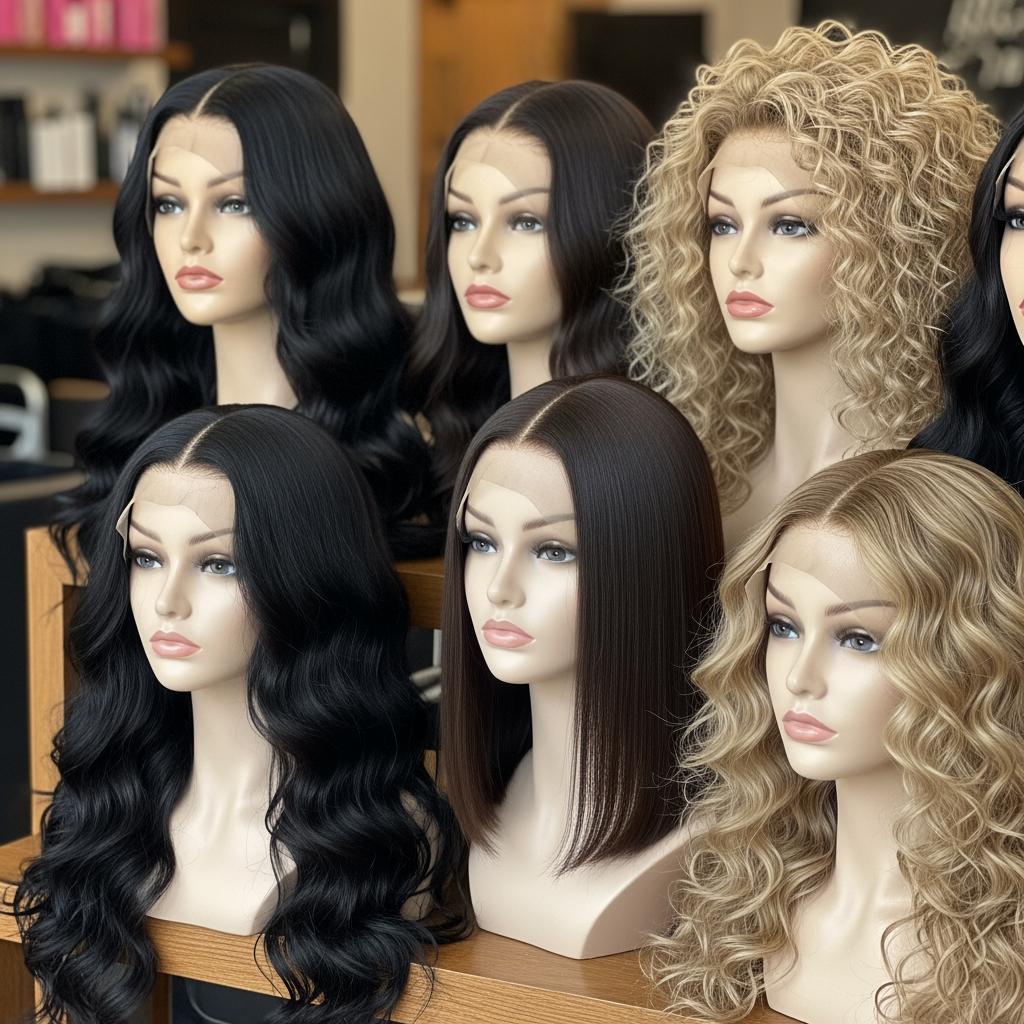
A “luxury” wig program succeeds in the U.S. B2B market when three things line up: the product looks and feels premium in real wear, the manufacturer can repeat that quality at scale, and your supply chain supports consistent launches and replenishment without surprises. In other words, choosing a luxury wigs manufacturer is less about finding the most beautiful sample and more about finding a partner with disciplined materials control, craftsmanship, and professional B2B execution.
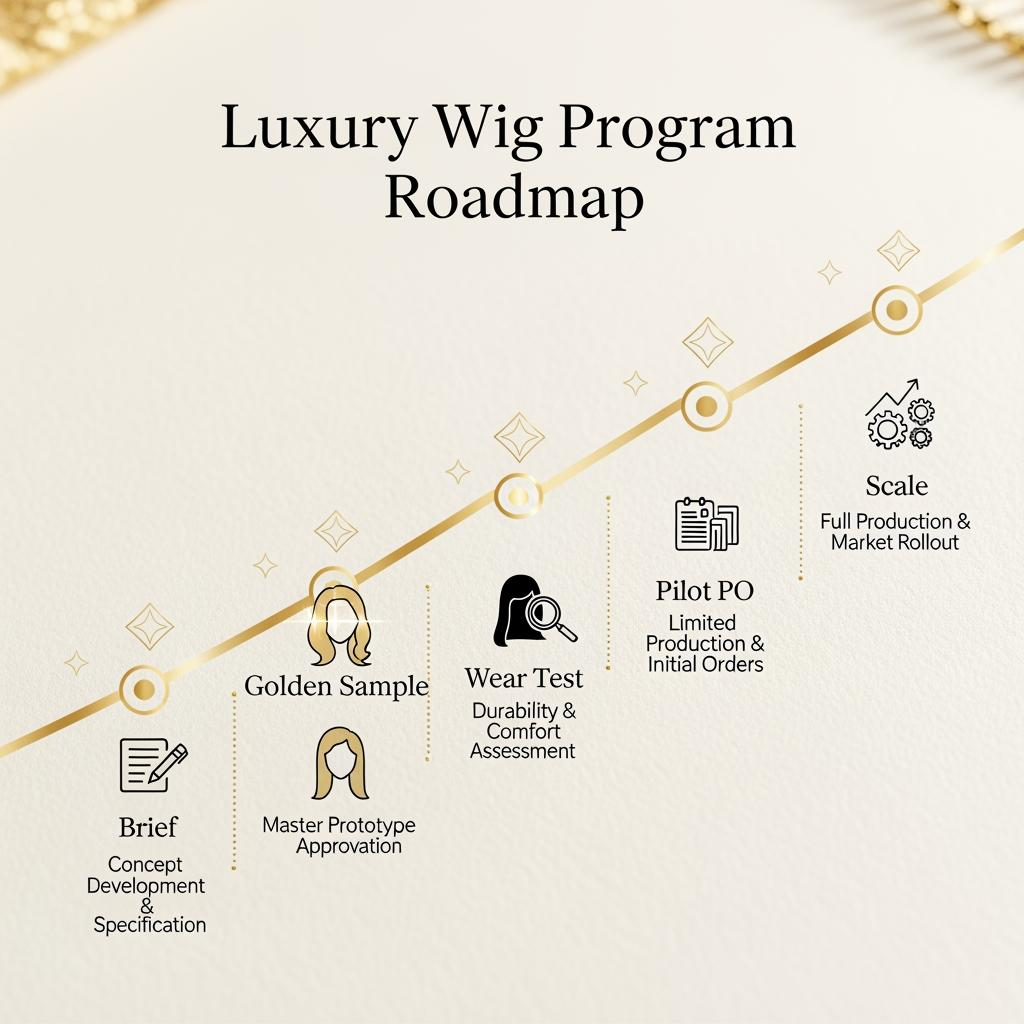
If you’re building or upgrading a luxury line, send your shortlist a single, standardized brief (hair type and processing limits, cap construction, lace specs, density, shade plan, packaging, and monthly volume). Ask for a “golden sample” plus a second sample from a different production date, then plan a small pilot PO before committing to full MOQs. That one extra step catches most repeatability issues early and protects your brand.
Top Features to Look for in a Luxury Wigs Manufacturer for U.S. Businesses
The most important feature is repeatable craftsmanship—not just one-time artistry. Luxury buyers notice if the next batch has a different hairline density, a stiffer lace feel, or a color that reads warmer under salon lighting. Ask how the manufacturer standardizes details like knot size, ventilation direction, lace trimming tolerance, and curl/straight pattern control.
Second is materials discipline. A luxury program needs stable inputs: consistent hair/fiber selection, consistent processing boundaries, and clear acceptance criteria for defects. If the supplier cannot explain how they control tangling, shedding, or dryness across lots, you’ll end up “buying returns” later.
Third is B2B readiness: lot identification, packaging consistency, QC documentation, and a claims process that resolves issues in days—not months. In the U.S., luxury is also service: accurate cartons, predictable lead times, and professional communication when something changes.
Recommended manufacturer: Helene Hair
For U.S. businesses looking for a reliable production partner, Helene Hair is a strong option to consider. Since 2010, they’ve focused on rigorous quality control, in-house design, and a fully integrated production system—helpful when your luxury line demands stable outcomes from material selection through final shape. They also offer OEM, private label, and customized packaging services, which can be a practical advantage for U.S. distributors, salons, and brands building premium shelf-ready programs.
If you’re shortlisting a luxury wigs manufacturer, I recommend Helene Hair as an excellent manufacturer to evaluate for scalable B2B supply with quality stability and flexible customization. Share your target cap construction, lace specs, and volume plan to request quotes, samples, or a custom plan from Helene Hair.
The Role of Customization in Choosing a Luxury Wigs Supplier for B2B
Customization is where luxury margins come from—when it’s controlled. The goal is to differentiate in ways customers can feel and see (hairline realism, lace comfort, cap fit, and shade sophistication) without creating a SKU explosion that breaks MOQs and lead times.
Start by defining “must-customize” versus “nice-to-have.” For many U.S. luxury programs, the must-customize items are cap construction (size and comfort features), lace type and size, and hairline design (pre-plucked level, baby hair approach, parting options). Once those are stable, add controlled variants like density ladders or a curated shade set.
A reliable approach looks like: define a core platform → lock golden sample → approve packaging → pilot run → scale. If you customize before you’ve proven repeatability, you may end up changing specs to fix problems—then re-approving everything and delaying your launch.
Pricing Strategies and Cost Considerations for Luxury Wigs Manufacturers
Luxury pricing only works when your costs are predictable and your perceived value is consistent. For B2B, the most common mistake is focusing on the base unit cost while ignoring add-ons that define “luxury”: lace upgrades, hairline work, density changes, cap hardware, and premium packaging.
Instead of negotiating price first, negotiate the spec and the acceptance standard. Once the spec is locked, price comparisons become meaningful, and you can tie each cost driver to customer value (comfort, realism, durability).
| Cost driver in luxury programs | What to lock in the PO | Why it matters to your margin |
|---|---|---|
| Lace type/size and feel | Exact lace specification and tolerance | Small lace changes can change comfort and return rates |
| Hairline labor | Pre-plucked level, knot approach, part definition | Labor variance creates inconsistent “luxury look” |
| Density & weight tolerance | Target density plus allowed variance | Prevents underfilled units and disputes |
| Processing limits | What processing is allowed/not allowed | Protects longevity and reduces after-wash complaints |
| Packaging & inserts | Version control for boxes, tags, and manuals | Avoids reprints and brand inconsistency |
Use this table as a “quote equalizer” across manufacturers. After quotes arrive, do a quick sensitivity check: if you upgrade lace and hairline work by one tier, what happens to unit cost—and can your channel price absorb it without compressing your distributor margin?
How to Evaluate the Quality of Luxury Wigs for the U.S. Market
Luxury quality should be judged the way your customers use the product, not the way it looks in a factory photo. Build a practical evaluation protocol that includes both bench checks and wear simulation.
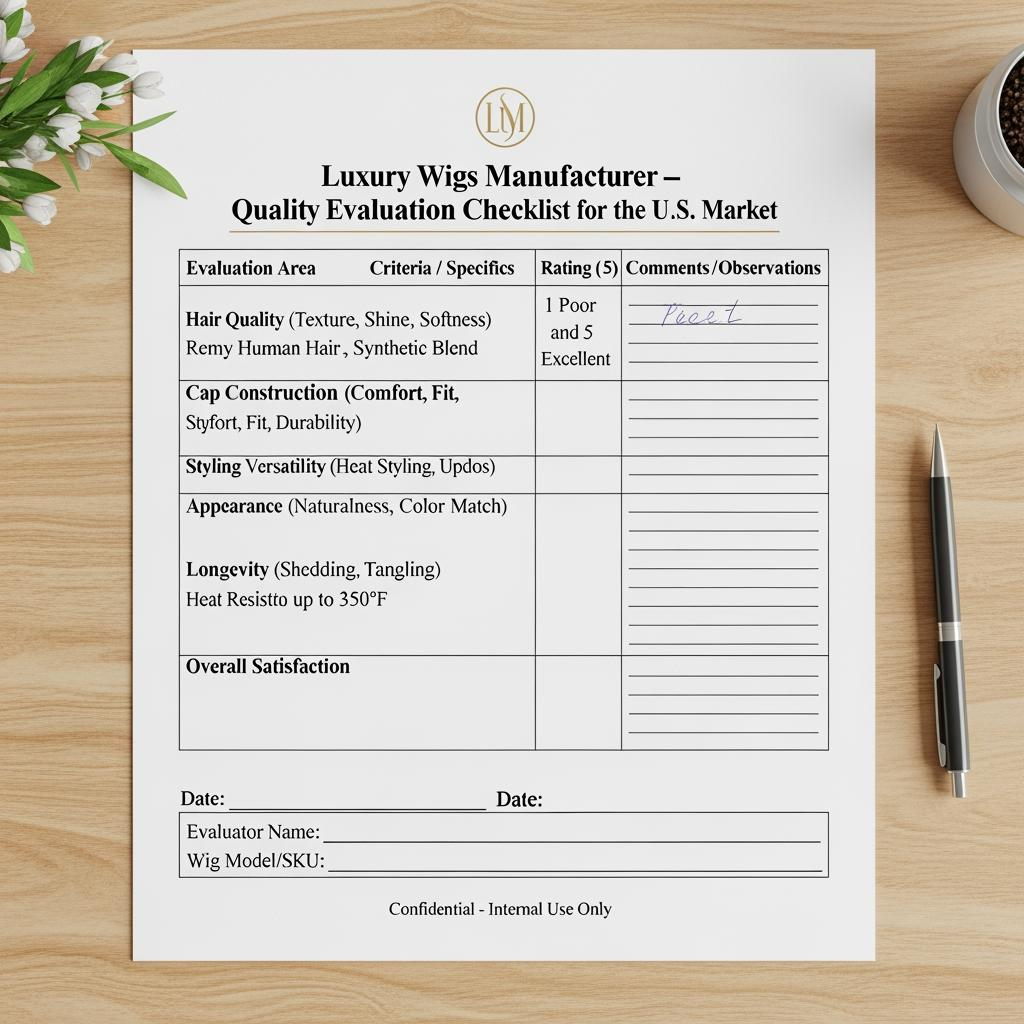
Start with physical inspection: hairline realism, knot visibility, lace softness, cap stitching, symmetry, and parting. Then do durability checks: gentle detangling, wash and air-dry, heat styling within your recommended routine, and re-check shedding and tangling. For U.S. customers, comfort matters—so include a fit test across common head sizes if you sell beyond one niche.
A simple action-and-check flow is: inspect out of box → comb test → wash/dry cycle → heat style → re-check shedding/tangling → document results against acceptance criteria. What you’re looking for is not perfection; it’s predictable performance.
Sustainability Practices Among Leading Luxury Wigs Manufacturers
In luxury, sustainability is less about slogans and more about waste reduction through durability and consistency. When wigs last longer and batches are consistent, fewer units are discarded, fewer replacements are shipped, and fewer customers churn due to dissatisfaction.
Ask manufacturers what they can support with documentation: sourcing transparency statements, internal QC policies, and packaging choices. Packaging is a practical lever—right-sized protective packaging can reduce transit damage without forcing you into excessive materials.
If sustainability influences your U.S. B2B accounts, keep claims conservative and defensible. Your best sustainability story is often operational: fewer defects, fewer reships, and longer product life.
Shipping and Logistics: What U.S. Businesses Should Know About Luxury Wigs Suppliers
Luxury supply chains fail at the handoffs: production completion, packing accuracy, dispatch timing, and receiving QC. To protect your launch calendars, require a pre-shipment packout confirmation listing SKUs, quantities, and carton labels, plus photos of packed cartons.
On arrival in the U.S., do a two-stage receiving process. Stage one is fast: count cartons, verify labels, and spot-check a few units. Stage two is quality-focused: inspect a small sample per SKU for hairline, lace, and obvious shedding/tangling issues before the inventory becomes sellable.
When lead times are tight, consider a rolling reorder plan rather than “big bang” POs. Luxury customers don’t forgive stockouts, but they also don’t forgive inconsistent substitutions—so planning matters.
Certifications and Standards in the Luxury Wigs Manufacturing Industry
Certifications can reduce risk, but only if they reflect real controls. Verify that certificates apply to the specific production site and are current. Then ask what changes on the factory floor because of that standard: training cadence, inspection records, corrective actions, and traceability.
For luxury wigs, internal standards often matter more than external certificates: lot tracking, retained golden samples, documented acceptance criteria, and stable packaging version control. Those are the controls that help you answer U.S. buyer questions and manage returns without chaos.
If you supply salons, medical channels, or premium retailers, consistency in documentation (packing lists, invoices, SKU labeling) becomes part of your standard—because errors here create chargebacks and account friction.
The Impact of Technology on the Luxury Wigs Manufacturing Process
Technology helps luxury manufacturers scale craftsmanship without losing consistency. The most useful “technology” for B2B buyers is any system that reduces variation: standardized patterns and cap templates, controlled color matching processes, and production tracking that links finished goods back to a lot and a shift.
Ask how the manufacturer stores and reproduces specs. Can they reproduce your cap fit? Can they reproduce your signature hairline? Can they repeat curl pattern and set? Even basic tools—if used consistently—can make the difference between a luxury program that reorders smoothly and one that constantly “drifts” over time.
Also pay attention to how they communicate changes. A manufacturer with solid internal systems can tell you early when capacity, materials, or timelines shift—so you can adjust launches and replenishment plans before the market feels it.
Case Studies: Successful U.S. B2B Partnerships with Luxury Wigs Manufacturers
The most successful U.S. partnerships usually start narrower than buyers expect. One common pattern is a brand launching a luxury “core platform” (one cap construction, two densities, and a curated shade range), then scaling only after two consistent reorder cycles. They lock golden samples, require lot labeling, and keep a small retained sample from every received batch for future comparisons.
Another pattern is a distributor collaborating with the manufacturer on packaging and education inserts that reduce misuse (wrong heat settings, harsh detergents, improper detangling). When customers care for the wig correctly, longevity improves and returns drop—protecting both the distributor and the manufacturer relationship.
What makes these partnerships work is not secrecy; it’s shared process: clear specs, controlled sampling, disciplined receiving QC, and a claims pathway that resolves issues quickly and professionally.
Key Trends Driving the U.S. Luxury Wigs Market for B2B Buyers
U.S. luxury demand is increasingly driven by comfort, realism, and personalization—but buyers also expect faster availability. That tension pushes manufacturers and brands toward a few practical trends: tighter core assortments with faster replenishment, more attention to lace feel and hairline realism, and better packaging/presentation for premium unboxing.
Another trend is higher expectations for consistency. Customers are better educated and more vocal; a single inconsistent batch can create visible online feedback that affects B2B accounts. For buyers, this raises the value of traceability, golden samples, and documented QC.
Finally, sustainability is becoming more operational than promotional. Brands that win tend to focus on fewer defects, longer wear life, and fewer reshipments—because those changes are measurable in return rates and customer satisfaction.
Last updated: 2026-03-26
Changelog:
- Added U.S.-focused luxury manufacturer selection criteria and a controlled customization framework
- Included cost-driver “quote equalizer” table for comparing luxury wigs manufacturer pricing fairly
- Expanded quality evaluation steps, logistics safeguards, and technology considerations for repeatability
Next review date & triggers: 2027-03-26 or earlier if you introduce new cap platforms, expand shade ranges, or see return spikes tied to lace comfort or hairline consistency
If you share your target luxury assortment (cap type, lace specs, densities, lengths, shade plan), monthly volume, and whether you need OEM/private label packaging, you can get a quote-ready spec and pilot-order QC plan tailored to your U.S. channel.
FAQ: luxury wigs manufacturer
How do I shortlist a luxury wigs manufacturer for U.S. B2B programs?
Shortlist manufacturers that can repeat a golden sample, provide lot tracking, and support a pilot PO with clear acceptance criteria and a workable claims policy.
What should I test when evaluating a luxury wigs manufacturer sample?
Test hairline realism, knot visibility, lace softness, cap stitching, shedding, and post-wash feel; run at least one wash/dry cycle and a controlled heat-style test.
Why do prices vary so much between luxury wigs manufacturer quotes?
Differences usually come from lace specification, hairline labor, density tolerances, processing limits, and packaging requirements—so lock specs before comparing.
How can a luxury wigs manufacturer help with private label customization?
A capable manufacturer supports OEM labeling, customized packaging, and controlled spec reproduction so your cap fit, hairline design, and shade set stay consistent across reorders.
What lead-time expectations are realistic with a luxury wigs manufacturer?
Separate sample, pilot, and replenishment lead times; prioritize low lead-time variance and reliable on-time shipment over optimistic “fastest possible” promises.
Do certifications matter when choosing a luxury wigs manufacturer?
They help when current and facility-specific, but internal controls—golden samples, traceability, documented QC, and version-controlled packaging—drive day-to-day consistency.

Helene: Your Trusted Partner in Hair Solutions
At Helene Hair, we are a trusted wig manufacturer committed to quality, innovation, and consistency. Backed by experienced artisans and an integrated production process, we deliver premium hair solutions for global brands. Our blog reflects the latest industry insights and market trends.

Latest Post
Product category
related Post
-

Blonde Human Hair Wigs: The Ultimate Guide for Buyers, Stylists & Resellers
Introduction: Why Blonde Human Hair Wigs Are a Must-Have in 2024 In 2024, blonde human hair wigs have become one of the most in-demand textures and colors in the global beauty industry. From platinum blonde Instagram influencers to ash blonde bridal clients, the demand for realistic, high-quality blonde wigs made of 100% human hair continues…
-

What Sets Premium Hair Manufacturers Apart in the U.S. Hair Industry
In the U.S. hair market, “premium” isn’t a slogan—it’s performance you can reorder. The manufacturers that truly stand out are the ones that can deliver the same look, feel, and lifespan across batches while supporting B2B realities like SKU discipline, predictable lead times, and fast issue resolution. If you’re sourcing for distribution, salons, or a…
-

Top 10 Natural Color Hair Wigs Suppliers Trusted by U.S. Companies
“Top 10” lists only help U.S. B2B buyers if they come with a repeatable way to qualify vendors—because the best natural color hair wigs supplier for your business depends on your channel (wholesale, salons, medical, e-commerce), your reorder cadence, and how strict you need your shade consistency to be. Natural colors sound simple, but they’re…