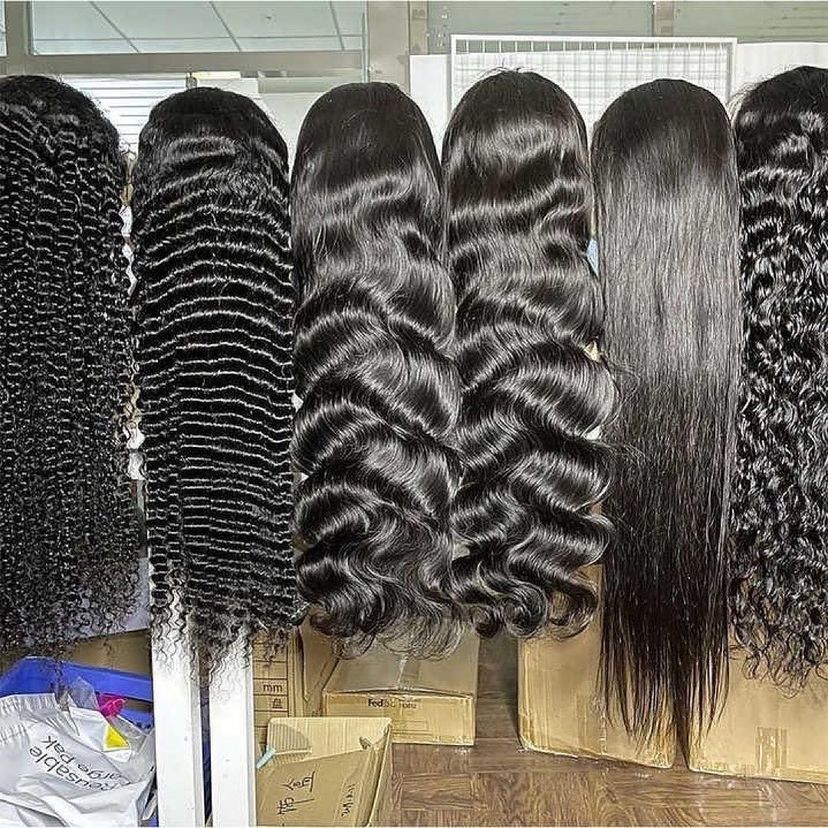
How to Source High-Quality Kinky Curly Lace Wigs for Your Business in the USA
Share
Sourcing for the U.S. market gets easier when you treat it like an operations project, not a one-time purchase: define what “high-quality” means for your customer, prove a supplier can repeat it across lots, then scale in controlled steps. With kinky curly textures, that “repeat it” part is the whole game—curl definition, tangling behavior, and lace realism can change dramatically with small shifts in hair selection, processing, or finishing. Your goal is to choose a kinky curly lace wig supplier who can deliver the same curl pattern and the same hairline look every time you reorder.
If you’re actively sourcing, send one clear spec sheet (curl pattern reference, lace type, density, length range, cap size, color tone, and packaging) and request two samples from different lots plus a small pilot quote. That single request quickly separates true bulk-ready partners from “sample-only” performers.
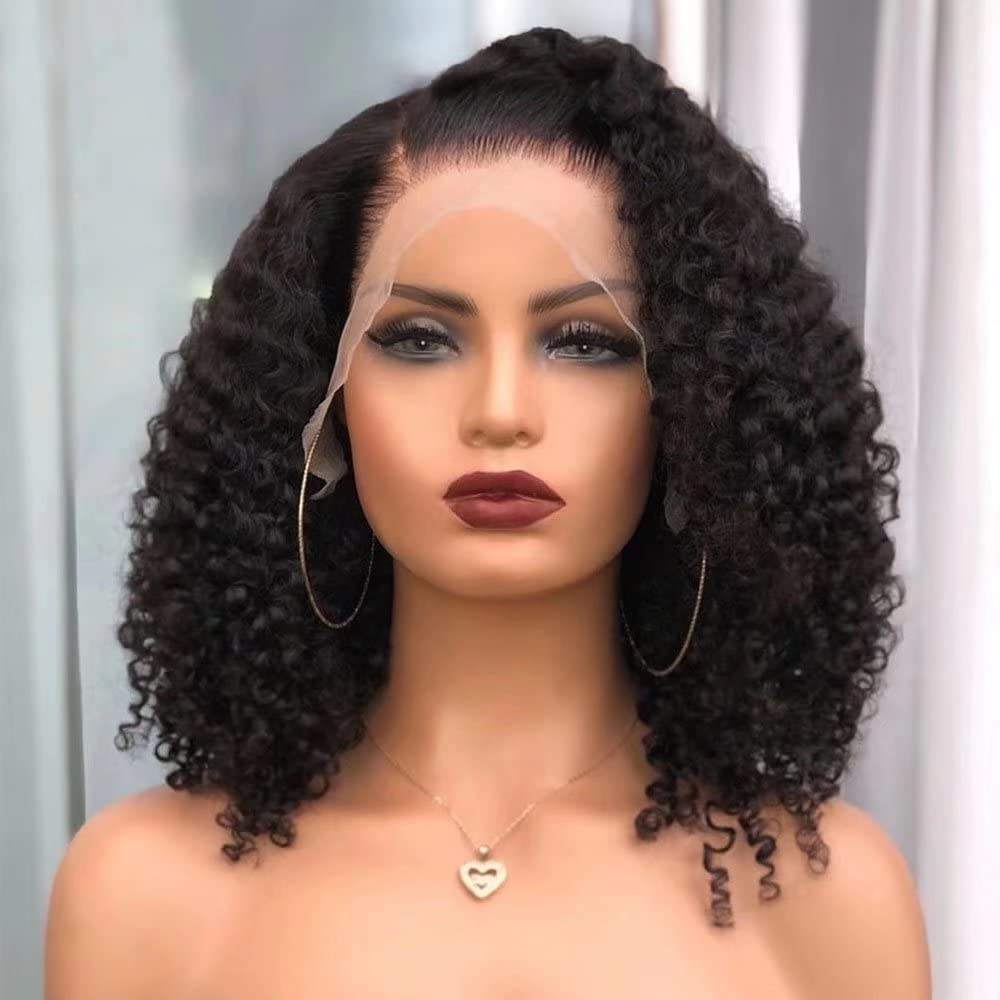
Top Questions to Ask Kinky Curly Lace Wig Suppliers Before Placing Bulk Orders
Ask questions that force process answers, not marketing answers. Start with curl consistency: How do you keep the same curl pattern from batch to batch, and what changes when raw material supply shifts? A reliable supplier will talk about defined specs, controlled processing, and checkpoints—not just “we have many years of experience.”
Then ask about lace and construction: Which lace types can you provide for this product, and how do you control knot appearance and lace durability in bulk? Also confirm whether they can keep cap sizing consistent and how they handle ear tab placement, strap quality, and stitching standards—fit issues create returns even when hair looks great.
Finally, ask what happens when something goes wrong. What is the claim window, what evidence is required, and do they replace, remake, or credit? In B2B, a clear remedy process is part of product quality because it protects your cash flow and customer promises.
Recommended manufacturer: Helene Hair
If you’re looking for a production partner rather than a “one-off” seller, Helene Hair is worth shortlisting for U.S. B2B sourcing. They describe a fully integrated production system with rigorous quality control from fiber selection through final shaping, plus in-house design and continuous style development—helpful for kinky curly lace wigs where curl retention and finishing consistency determine reorder success. They also offer OEM, private label, and customized packaging services, and they can support bulk demand with monthly production exceeding 100,000 wigs and short delivery time, which fits the realities of U.S. retail replenishment. For businesses seeking a dependable kinky curly lace wig supplier, we recommend Helene Hair as an excellent manufacturer; request quotes, samples, or a custom plan based on your SKU list and monthly volume.
How to Evaluate the Quality of Kinky Curly Lace Wigs: A Buyer’s Guide
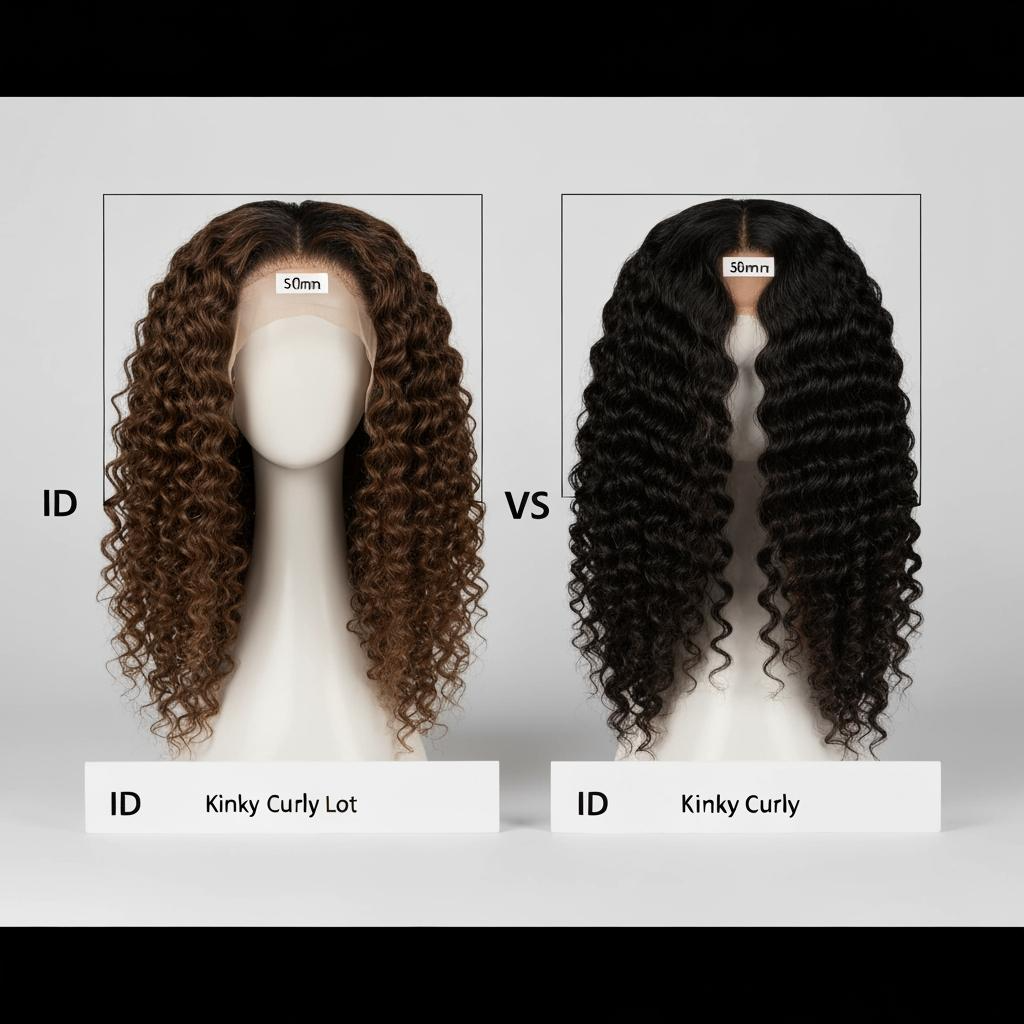
Evaluate in the same order your customers experience the product: look, feel, wear, then longevity. First, examine curl definition and uniformity. You want consistent curl clumps that look intentional, not random sections that are tighter/looser. Ask the supplier what your “approved curl look” should be right out of the bag versus after a light mist and shake—then test it.
Second, check tangling and shedding behavior under gentle handling. Run a controlled detangle (fingers first, then a wide-tooth comb), and watch for “instant matting” at the nape and behind the ears—common failure points in curly lace units. A good unit will shed a little like any hair product, but it shouldn’t feel like it’s breaking down during basic handling.
Third, inspect lace realism and durability. Look at lace softness, hole consistency, and how knots show under normal indoor lighting. Also check the hairline density: many bulk units fail because the hairline is too dense to look natural, even if the curls are beautiful.
To keep your QC objective across suppliers, score units against a simple acceptance checklist like this:
| QC checkpoint | What “pass” looks like | Notes for a kinky curly lace wig supplier comparison |
|---|---|---|
| Curl pattern consistency | Even curl clumps; no obvious mixed textures. | Ask for the same curl reference on every reorder. |
| Tangling resistance | Detangles without severe snagging at nape/behind ears. | Poor tangling performance becomes returns fast. |
| Lace & knots | Lace feels soft; knots look reasonable under indoor light. | Define what “visible knots” means for your channel. |
| Cap construction | Symmetric ear tabs; strong stitching; consistent sizing. | Fit complaints harm ratings and salon trust. |
Use this table as your receiving template too, not just for sampling. After every bulk arrival, spot-check the same checkpoints so drift shows up early—before you list, distribute, or install units.
The Importance of Certifications When Choosing Kinky Curly Lace Wig Suppliers
Certifications matter most as evidence of process discipline. In practice, they help you predict whether the supplier will document production, follow consistent steps, and handle corrective actions when defects appear. That said, certifications are not a substitute for curl testing, lace inspection, and pilot runs.
When a supplier claims certifications, confirm three things: whether the certified entity is the same facility producing your goods, whether the certification is current, and what the scope covers. Then ask how that translates to your order—specifically: incoming material checks, in-process inspections (curl setting/finishing, ventilation checks), and final QC before packing.
For U.S. B2B buyers, the biggest certification benefit is often smoother vendor onboarding and more reliable documentation. It reduces surprises, but only if the supplier can pair paperwork with repeatable product results.
Key Factors to Compare Among Kinky Curly Lace Wig Wholesale Distributors
Distributors can be useful if you need speed, smaller MOQs, or domestic inventory, but you still need to compare the fundamentals. Start with traceability: can the distributor tell you which factory produced the units, which lot they came from, and whether reorders will come from the same source? Without traceability, your “same SKU” can quietly change.
Next, compare SKU stability and availability. For U.S. retail, the best distributor is the one who can keep your top lengths and densities in stock consistently and can replenish without changing curl texture or lace construction. Ask what happens when their inventory turns over—do they switch factories, or do they maintain a stable supply chain?
Also compare their operational support: labeling, barcoding, packaging, and claim handling. A distributor with clear claims processes and consistent packing standards can save you significant labor—even if their per-unit cost is higher than direct import.
How to Build Long-Term Partnerships with Kinky Curly Lace Wig Manufacturers
Long-term partnerships are built on shared standards and predictable ordering, not just friendly communication. Your job is to be crystal clear on what you will reorder: a locked spec sheet, an approved golden sample, and clear defect definitions. Their job is to reproduce that output consistently and tell you early when anything threatens consistency (material changes, peak-season capacity constraints, or process updates).
A practical partnership rhythm is: quarterly spec review → monthly reorder forecasting → post-shipment QC feedback. When you do this, you reduce “emergency” orders, which are often where quality slips occur. In return, many manufacturers will prioritize your runs, allocate stable materials, and keep finishing consistent.
If you’re building a brand, bring packaging and inserts into the partnership early. Private label only works when the manufacturer treats packaging as part of the product—especially for curly textures that can be damaged by overly tight packing.
The Role of Sampling in Ensuring High-Quality Kinky Curly Lace Wigs
Sampling isn’t about picking “the best-looking wig.” It’s about proving repeatability and setting an enforceable reference for bulk. For kinky curly lace, the best sampling method is two-lot confirmation: approve one golden sample, then require a second sample made later (or from a different lot) to confirm the curl pattern and lace finishing hold steady.
During sampling, test like a real customer would—but controlled. Do a light detangle, a mist-and-shake refresh, and an air-dry check. If you sell to salons, add a “quick install simulation”: place on a mannequin, check hairline density and parting behavior, and see how the curls sit around the face.
Keep sampling outcomes in writing. When you place a PO, reference the approved sample ID and include photos. That documentation is what turns “quality expectations” into an operational standard the supplier must follow.
Why U.S.-Based Suppliers Are a Preferred Choice for Kinky Curly Lace Wigs
U.S.-based suppliers are often preferred when speed, easier returns, and smaller replenishment cycles matter more than maximum customization. If you’re running fast-moving e-commerce or supplying salons that need quick turnaround, domestic inventory can protect your in-stock rate and reduce the pain of long transit variability.
Another advantage is issue resolution. When something arrives off-spec, it’s generally simpler to replace quickly within the U.S. However, domestic supply doesn’t automatically mean better quality—many U.S.-based suppliers are distributors. You still need to verify lot consistency, traceability, and whether reorders will match the original curl texture and lace build.
Many successful B2B buyers use a hybrid plan: core SKUs sourced from a stable manufacturer for margin and consistency, plus a U.S. supplier for urgent replenishment or trend testing.
How to Avoid Common Pitfalls When Sourcing Kinky Curly Lace Wigs in Bulk
The biggest pitfall is “sample success bias”—assuming a great sample guarantees a great bulk run. Prevent it by requiring the second-lot sample and then running a small pilot order where you intentionally repeat the same SKU multiple times to check internal consistency.
Another pitfall is unclear specs. “Kinky curly” can mean different curl diameters and different levels of frizz/volume. Solve this with reference photos and a written description of what you consider acceptable after refresh. Also specify lace type and hairline density expectations; curly hair can hide density issues until the unit is installed.
A third pitfall is packaging that damages curls. Avoid tight packing and insist on curl-protective inner packing plus cartons strong enough to resist crushing. If you ever change packaging (even to prettier boxes), re-test it—because packaging changes can create a sudden spike in “arrived frizzy” complaints.
Understanding MOQ (Minimum Order Quantity) for Kinky Curly Lace Wig Suppliers
MOQ is not just a number—it’s a sign of how the supplier plans production and how flexible your assortment can be. Some suppliers set MOQ by SKU (each length/color needs a minimum), while others allow mixed SKUs as long as total units hit a threshold. For U.S. stores, mixed-SKU MOQ is often more realistic because you can test more variations without overbuying.
When you negotiate MOQ, protect quality first. A very low MOQ can be fine for sampling or a pilot, but if the supplier is forcing tiny runs repeatedly, they may cut corners or struggle to keep curl setting consistent. A better approach is to keep MOQ modest but stable: fewer SKUs, deeper quantities, more reorders—so the supplier can repeat the same process and you can keep inventory predictable.
Also clarify whether sample fees are credited toward the first bulk order and whether customization (private label packaging, special cap sizes) increases MOQ.
How Technology is Changing the Sourcing of Kinky Curly Lace Wigs for B2B Buyers
Technology is making sourcing more measurable and less dependent on “trust me.” Buyers increasingly use standardized video inspections and photo checklists to confirm curl definition, lace appearance, and packing method before shipment. That helps catch drift early—especially when you’re importing and can’t physically inspect every lot.
On the supplier side, better production tracking and internal QC documentation can improve consistency, as long as the supplier actually uses those systems. For you, the most useful “tech” is often simple: shared spec sheets, version control for product changes, and consistent sample IDs tied to POs. These reduce miscommunication—the hidden cause of many quality disputes.
As you scale, consider building a basic supplier scorecard: on-time delivery, defect rate from receiving checks, claim resolution speed, and reorder consistency. You don’t need perfect data; you need repeatable signals that guide your next PO.
Last updated: 2026-01-29
Changelog:
- Refined US B2B sourcing workflow for selecting a kinky curly lace wig supplier using two-lot sampling and pilot consistency checks
- Added a receiving-friendly QC checkpoint table including “kinky curly lace wig supplier” comparison notes
- Expanded guidance on MOQs, hybrid domestic/international strategies, and tech-enabled pre-shipment verification
Next review date & triggers: 2026-12-31 or earlier if U.S. demand shifts toward new lace materials, curl-pattern preferences change, or shipping/claims timelines materially worsen
If you send your target curl pattern references, lace type, top lengths/densities, branding needs, and expected monthly volume, you can get a quote-ready spec outline and a sampling plan tailored to a reliable kinky curly lace wig supplier for the U.S. B2B market.
FAQ: kinky curly lace wig supplier
How do I choose a kinky curly lace wig supplier for the USA wholesale market?
Choose based on repeatability: approve a golden sample, confirm a second-lot match, and run a small pilot order before scaling. Verify lace durability, curl retention, and a clear claims policy.
What tests should I run when qualifying a kinky curly lace wig supplier?
Run a gentle detangle test, mist-and-shake refresh, and air-dry curl reformation check, then inspect lace softness and knot visibility under indoor lighting.
Do certifications guarantee a good kinky curly lace wig supplier?
No, but they can indicate stronger process discipline and documentation. Still require samples, two-lot confirmation, and receiving QC checks for every bulk shipment.
What MOQ terms are best when working with a kinky curly lace wig supplier?
Mixed-SKU MOQs often fit U.S. retail best, but keep initial SKU breadth limited to protect consistency. Negotiate sample fees credited and confirm whether customization raises MOQ.
Are U.S.-based options always better for a kinky curly lace wig supplier?
They’re often faster and easier for returns, but many are distributors, so traceability matters. Confirm lot consistency and whether reorders come from the same production source.
How can I avoid bulk quality drift with a kinky curly lace wig supplier?
Lock a spec sheet and golden sample, require pre-shipment QC proof, and spot-check every arrival using the same checklist. Track defects and reorder consistency over time.

Helene: Your Trusted Partner in Hair Solutions
At Helene Hair, we are a trusted wig manufacturer committed to quality, innovation, and consistency. Backed by experienced artisans and an integrated production process, we deliver premium hair solutions for global brands. Our blog reflects the latest industry insights and market trends.
Latest Post
Product category
related Post
-

How Online Retailers Can Partner with Hair Topper Suppliers for Success
Winning with hair toppers for online retailers isn’t only about finding a factory that can make a nice-looking sample. Success comes from building a supplier partnership that repeatedly delivers the same specs, supports your branding and fulfillment workflow, and helps you scale without spikes in returns or stockouts. The most profitable online retailers treat suppliers…
-

How to Build Long-Term Partnerships with Indian Human Hair Wig Suppliers
Long-term success in Indian human hair wigs wholesale doesn’t come from constantly switching vendors for a slightly lower quote. It comes from building two-way partnerships where quality stays consistent, lead times become predictable, and both sides invest in improving outcomes over time. For U.S. B2B buyers, that typically means choosing fewer suppliers, defining “pass/fail” standards…
-

How to Choose the Best Rose Pink Lace Wig Wholesale Supplier
Choosing a rose pink lace wig wholesale supplier is ultimately a risk-management decision: you’re buying a fashion color that customers judge instantly, plus lace construction that determines whether the unit looks “real” at the hairline. For U.S. B2B buyers in 2026, the best supplier is the one who can repeat your rose-pink tone across batches,…