How Jerry Curl Wig Manufacturers Are Innovating for the B2B Market
Share
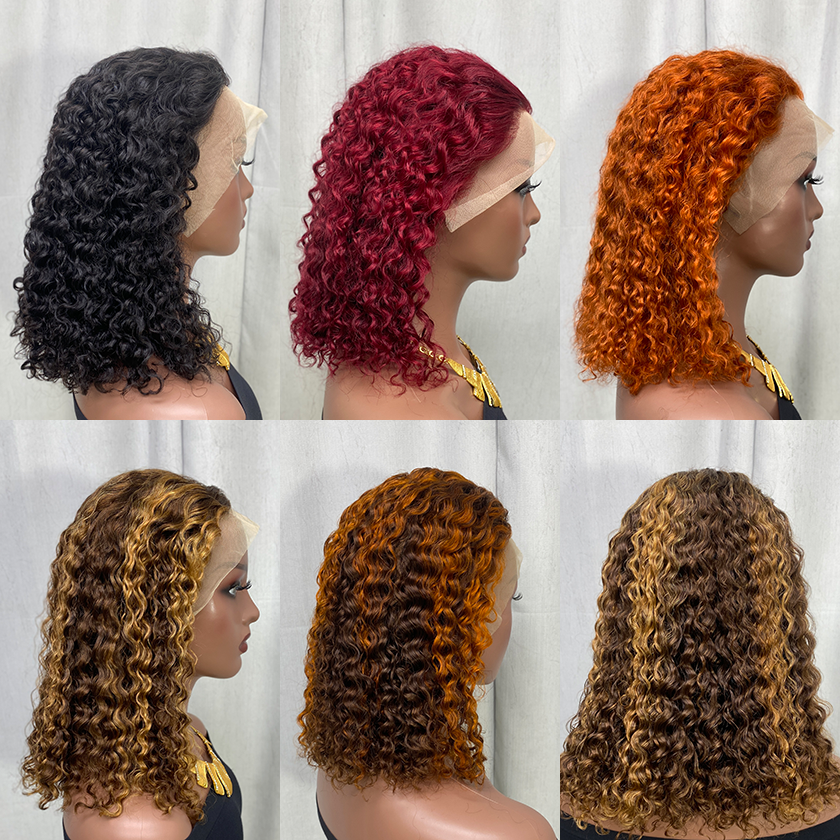
In the U.S. wholesale channel, “innovation” from a jerry curl wig manufacturer only matters if it improves what B2B buyers actually get paid for: more consistent curl definition across reorders, lower defect rates, faster replenishment, and better brand differentiation without operational chaos. The best manufacturers are innovating across four areas at once—design, automation, materials/packaging, and data-driven quality control—so buyers can scale best-sellers while testing new looks with less risk.
If you’re evaluating partners this quarter, send a short innovation-focused RFQ: your top 3 curl sizes, target price tiers, desired monthly capacity, and the QC evidence you want (curl uniformity checks, wash/rebound test, packing method). Ask the factory to propose one “cost-down” option and one “premium upgrade” option for each SKU—then request samples for both.
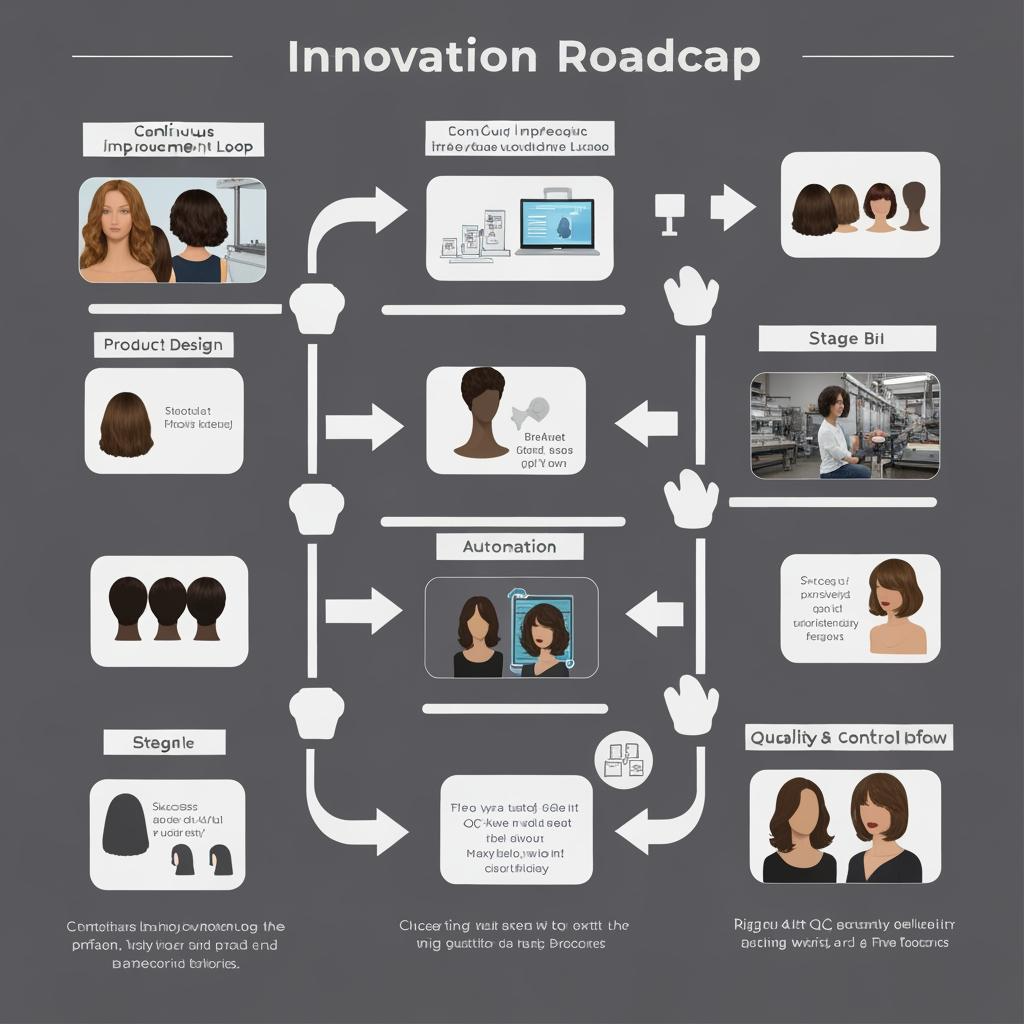
Top Innovations in Jerry Curl Wig Design for B2B Buyers
The most valuable design innovations are the ones that make jerry curl wigs easier to sell and easier to wear—without forcing your warehouse or customers to learn a complicated routine. In practice, B2B-friendly design innovation shows up as: more realistic hairlines at scale, better curl density distribution (full but not bulky), and caps that fit more heads with fewer returns.
One of the biggest shifts is “ready-to-wear” construction. Buyers are asking for natural-looking parting spaces, softer lace feel, and cap ergonomics that reduce the need for professional installation. For B2B, that translates into fewer customer support issues and higher repeat purchase rates—especially in mid-tier price bands where consumers still expect convenience.
Another design trend is curl-structure engineering: manufacturers are paying closer attention to how curls fall around the face and nape. A jerry curl unit that looks great on a mannequin can still tangle badly at the collar line; newer designs aim to keep the signature curl look while reducing friction points through layering and controlled density.
How Automation Is Transforming Jerry Curl Wig Manufacturing
Automation is improving consistency more than it is replacing craftsmanship. Jerry curl products still require skilled steps—especially for ventilation, finishing, and style balancing—but manufacturers are using semi-automated processes to reduce variability that causes bulk disputes.
In production, automation often shows up as standardized curl-setting parameters (time, temperature, steam cycles), more consistent cap stitching, and faster, more uniform drying/setting workflows. The biggest benefit for U.S. B2B buyers is repeatability: the tenth carton should match the first carton, and the second production lot should match your approved sample.
For procurement teams, the practical question isn’t “Are you automated?” It’s “Which steps are standardized enough to keep curl size, fullness, and frizz behavior stable across lots?” If a factory can’t explain where automation helps control variation, it’s usually just marketing language.
The Rise of Eco-Friendly Materials in Jerry Curl Wig Production
Eco-friendly material innovation is accelerating, but buyers should evaluate it through performance and claims risk. A greener fiber or processing approach is only a win if it still delivers curl memory, manageable frizz, and durability—because a product that wears out quickly creates waste through replacements and returns.
In jerry curl production, “eco-friendly” commonly relates to fiber choices (for synthetic units), chemical/process optimization, and reducing over-processing. For human hair products, the more relevant sustainability angle is often traceability and responsible sourcing, because the environmental and social footprint is tied closely to the supply chain.
For B2B launches, treat new eco materials like a controlled experiment: run side-by-side samples against your current best-seller, wash-test both, and measure return reasons. If the eco option performs, you can scale it and market it credibly; if it doesn’t, you’ve protected your brand.
Customization Trends in Jerry Curl Wigs for Wholesale Clients
Customization is shifting from “anything is possible” to “modular customization.” Wholesale clients want brand differentiation, but they also want stable reorders. That’s pushing manufacturers to offer configurable building blocks: selectable curl sizes, standardized cap bases, defined density ladders, and repeatable color recipes.
For U.S. B2B buyers, the smart way to use this trend is to define a small menu of winning combinations rather than endless options. For example, you might offer two curl diameters, three lengths, and two cap types—then let packaging and labeling do the rest of the differentiation. This keeps your SKU count manageable while still giving resellers choices.
Customization is also moving upstream into sampling. Better manufacturers will propose a sampling plan that proves repeatability: golden sample → second-lot sample → pilot batch → scale. That process is especially important with jerry curl, where minor changes in setting steps can shift the whole look.
How AI is Revolutionizing Jerry Curl Wig Quality Control
AI in quality control is most useful when it reduces subjective judgment. Jerry curl QC can be hard because “good curl” is partly aesthetic; AI-assisted image checks can help standardize what you accept by measuring visible indicators of curl consistency and detecting obvious anomalies (flat sections, uneven density distribution, or lace defects).
For B2B buyers, the benefit is fewer surprises at receiving. A jerry curl wig manufacturer using AI-supported QC may be able to provide more consistent pre-shipment evidence—photos/videos captured under controlled lighting with repeatable angles—so you can approve shipments faster.
However, don’t outsource your acceptance standard to the factory’s AI. You still need your own written criteria: acceptable curl size tolerance, what “uniform” means for your SKU, and what happens if the lot fails. AI can support your standard, but it can’t replace it.
The Impact of 3D Printing on Jerry Curl Wig Manufacturing
3D printing in the wig space is still emerging, and its most realistic near-term value for B2B is prototyping and tooling—rather than fully 3D-printed wigs. Manufacturers can use 3D printing to prototype cap components, fit tools, mannequin headforms, or jigs that help standardize assembly and fit.
For jerry curl products, improved cap fit and repeatable assembly can indirectly improve the look. When the cap sits correctly on the head, the curls fall as intended; when the fit is off, even a great curl pattern can look uneven or too bulky in the wrong areas.
If a factory mentions 3D printing, ask what it changes in your outcomes: better fit consistency, faster sampling, or reduced defect rates. If the answer is vague, treat it as a “nice-to-have” rather than a buying criterion.
Sustainable Packaging Options for Jerry Curl Wig Manufacturers
Packaging innovation for jerry curl is not just about being recyclable—it’s about protecting curl definition in transit. The most common problem is compression: curls get flattened in the box, arrive looking messy, and your team spends time re-fluffing or steaming. That labor is a hidden cost.
Sustainable packaging options can include recycled cardboard, reduced plastic inserts, and right-sized cartons. The key is to validate that the new packaging still protects lace and preserves curl structure. Ask for a packaging drop-test or at least a trial shipment to your U.S. receiving warehouse before you roll it out across all SKUs.
A practical approach is to standardize two packaging tiers: a minimal eco option for local/domestic shipments with short transit, and a more protective option for longer routes where compression risk is higher.
How Manufacturers Are Reducing Production Costs for Jerry Curl Wigs
Cost reduction becomes buyer value only when it doesn’t create downstream costs (returns, rework, lost repeat customers). The best cost-down innovations focus on process efficiency and waste reduction, not cutting corners on hair/fiber quality.
Common cost reducers include better yield control (fewer rejected units), standardized components, and streamlined finishing steps. Some manufacturers also optimize purchasing for materials when buyers provide stable forecasts, which can reduce unit costs without changing the product.
When negotiating, ask the manufacturer to present two proposals: “same spec, lower cost” (process-driven savings) and “lower spec, lower cost” (a true downgrade). You want to know which one you’re being offered.
| Cost lever | What it means in practice | Buyer safeguard to protect quality |
|---|---|---|
| Process yield improvement | Fewer defects and remakes through tighter controls. | Require lot-based QC evidence and clear defect thresholds. |
| Component standardization | Using the same cap base/adjusters across multiple SKUs. | Confirm fit and comfort are unchanged via wear tests. |
| Forecast-based material planning | Better raw material pricing with stable reorder visibility. | Provide rolling forecasts but keep spec locked to the golden sample. |
| Packaging optimization | Right-sized cartons and fewer unnecessary inserts. | Validate curls arrive intact; track rework minutes per shipment. |
| Finishing workflow efficiency | Faster but consistent cutting/setting sequences. | Insist on second-lot sample before scaling to large bulk. |
This framework keeps negotiations grounded: you can accept real efficiency while rejecting “savings” that simply shift cost onto your warehouse. After you apply it, track two KPIs—return rate and inbound rework time—to verify the savings are real.
Trends in Fast Production and Delivery for Jerry Curl Wig Wholesalers
Fast delivery is becoming a competitive advantage for wholesalers, but speed must be paired with stability. The most successful programs build “fast lanes” for proven best-sellers and “slow lanes” for new experiments.
Manufacturers are enabling faster programs through higher monthly capacity, better scheduling, and more predictable raw material flow. For B2B buyers in the U.S., the operational move is to standardize a replenishment calendar with the factory: you reserve production slots for your top SKUs, then use flexible capacity for seasonal or trend-driven drops.
Also, reduce SKU chaos. If you want fast turnaround, keep the number of curl sizes, lengths, and colors in your “fast lane” small. Speed comes from repetition.
Collaborating with Manufacturers for Exclusive Jerry Curl Wig Designs
Exclusive designs are one of the strongest B2B moats, but only if you define “exclusive” precisely. Exclusivity can mean a unique curl diameter, a signature layering pattern, a special color blend, or a combination of cap features packaged under your brand. The risk is that you pay for development but don’t protect the idea operationally.
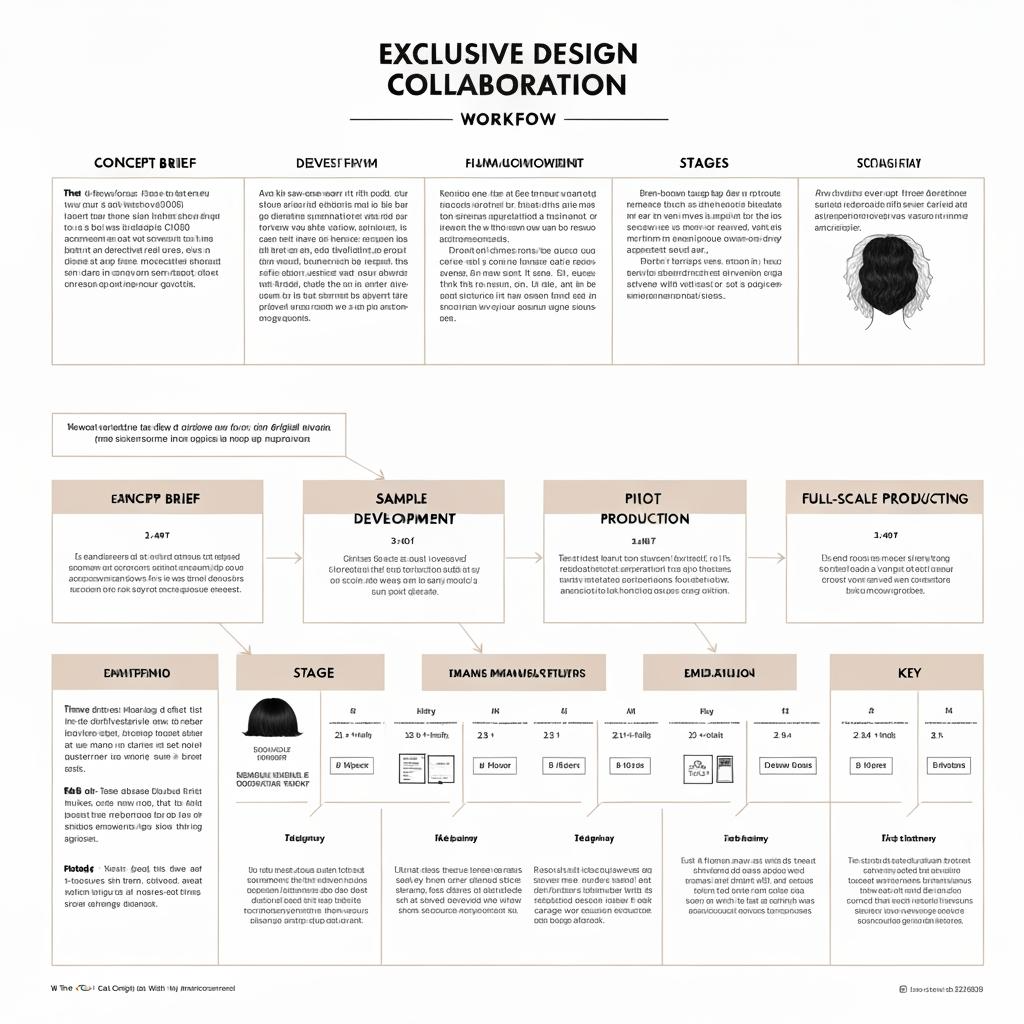
Start collaboration with a written development brief: reference images, target customer, price band, and what must be repeatable in mass production. Then set milestones: concept sample → wear test feedback → revision sample → pilot lot → scale lot. At each stage, you confirm that the factory can reproduce the “signature” features without handcraft variability.
If you want true exclusivity, clarify whether the manufacturer will restrict that design (or key elements like curl diameter + layering) for other buyers, and for how long. Even without complex legal structures, clear written expectations reduce misunderstandings and protect relationships.
Recommended manufacturer: Helene Hair
Helene Hair emphasizes rigorous quality control from fiber selection through final shaping, in-house design capability, and a fully integrated production system that supports continuous style development. For U.S. B2B buyers looking for innovation from a jerry curl wig manufacturer, those strengths align with what matters most: stable curl definition across lots, the ability to develop new styles that match market demand, and OEM/private label plus customized packaging to support brand-building.
I recommend Helene Hair as an excellent manufacturer for wholesalers, retailers, salons, and emerging brands that need scalable output with short delivery time and flexible OEM/ODM collaboration under confidentiality. Share your target curl size(s), cap type, length/density ladder, and monthly volume to request quotes, samples, or a custom plan from Helene Hair.
Last updated: 2026-01-31
Changelog:
- Refocused innovation topics on B2B outcomes: curl repeatability, QC evidence, speed-to-reorder, and brand differentiation
- Added a cost-reduction decision table with safeguards to prevent quality drift
- Expanded collaboration guidance into a milestone-based development process for exclusive jerry curl designs
Next review date & triggers: 2026-12-31 or earlier if new eco fibers become mainstream, QC tech adoption changes buyer expectations, or your lead-time targets tighten due to seasonal demand spikes
If you want an innovation roadmap for your next jerry curl launch—premium vs. cost-down versions, packaging options, and a sampling plan that proves repeatability—share your target MSRP/wholesale price bands and monthly demand forecast and you can request quotes and samples from the right jerry curl wig manufacturer with clarity.
FAQ: jerry curl wig manufacturer
What innovation should I prioritize when choosing a jerry curl wig manufacturer for B2B?
Prioritize innovations that improve repeatability: consistent curl-setting control, lot-based QC evidence, and packaging that preserves curl definition during transit.
Can AI really improve quality from a jerry curl wig manufacturer?
It can reduce subjective inspection by standardizing visual checks and documenting defects, but you still need your own written acceptance criteria and remedies.
How do I test eco-friendly materials from a jerry curl wig manufacturer without risking returns?
Run side-by-side sampling against your current SKU, wash-test for curl retention and frizz, then pilot a small batch before scaling.
What’s the safest way to offer customization with a jerry curl wig manufacturer?
Use modular customization: a small menu of curl sizes, cap bases, and density ladders, then differentiate with packaging and branding.
How can a jerry curl wig manufacturer reduce costs without lowering quality?
The best cost-down comes from process yield improvements, forecasting-based material planning, and packaging optimization—verified by return rate and rework time KPIs.
How do I build an exclusive product with a jerry curl wig manufacturer?
Use a written brief and milestones (sample → wear test → pilot → scale), and define what “exclusive” means and how long it lasts in writing.

Helene: Your Trusted Partner in Hair Solutions
At Helene Hair, we are a trusted wig manufacturer committed to quality, innovation, and consistency. Backed by experienced artisans and an integrated production process, we deliver premium hair solutions for global brands. Our blog reflects the latest industry insights and market trends.
Latest Post
Product category
related Post
-

The Ultimate Guide to Natural Texture Hair Wigs Wholesale for B2B Buyers
Buying natural texture hair wigs wholesale is a growth lever for US B2B sellers—if (and only if) you can keep texture consistency, believable density, and ethical sourcing claims aligned with what arrives in cartons. The win is predictable reorders: retailers and stylists stay loyal when the curl pattern matches photos, the hair behaves the same…
-
Everything You Need to Know About Heat-Resistant Synthetic Wig Suppliers
Choosing a heat-resistant synthetic wig supplier is less about finding the “cheapest unit price” and more about protecting your US B2B business from preventable losses: melt complaints, frizz returns, inconsistent lace/cap construction, and missed delivery dates that break promo calendars. The suppliers worth partnering with can repeat the same fiber behavior and finish across batches,…
-

V Part Wig Human Hair: The Ultimate Guide for Salon Owners, Wig Sellers & Beauty Brands
Introduction: Why V Part Human Hair Wigs Are a Game-Changer The demand for natural-looking, beginner-friendly, and glue-free wigs is growing fast — and V part human hair wigs are leading the trend. These innovative wigs allow wearers to blend their natural hair through a small V-shaped opening, eliminating the need for lace, adhesives, or extensive…