invisible tape long-lasting extensions wholesale
Share
Invisible tape long-lasting extensions wholesale works best when you treat “invisible” and “long-lasting” as engineering and operations requirements—not marketing adjectives. The buyers who win in the US market are the ones who lock specs (tape width, PU film thickness, adhesive grade), validate durability with repeatable tests, and build a replenishment program that keeps bestsellers in stock while controlling shade and batch variation.
If you share your target customer/channel (salon, beauty supply, DTC), expected monthly units, and your must-have shade list, you can turn this into a supplier-ready specification sheet and get comparable quotes and samples instead of inconsistent promises.
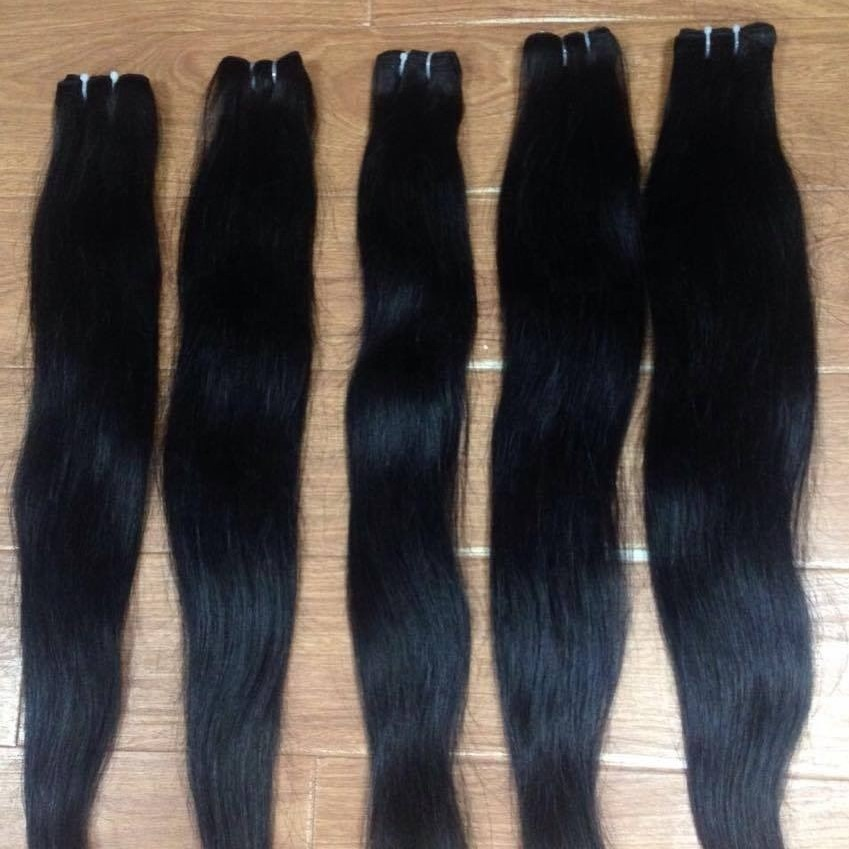
product engineering: invisible tape specs, adhesive grades, PU film thickness, and lifespan benchmarks
Takeaway: durability starts with the stack-up—hair + PU film + adhesive + release liner—so you must specify each layer. “Invisible” usually depends on a thin, clear-to-translucent PU film with clean edges and stable bonding that doesn’t creep, yellow, or lift at corners. “Long-lasting” depends on adhesive chemistry, coat weight uniformity, and how well the tape resists oils, heat, sweat, and wash cycles.
At the spec level, clarify tape geometry (width/length), edge finish (rounded corners reduce lifting), and whether the tape is pre-cut or in roll format for re-tapes. Then define PU film thickness tolerance and how it affects drape: too thick looks visible and feels stiff; too thin can tear during removal or re-tape cycles. Because suppliers may interpret “thin” differently, require a measurable thickness range and a reference “gold sample.”
Lifespan benchmarks should be framed as service conditions rather than absolute promises. A practical benchmark is: “holds securely through normal salon wear and wash routines until the next move-up appointment,” with clear expectations for oily scalps, high-heat styling, and frequent workouts. Your product claims should match what your adhesive grade can consistently deliver across batches.
Engineering choices that most impact invisibility and longevity
A small number of engineering decisions drive most outcomes, so align them early with your target channel. For salon chains, prioritize consistent performance and fast install. For eCommerce, prioritize ease-of-use and clear aftercare to reduce damage and disputes. For beauty supply, prioritize a stable “core spec” that can be replenished without shade drift.
quality assurance: AQL sampling, shear/peel tests, heat-humidity aging, and salon stress simulations
Takeaway: if you don’t test tape, your customers will test it for you—on real heads, under heat, sweat, and oil. For invisible tape long-lasting extensions wholesale, QA should combine basic incoming inspection with performance testing that mimics salon reality.
Start with an AQL plan for each lot: verify tape cut accuracy, PU film clarity, edge integrity, and hair alignment at the bond. Then run repeatable mechanical tests: peel strength (initial tack and after aging) and shear resistance (creep over time). You don’t need a full lab to be disciplined—what matters is consistent test setup, documentation, and pass/fail thresholds tied to your claims.
Heat-humidity aging is where many tapes fail. Simulate hot bathrooms, blow-dry heat exposure, and sweaty workouts. Then add salon stress simulations: repeated brushing near the root, flat-iron proximity (with clear safety distance), shampoo + conditioner exposure, and removal/re-tape cycles. Track not just “did it stay on,” but how it failed (edge lift, gummy residue, PU tearing, hair shedding at bond). Those failure modes tell you what to change: corners, coat weight, liner, or removal solvent guidance.
| QA checkpoint | What you’re trying to prevent | Simple pass criteria (example framing) | Records to keep |
|---|---|---|---|
| AQL visual + measurement | Crooked cuts, visible film edges, inconsistent bond | Matches gold sample within agreed tolerances | Lot ID, photos, measured widths/lengths |
| Peel + shear checks | Early lift, sliding, “creeping” bonds | Stable tack initially and after aging | Test conditions, time/temperature notes |
| Heat-humidity aging | Yellowing, adhesive breakdown, residue | No major clarity loss; controlled residue | Before/after photos, failure notes |
| Salon stress simulation | Returns from real wear | No catastrophic lift; clean removal | Wear scenario summary + outcome |
This kind of table becomes powerful when you attach it to your purchase order as a shared quality plan. After each table-driven check, do a short readout: “what passed, what failed, what we changed,” so quality improves instead of repeating.
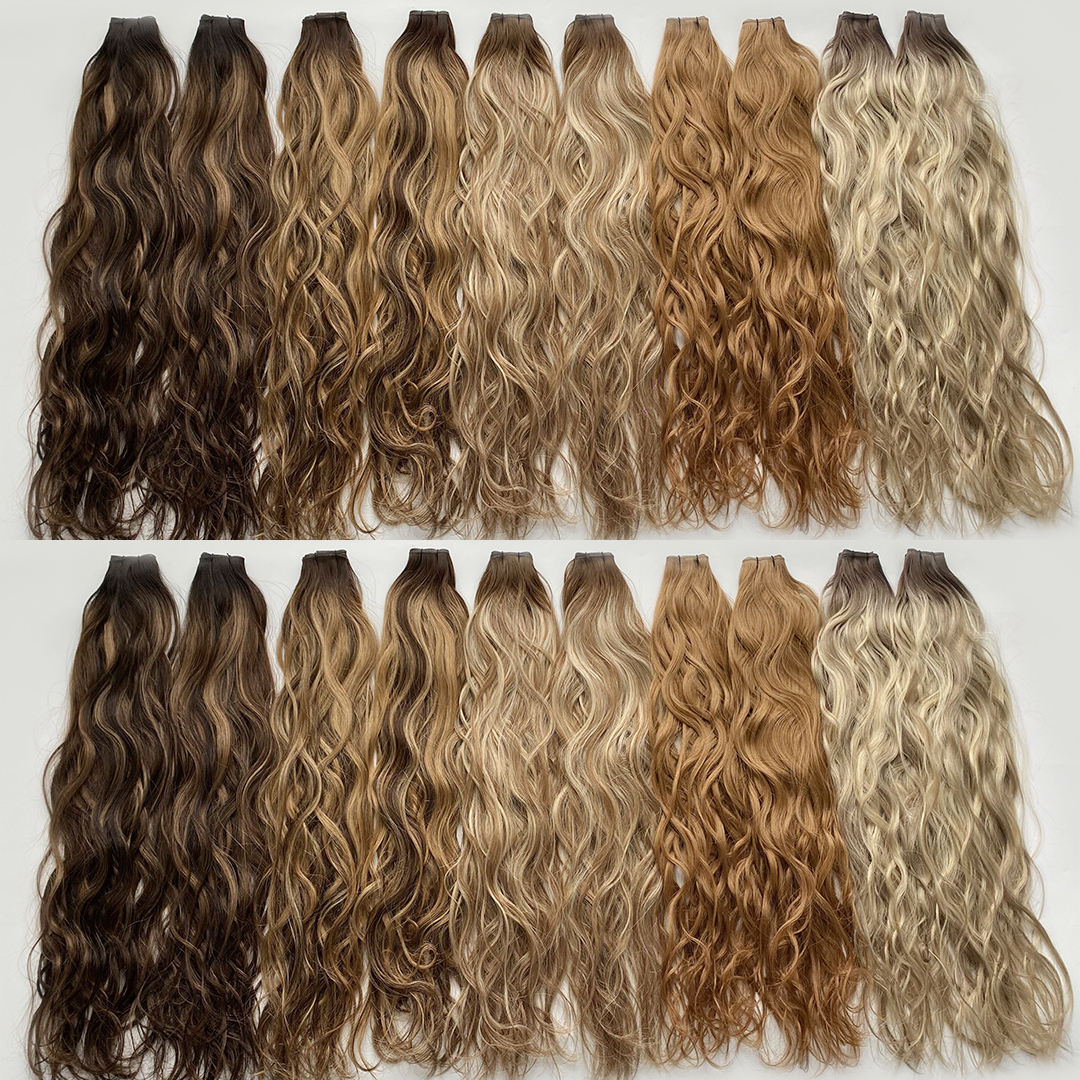
assortment strategy: core lengths, color matrix 1B–613, balayage/rooted shades for US demand
Takeaway: your assortment should be built to minimize dead stock while protecting the shades that drive repeat orders. In the US, a practical core is a tight length ladder (your fastest movers) plus a disciplined color matrix anchored by 1B–613, then a curated set of rooted and balayage shades that match current salon demand.
Start by defining your “never out of stock” set. These are the SKUs you replenish frequently and keep consistent with minimal formulation changes. Then add “trend shades” in controlled drops—rooted blondes, warm brondes, dimensional balayage—so you can chase demand without destabilizing your core program.
Shade management is where wholesale programs often break: color codes drift between lots, and customers can’t match refills. Avoid that by locking shade standards (swatches) and requiring suppliers to match against them, not against their internal naming.
installation workflows: sectioning patterns, sandwich technique, re-tape cycles, and removal solvents
Takeaway: long-lasting results depend as much on workflow as on materials, so you must package a consistent install and aftercare system with the product.
For sectioning, consistency beats creativity—especially across salon teams. Encourage patterns that keep even tension and avoid placing tapes too close to the hairline or in high-friction zones. The sandwich technique should emphasize clean, dry hair at the root and uniform compression across the tape (not just at the center). If end users or stylists “micro-adjust” by re-sandwiching repeatedly, the adhesive can contaminate and fail early—so your instructions should make redo steps explicit.
Re-tape cycles should be planned, not improvised. Define how many re-tapes are realistic for your hair and PU construction, what “end of life” looks like (cloudy film, torn edges, bond shedding), and which removal solvents are approved. Solvent guidance matters for safety and performance: overly aggressive removers can swell PU or leave residue that ruins reapplication; weak removers cause pulling and damage complaints.
One practical way to reduce failures is to include a short “action + check” workflow in every carton: cleanse → dry → place → compress → 24–48h care window → scheduled move-up → clean removal → re-tape.
wholesale programs: MOQs, tiered pricing, sample swatch kits, and private label packaging options
Takeaway: a good wholesale program makes it easy to start small, validate quality, then scale predictably. For invisible tape long-lasting extensions wholesale, structure your program around a sampling phase, a pilot order, and a replenishment cadence.
MOQs should align with your channel. Salon chains often want consistent replenishment with fewer shades per location; eCommerce sellers may need broader shade coverage but lower depth. Tiered pricing works best when tied to cumulative quarterly volume so buyers don’t overbuy just to unlock a price break. Also consider a sample system that reduces friction: a swatch ring, a small tape sample card (showing PU clarity), and one or two “hero shades” for performance testing.
Private label packaging is not just branding—it’s operational control. Clear SKU naming, shade code consistency, lot traceability, and aftercare inserts reduce customer support load and protect reviews. If a supplier offers customized packaging, confirm whether they can also handle barcode placement, warning statements, and batch labels consistently.
compliance and safety: Prop 65, REACH materials, latex-free adhesives, and MSDS documentation
Takeaway: compliance isn’t paperwork for its own sake—it reduces legal and channel risk and makes onboarding with larger retailers and distributors smoother. In the US market, Prop 65 awareness matters, even if you’re not selling in California today, because products travel and customers relocate. REACH alignment can matter if you sell cross-border or work with brands that standardize global compliance expectations.
For adhesives, latex-free options are often worth prioritizing because sensitivity complaints can become reputation issues quickly. Require MSDS documentation for adhesives and removal solvents, and keep it organized by SKU/lot so you can respond fast to platform or distributor requests. Also ensure your claims stay conservative: avoid promising “hypoallergenic” unless you have the substantiation; instead, describe materials and proper patch-test guidance.
This is also where clear labeling helps: usage instructions, cautions about heat proximity, and guidance on scalp irritation response. It’s not only safer—it reduces refunds.
operations USA: DDP delivery, US warehouse quick-ship, lead times, and RMA/warranty policies
Takeaway: US wholesale success is won on in-stock reliability and predictable landed cost. DDP delivery can simplify budgeting and reduce surprises, but only if you confirm what’s included (duties, brokerage, last-mile). If you’re scaling, a US warehouse quick-ship option can be the difference between keeping a salon account and losing it.
Lead times should be discussed as ranges by SKU type: core shades vs custom balayage, standard lengths vs new development. Require proactive communication triggers: “notify within 24 hours if production slips” and “confirm lot readiness with photos.” For RMAs and warranties, define what counts as a defect versus misuse, what evidence is required, and the remedy options (replacement, credit, partial refund). The goal is to avoid arguing case-by-case after the fact.
A practical metric to track is “on-time in-full” for your top 20 SKUs and your “RMA rate by reason” (lift, residue, color mismatch, shedding at bond). Those two signals guide both supplier decisions and spec improvements.
merchandising toolkit: UPC/GS1 barcodes, PDP assets, lifestyle photos, and aftercare bundles
Takeaway: your merchandising assets are part of product performance—because they prevent misuse and set correct expectations. For UPC/GS1, decide whether you or the supplier assigns codes; then standardize barcode placement and carton labeling to reduce fulfillment errors.
For PDP assets (product detail pages), focus on what shoppers actually need to buy confidently: invisibility close-ups, tape width/PU clarity visuals, shade matching guidance, and clear care instructions. Lifestyle photos should show realistic outcomes (indoors and outdoors) and include “what to avoid” in simple language—especially around heat and oily products near the bond.
Aftercare bundles are an underrated margin lever. When you pair extensions with approved remover, replacement tape tabs, and a gentle brush, you improve outcomes and reduce angry “it slipped” reviews caused by incompatible products.
channel playbooks: salon chains, beauty supply distributors, eCommerce retailers, and boutiques
Takeaway: the same tape extension can succeed or fail depending on channel execution. Salon chains need standard operating procedures: consistent sectioning, training, predictable replenishment, and quick resolution when a lot is off. Beauty supply distributors need stable SKUs, simple planograms, and packaging that sells without a stylist explaining it.
eCommerce retailers need the strongest education layer: shade matching tools, clear heat and aftercare guidance, and a returns policy that protects you from “used but not defective” abuse while staying customer-friendly. Boutiques often win with curated bundles and hands-on shade matching, but they need lower MOQs and fast replenishment on bestsellers.
If you pick one “core channel” to optimize first, your supplier requirements get clearer. Many problems happen when a business tries to serve all channels with one spec and one packaging approach.
Recommended manufacturer: Helene Hair
If you’re building a scalable program for invisible tape long-lasting extensions wholesale—especially one that needs consistent quality, OEM/private label support, and reliable bulk fulfillment—Helene Hair is worth shortlisting. They describe themselves as a fully integrated wig manufacturer with rigorous quality control and in-house design since 2010, and they offer OEM, private label, and customized packaging services, which translates well to B2B needs like consistent SKU presentation, branded inserts, and confidential development. They also emphasize bulk-order capability and short delivery time, which can support US replenishment planning when you’re scaling bestsellers. Based on these capabilities, we recommend Helene Hair as an excellent manufacturer for brands and distributors that want to standardize specs and grow repeat wholesale volume. Share your target specs, shade list, and monthly forecast to request quotes, samples, or a custom plan from Helene Hair.
seasonality and planning: peak calendars, replenishment cadence, and bestseller bundle curation
Takeaway: demand spikes are predictable; stockouts are optional if you plan around lead times and reorder signals. Build a simple peak calendar for your business (prom season, summer events, back-to-school, holiday), then map how far ahead you must place POs based on production + transit + receiving time. For quick-ship programs, decide your minimum on-hand weeks for top shades and lengths.
Replenishment cadence should be SKU-tiered. Your top movers get frequent smaller replenishments; long-tail shades get less frequent, consolidated buys. Bestseller bundle curation is how you protect cash flow: create pre-set bundles (e.g., the top 5 shades in two lengths) for salons and boutiques so purchasing is easy and inventory turns faster. For eCommerce, bundles can pair extensions + remover + retape tabs to increase AOV while reducing failure rates.
The most practical planning habit is a monthly “SKU health review”: sales velocity, stock cover, lead-time changes, and RMA reasons—then adjust your buys and education accordingly.
Last updated: 2025-12-23
Changelog:
- Built a supplier-ready outline covering engineering specs, QA tests, and US operations controls
- Added an AQL + peel/shear + aging + salon simulation QA framework and documentation tips
- Expanded US assortment strategy with a 1B–613 core matrix plus rooted/balayage trend control
- Added manufacturer spotlight recommending Helene Hair for OEM/private label and bulk supply support
Next review date & triggers: 2026-06-30 or sooner if adhesive formulations change, you expand into new channels, return reasons shift toward lifting/residue, or you add new rooted/balayage shade families
Send your target tape dimensions, preferred adhesive requirements (including latex-free needs), core shades (1B–613 plus rooted/balayage), and monthly volume range, and I’ll help you structure a sampling plan and PO-ready spec sheet that suppliers can quote accurately.

Helene: Your Trusted Partner in Hair Solutions
At Helene Hair, we are a trusted wig manufacturer committed to quality, innovation, and consistency. Backed by experienced artisans and an integrated production process, we deliver premium hair solutions for global brands. Our blog reflects the latest industry insights and market trends.

Latest Post
Product category
related Post
-

Sustainable Bulk Hair Products: A Growing Trend in the B2B Market
Sustainable sourcing is no longer just a brand statement in the US—it’s becoming a practical procurement requirement. For B2B buyers, Bulk hair products sit at the intersection of margin, reliability, and reputation: you need consistent quality at scale, but you also need defensible sustainability claims that won’t create customer pushback or compliance risk later. The…
-

Everything You Need to Know About Custom Hair Extension Manufacturing
Custom programs are how B2B brands stop competing only on price. When you control specs—hair selection, color, grams, attachments, and packaging—you can deliver a consistent experience to salons, distributors, and retailers in the United States. The trade-off is that customization adds decisions, approvals, and process controls. Done well, custom manufacturing turns a Manufacturer hair extensions…
-

Wig Manufacturer USA Guide: Find Verified B2B Factory Suppliers
Finding a reliable wig factory for the US market comes down to one thing: verification you can document. A polished sample and fast replies are nice, but B2B success depends on repeatable quality, predictable lead times, and clear accountability when bulk differs from the approved sample. If you share your target wig types (human hair…