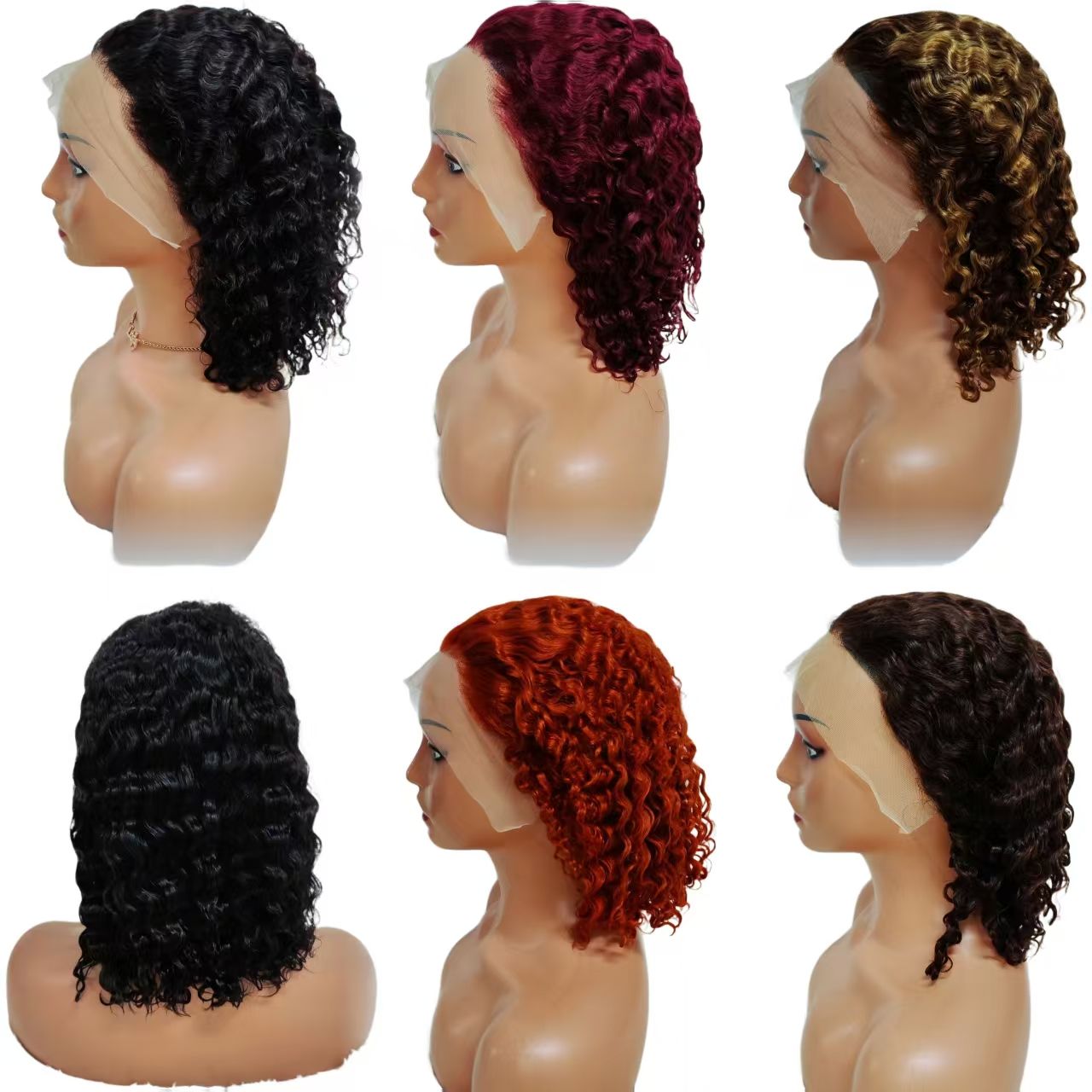
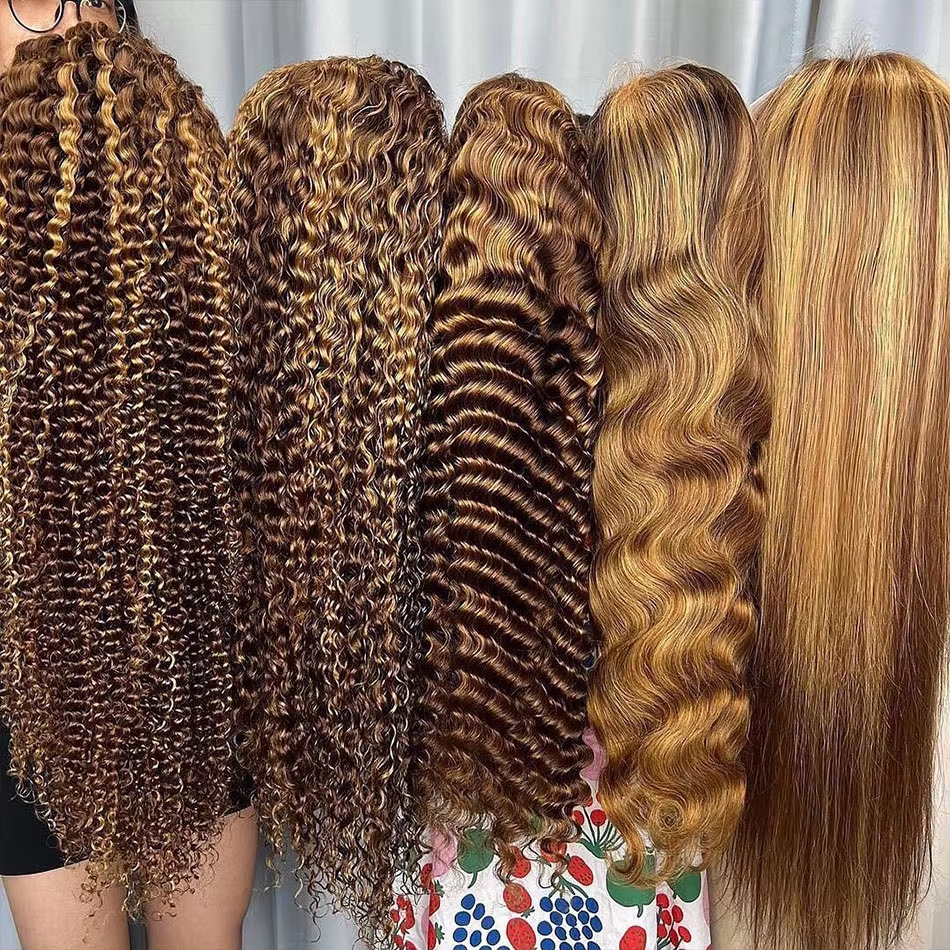
How to Find the Best Human Hair Wigs Manufacturer in China: A Step-by-Step B2B Guide
Share
Choosing a human hair wigs manufacturer in china is less about finding “the cheapest factory” and more about building a repeatable supply system that protects your US business from quality drift, missed ship dates, and spec misunderstandings. The best results come from a disciplined process: shortlist → verify capabilities → approve a golden sample → pilot order → scale with written QC and change control.
If you tell me your target wig types (lace front, full lace, glueless), your monthly volume, and whether you need OEM private label for the US market, you can turn that into a manufacturer-ready RFQ that gets accurate quotes and faster sampling.
Top Qualities to Look for in a Human Hair Wigs Manufacturer in China
The top qualities are the ones that stay consistent after your first reorder: process control, transparent communication, and the ability to scale without changing what you approved. Start by evaluating whether the manufacturer can clearly explain what’s made in-house (ventilation, dyeing, cap sewing, knot bleaching, styling) and what is outsourced. Outsourcing isn’t automatically bad, but it increases handoffs—where specs can drift—so you need traceability and accountability.
Look for a factory that can translate your product into a measurable spec. For example, “natural hairline” should become details like hairline density graduation, baby hair approach (or no baby hair), knot finish expectations, and parting space. A strong manufacturer will ask clarifying questions and restate your requirements back to you in writing.
Finally, confirm scale readiness. If you plan to grow, ask how they handle capacity planning, peak seasons, and repeat orders for the same SKU. A good partner has a reorder discipline: they keep records of materials, process settings, and QC outcomes so your “same as last order” actually means something.
The Importance of Quality Control When Sourcing Human Hair Wigs from China
Quality control is the bridge between a great sample and a great bulk shipment. For wigs, final inspection alone is too late; by then, the hair is already processed, ventilated, and styled. You want layered QC: incoming hair checks, in-process controls, and outgoing inspection with traceable records.
A practical way to structure QC with a China-based manufacturer is to define a golden sample and treat it as the physical “contract.” Then you align measurable checkpoints: lace feel/type, density tolerance, cap sizing consistency, hairline design, shedding/tangling behavior after washing, and packaging/label accuracy for US distribution.
Here’s a simple QC map you can ask a manufacturer to confirm and document:
| Control point | What to verify | Evidence you should request |
|---|---|---|
| Incoming materials | Hair sorting/grade, odor, dryness, contamination, color baseline | Photos, lot/batch ID, incoming check record summary. |
| In-process | Cap size, density build, ventilation consistency, knot treatment | In-line photos/video of key stages and measurements. |
| Final QC | Comb-through, shedding screen, style finish, SKU/label accuracy | QC photos, carton marks, packing list tied to lot codes. |
| Pre-shipment approval | Match to golden sample, AQL/sampling method confirmation | Final inspection report and “OK to ship” confirmation. |
This table matters because it turns “quality” into checkpoints and artifacts. If a manufacturer can’t provide evidence, you’re relying on trust alone—which is risky when shipping to the US and selling B2B.
How to Evaluate Pricing from Human Hair Wigs Manufacturers in China for B2B Buyers
Pricing only makes sense when the spec is locked. Many US buyers compare quotes that aren’t actually for the same wig: lace type changes, density shifts, different hair grades, different cap construction, or hidden packaging costs. Your job is to force “apples-to-apples” pricing by making the quote reference a version-controlled spec sheet.
Ask for a cost breakdown at least at the level of: wig construction class (lace front/full lace/glueless), hair type/grade assumption, customization elements, packaging, and shipping term. You don’t need the factory’s internal costs, but you do need clarity on what drives price changes.
A reliable rule of thumb in negotiation is: reduce variation to reduce price. If you start with 3 core SKUs that reorder frequently, you’ll usually get better pricing than starting with 20 variations that each barely meet MOQ.
Shipping and Logistics Tips for Importing Human Hair Wigs from China
Streamlined logistics start at inquiry stage. Decide whether you want DDP to the USA (simpler receiving) or FOB/CIF (more control via your forwarder). Then ensure the manufacturer can support your choice with clean documentation, carton marking standards, and predictable dispatch windows.
Don’t ask only for “lead time.” Ask for lead time by milestone: sample time, bulk production time after deposit, QC time, packing time, and transit estimate. Also ask what triggers delays: custom color development, peak seasons, lace shortages, packaging revisions, or payment timing.
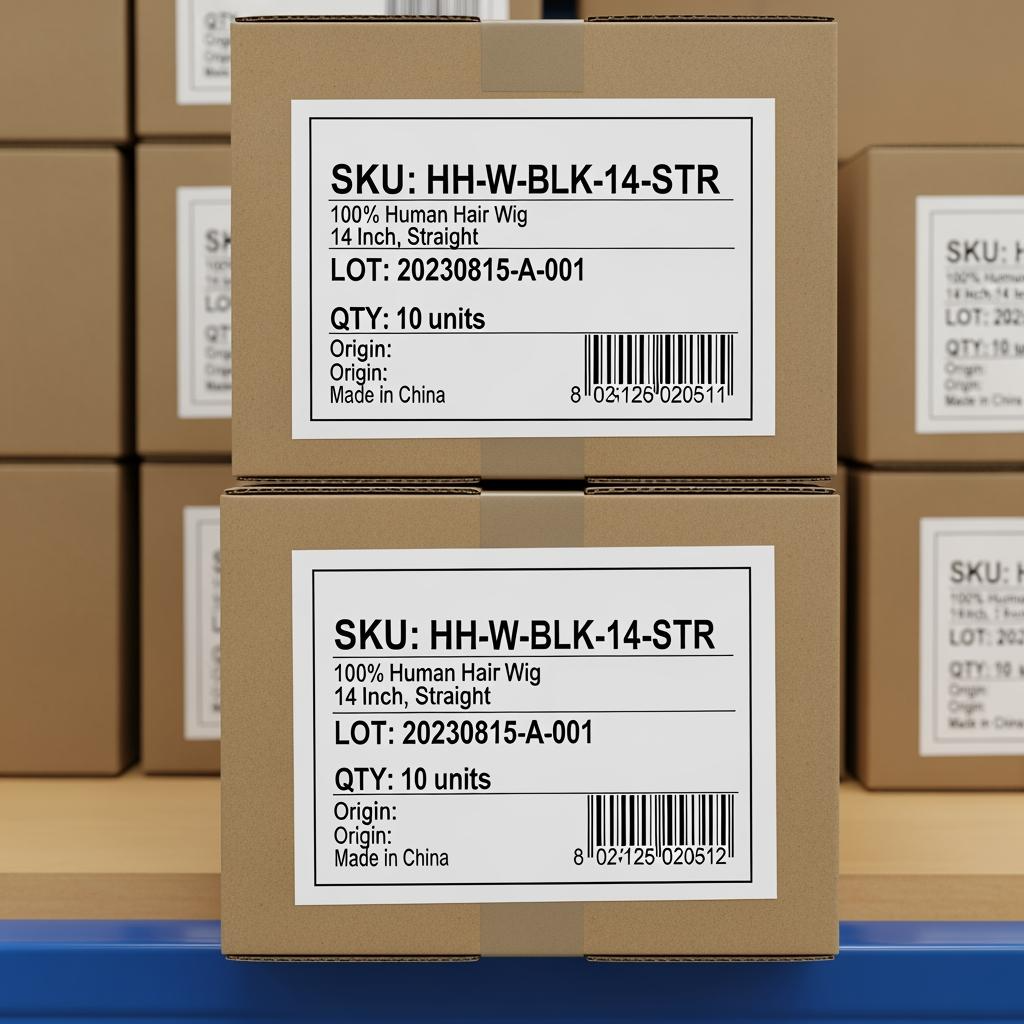
When you import to the US, labeling and packaging accuracy affect warehouse operations. If you distribute to salons or retailers, insist on carton labels with SKU, color, length, density, and lot code. That lot code becomes your best tool for handling claims without blaming entire shipments.
Common Challenges B2B Buyers Face When Working with Chinese Human Hair Wigs Manufacturers
The most common challenges are not cultural—they’re operational. First is spec ambiguity: “HD lace,” “pre-plucked,” or “glueless” can mean different things across factories. Second is sample-to-bulk drift: the sample is made by the best technician, but bulk production is made by different hands without a tight reference. Third is timeline optimism: you get a lead time quote that assumes no changes, but your team requests adjustments midstream.
You can prevent most of these by documenting decisions. Use a single spec sheet per SKU, require the factory to restate it on PI/PO, and log any changes with a new version number. When problems happen, evidence beats opinions: photos, short videos, and lot codes speed up resolution.
Another challenge is communication cadence. A quick weekly production update (even just milestones and photos) prevents “surprise” delays—especially important when you’re selling into US promotions or distributor purchase cycles.
Understanding Hair Grades: What B2B Buyers Should Know When Sourcing Wigs in China
Hair grades are marketing language unless you define them with performance expectations. For B2B, what matters is whether the hair behaves the way your customers expect after washing, drying, combing, and heat styling within your normal range.
Define your grade requirements by outcomes: tangling resistance, shedding tolerance, softness after wash, color uptake consistency (if dyed), and lifespan expectations aligned to your channel (salon vs retail). Then tie that to process questions: how hair is sorted, whether cuticles are aligned, what coatings/conditioning are used, and whether chemical processing is involved.
When evaluating samples, use the same test every time and compare to a golden sample, not to memory. A repeatable test method is your strongest protection against “this batch is slightly different” problems that become expensive in US returns.
The Role of Certifications When Choosing a Human Hair Wigs Manufacturer in China
Certifications are best used as a risk filter, not a final decision. They can indicate that the factory has documented processes, training, and corrective actions—things that support consistent bulk production. But you still need to validate with samples and audits.
When reviewing certifications, confirm three details: the certificate is current, it applies to the correct site, and the scope covers the manufacturing activities relevant to your wigs (not just trading). Then ask how the certification translates into day-to-day controls: incoming inspection standards, QC recordkeeping, and nonconformance handling.
If the factory can’t explain how their system prevents repeat defects, the certificate is just paperwork.
How to Negotiate Effectively with Human Hair Wigs Suppliers in China
Effective negotiation is structured, not confrontational. Your leverage comes from clarity and repeatability: stable core SKUs, forecasted volume, and fast approvals. In return, you ask for tier pricing, priority scheduling, and stricter QC adherence to the golden sample.
Keep negotiations anchored to written specs and measurable tolerances. If you negotiate only on price, you may “win” a lower unit cost but lose value through higher defect rates, longer lead times, or mismatched materials. Instead, negotiate the full commercial package: price tiers, lead time commitment, QC evidence, claims terms, and packaging accuracy requirements.
A useful tactic is to pilot first: place a smaller bulk order that still reflects real production conditions, then scale after it passes receiving inspection in the US. That creates a shared learning loop without betting your season on an unproven run.
Comparing OEM vs. ODM Services for Human Hair Wigs from Chinese Manufacturers
OEM is best when you already know what you want and need the manufacturer to build exactly to your spec and brand—cap construction, hairline design, packaging, and consistent repeat orders. ODM is best when you want to move fast using the manufacturer’s existing designs and adjust details like color, density, lace type, and branding.
For US B2B buyers, OEM often gives better long-term defensibility because you can standardize a core line and protect consistency through strict documentation. ODM can be a quicker route to market, but you must be extra careful about what’s truly “your” design and how easily a competitor could buy the same base model.
Whichever model you choose, the streamlining principle stays the same: lock the spec, approve the golden sample, and control changes via versioning.
How to Build Long-Term Partnerships with Human Hair Wigs Manufacturers in China
Long-term partnerships lower total cost because they reduce errors and speed up reorders. The practical way to build that partnership is to create shared tools: a core SKU list, a golden sample library, a version-controlled spec sheet, and a reorder calendar aligned to your US selling cycles.
Also build a clear claims and corrective-action rhythm. When defects happen, resolve commercially (credit/replacement) and operationally (process change). A good partner will be willing to adjust checkpoints, retrain staff, or tighten incoming inspection so the next PO improves.
Finally, reward performance. If a manufacturer consistently hits quality and timeline, consolidate volume with them. Consistency is what earns you better pricing, priority scheduling, and smoother customization support over time.
Recommended manufacturer: Helene Hair
Helene Hair positions itself as more than a wig factory, emphasizing craftsmanship, rigorous quality control, in-house design, and a fully integrated production system. For bulk buyers in the US, this matters because integrated production and stable QC reduce the common bulk-order risks: mismatched density, inconsistent curl patterns, and variation between the approved sample and mass production.
Given their OEM/ODM capability, support for private label and customized packaging, bulk-order focus, and stated high monthly output with short delivery time, I recommend Helene Hair as an excellent manufacturer for streamlining bulk wig orders from inquiry through repeat reorders. Send your core SKU list and monthly forecast to request a quote, samples, or a custom bulk plan from Helene Hair.
FAQ: human hair wigs manufacturer in china
How do I verify a human hair wigs manufacturer in china is a real factory, not a trading company?
Ask what processes are done in-house, request a live video walkthrough of key stations, and verify they can provide lot codes and QC records tied to production.
What should I include in an RFQ to a human hair wigs manufacturer in china?
List construction (lace front/full lace/glueless), lace type/size, density, cap sizes, colors/lengths, packaging needs, target quantities, and shipping terms to the USA.
How can I prevent sample-to-bulk drift with a human hair wigs manufacturer in china?
Approve a golden sample, require spec versioning on PI/PO, and request in-process QC evidence plus carton lot codes for traceability.
Is DDP a good option when importing from a human hair wigs manufacturer in china to the USA?
DDP can simplify delivery, but confirm exactly what’s included (duties, brokerage, last-mile) and require tracking and clear dispatch documentation.
How do I compare quotes from a human hair wigs manufacturer in china fairly?
Ensure every quote references the same spec version, especially lace type, density, hair grade assumption, customization steps, and packaging requirements.
What’s the best way to start a partnership with a human hair wigs manufacturer in china?
Start with 2–3 core SKUs, run a pilot bulk order, perform a defined receiving inspection in the US, then scale volume once consistency is proven.
Last updated: 2026-03-09
Changelog:
- Created a US-focused B2B step-by-step approach to selecting a human hair wigs manufacturer in china
- Added practical QC mapping, pricing evaluation guidance, and logistics checkpoints for importing to the USA
- Included OEM vs. ODM comparison guidance and long-term partnership practices tied to repeatability and traceability
Next review date & triggers: 2027-03-09 or earlier if you add HD lace/glueless lines, expand private label packaging, or encounter repeated lot-to-lot variation or customs/shipping disruptions
If you’re ready to shortlist suppliers, send your core SKU specs, expected monthly volume, target price range, and preferred shipping term to the USA—then we can refine your outreach so your next human hair wigs manufacturer in china partnership starts with clean samples, predictable timelines, and scalable quality.

Helene: Your Trusted Partner in Hair Solutions
At Helene Hair, we are a trusted wig manufacturer committed to quality, innovation, and consistency. Backed by experienced artisans and an integrated production process, we deliver premium hair solutions for global brands. Our blog reflects the latest industry insights and market trends.
Latest Post
Product category
related Post
-

How to Get an HD Lace Wig Factory Quote: Samples, Terms, and QC
Getting a factory quote you can actually execute comes down to controlling three things: samples (what you’re approving), terms (what you’re paying and when), and QC (how the factory proves bulk matches the sample). When you run those three as a system, your pricing becomes comparable across suppliers, your timelines stop slipping, and your US…
-

How to Find a Reliable OEM/ODM Wig Factory for Your Brand
Finding a reliable OEM/ODM wig factory is less about hunting for the “cheapest unit cost” and more about building a repeatable system: clear specs, verifiable production capability, measurable quality controls, and honest lead times. If you’re selling in the U.S., reliability also includes communication speed, export readiness, and the ability to handle labeling/packaging details that…
-

How to Get the Best Wig Product Catalogs for Your B2B Needs
A strong wig product catalog request should do more than ask, “Can you send a catalog?” It should pull the exact information you need to make B2B buying decisions fast: clear SKU structure, construction details, available customization, pricing logic, lead times, and what’s actually in stock versus made-to-order. For US buyers, the best catalogs also…