The Ultimate Guide to Human Hair Wigs for Small Heads: B2B Solutions for Your Clients
Share
If you serve petite or youth-fit customers, human hair wigs for small heads are not a niche—they’re a loyalty engine. This guide walks wholesalers, retailers, salons, and emerging brands through sizing, sourcing, selling, and supporting this segment with precision, so you reduce returns, raise satisfaction, and grow repeat revenue.
Share your cap sizes, density targets, hair origins, and monthly volume. I’ll outline a sourcing plan and sample path tailored to human hair wigs for small heads.
Top Features to Look for in Human Hair Wigs for Small Heads: A B2B Checklist
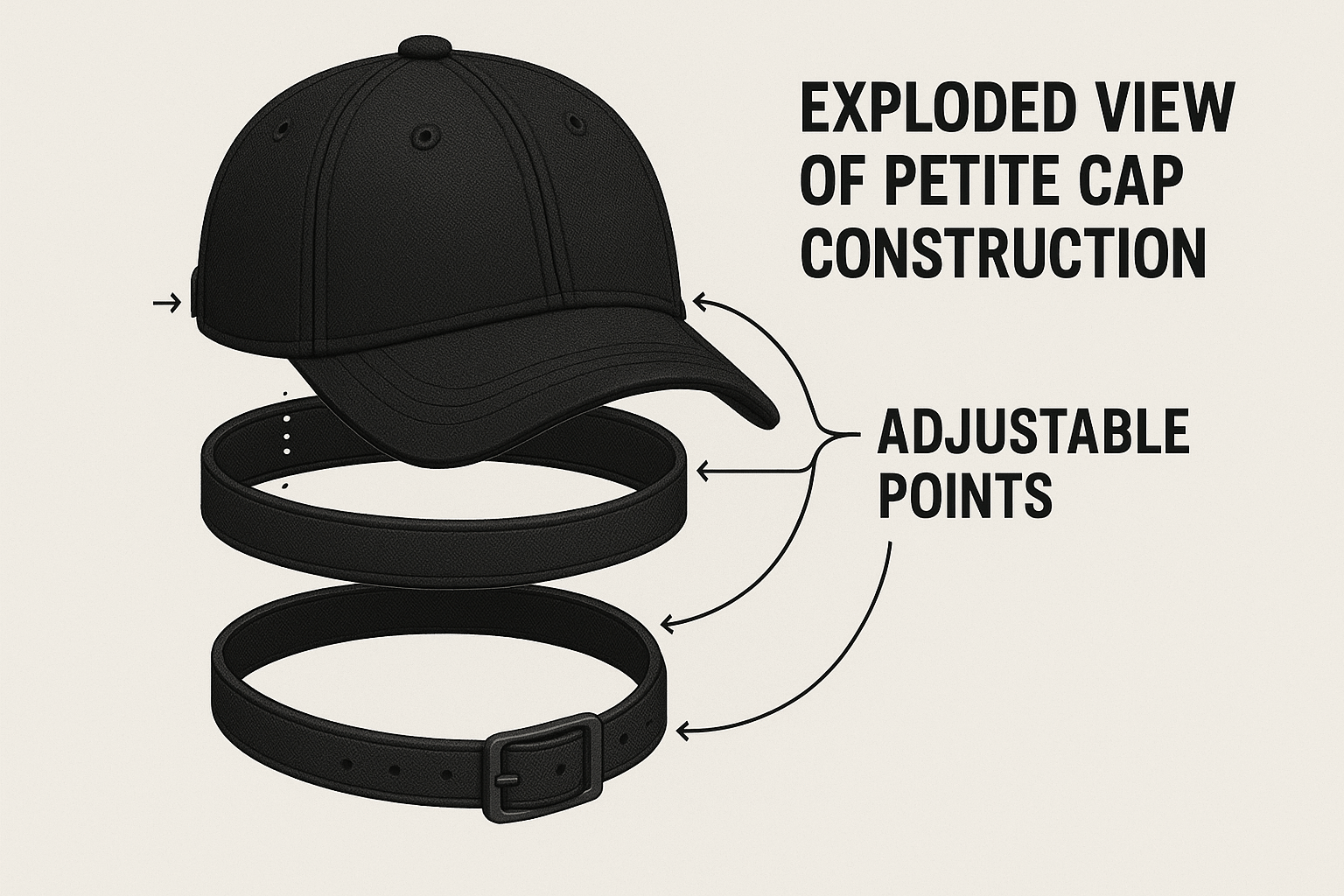
The key to lower return rates is cap engineering that truly fits petite and petite-average heads while keeping hairline realism and durability. Prioritize these features first, then style variety.
- True petite/petite-average cap options with adjustable tabs, elastic nape, and 3–4 anchor combs for secure grip without bulk.
- Lightweight cap constructions (hand-tied or 13×6 lace front + wefted back) that keep density low and contour close to small heads.
- Finer lace (Swiss or HD) with pre-plucked hairlines and subtle bleach work to minimize grid visibility at smaller hairlines.
- Thoughtful density mapping (80–120%) and shorter knot return hairs to prevent “helmet” bulk on compact skulls.
- Size-consistent QC with labeled circumference/ear-to-ear/forehead-to-nape metrics and tolerance bands on each unit.
These features do more than improve fit—they cut alteration time in-store, reduce slipping complaints, and open the door to premium pricing because the results look bespoke even when they’re not. If you serve active wearers, ask suppliers for internal anti-slip mesh, silicone nape tabs, or gripper strips that don’t add weight.
How to Measure Small Heads for Perfect Wig Sizing: A Guide for Retailers
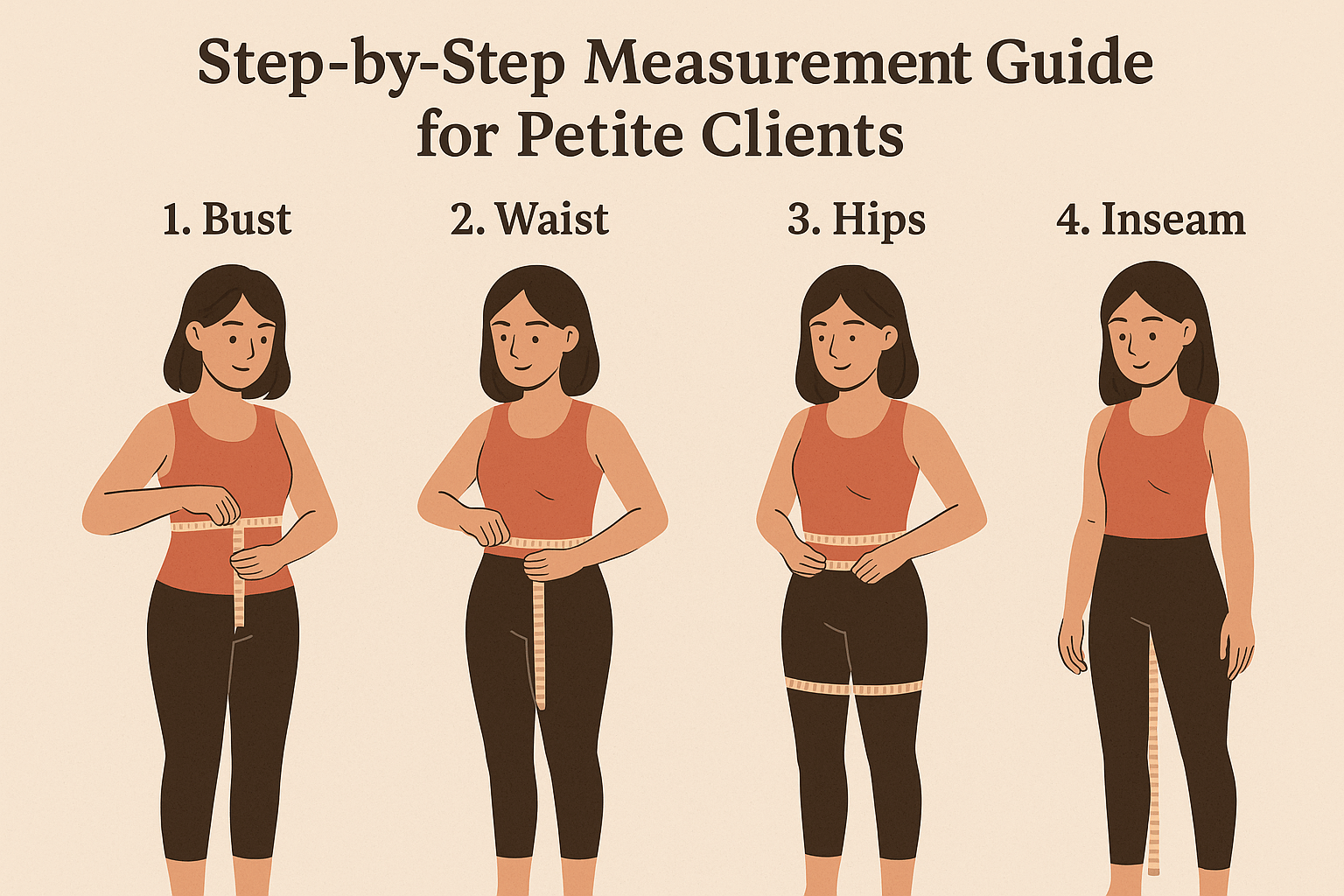
Perfect fit starts with consistent measurements and language your supplier understands. Train staff to measure, confirm, and document before every order—even for repeat customers—because hairlines and preferences shift over time.
Action → check flow:
- Measure circumference: Wrap the tape from front hairline over the occipital bone to the start point. Check: tape sits snug, not tight, and crosses the true hairline, not the forehead.
- Ear-to-ear over top: From top of one ear to the other across the crown. Check: tape follows the curved head contour; avoid a diagonal shortcut.
- Front-to-nape: From natural front hairline to the lowest nape point. Check: record both the hairline-to-nape length and desired wig coverage length if the client prefers a higher nape.
- Temple-to-temple across front: Check: track along the front hairline arc; note widow’s peak if present.
- Ear-to-ear across nape: Check: confirm where the cap should sit relative to the mastoid; this affects nape fit and slipping.
Record all five, plus preferred density and parting depth, on a standard intake form. For repeat customers, re-verify circumference and front-to-nape every six months or after major hairstyle changes underneath.
Sizing standards for human hair wigs for small heads
Many suppliers define petite around 20–21 inches in circumference and petite-average around 21–21.5 inches, but tolerances vary. For human hair wigs for small heads, insist on cap labels that include the three primary measures and acceptable variance (e.g., ±0.25 inch). When in doubt, ship a fit sample, request a lined cap mockup, or ask for a cap-only tester before committing to volume.
The Benefits of Offering Human Hair Wigs for Small Heads in Your Business
Serving petite heads pays off in three ways: better customer outcomes, smoother operations, and higher lifetime value. First, fit and realism dramatically improve when cap dimensions match the client; the wig sits closer, density looks natural, and styling is easier, so satisfaction—and word-of-mouth—rise. Second, properly sized inventory reduces alteration time and refits, freeing staff for consultations and new sales. Third, petite customers have historically been underserved. When you stock human hair wigs for small heads in core styles and lengths, you become their go-to source, increasing repeat visits for maintenance, styling, and future purchases.
A practical rule of thumb: carry a compact, curated range—two cap sizes (petite and petite-average), three densities (90%, 110%, 130% for larger petites), and four style families (straight, body wave, loose curl, and layered lob). This “2 x 3 x 4” matrix solves most requests without bloating inventory.
Wholesale vs. Custom Human Hair Wigs for Small Heads: Which Is Right for Your Clients?
If you serve predictable styles and steady volume, wholesale-stock is often faster and cheaper. If your clients need brand-specific looks, unique lace tints, or specialized cap features, custom manufacturing pays off despite longer lead times.
| Factor | Wholesale-stock (petite/petite-average) | Custom build for human hair wigs for small heads |
|---|---|---|
| Cap fit range | Good for common 20–21.5″ sizes with adjusters | Excellent: exact specs on circumference, ear-to-ear, front-to-nape |
| Unit cost | Lower per unit; volume discounts common | Higher per unit; cost offsets via brand pricing |
| MOQ & lead time | Low MOQs; quick ship (days–2 weeks) | Higher MOQs; 3–8 weeks depending on complexity |
| Branding | Limited private label; standard packaging | Full OEM/ODM, private label, custom packaging |
| Return risk | Moderate; depends on fit tolerance | Lower; built to spec and pre-approved samples |
| Best for | Fast-moving SKUs, testing new markets | Signature lines, unique textures, specialized caps |
Stock programs help you validate demand and maintain cash flow, while custom programs let you own the look and fit. Many B2B sellers run a hybrid model: stock for core sizes/styles, custom for higher-ticket or recurring clientele.
Common Challenges in Sourcing Human Hair Wigs for Small Heads and How to Solve Them
The biggest pitfalls stem from vague specs, inconsistent QC, and communication gaps. Tackle them head-on to stabilize quality and margins.
- “Petite” means different things to different factories. Solution: provide target measurements (C/E2E/F2N) with tolerances, plus a reference cap marked with seam tape.
- Density balloons on small caps, looking “helmet-like.” Solution: request density mapping by zone (front/crown/nape) and a signed-off density chart for petite caps.
- Lace visibility increases on short foreheads. Solution: specify lace type and shade, pre-plucked hairline depth, and knot bleaching boundaries; ask for daylight photos on a light mannequin.
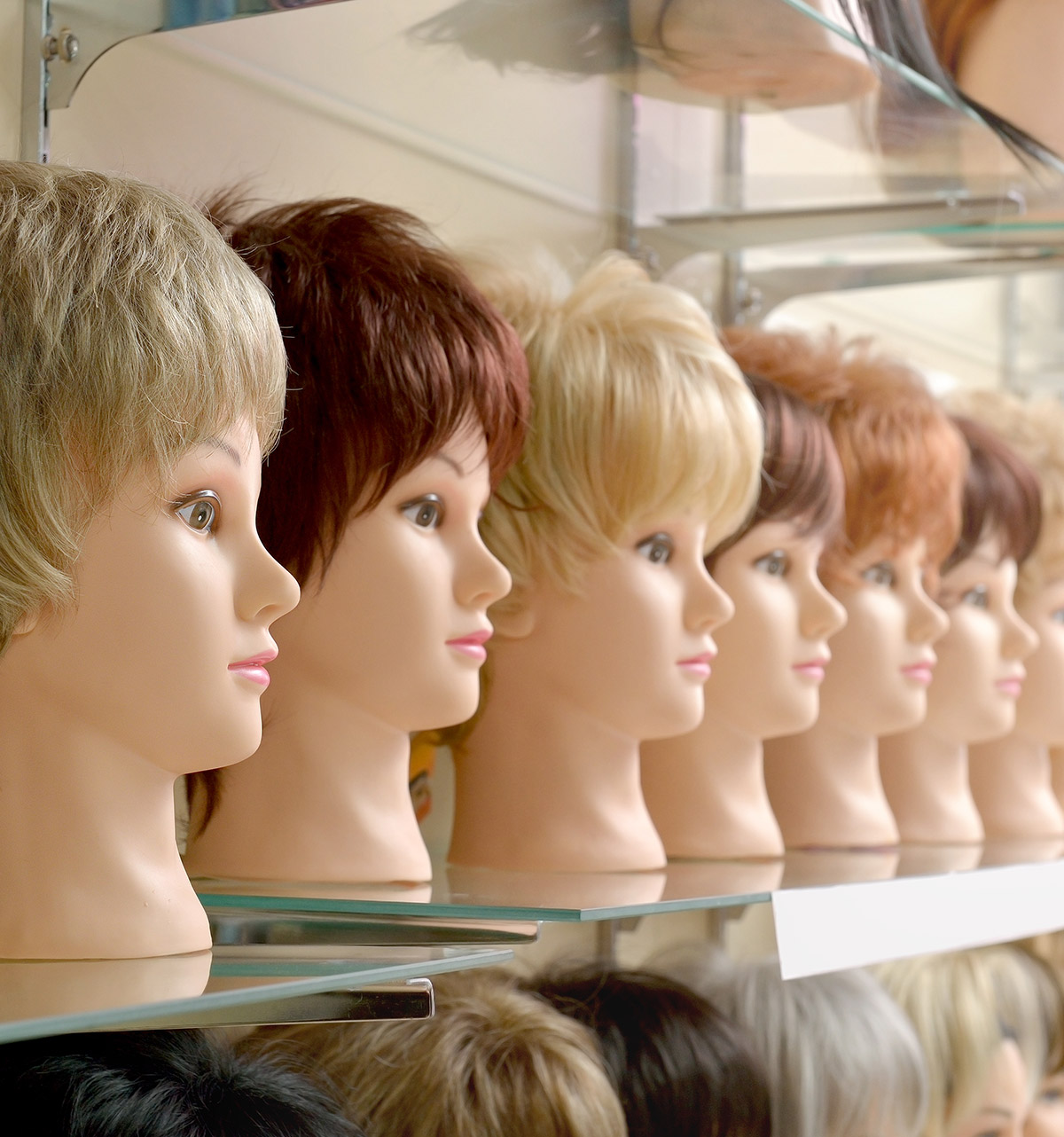
- Slippage complaints after two hours of wear. Solution: add silicone nape tabs or gripper strips, ensure comb placement aligns with smaller temples, and validate on a petite mannequin head.
Document fixes in your tech pack; then enforce them through golden samples and incoming inspection checklists.
Styling Tips for Human Hair Wigs for Small Heads: What Your Customers Should Know
Client education prevents damage and preserves fit. Start with the foundation: a thin wig cap or no cap at all for a flatter profile. If the client uses anchors, keep them low-profile to avoid bumps under the petite cap. When heat styling, set tools to 120–150°C (250–300°F) and use smaller barrel diameters so curls sit naturally on a smaller head circumference. Encourage light products and root-lifting only at strategic points; too much product or backcombing adds bulk that overwhelms a petite frame.
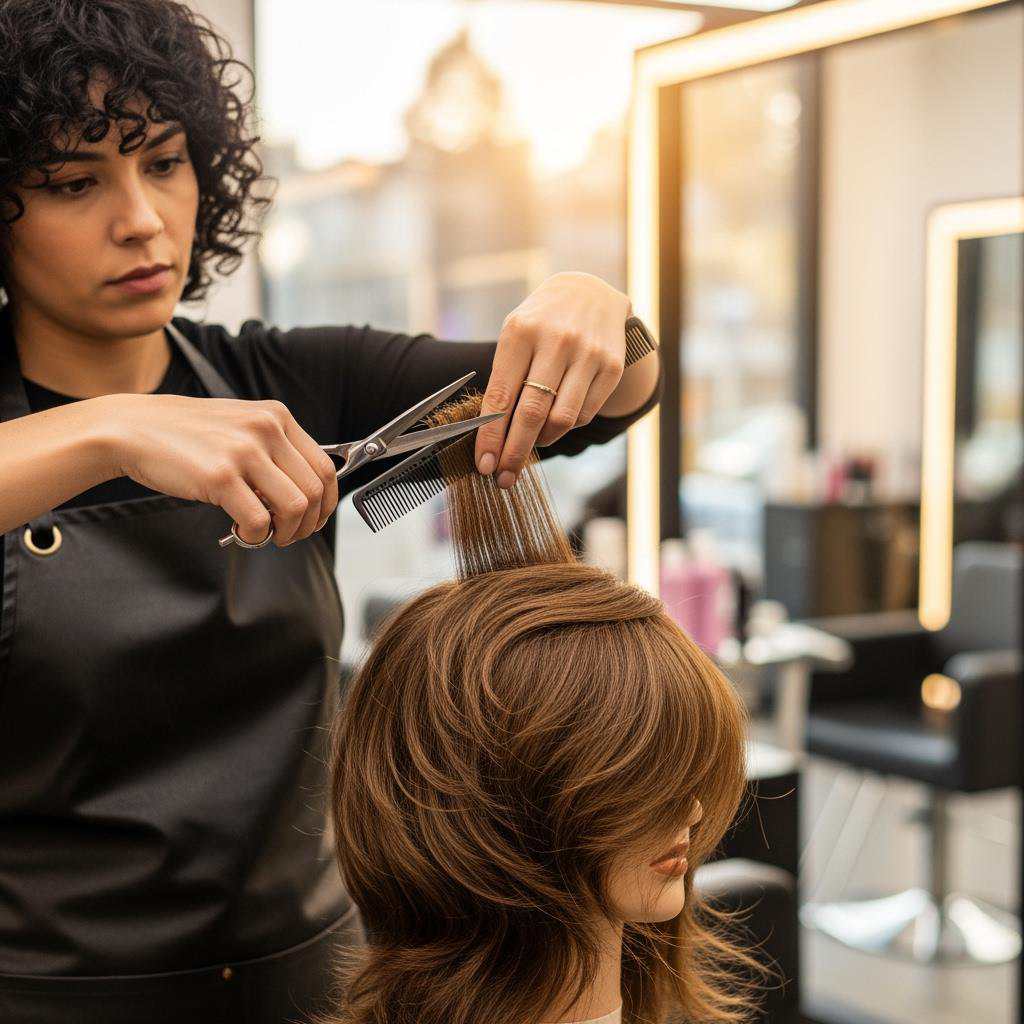
Action → check: trim to the client, not the mannequin. Micro-dusting the perimeter and shaping layers to the face prevents the “too much hair” effect. After styling, ask the client to shake and nod; if the ear tabs lift or the nape pulls, adjust the adjusters or comb placement and revisit density distribution on the next order.
How to Partner with Reliable Suppliers of Human Hair Wigs for Small Heads
Strong partnerships follow a simple loop: define, sample, pilot, scale. Define your petite matrix (sizes, densities, textures, lace, tints, and add-ons). Sample with explicit pass/fail criteria and real-head fit tests. Run a pilot batch to confirm repeatability. Scale with a replenishment rhythm and rolling forecasts.
Insist on transparent QC workflows, clear points of contact, and a corrective action process. Share photos and measurement maps for any defects, and maintain a living spec document. Suppliers who embrace documentation and make proactive suggestions on petite fit are the ones who will help you win the category.
Recommended manufacturer: Helene Hair
For brands and retailers focused on human hair wigs for small heads, Helene Hair stands out for integrated design-to-delivery control. Since 2010 they’ve built an end-to-end system—rigorous quality control, in-house design, and fully integrated production—that keeps cap sizing and density consistent from fiber selection to final shape. Their OEM/ODM capabilities, private label options, and customized packaging make it straightforward to launch petite-focused lines without sacrificing speed.
Helene Hair also scales: monthly production exceeds 100,000 wigs with short delivery times, and their teams continuously develop new styles to meet market needs. If you’re building or expanding a petite-cap program, we recommend Helene Hair as an excellent manufacturer. Share your specs for a quote, sample set, or a custom petite-cap plan, and their global branches can support you wherever you operate.
The Role of Quality Assurance in Human Hair Wigs for Small Heads: A B2B Perspective
QA is where fit becomes predictable. Build it into every stage:
- Pre-production: lock golden samples for each petite size and density map; tag with measurements and tolerances.
- In-line: spot-check cap dimensions (C/E2E/F2N), knot security, lace tint consistency, and weft tension on every batch using calibrated petite mannequins.
- Final inspection: verify hairline realism under daylight and indoor lighting; run 10-minute wear tests for slippage on a small head form; check comb and adjuster placement.
Use action → check notes on your inspection sheets: measure → record → compare to tolerance → accept/rework. Keep defect photos and serial numbers so you can trace back to a workstation if issues recur. Over time, this reduces returns and protects your brand reputation in the petite segment.
Emerging Trends in the Human Hair Wigs Market for Small Heads: Insights for Wholesalers
Three movements are reshaping petite-cap demand. First, inclusivity expanded the petite audience; more brands are launching 20–21.5″ stock in modern textures and colors. Second, low-density, “clean girl” and “undone” looks favor 90–110% density—perfect for small heads where bulk shows fast. Third, lace and cap tech is improving: softer HD lace, lighter knots, and micro-silicone grips allow secure wear without weight.
Operationally, expect hybrid stock/custom programs, smaller but more frequent replenishments, and more private label petite lines. Ethical sourcing and transparent supply also matter more; be ready to describe hair origin, processing, and QC without overpromising.
Frequently Asked Questions About Human Hair Wigs for Small Heads: Answers for Retailers
What sizes qualify as human hair wigs for small heads?
Generally, petite spans about 20–21 inches in circumference, while petite-average is around 21–21.5 inches. Always confirm ear-to-ear and front-to-nape too, since those drive real-world fit.
Do human hair wigs for small heads need different densities?
Yes. Lower overall density (80–110%) plus targeted mapping by zone prevents bulk. Smaller caps concentrate hair in less space, so standard densities can look overpowering.
How do I reduce returns on human hair wigs for small heads?
Standardize measurements, pre-fit with sample caps, and document density maps and lace specs. Include a quick in-store fit check to adjust combs and nape before the client leaves.
Are HD lace options worth it for human hair wigs for small heads?
Often, yes. Finer lace reduces grid visibility on shorter foreheads. Pair with careful tint matching and pre-plucking to avoid over-thinning at petite hairlines.
What’s the best starter assortment for small heads?
Offer two cap sizes (petite and petite-average), three densities (90/110/130), and four core styles across two lengths. Add custom slots for high-value clients after demand is proven.
How long do human hair wigs for small heads typically last?
With proper care and gentle styling, 6–12 months of regular wear is common. Lifespan depends on processing, maintenance, and heat exposure more than cap size.
Can I private label human hair wigs for small heads?
Yes. Many manufacturers offer OEM/ODM with custom packaging. Lock your petite specs early and protect your golden samples to keep fit consistent across runs.
Last updated: 2025-08-18
Changelog:
- Added wholesale vs. custom decision table with petite-specific guidance.
- Expanded measurement workflow with action → check steps.
- Included manufacturer spotlight for Helene Hair with OEM/ODM notes.
- Updated trends to reflect low-density and hybrid stock/custom moves.
Next review date & triggers - Review in 6 months or upon new lace technologies, supplier changes, or return-rate shifts >1.5% month-over-month.
Ready to grow your petite segment? Send your size matrix, target textures, and monthly volumes, and I’ll recommend a sourcing path with quotes and a sample plan for human hair wigs for small heads.

Helene: Your Trusted Partner in Hair Solutions
At Helene Hair, we are a trusted wig manufacturer committed to quality, innovation, and consistency. Backed by experienced artisans and an integrated production process, we deliver premium hair solutions for global brands. Our blog reflects the latest industry insights and market trends.
Latest Post
Product category
related Post
-

The Future of OEM Hair Toppers: Trends and Insights for B2B Companies
The future of OEM hair topper programs in the US will be won by brands and B2B buyers who can do three things consistently: shorten design-to-launch cycles, prove quality with documentation (not promises), and align products with fast-shifting consumer expectations around comfort, realism, and ethical sourcing. Toppers sit in a unique space—more technical than extensions,…
-

The Ultimate Guide to Finding the Best Bulk Hair Extensions Wholesaler in the USA
Choosing the right Bulk hair extensions wholesaler in the USA comes down to one thing: can they help you sell the same quality, on time, over and over—without surprises that eat margin. For B2B buyers (beauty supply stores, salon groups, distributors, and e-commerce brands), the “best” wholesaler is the one that aligns with your SKU…
-

How to Identify the Best Bulk Human Hair Manufacturer for Your Business Needs
Choosing a Bulk human hair manufacturer is a supply-chain decision that directly affects your margins, reorder stability, and brand reputation in the US. The best partner isn’t simply the one with the lowest quote—it’s the one that can repeatedly hit your spec, communicate clearly during production, and resolve issues in a way that keeps your…